How to clean aluminium window frames
Aluminium window frames are low-maintenance, but they still need care. Follow our straightforward guide to keep them clean and looking their best.
Aluminium window frames are popular because they're easy to maintain. Unlike wooden windows, they don't rot, warp or need repainting.
That said, they do need some mild care. Cleaning your frames regularly helps them look good and last longer.
So, how do you go about keeping them clean and in good nick? Follow our step-by-step guide and you'll have shiny, new-looking aluminium windows in no time.
What you'll need
You don't need any special products for a basic clean. In fact, you probably have most of what you need at home already.
For regular cleaning, gather:
- Warm water
- A little mild washing-up liquid
- A soft cloth or non-abrasive sponge
- A dry microfibre cloth
- A soft brush for corners and tracks
If you have tough stains or oxidation, you can also use white vinegar, bicarbonate of soda and a spray bottle. For very dirty frames, a commercial aluminium cleaner can help, but always test it on a hidden spot first.
What to avoid
It's just as important to know what not to use as it is to know what works. When cleaning aluminium frames:
- Never use bleach, ammonia cleaners or anything rough. These might damage the protective powder coating. Once that's gone, the frame is much harder to look after.
- Avoid wire brushes, scouring pads and rough cloths.
- Don't use high-pressure washers , as the strong water can push moisture into the seals and cause problems later.
Stick to soft materials and gentle cleaners to help the finish last longer.
Step by step: the standard clean
This cleaning routine works for most aluminium frames and covers everyday cleaning needs.
Step one
Remove loose dirt. Use a soft, dry brush or cloth to sweep away dust, cobwebs and dirt from the frame and nearby areas. This helps prevent scratches when you clean with water.
Step two
Make your cleaning solution. Add a few drops of washing-up liquid to a bowl of warm water. You don't need much soap.
Step three
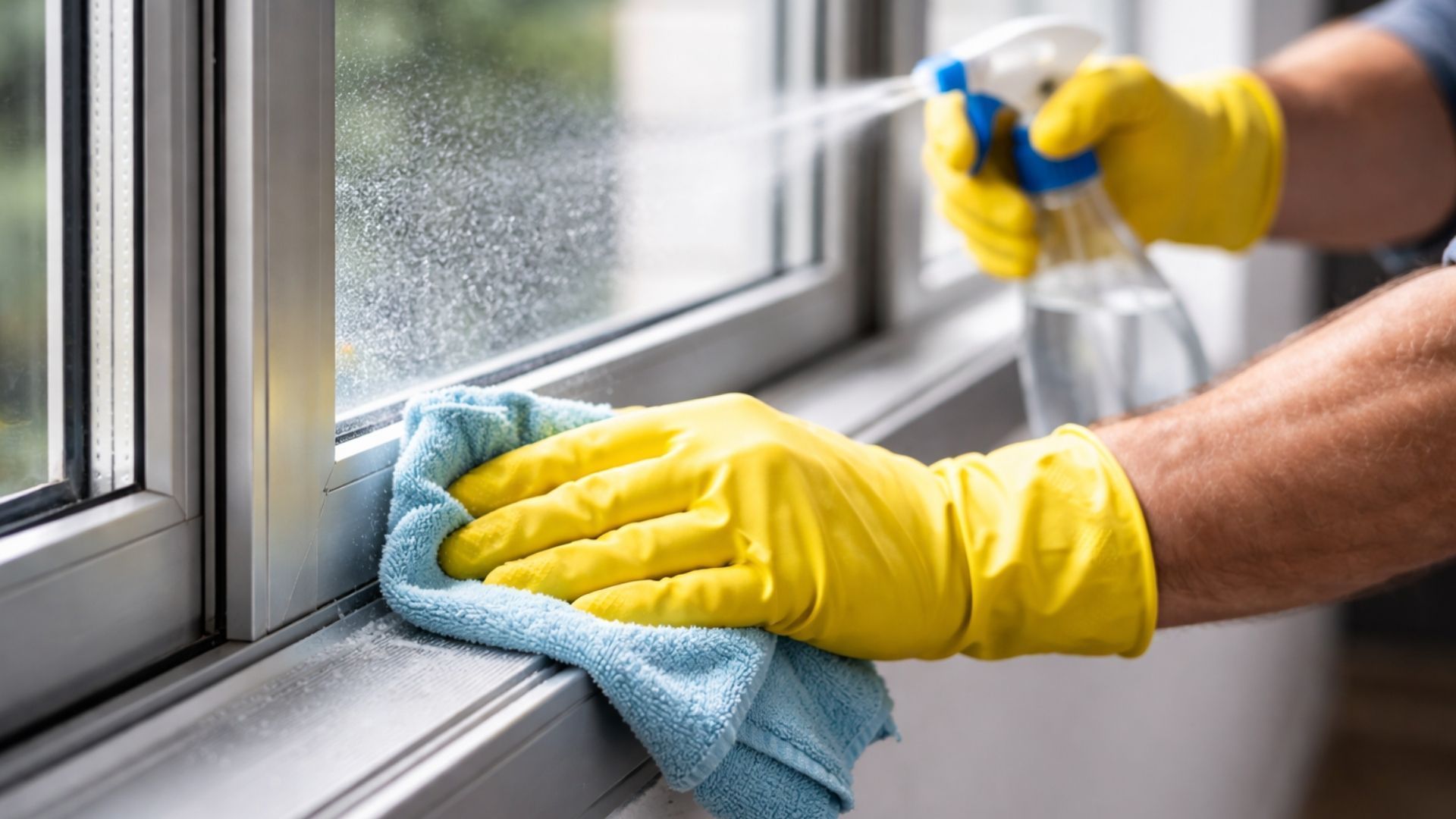
Wipe the frames. Dip your soft cloth or sponge in the solution and clean the frames from top to bottom. Keep the cloth damp, not wet, and rinse it often to avoid spreading dirt around.
Step four
Rinse well. Use a clean, damp cloth to wipe away any remaining soap from the frames. If soap dries on the surface, it can leave streaks and attract more dirt.
Step five
Dry right away. Use a dry microfibre cloth to get rid of any remaining moisture on the frames as soon as you finish rinsing. If water sits on the aluminium, especially in hard water areas, it can leave marks or spots.
Dealing with stubborn stains and oxidation
If your frames haven't been cleaned for a while or have stains, warm soapy water might not be enough.
For tough stains, mix equal parts white vinegar and warm water in a spray bottle. Spray the area, then gently wipe in circles with a soft cloth. Rinse well and dry immediately.
If you see a dull, powdery or grey coating on the frames, this is oxidation. You can make a paste with bicarbonate of soda and water and gently rub it on with a soft cloth. Don't scrub hard and be sure to rinse well afterwards.
For heavy oxidation, a commercial aluminium cleaner works best. Always try any new cleaner on a small, hidden part of the frame first, though.
Cleaning the tracks and hardware
The tracks are often the part that people forget to clean. Dirt and grit can build up in the channels, making windows hard to open and wearing out the moving parts.
First, use a vacuum cleaner with a narrow nozzle to remove loose dirt from the tracks. Then use an old toothbrush dipped in warm, soapy water to loosen any stuck dirt. Wipe with a damp cloth and dry thoroughly.
After cleaning, apply a small amount of silicone-based lubricant to the moving parts and hinges to keep the windows working smoothly. Don't use oil-based lubricants, as they attract dirt and can cause more problems later.
How often should you clean aluminium frames?
Cleaning your frames every two to three months is enough for most homes.
If you live near a busy road, in a polluted area, or get a lot of wind and rain, you might need to clean them more often.
Clean the tracks every three to six months, or whenever the window feels hard to open.
Wiping down the frame once a month between deep cleans takes only a minute and helps prevent dirt from building up.
The benefits of aluminium windows
Are you considering investing in aluminium windows? As you can see, keeping them shiny only takes five simple steps – a doddle!
They're so easy to clean because the material is made to handle everyday use.
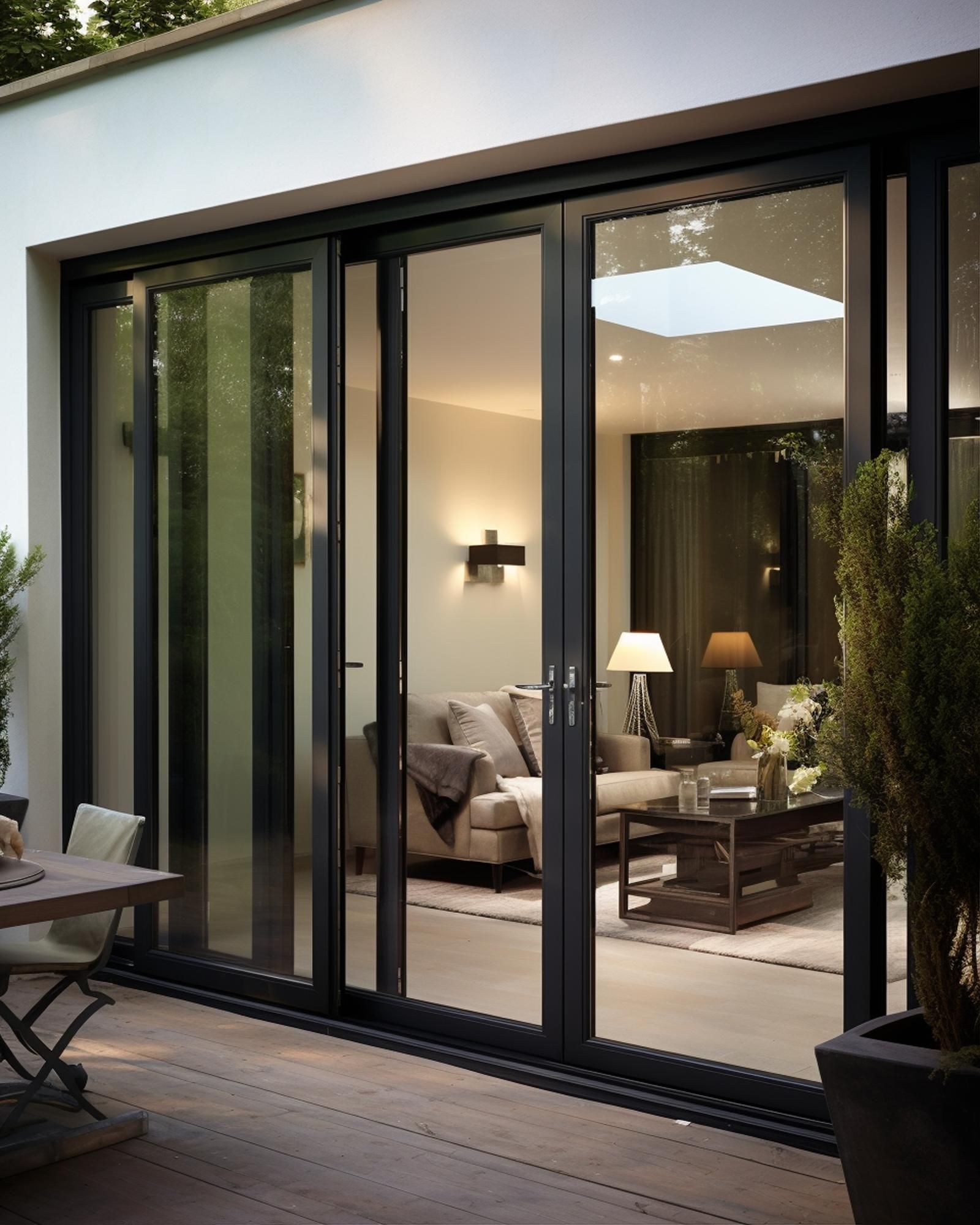
What's more, aluminium is strong, so frames can be made slimmer than uPVC ones. Slimmer frames mean more glass, more light and a modern look.
Quality aluminium frames have a built-in barrier that separates the cold outside from the warm inside. This helps keep heat in and makes them as energy efficient as other types of frames.
Finally, aluminium does not rot, warp or rust in normal conditions. The powder-coated finish is tough, resistant to sunlight and available in many colours, including options with different inside and outside colours.
Frequently asked questions
Can I use a pressure washer on aluminium window frames?
It's best avoided. High-pressure water can damage seals and force moisture into areas where it doesn't belong. A damp cloth and mild detergent will do the job without the risk.
My frames have gone dull and chalky. What's causing this?
This is oxidation, which looks like a powdery, chalky or grey film. Oxidation is a natural process that occurs when aluminium is exposed to oxygen and moisture over time.
Oxidation is more common on older, uncoated frames. A white vinegar solution or bicarbonate of soda paste will address mild cases. Severe oxidation, meanwhile, may require a commercial aluminium cleaner.
Can I use the same cleaning products on powder-coated and anodised frames?
Broadly yes – but with caution. Both respond well to mild soapy water.
For powder-coated frames, avoid abrasive or solvent-based materials. For anodised frames, a gentle non-alkaline cleaner is the safest choice. When in doubt, test on a small area first.
How do I stop water spots from forming after cleaning?
Dry the frames immediately after rinsing with a clean microfibre cloth. In hard water areas, adding a small amount of white vinegar to the rinse water can help reduce mineral deposits.
Aluminium windows at Calder Windows
At Calder Windows, we supply and fit
aluminium residential windows
throughout West Yorkshire, including Wakefield, Normanton, Leeds and areas nearby.
Our windows have built-in thermal barriers and strong security features, and come in many colours and finishes to match any home style.
Whether you're looking after your current aluminium windows or thinking about an upgrade, we are here to offer honest advice with no sales pressure.
All our installations come with a 10-year warranty and are done by our skilled local team. As a FENSA-registered company, we ensure all installations comply with building regulations.
Why not take a look at our aluminium window range ? And when you're ready, don't hesitate to contact our friendly team for a free, no-obligation quote.
Recent Posts