How do integrated blinds work?
Learn how integrated blinds work and what makes them a practical, low-maintenance option for modern windows and doors.
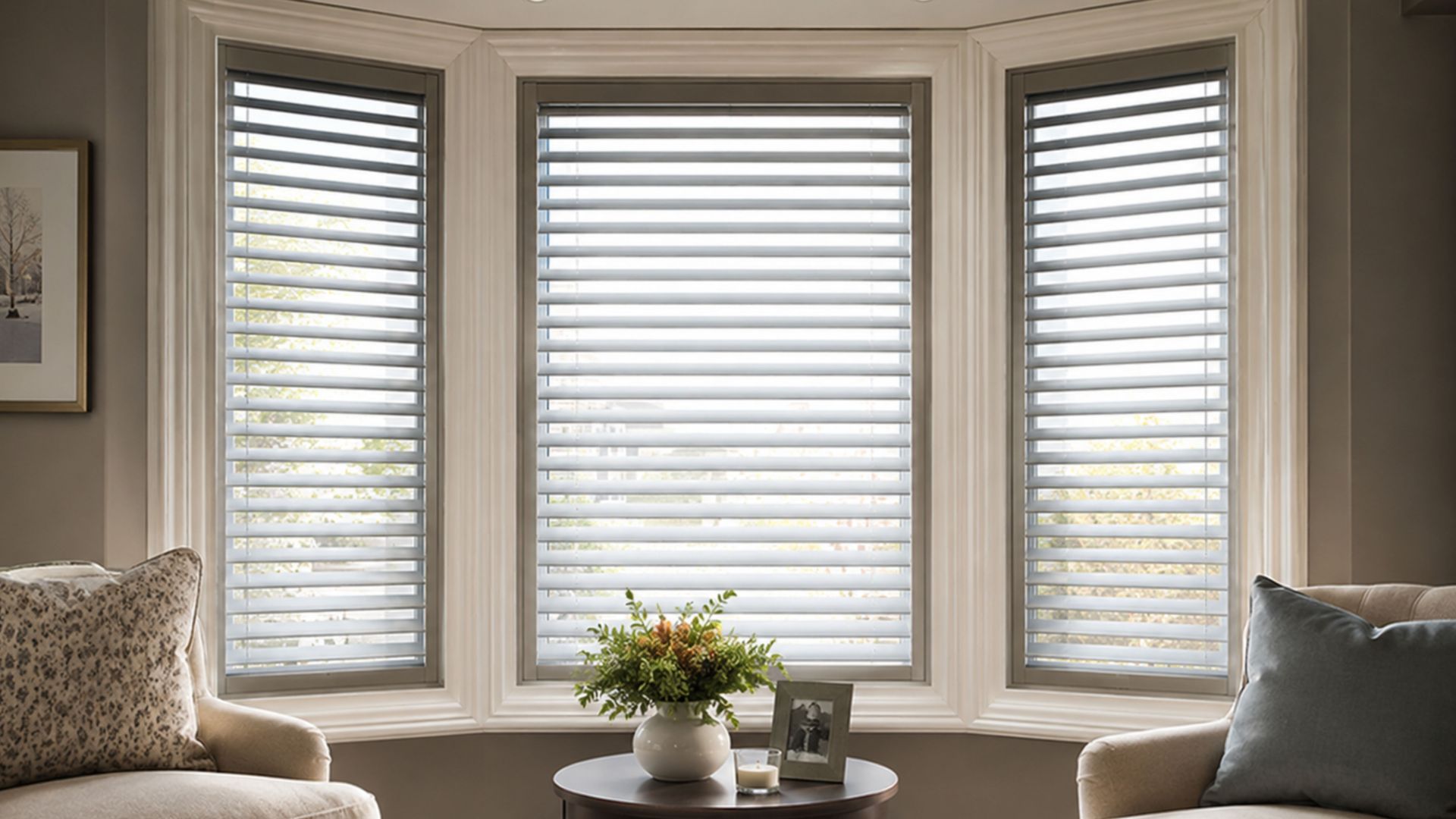
Integrated blinds are a modern window solution designed to combine privacy, light control and convenience in one system.
Rather than sitting outside the glass like traditional blinds, integrated blinds – also known as "integral blinds" – are sealed within the glazing unit itself.
Appearing on the market in the 1990s, they have been growing in popularity ever since. Their sleek design makes them an ideal choice for both commercial property managers and homeowners looking for a low-maintenance alternative to curtains or external blinds.
But how exactly do integrated blinds work? And what makes them different from standard window coverings? We've put together a guide that answers these questions and many more.
What are integrated blinds?
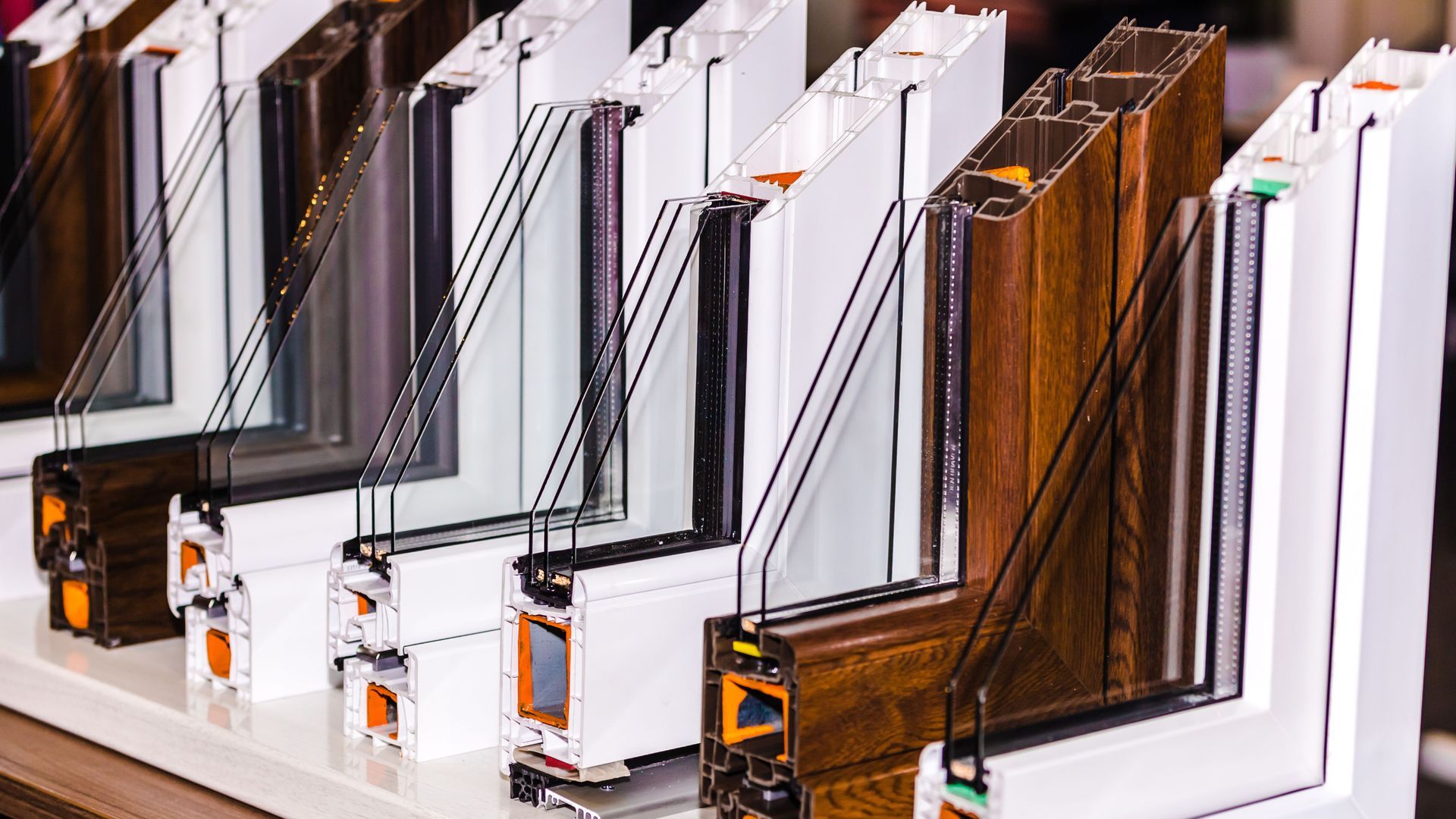
Integrated blinds are fitted between two panes of glass within a sealed double or triple glazing unit.
This means the blinds are:
- Completely enclosed within the window pane itself
- Protected from dust and dirt
- Operated without direct contact
They are commonly installed in:
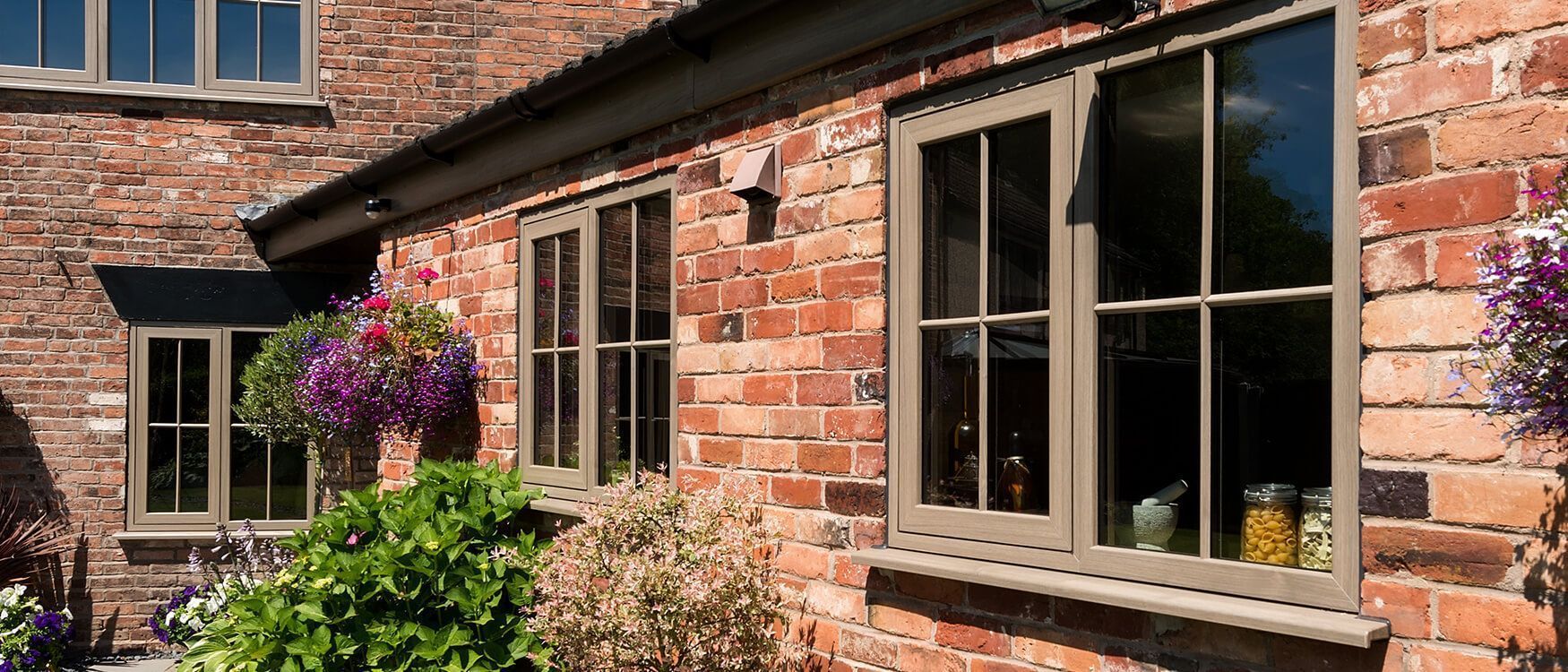
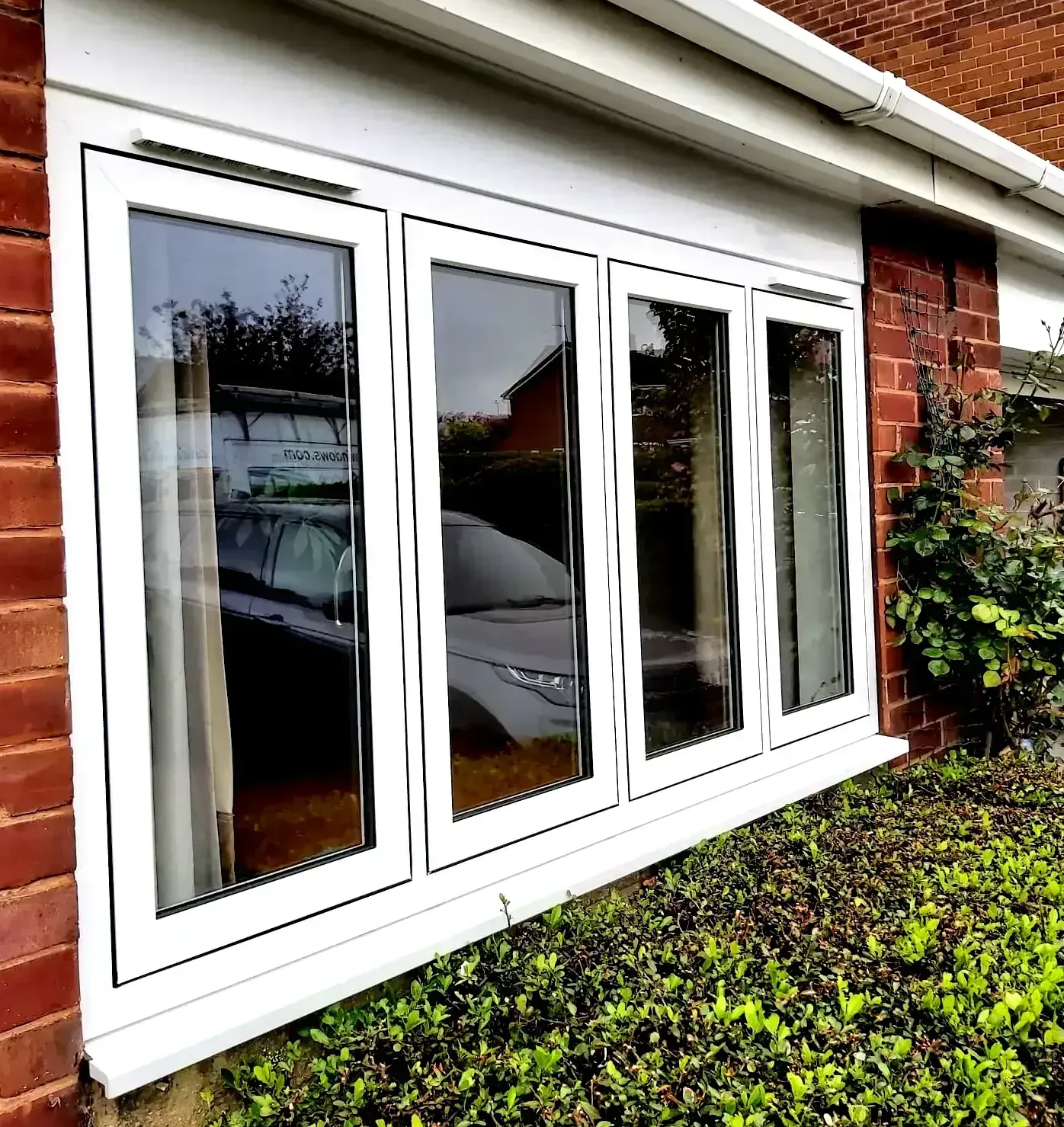
- Windows
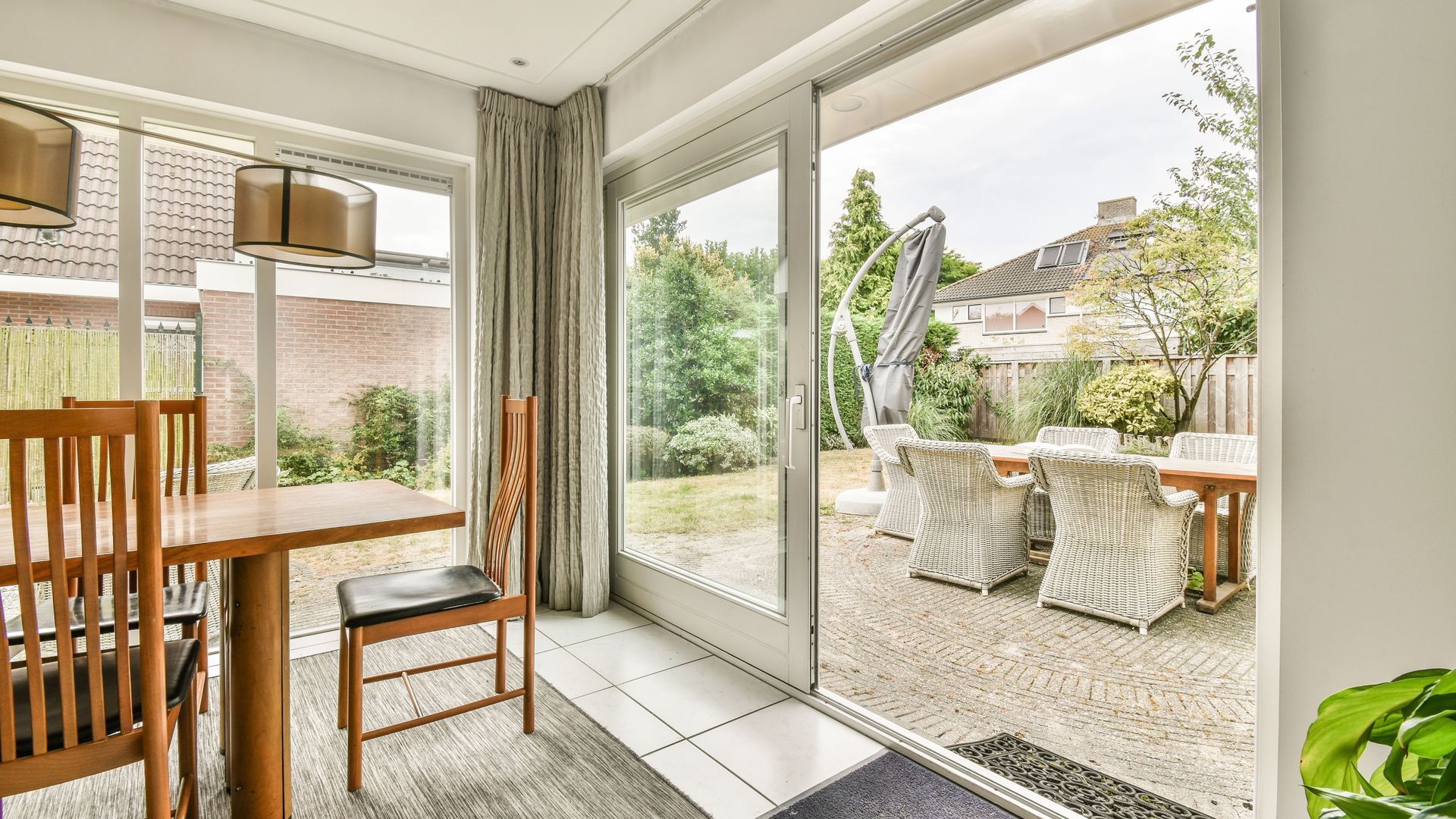
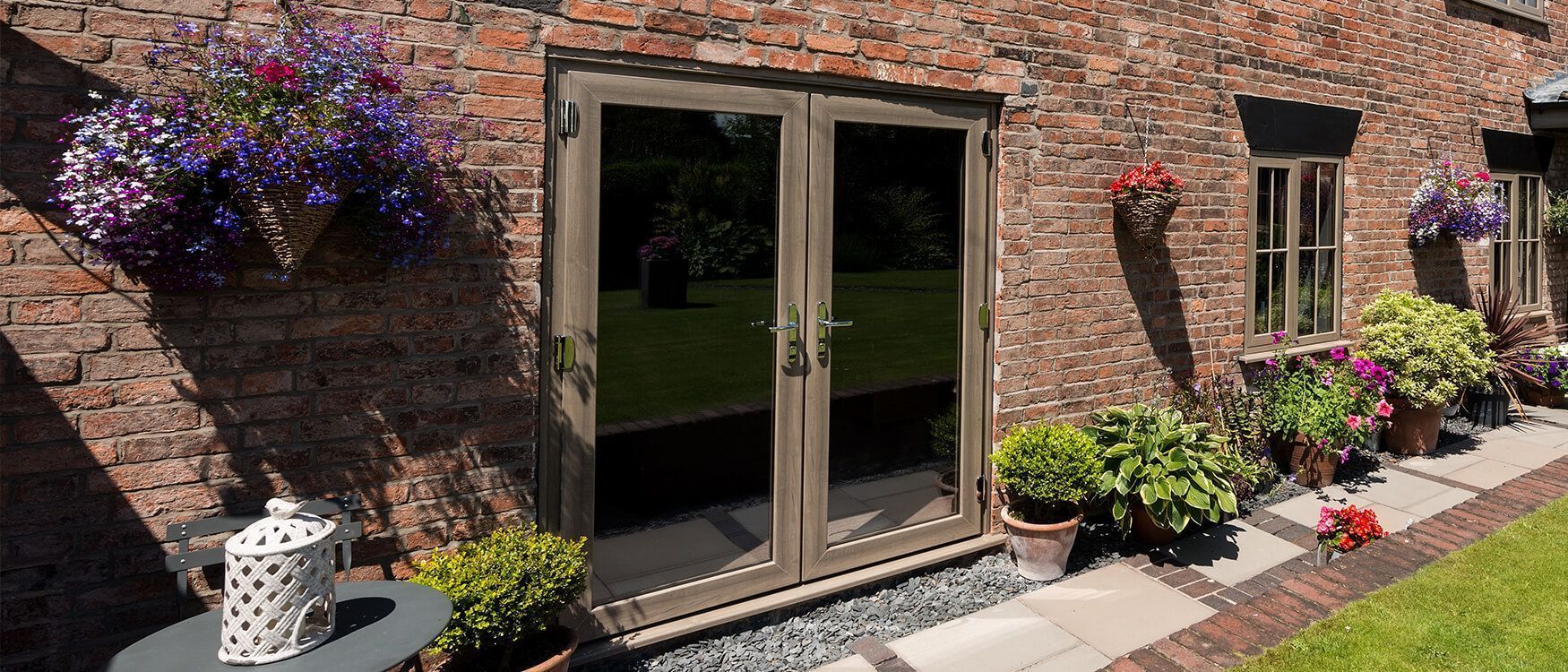
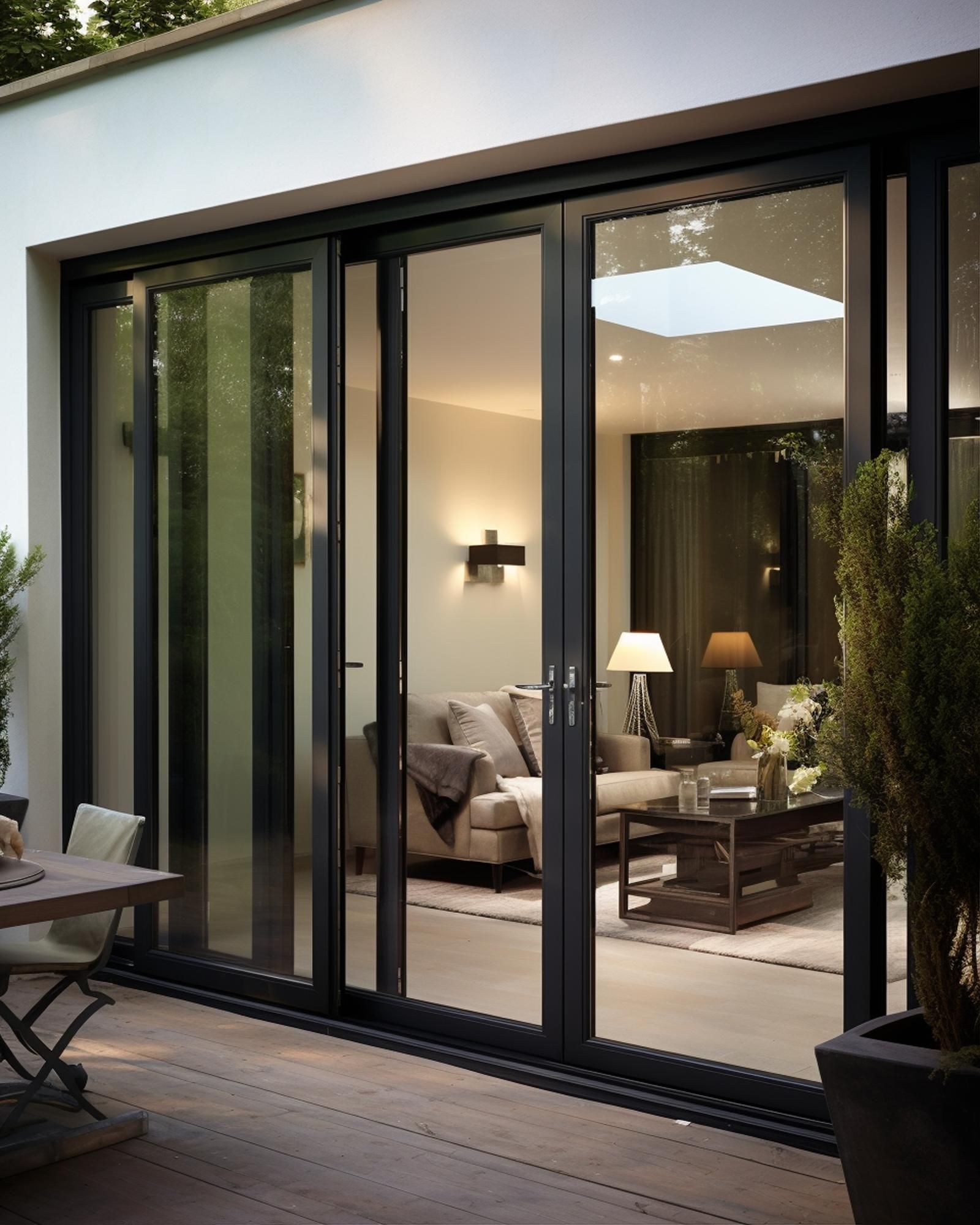
- Patio doors
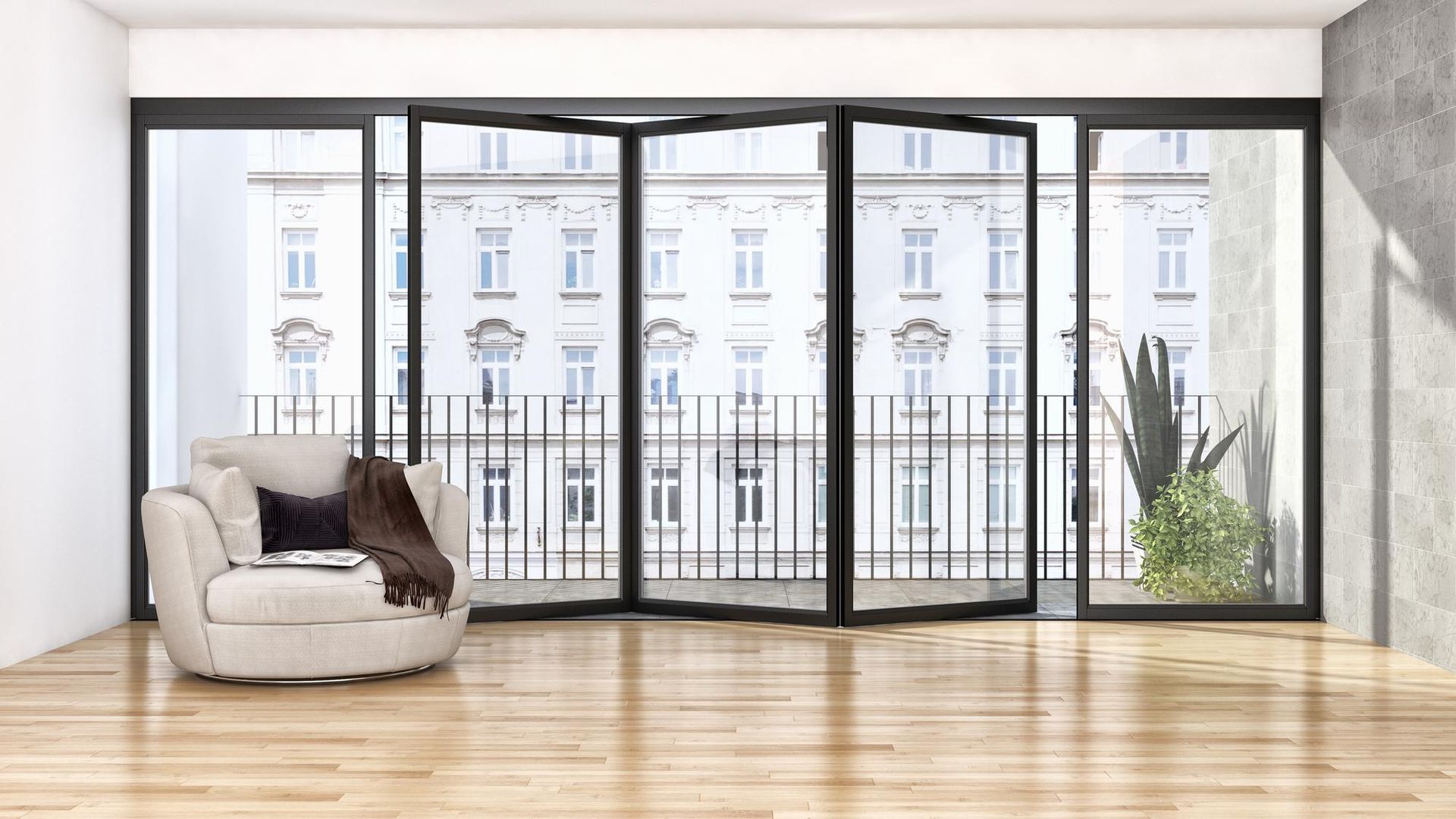
- Bifold doors
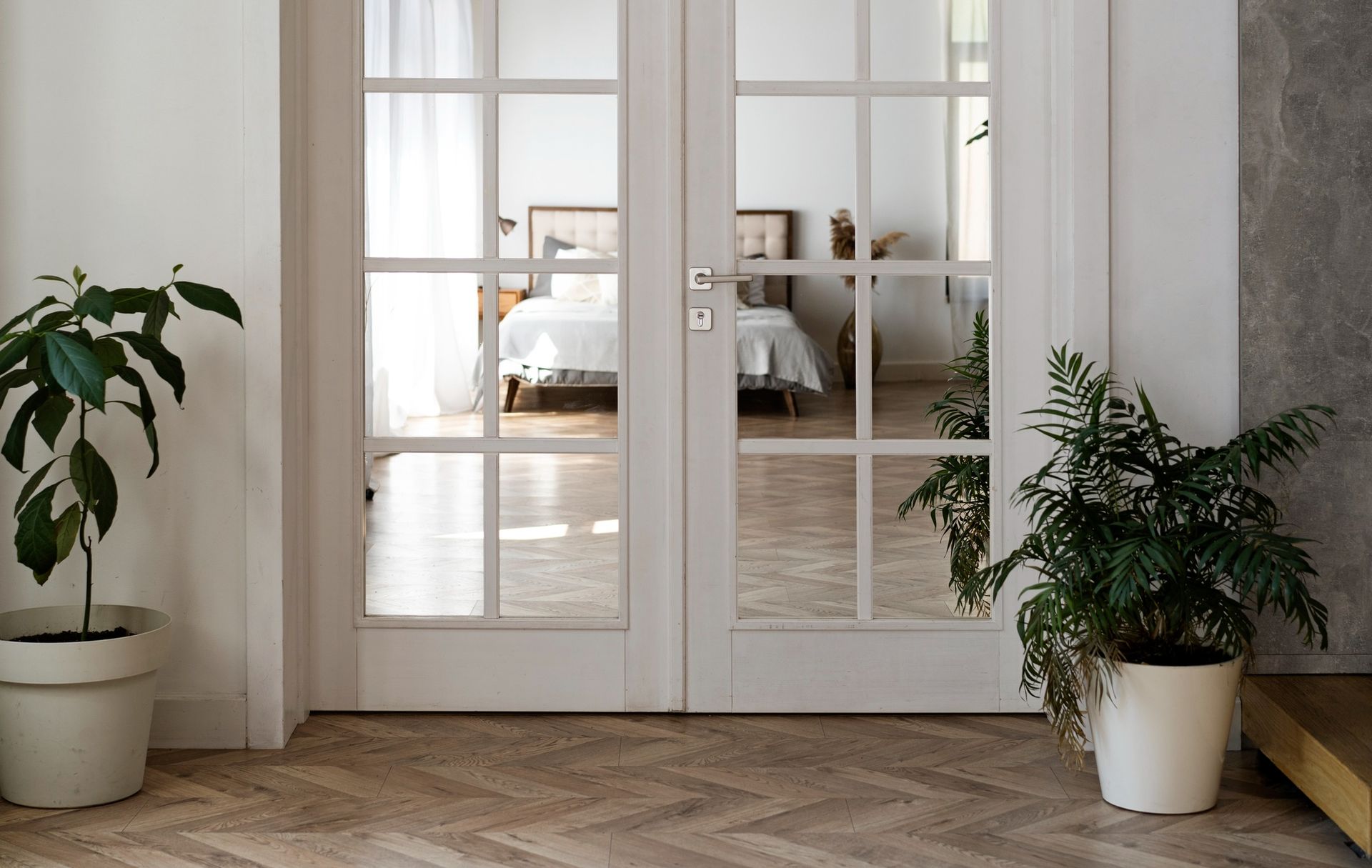
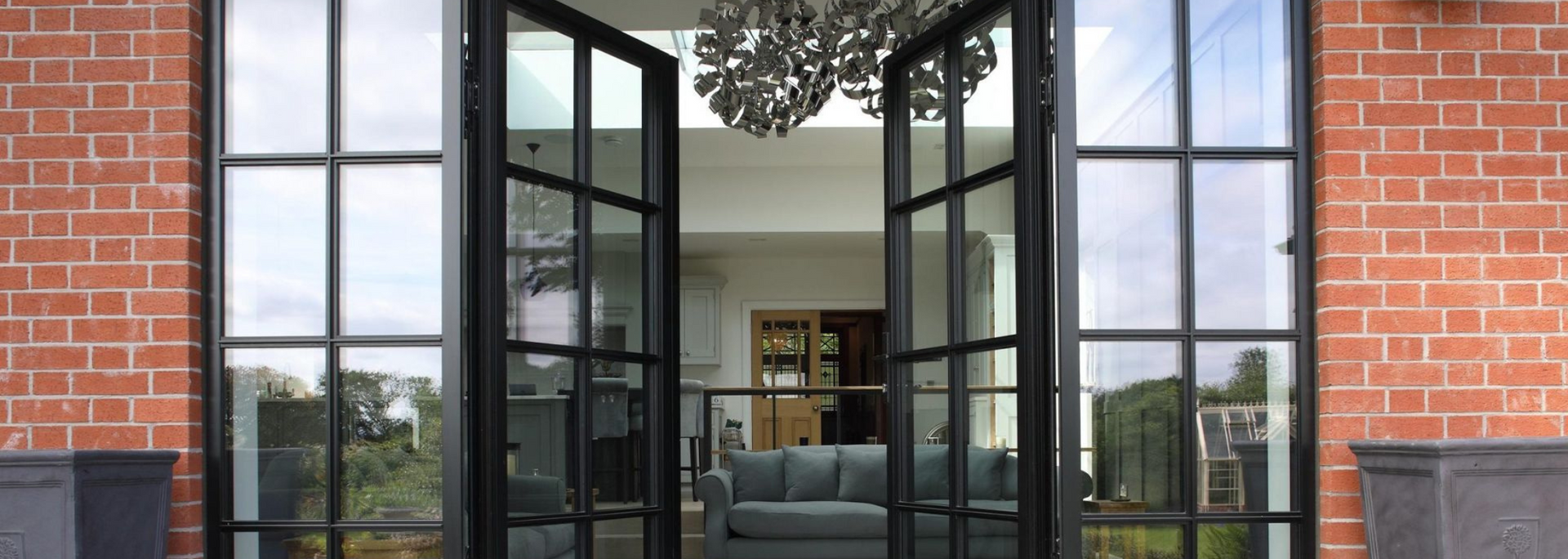
- French doors
Because they sit inside the glass unit, they offer a clean, streamlined appearance that works well in both modern and traditional homes.
How do integrated blinds work?
Although the blinds are sealed within the glass, they can still be raised, lowered and tilted using external controls.
There are three main types of control systems.
1. Magnetic control
This is one of the most common systems used in integrated blinds.
A magnetic slider or knob is fitted to the window frame. This connects to the blinds inside the glass using magnets.
When you move the external control, the magnets transfer movement through the glass, and the blinds inside respond accordingly.
This allows you to raise or lower the blinds, as well as tilt the slats to control light.
Because there is no direct mechanical connection passing through the glass, the sealed unit remains intact.
2. Corded or manual systems
Some integrated blinds use a discreet cord system attached to the frame.
This works similarly to traditional blinds, allowing you to lift and lower the blinds and adjust the angle of the slats.
Unlike standard blinds, however, the mechanism is designed to work with the sealed unit without compromising insulation.
3. Electric or motorised systems
Motorised integrated blinds offer a more advanced option, particularly for larger installations such as bifold or sliding doors.
These systems are typically operated by a wall switch, remote control or a smart home integration.
Motorised blinds are particularly useful for harder-to-reach areas, or for homeowners looking for added convenience.
What types of blinds can be integrated?
The most common type of integrated blind is the Venetian blind, which uses horizontal slats that can be tilted to control light.
Other options may include pleated blinds, which offer a softer appearance, or blackout blinds, which are ideal for bedrooms and media rooms.
The choice will depend on the style of window or door, as well as your preferences for light control and privacy.
Key benefits of integrated blinds
Integrated blinds offer several advantages over traditional window coverings.
1. They're low-maintenance

Because the blinds are sealed within the glass, they are protected from dust, dirt and moisture. This means they don't need regular cleaning, unlike external blinds or curtains.
2. They're more hygienic
With no exposed surfaces to collect dust or allergens, integrated blinds are a good option for allergy sufferers. They're suitable for use in kitchens and bathrooms, and may also suit healthcare or commercial environments, depending on local regulations.
3. They have a sleek, modern appearance
Integrated blinds create a clean, uncluttered look, with no cords or fabric hanging around the window.
This makes them particularly popular in modern homes, minimalist spaces and open-plan environments.
4. They're durable
Because the blinds are protected inside the glazing unit, they're less likely to become damaged or fade in the sunlight. They also won't wear out so much over time.
5. They're child and pet safe
Traditional blinds often have cords that can pose a safety risk. Integrated blinds eliminate this issue, making them a safer choice for family homes.
Are there any drawbacks?
While integrated blinds offer many benefits, there are a few considerations to keep in mind.
1. Initial cost
Integrated blinds tend to be more expensive than standard blinds, as they're built into the glazing unit.
However, their durability and low maintenance may offset this cost over time.
2. Repairs and replacement
If the blind mechanism fails, it may require replacement of the sealed unit rather than a simple repair.
That being said, high-quality systems are designed to be long-lasting and reliable.
3. Limited retrofitting
Integrated blinds are usually installed as part of a new window or door. Retrofitting them into existing glazing is not always possible.
Where are integrated blinds most commonly used?
Integrated blinds are particularly well-suited to glass doors, kitchens, bathrooms and bedrooms.
Glass doors
Bifold doors, sliding patio doors and French doors can benefit from built-in privacy without interfering with door operation.
Kitchens and bathrooms
Moisture-resistant and easy to maintain, integrated blinds work well in environments where traditional blinds may be less practical.
Bedrooms
Blackout options can help control light levels while maintaining a clean aesthetic.
Are integrated blinds energy-efficient?
Integrated blinds can contribute to overall energy efficiency, particularly when used with double or triple glazing.
They can help to reduce heat loss in winter, limit solar gain in summer and improve overall insulation.
However, their primary benefit is convenience and aesthetics rather than their energy performance alone.
Choosing the right integrated blinds
When selecting integrated blinds, it's important to consider:
- The type of window or door
- The level of light control you need
- Whether you would prefer manual or motorised operation
- The overall style of your home
Experienced installers will help ensure the system is properly specified and fitted.
Professional installation with Calder Windows
Because integrated blinds are built into sealed glazing units, correct installation is essential.
With Calder Windows, our professional installers will ensure accurate measurements, fit the glazing unit securely and check that the control system works smoothly. Our team are available to answer your questions and figure out if integrated blinds are the right choice for your space.
So, if you're in Yorkshire and are considering investing in integrated blinds, don't hesitate to get in touch with our friendly experts.
Recent Posts