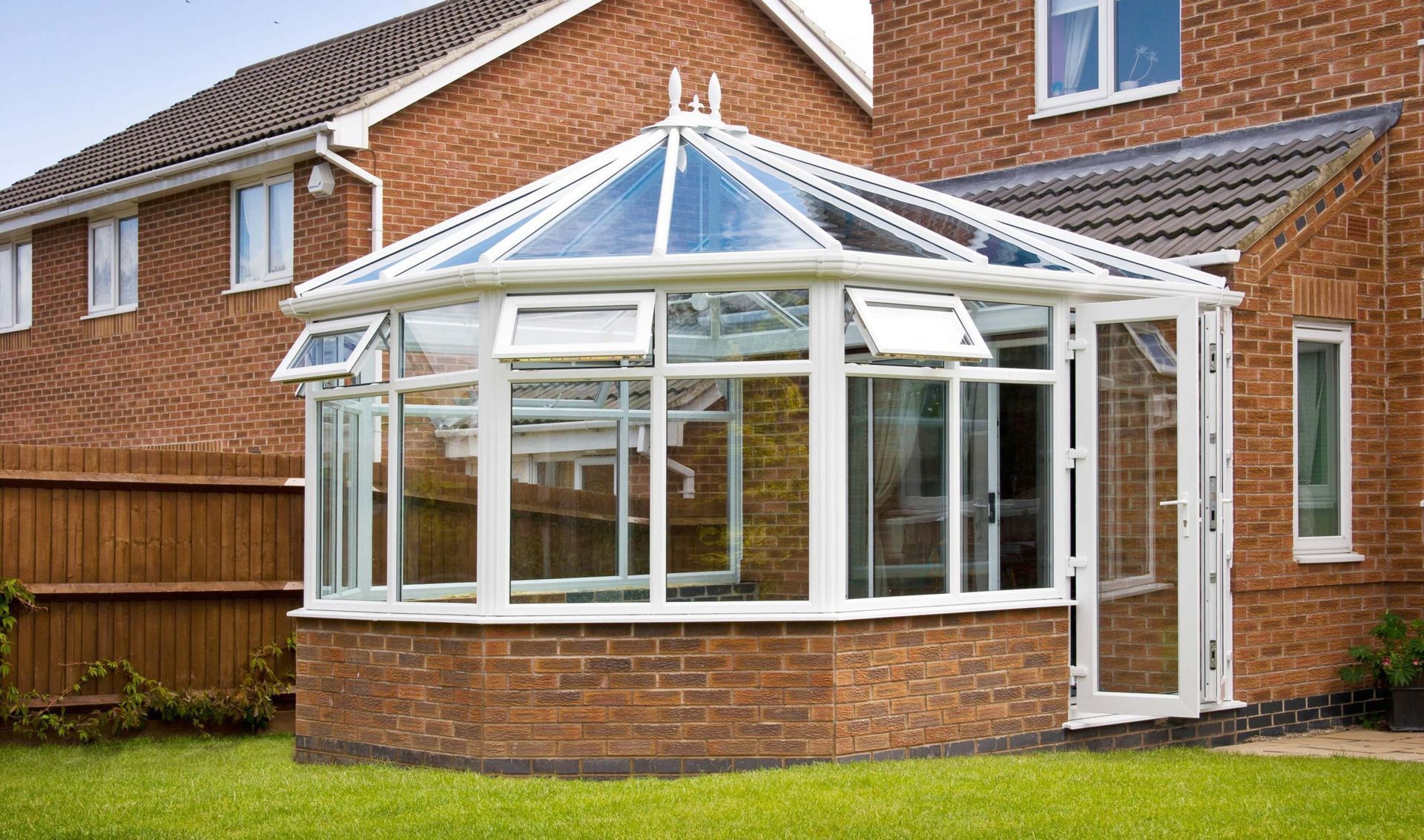
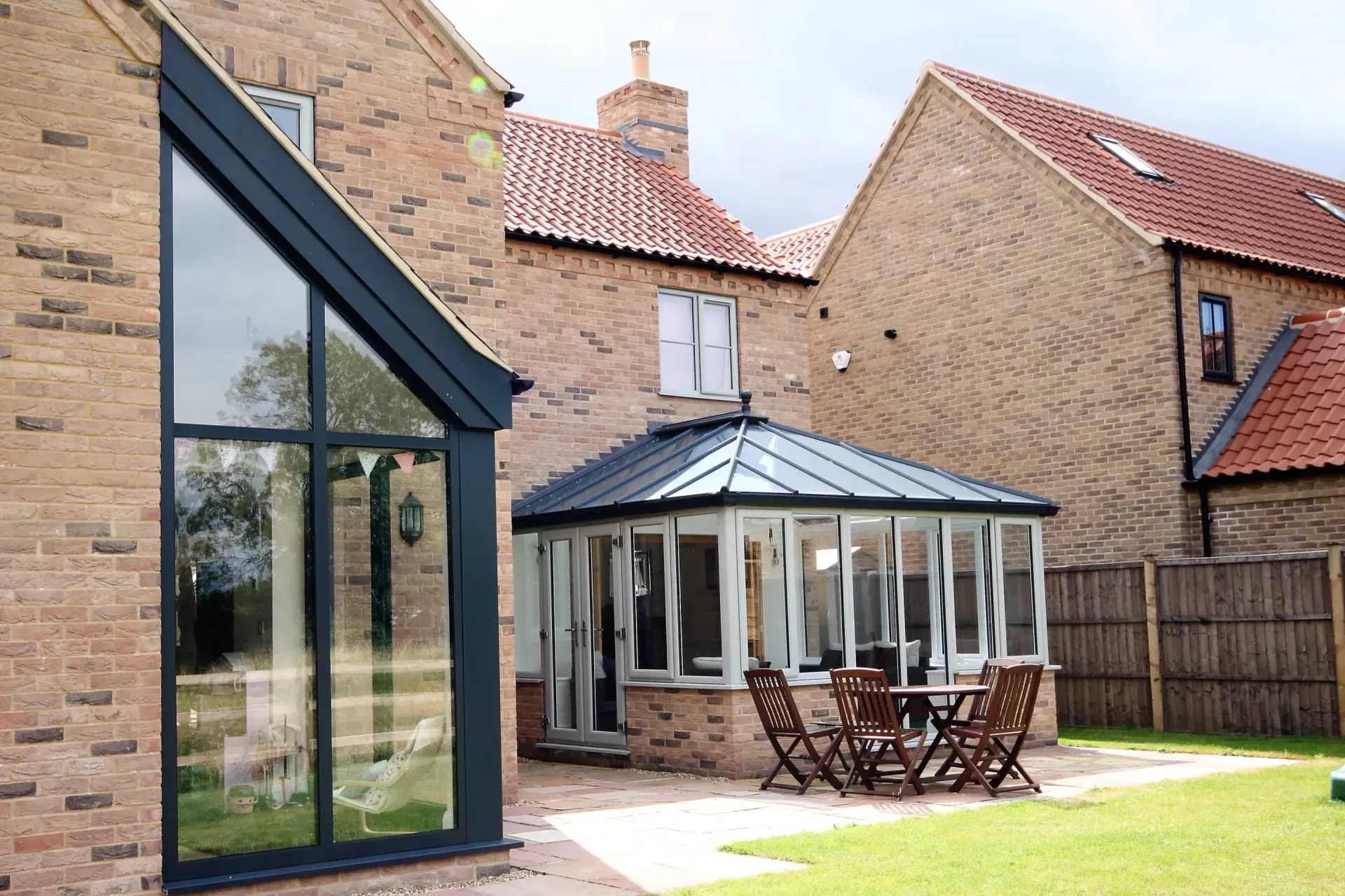
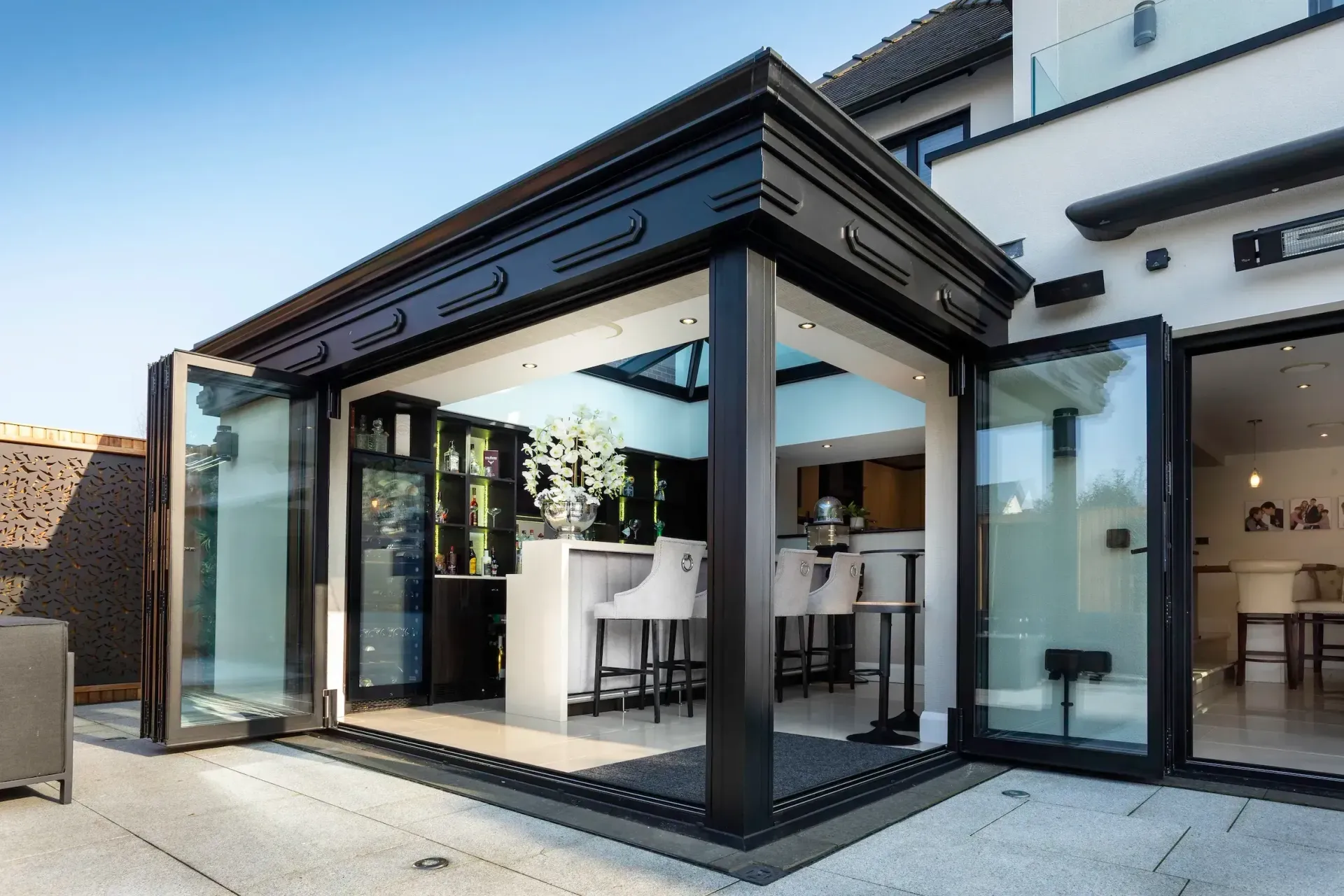
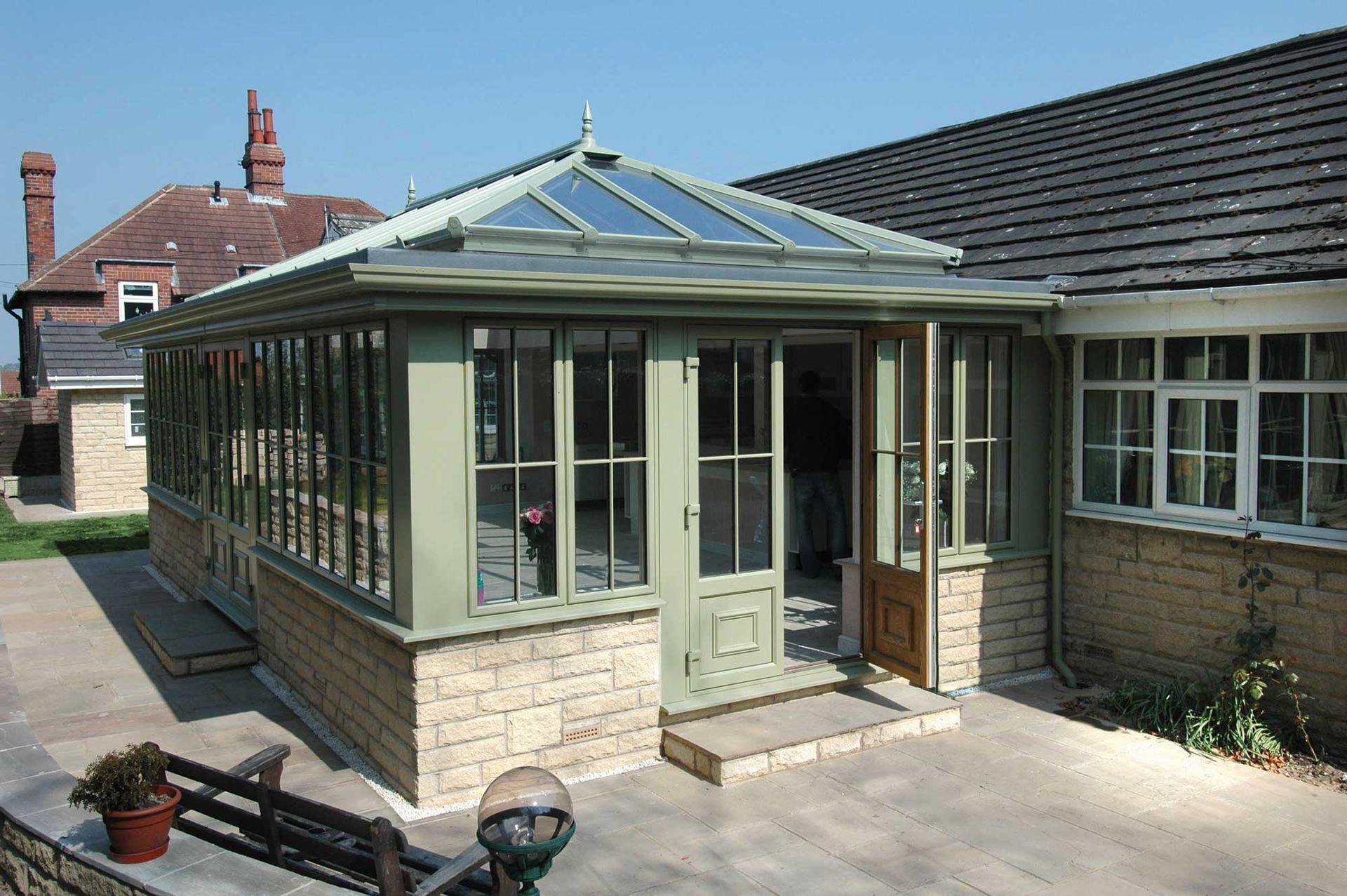
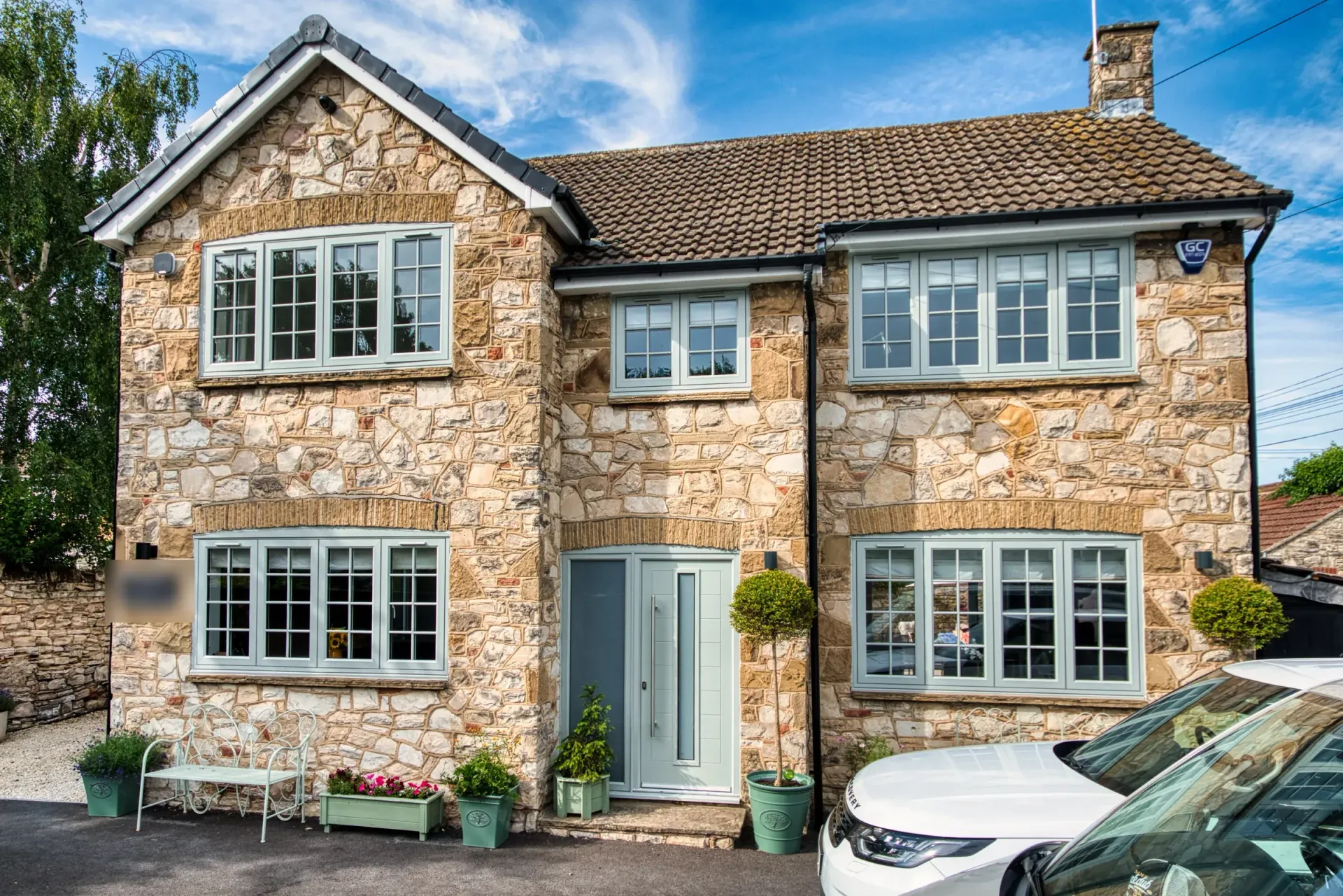
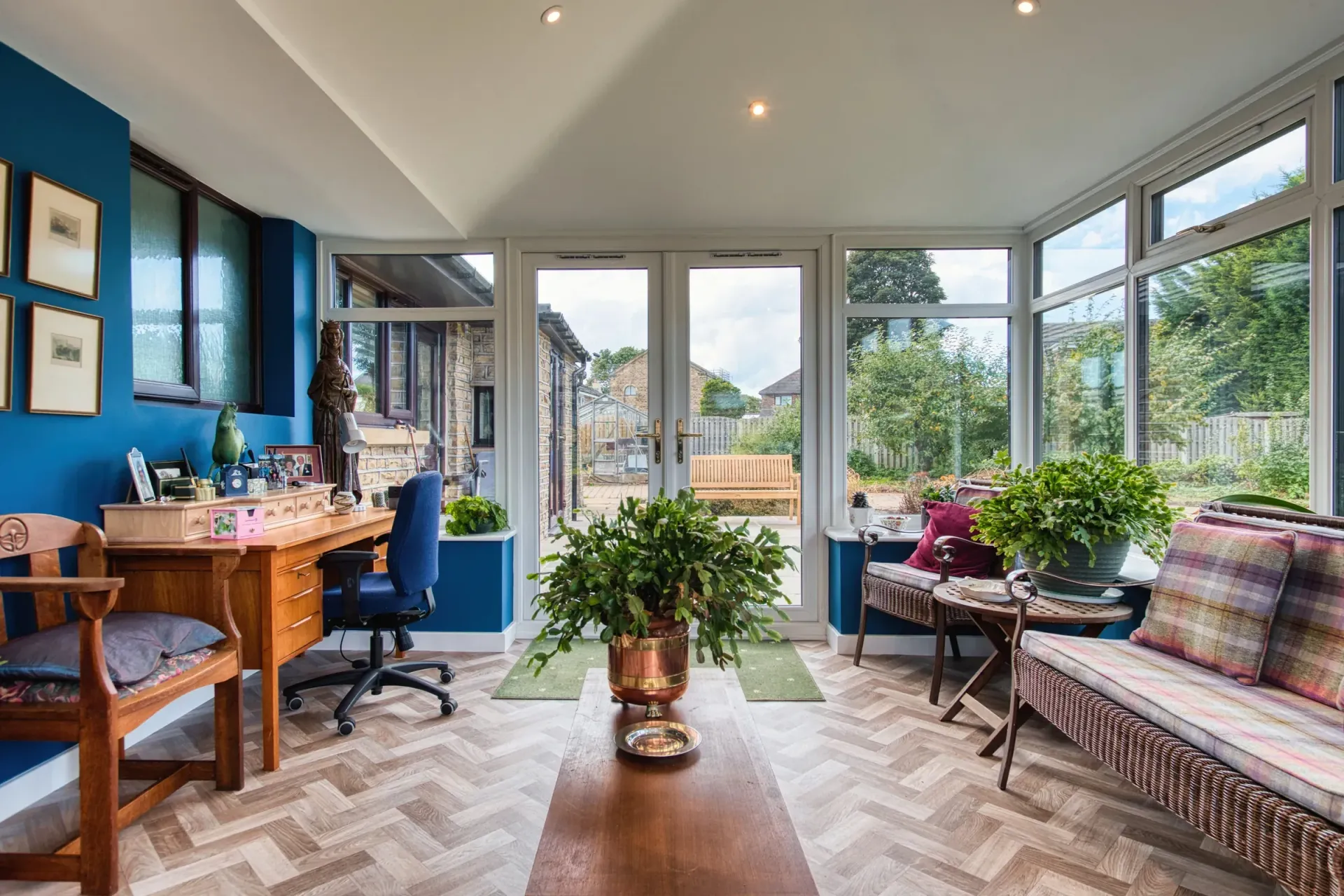
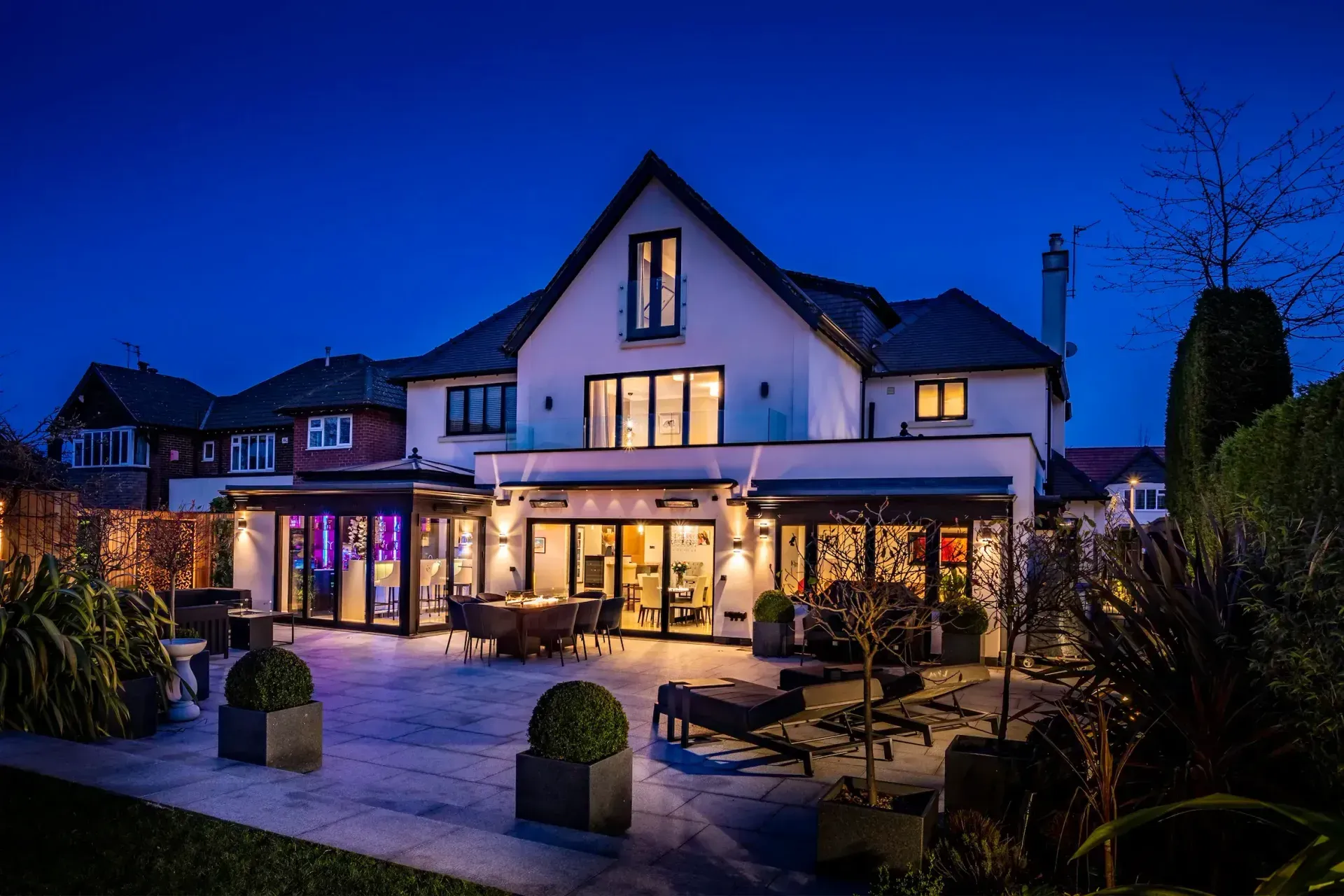
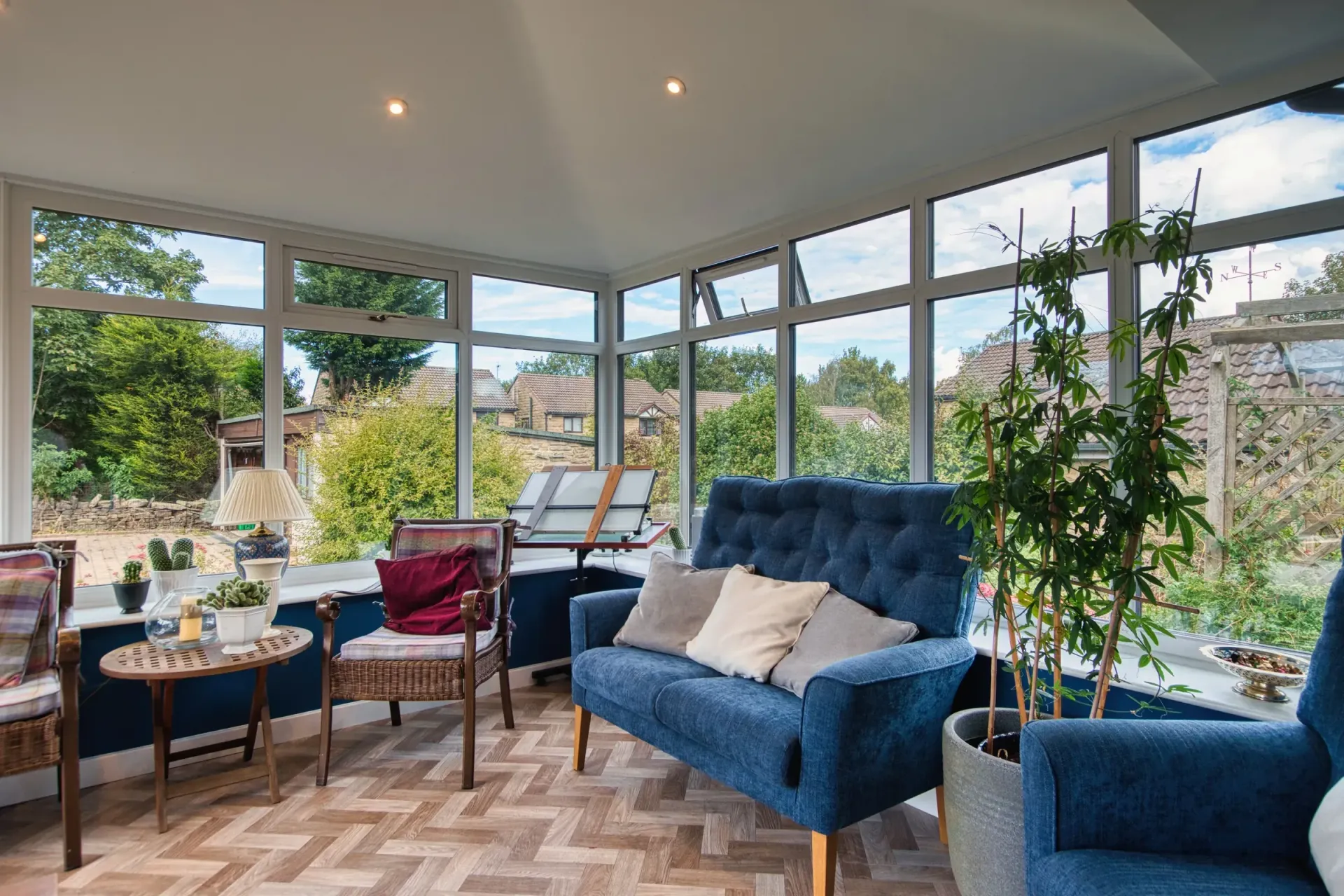
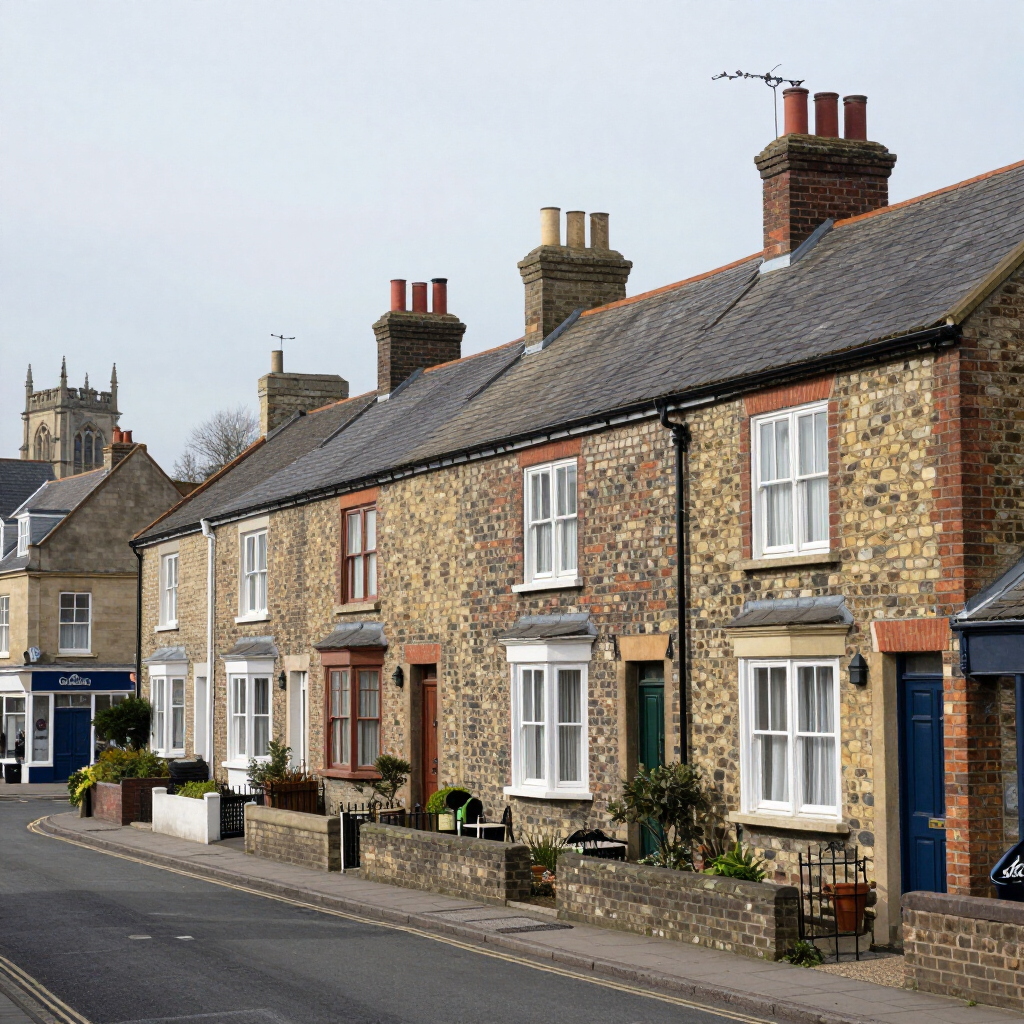
Triple glazed windows in Wakefield
Triple glazing
Energy efficient triple glazed windows use three panes of glass separated by two sealed gas-filled cavities. Done properly, with 40mm units and the right spec, it measurably reduces heat loss, dampens road and neighbour noise, and makes a cold room feel warm in weeks rather than years.
We fit 40mm triple glazing across Wakefield and West Yorkshire, on most of our window and door ranges, for homeowners who want the performance upgrade and feel it’s worth paying for.
Is triple glazing worth it?
The honest answer is: it depends on the property and the room.
When triple glazing is definitely worth it
- Cold, west-facing rooms that catch the weather off the Pennines
- Rooms above porches or conservatories where the floor is cold underfoot
- Bedrooms on noisy roads where sleep is disturbed by traffic
- Large glazed areas where the heat loss through a double glazed unit becomes significant
- Passive house or low-energy builds where triple glazing is part of the whole-house strategy
- Forever homes where the longer payback is a non-issue because you’re not moving
When double glazing is fine
- Smaller windowswhere the extra cost doesn’t translate to meaningful energy savings
- Sheltered locationswhere wind and rain aren’t constant issues
- Budget-driven projectswhere the money is better spent elsewhere in the specification
We’ll give you a straight answer. If triple glazing doesn’t make sense for your project, we’ll tell you.
What 40mm triple glazing actually does
Better thermal performance
A 40mm triple glazed unit with warm-edge spacers and argon gas hits significantly better U-values than a standard 28mm double glazed unit. Lower U-value means less heat leaves the room through the glass.
Noise reduction
Three panes of glass separated by two cavities dampen sound waves more effectively than two panes separated by one. The difference is most noticeable on traffic noise, barking dogs, and nearby construction.
Reduced condensation
Because the inside pane of triple glazing stays warmer, moisture is less likely to form on it. Bathrooms, kitchens, and bedrooms with internal humidity benefit from this.
Better comfort near the glass
On double glazing, the inside pane sits measurably colder than the room. You feel it if you sit near a window in winter. On triple glazing, that pane temperature rises, which is why cold rooms feel warm faster after installation.
Which products we fit triple glazing on
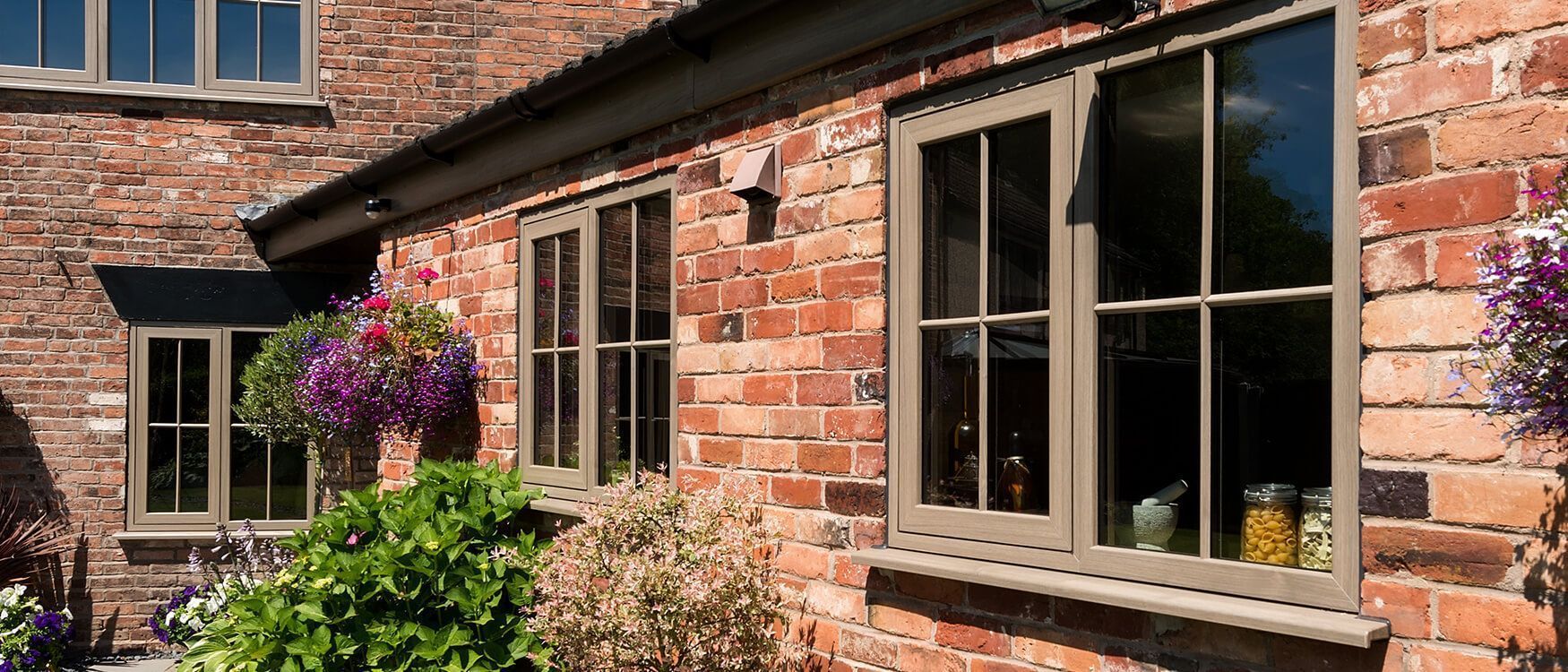
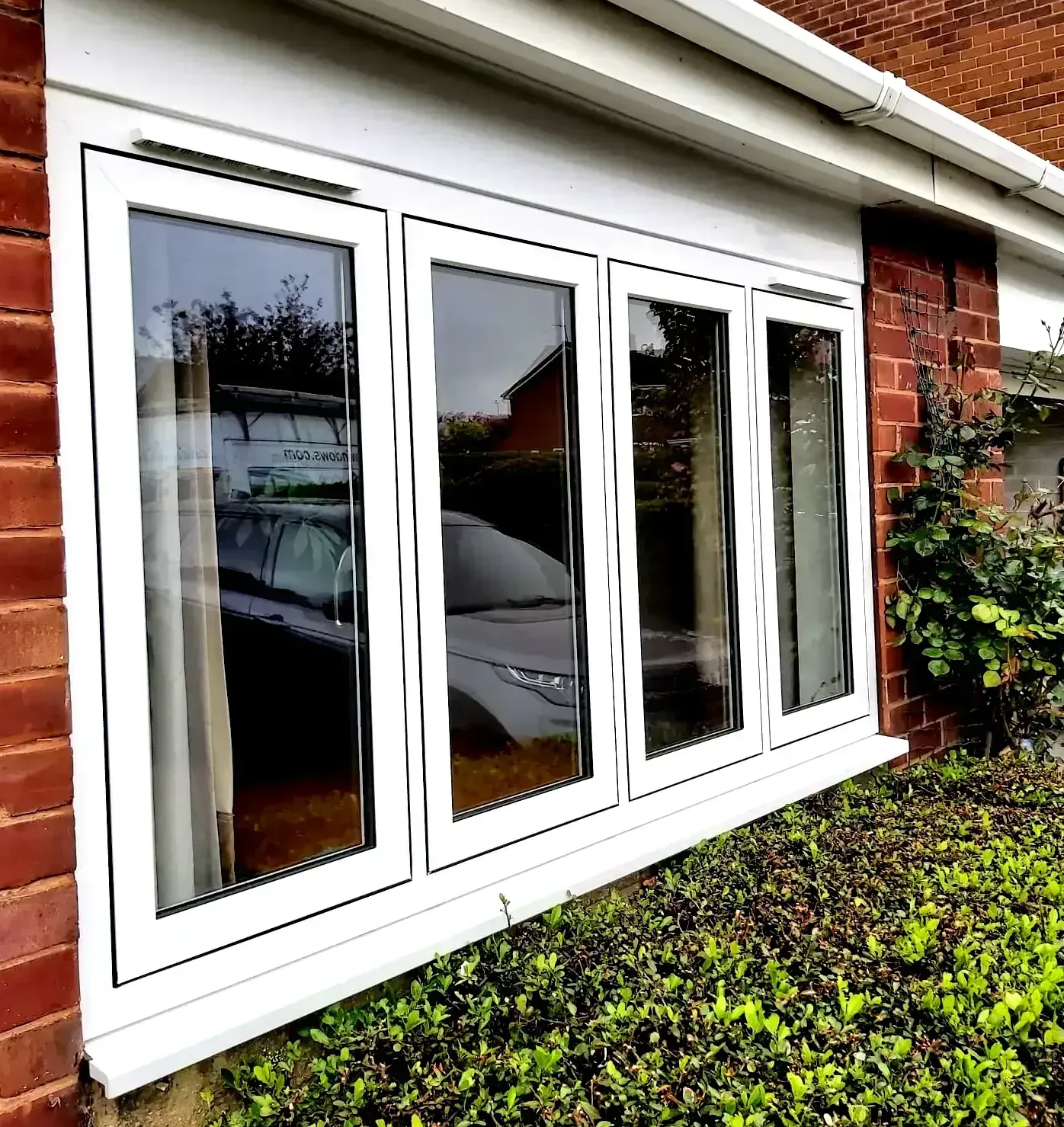
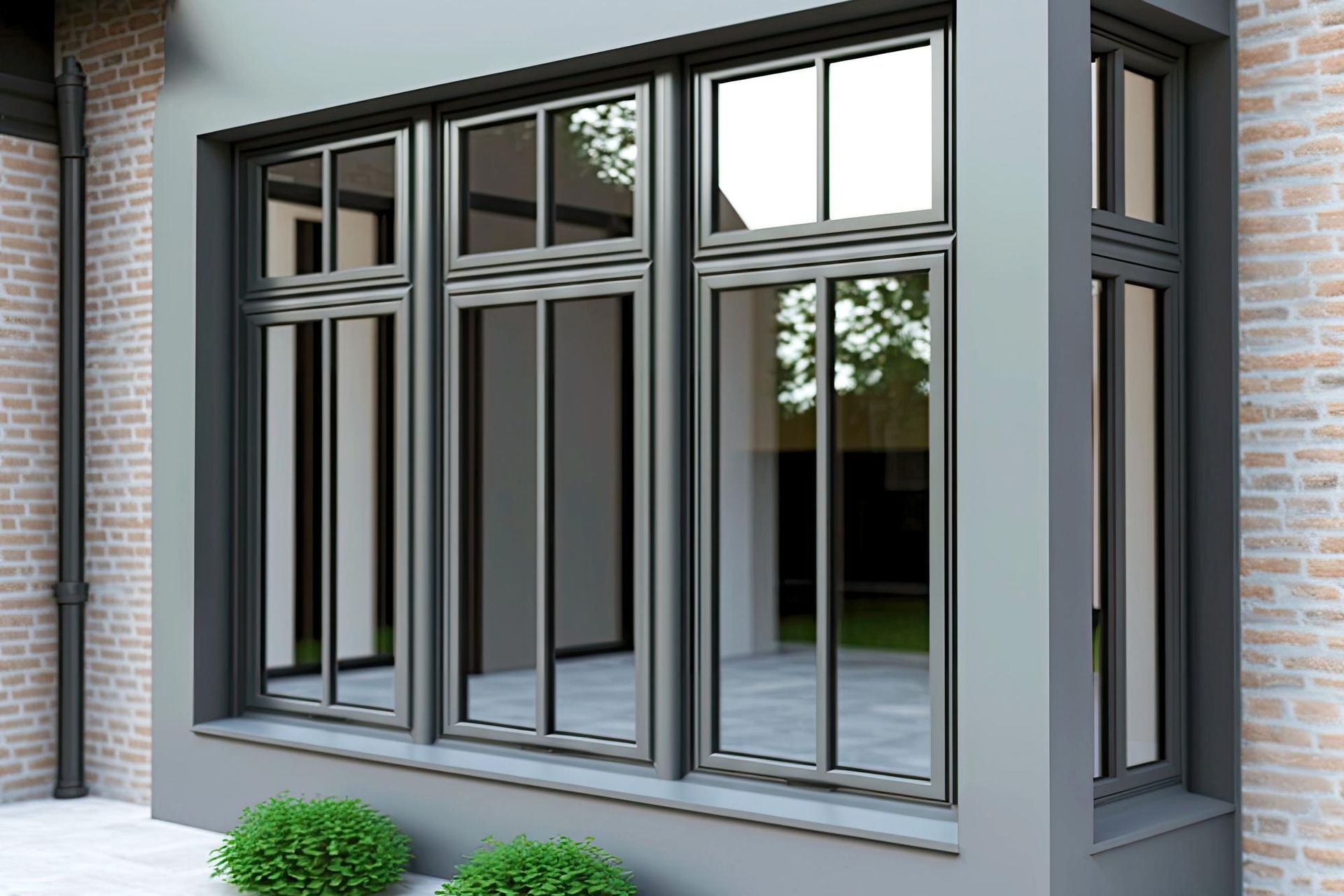
Casement windows: available as a standard upgrade
Flush sash casement: available on most ranges
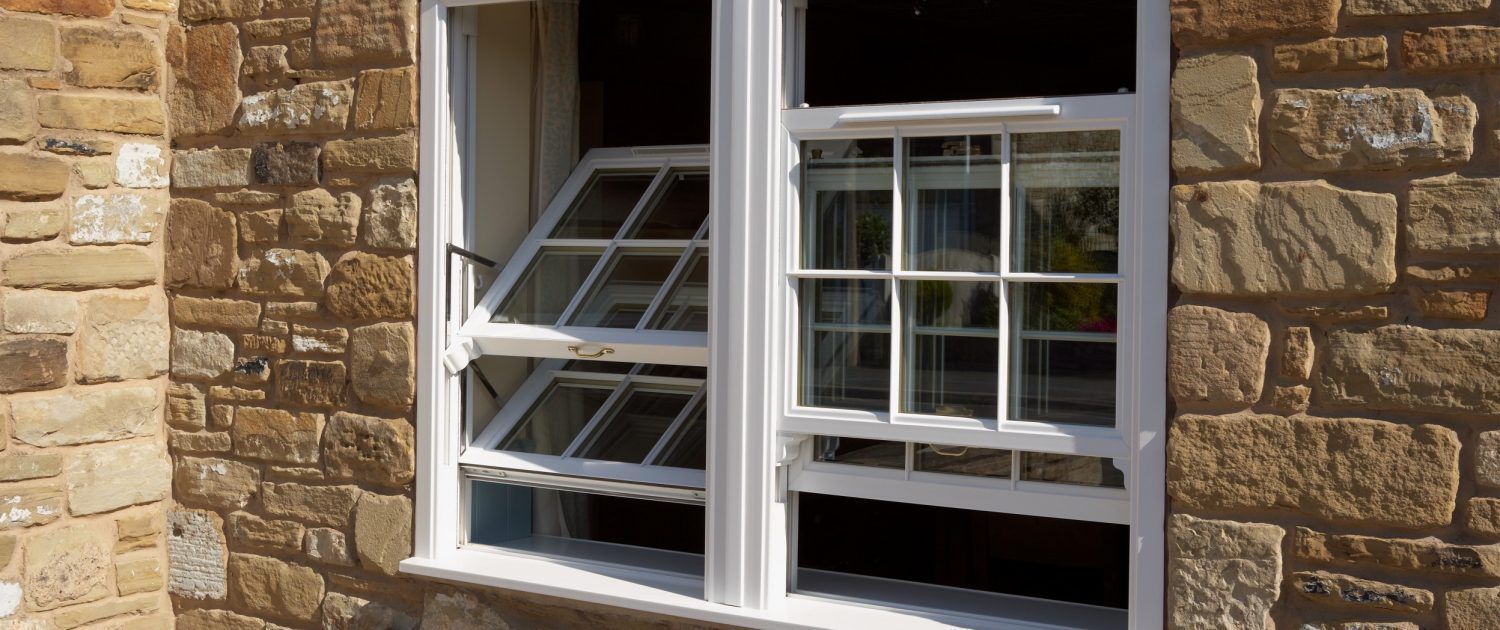
Sliding sash windows: available where the frame depth supports 40mm units
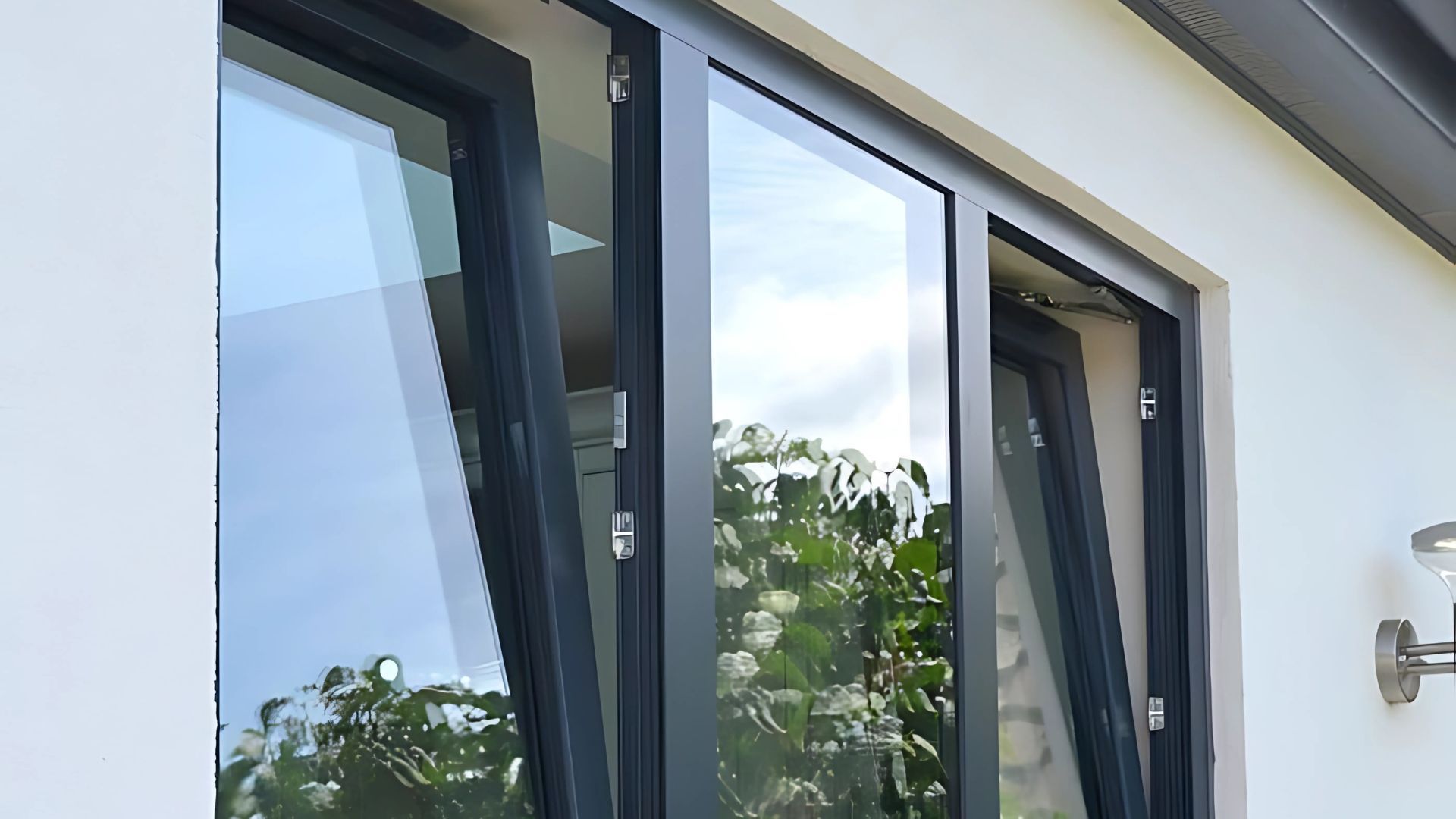
Tilt and turn: available
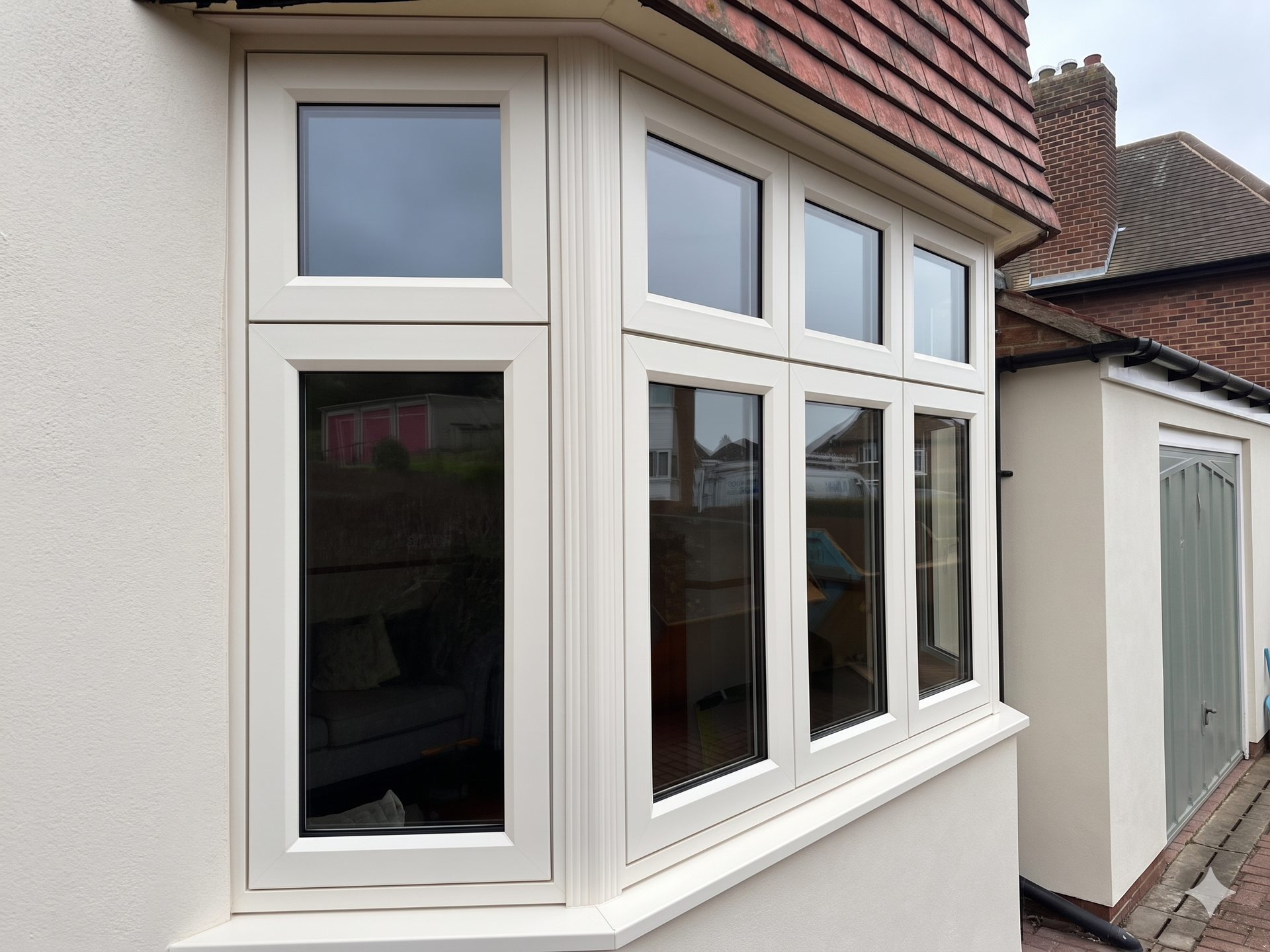
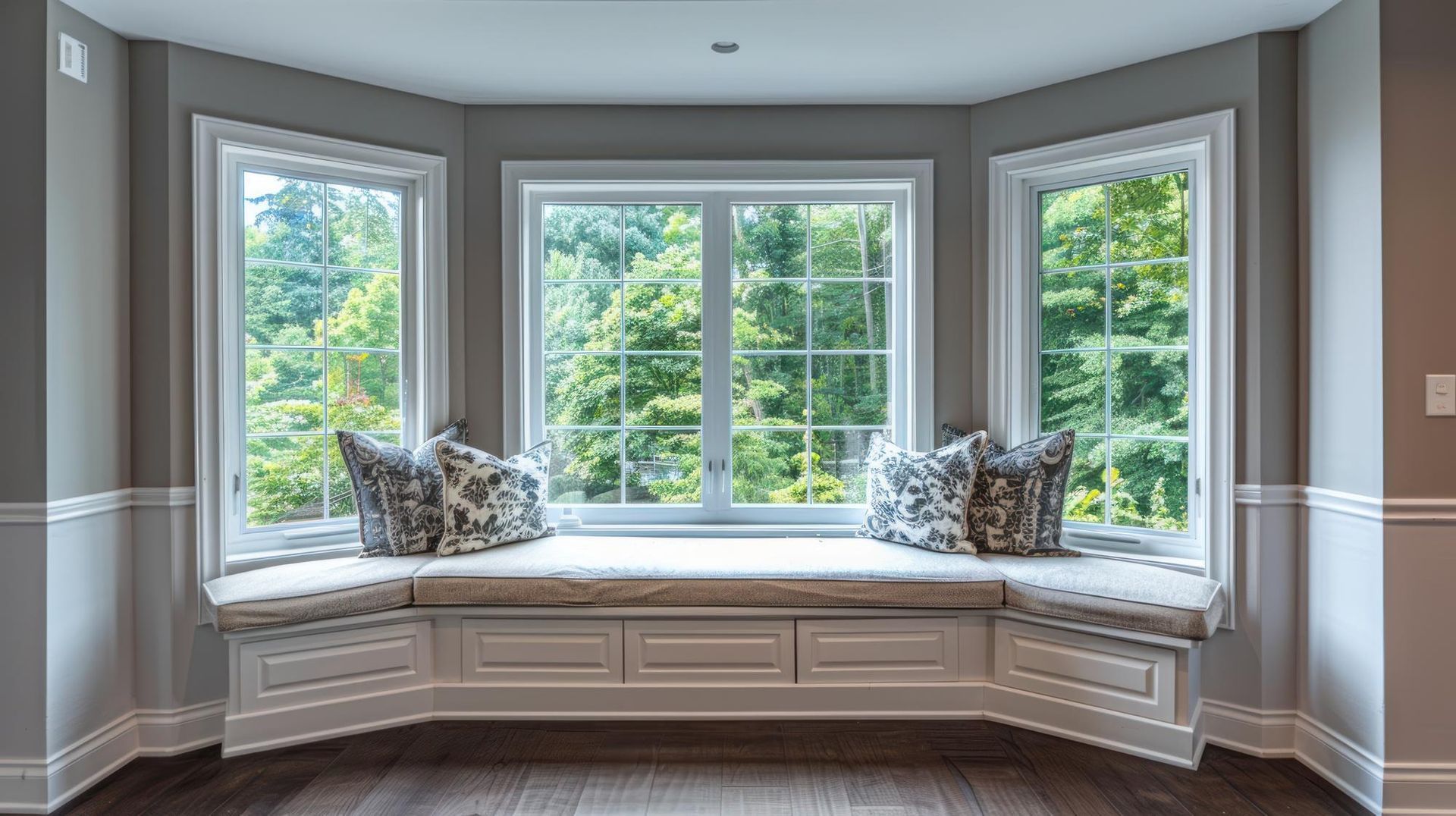
Bay windows: available
Aluminium windows: available
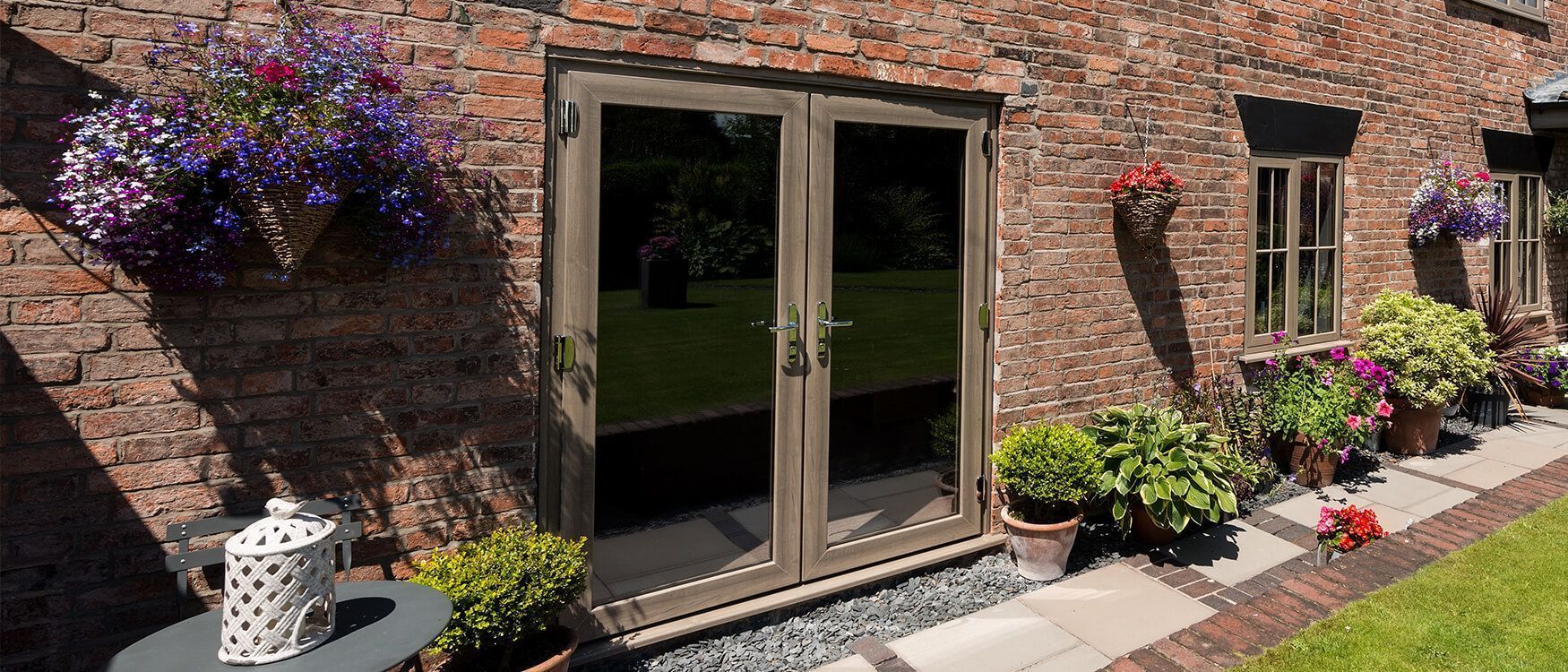
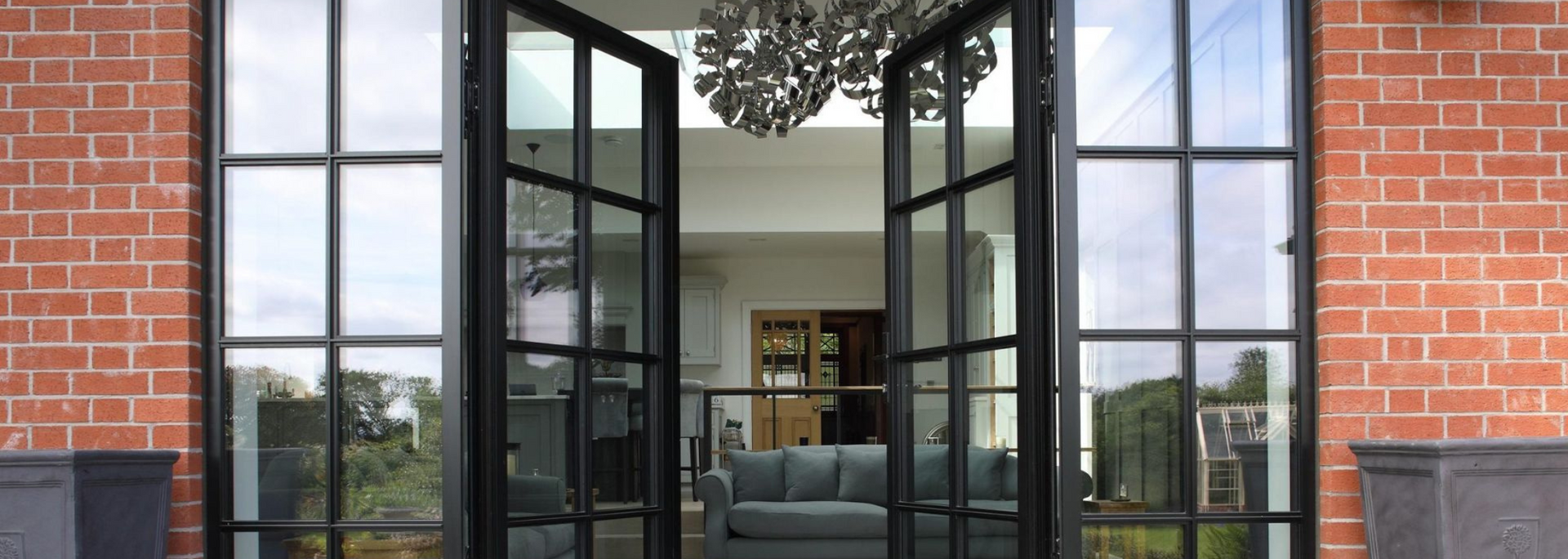
French doors: available
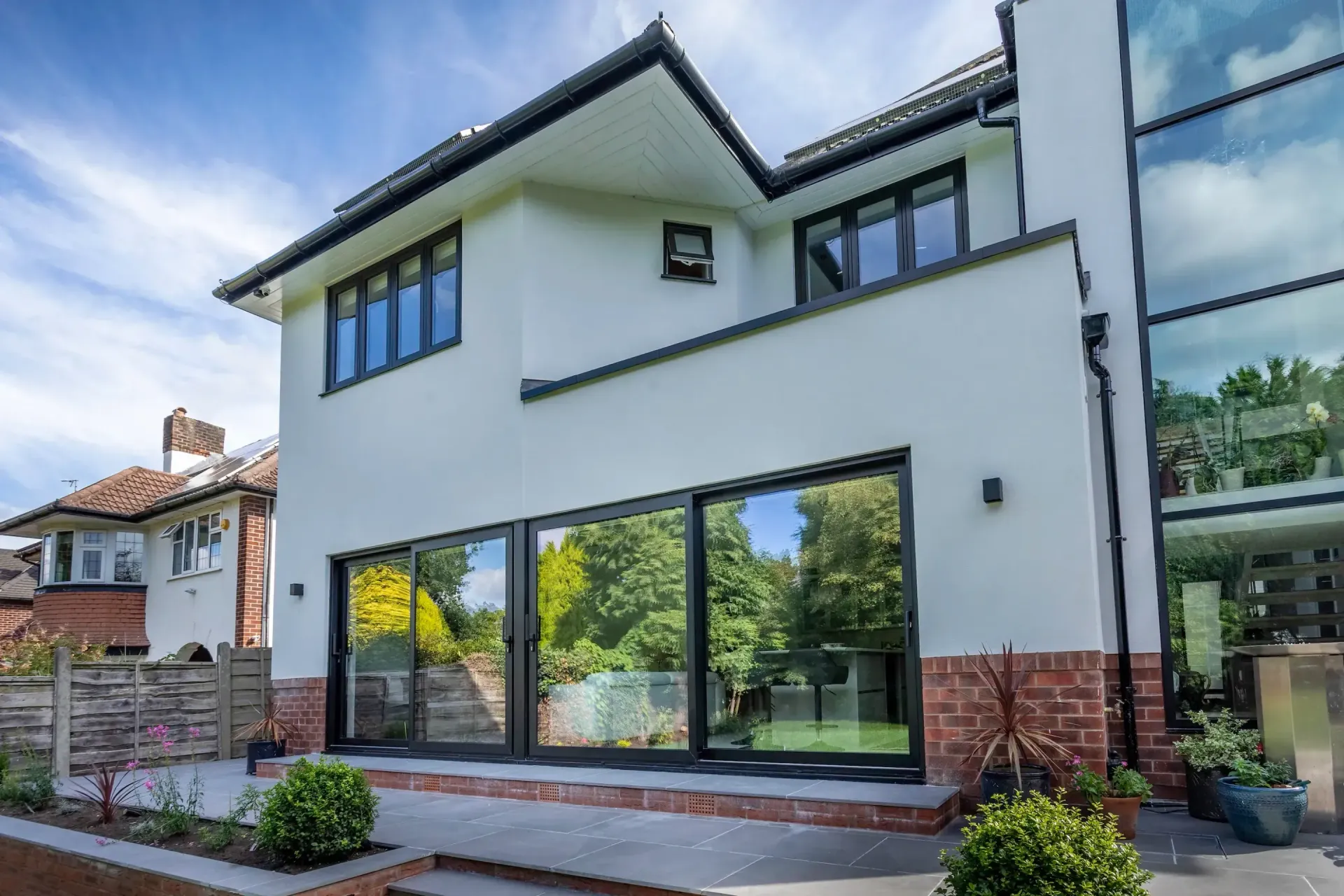
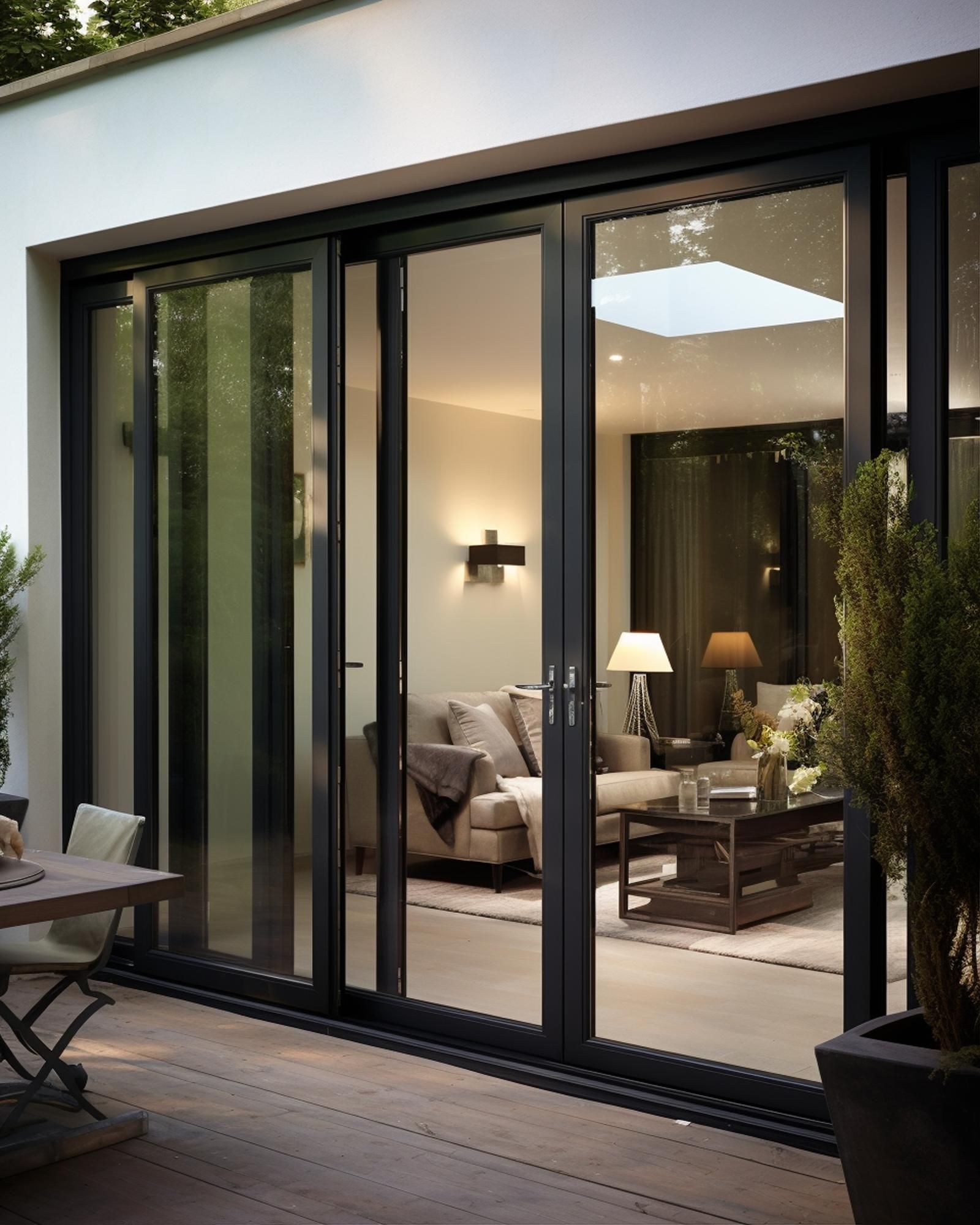
Sliding patio doors: available
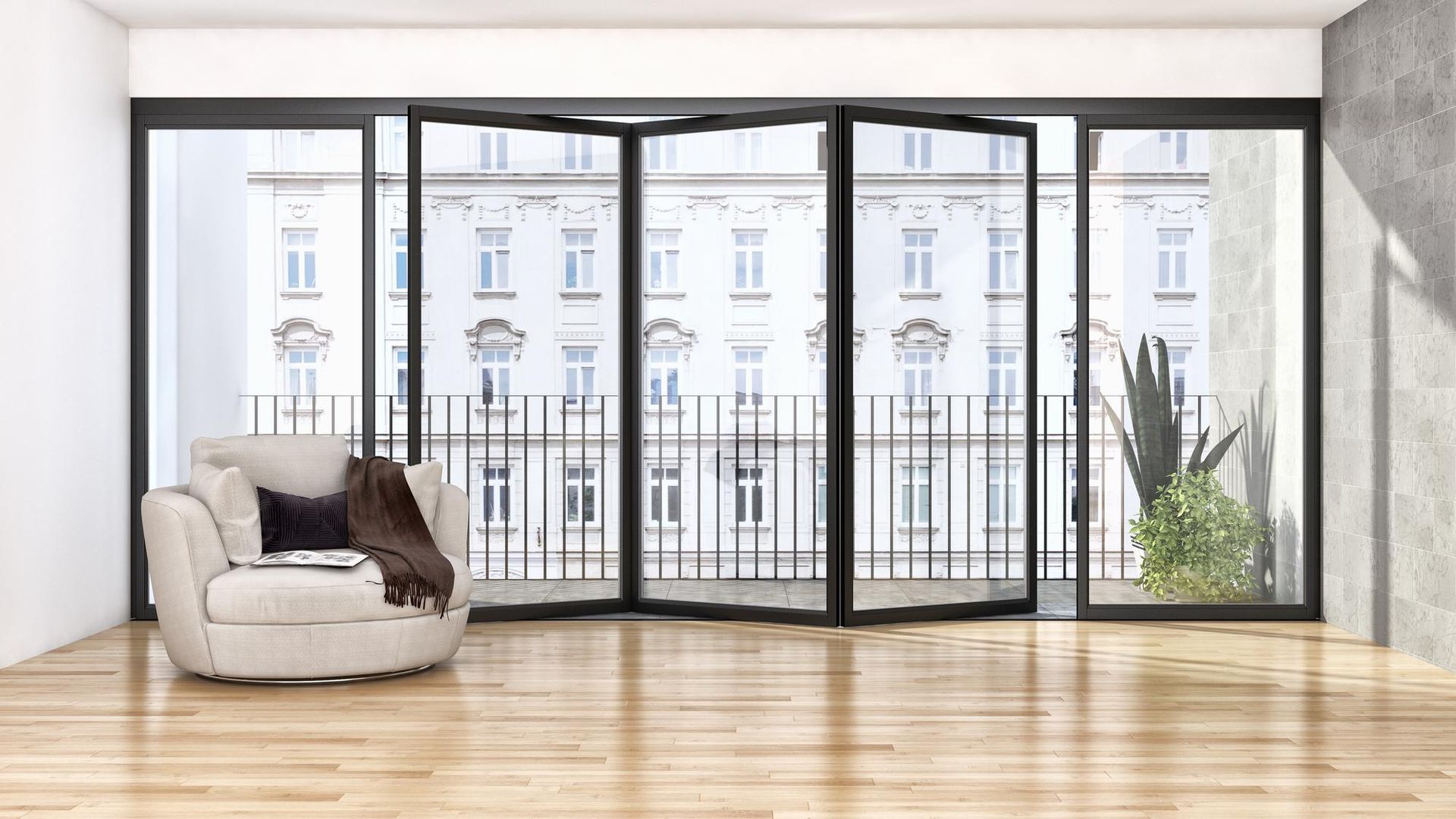
Bifold doors: available on request
We’ll tell you clearly if a particular product in a particular range doesn’t support 40mm triple glazing.
The cost question
Triple glazing is an upgrade cost on top of standard double glazing. The exact amount depends on the window size, the range, and whether you’re specifying it on every window or just selected ones.
Most of our customers choose triple glazing on:
- Every window in the house if it’s a full replacement and they plan to stay long-term
- Road-facing windows only if the main driver is noise reduction
- Cold-room windows only if the main driver is warmth
- Living areas only if budget-driven and they want the comfort improvement where they sit the most
We’ll price both options so you can compare.
Triple glazing FAQs
What are triple glazed windows made of?
Three panes of glass, two sealed cavities between them filled with argon gas, warm-edge spacers holding the panes apart, and all of it sealed into a multi-chamber uPVC or thermally broken aluminium frame.
Are triple glazed windows worth the extra money?
Worth it for the right property and the right person. On cold rooms, noisy streets, or forever homes, yes. On small windows in a sheltered property, the payback is slower. We’ll give you a straight answer.
Will triple glazing make my home silent?
It will reduce noise significantly but it won’t make it silent. The biggest gains are on continuous low-frequency noise like traffic.
Do I need to replace my frames to fit triple glazing?
Usually yes. Most older frames are built for 28mm double glazed units and can’t hold a 40mm triple glazed unit.
Does triple glazing reduce condensation?
Yes, on the inside of the inside pane. It won’t fix condensation that’s caused by high indoor humidity (that needs ventilation), but it will stop the cold-pane condensation that double glazing sometimes shows.
How long do triple glazed units last?
25 to 30 years typically. The sealed gas-filled units can fail earlier if they’re poorly manufactured, which is why we only fit ranges we trust.
Ready to talk?
Come to the showroom and put your hand against a triple glazed pane on a cold day. It’s hard to argue with once you’ve felt it.