What are the different types of casement windows?
Don't know which type of casement window is right for you? Read our comprehensive guide to the different casement window styles.
Have you noticed your energy bills spiking over the past few months? Are leaky windows letting in a lot of noise pollution? There are many reasons why homeowners might look to replace old windows, from broken frames to simply wanting to refurbish.
But which type of window should you choose?
In most cases, casement windows are the first choice for UK homeowners. Modern casement windows are secure, energy efficient and versatile – qualities that have helped make them the most popular type of domestic window in Britain.
In this article, we explore the different styles of casement windows, so you can make the right choice for your home and your needs.
But first, let's cover the basics.
What are casement windows?
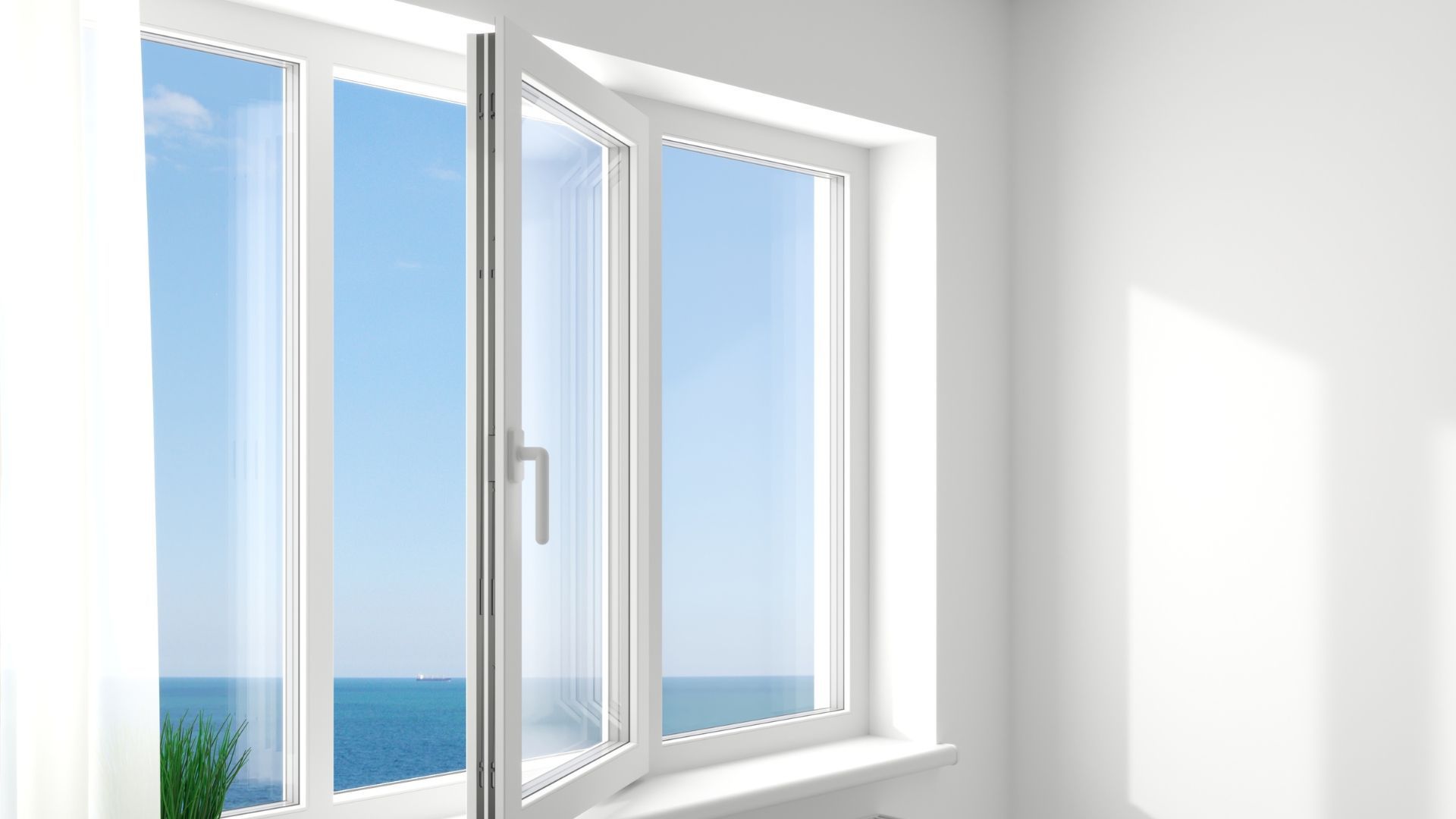
Hinged at the side, top or bottom, casement windows have a simple but effective design offering maximum ventilation with minimal fuss.
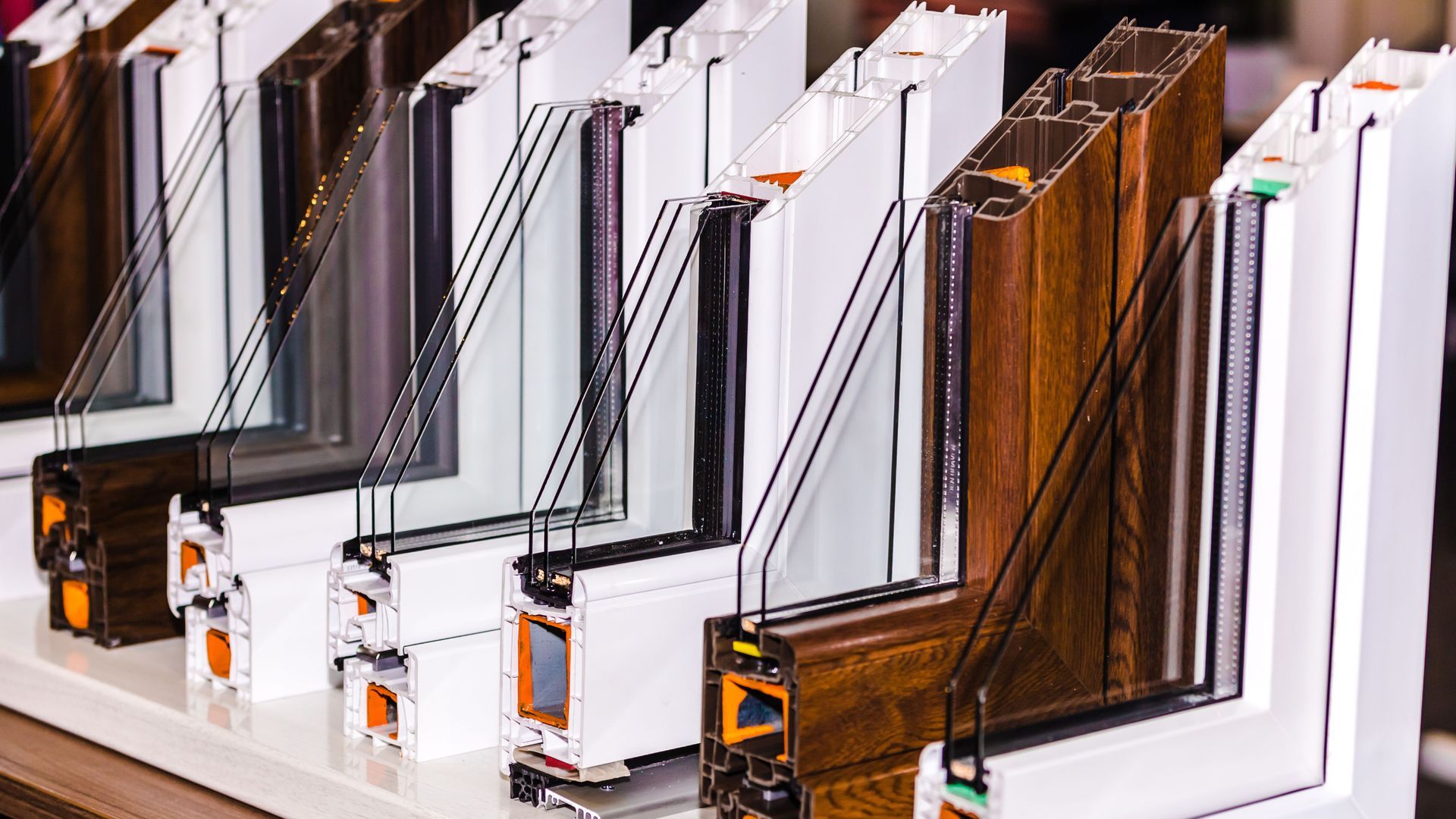
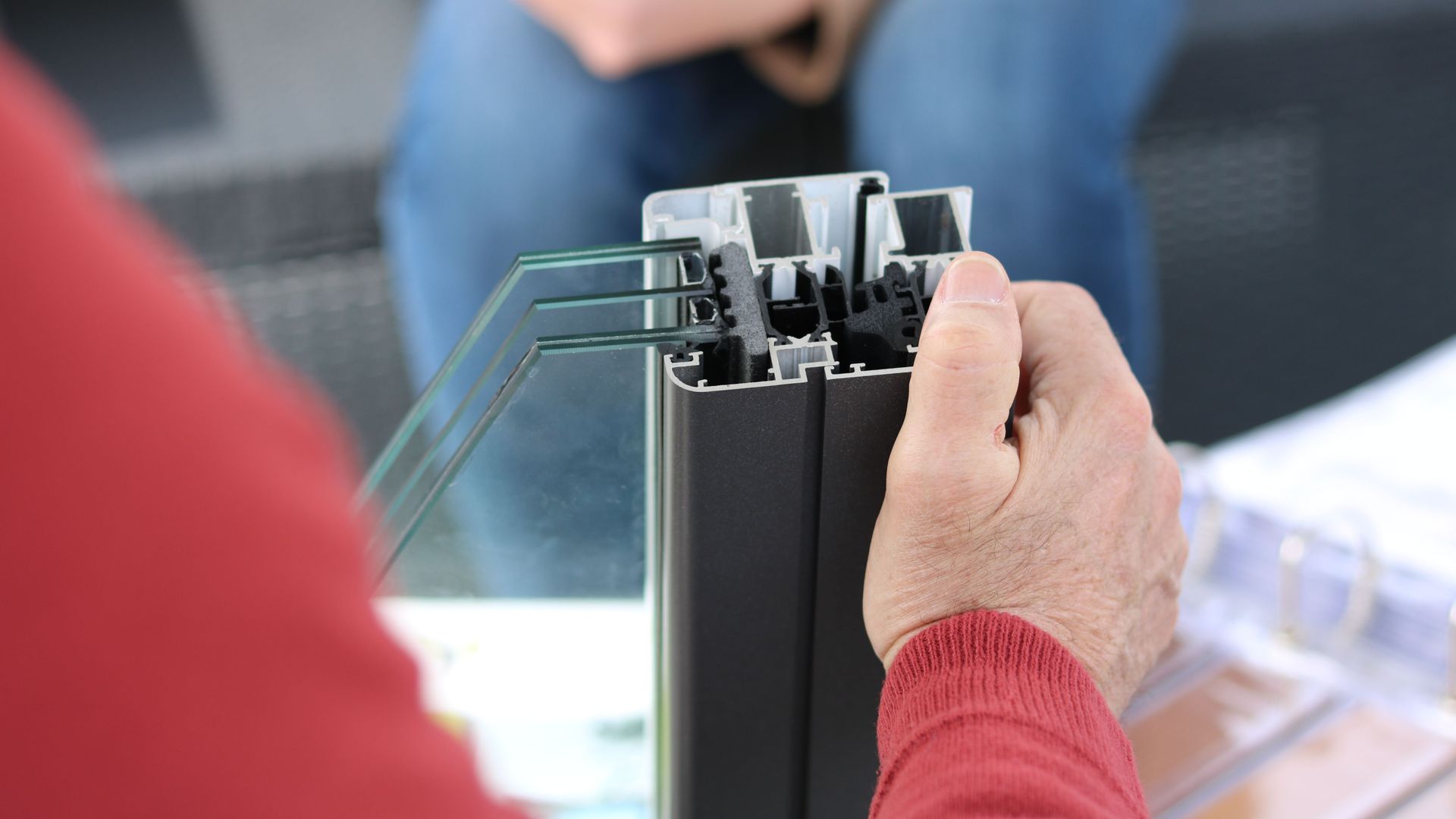
Modern casements typically come with multi-point locking systems, making them very secure. They're energy-efficient, too. Their clever design means that, when closed, the sash pushes firmly against the frame and creates a tight seal, locking in warm air.
The only downside? It can be tricky to choose the right style for your home. Casement windows come in a huge variety of designs, each offering its own distinct functional advantages.
Let's take a look.
The different styles of casement windows
Side-hung casements
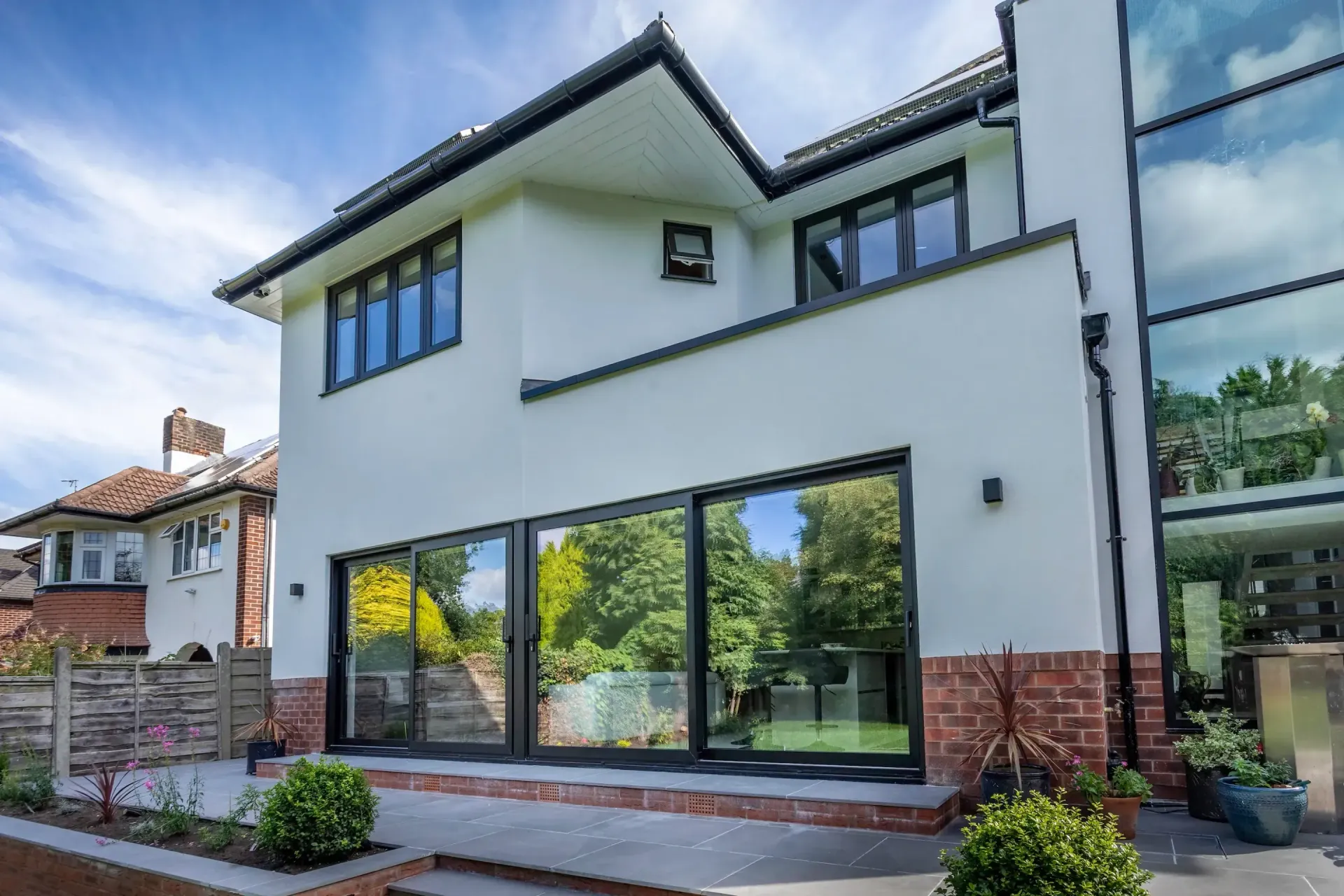
As its name suggests, the side-hung casement window is hinged along its edge to swing outwards like a door. It remains the most popular casement style thanks to its modern design, ease of use and excellent energy efficiency.
A good all-rounder, the modern side-hung casement:
- Offers clear, unobstructed views of outside spaces
- Maximises ventilation and natural light inside the home
- Is very durable with minimal maintenance needs
When fitted with internal, multi-point locking systems, this window style provides a high level of security. The side-hung casement's large opening design means it can often also be used as an effective fire escape route.
Top-hung (awning) casements
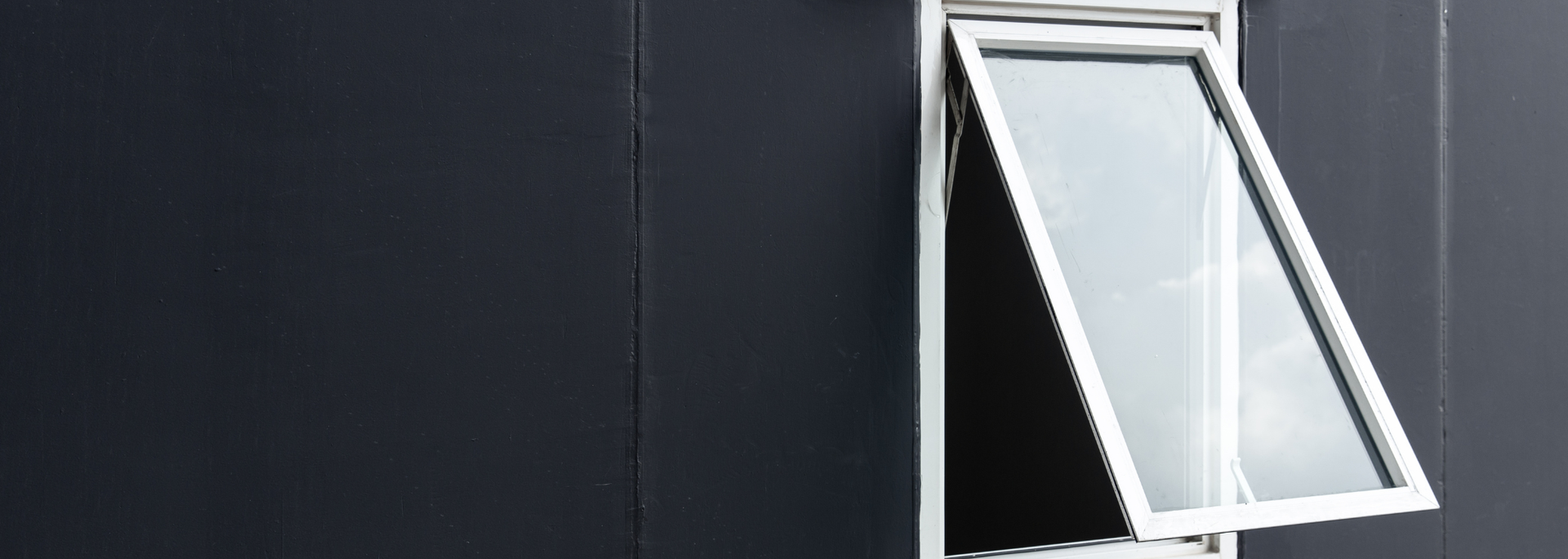
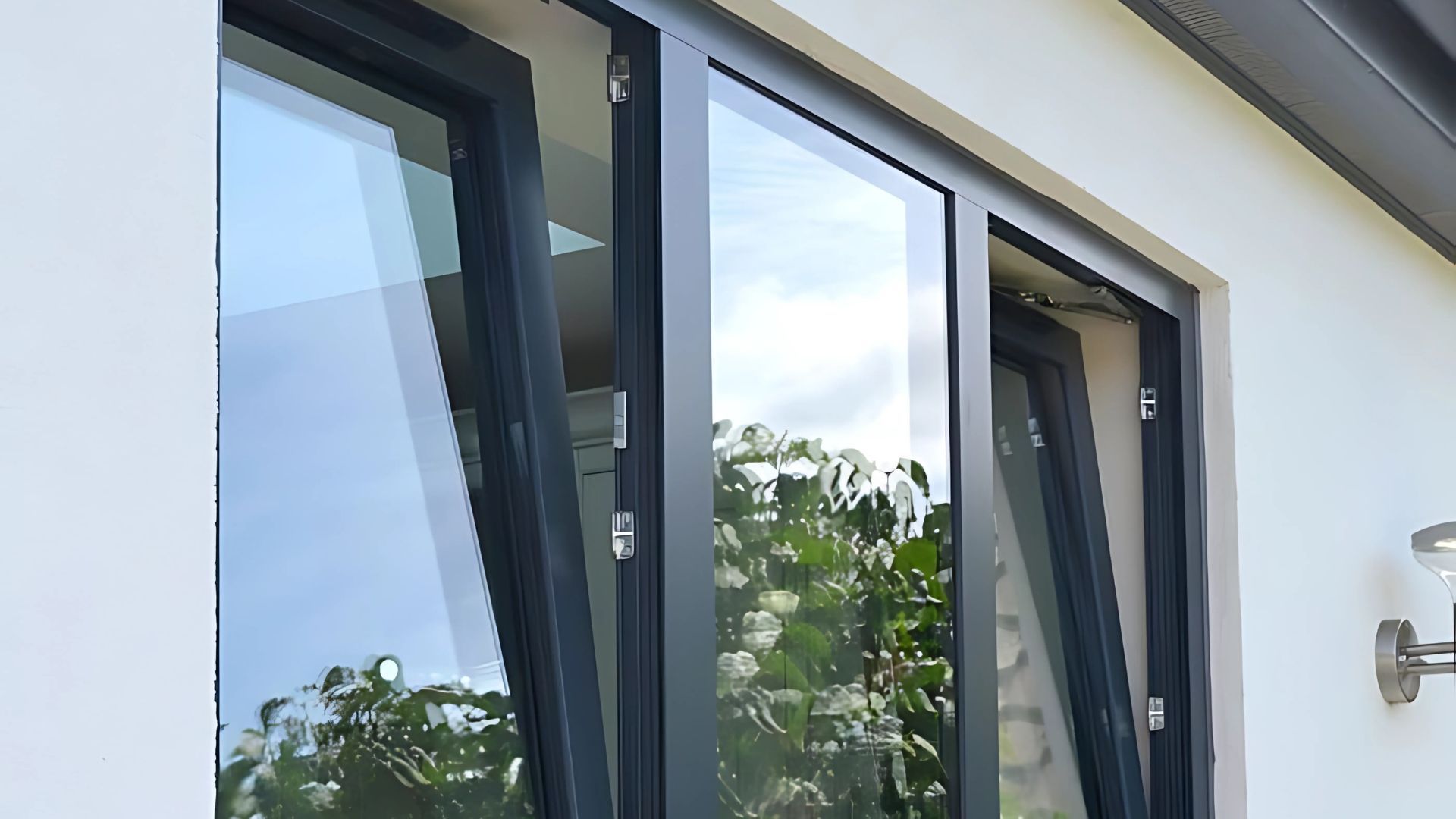
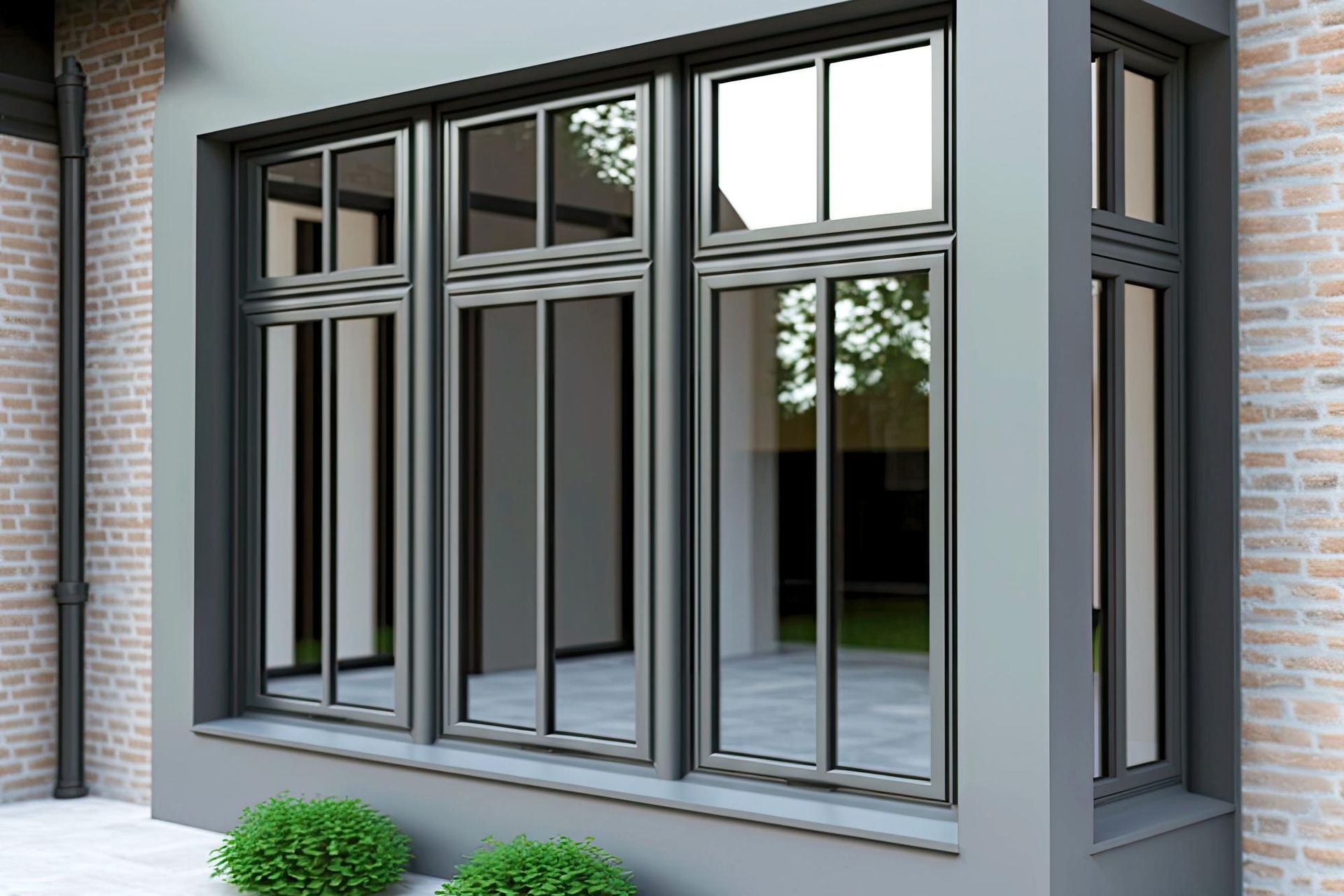
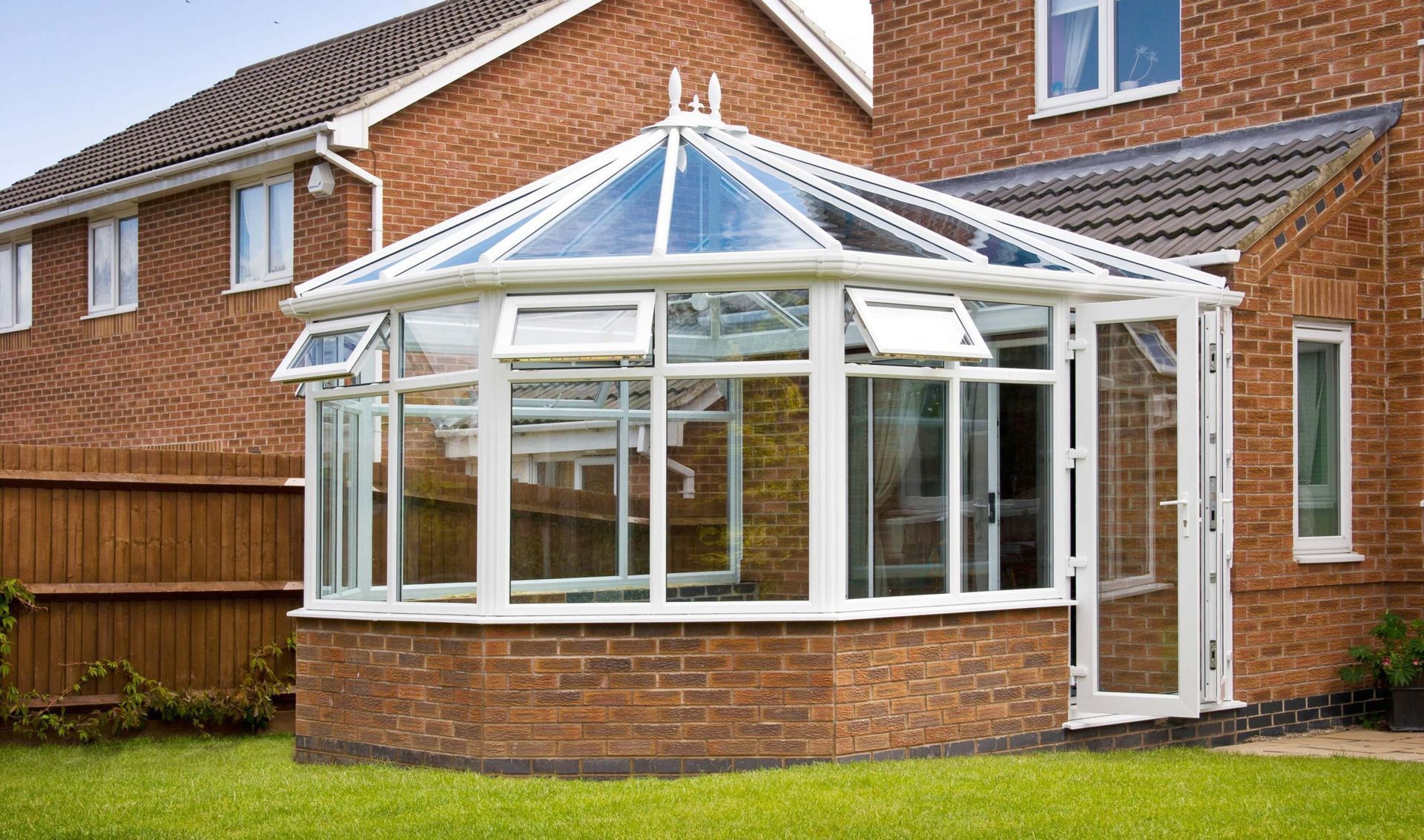
Awning-style casement windows are hinged along the top, allowing them to open outwards from the bottom. They're a popular choice for tighter spaces, as well as warmer, more humid areas of the home, such as bathrooms and kitchens.
Their top-hinged design creates a canopy effect, offering weather protection even during light rain. Meanwhile, moisture-filled or stagnant air can escape, delivering pleasant, well-ventilated conditions indoors.
When placed higher up, they can deliver excellent ventilation without significantly compromising on security. When closed, they create an excellent, weatherproof seal that prevents air leakage and helps improve your home's energy efficiency.
Bottom-hung (hopper) casements
Hopper casement windows are hinged along the bottom edge and open inwards from the top.
They are ideally suited for smaller areas and lower-level areas, such as basements and utility rooms. Their inward-opening mechanisms allow for controlled ventilation while only creating very limited access from the outside. They're also perfect for spaces where an outward-opening window would create an obstruction to outside areas.
Their space-saving design offers excellent ventilation, energy efficiency and access to natural light in areas where a standard outwards-opening window would be impractical.
Flush sash casements
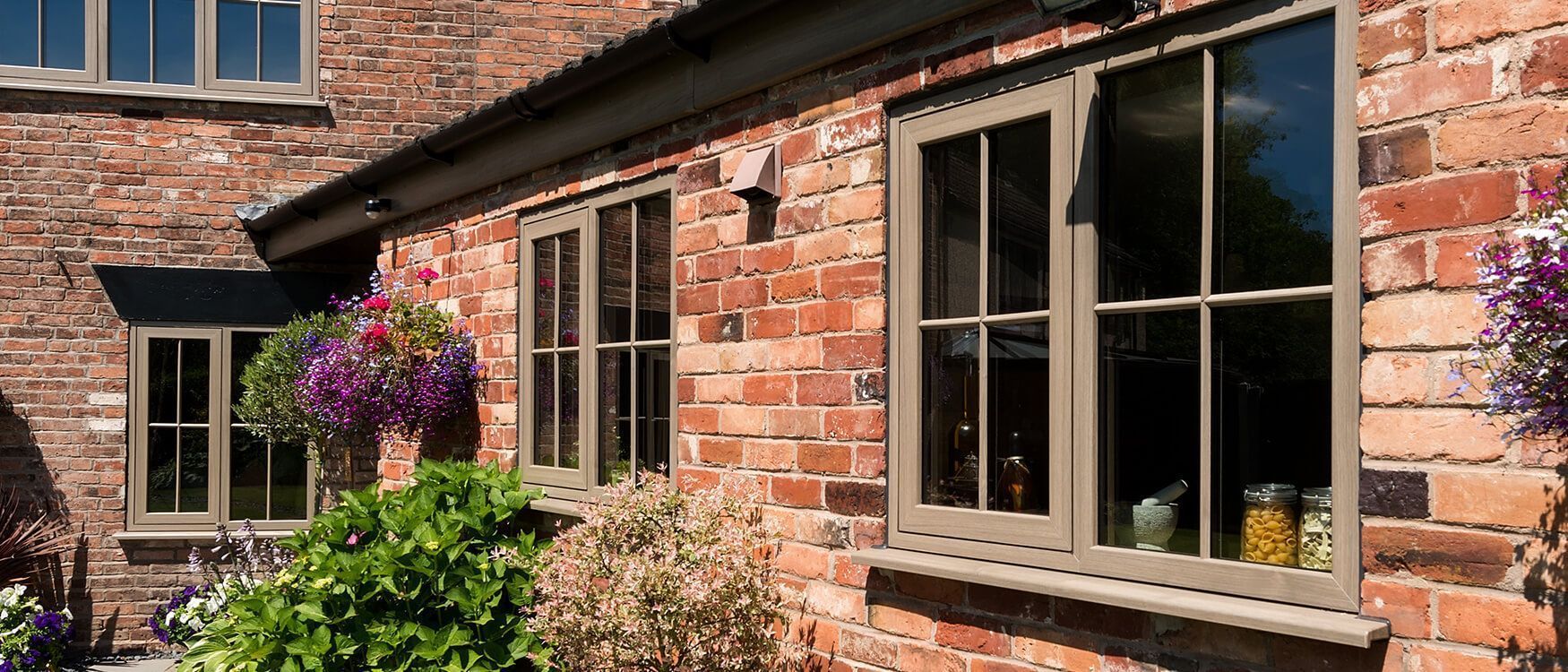
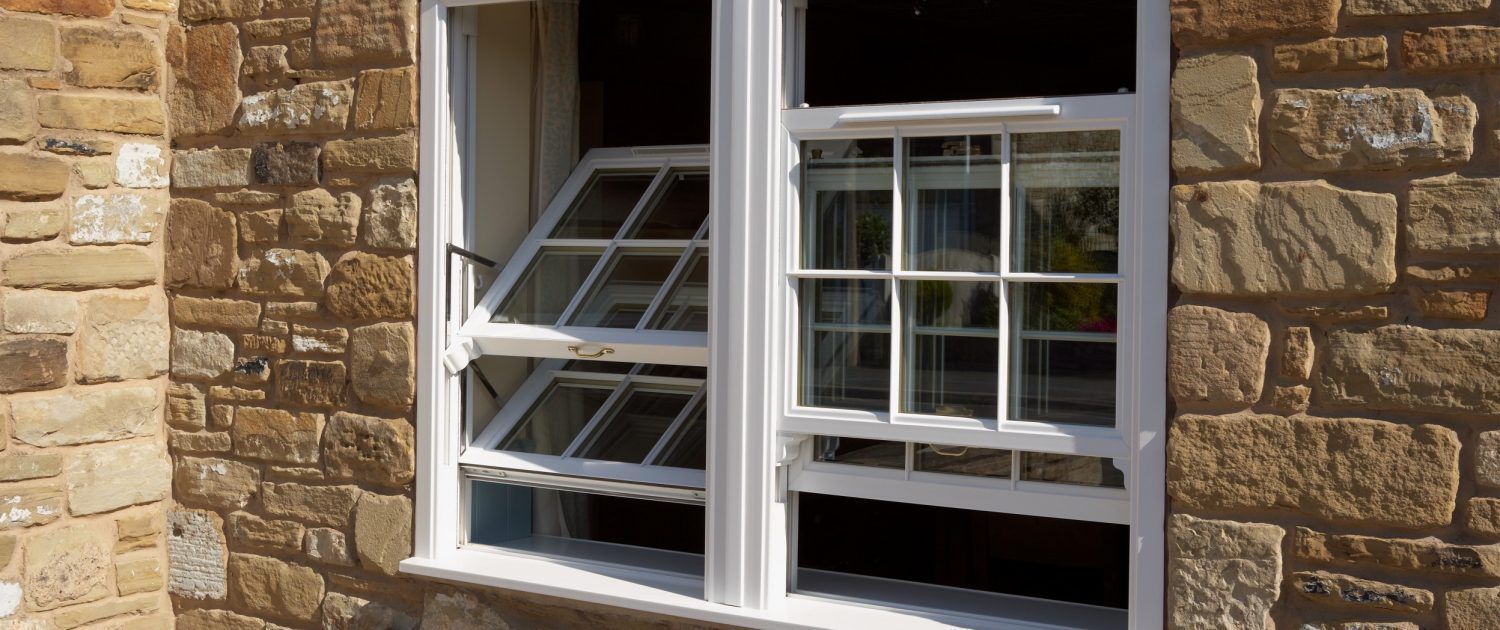
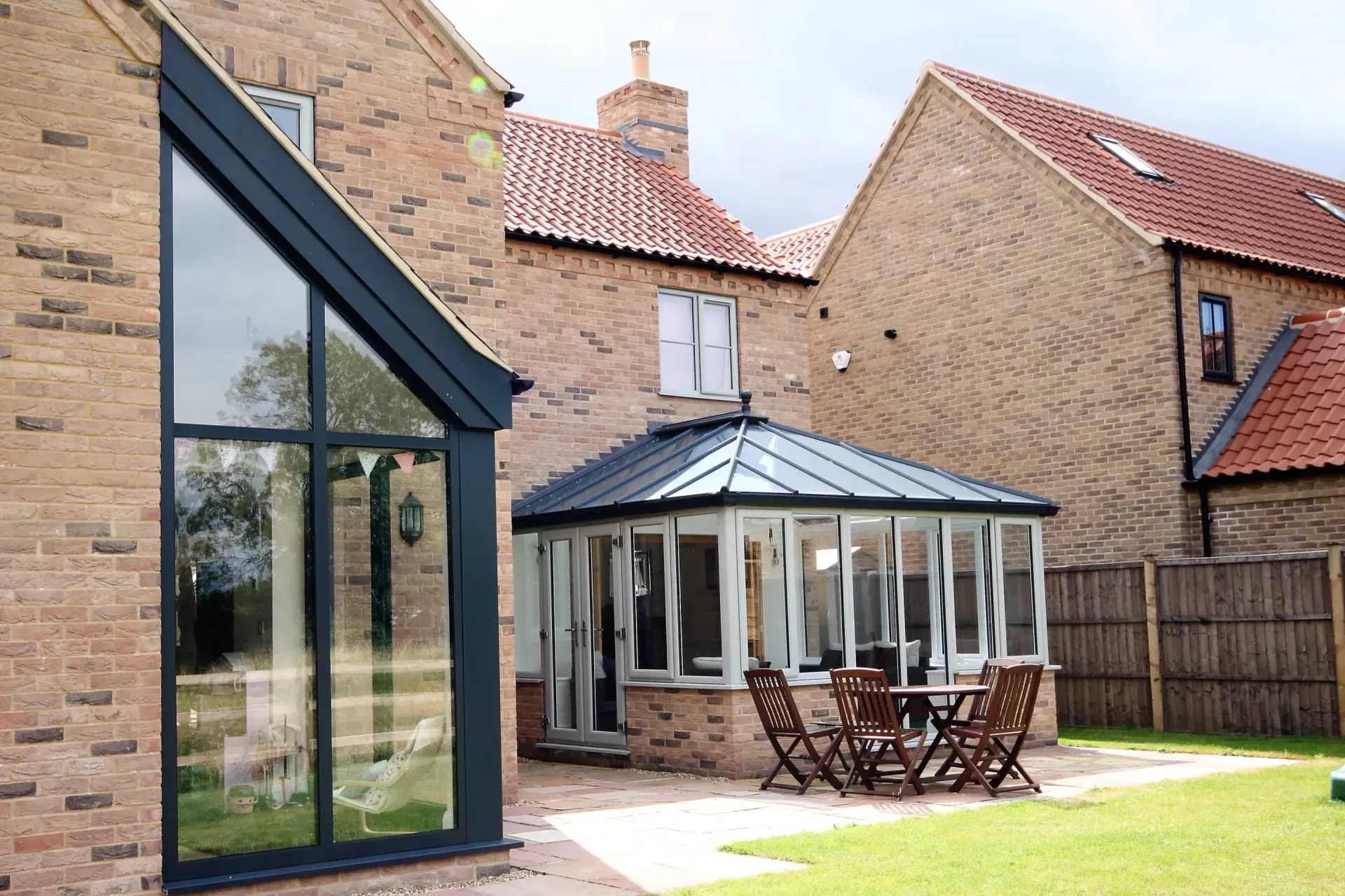
Flush casement or flush sash casement windows are an excellent choice for both modern and traditional homes. Designed to replicate the appearance of traditional 19th-century timber windows, their sash sits flush within the frame for an elegant, classic look.
Thanks to this historically accurate aesthetic, flush sash casements are often approved for installation in listed buildings and conservation areas.
Much like the side-hung casement, flush sash casements maximise natural light and ventilation around the home. They also allow for clear, unobstructed views of outside spaces and gardens.
While they lack the overhanging lip of a standard casement sash, this doesn't compromise their weather-resistance. The flush sash casement offers superb protection from the elements. These windows are fitted with a double-rebated seal to prevent water ingress and improve insulation.
Modern varieties also house robust, multi-point locking systems inside their frames to keep your home safe from intrusion.
French/double casements
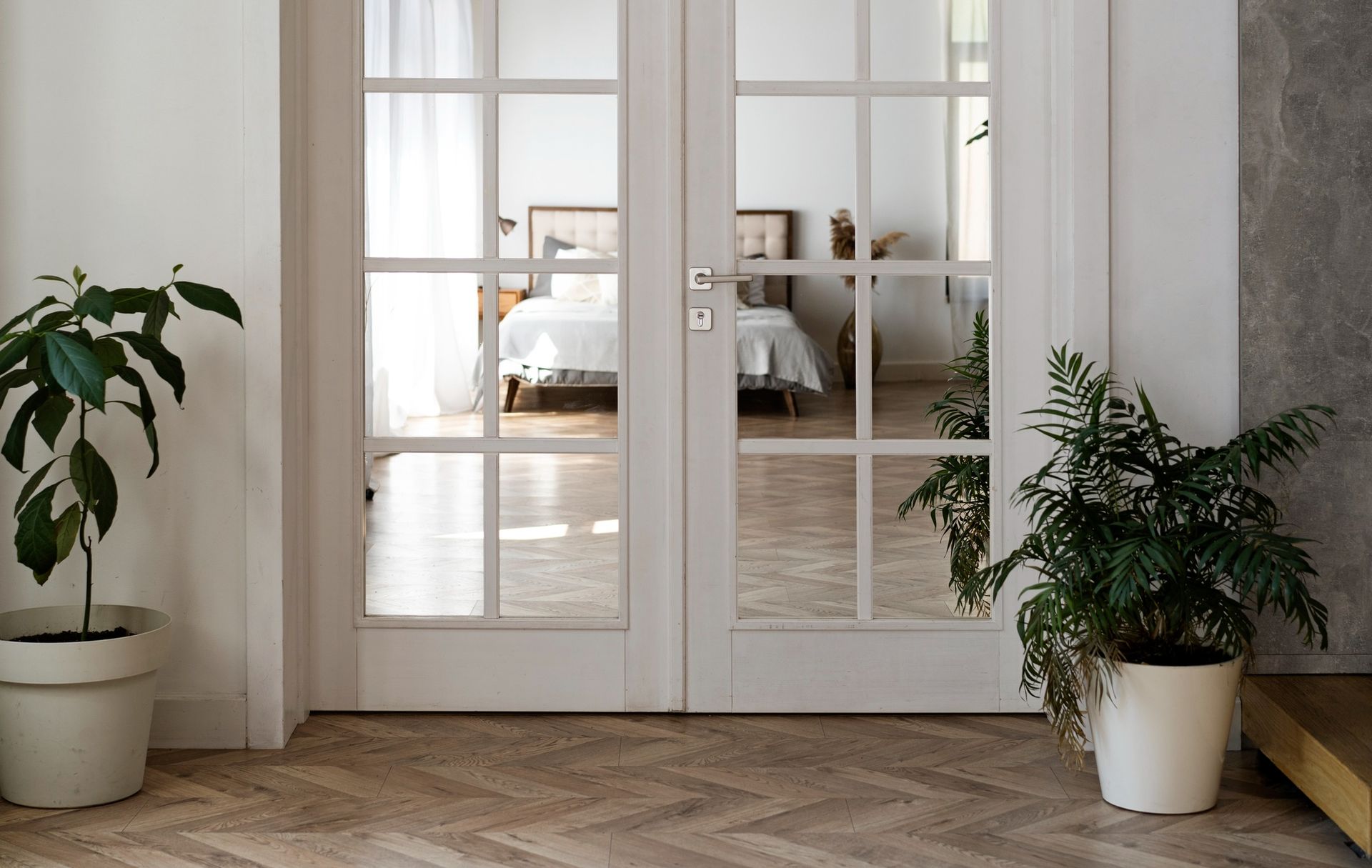
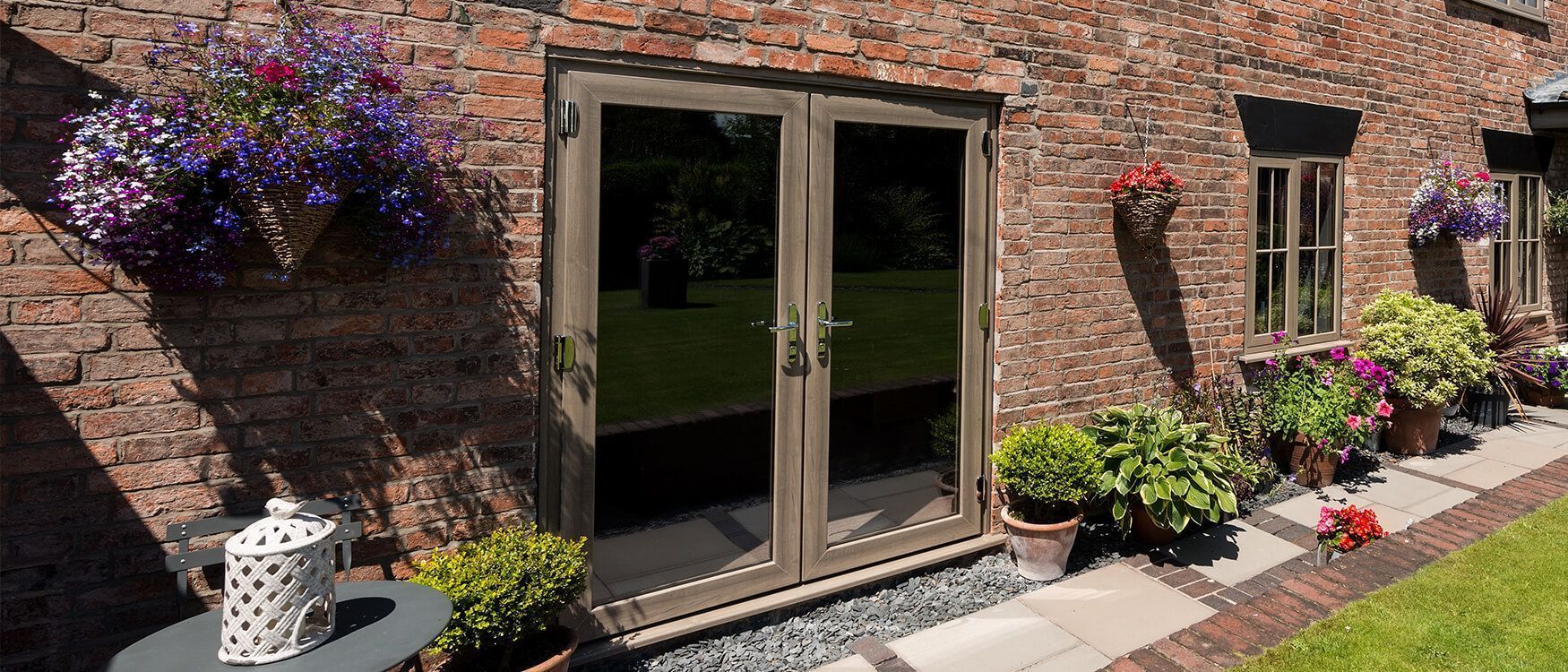
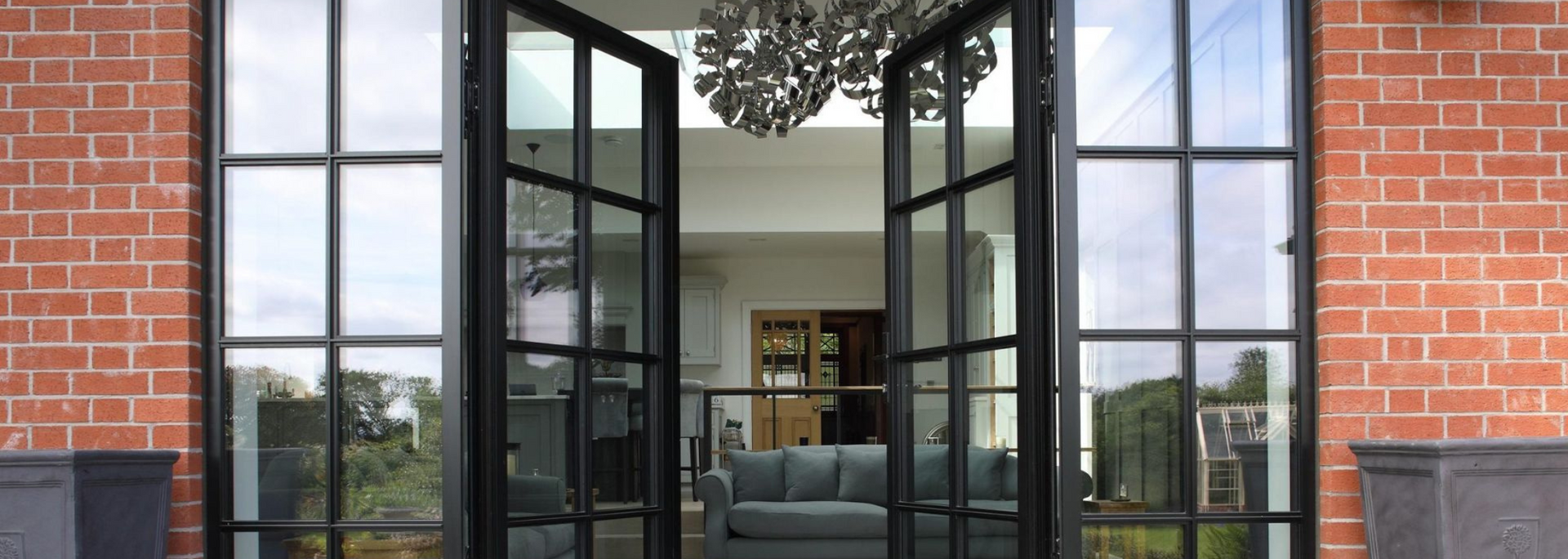
French or double casement windows are constructed with two side-by-side sashes, each hinged at opposing sides.
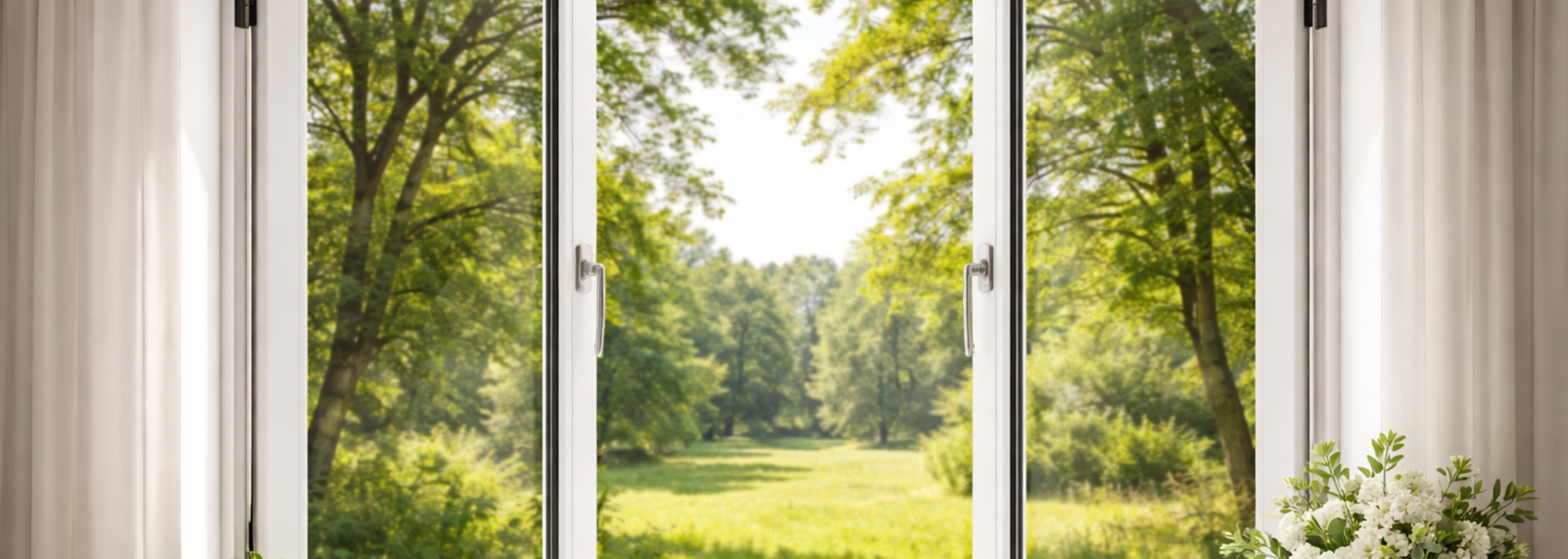
This opening mechanism means both windows open outwards without a central pillar (mullion) to obstruct the view. Instead, double casements feature a "flying mullion" attached to one sash. This flying mullion moves with the sash when the window is opened.
Many homeowners choose French casements because they offer abundant natural light, a bright, open feel and good ventilation. They're also favoured by those looking to bring a symmetrical, traditional look to their home.
Their recognisable design doesn't compromise on performance either. Modern double casements boast excellent energy ratings, multi-point locking systems and the potential to function as an emergency egress route.
Fixed casements
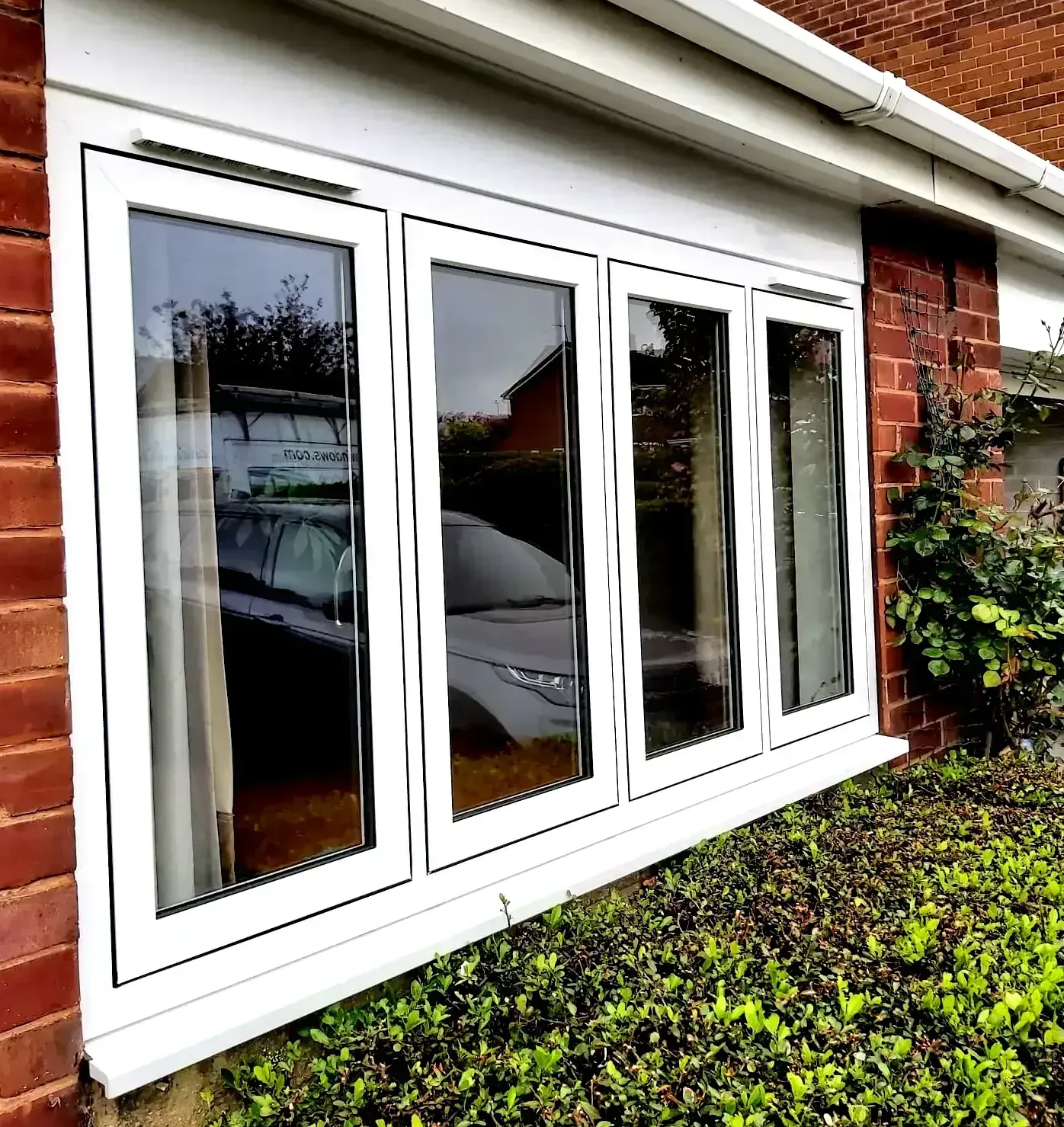
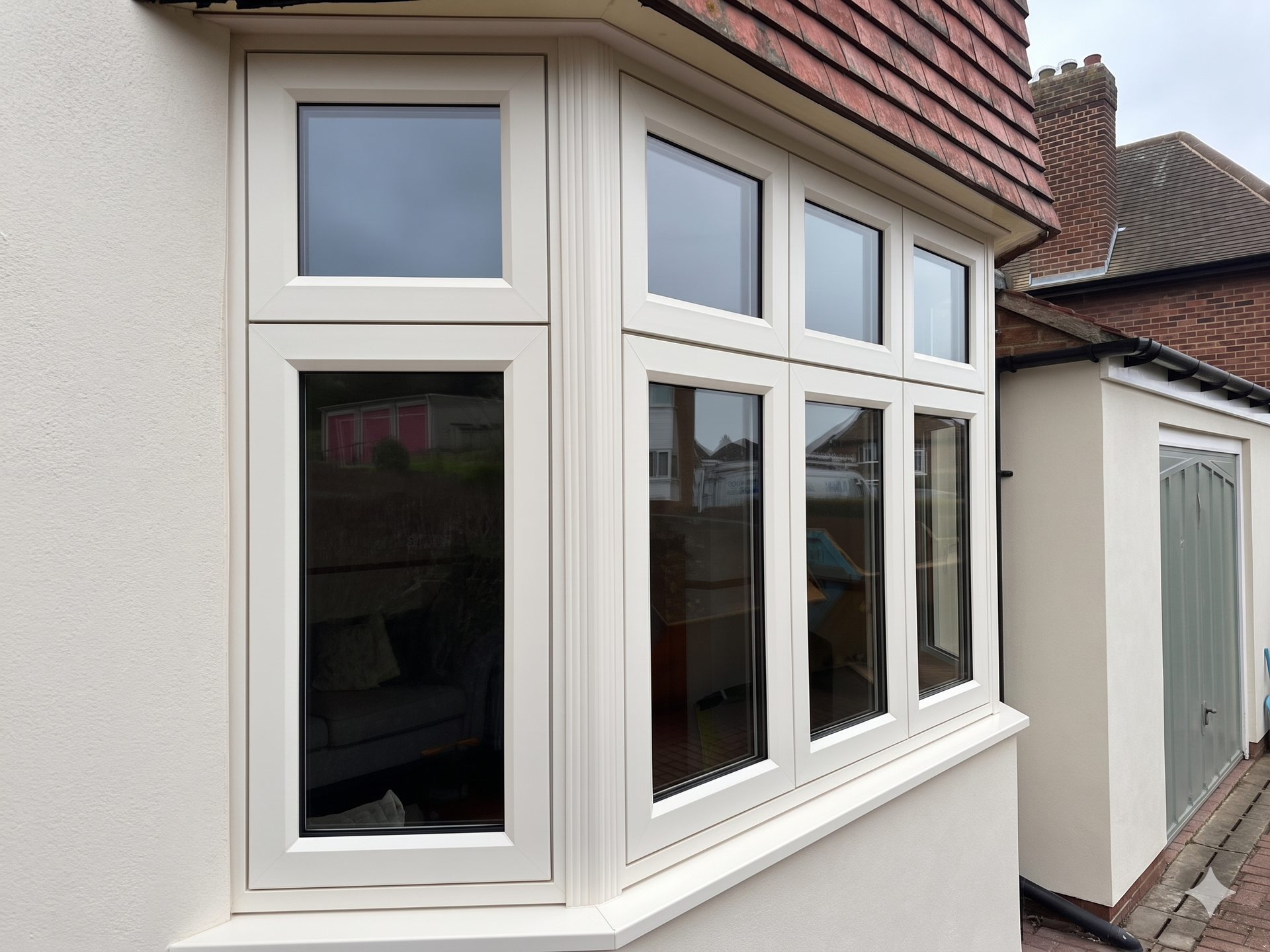
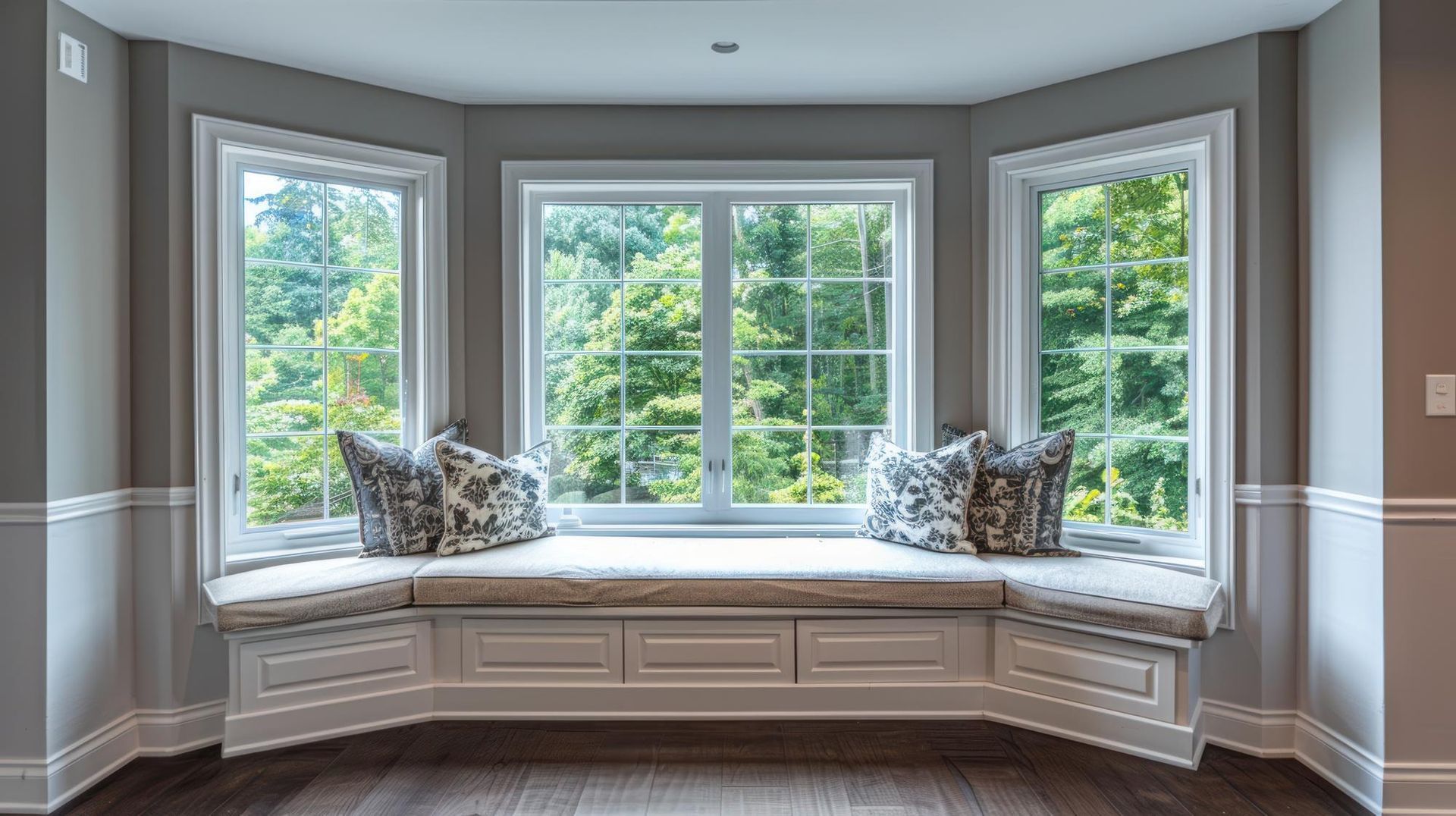
The simplest style of casement window, fixed casements contain no opening mechanisms. Often installed alongside other casement styles, especially in bay windows, fixed casements are extremely durable and easy to maintain.
While they don't offer ventilation, they do allow for plenty of natural light and unobstructed outside views. Modern varieties are exceptionally secure and ideal for hard-to-reach or decorative areas, such as high-level gables.
Casement window energy efficiency ratings
The energy efficiency performance of a window is typically given as a U-value. This is a measure of how effectively building elements (such as windows and doors) transfer heat from inside to outside.
Another important measure is the BFRC energy rating. This measures heat loss on a ranked scale from A++ (best) to E (worst).
So, when looking for energy-efficient windows, you want a low U-value and a high BFRC energy rating.
A modern, double-glazed casement window will typically achieve an A rating on the BFRC scale and a U-value from 1.2 to 1.4 W/m²K.
Calder Windows' triple-glazed casement windows are rated A++ and offer a U-value of between 0.7 and 0.8 W/m²K. With 43% thicker units for better insulation and increased security, they perform with an impressive 40% better thermal efficiency than standard glazing.
Are you looking for energy-efficient,
modern casement windows ? Calder Windows supplies high-quality casements in a wide variety of styles to customers across West Yorkshire. Why not
explore our window range or
get in touch for a quick, competitive quote?
Recent Posts