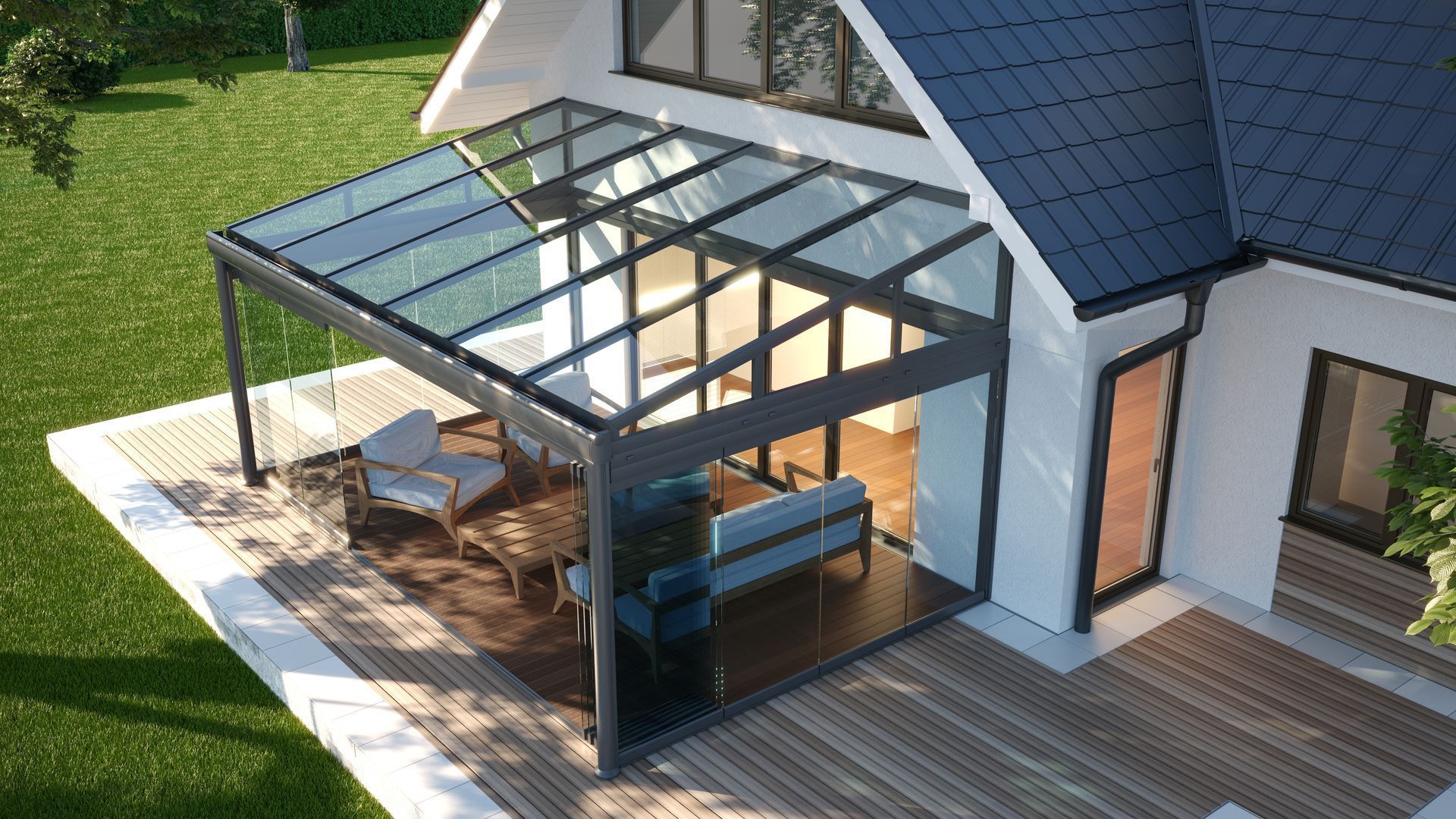
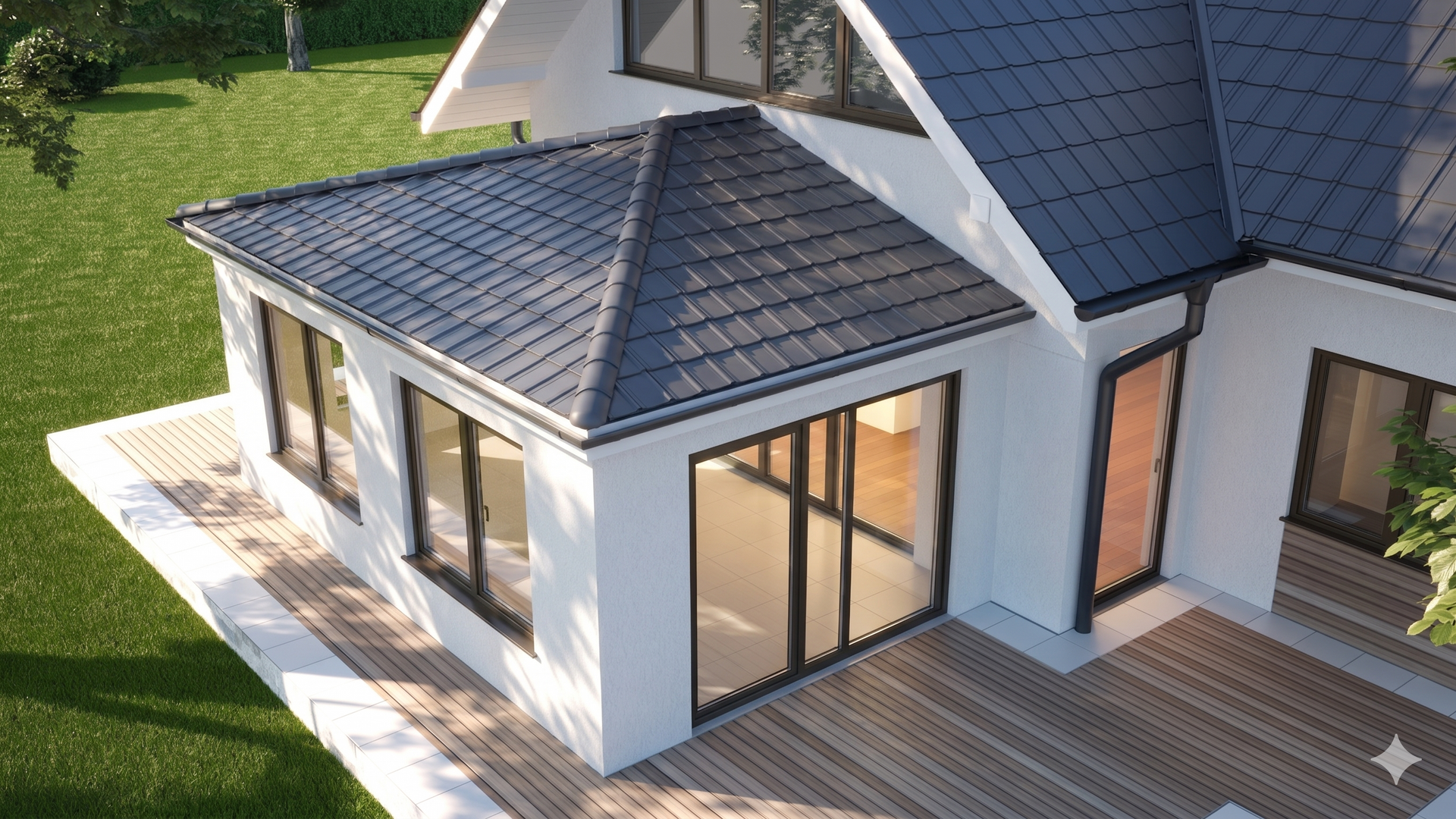
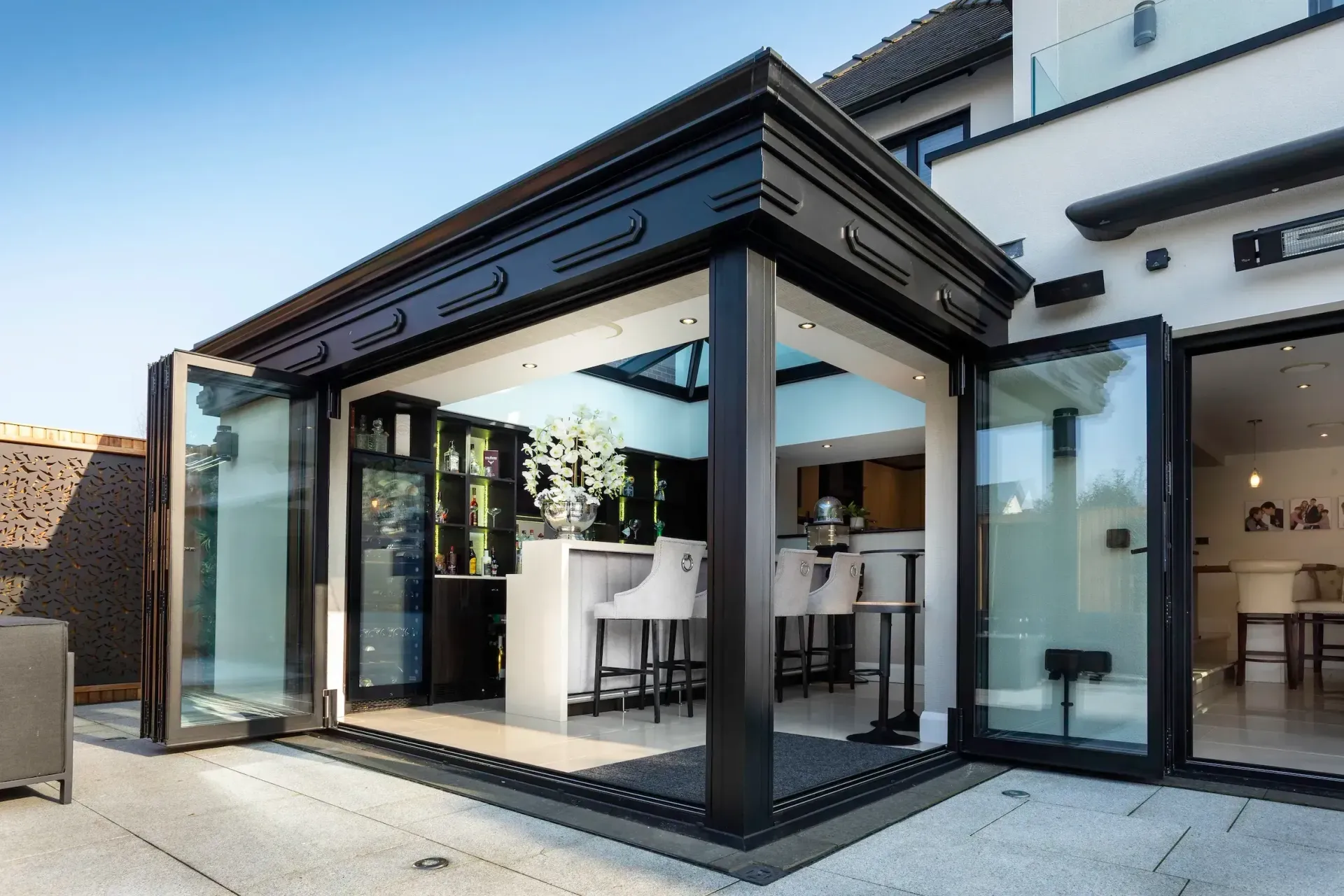
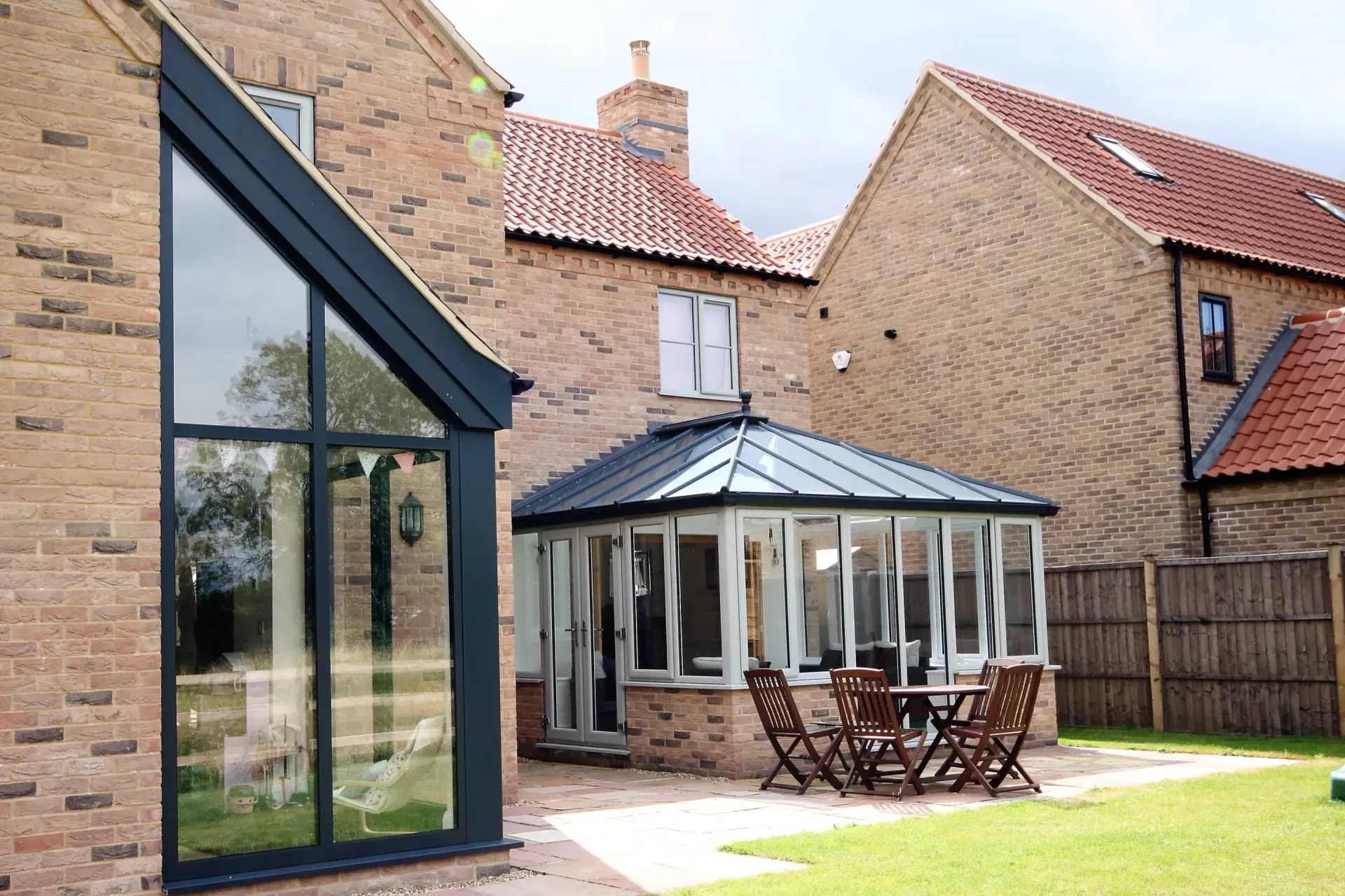
Can you build an extension on a shared ownership house?
Can you build an extension on a shared ownership home? Learn UK rules, permissions, costs and key considerations before making changes.
In the UK, shared ownership is often seen as a practical route onto the property ladder. This is especially true for first-time or solo buyers, who may struggle to afford a home outright.
Under these schemes, buyers purchase a share of the property (typically between 25% and 75%) and then pay rent on the remaining portion. This remaining portion is usually owned by a housing association. Over time, the goal is to buy more shares until you own 100% of the home. This is called "staircasing".
For many, a shared ownership arrangement offers a more affordable, more flexible route to homeownership. However, it does carry some extra challenges compared to outright ownership, especially while the buyer is still in the staircasing period.
One of the most common questions is, "How easy is it to modify or upgrade the property before I own it outright?" Could you, for example, build an extension or conservatory?
The short answer is: yes, it may be possible to build an extension on a shared ownership house. However, it's rarely straightforward.
Unlike full ownership, shared ownership comes with additional legal, financial and practical considerations. These must be carefully navigated before any structural changes can be made.
Get permission from your housing association first
It's vital to get permission before installing an extension. This applies to both full ownership and shared ownership, depending on what you want to build and where you're trying to build it.
For shared ownership, permission must be granted by the housing association that owns the portion you don't own. The process may involve additional conditions or restrictions set out by the housing association.
These terms may cover what changes are allowed and how they must be carried out. They'll likely be included in your lease agreement.
Checking these terms is a critical first step, because the housing association may have specific requirements that must be prepared in advance. Common requirements include architectural plans and proof that qualified professionals will carry out the work.

Your housing association may reject the proposal altogether if they believe it could affect the value, safety or structural integrity of the property. To avoid disappointment later, it's wise to check what's allowed and seek approval before moving forward.
Check if planning permission is required
Assuming your housing association does give approval, don't start laying foundations just yet. Remember that your extension may also require planning permission from your local authority.
In most cases, the same planning rules apply as they would for a fully owned home. However, some properties – particularly leasehold and shared ownership homes – may have restrictions on permitted development rights. This means you may still need formal approval, even for smaller changes.
To make sure your extension is allowed, it's best to seek guidance from your local council once you have a clear idea of what you want to build.
Think about design
Shared ownership homes are often located in developments with uniform designs and shared amenities.
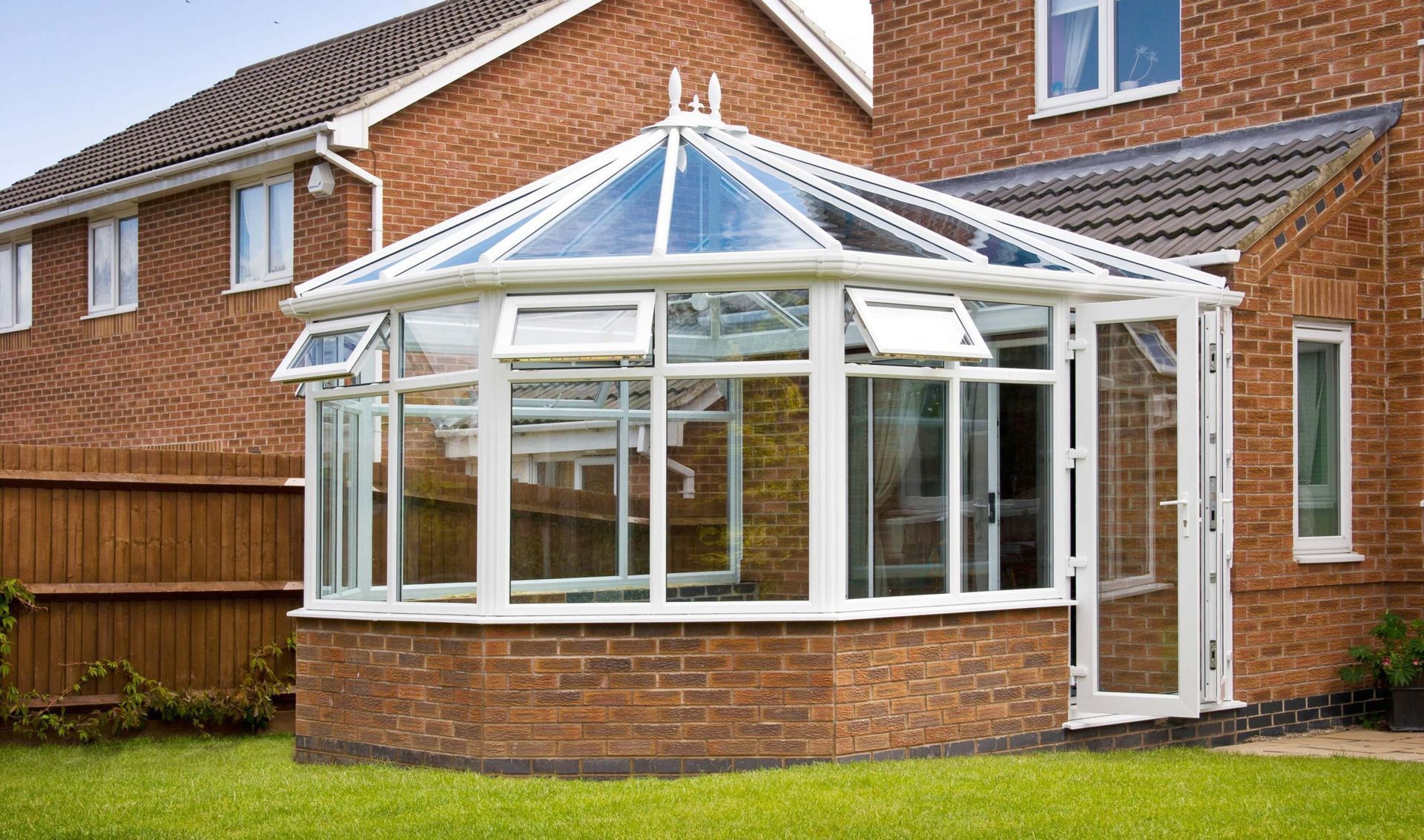
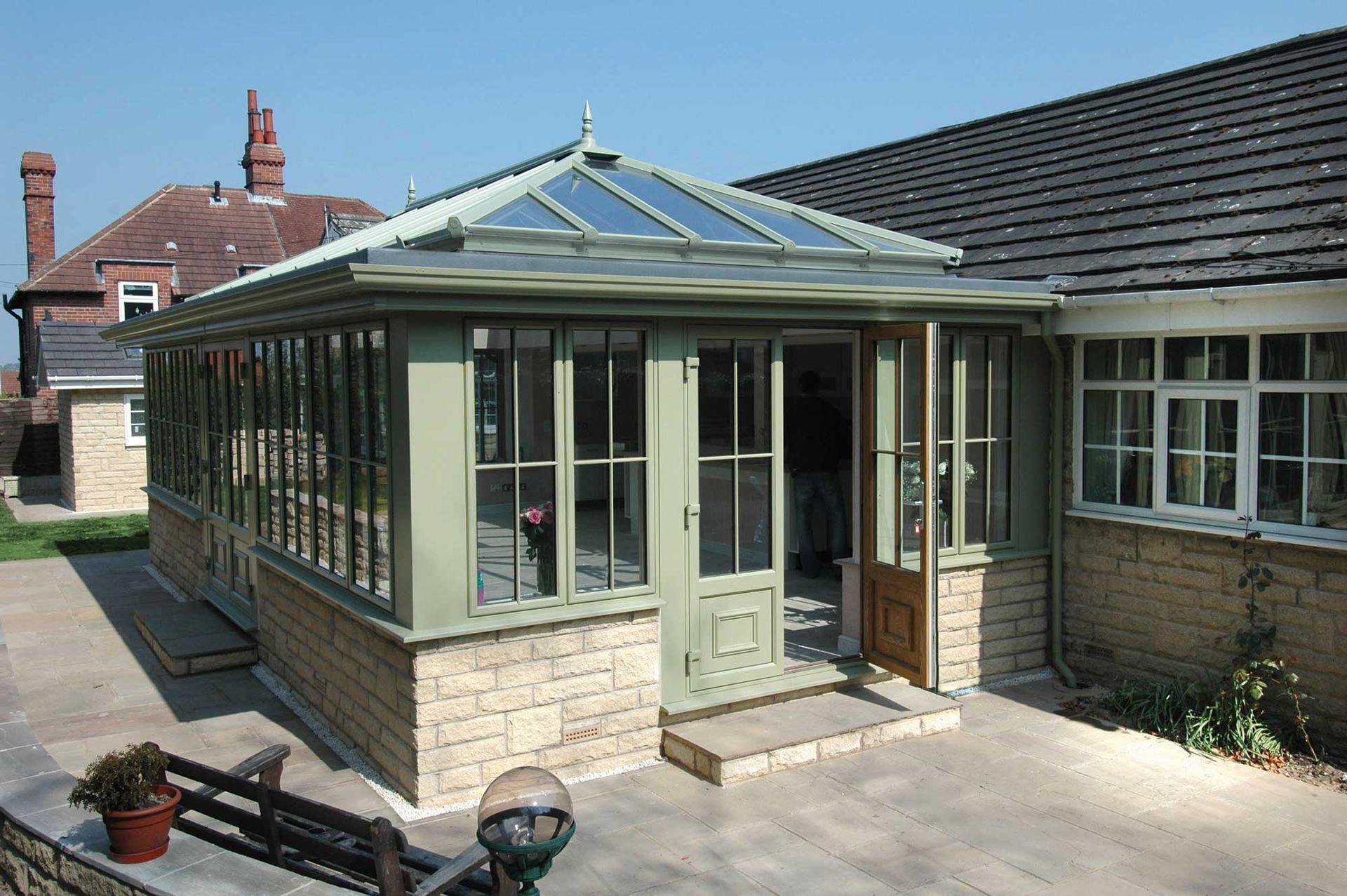
Having an extension can make the home feel unique and a bit more yours. However, while that's good for you, it might not be in keeping with the overall aesthetic of the development. This can – and often is – a reason for proposals to be rejected.
This is where design can make a huge difference, and where working with a specialist like Calder Windows can be a big help. With more than 30 years of experience, we help our customers create bespoke installations that fit perfectly with existing structures.
Consider the practicalities
Practically speaking, your options for extensions differ between types of buildings.
After all, it's more difficult to add conservatories or extensions to ground-floor flats, for example. But that's also the case on fully owned apartments because, like shared ownership properties, there are leasehold restrictions covering the full building.
Make sure you understand the financial impact
When we say "the financial impact", we're not just talking about the cost of building the extension. This, after all, can vary depending on your needs and design choices.
No – we're also talking about your ongoing rent payments.

See, with shared ownership, you pay rent against a portion of the property – and often, this is relative to the home's value. Most of the time, it's expected that a good-quality extension or conservatory will increase a property's market value. This is great when you own the property outright, but less ideal when you're still paying off the part you don't own. It's important to take this into account when deciding if an extension is right for you.
Built extensions and conservatories create extra space at home, which can be critical for expanding families or simply improving quality of life. Keep in mind that achieving full ownership can take years, particularly if the own-to-rent ratio is evenly split. For some, spending those years with a larger space is worth the extra payments.
And if the addition does increase market value, it's possible you'll still be able to enjoy that once you fully own the home.
Should I build an extension on my shared ownership house?
Ultimately, the decision to install an extension on a shared ownership property is a deeply personal one. The implications, too, vary greatly depending on individual circumstances.
In most cases, it's possible to own a home under shared ownership schemes and successfully extend it. However, it's important to consider what is right for you.
And don't be tempted to skimp on quality. When modifying your home presents legal, financial and practical challenges, you don't want to end up with extra headaches further down the line.
Home extensions from Calder Windows
At Calder Windows, we've built our reputation on quality, fairness and good old-fashioned customer service.
As an experienced house extension company, we've completed thousands of installations and have gained a deep understanding of our products, our customers and our industry. We're passionate about helping customers across West Yorkshire install high-quality extensions, conservatories and other home improvement products that are truly one of a kind.
Regardless of your personal circumstances, we can help find the best fit for you. Why not give our friendly team a call on 01924897040 to discuss your plans in more detail?
Recent Posts