Heritage aluminium doors across West Yorkshire
Heritage style doors
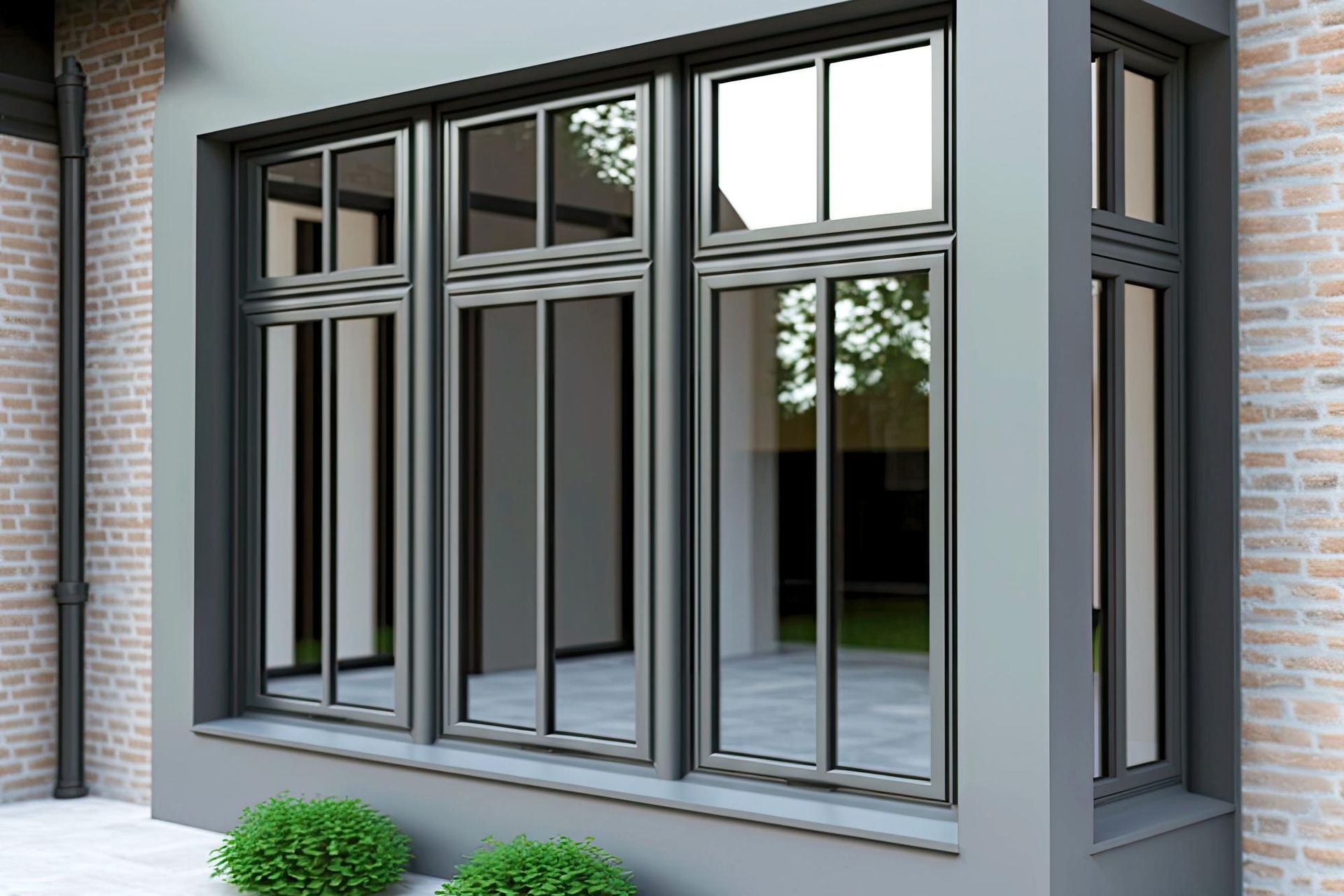
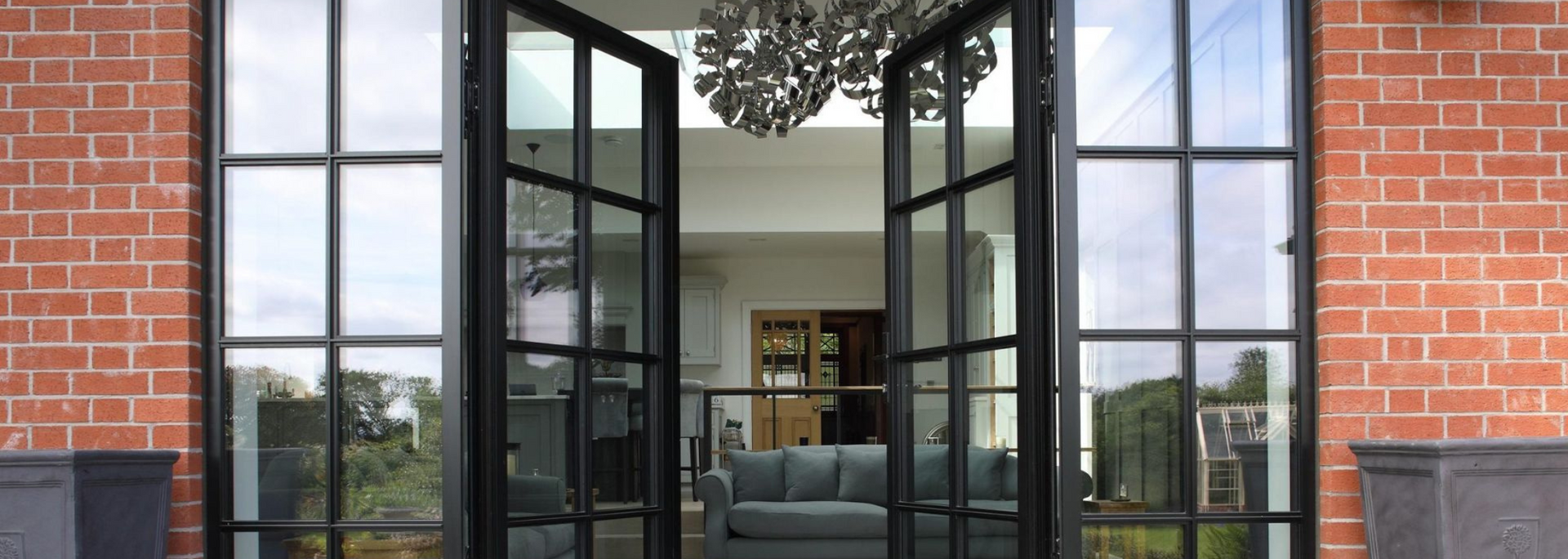
Steel-look heritage doors are one of the most distinctive and flexible door styles we fit. The slim black frames, the gridded glazing, the crittall-inspired look that sits beautifully in Victorian townhouses, Edwardian terraces, converted mills, new-build contemporary extensions, and everything in between.
We fit them in thermally broken aluminium so you get the crittall aesthetic without the cold, rust, or maintenance headache of actual steel. Suitable for both internal and external use.
Where heritage style doors work
Victorian and Edwardian townhouses
Returning period properties to something closer to their original character. Slim black frames with gridded panes look right on stone, brick, and render frontages where the street scene has heritage.
Converted mills, warehouses, and workshops
Yorkshire has a huge stock of converted industrial buildings in Leeds, Bradford, Huddersfield, Halifax, Saltaire and beyond. Heritage doors are the natural aesthetic fit for these conversions.
Contemporary extensions with a twist
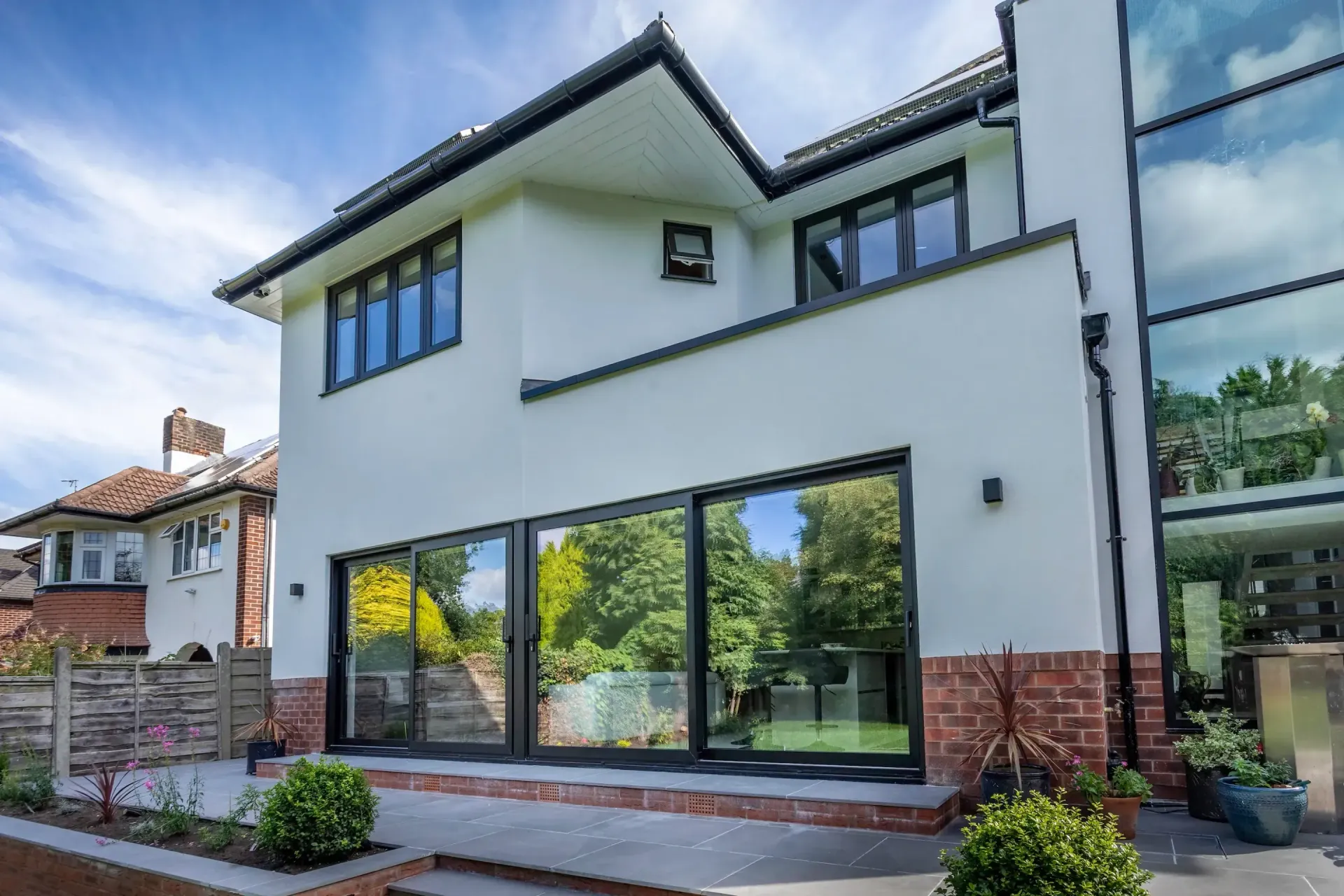
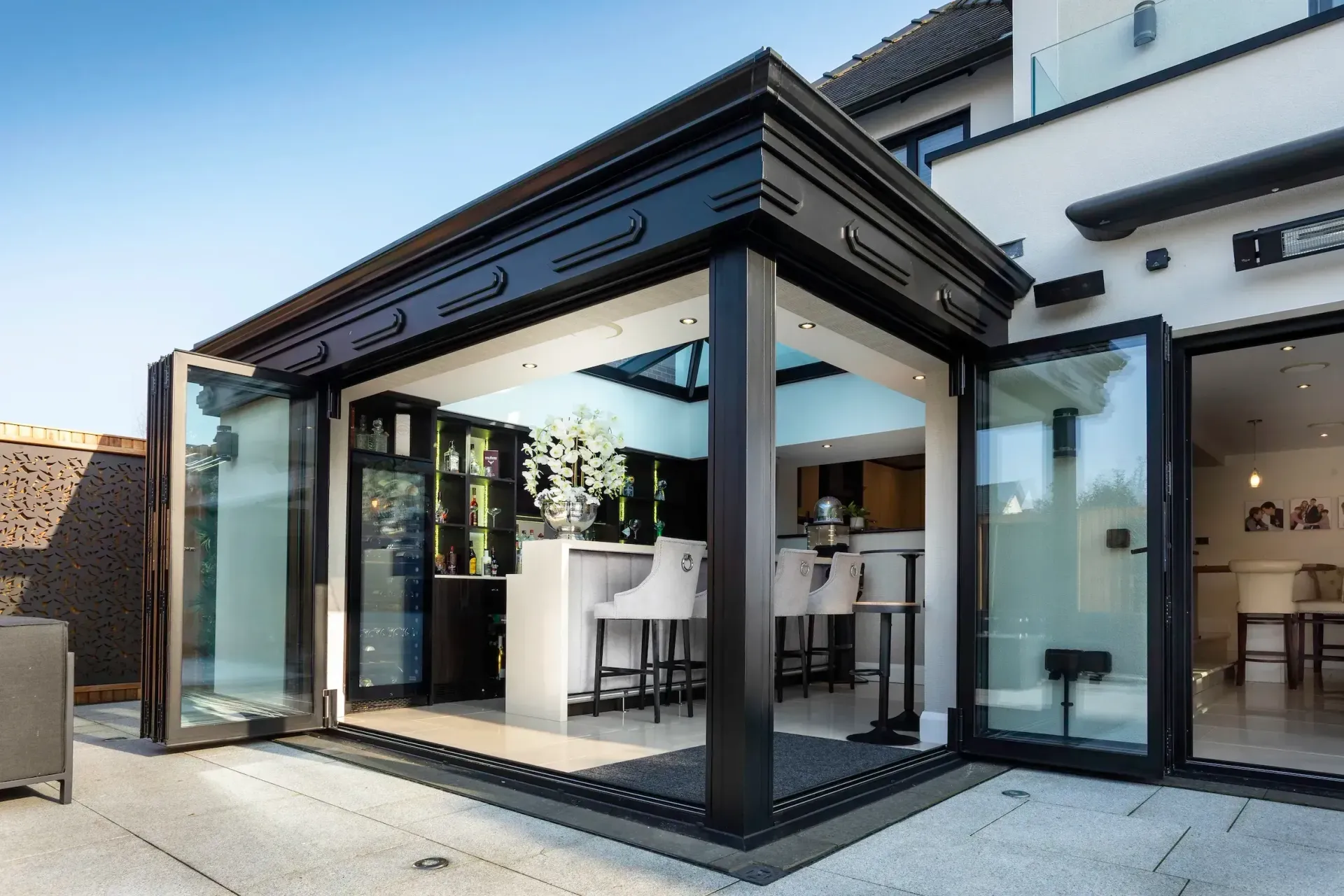
A rear kitchen extension with black crittall-style doors and a slim aluminium roof lantern is one of the most popular design specifications of the last few years. It works because the heritage look softens the hard edges of modern architecture.
Internal room dividers
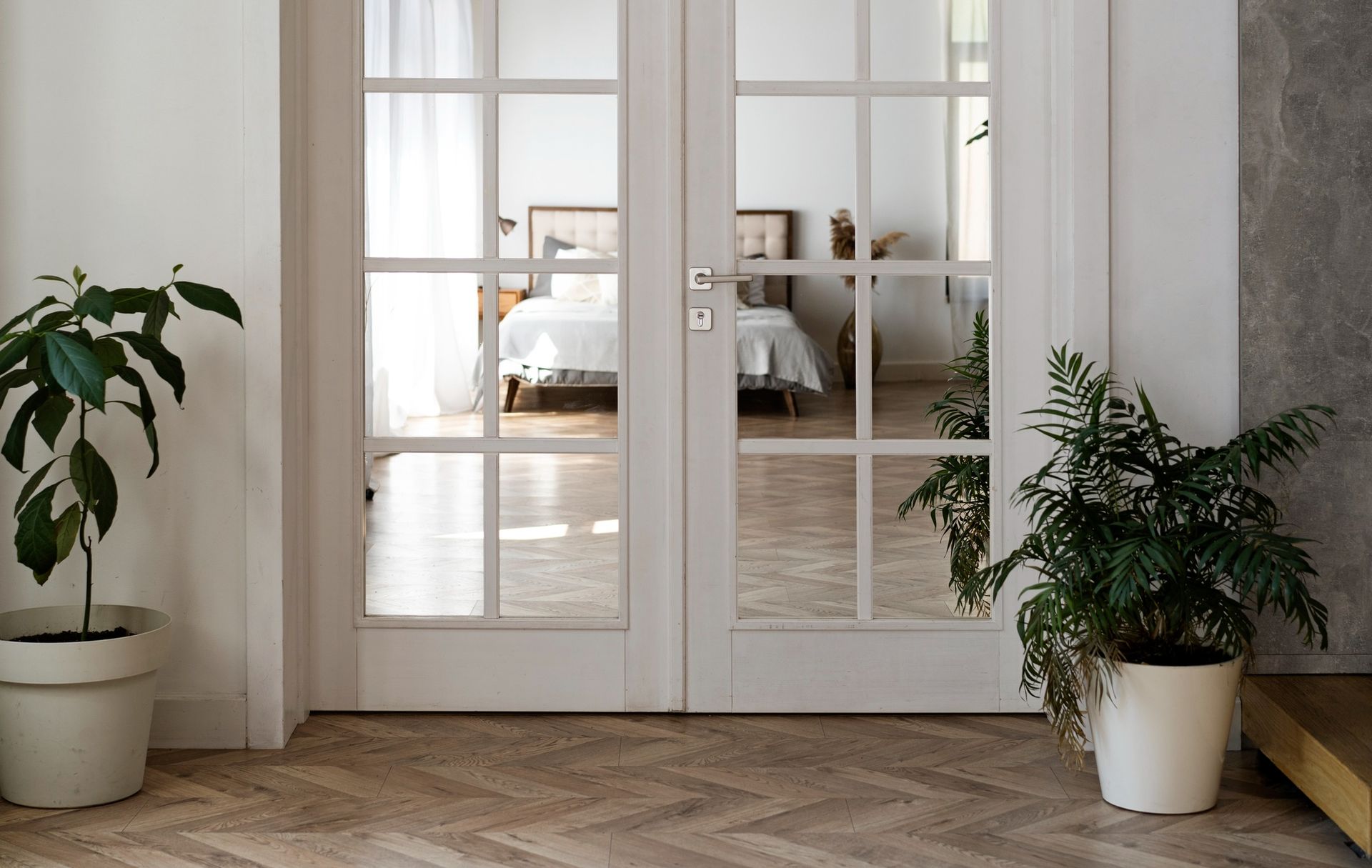
Heritage doors are increasingly fitted internally to separate kitchens from dining rooms, or to create a glazed wall between a living room and a hallway. The slim frame and gridded glass let light move through while still giving you a sense of separation.
Art Deco and period restorations
Properties with original 1930s features benefit from heritage-style doors as a proper aesthetic match rather than a compromise.
What sets them apart
The frame
Slim, rectangular, black (usually), and gridded with mullions and transoms to create the classic crittall panel effect. Aluminium structurally, which means the sections can be slim without sagging or warping.
Thermally broken
An insulating break inside the metal frame stops heat leaking out. Heritage doors aren’t just pretty: they perform to modern thermal standards when specified properly.
Tough finish
Powder-coated in matt, satin, or textured finishes. Matt black is by far the most-requested, but jet black, graphite, anthracite grey, and any RAL colour are available.
Internal or external rated
We fit two tiers of heritage door: internal room dividers (lighter specification, no weather rating) and external heritage doors (weatherproofed, fully insulated, PAS 24-rated security on qualifying specifications).
Configurations
Single heritage door
For internal openings or smaller external doorways.
Heritage French doors
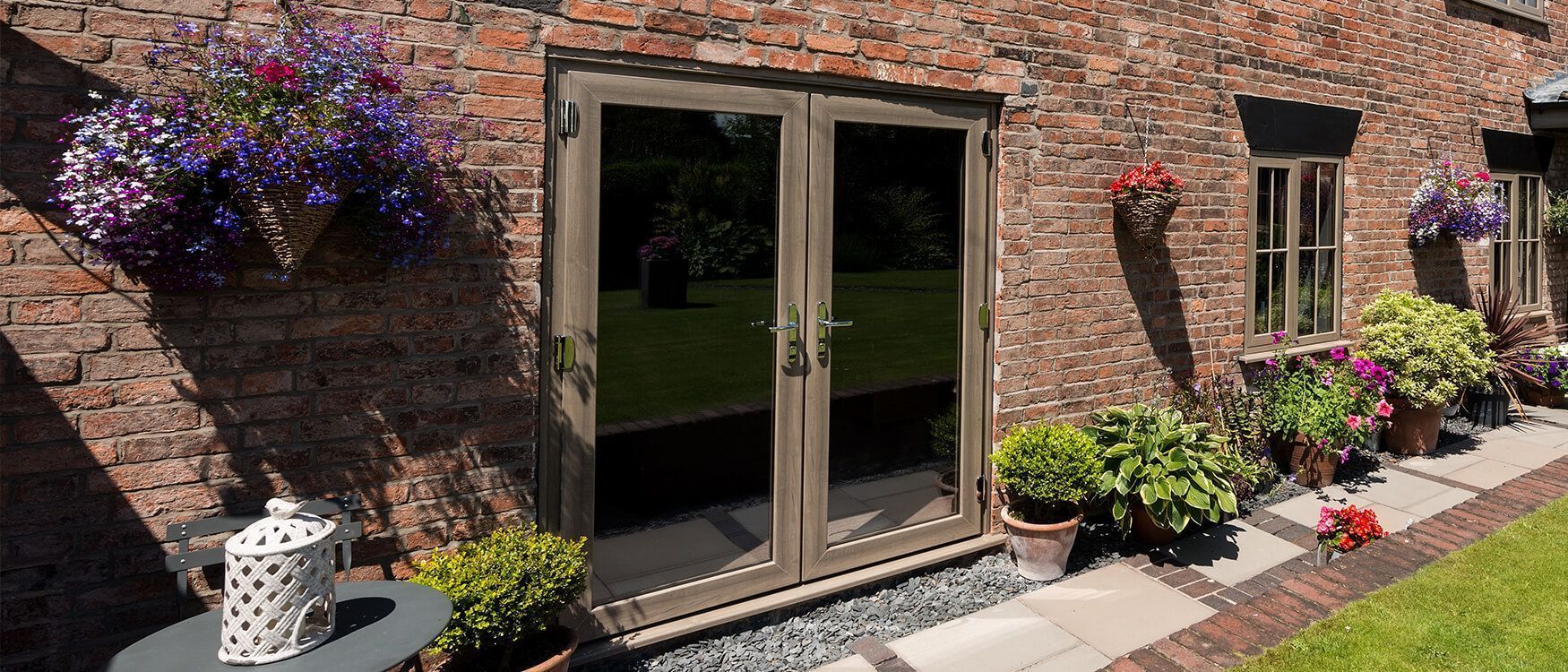
Two leaves meeting in the middle. A common external specification for extensions and garden access.
Heritage bifold
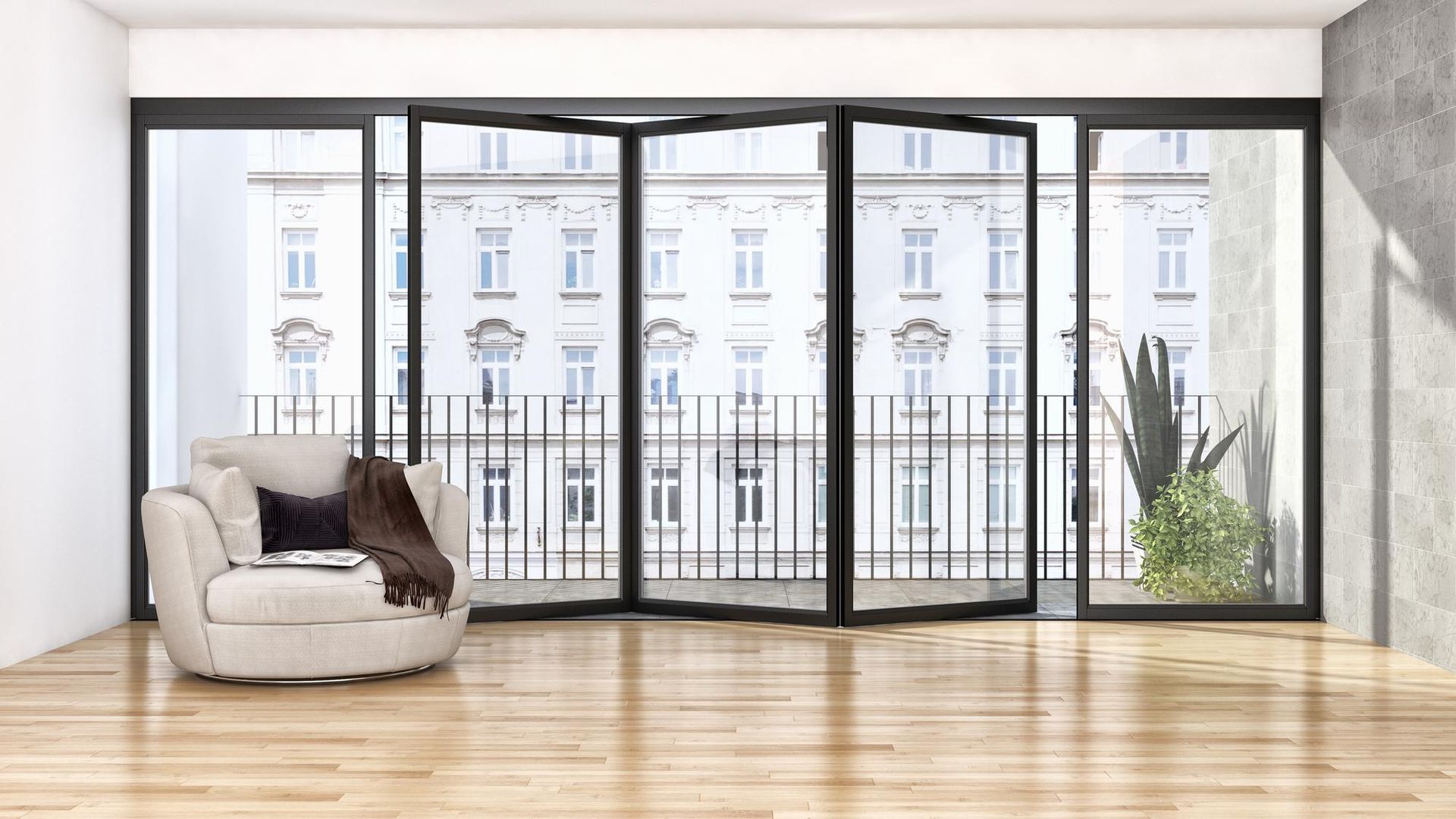
Folding heritage-style doors across a wider opening. More glass, bigger statement.
Heritage sliding
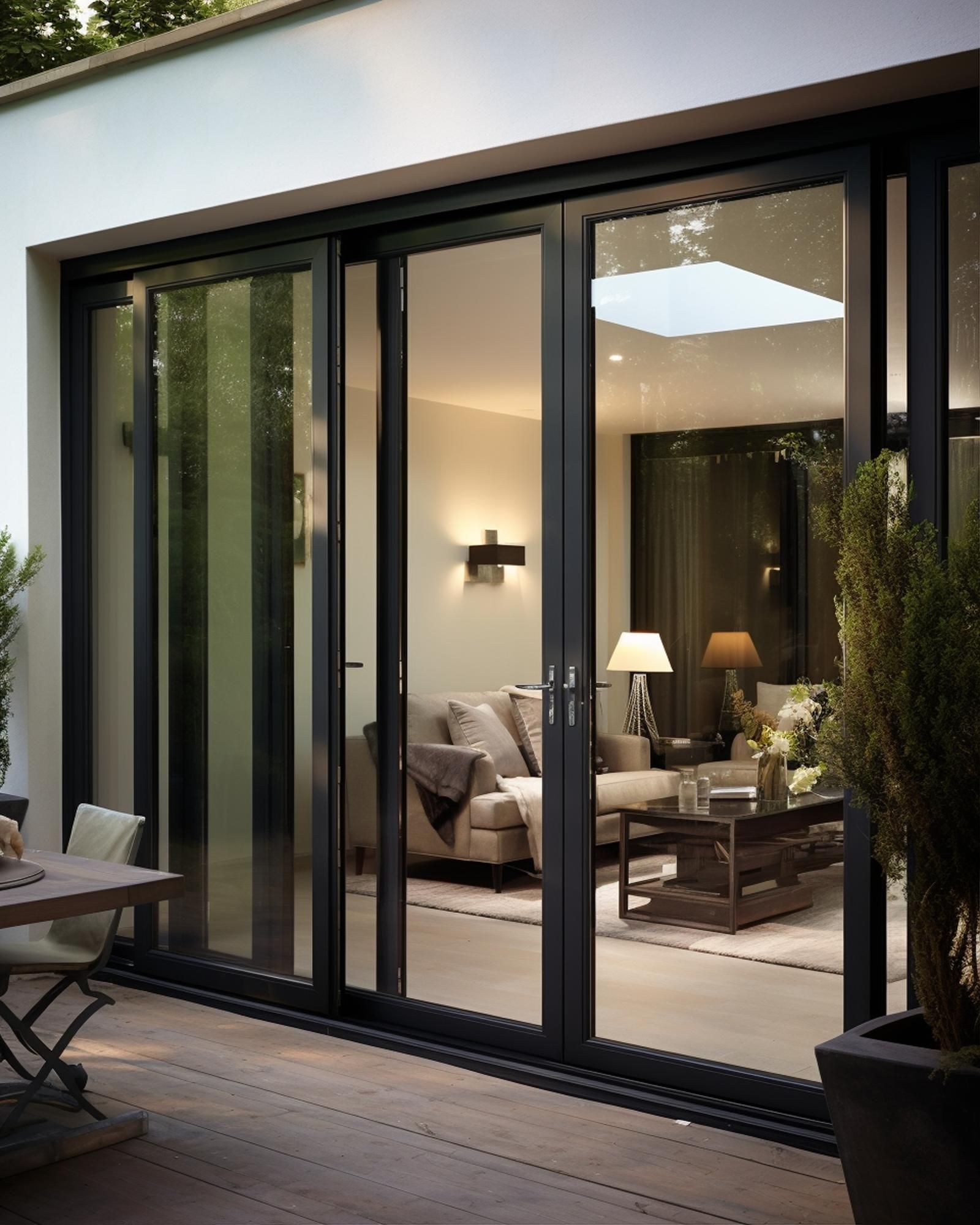
Less common but available. Sliding heritage doors for contemporary renovations.
Heritage internal screens
Fixed glazed walls that divide rooms without losing the visual connection.
Glazing and detailing
- Bar patterns - Traditional crittall-style small square panes, or larger rectangular grids. 2-high, 3-high, 4-high or 6-high configurations depending on the opening and the look you want.
- Glass options - Clear, obscured, textured, acoustic, or fire-rated for internal doors where building regulations require it.
- Hardware - Black handles and hinges to match the frame. Contemporary lever handles, traditional knobs, or industrial-style pulls depending on the aesthetic.
Internal vs external heritage doors
Internal
Lighter frame section, no thermal break required, no weather sealing, simpler hardware. Used to divide rooms without a solid wall. Often not structurally rated for security or fire unless specified.
External
Full thermal break, weather seals, multi-point locking, Secured by Design-compliant on qualifying ranges, and specified for the outdoor environment. Costs more than internal versions because the specification is significantly heavier.
The install
Internal heritage door installation: usually one day on site for a straightforward opening.
External heritage doors or internal heritage screens: one to three days depending on the size and complexity.
Every external install is FENSA-signed off and comes with a 10-year guarantee* on most products.
Heritage door FAQs
Are heritage doors the same as crittall doors?
Crittall is a specific brand of steel-framed windows and doors. Heritage-style aluminium doors replicate the crittall aesthetic in a thermally broken aluminium frame. The look is similar, the performance is better, the cost is lower, and they don’t rust.
Can I use heritage doors externally?
Yes, as long as they’re specified as external doors with weather sealing, thermal break, and the correct hardware. We’ll make sure you’re quoted for the right tier.
Do heritage doors come in colours other than black?
Yes. Jet black is most popular, but graphite, anthracite grey, bronze, and any RAL colour are available. White is rare but possible.
Are heritage doors thermally efficient?
Yes, when they’re thermally broken and double glazed (standard on our ranges). 40mm triple glazing is available on most external heritage products.
How do they compare to timber doors?
Visually close on the crittall look. Thermally better. Maintenance-wise no comparison (no sanding, no repainting, no rot).
Related products
Bifold doors
French doors
Aluminium windows
Sliding patio doors
See a heritage door in person
The crittall look is hard to judge from photographs. Come to the Normanton showroom and see the slim frame and gridded panes properly.