Orangeries in Yorkshire — contemporary builds
Calder Windows - Contemporary Orangeries
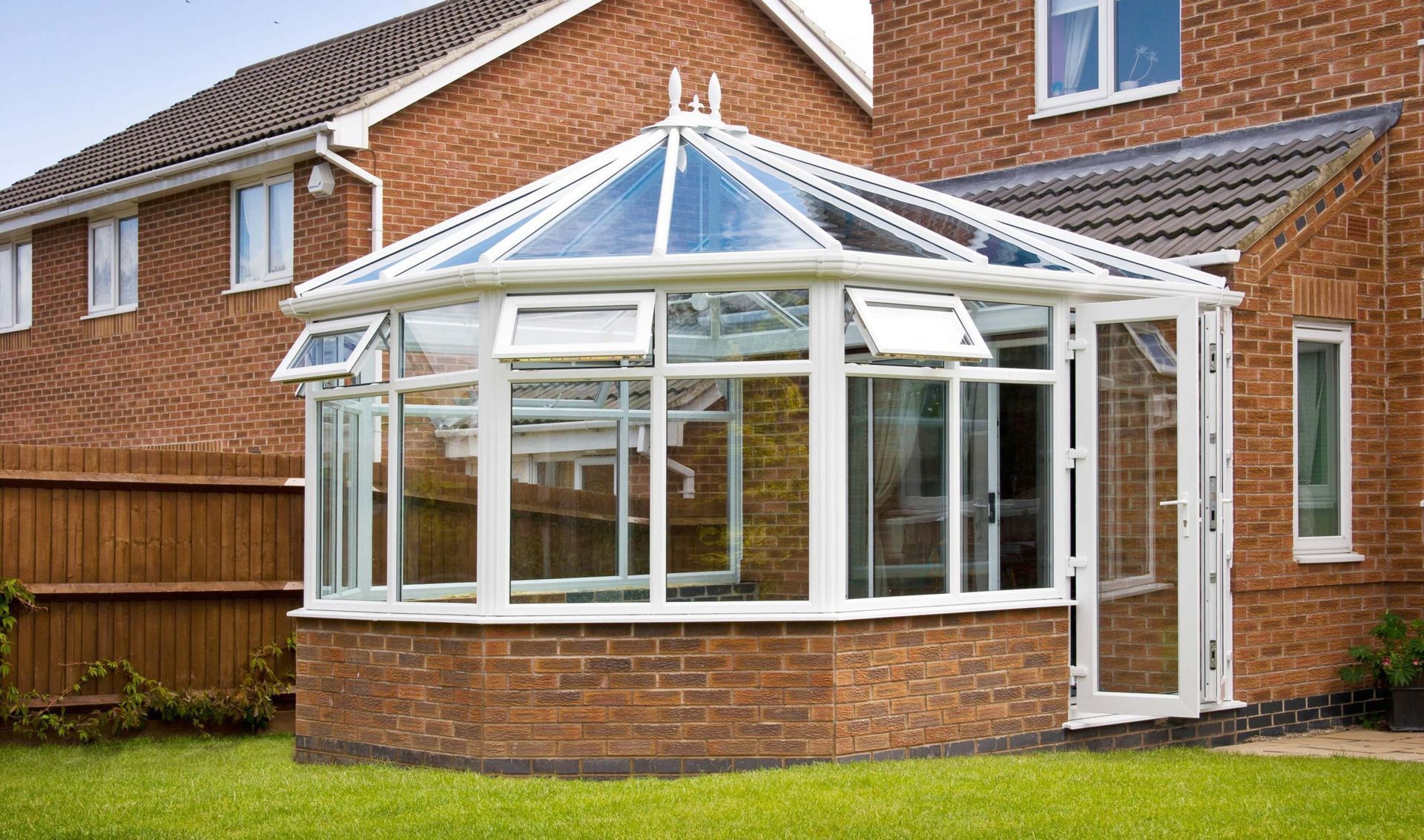
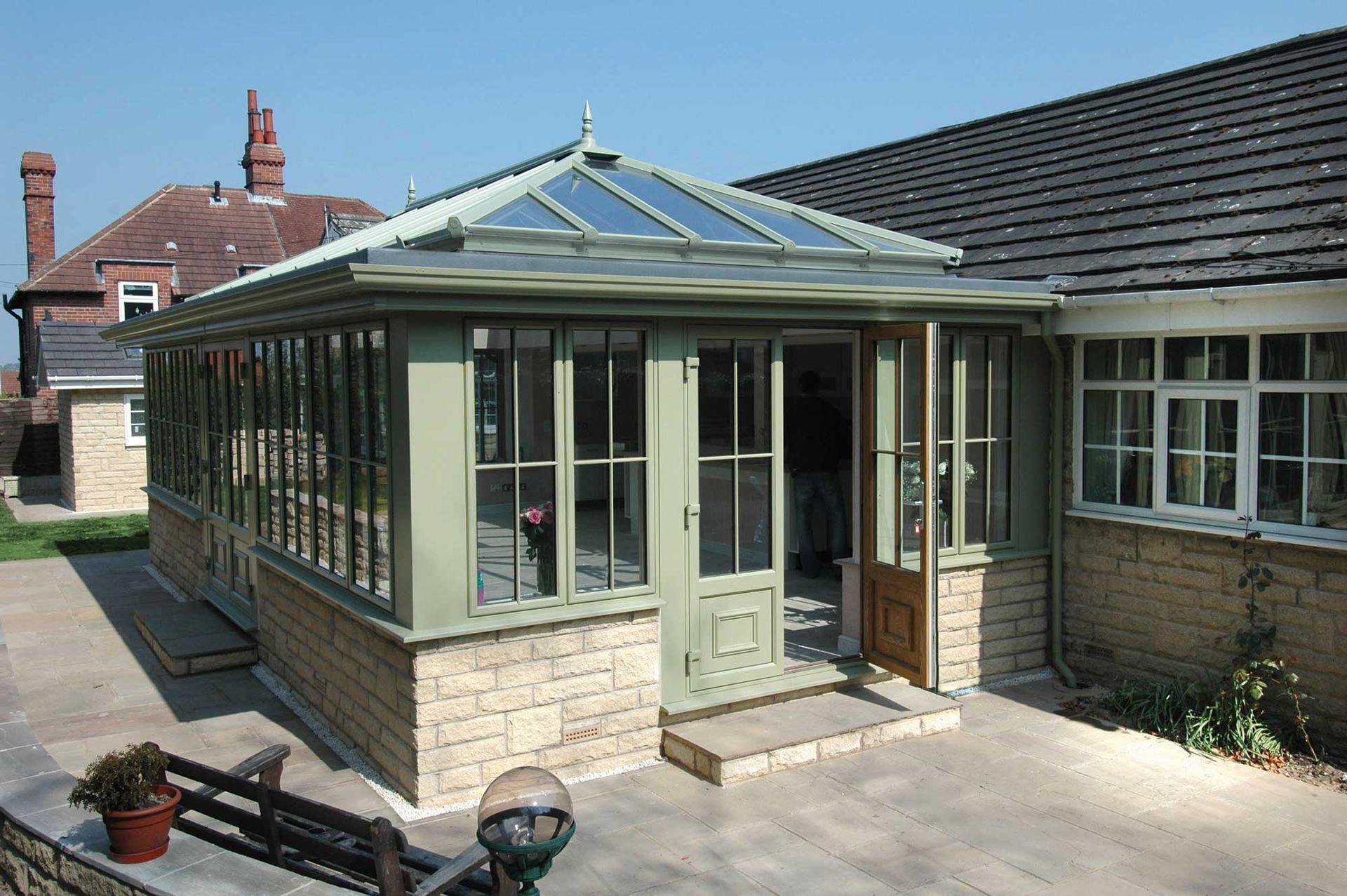
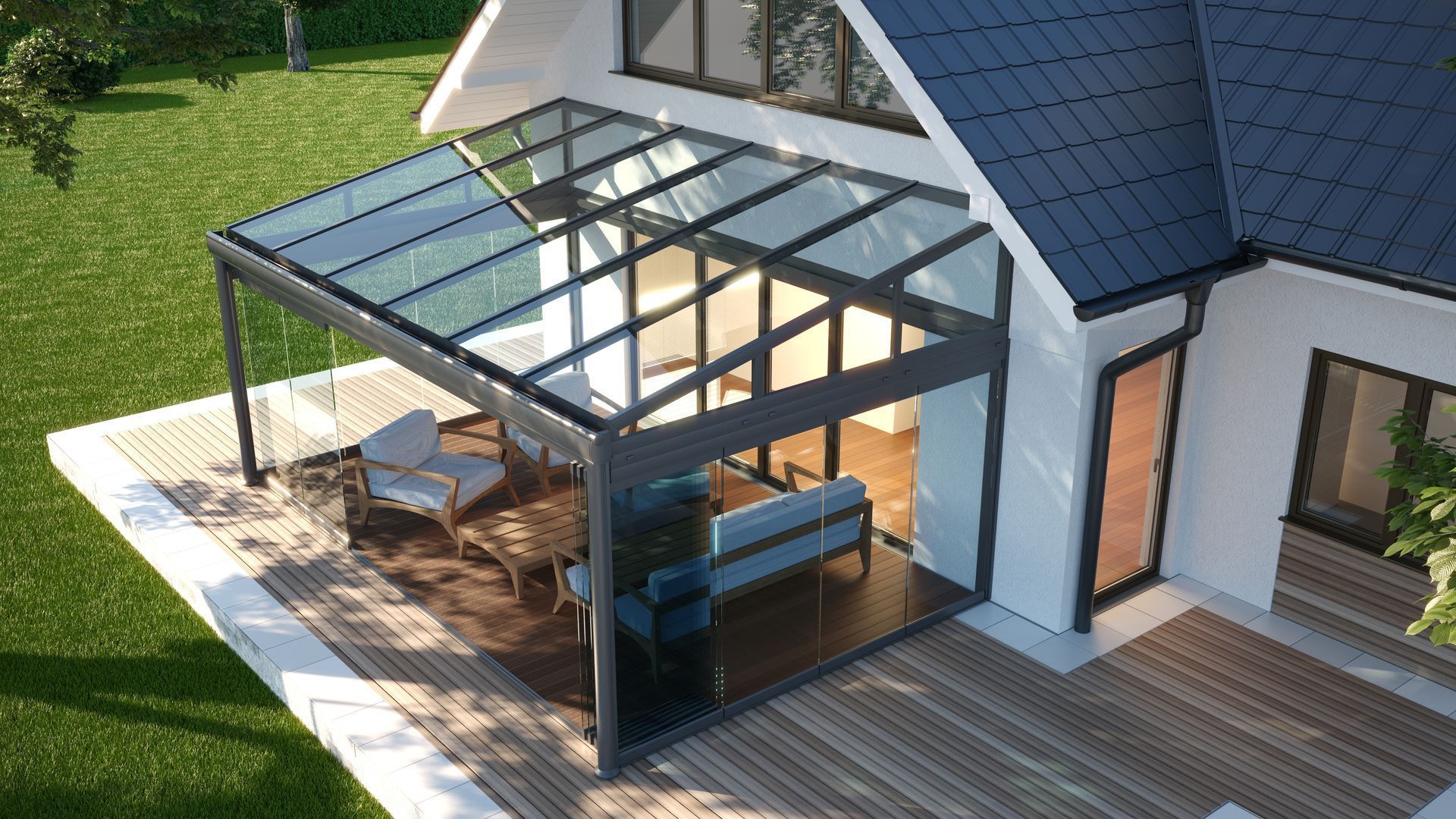
An orangery is the room between a conservatory and an extension. You get the light of a conservatory (large glazing, roof lantern, generous glass area) and the usability of an extension (solid roof sections, proper insulation, matching brick or render). Done properly, it’s the best of both.
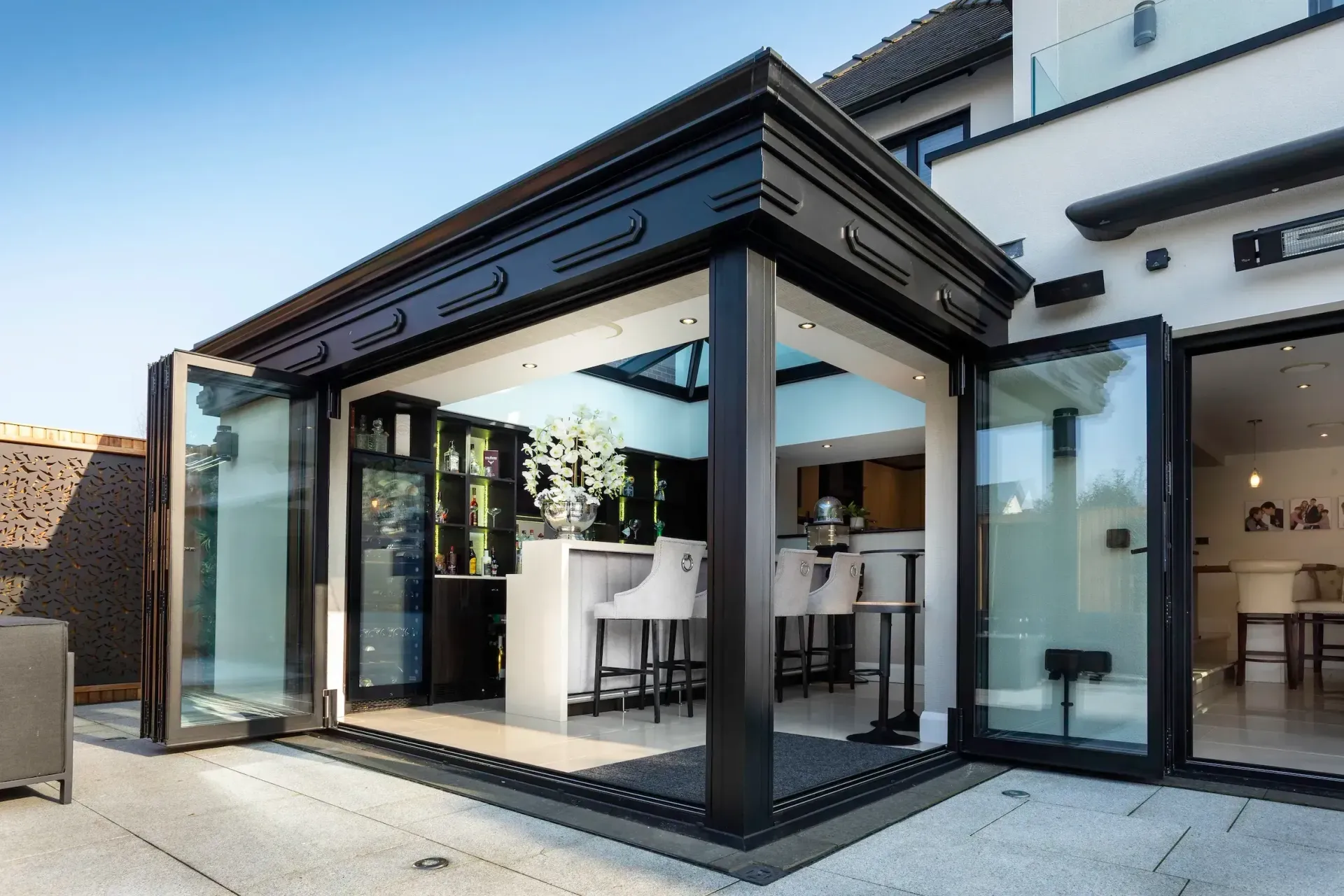
We design and build orangeries in Yorkshire — contemporary-style orangeries across West Yorkshire, with cornice and pelmet detailing, Korniche roof lanterns, and thermal performance that means you can use the room every day of the year.
Why an orangery, not a conservatory
It’s the question we get asked every week. Here’s the plain-English answer.
You get year-round usability
The solid roof sections and higher-insulation construction mean an orangery holds heat in winter and stays cooler in summer. You can use it in February without turning the heating on for three hours first.
You still get plenty of light
A central roof lantern (typically a Korniche lantern on our builds) brings in the sky. Floor-to-ceiling glazing on two or three sides gives you the garden view and the brightness. Less glass than a traditional conservatory, but more than enough for the room to feel like a garden room.
It reads as part of the house
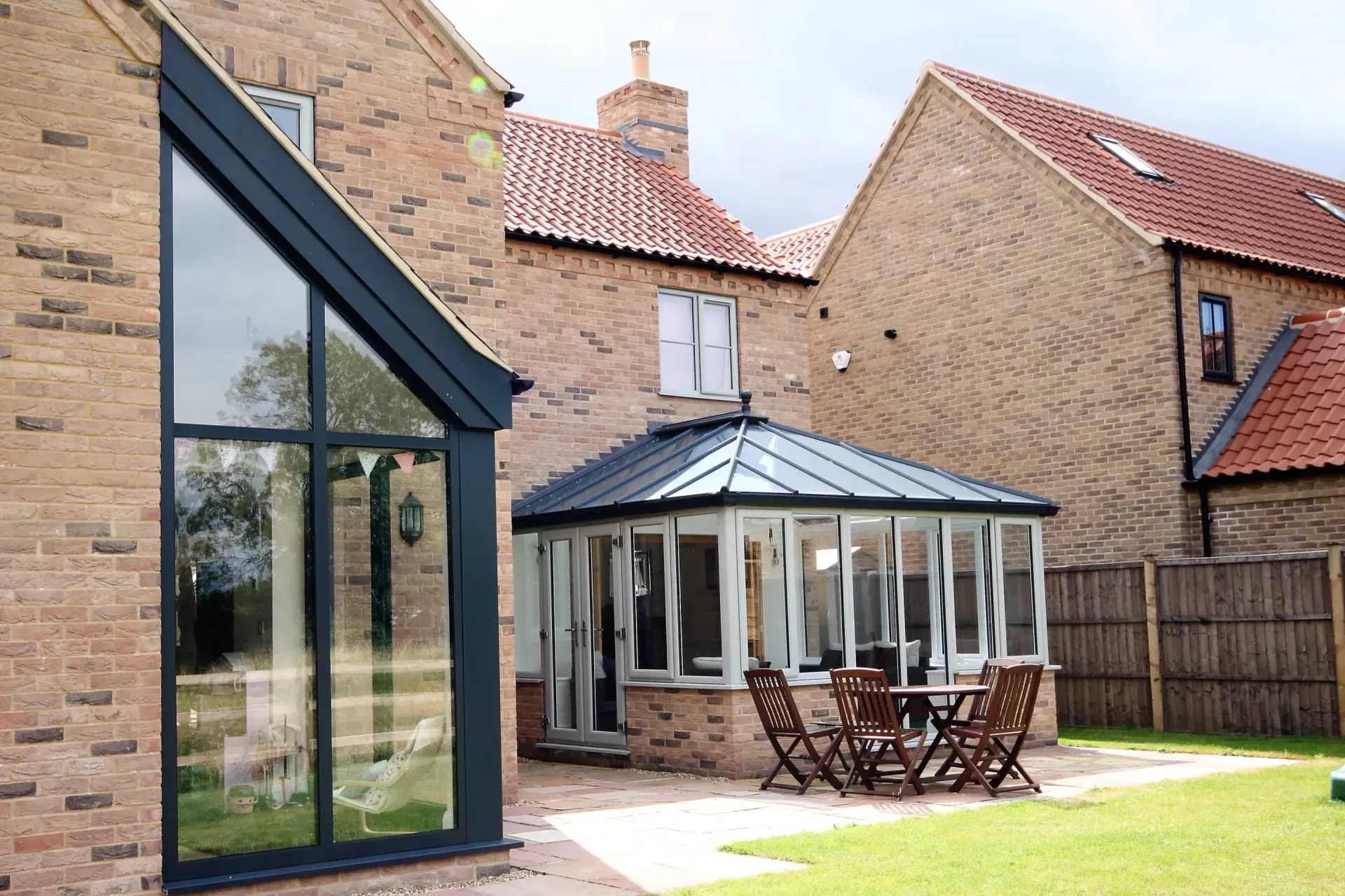
An orangery with matching brick walls, a solid roof perimeter, and cornice detailing looks like an extension of the house from outside. A glass-roof conservatory always looks like an addition bolted on.
It often adds more value
Valuers and estate agents tend to treat an orangery as an extension rather than a conservatory, which usually means a better resale outcome.
What makes a Calder orangery
Korniche roof lantern
The Korniche is one of the best-engineered roof lantern systems on the market. Slim sightlines, serious thermal performance, self-cleaning glass, and a structural design that gives you much bigger lanterns than older systems managed. We specify Korniche as standard on most of our orangery builds.
Solid roof perimeter
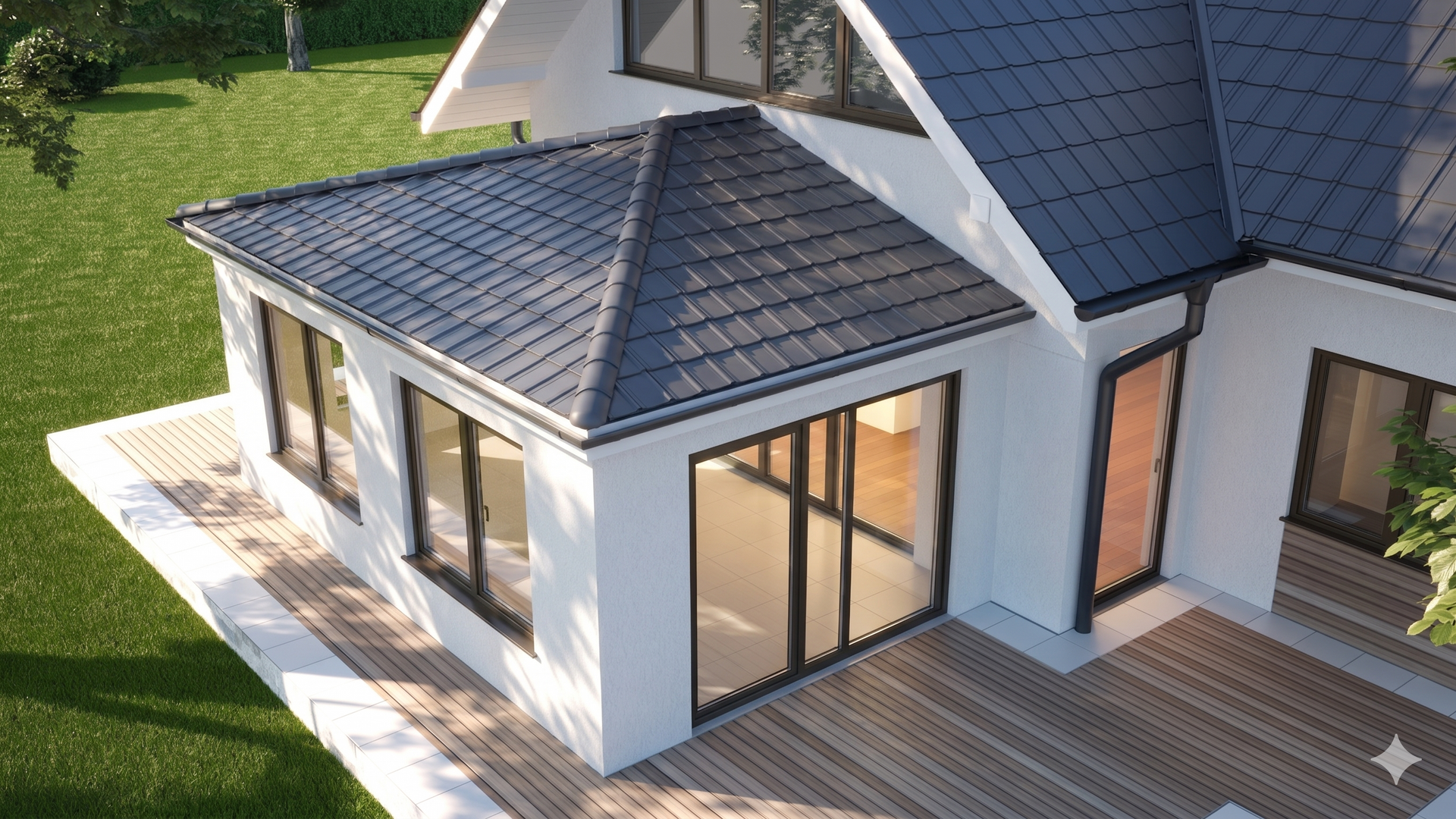
The outer ring of the roof is solid and fully insulated, with an internal plastered ceiling and external rendered or tiled finish. This is where the year-round thermal performance comes from.
Cornice and pelmet detailing
The decorative detail at the base of the lantern and around the interior ceiling line. Gives the orangery the premium finish that sets it apart from a standard extension.
Matching brickwork or render
We source brick or specify render to match the existing house. An orangery should read as part of the building, not a bolt-on.
Full-height glazing or dwarf wall
Your choice. Full-height maximises light. Dwarf wall gives thermal mass, radiator space, and a slightly more “room-like” feel.
Where contemporary orangeries work best
Period properties wanting a modern rear addition
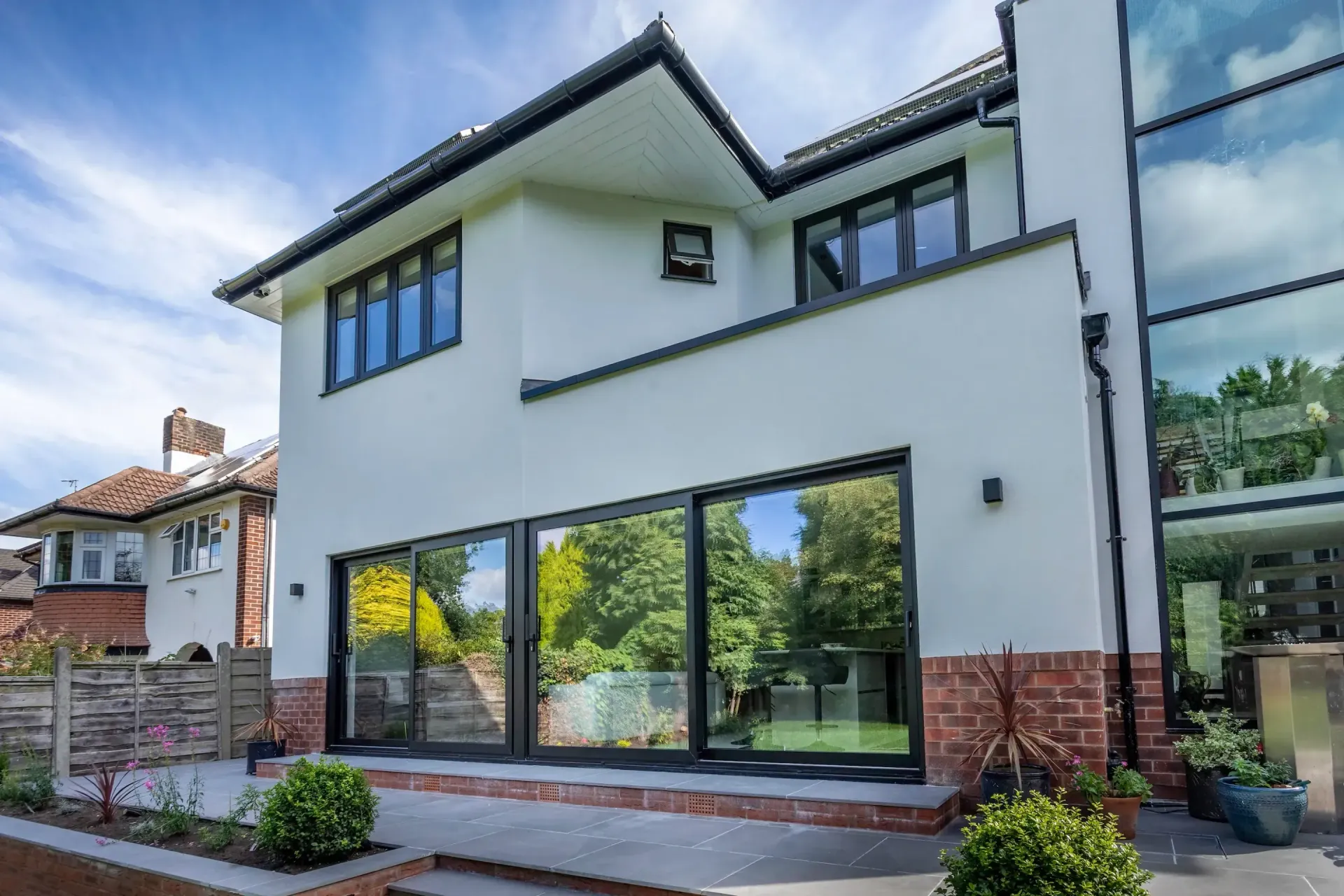
The classic Yorkshire combination: a Victorian or 1930s terrace at the front, a contemporary orangery at the back. Heritage stays at the front, modern living opens up at the back.
Homes without room for a full extension
An orangery needs less structural ambition than a full single-storey extension, which can make it viable on sites where a full extension would be too big or too disruptive.
Kitchen extensions looking for a statement
An orangery over a kitchen dining area is one of the most popular configurations we build. The roof lantern brings light down onto the dining table, the solid perimeter gives you a room you can actually cook and eat in year-round.
Homeowners who want better than a conservatory
If you’ve already had one conservatory that disappointed, an orangery is the upgrade.
Glazing and thermal performance
Wall glazing
A-rated double glazing as standard, with 40mm triple glazing available where budget allows.
Korniche lantern
The lantern itself uses high-performance solar-reflective glass with low-E coatings and argon fill. Self-cleaning on the outside face.
Solid roof insulation
Fully insulated to current building regulations, with internal plastered ceilings and external finishes that match the house.
Colours and finishes
Frames
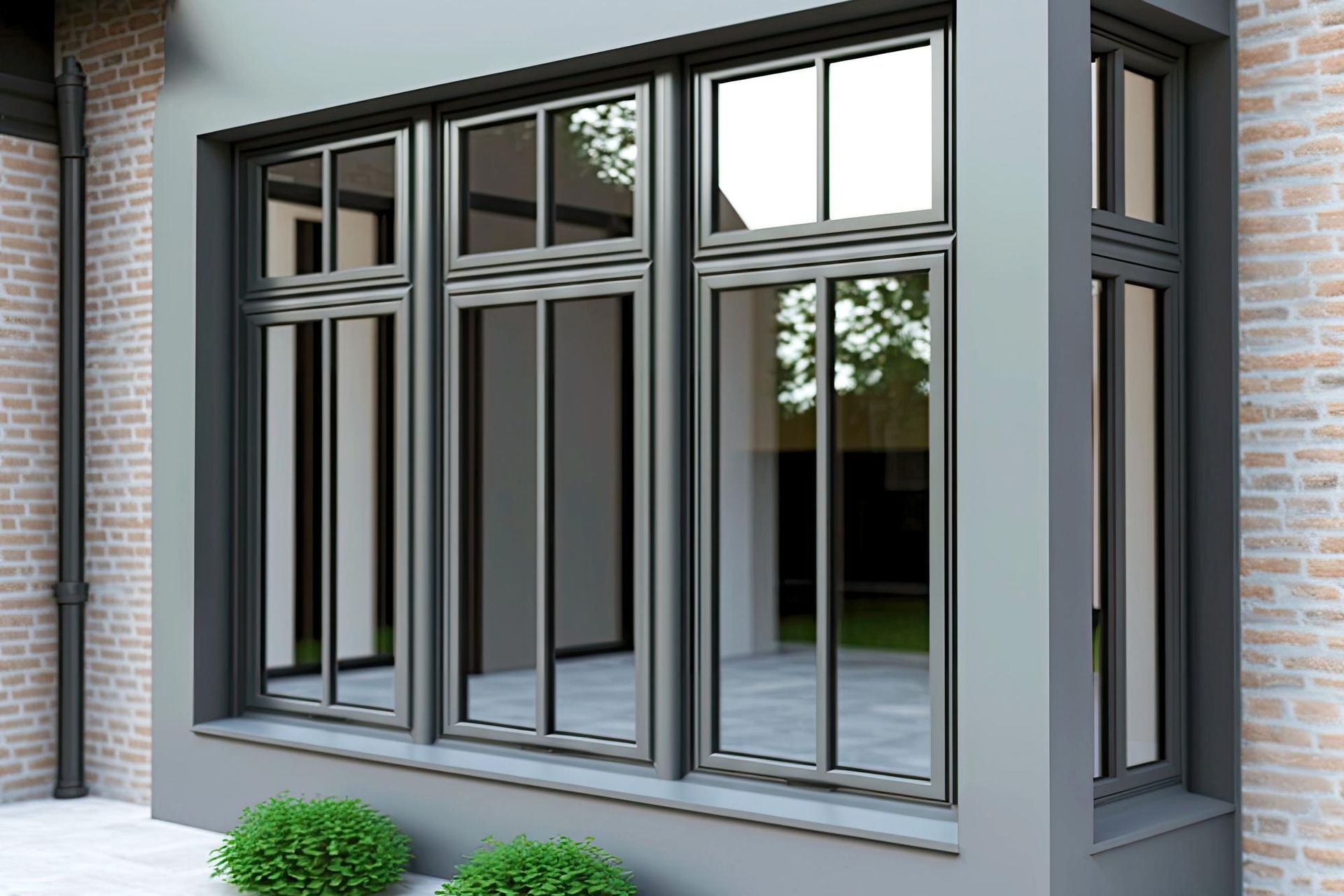
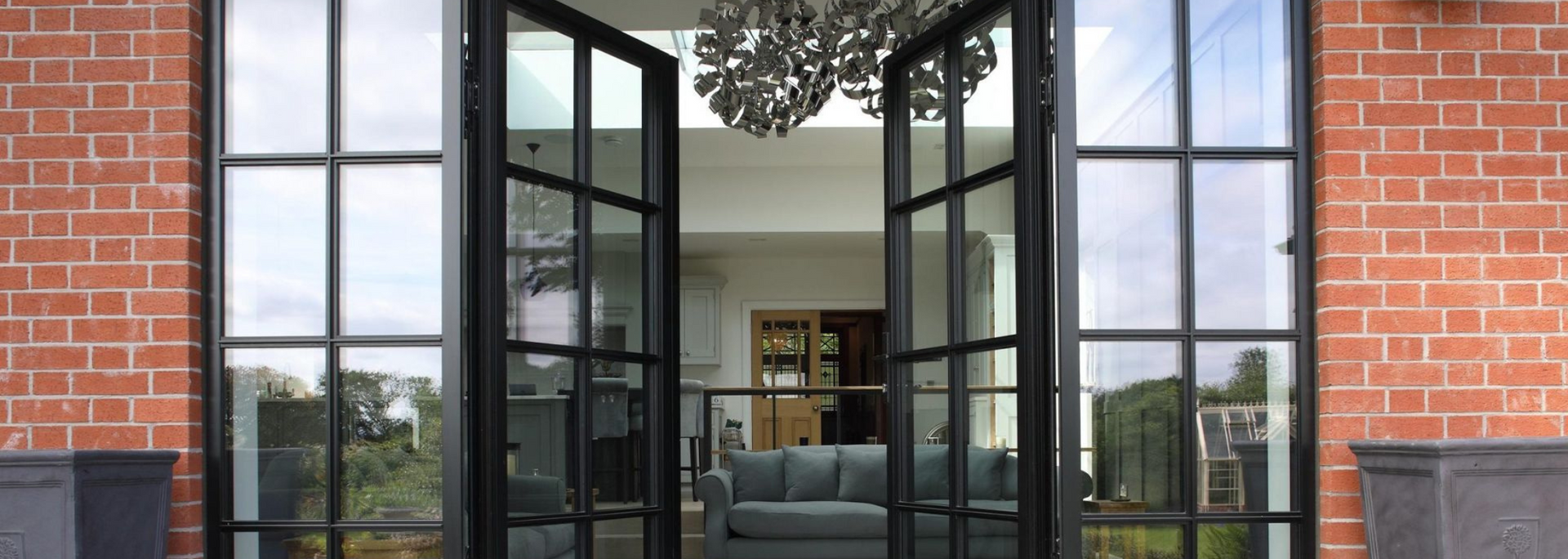
Any RAL colour on aluminium, or the full uPVC colour range if cost matters more than sightlines. Most of our contemporary orangeries are specified in anthracite grey aluminium for the frames, matching the modern aesthetic.
Interior finishes
Plastered ceilings, plastered walls where applicable, and a choice of skirting, cornice and architrave to suit your house. We work with your décor, not against it.
Exterior finishes
Matched brick, rendered finish in any colour, or a combination. Stone-clad finishes possible on the right property.
Build process and timeline
- Site visit and design conversation
- Drawings and specification
- Planning check or permitted development confirmation
- Written quote with timeline
- Groundworks and foundations
- Structural walls and dwarf wall construction
- Frame, glazing, and lantern installation
- Roof build, insulation and finish
- Plastering and interior finishing
- Electrical first and second fix
- Final clean-down and walk-through
- 10-year guarantee* documentation
Typical build time: six to ten weeks on site, plus the design and planning phase beforehand.
FENSA-signed off, building regulation compliant.
Where we build contemporary orangeries
All across West and South Yorkshire. Popular in Leeds, Harrogate, Wakefield, Wetherby and the surrounding villages.
Contemporary orangery FAQs
What’s the difference between an orangery and a conservatory?
The short version: an orangery has solid roof sections and usually brick or rendered walls, so it reads and performs more like an extension. A conservatory is mostly glass and reads as a separate addition.
Can I use an orangery year-round?
Yes. That’s one of the main reasons to choose an orangery over a traditional conservatory. The solid roof and insulated construction give you real year-round usability.Describe the item or answer the question so that site visitors who are interested get more information. You can emphasize this text with bullets, italics or bold, and add links.
Do I need planning permission?
Most orangeries fall under permitted development, but not all. We check this for every project.
How much does a contemporary orangery cost?
It varies with size, finishes, glazing specification, and groundworks needed. A properly specified contemporary orangery costs more than a traditional conservatory because the build is more substantial. We’ll give you a written quote after a free site visit.
Can an orangery be added to a period property?
Yes. They can be particularly effective on period properties because the contrast between heritage front and contemporary rear works beautifully.
Related Pages
Traditional conservatories
Flat roof orangeries
Warm roof conservatories
Replacement conservatory roofs
Single storey extensions
Ready to plan your orangery?
Come to the Normanton showroom to see the Korniche roof system in person, or send us photos of your garden and back of house for a first-pass chat.