Flat roof orangeries — West Yorkshire
Calder Windows - Flat roof orangeries
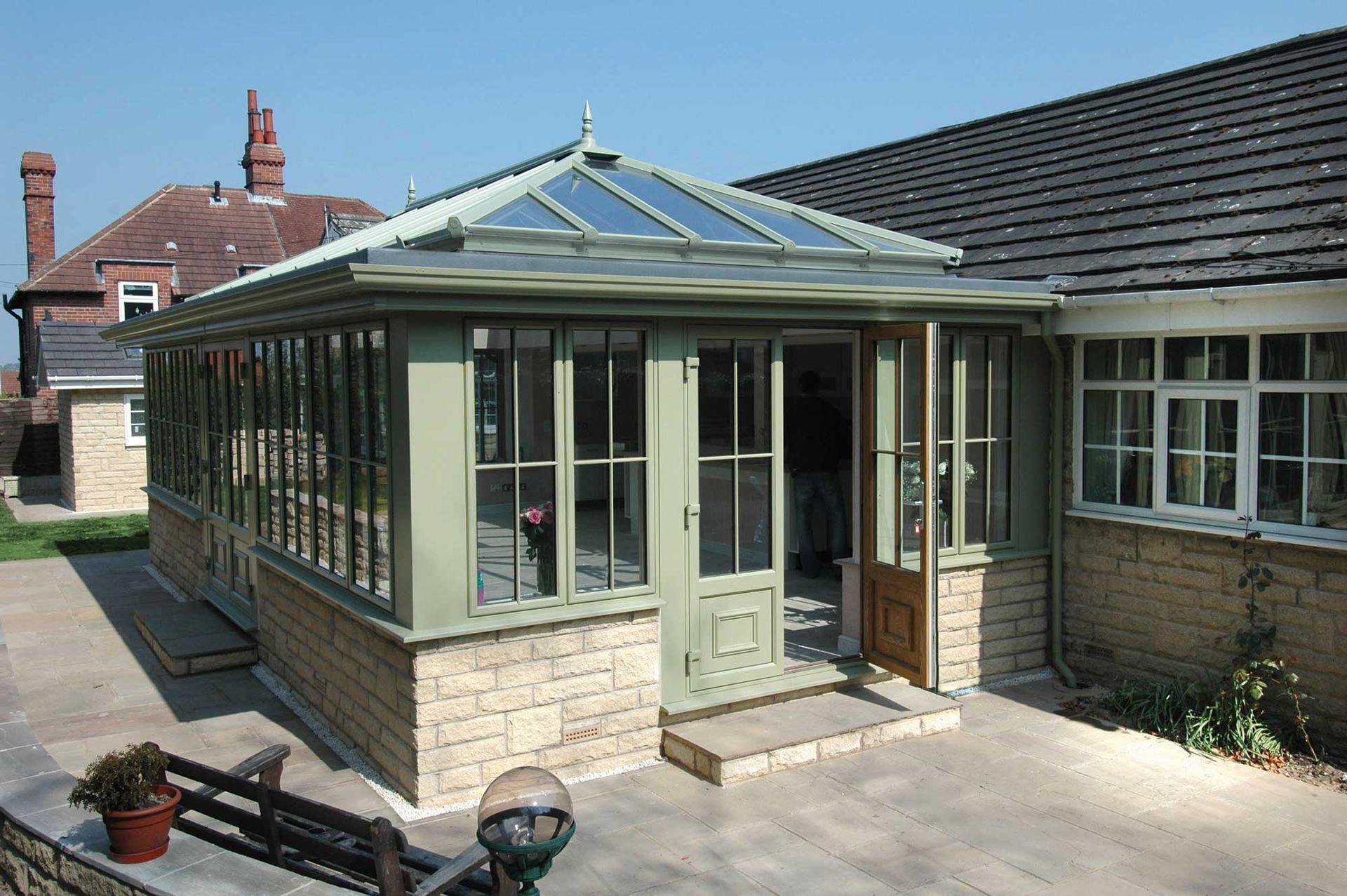
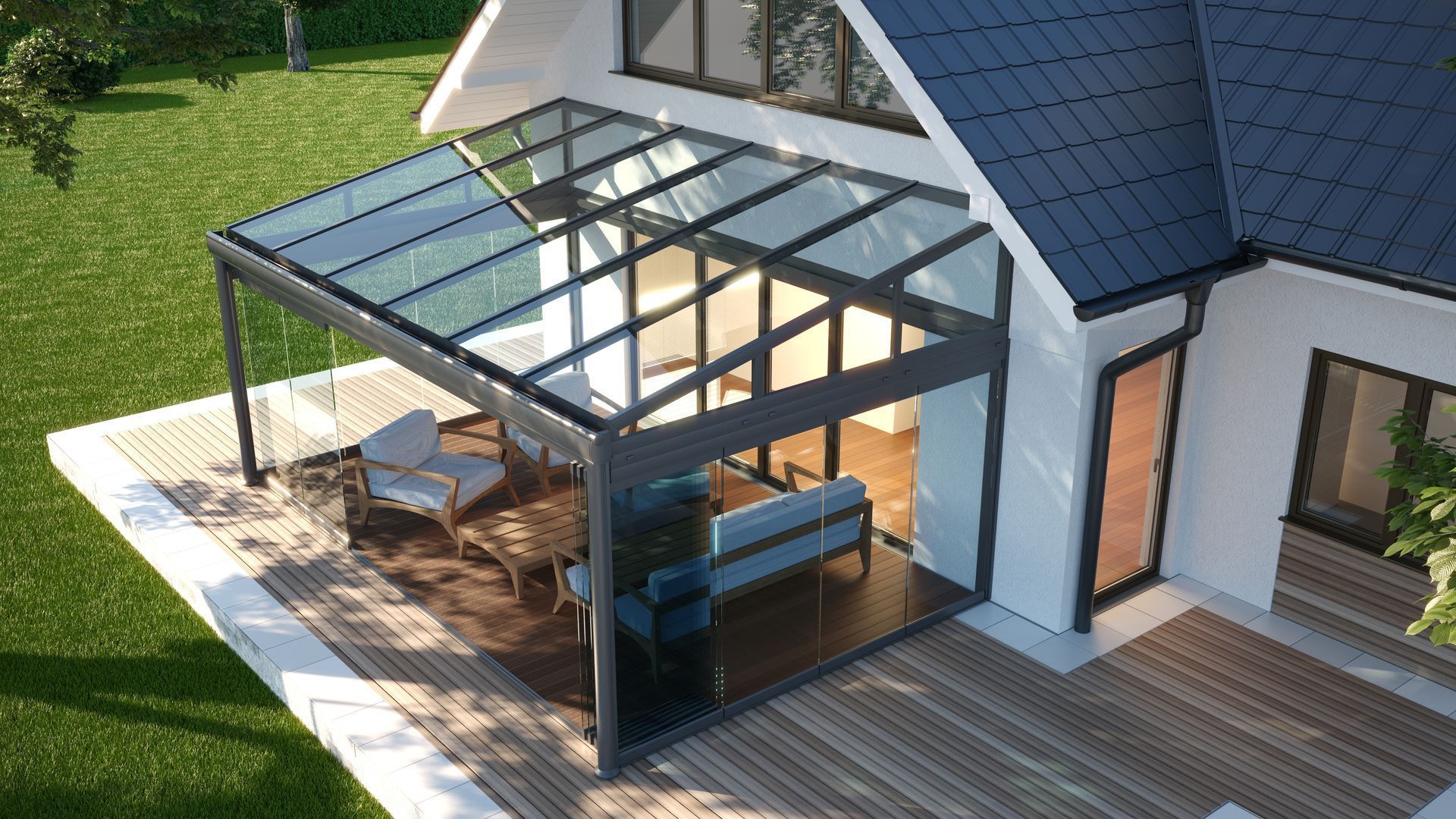
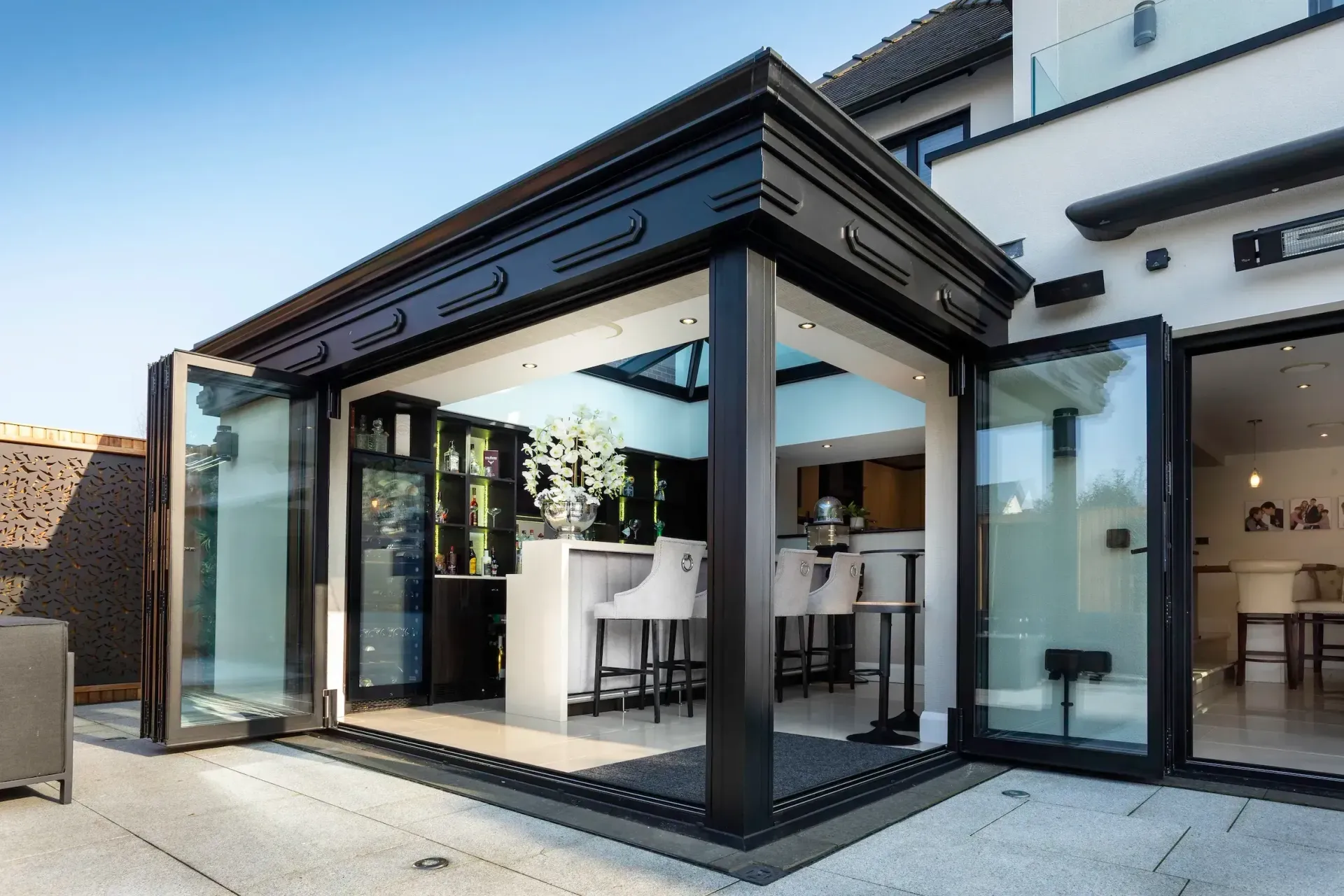
A flat roof orangery strips the orangery concept down to its simplest, most contemporary form. A low, flat roof perimeter with a central roof lantern for light, insulated construction for year-round warmth, and clean horizontal lines that suit modern architecture.
We build them across West Yorkshire for homeowners who want the orangery experience in a design that sits quieter and flatter against the back of the house.
Why a flat roof orangery
Contemporary aesthetic
A pitched conservatory or orangery roof reads as traditional. A flat roof reads as modern. If your property has clean lines, rendered finishes, or a contemporary renovation going on, a flat roof orangery fits the aesthetic without fighting it.
Works on lower rooflines
Not every property has the eaves height for a pitched-roof orangery. Where the back of the house is lower, or the first-floor windows sit close to the ground-floor wall head, a flat roof gives you the extra space without needing to cut into upper-floor light.
Cheaper than a pitched roof in most cases
A flat roof needs less structural timber, less insulation thickness, and less finishing than a full pitched roof orangery. That usually means a lower build cost for a comparable footprint, though the exact numbers depend on the design.
The central lantern is the star
Because the roof itself is simple, the roof lantern becomes the focal point. A Korniche lantern in the middle of a flat roof orangery brings a slice of sky down into the room that nothing else quite matches.
How it works
The flat roof perimeter
An insulated, warm-deck flat roof built to current building regulations. The finish can be single-ply membrane, modern liquid-applied waterproofing, or traditional felt depending on specification. Modern flat roof systems are nothing like the leaking felt roofs of the 1970s. Built properly, they’re as reliable as a pitched roof.
The roof lantern
A Korniche or equivalent roof lantern sits over the main seating or dining area. Self-cleaning glass, slim sightlines, serious thermal performance. The size of the lantern is dictated by the size of the orangery, the ceiling height, and the light levels you want.
The walls
Full-height glazing, dwarf walls with glass above, or rendered walls with large window openings. Your choice based on how much light you want and how “room-like” you want the space to feel.
Internal finishes
Plastered and painted internal walls and ceiling, matching the rest of the house. You can drop lighting and electrics into the ceiling just like any other room, and there’s no “conservatory feel” to the finished space.
Where flat roof orangeries work best
Modern properties and renovations
New-builds, contemporary renovations, and properties with clean horizontal lines. A flat roof orangery fits where a pitched roof would look dated.
Properties with restricted height at the rear
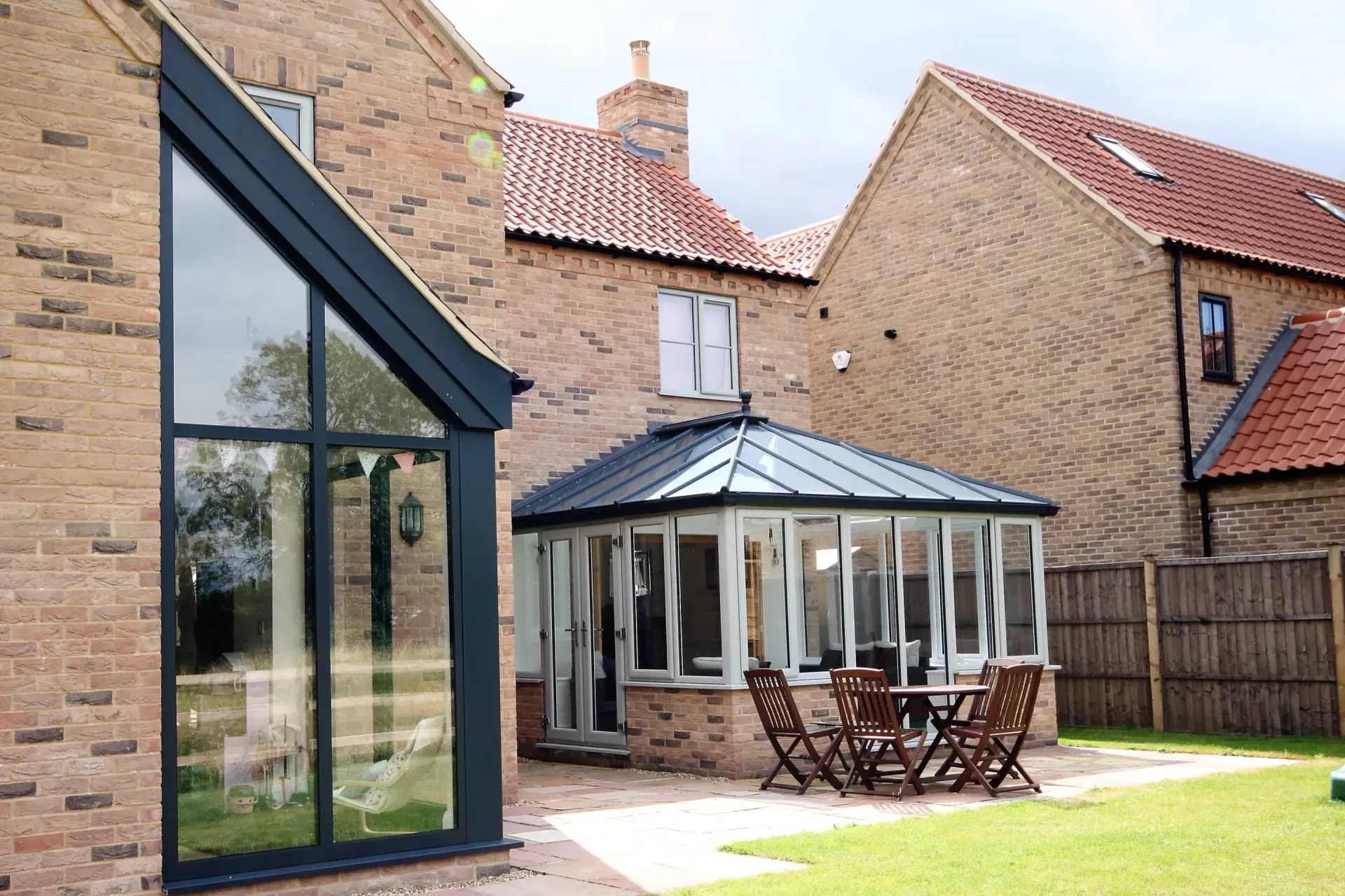
1930s semis with low rear extensions, bungalows, and properties where first-floor windows sit near the ground-floor roof line. A flat roof keeps the new structure low enough to work without blocking upstairs light.
Kitchen extensions
The single most popular use of a flat roof orangery is as a kitchen extension with the roof lantern over the dining or island area. Brings sky-light into the cooking space without the hot-summer / cold-winter pattern of a full glass roof.
Open-plan living spaces
Flat roof orangeries make excellent bright corners of open-plan living areas, where the main house opens into the orangery without a hard dividing wall.
Pitched orangery vs flat roof orangery
Pick a pitched contemporary orangery if
- The property is period or traditional
- The aesthetic you want is more “elegant garden room”
- You have the eaves height to take a pitched roof
- You want the cornice and pelmet detailing that pitched roofs usually include
Pick a flat roof orangery if
- The property is contemporary or renovated with modern lines
- The back of the house has restricted height
- You want a roof lantern as the focal point rather than a ceiling shape
- You want the most contemporary look for the money
Glazing and thermal performance
Wall glazing
A-rated double glazing as standard, 40mm triple glazing available on request. Aluminium frames for slim sightlines, or uPVC for budget-focused projects.
Korniche roof lantern
Self-cleaning, solar-reflective, low-E coated glass with warm-edge spacers and argon fill. Hits modern U-values and doesn’t overheat in summer the way older lantern systems did.
Roof insulation
Warm-deck flat roof construction with continuous insulation above the rafters. No cold bridges, no condensation risk, no heat leaking out of the top of the room.
Colours and finishes
Frames
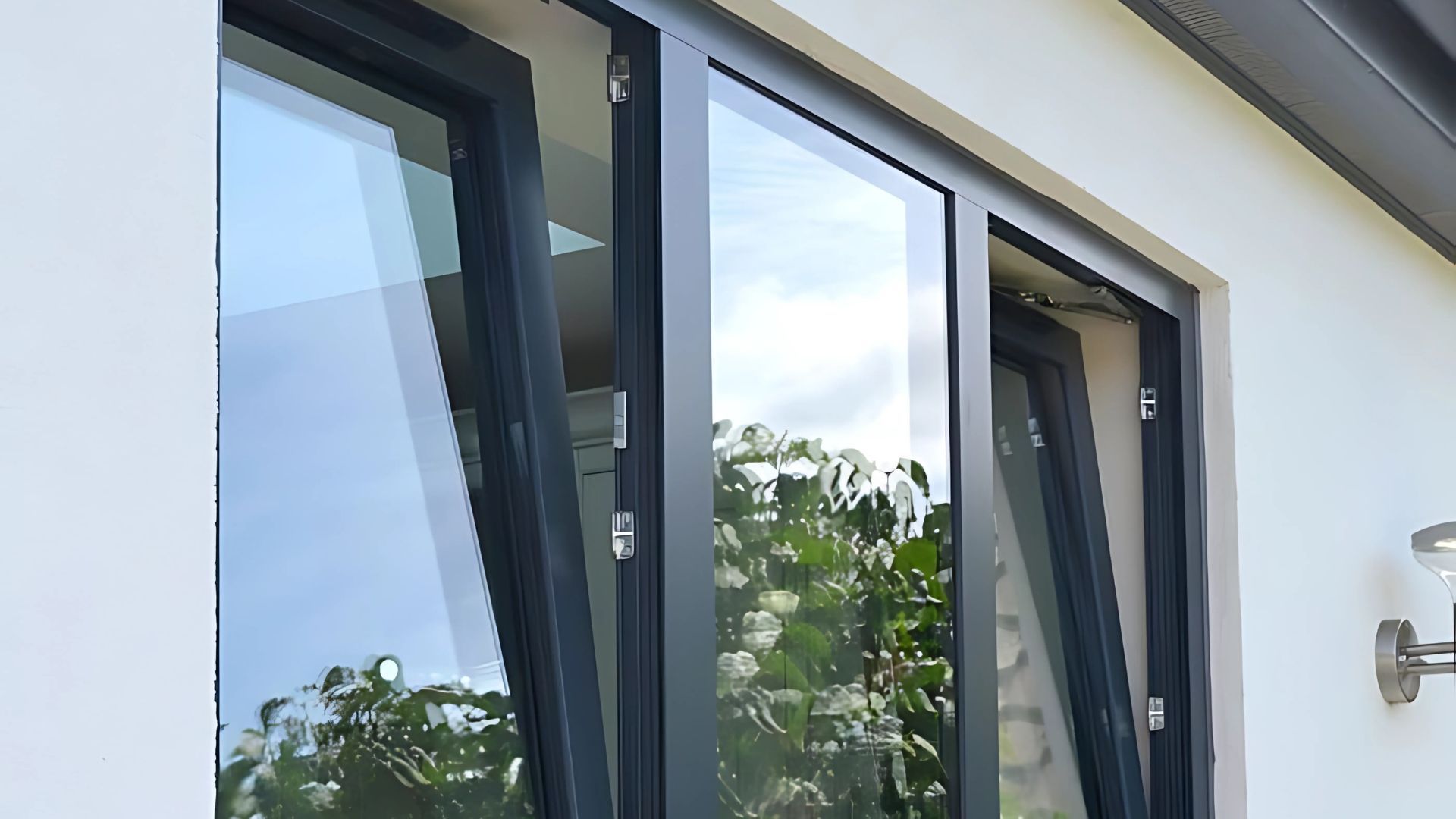
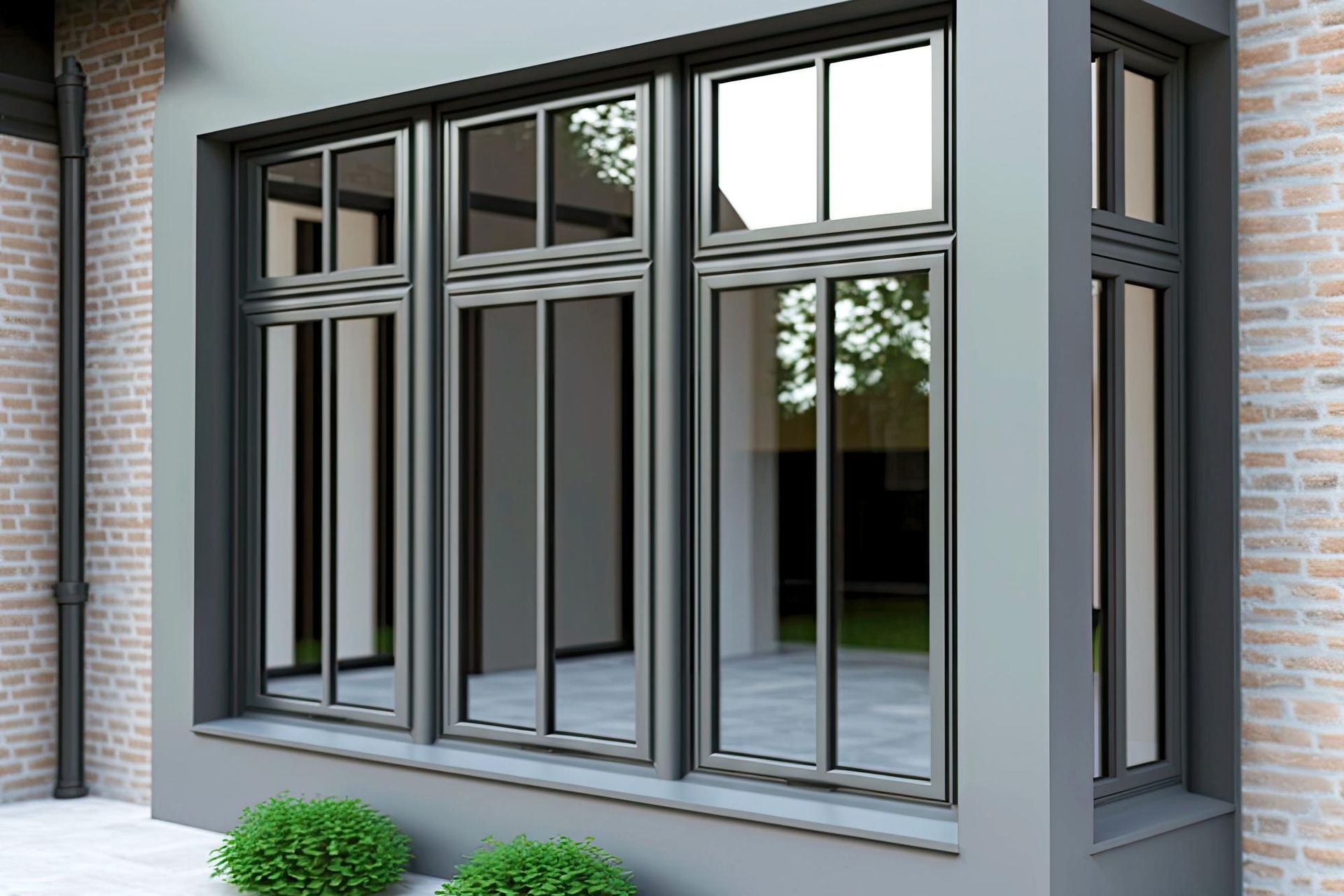
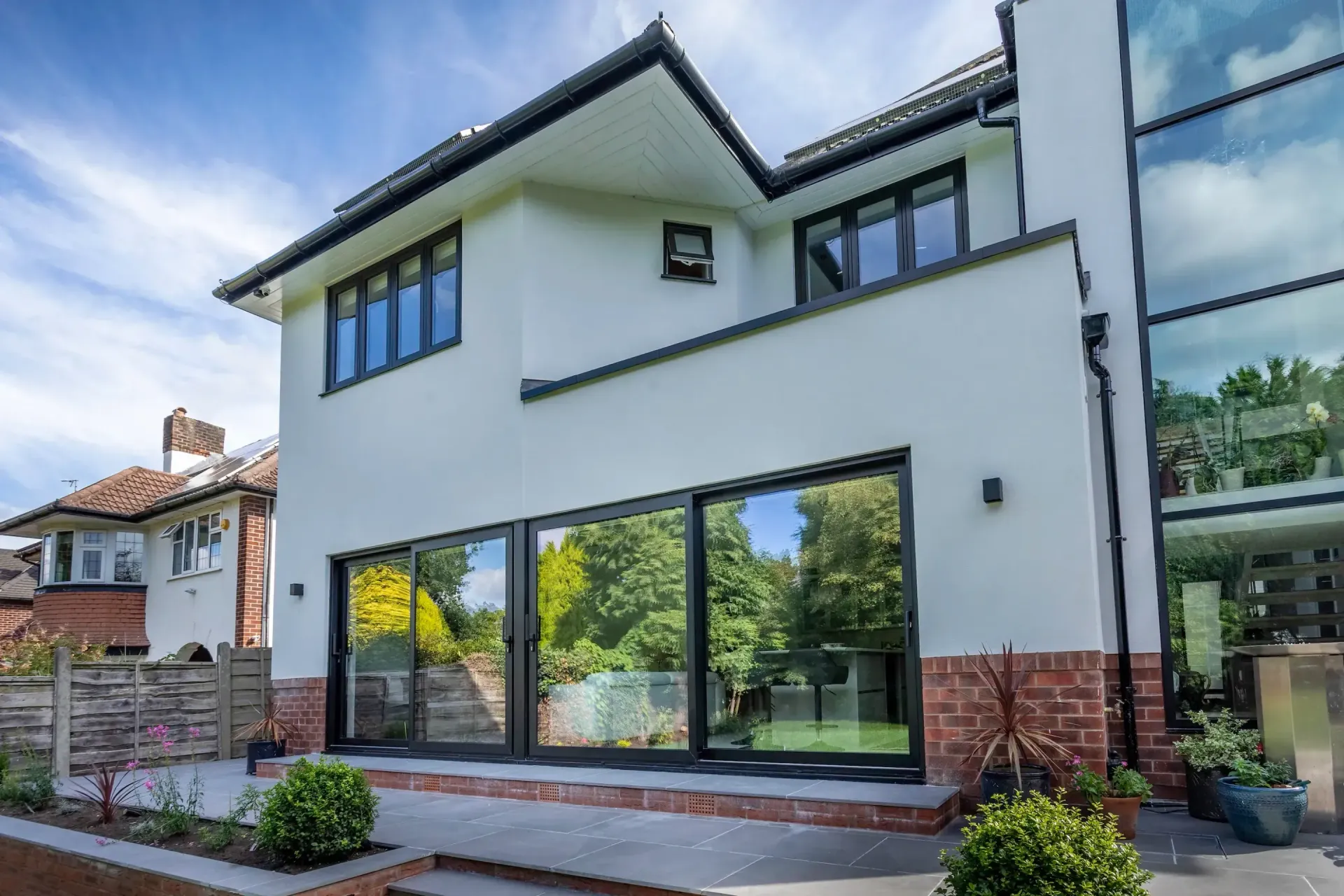
Most flat roof orangeries specify anthracite grey or jet black aluminium. Any RAL colour available. Matched to the windows and doors on the rest of the rear elevation for a consistent modern look.
Exterior
Rendered walls (white, cream, grey, or any specified colour), brick to match the existing house, or a mix. The roof edge can be trimmed with aluminium fascia for a crisp contemporary line.
Interior
Plastered and painted, ready for your décor. Ceiling lights, spots, speakers and smoke alarms all fit flush like any other room.
Build process and timeline
- Site visit and design conversation
- Drawings and specification
- Planning or permitted development check
- Written quote with a clear timeline
- Groundworks and foundations
- Walls and structural openings
- Flat roof deck and insulation
- Frame, glazing and lantern installation
- Waterproofing, finishes, and interior plastering
- Electrics and second fix
- Final clean-down and walk-through
- 10-year guarantee* documentation
Typical build time: six to ten weeks on site. FENSA-signed off, building regulation compliant.
Where we build flat roof orangeries
All across West and South Yorkshire. Particularly popular in Leeds, Wakefield, Harrogate and the modern new-build developments around York.
Flat roof orangery FAQs
Do flat roofs leak?
Modern flat roofs, built with warm-deck construction and quality waterproofing, do not leak. The reputation comes from 1970s felt roofs, which are a completely different construction.
Are flat roof orangeries warm in winter?
Yes, when they’re built with proper warm-deck insulation and modern glazing. Warmer than a traditional glass-roof conservatory.
Can I have a really big roof lantern?
Yes, within structural limits. Korniche lanterns can be specified at serious sizes, and we’ll advise on what the roof and room will take.
Do I need planning permission?
Most flat roof orangeries fall under permitted development. We check every project.
How much do flat roof orangeries cost?
It varies with size, finishes, glazing and groundworks. We give a written quote after a free site visit.Describe the item or answer the question so that site visitors who are interested get more information. You can emphasize this text with bullets, italics or bold, and add links.
Can the roof be tiled instead of flat?
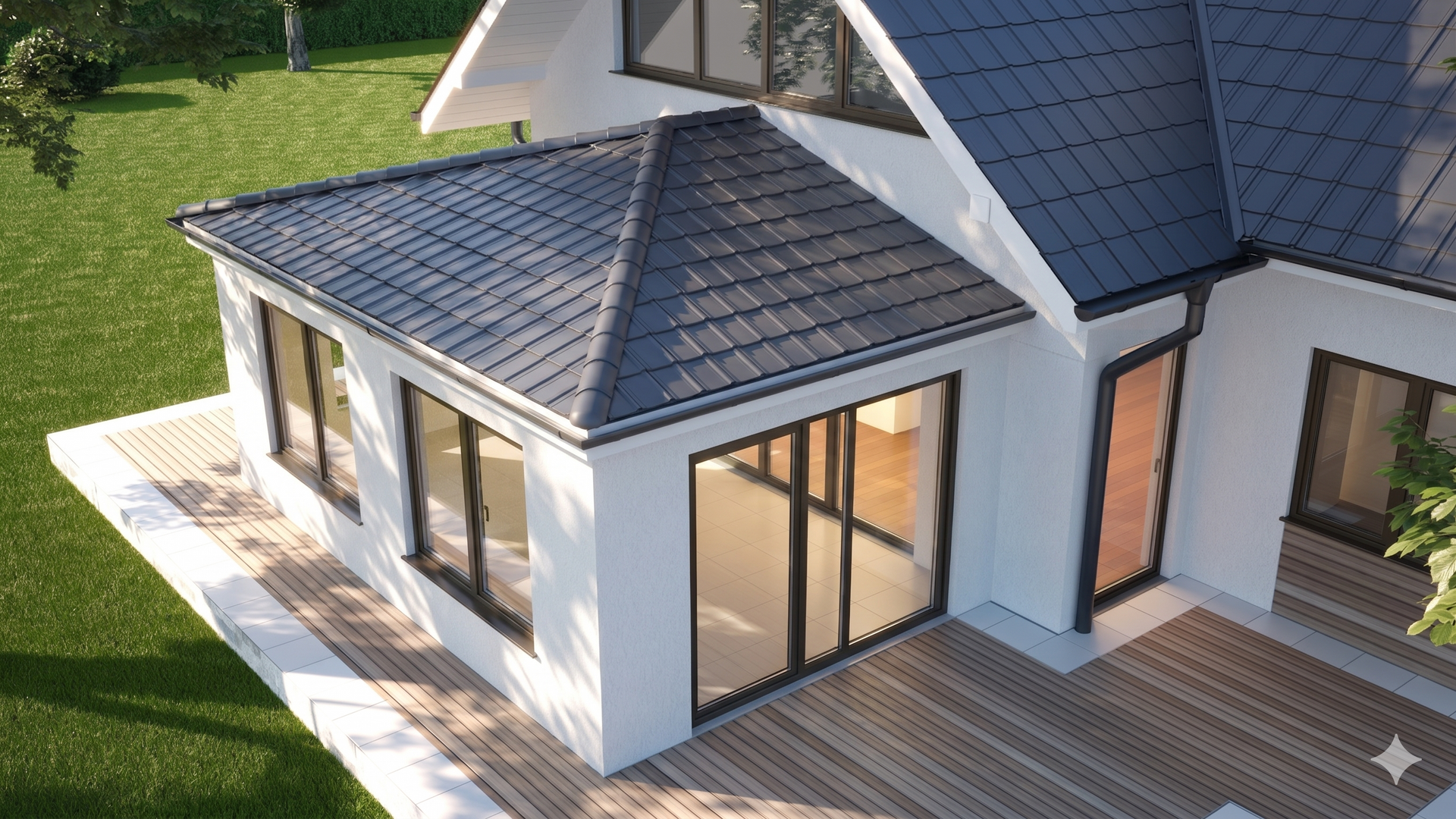
Yes. That’s a solid-roof orangery rather than a flat-roof orangery, and it gives you a different aesthetic and thermal performance. We build both.