Common patio door sizes (and how to measure for installation)
Learn about common patio door sizes, how to take accurate measurements and what to consider before installing new patio doors.
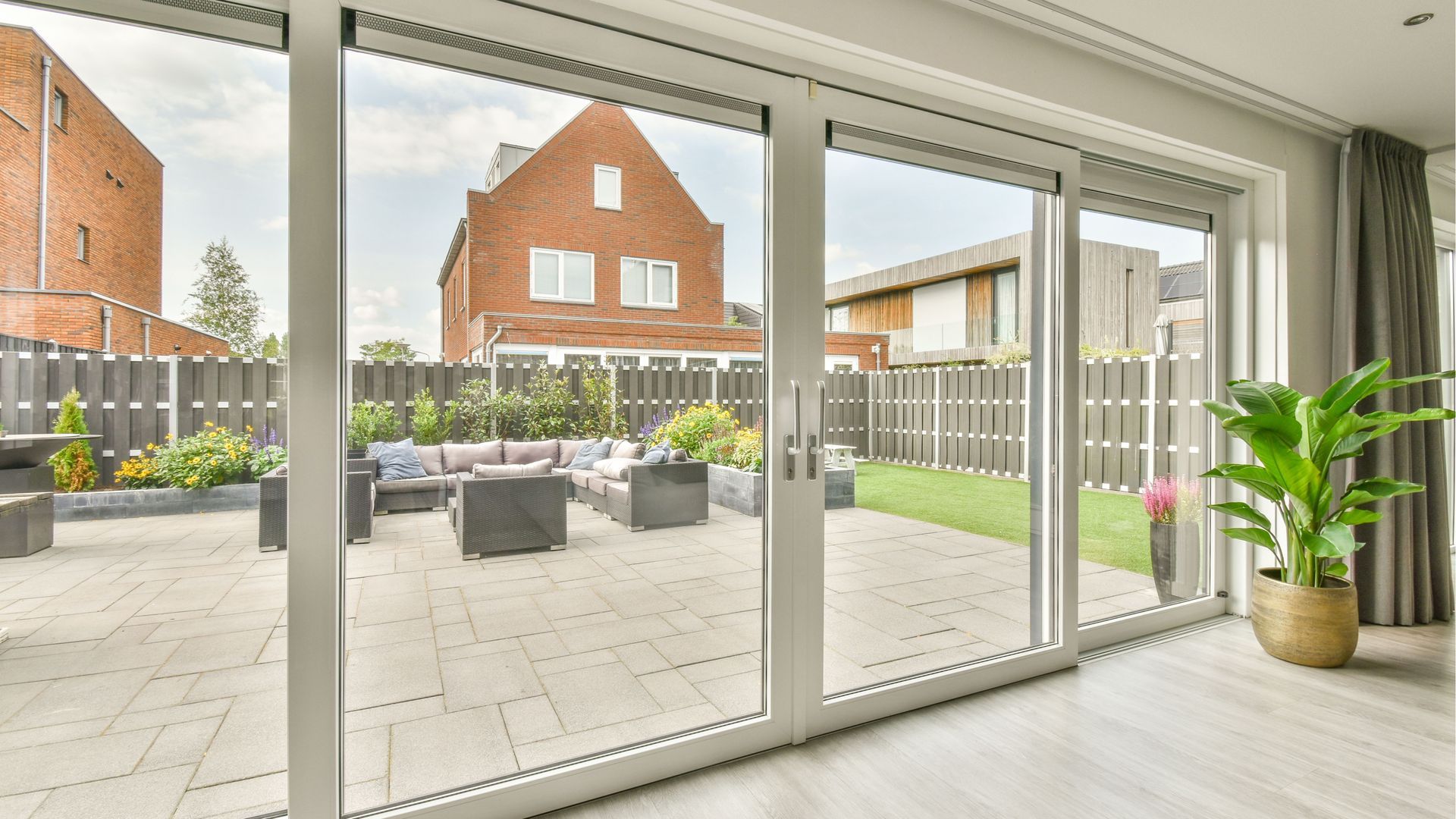
Patio doors can transform a home by bringing in natural light, improving access to outdoor spaces and creating a stronger connection between inside and out.
Whether you're replacing older doors, renovating a living space or planning an extension, one of the most important considerations is patio door size.
The right dimensions can improve functionality, maximise views and ensure the doors complement the proportions of your home. But with so many styles, configurations and opening options available, understanding standard sizes can make the process much easier.
Knowing how to measure them correctly is a big help, too. After all, getting measurements right from the start means fewer headaches later on.
In this guide, we cover common patio door sizes, what affects sizing and how to measure them accurately for a successful installation.
What are patio doors?
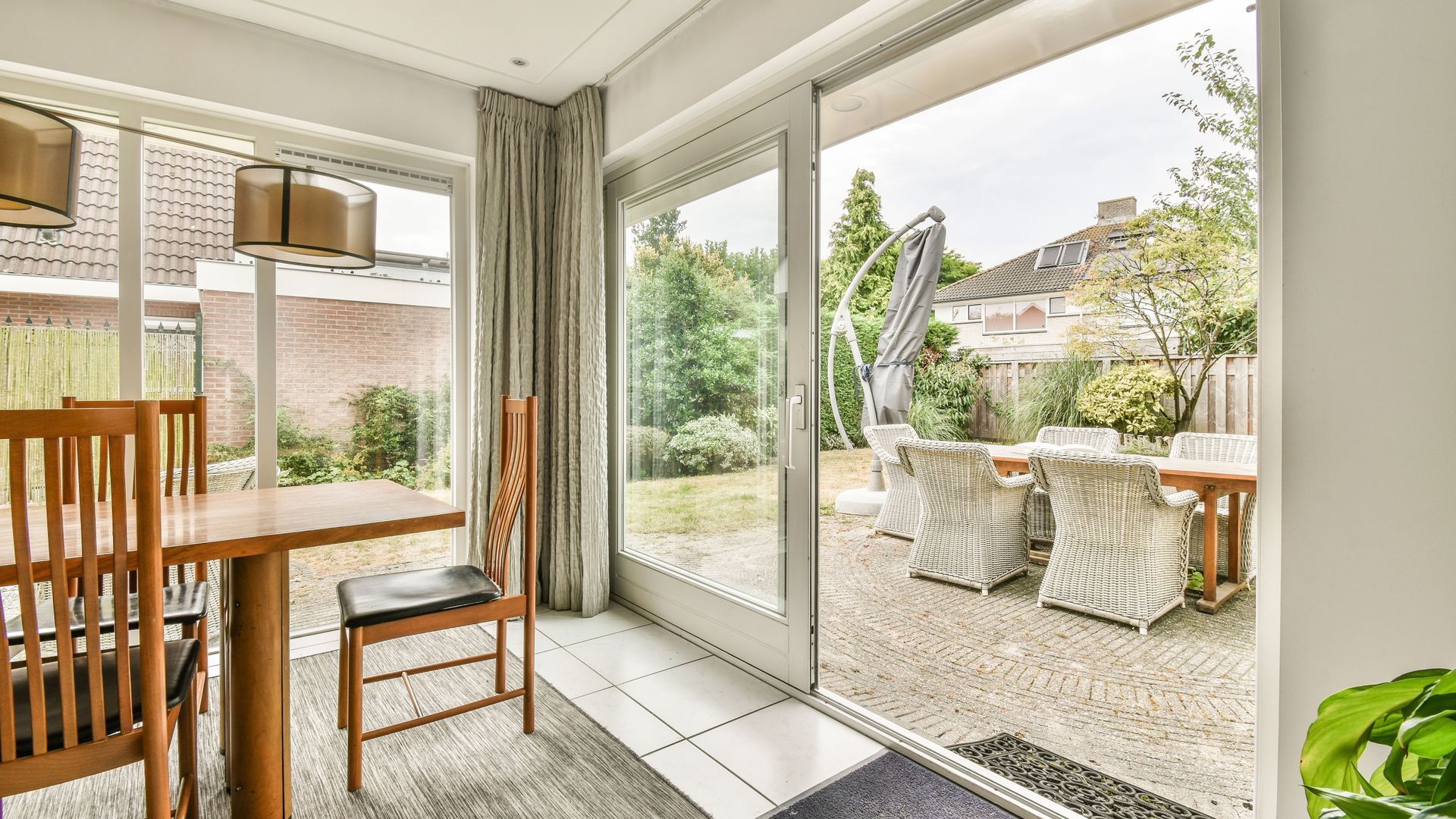
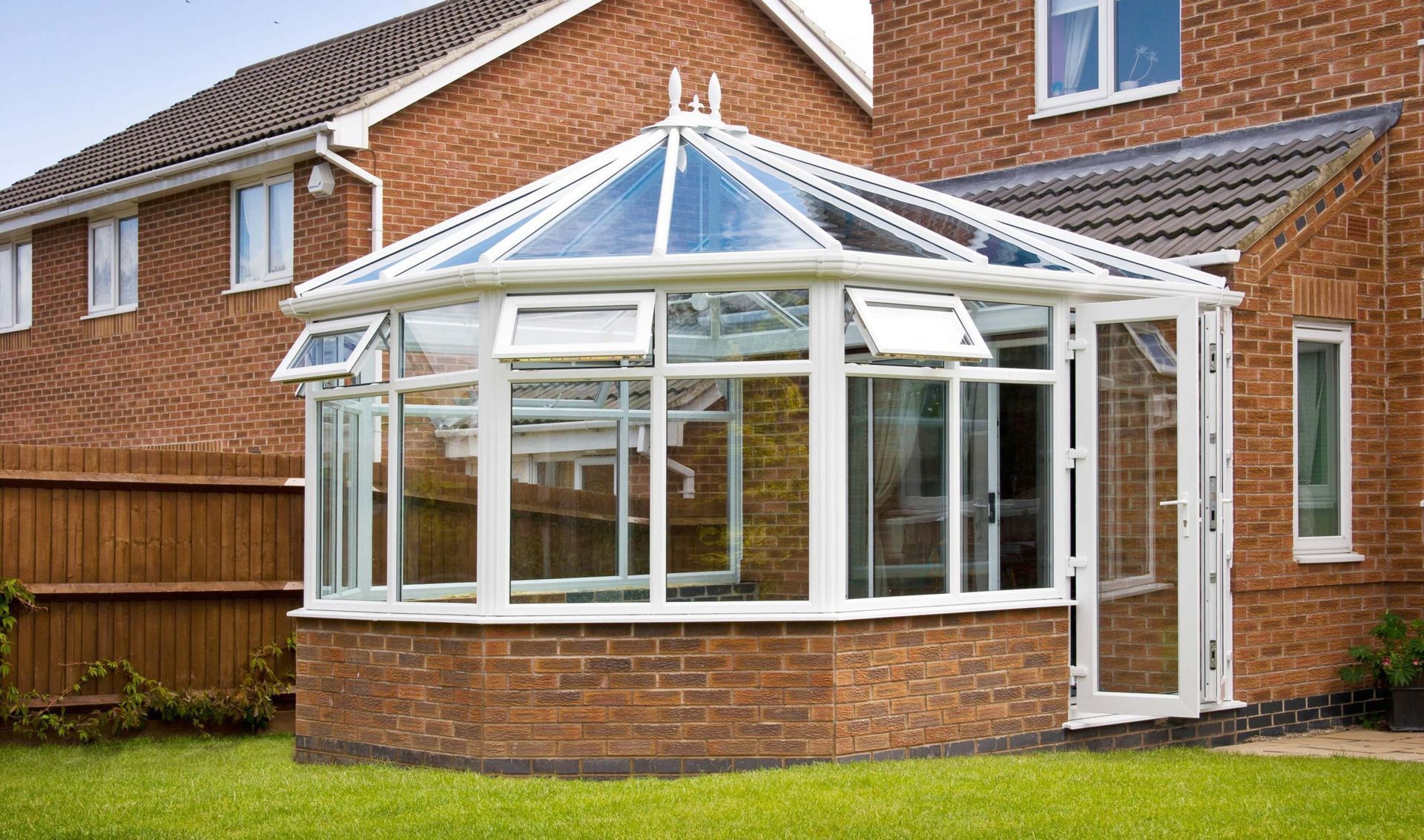
Patio doors are glazed external doors designed to provide access to outdoor areas. That can include patios (of course), as well as the garden, decking areas, balconies and conservatories.
They're usually designed with large glass panels to maximise natural light and improve views.
Common styles of patio door include sliding doors, French doors and bifold doors. Each style has different sizing options and installation requirements.
Why size matters
Choosing the right patio door size affects much more than just its appearance.
Correct sizing helps ensure:
- Smooth opening and closing
- Good thermal performance
- Structural stability
- Balanced natural light
- Practical access to outdoor spaces
A door that's too small may limit light and views, while one that's too large for the space may require more structural alterations than expected.
Common patio door sizes
Sliding patio doors
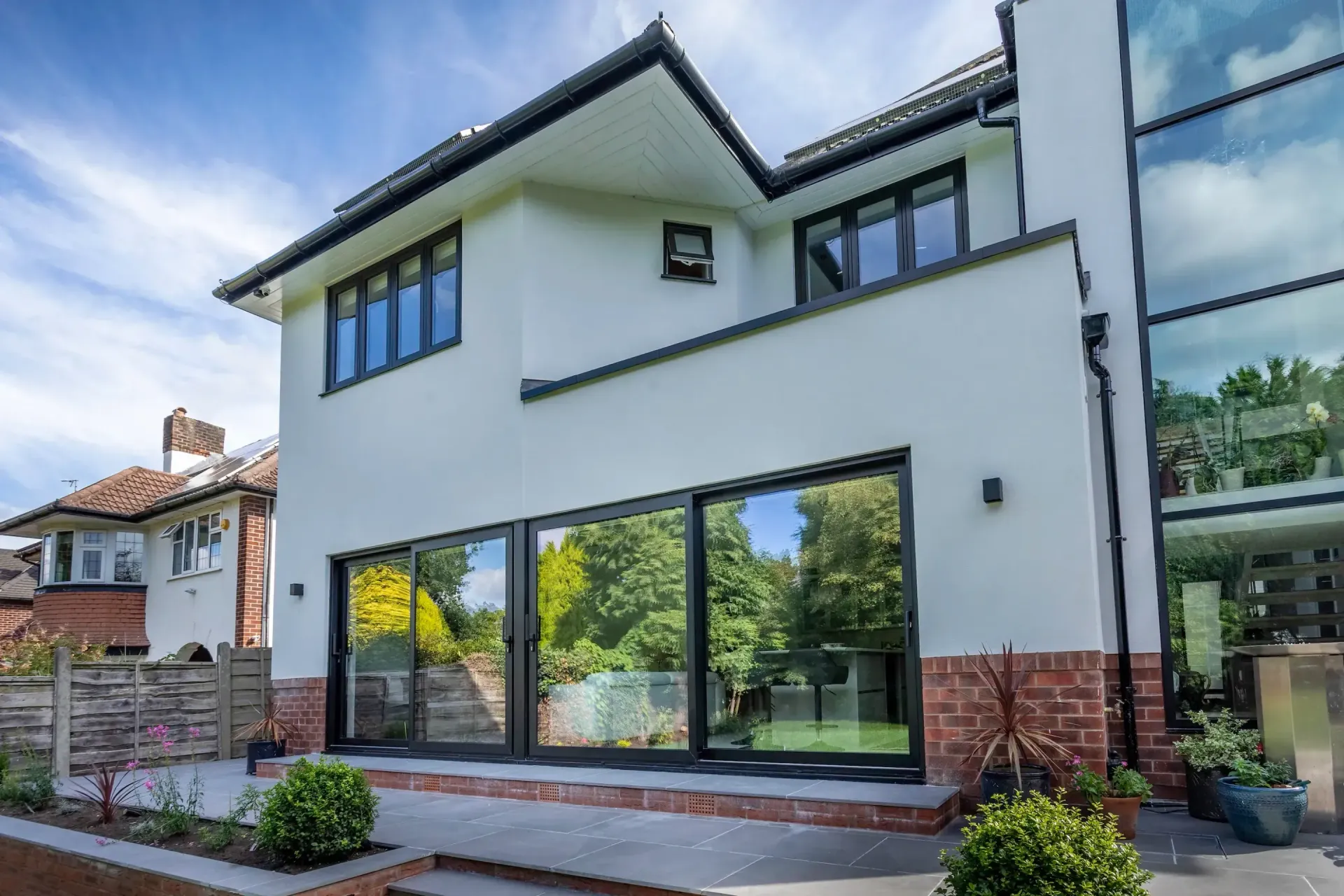
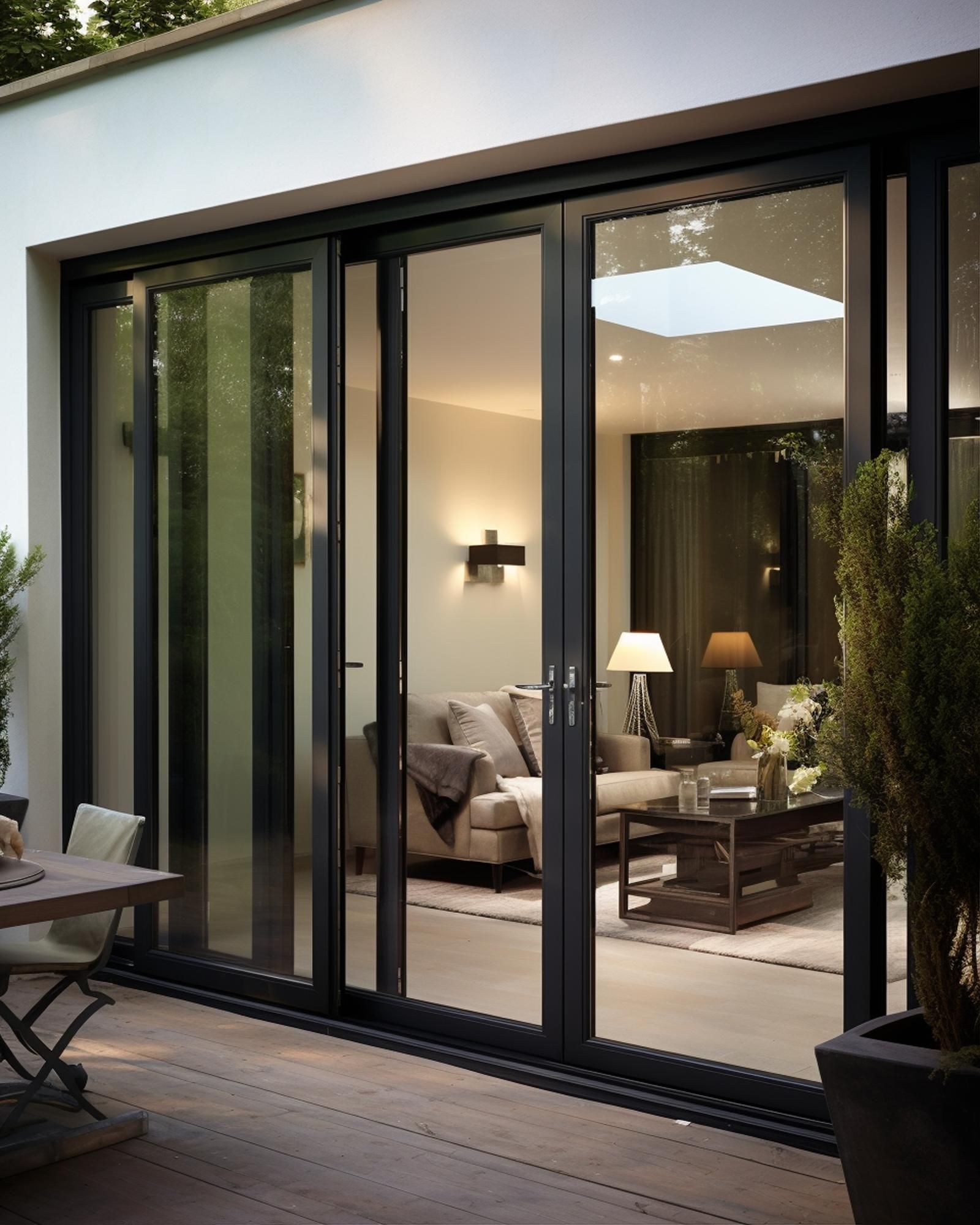
Sliding patio doors are one of the most popular options for modern homes because they save space and create wide glazed openings. They're ideal when you want large glass panels without doors needing to open inwards or outwards.
Widths of 1,500 to 1,800 millimetres are common in many homes, while for larger spaces, 2,100 to 2,400 millimetres is ideal.
Heights typically range from 2,000 to 2,100 millimetres.
Bespoke larger sizes are also available, particularly in aluminium systems.
French doors
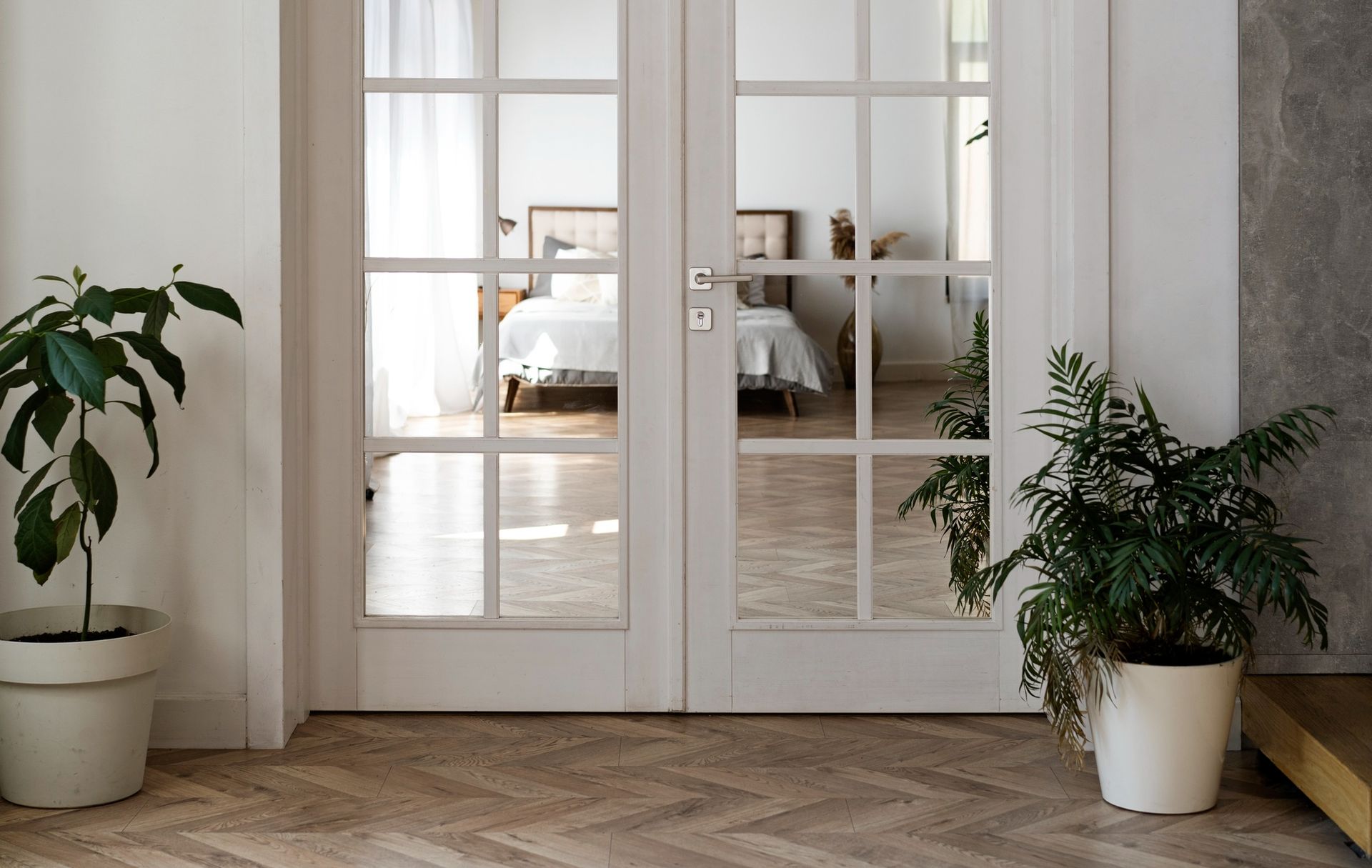
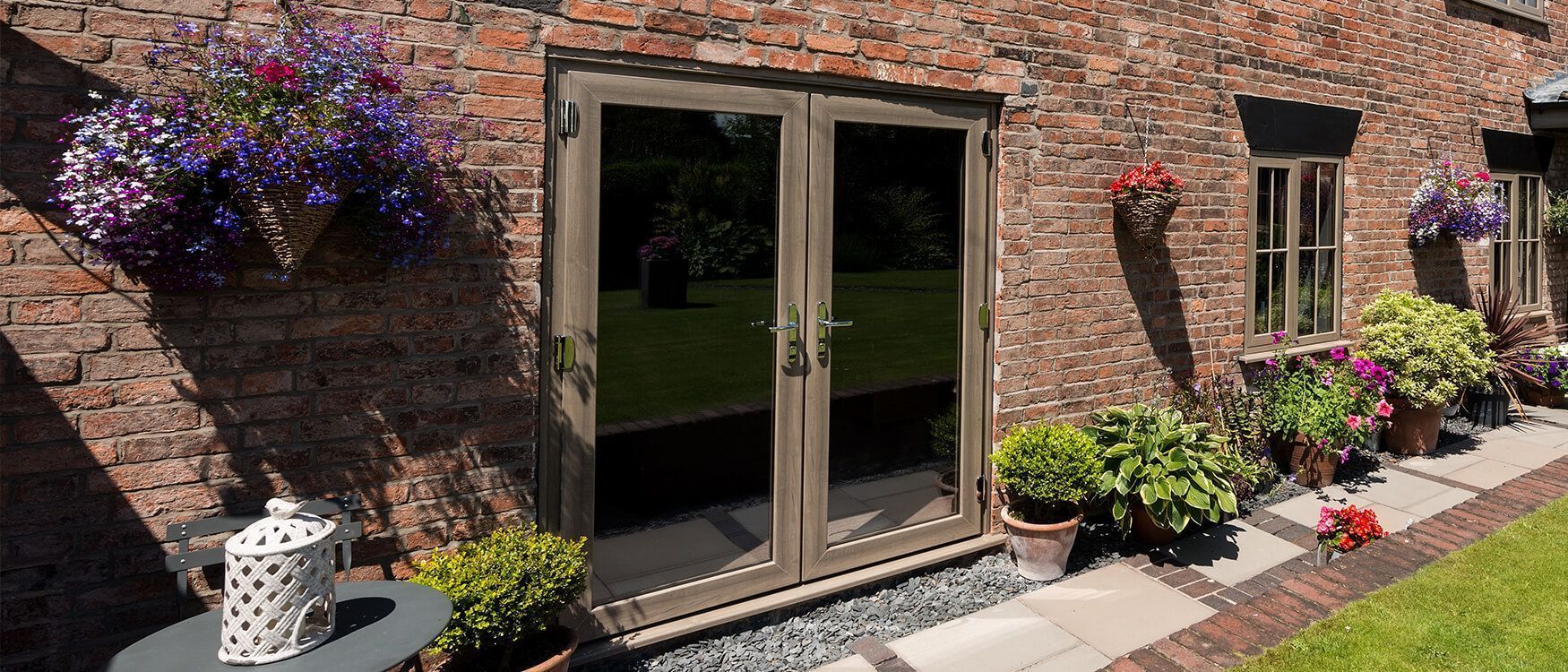
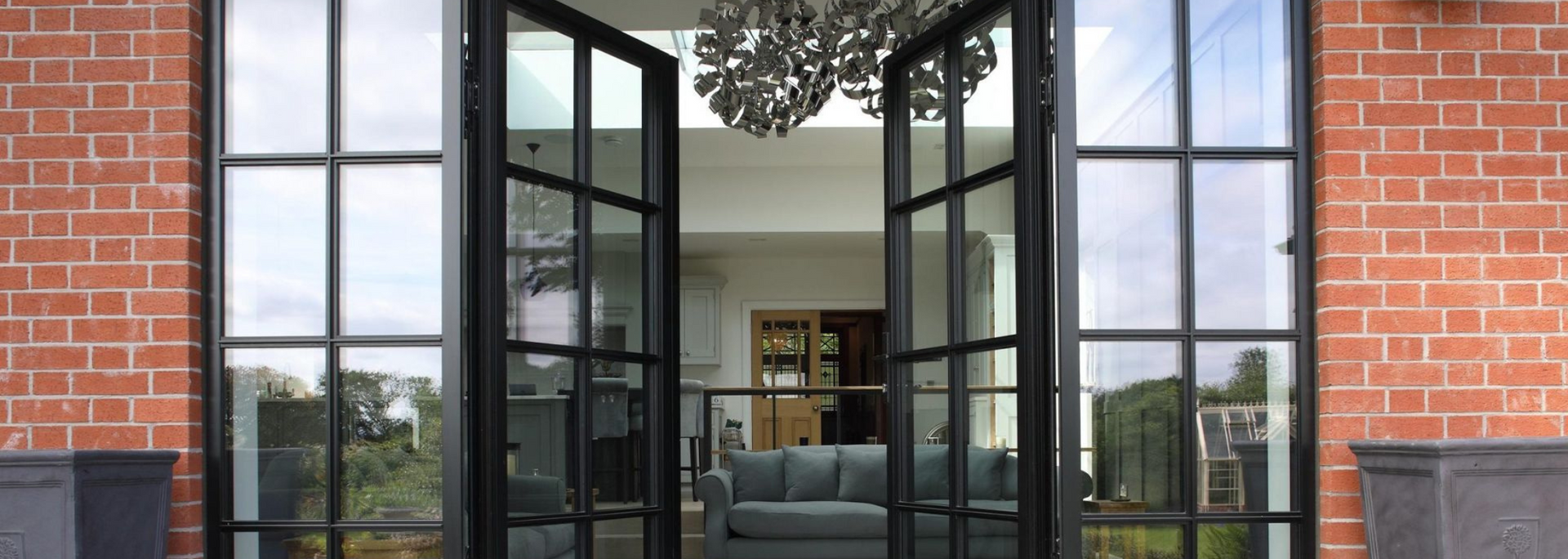
French doors typically consist of two inward- or outward-opening doors meeting in the centre. Widths tend to be 1,200, 1,500 or 18,00 millimetres, while heights range from 2,000 to 2,100 millimetres.
French doors work very well in both traditional and modern properties, especially where symmetry and character are important.
Bifold doors
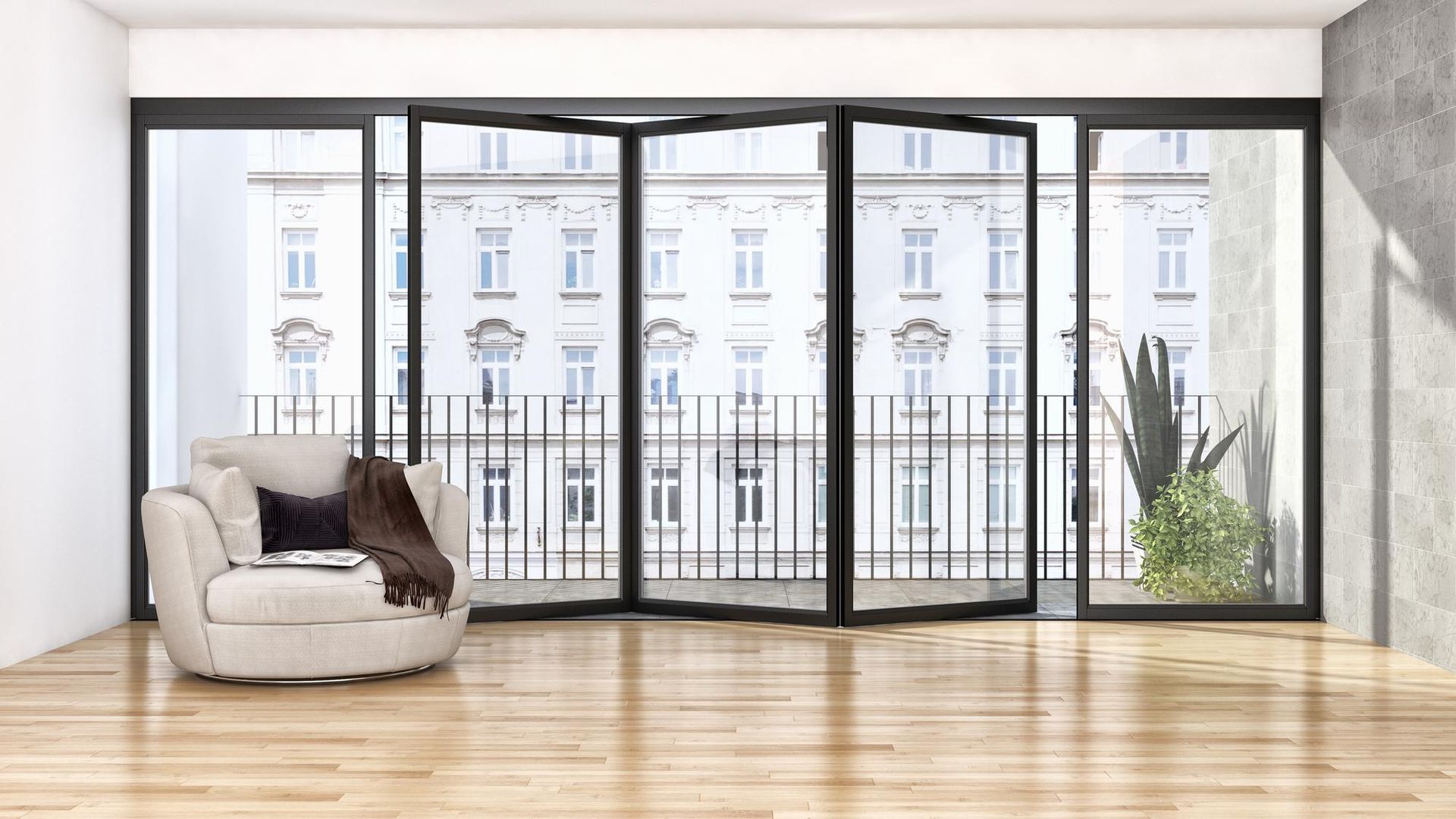
Particularly popular for open-plan living spaces and extensions, bifold doors are made up of multiple folding panels, so sizing can vary significantly.
Heights can range from 2,000 to 2,500 millimetres, while the width depends on the number of panels. Two or three panels will likely have an overall width of 1,800 to 2,400 millimetres. Doors in larger spaces that require more than three panels will have an overall width of 3,000 millimetres or more.
Are patio doors made to standard sizes?
Modern patio door installations are often made to measure, although many options are available in standard sizes.
Made-to-measure systems allow doors to be tailored to:
- Existing openings
- New extensions
- Renovation projects
- Non-standard wall dimensions
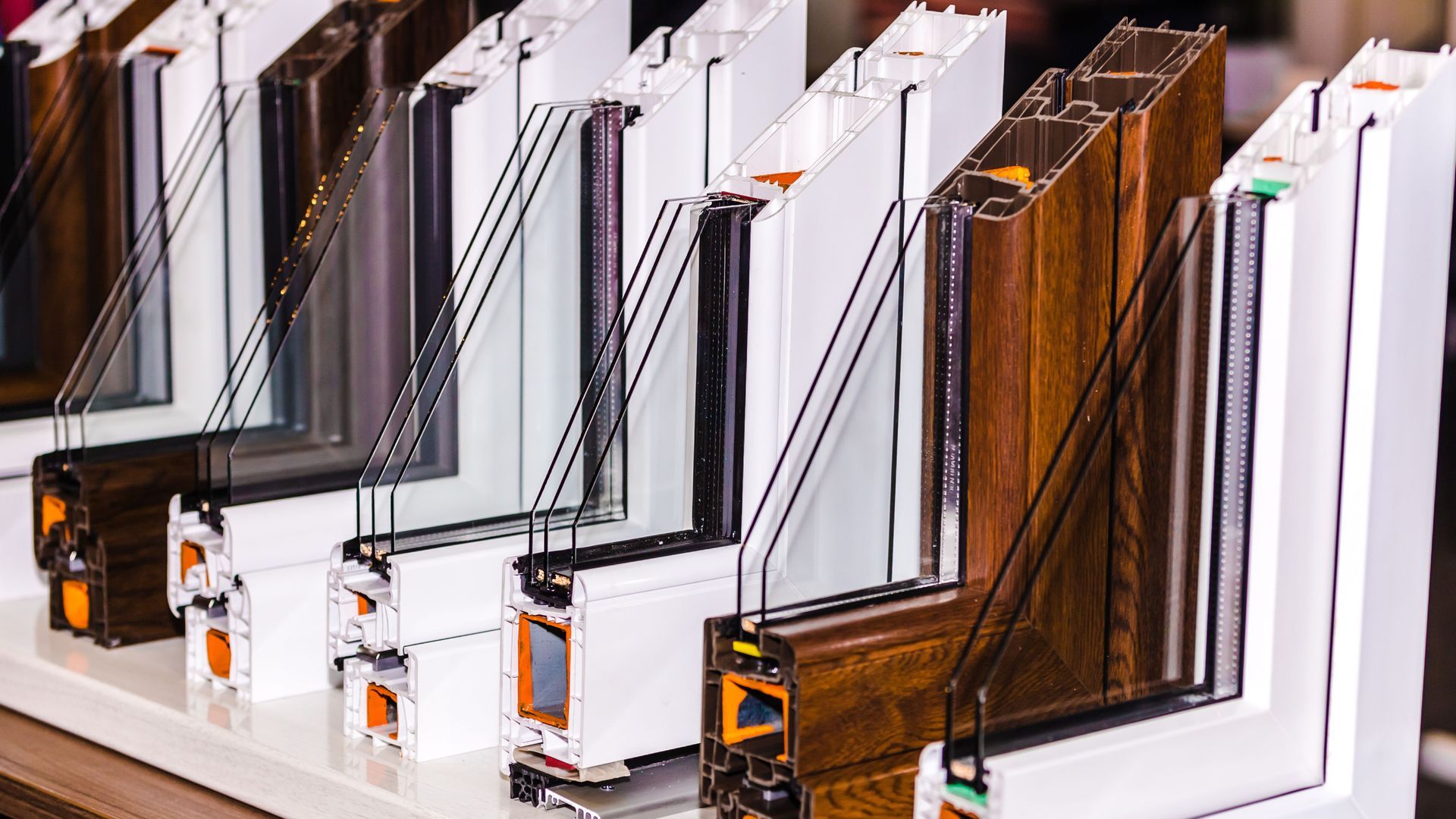
They also provide a better fit, improved energy efficiency and a more polished finish.
How to measure for patio doors
Accurate measurements are essential for a successful installation.
While a professional survey is always recommended before ordering, taking these preliminary measurements can help you make the initial plans for your home improvement project.
Step one: measure the width
Measure the width of the opening at the top, in the middle and at the bottom.
Taking three separate measurements is important as walls and openings are not always perfectly square, especially in older properties.
Use the smallest measurement as your working width.
Step two: measure the height
For the same reason, measure the height in three places: the left side, the centre and the right side.
Again, use the smallest measurement to account for any irregularities.
Step three: Measure the wall depth
The wall depth can affect frame selection, internal finishing and threshold installation. This is especially important when replacing older frames.
Step four: Check for squareness
Measure diagonally from corner to corner in both directions.
If the measurements differ significantly, the opening may not be square.
While this doesn't necessarily prevent installation, it's something an installer will need to account for.
Measuring for replacement patio doors
If you're replacing existing patio doors, it might be tempting to simply measure the old frame. However, it's better to measure the structural opening itself wherever possible. This helps account for the possibility of uneven frames and any hidden structural issues.
A professional survey will always provide the most accurate specification.
What affects patio door sizing?
Patio door sizes aren't determined by opening dimensions alone. Here are some other important considerations.
Structural support
Wider openings may require structural reinforcement or additional building work.
Opening style
Different door types need different amounts of clearance. For example:
- Sliding doors need wall width
- French doors need swing clearance
- Bifold doors need stacking space
Threshold design
Threshold options can affect overall sizing and accessibility.
Whether you opt for standard thresholds, low thresholds or flush access thresholds, this choice is especially important for families, accessibility needs and garden access.
Should you choose larger patio doors?
Larger patio doors can create dramatic results, but bigger isn't always better.
While larger doors can offer more natural light and better views, they may also involve more complex work and higher installation costs. The best size depends on your space, lifestyle and budget.
Why professional measuring matters
Even a few millimetres can make a difference when fitting external doors.
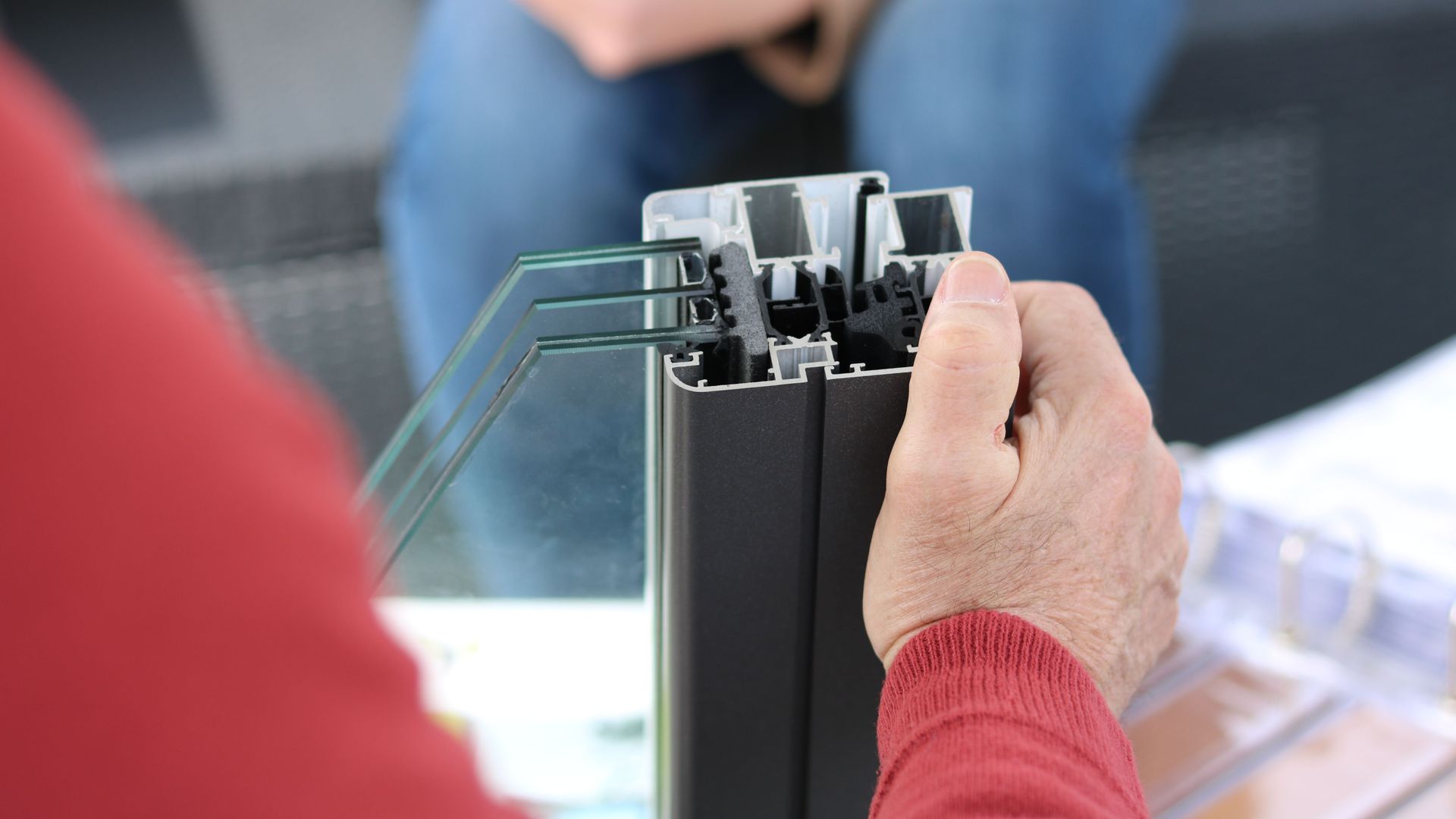
Your own measurements can help you establish a vision for your project. However, opting for professional measurement from an experienced member of the Calder Windows team will help ensure:
- Accurate manufacturing
- Smooth installation
- Proper insulation
- Weatherproof performance
- Long-term reliability
- Identification of any structural considerations early on in the process
At Calder Windows, we can guide you through every stage of the process, from initial measurements and design choices to professional installation. So, whether you're replacing existing doors or planning a larger home improvement project, don't hesitate to get in touch. We're here to help you find the right fit for your home.
Recent Posts