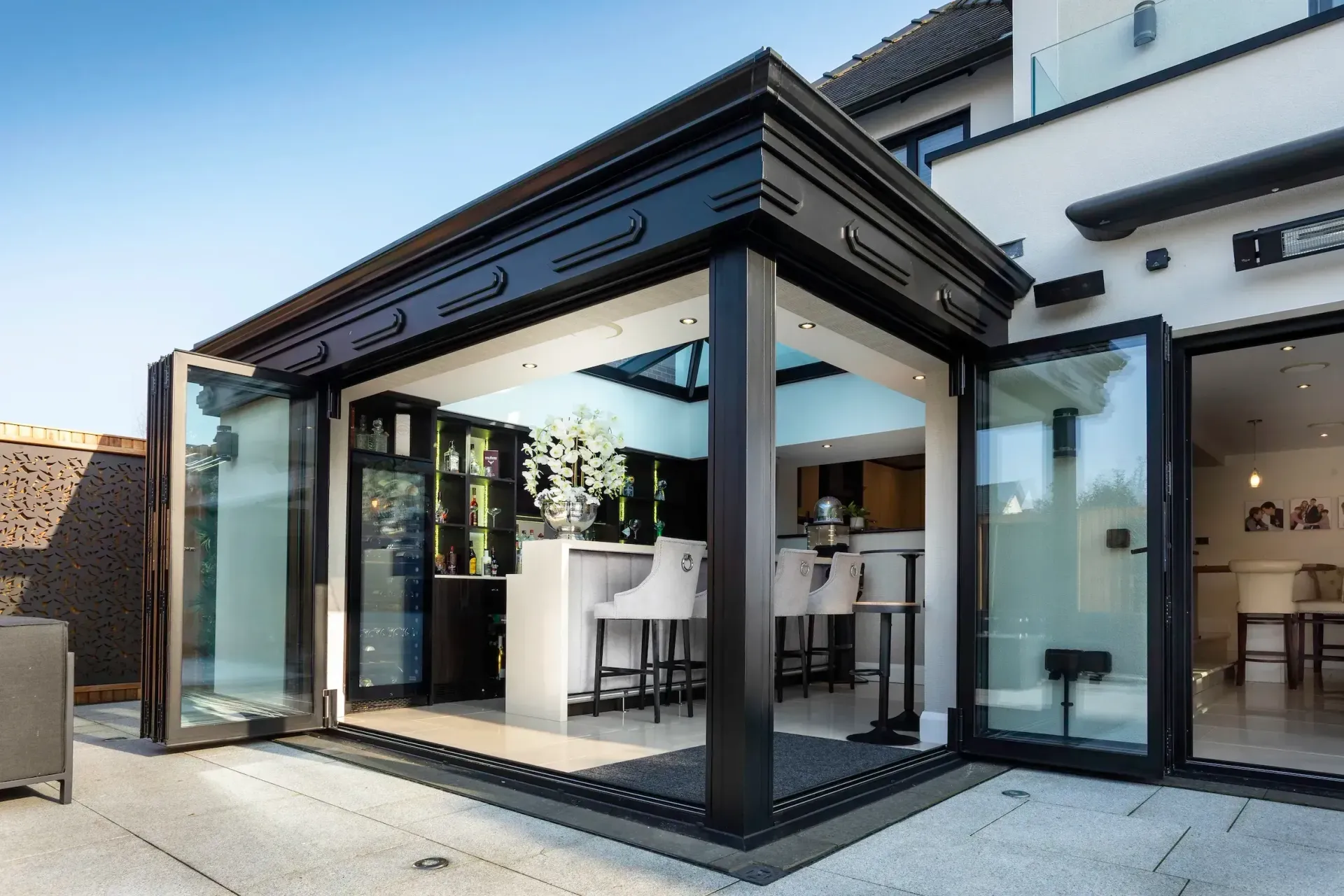
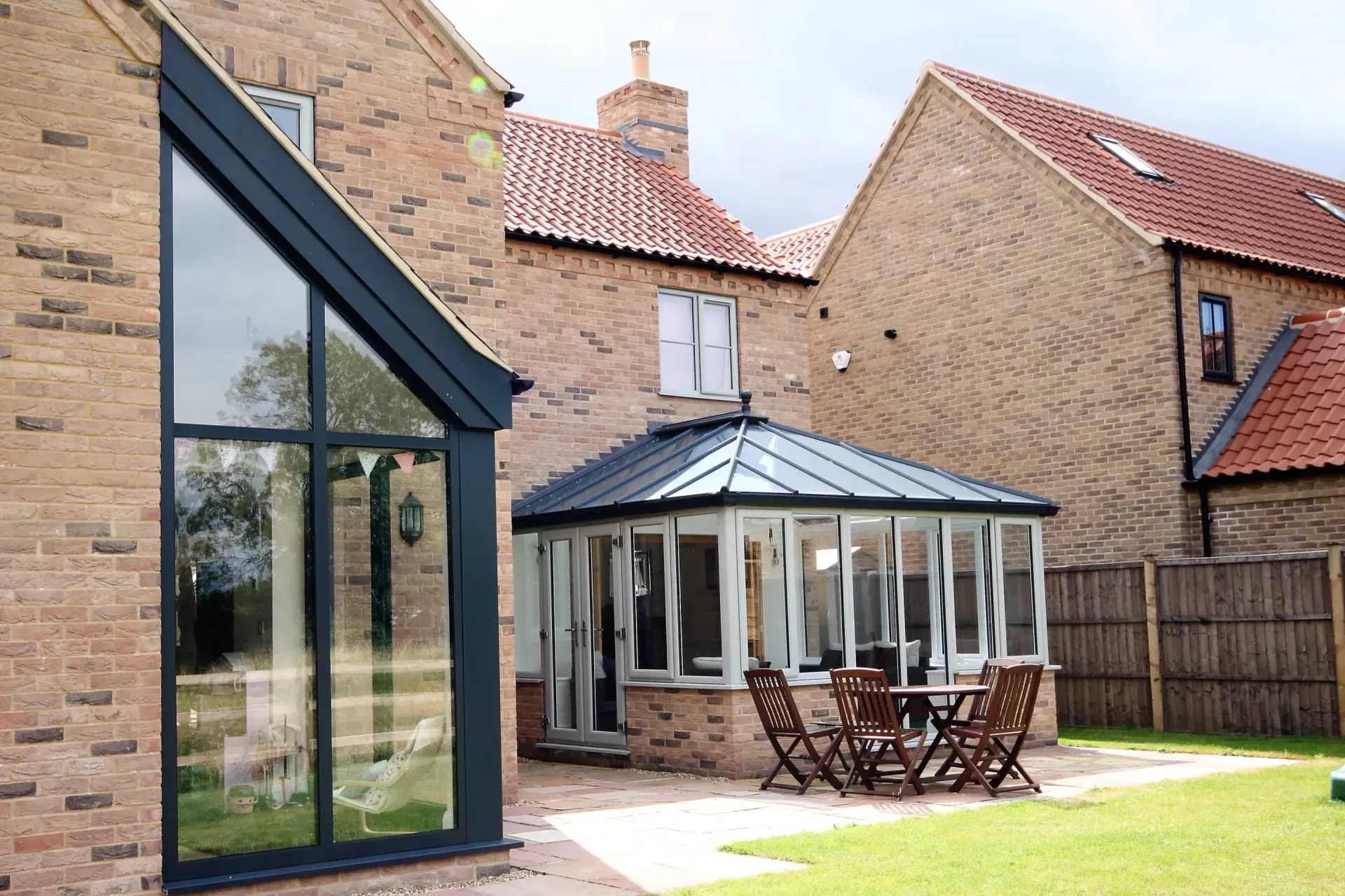
Traditional conservatories in West Yorkshire
Calder Windows - Traditional Conservatories
If you want the classic conservatory look, a glass roof full of sky, and the bright garden-room feel of a Victorian or Edwardian-style build, this is the page.
We design and build traditional conservatories in West Yorkshire — Victorian conservatories, Edwardian conservatories, and Georgian-style builds that match the house rather than bolt onto it.
Traditional conservatory styles
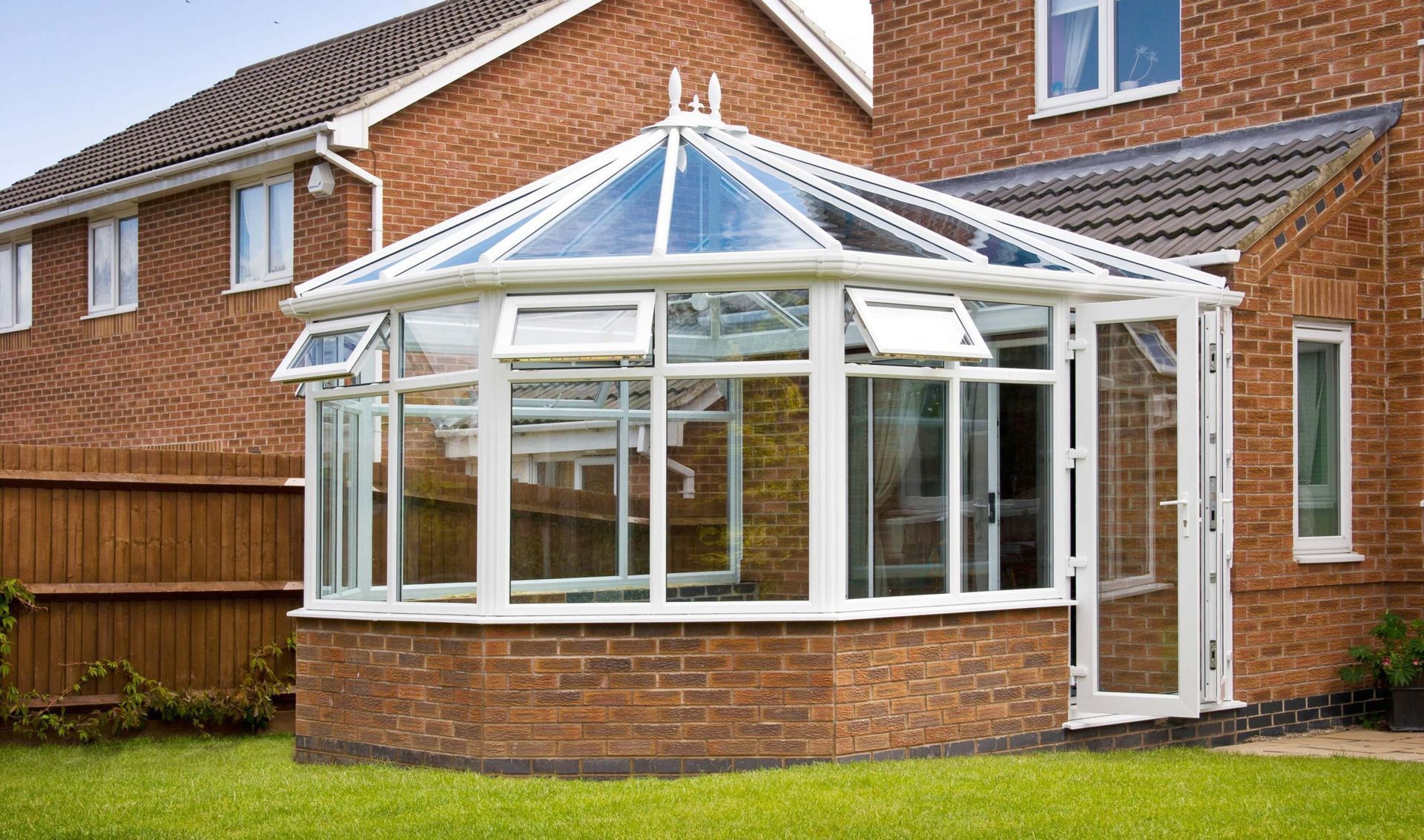
Victorian
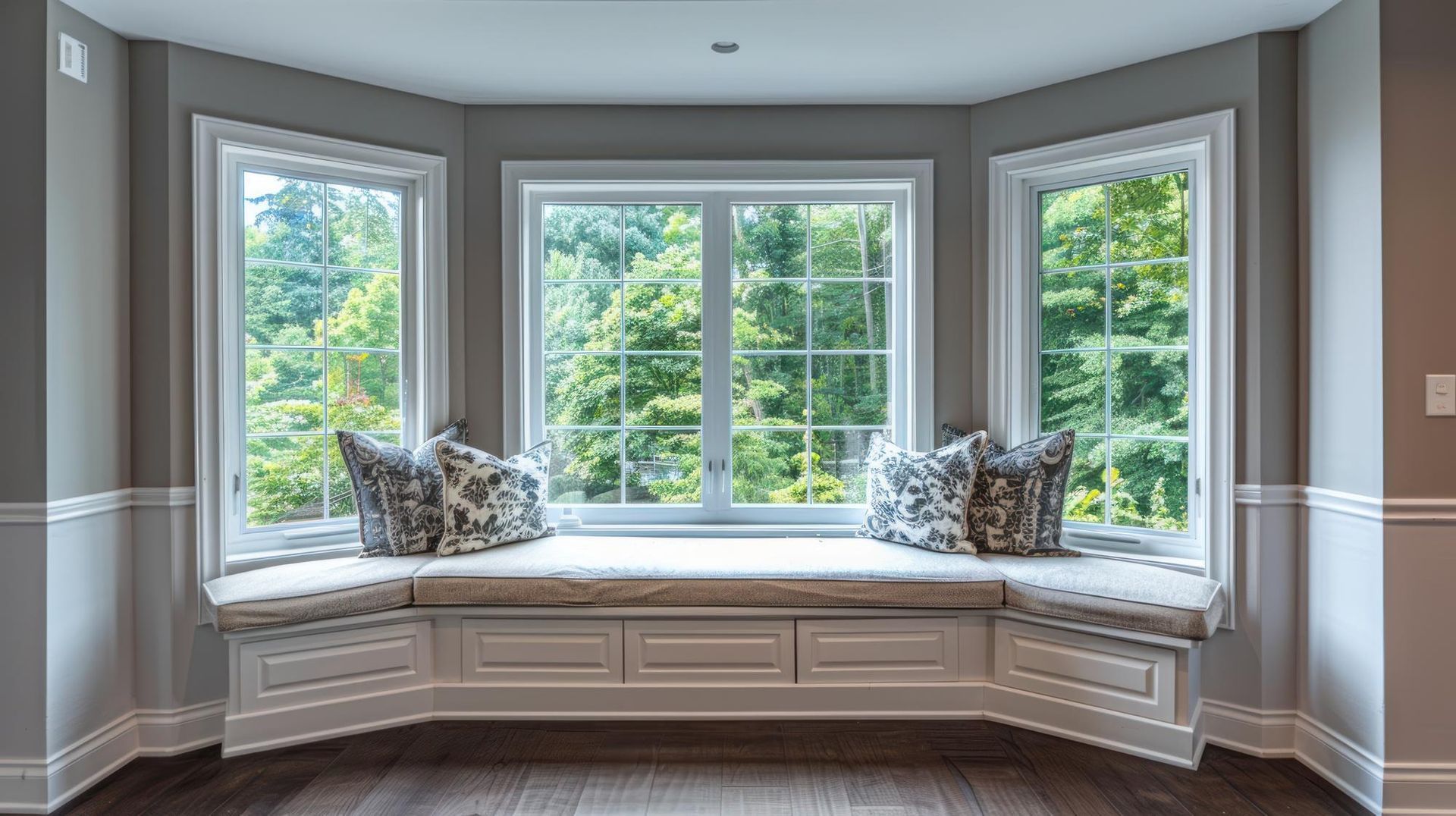
A multi-faceted bay front, a pitched glass roof, and decorative ridge detailing. The most instantly-recognisable conservatory style. Usually three or five-faceted fronts, with ornate ridge cresting and finials where the period calls for it. Suits Victorian terraces, Edwardian villas, and period properties across Harrogate, Ilkley, Wetherby, and central Leeds.
Edwardian
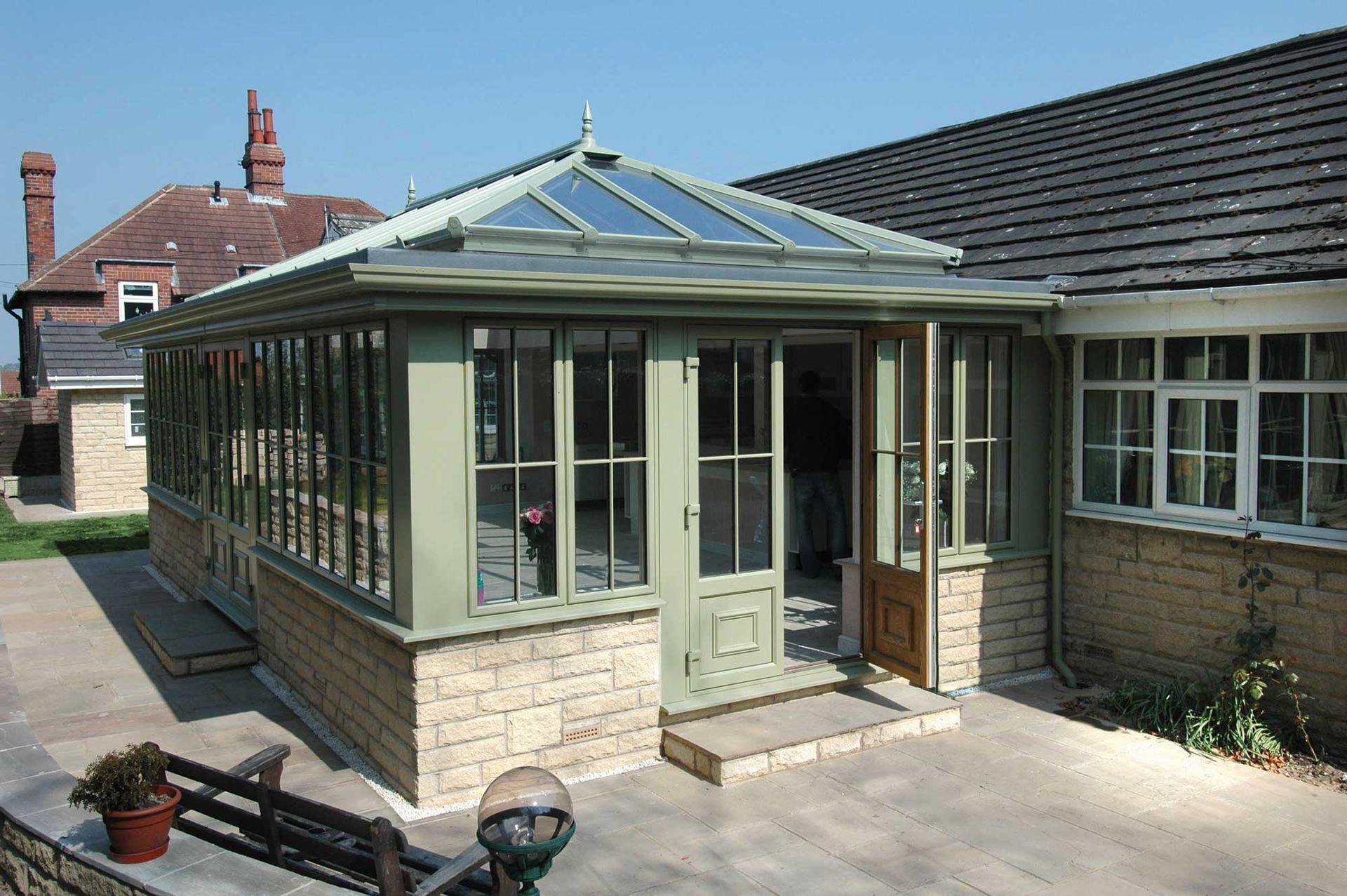
A square or rectangular footprint with a pitched pyramid-style glass roof. More interior floor space than a Victorian style because the corners are square. Simpler lines. A slightly less decorative aesthetic that suits 1900s to 1930s properties.
Georgian
Rectangular footprint with a simpler, lower-pitched roof. Clean proportions. Understated. Suits larger gardens and properties where the conservatory should be elegant rather than elaborate.
Lean-to (Mediterranean)
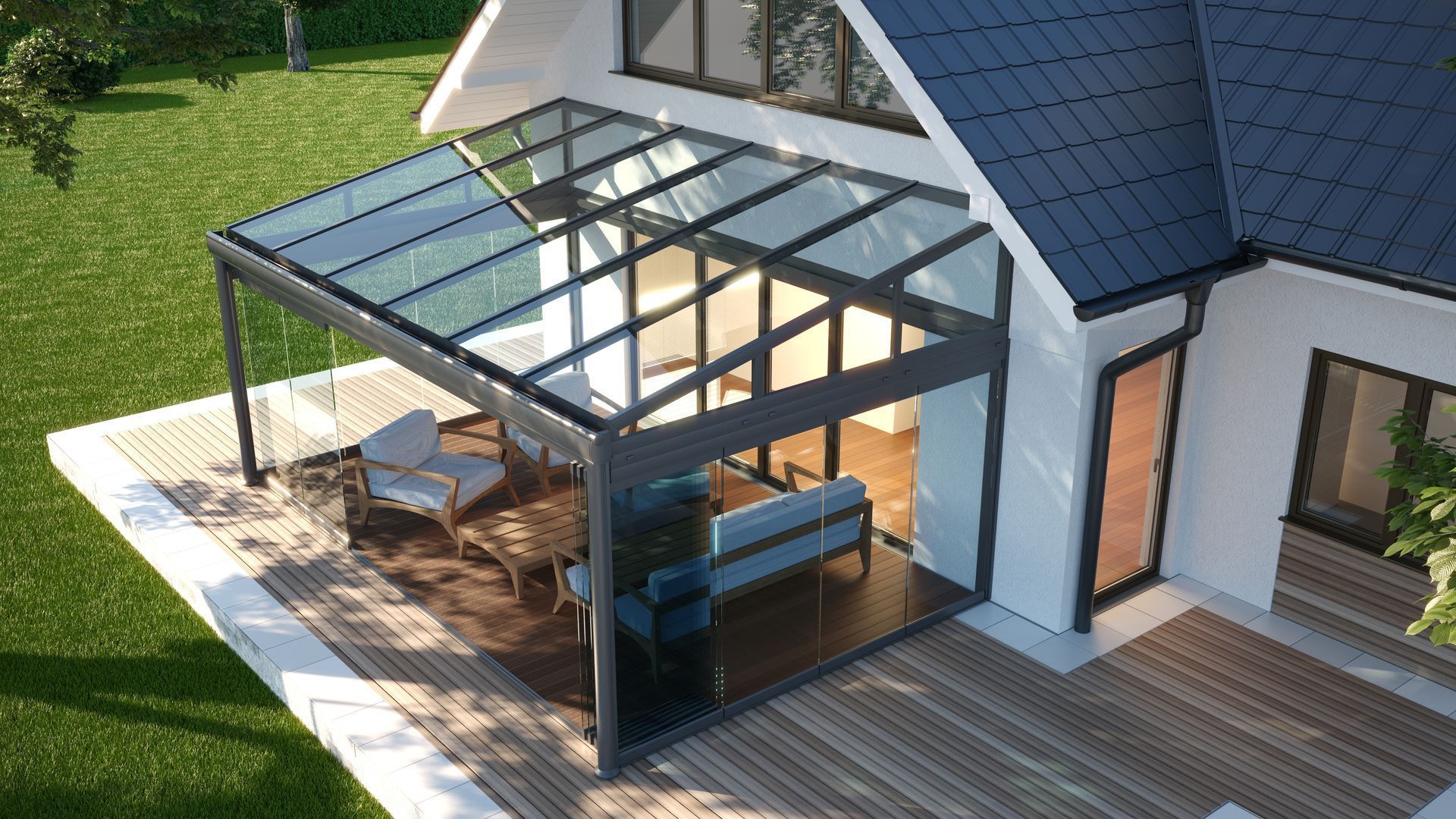
A single sloping roof leaning against the house. Clean, understated, and the simplest of all traditional styles. Works well on properties with lower rooflines, awkward spaces, or budget constraints. Also the most flexible on tight footprints.
P-shape, T-shape and L-shape
Combinations of the above styles for larger, more ambitious projects. A Victorian front joined to a lean-to run, for example, to give you both the traditional feature and the practical space. We design these to the property and the garden.
What makes a traditional conservatory feel right
Proportions that match the house
The ridge height, the sill line, the brick course, and the glazing bar widths all need to relate to the main house. We survey carefully and design to the building, not to a generic template.
Matching brickwork on the dwarf wall
If the conservatory sits on a brick base, the brick needs to match the existing house. We source and lay brick to blend, not contrast. Stone matching is also possible on the right property.
Proper ridge and hip detailing
Cresting, finials, and decorative ridge caps where the period calls for them. Victorian conservatories especially rely on this detail to read as authentic.
Glass bar widths and patterns
Georgian bars on the glass can make a 21st century build look 19th century. We’ll talk through the options for visible bars, Georgian-effect glazing, and leading patterns.
Glazing and thermal performance
A traditional conservatory is defined by its glass roof and its glass walls. That’s where the light comes from, and it’s also where the heat goes.
Roof glazing
Modern self-cleaning glass with solar reflective coatings cuts heat build-up in summer and reduces heat loss in winter. It’s a night-and-day improvement on conservatory glass from even 15 years ago. We specify it as standard.
Wall glazing
A-rated double glazing as standard, with 40mm triple glazing available. Warm-edge spacers, argon gas fill, low-E coatings.
Underfloor heating
Worth considering at the build stage if you want the conservatory to be properly usable in winter. We can design for it and work alongside your chosen plumber or HVAC contractor.
Year-round usability, honestly
We’re going to be straight with you. A traditional glass-roof conservatory in Yorkshire is the brightest, prettiest type of conservatory, and it’s also the hardest to use year-round without significant heating costs.
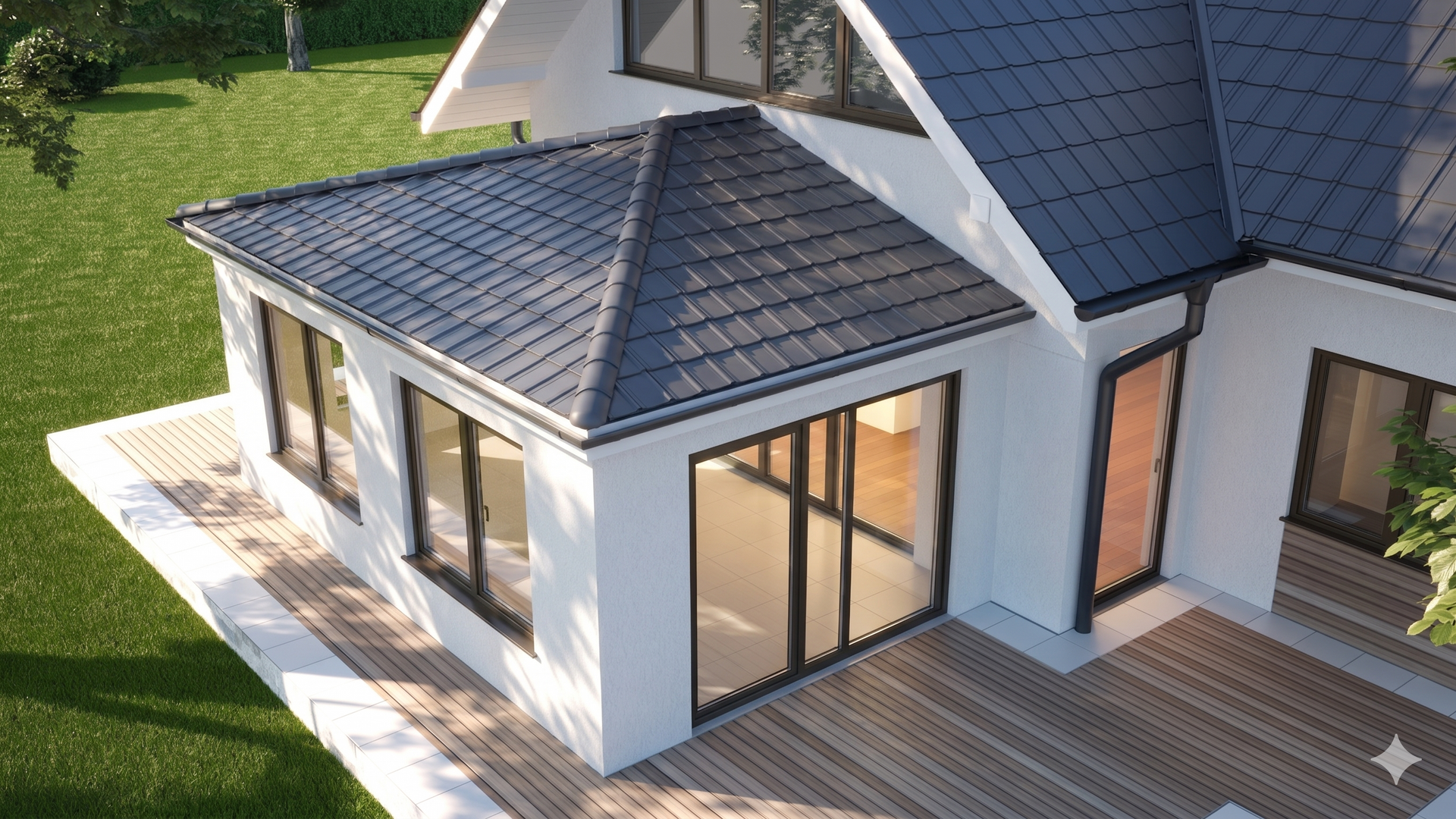
If year-round use is the priority, we’d steer you towards a contemporary orangery or a warm roof conservatory. If the classic look matters most and you’re comfortable with a conservatory that’s hottest in summer and coolest in winter, a traditional design with modern glazing and proper heating is still a beautiful build.
Dwarf wall or full height
Dwarf wall construction
Brick or stone walls up to around cill height, then glass above. Most of our traditional conservatories are built this way because it gives you thermal mass, room for radiators, and a more “house-like” feel to the space.
Full height glazing
Glass from floor to ceiling. Maximum light, maximum garden view, maximum heat loss in winter. Beautiful on the right property.
The build process
From first site visit to final walk-through, a typical traditional conservatory build takes four to eight weeks on site, plus the design and planning phase before the build starts.
- Site survey and design conversation
- Drawings and specification
- Planning check or permitted development confirmation
- Written quote with a clear timeline
- Groundworks and foundations
- Dwarf walls (if applicable)
- Frame and glazing installation
- Roof and ridge detailing
- Electrical and heating first fix
- Final clean-down and handover
- 10-year guarantee* documentation
FENSA-signed off, building regulation compliant where required.
Where we build traditional conservatories
All across West and South Yorkshire. Victorian styles are particularly popular in Harrogate, Ilkley, Wetherby and central Leeds. Edwardian and Georgian designs fit beautifully on 1930s semis across Wakefield, Bradford, Huddersfield and Halifax.
Traditional conservatory FAQs
Are traditional conservatories energy efficient?
More than they used to be, thanks to modern self-cleaning roof glass, A-rated wall glazing, and proper insulation in the dwarf wall. They’re still not as thermally efficient as a solid roof orangery or extension.
How long does a traditional conservatory last?
A well-built conservatory with quality materials should last 30 years or more. Roof seals may need replacing before the structure does.
Can I convert a traditional conservatory to a warm roof later?
Yes. A traditional conservatory can be upgraded to a warm roof system without rebuilding the walls.
Do I need planning permission?
Most traditional conservatories fall under permitted development. We’ll check the rules for your property.
Can you match the brick of my house?
Usually yes. We source brick carefully and lay it to blend with the existing wall.