uPVC window colours and coloured window frames
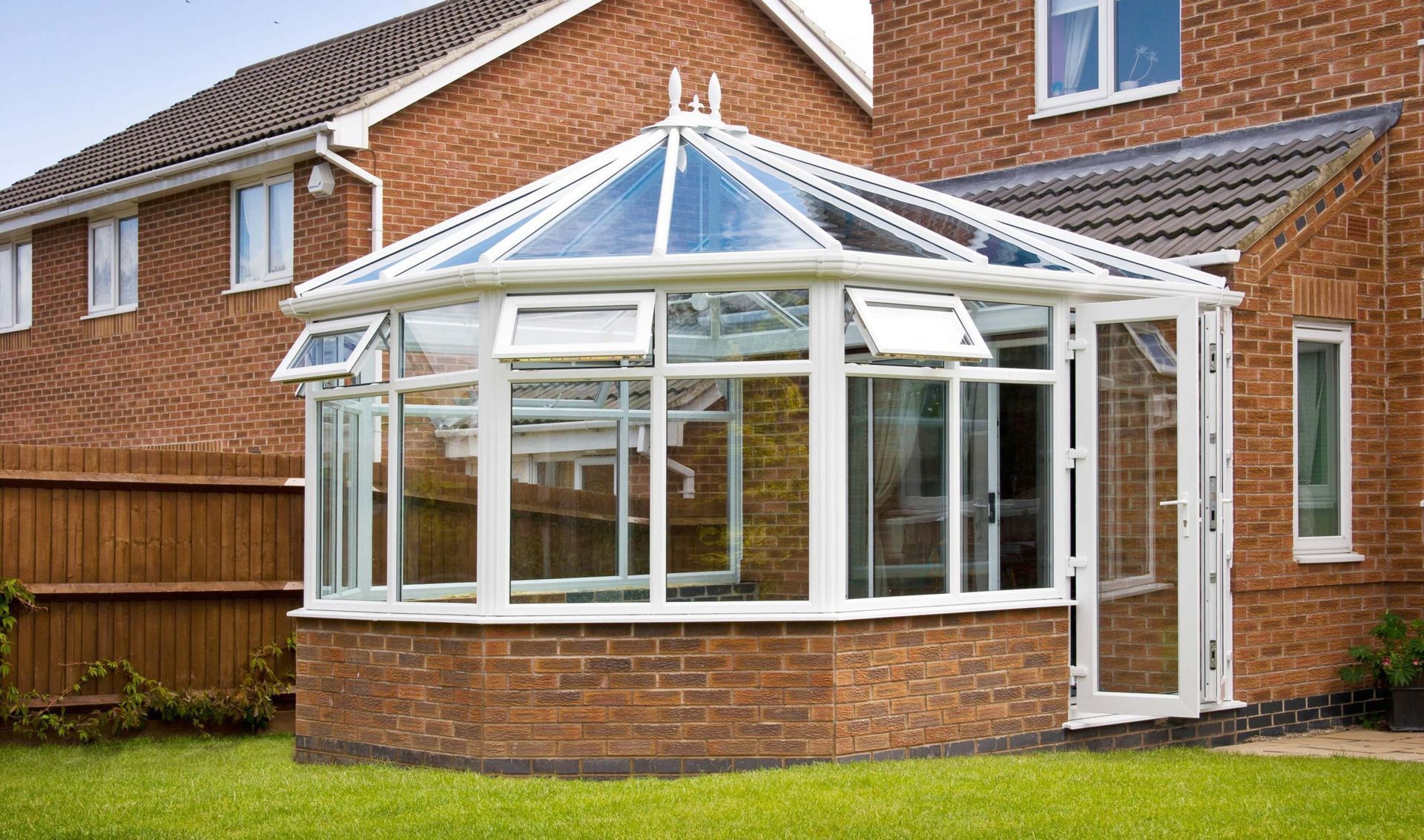
White isn't your only option. uPVC window colours have come a long way, and coloured window frames now stand up to 20 years of Yorkshire weather without fading. Modern uPVC and aluminium windows come in a range of colours, finishes, and woodgrain effects that look genuinely good and last for decades without fading. Whether you’re matching a period property, restoring a 1930s semi, or specifying a contemporary new-build, the colour and finish matter as much as the glass spec.
The colour choice, in plain terms
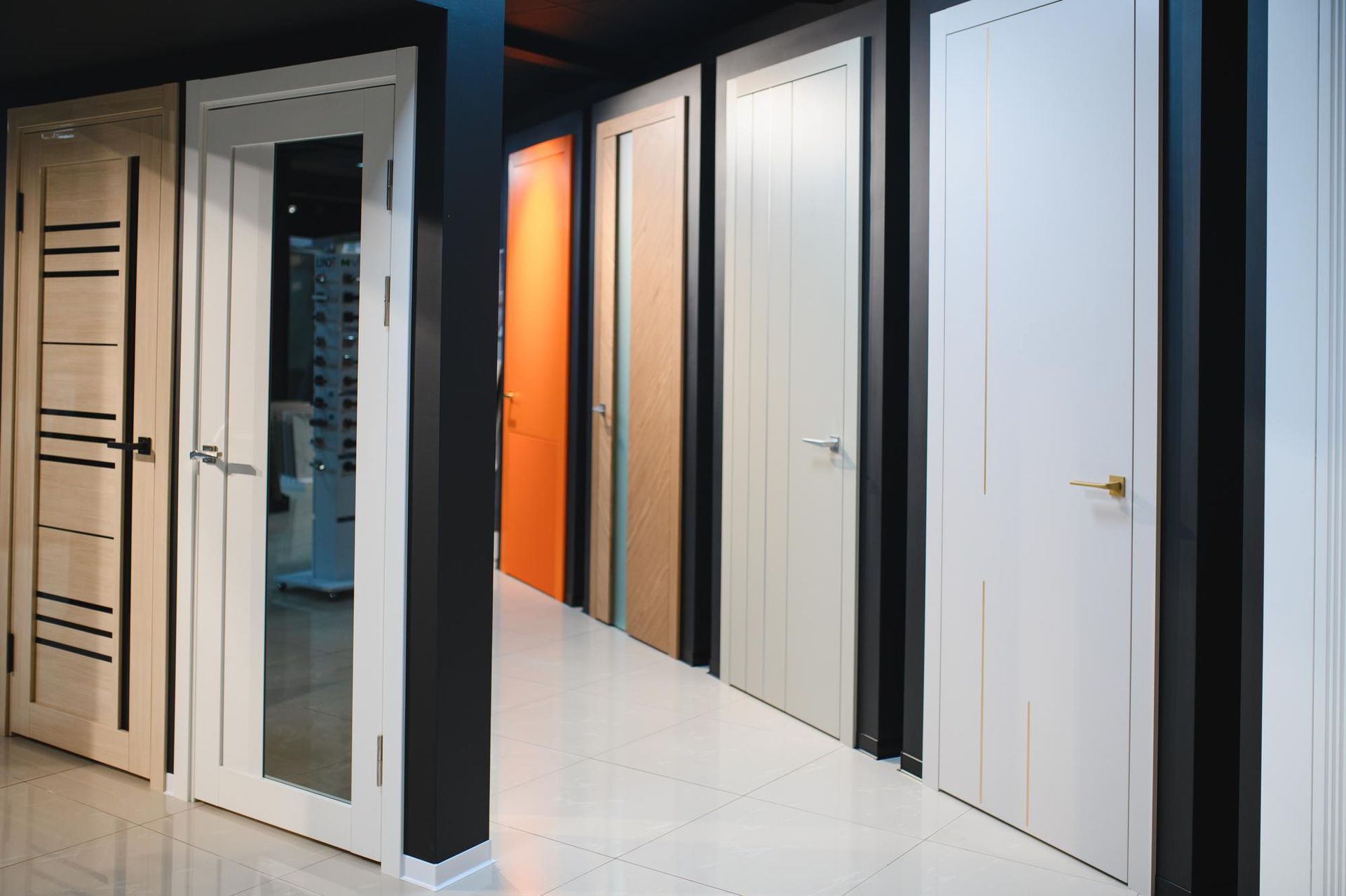
Most homeowners don't realise how wide the range of coloured window frames is until they come to the showroom.
Standard uPVC colours
These are the most commonly ordered and usually in stock with shorter lead times.
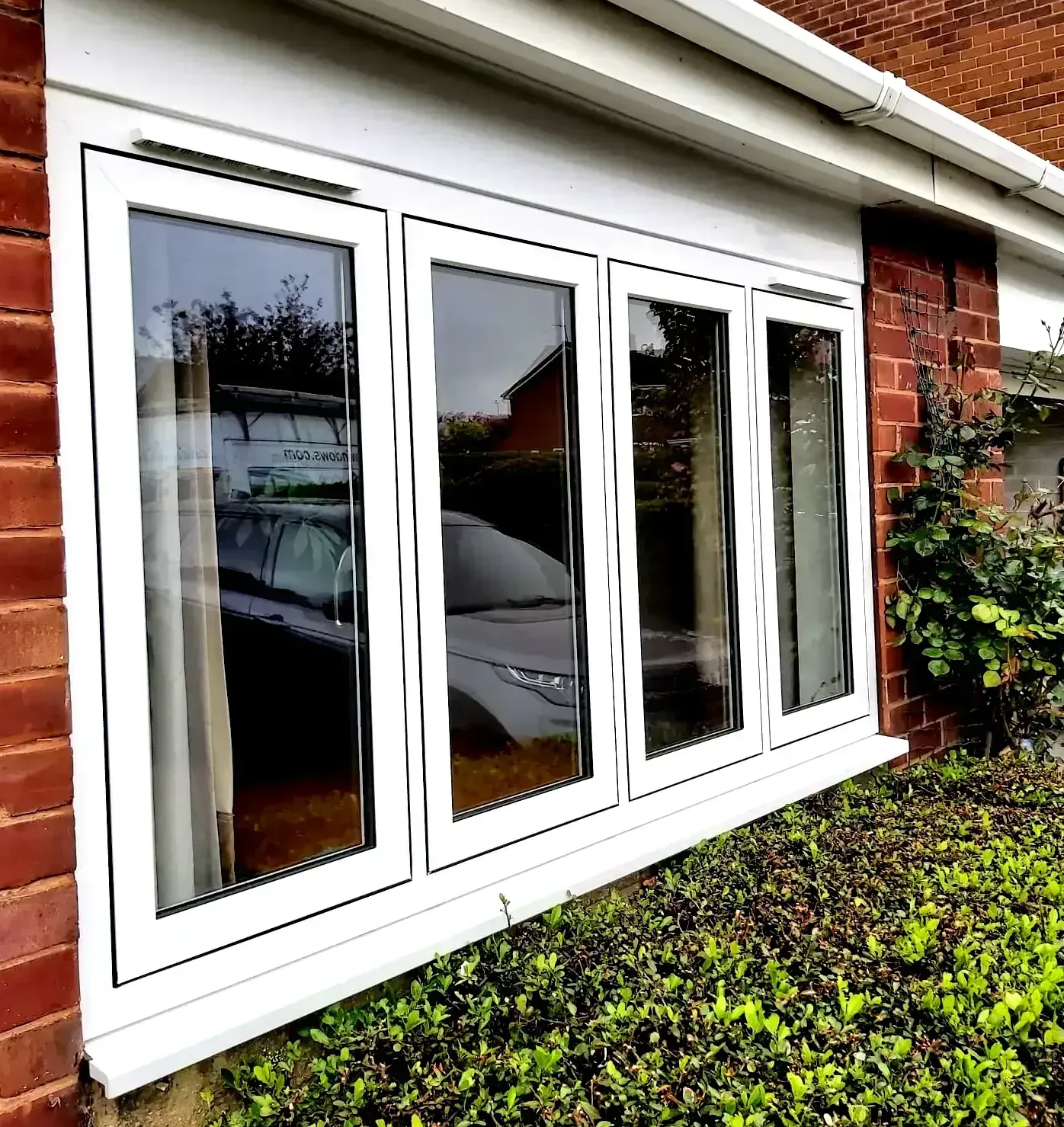
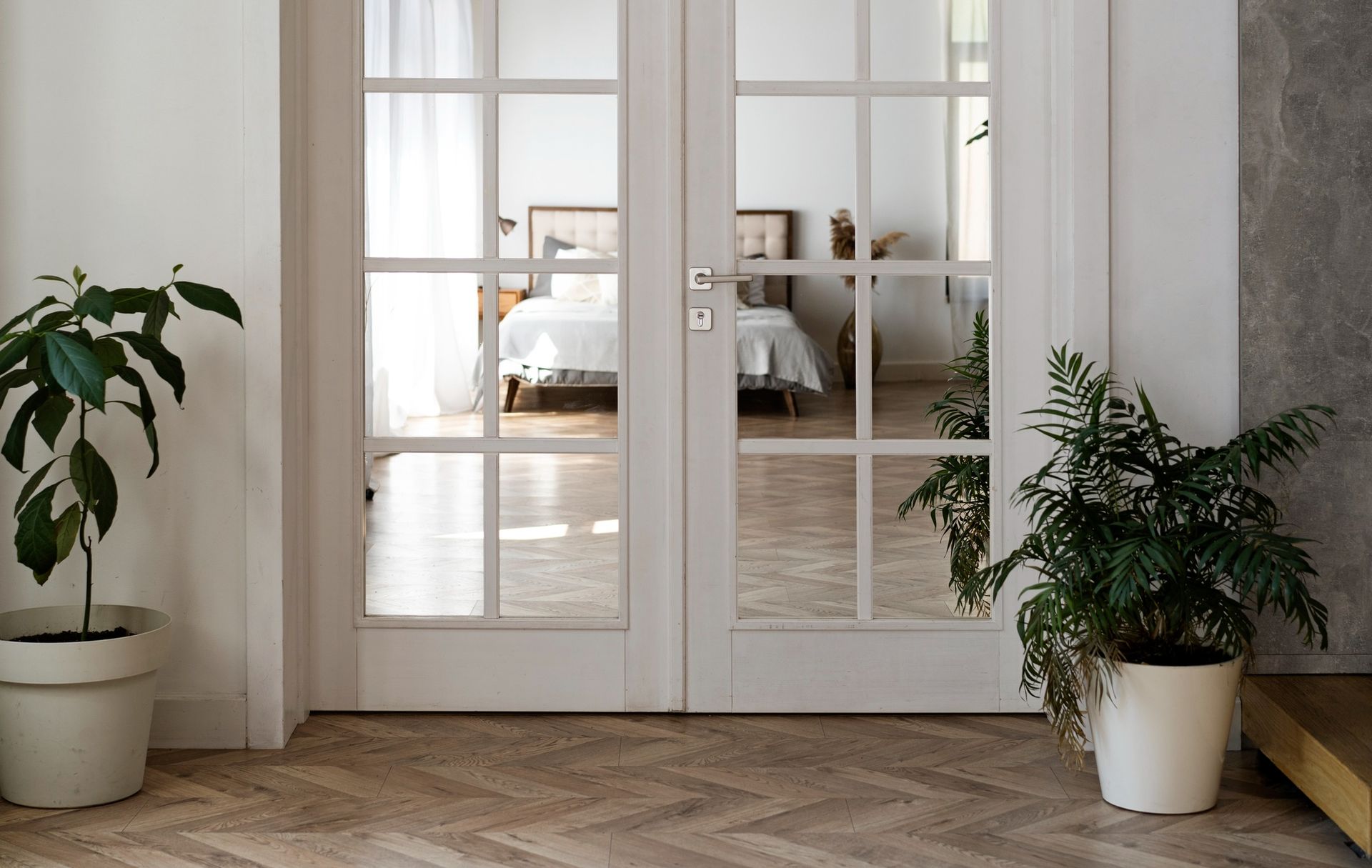
White (smooth or woodgrain)
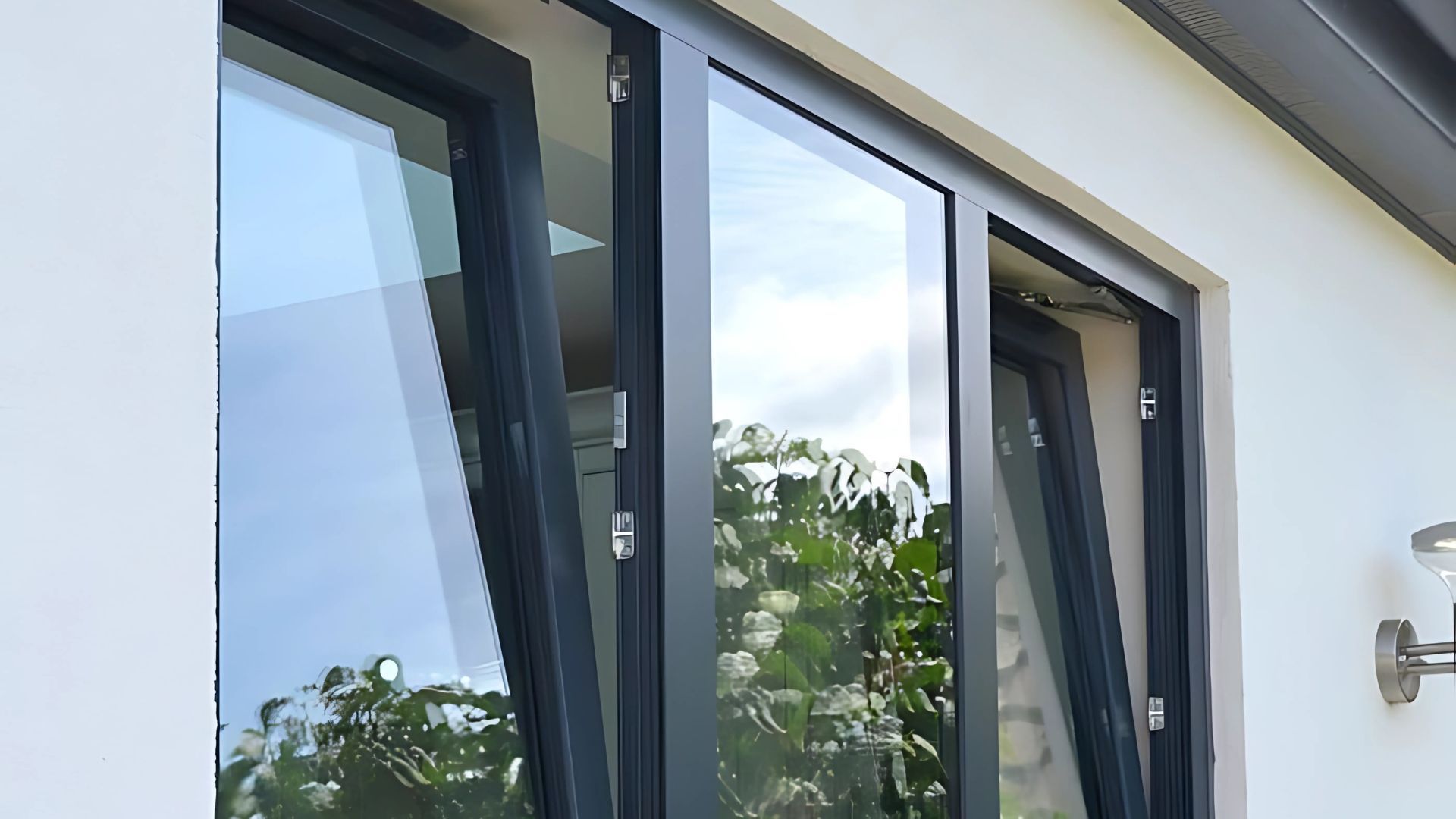
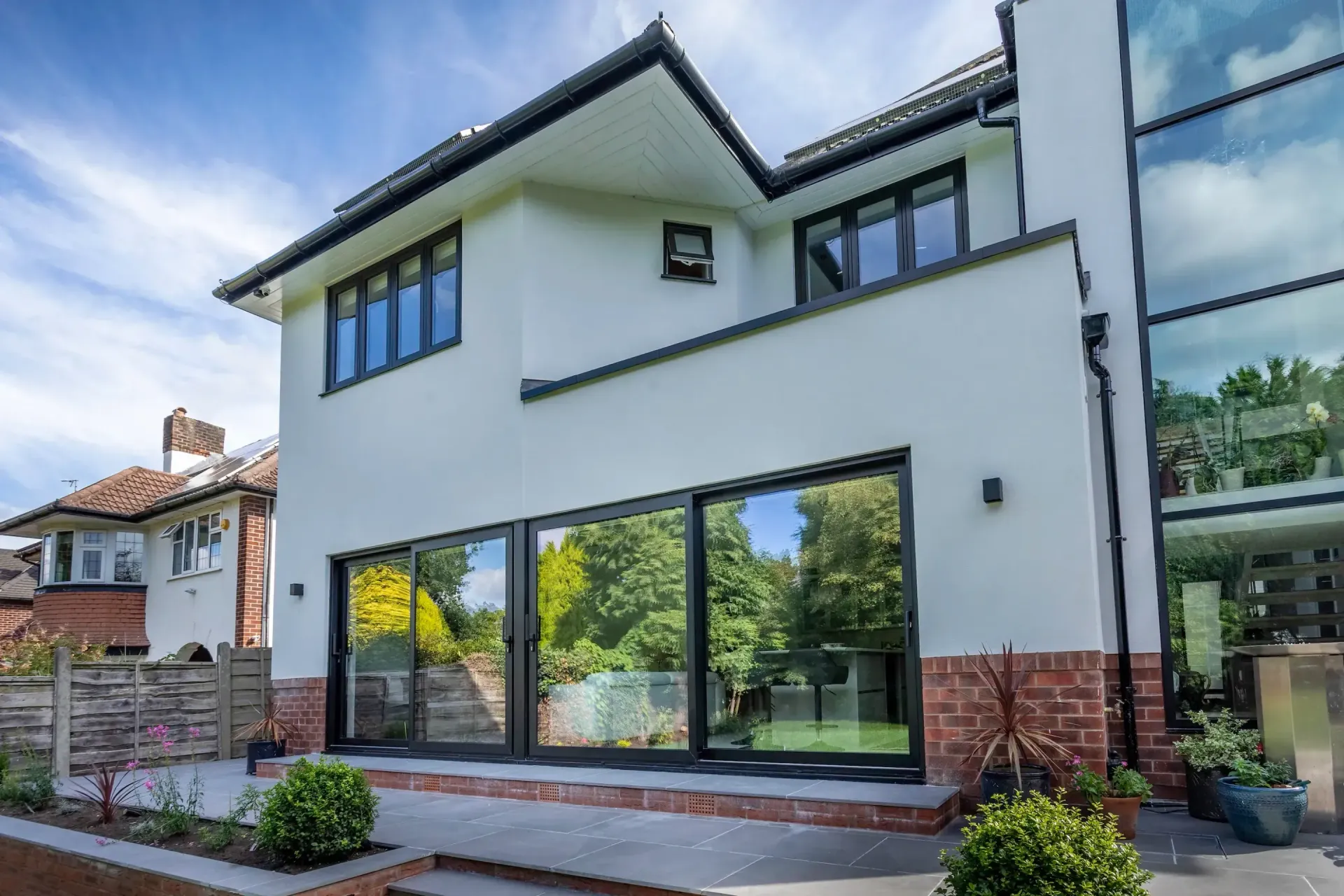
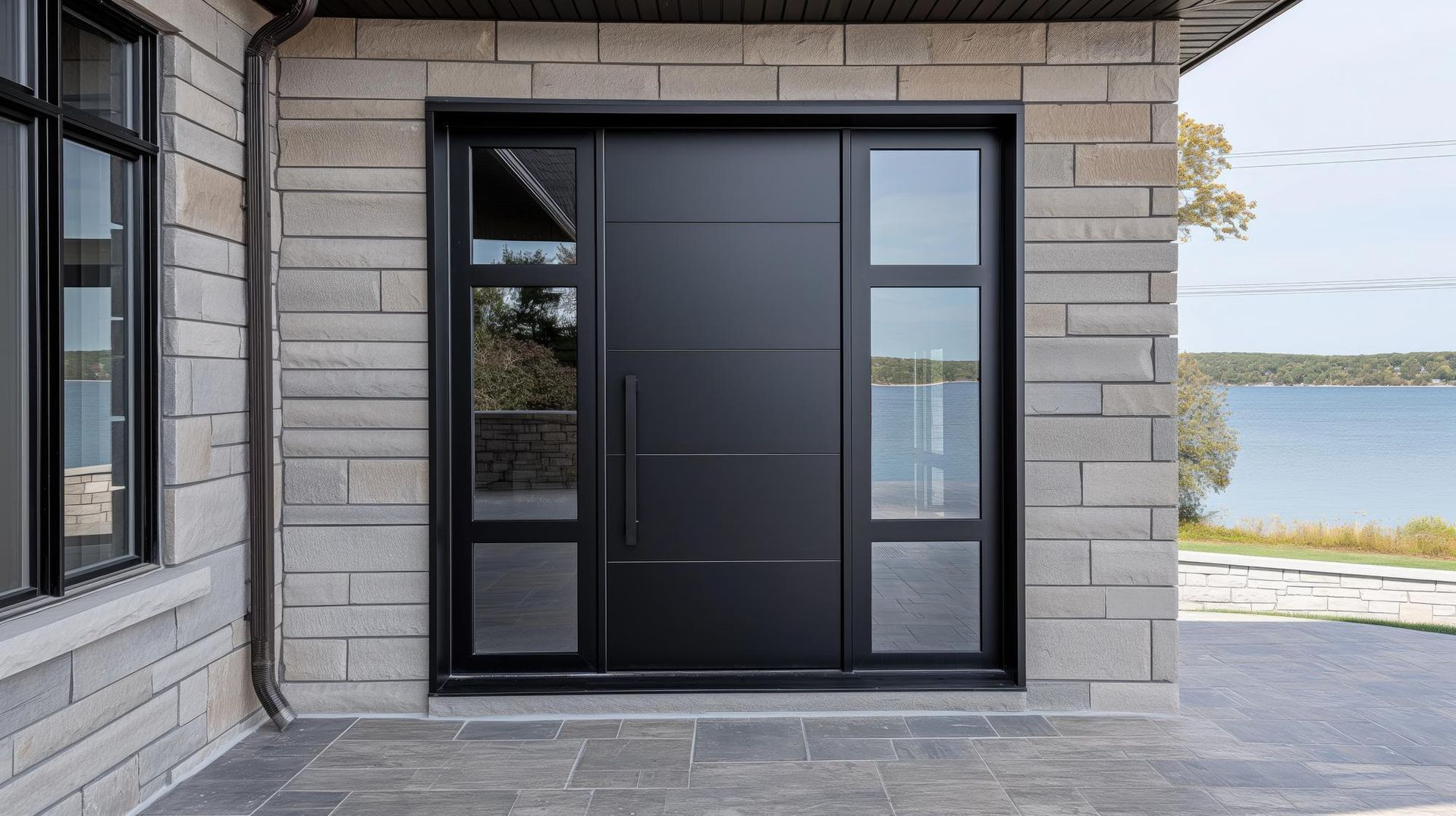
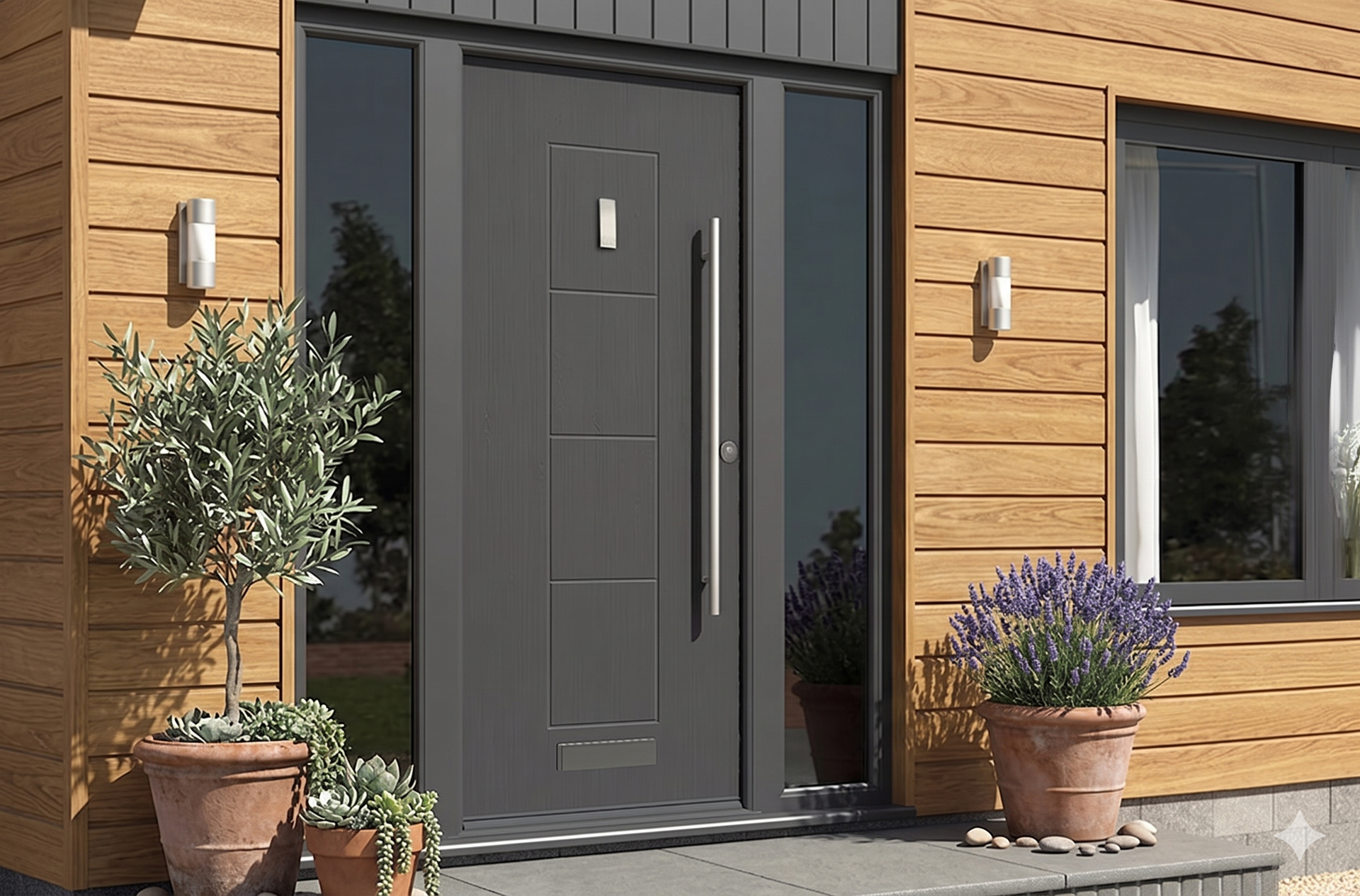
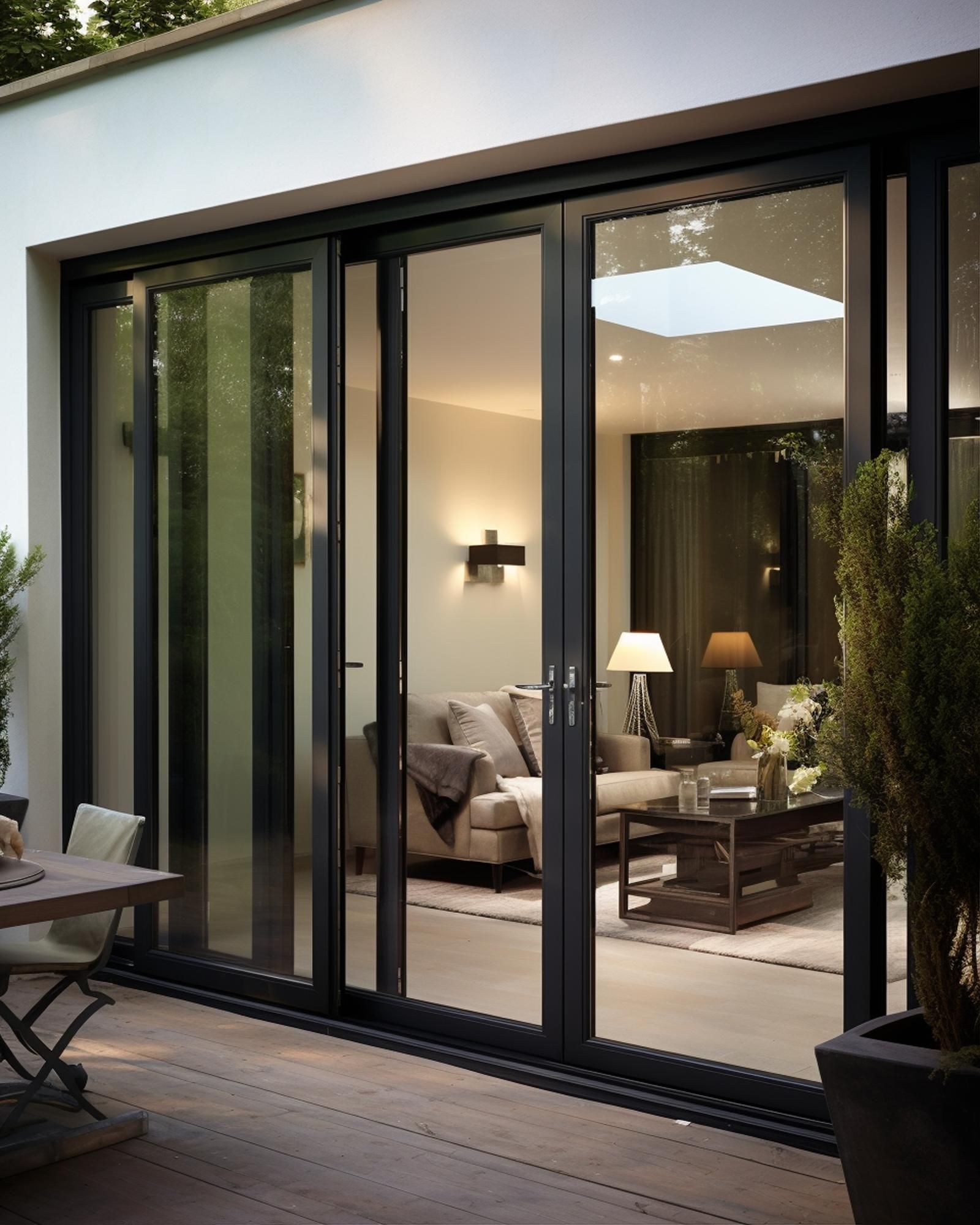
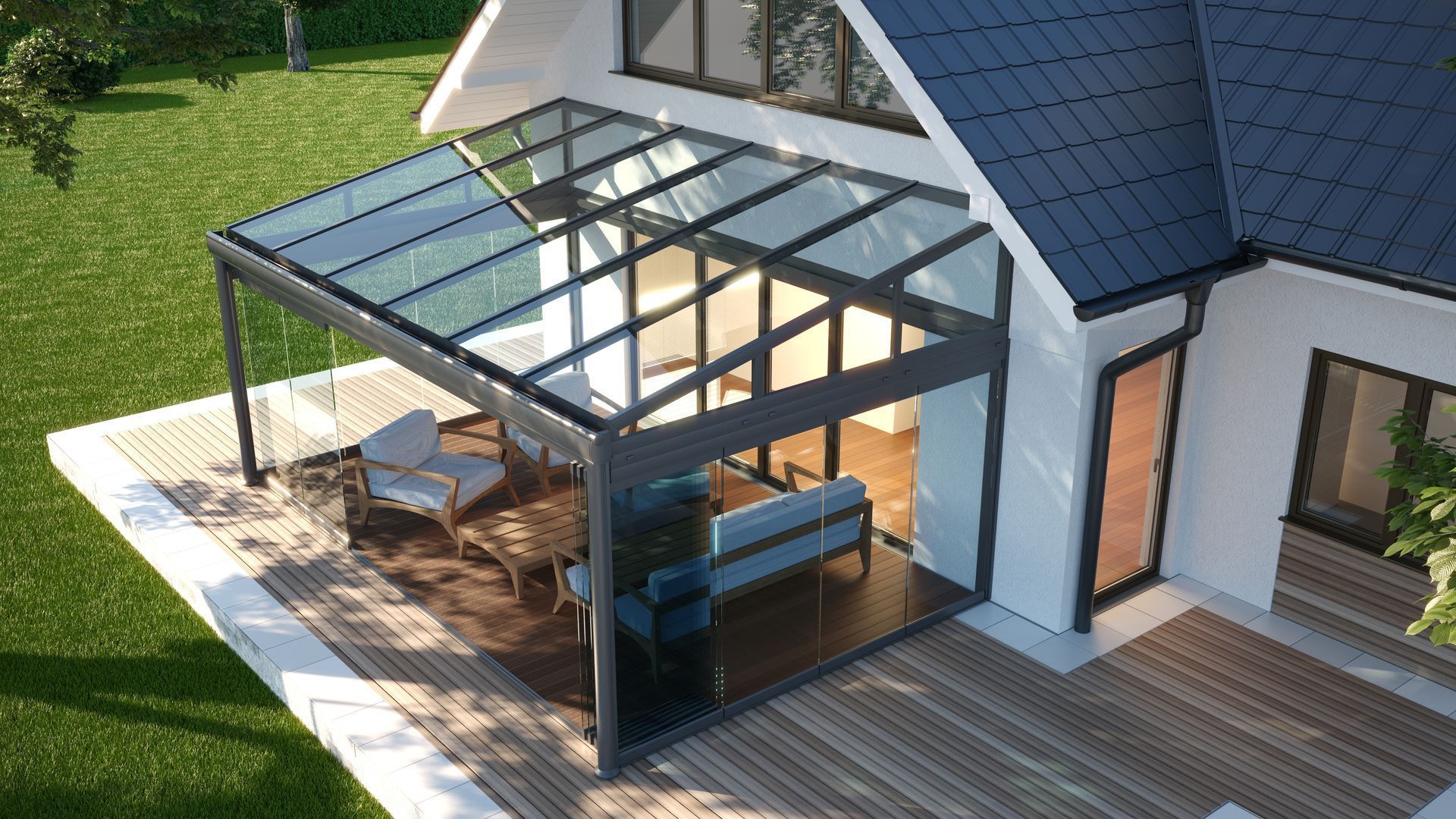
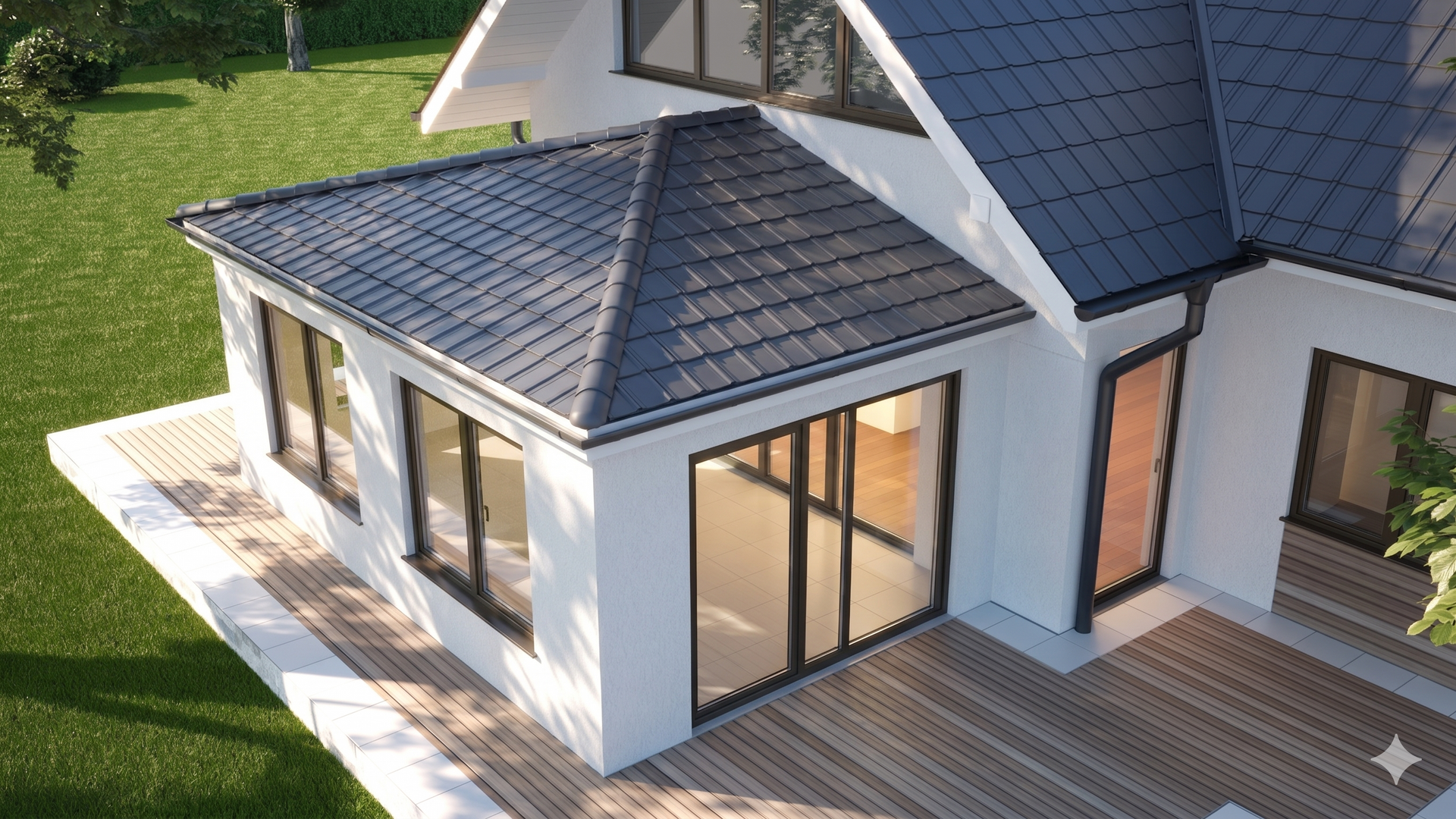
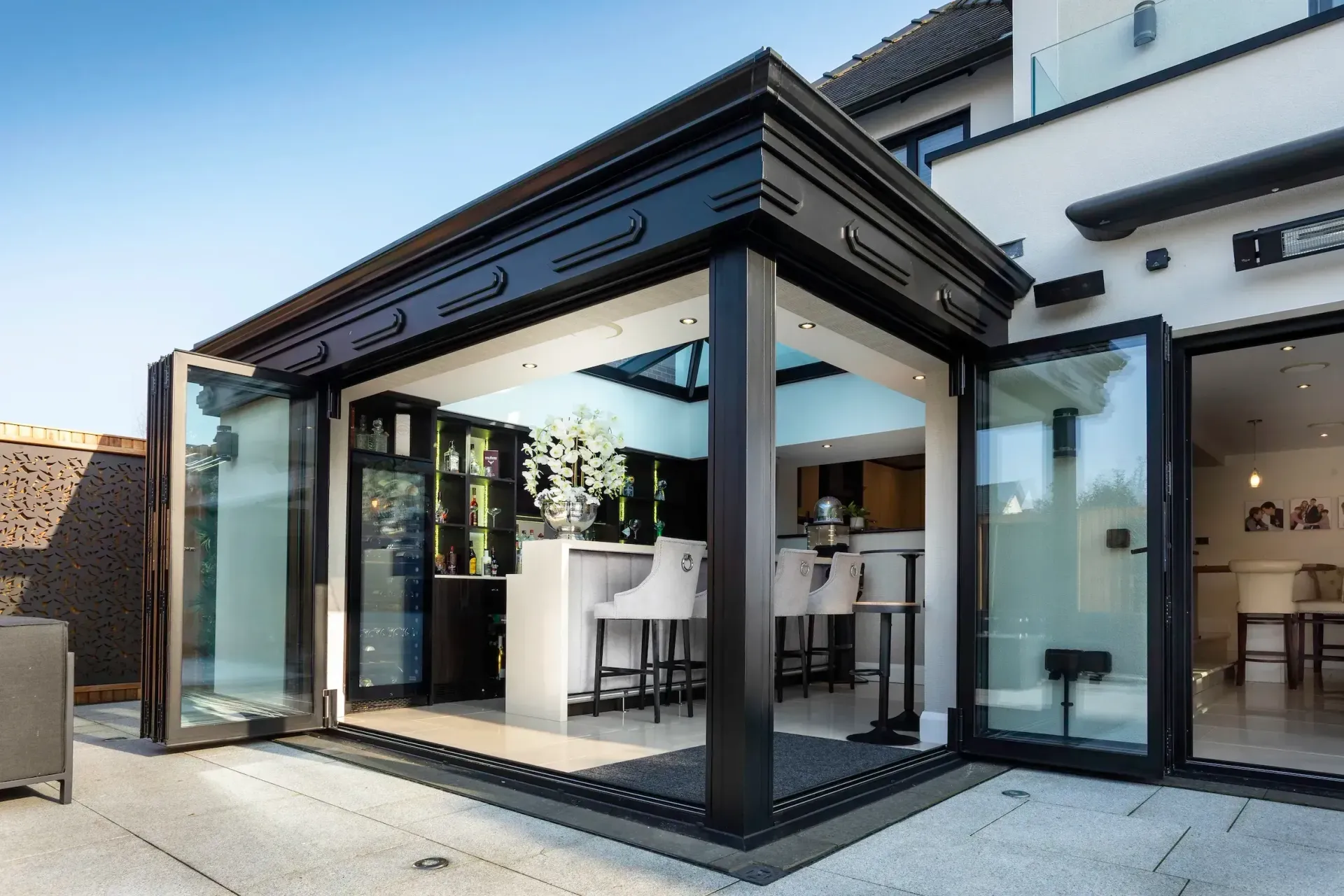
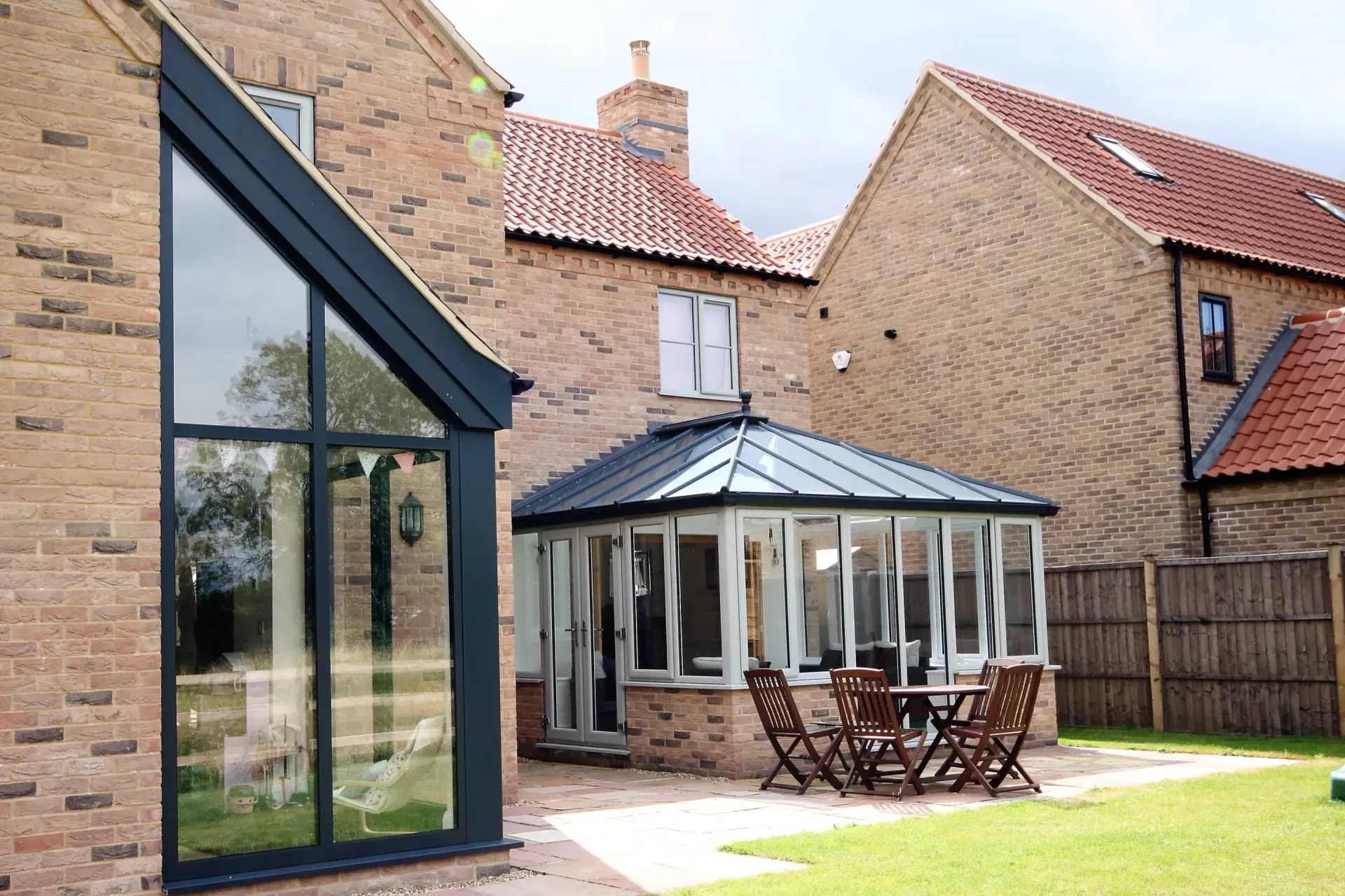
Anthracite grey (the most-requested colour in modern builds)
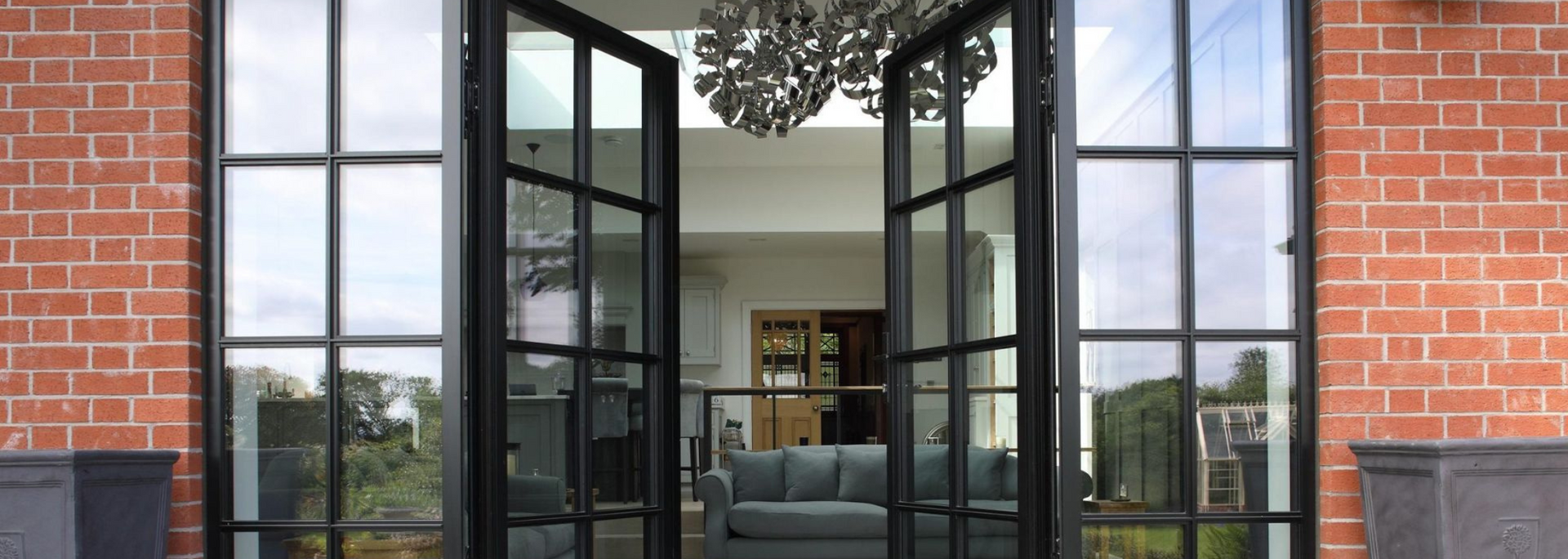
Black
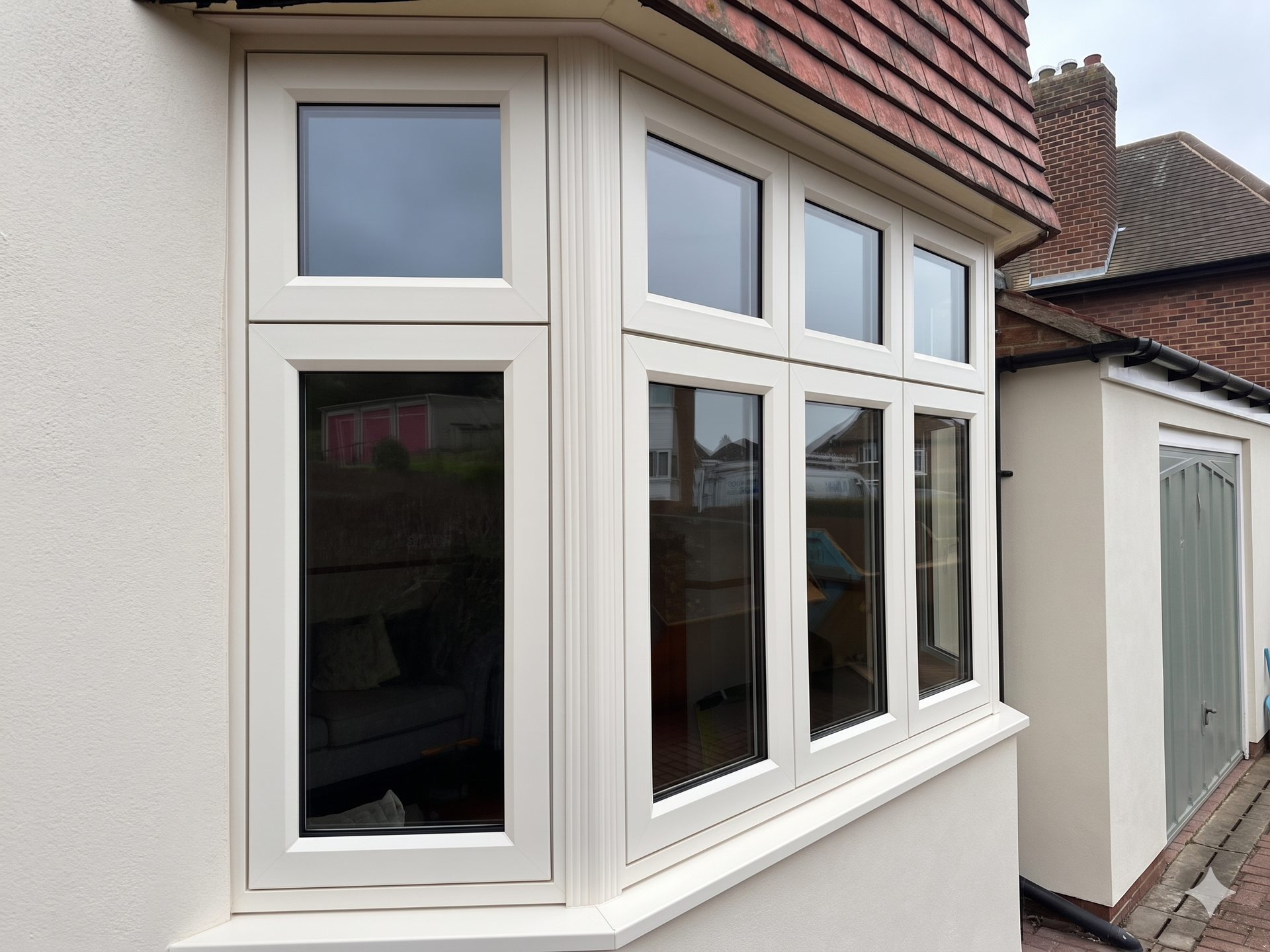
Cream
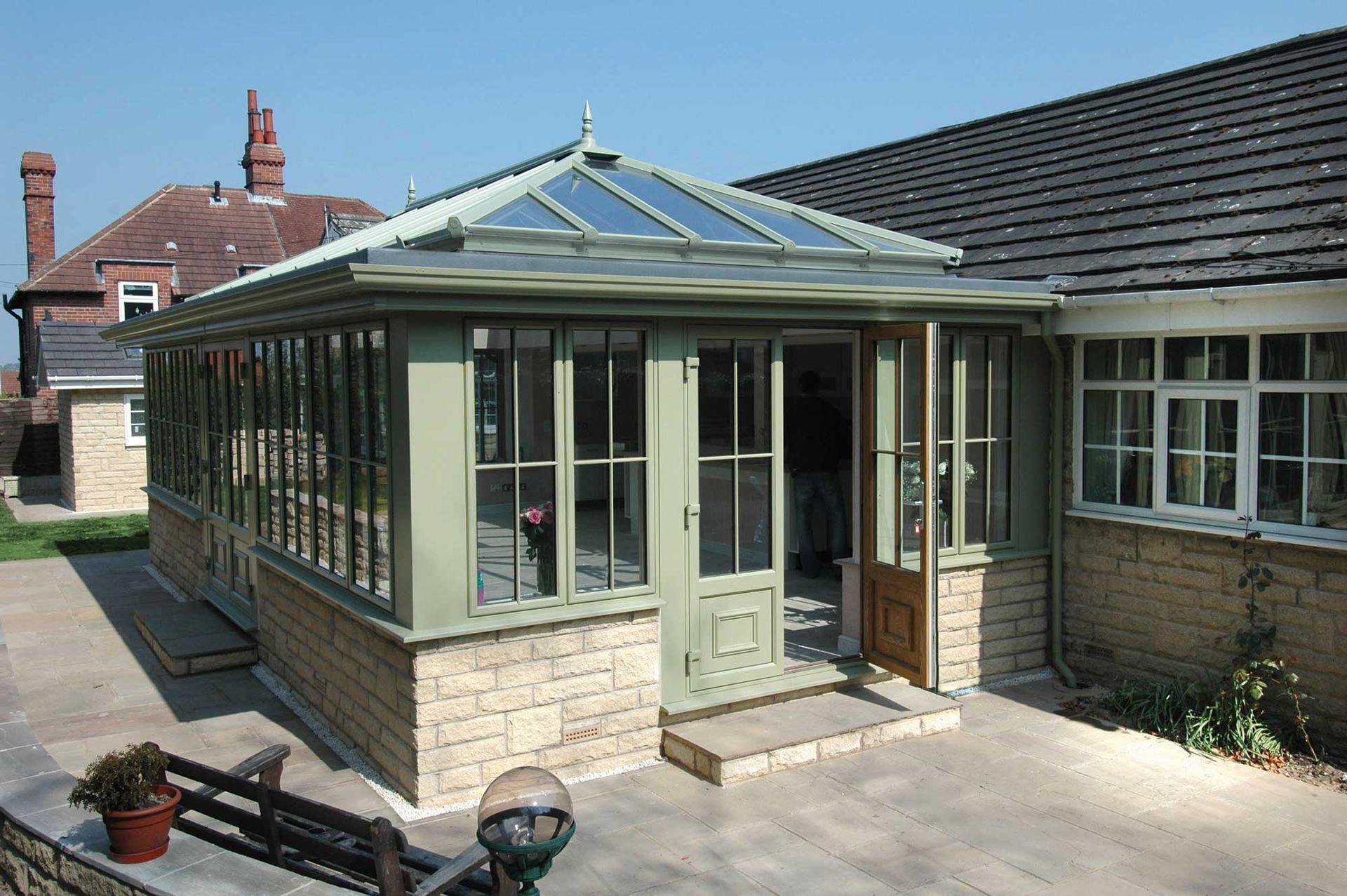
Chartwell green
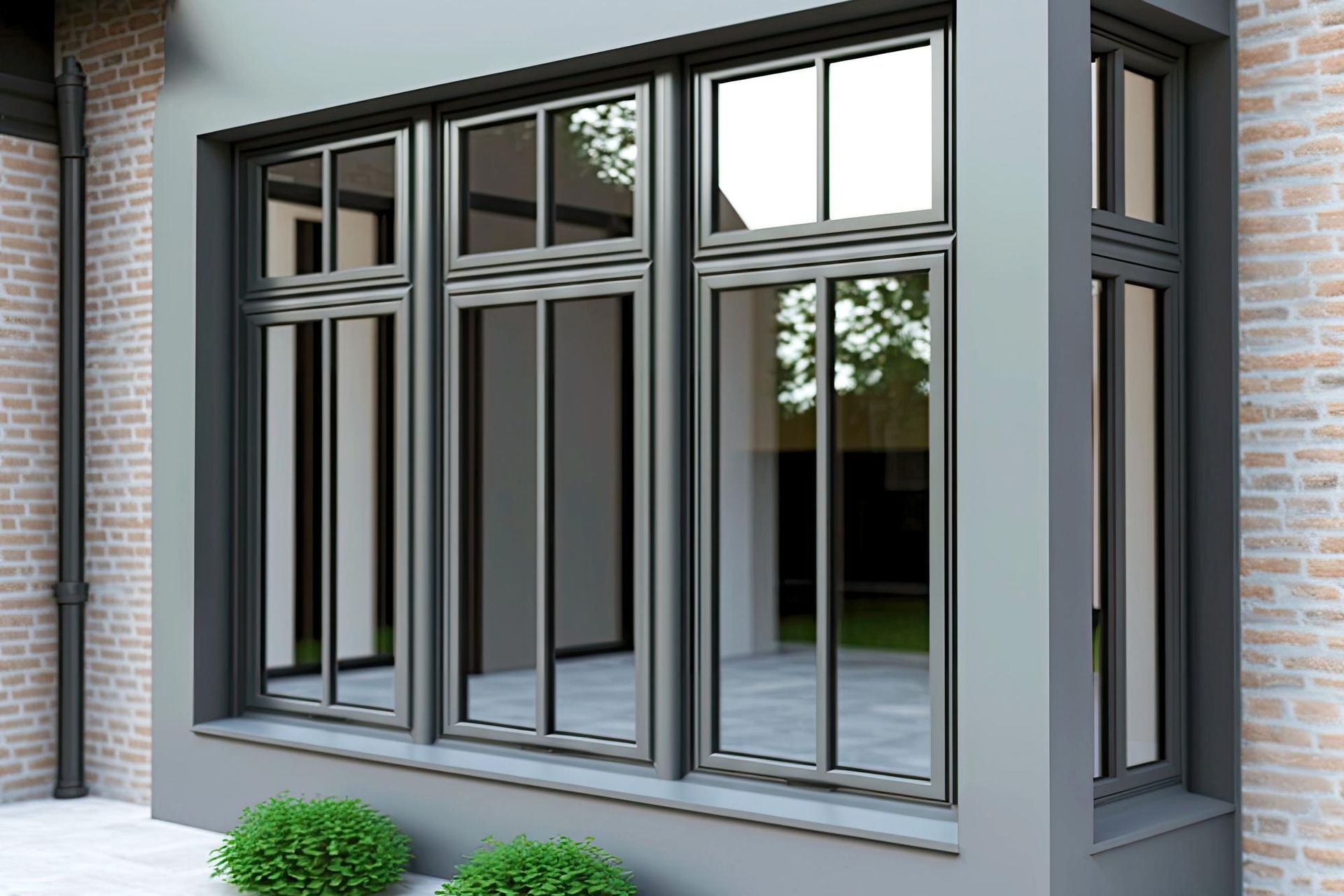
Dark grey
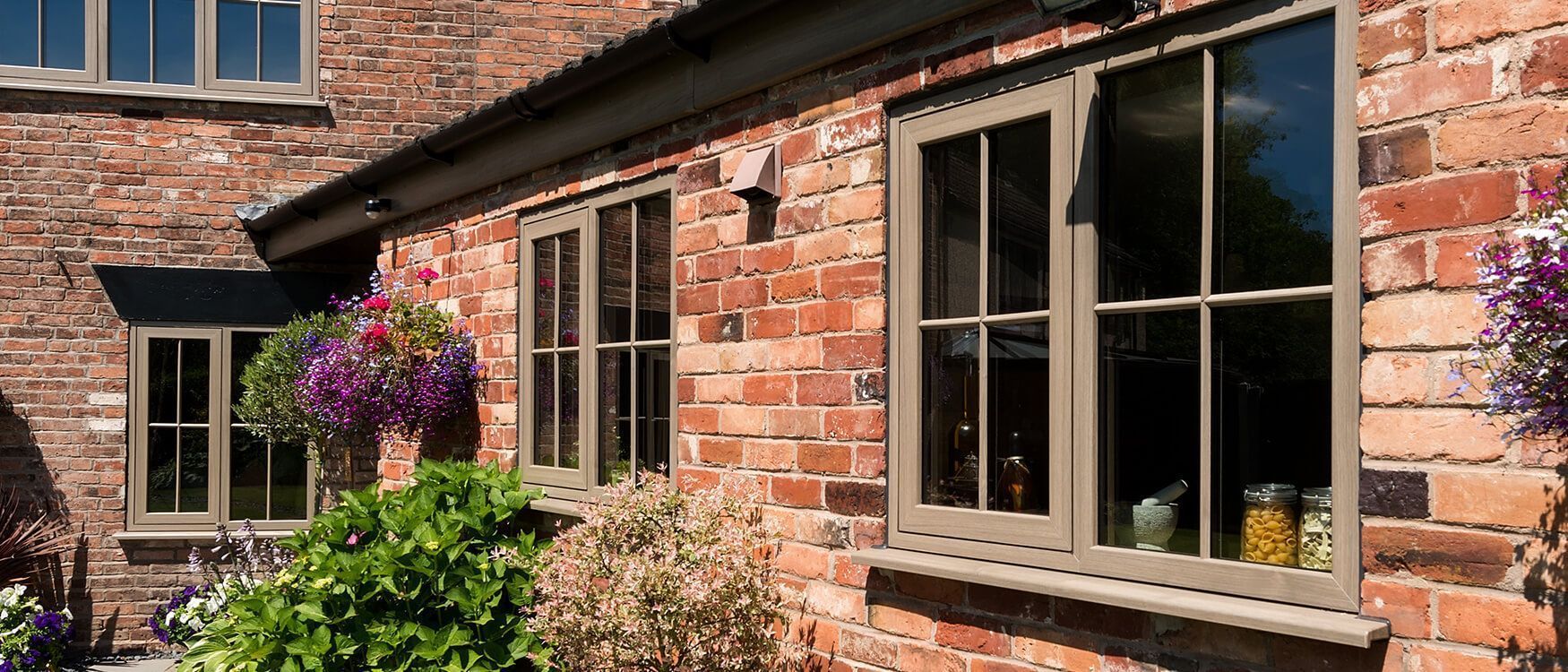
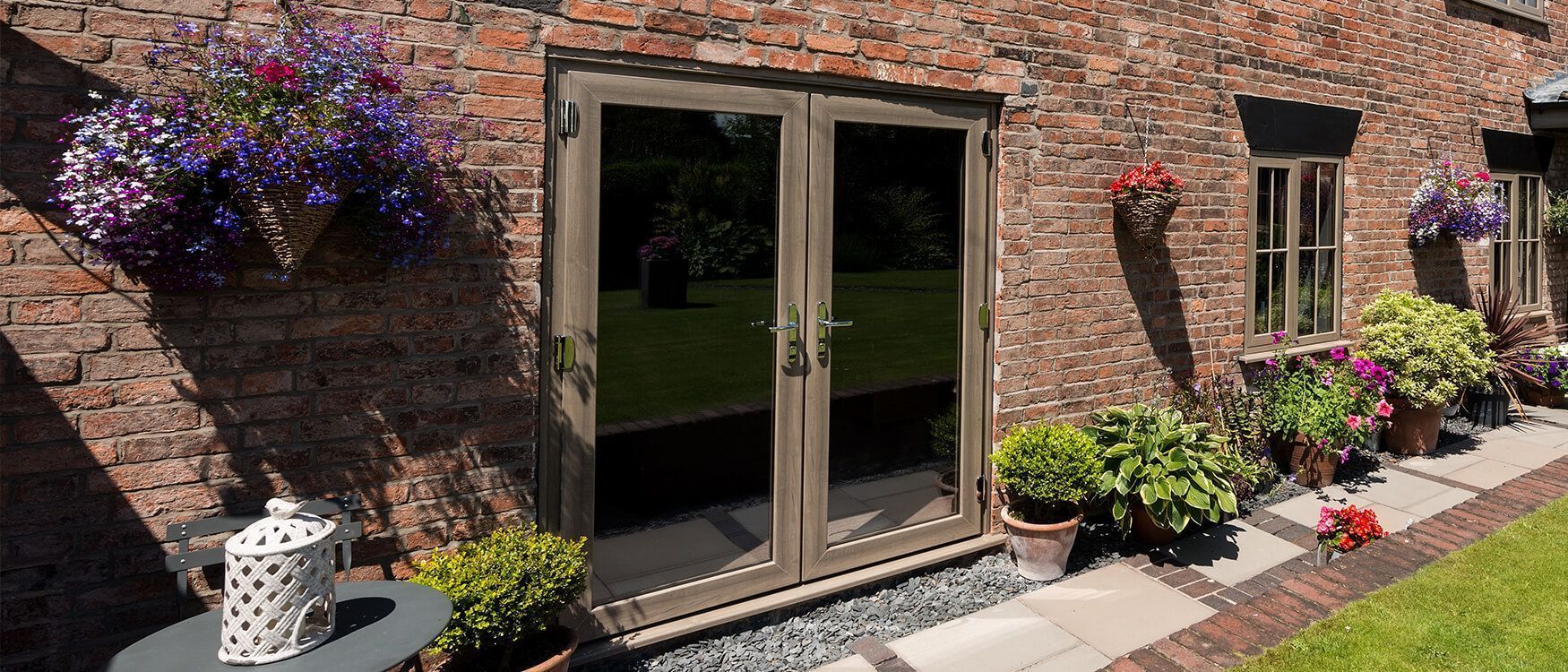
Irish oak (woodgrain effect)
Rosewood (woodgrain effect)
Golden oak (woodgrain effect
Light oak (woodgrain effect)
Heritage and period colours
For Victorian, Edwardian, and stone properties where white would look wrong.
Chartwell green
Sage
Cream
Agate grey
Quartz grey
Dark red
Slate
Dual colour
Different colours inside and outside. Anthracite grey outside and white inside is the most-requested combination. Popular on contemporary homes where the exterior wants a statement and the interior wants to stay light.
RAL colours
Any RAL colour is available on the aluminium ranges and on some uPVC ranges. RAL is the European colour standard, and it covers thousands of shades. If you have a specific colour in mind (matching a door, a render, or an architectural scheme), we can almost certainly match it.
Finishes: smooth, woodgrain, matt
The finish is as important as the colour.
Smooth
A clean, painted finish. Suits modern and contemporary homes. White, anthracite, and black are most commonly specified smooth.
Woodgrain effect
A textured finish that convincingly replicates painted or stained timber. Essential on flush sash windows for period properties. The quality of the woodgrain effect has improved dramatically in the last decade and the better ranges are now genuinely hard to distinguish from timber at a glance.
Textured matt
A flat, non-reflective finish popular on premium aluminium ranges. Resists fingerprints, hides minor wear, and gives a contemporary look.
Gloss
High-shine finishes on aluminium, particularly on deep colours and RAL shades.
Matching the finish to the property
1930s semis and post-war housing
Anthracite grey or white is the default. Irish oak woodgrain is popular if the original timber look is wanted back.
Victorian and Edwardian terraces
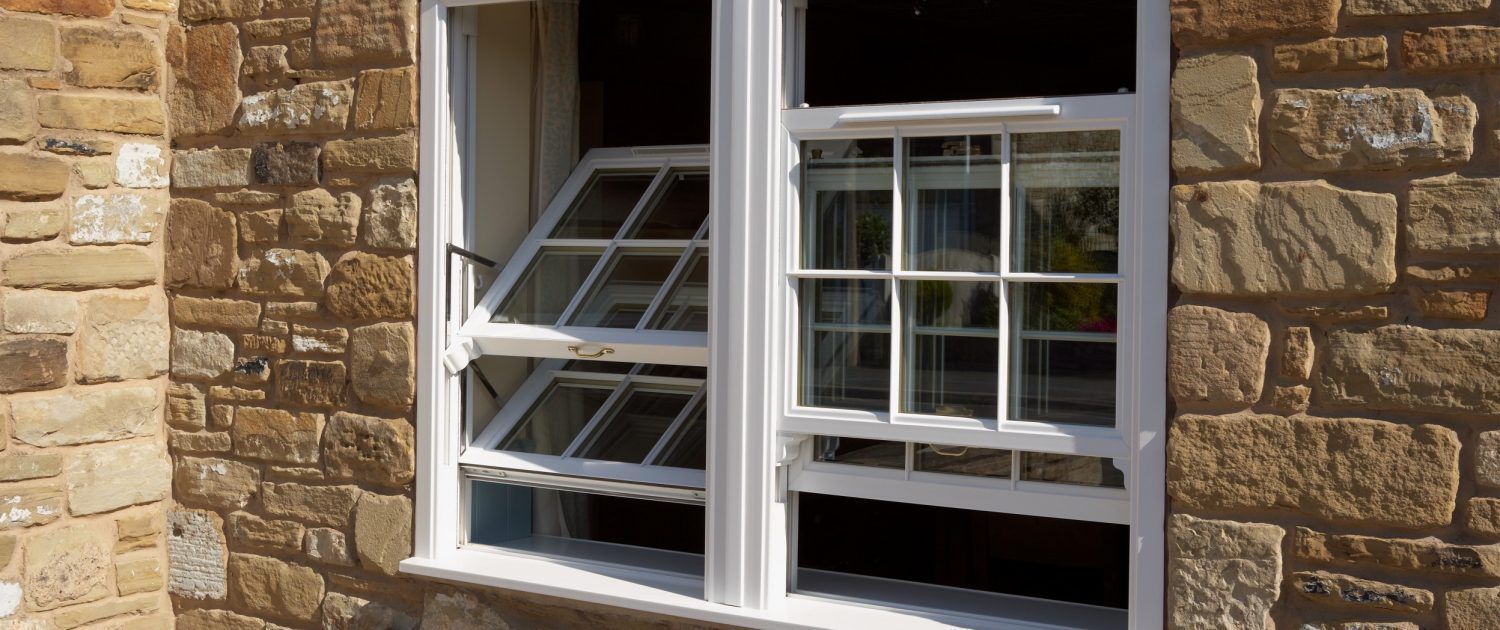
Heritage colours: chartwell green, sage, cream, or rosewood on flush sash or sliding sash profiles. White uPVC usually looks wrong on these buildings.
Multi-chamber profiles
The frame and slab are built around multi-chamber uPVC profiles, which trap still air inside the door for insulation and rigidity.
Stone cottages and Pennine villages
Heritage or woodgrain finishes. The wall material is usually the star, so the frames should sit back quietly: dark grey, black, woodgrain greens or browns.
Contemporary new-builds
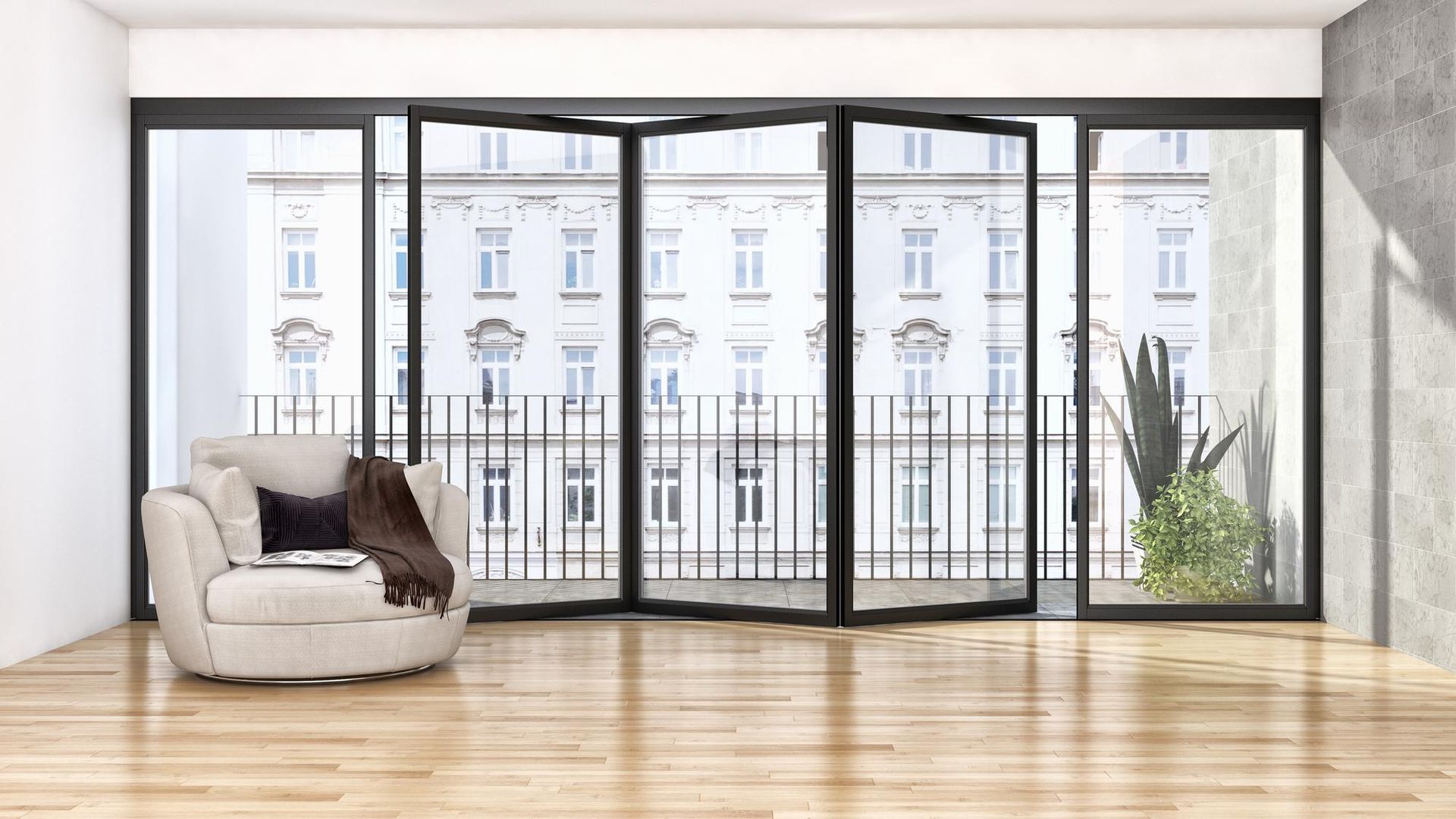
Anthracite grey smooth, black, or a statement RAL colour on aluminium. Slimmer sightlines, bigger glass, bolder choices.
Listed buildings
Planning rules often dictate colour and finish. Timber may be the only option, and where uPVC is allowed, heritage colours are typically required.
Does colour cost more?
Slightly, yes. Coloured uPVC frames have a foil applied during manufacture, which costs more than bare white. RAL colours on aluminium are an upgrade over standard powder-coat finishes.
The difference isn’t huge and it’s usually worth it. A good colour choice transforms the look of a replacement job more than most other decisions you’ll make. A bad colour choice haunts the property for 25 years.
Will the colour fade?
On a quality uPVC woodgrain or colour foil, fading is minimal over 20 to 30 years. On quality powder-coated aluminium, it’s practically zero.
Cheap coloured uPVC can fade or discolour in as little as 10 years, particularly on south-facing elevations. This is why the range matters. We only fit products from manufacturers with a track record of colour retention.
Colour and finish FAQs
Can I change the colour later?
No, the colour is bonded into the frame at manufacture. Repainting uPVC is possible but rarely worth the time or cost.
Can the inside and outside be different colours?
Yes. Dual-colour frames are common now, particularly anthracite outside and white inside.
Will coloured frames fade in the sun?
Quality ranges don’t. Cheap ranges can. We only fit products from manufacturers who guarantee their colour foils and powder coatings.
How do I know what colour suits my property?
Come to the showroom with photos of your property and we’ll talk through options. You can see the colours in daylight rather than on a printed card.
Are woodgrain finishes convincing?
On the better ranges, yes. From the street they’re very hard to tell apart from painted timber. Up close you can see the texture but not in a way that gives the game away.
Related pages
Casement windows
Sliding sash windows
Aluminium windows
Flush sash casement
Come and see the colours in daylight
Printed colour swatches lie. Screen colours lie worse. Come to the Normanton showroom and see the actual frames in actual daylight.