Garden rooms vs single-storey extensions: what's the difference?
Garden rooms and single-storey extensions sound similar on paper, but there are important differences. Let's compare them.
There are many ways to make the most out of your home. Many involve maximising the space you have, whether through renovations, upgrades, furniture or decorations.
There may come a time, however, when making the most out of your home means adding to it rather than maximising what's already there.
Two great examples of this are garden rooms and single-storey extensions. Garden rooms are detached structures in the garden, whereas single-storey extensions are attached to the main house.
Although their uses vary, both garden rooms and single-storey extensions serve a similar function – they help bring the outdoors in the indoors out.
Garden rooms vs single-storey extensions
From one point of view, a garden room or single-storey extension is a standalone space that can be used for work, leisure or a mixture of the two.
From another, it's a transitional space between your home and garden. This can make the house feel bigger and close the gap between you and the passing of the seasons.
There are differences, however. Single-storey extensions are often used to extend or augment rooms within the house. They might act as an extension to the kitchen or an additional living room.
Garden rooms, by contrast, tend to act as private spaces. Like greenhouses and sheds, they're outdoor structures. But unlike these, they're often used for specific functions such as extra office space or a gym.
Garden rooms tend to be faster to build than single-storey extensions, which in some cases require significant work.
So, which is right for you? To answer that question, we first need to take a more detailed look at the similarities and differences between these two types of garden-facing structures.
What makes a garden room a garden room?
A garden room is a detached building in your garden. They can be made as standalone structures or as assemblies of movable modules.
Garden rooms are typically made from durable and insulated materials like structural insulated panels (SIPs), timber or steel frames and rubber roofs. They're often clad in cedar, larch or composite.
Most are fitted with double-glazed uPVC or aluminium-framed doors and windows, as well as plastered or timber-clad interiors.
So far, so simple. But the uses for garden rooms vary significantly. Some act as outdoor workspaces. Others are used as studies, gyms, dining areas or places to relax.
Garden rooms typically start at around £5,000. On the upper end, they can cost £50,000 or more, depending on the materials used and the level of bespoke design. That makes them a significant investment for many.
In most cases, you don't need planning permission to build a garden room. Instead, building can often be carried out under permitted development rights.
To fall under permitted development, however, it will need to:
- Be single-storey
- Be under 2.5 to 4 metres in height
- Not cover more than half the garden
Permission is required if you live in a listed building or designated area or use it as a self-contained sleeping area.
Garden rooms can be built quickly – typically a matter of days or weeks rather than months.
What makes a single-storey extension a single-storey extension?
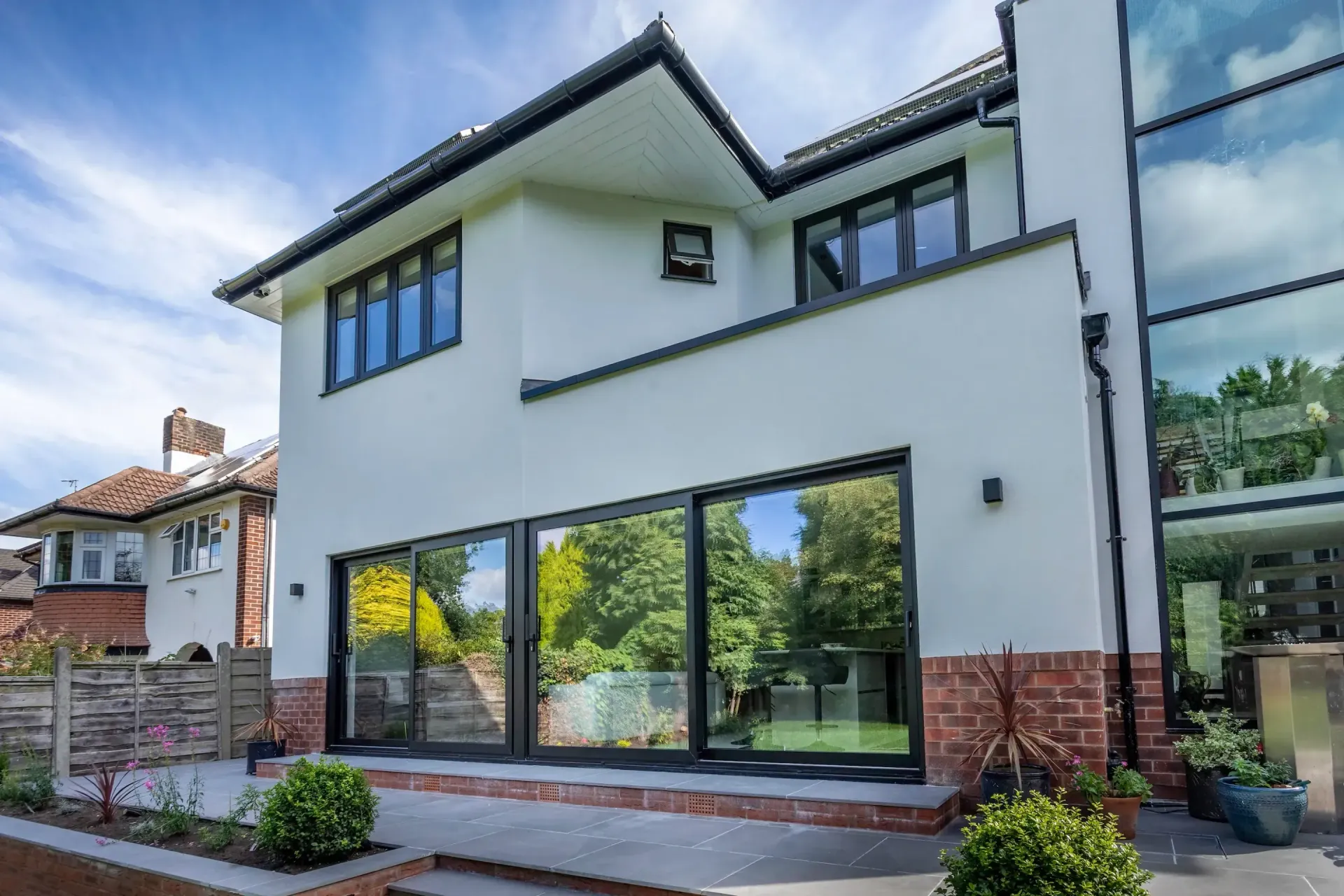
Whereas garden rooms are detached structures, single-storey extensions are attached to the existing structure.
The average cost for a new, fully-fitted extension typically falls between £10,000 and £30,000, though they can sometimes cost more.
Single-storey extensions sometimes require formal planning permission. This is often the case if:
- They're over three metres deep in a terrace or semi
- They're over four metres deep in a detached house
- They're over 4 metres in height
- They cover more than half the garden
Construction takes months rather than weeks, but the results speak for themselves. A single-storey extension makes a fine addition to any home, whether it's used for a kitchen extension, living room or connecting room.
What styles do garden rooms and single-storey extensions come in?
Both garden rooms and single-storey extensions come in a wide range of styles. It's no exaggeration to say that there's an appropriate style for every house and garden.
Garden room styles
Garden rooms tend to fall into two categories: the modern and the traditional.
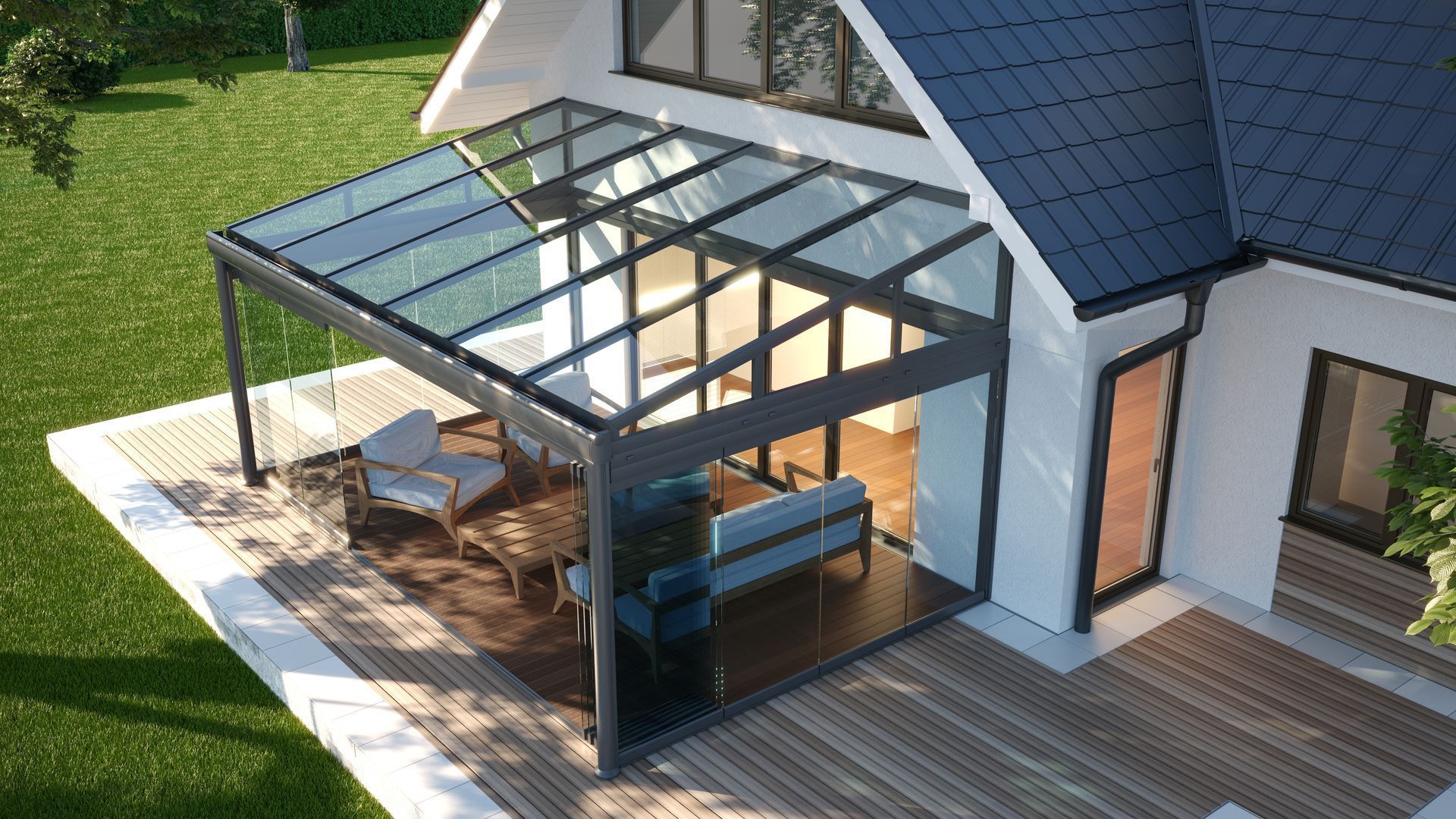
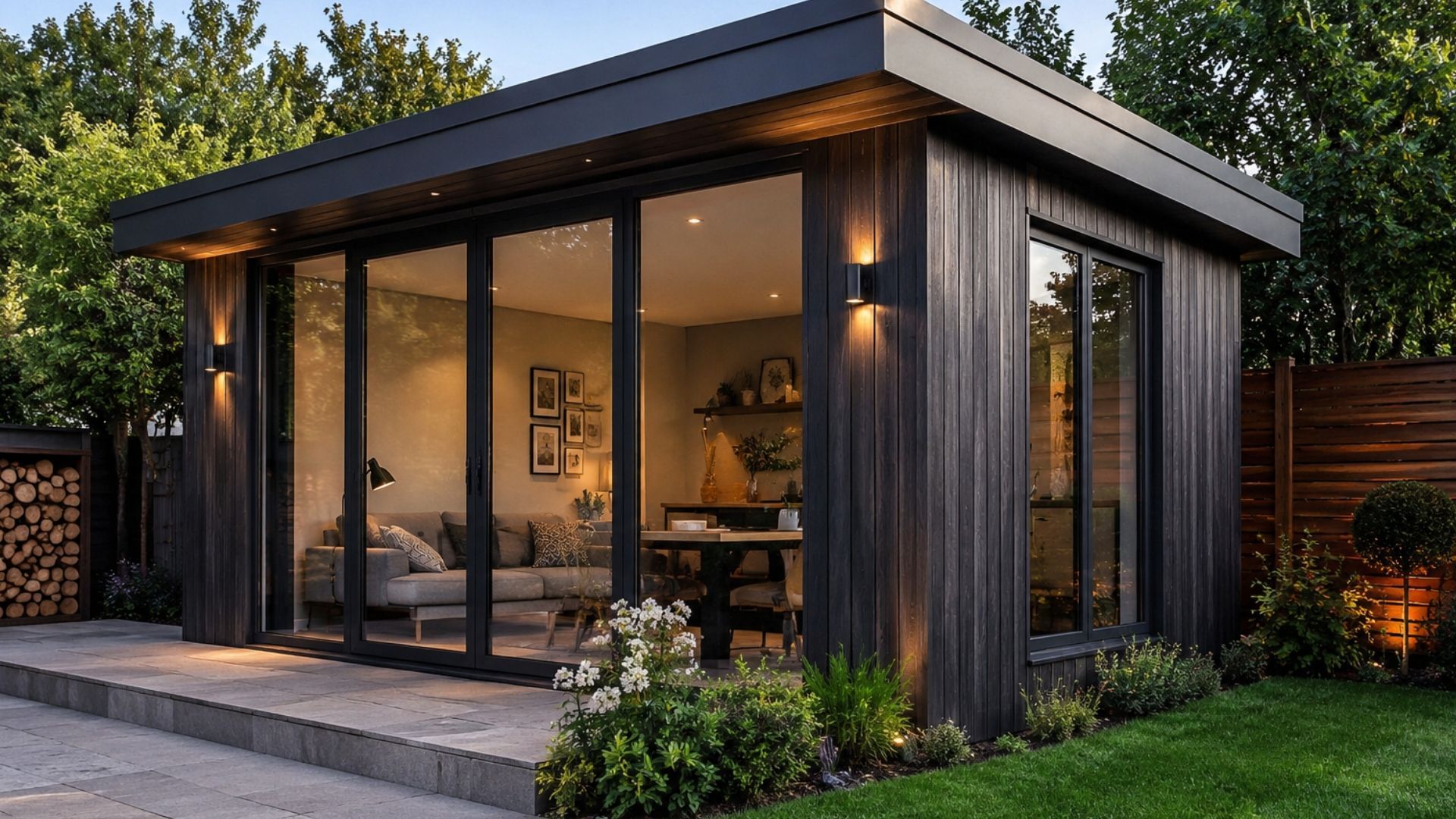
Modern styles prioritise flat roofs, large panes of glass and a minimalist aesthetic. Traditional styles, by contrast, feature pitched roofs, timber cladding and an overall classic look.
They can also be designed to fit different purposes – from rustic-style log cabins to self-contained outdoor gyms.
Single-storey extension styles
Single-storey extensions come in a wide range of styles. They also come with different roof options.
- Rear extensions extend the back of the house – the ideal choice for a homeowner wanting an open-plan kitchen or dining area.
- Side extensions use narrow alleyways at the side of terraced or semi-detached houses as a way to widen the kitchen or another room.
- Wraparound extensions combine rear and side extension styles. These have an unbroken L shape and extend the house without taking over the garden.
- Lean-to extensions have a single-sloped roof that "leans" against the existing house. These are often chosen for their cost-effectiveness.
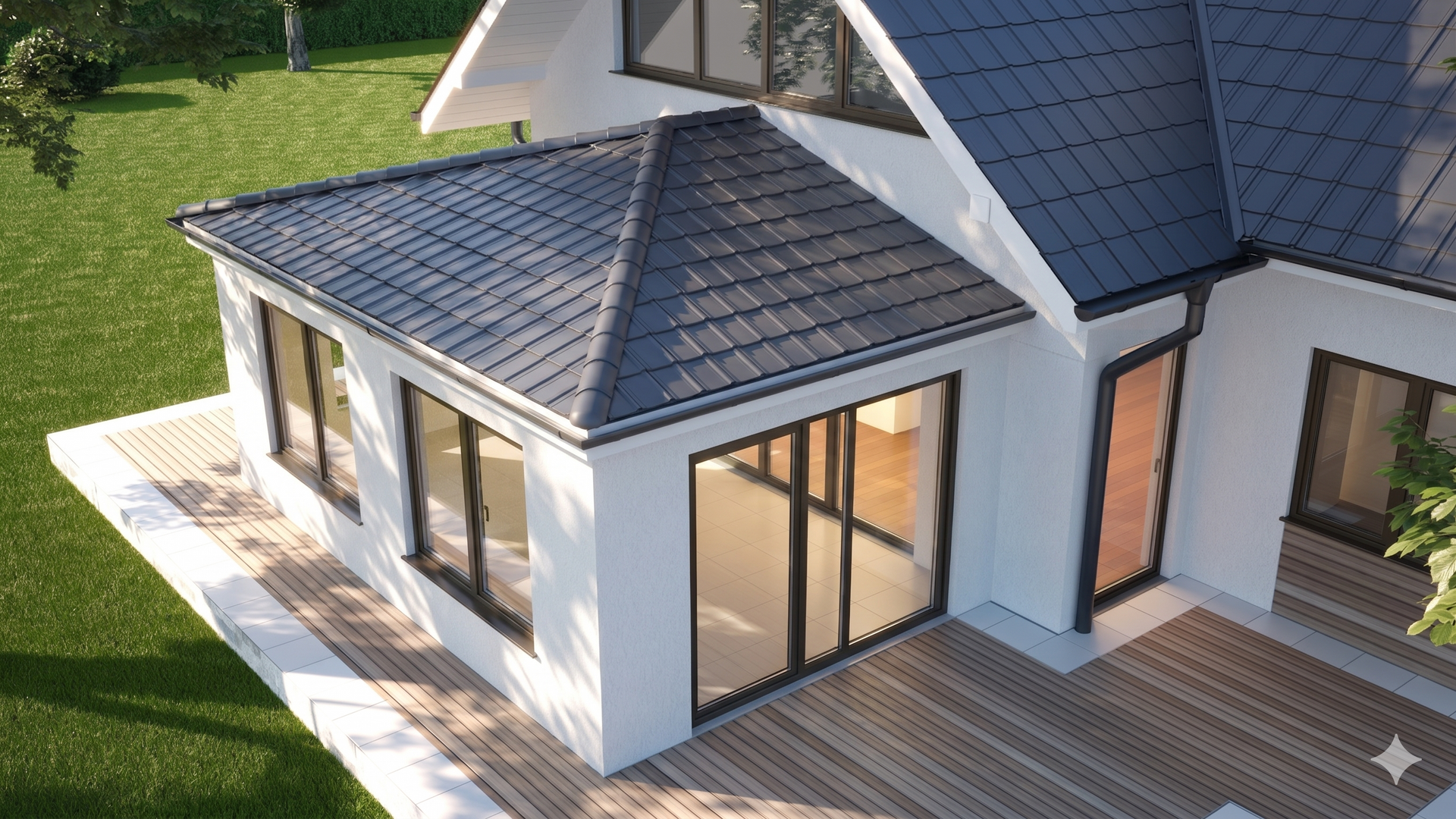
- Pitched-roof extensions lend any home a traditional aesthetic. Their sloped roofs provide homeowners with a natural drainage system and better energy efficiency than flat roofs. They also help create airy, high-ceilinged interiors.
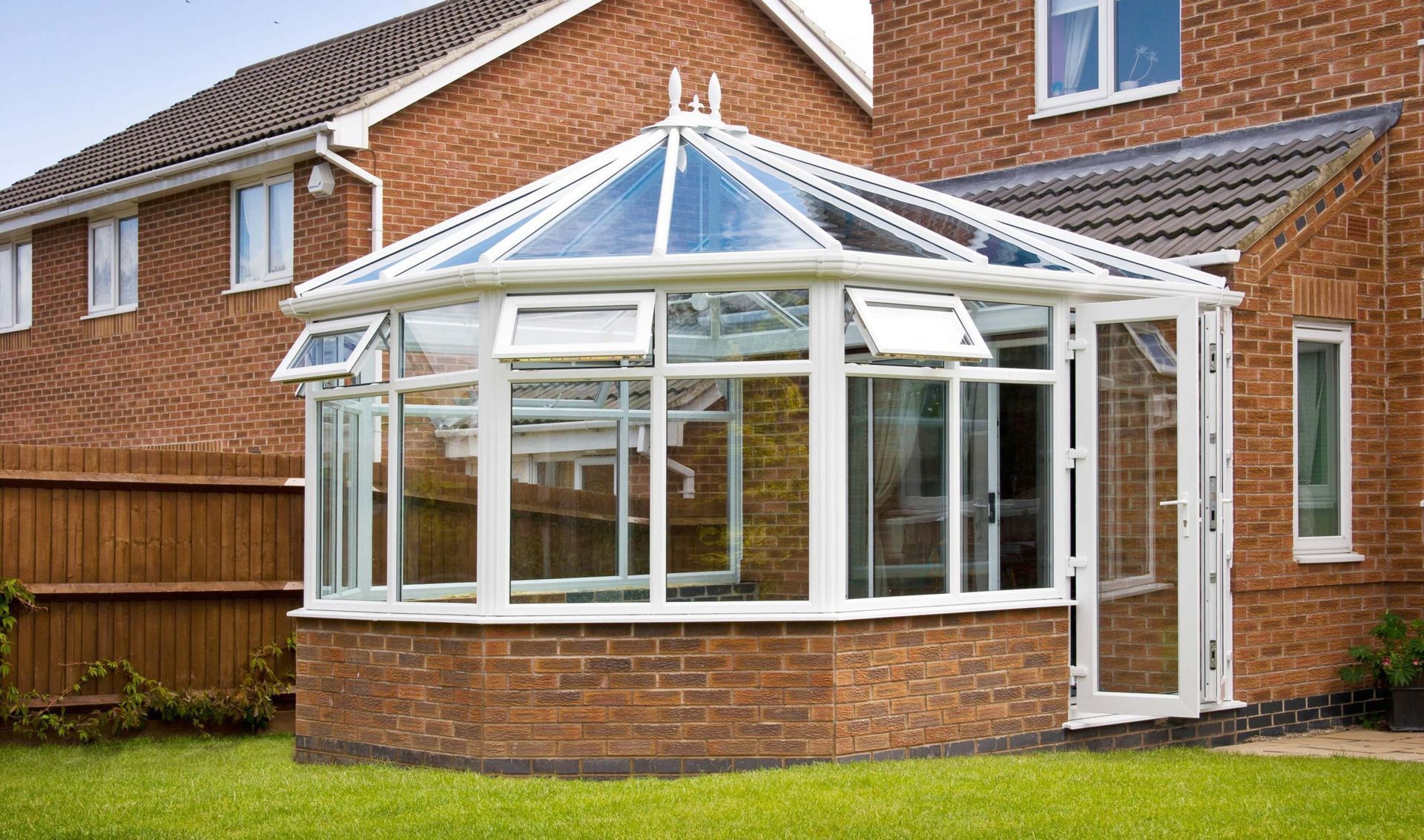
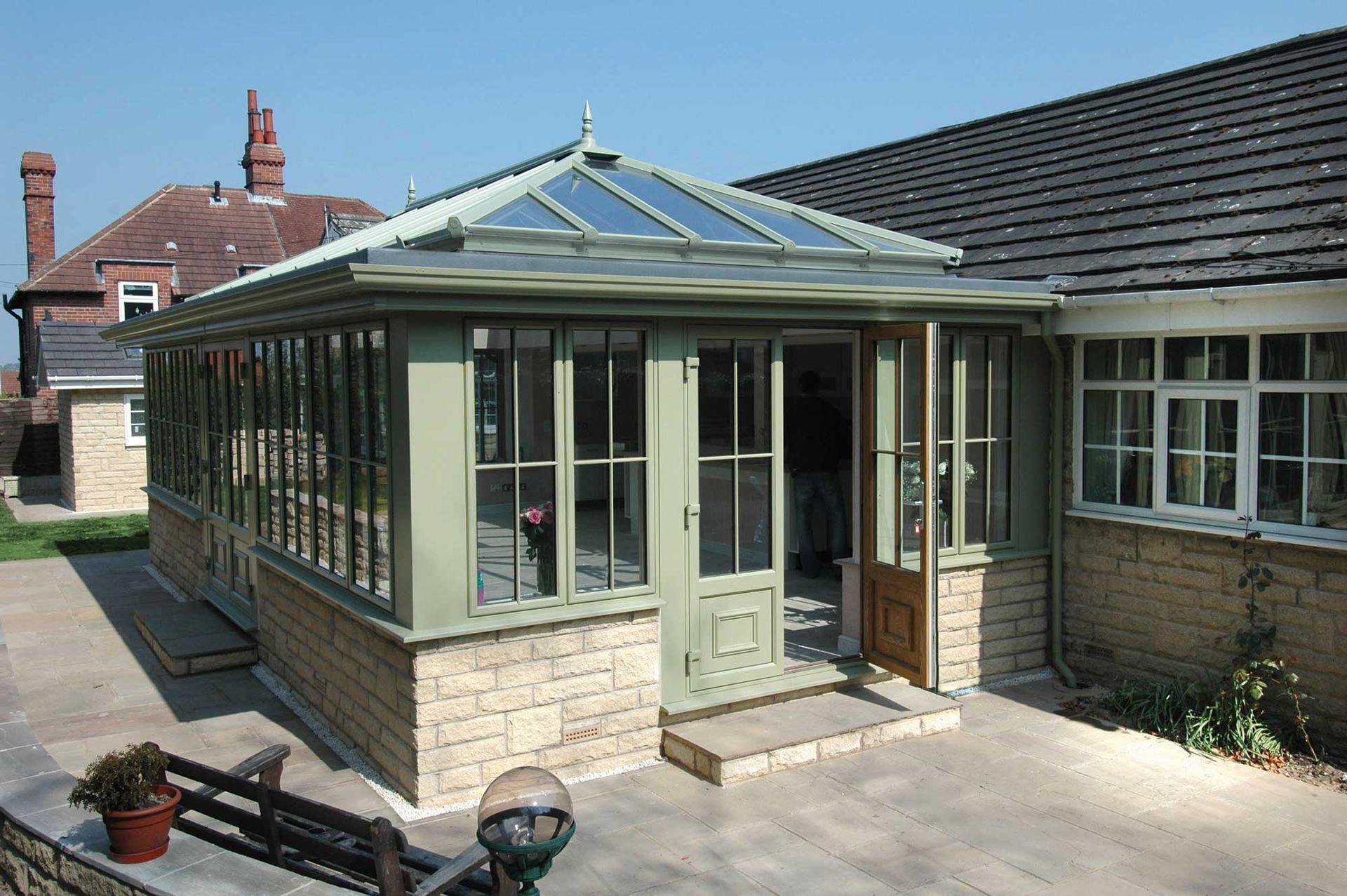
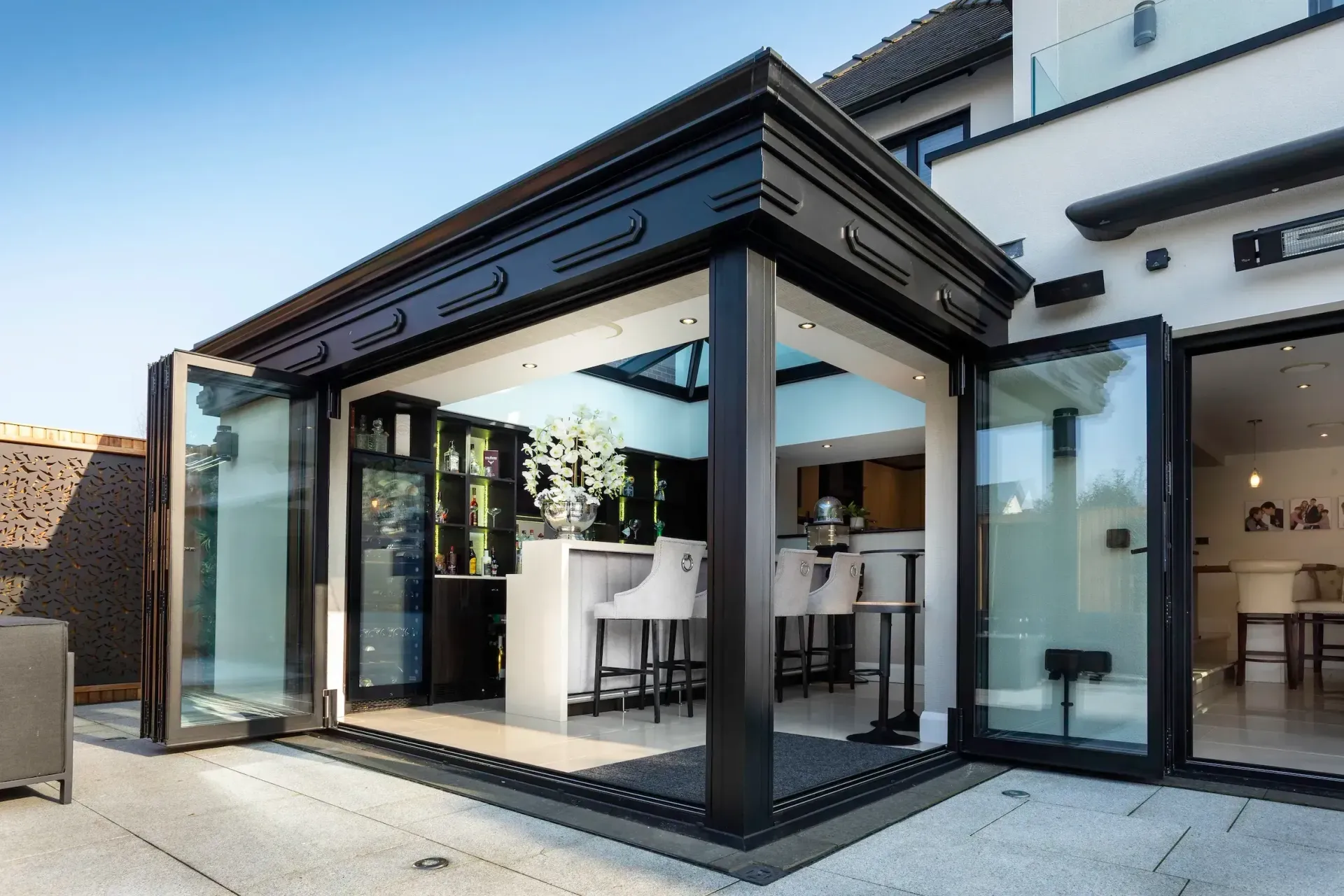
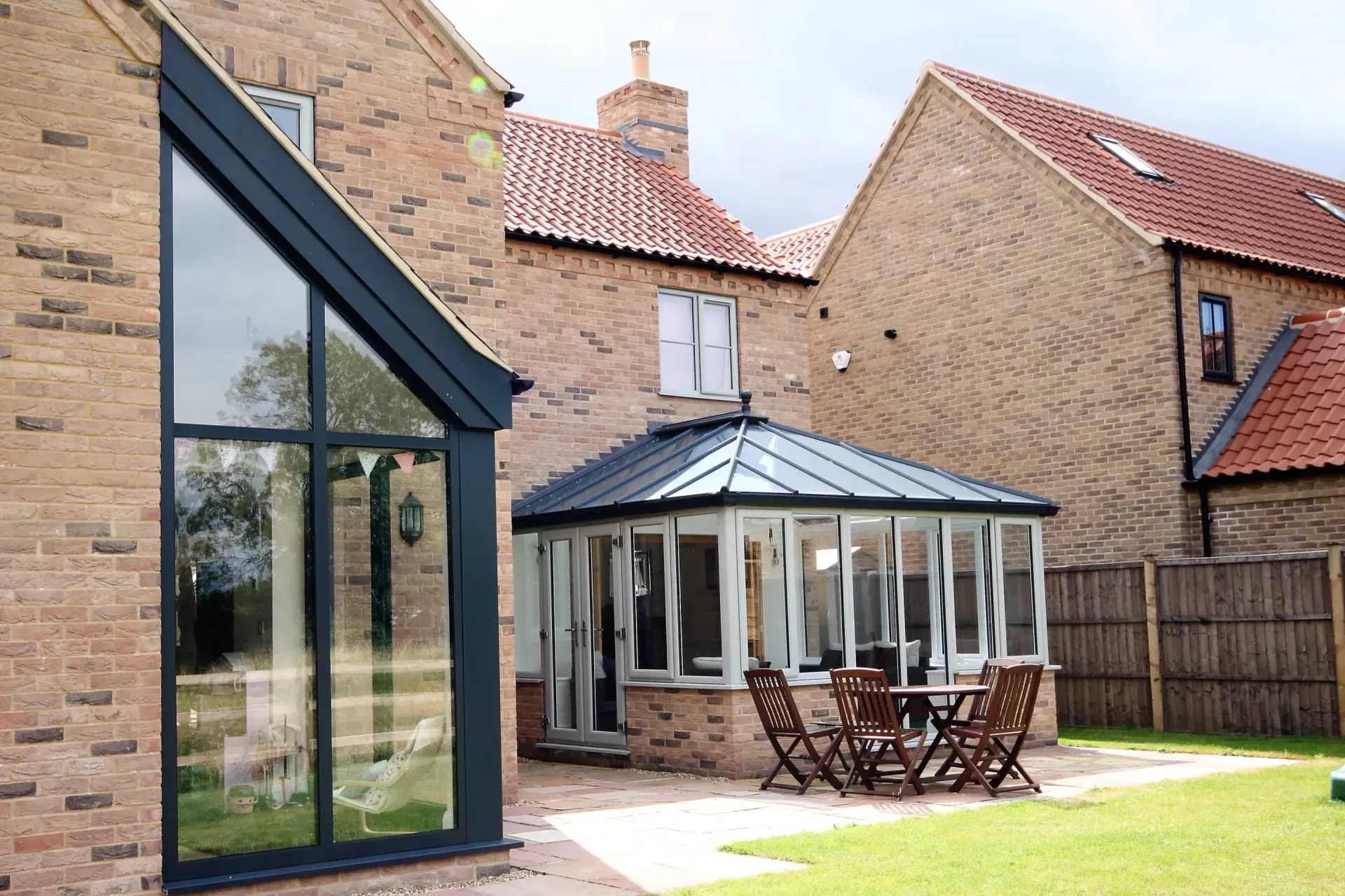
- Orangeries and sunrooms are mostly glazed and represent the point at which conservatories blend into traditional rooms. They, too, come in a range of styles – from classic to minimalistic, lantern-roofed to gable-fronted.
Garden rooms and single-storey extensions from Calder Windows
Calder Windows is a trusted home improvement company based in Normanton, West Yorkshire. We've helped local homeowners make the most of their living spaces for more than 30 years.
If you're considering a ground-floor extension, why not get in touch to arrange a no-obligation consultation? Our experts have lots of local knowledge and can provide free, honest advice on what's possible.
Recent Posts