Casement vs flush sash windows: differences and which to choose
Can't decide between casement windows and flush sash windows? Explore the differences and which to choose in our window guide.
The most enduringly popular window styles all share one quality: versatility.
Sure, some homeowners want their windows to make a quirky or bold statement. But for most people, the priority is a window that looks good and performs well.
Casement windows and flush sash windows are great examples of these versatile stalwarts. The denim jeans of the window world, they look good on everything from listed buildings to new-builds.
It's not always easy, however, to decide which kind to buy. Both do the job and look the part. But which is best for you?
There's no straightforward answer to this question. It all depends on the specific requirements of your home and the aesthetic vision you have in mind.
In this article, we explore these factors. We hope it helps you choose the right windows for your property.
What are the differences between casement windows and flush sash windows?
1. They have a different look
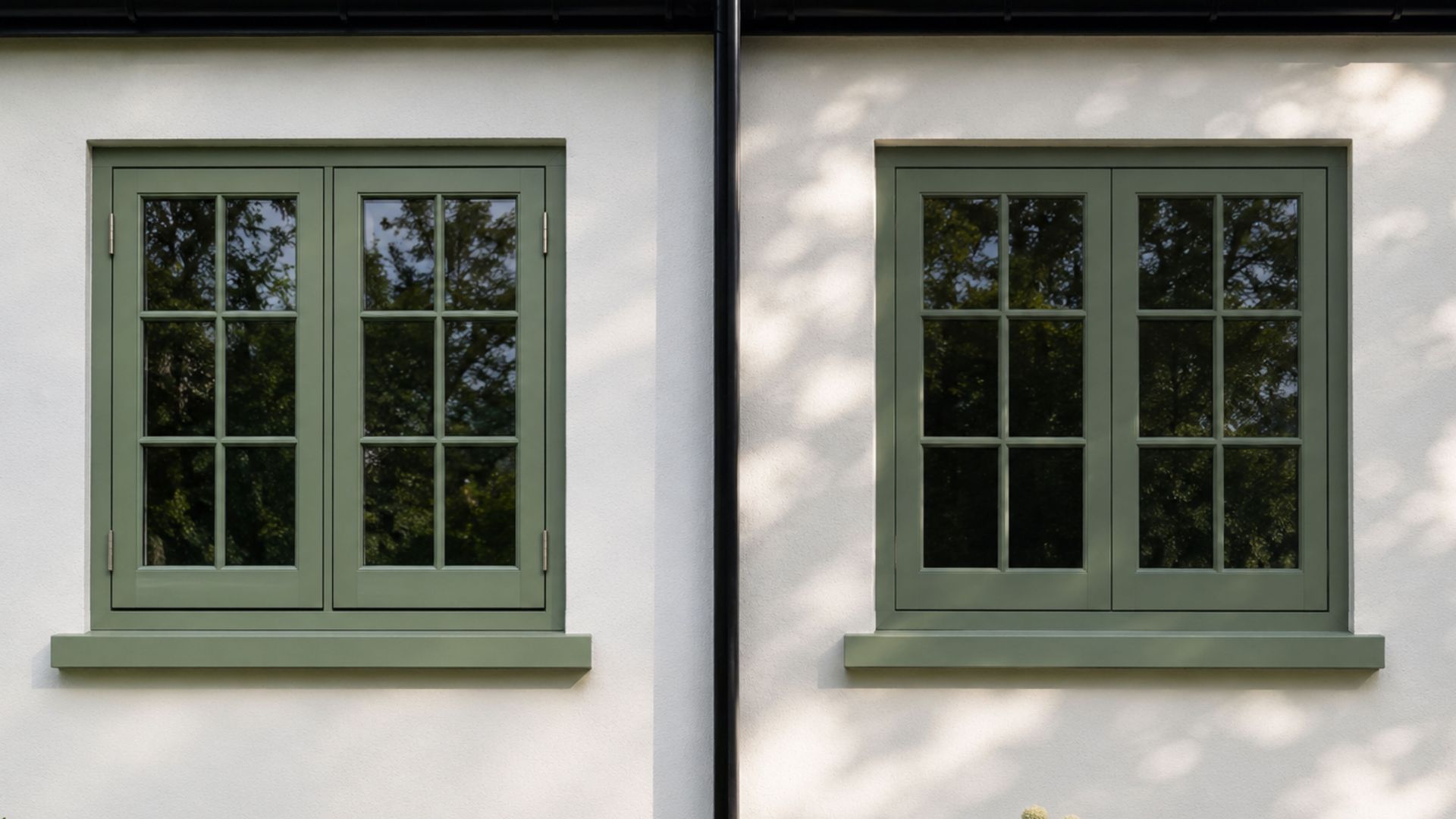
The fundamental difference between casement windows and flush sash windows is how the opening section (known as the "sash") sits within the frame.
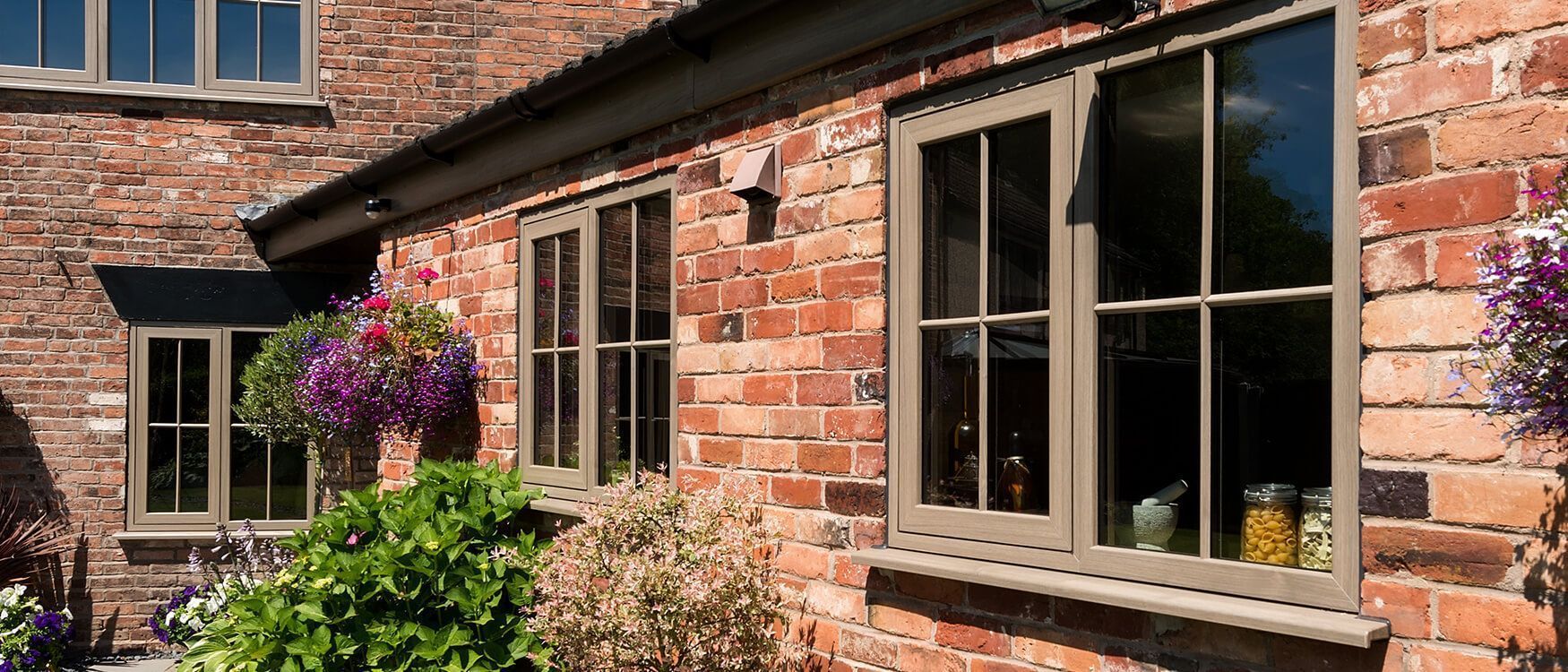
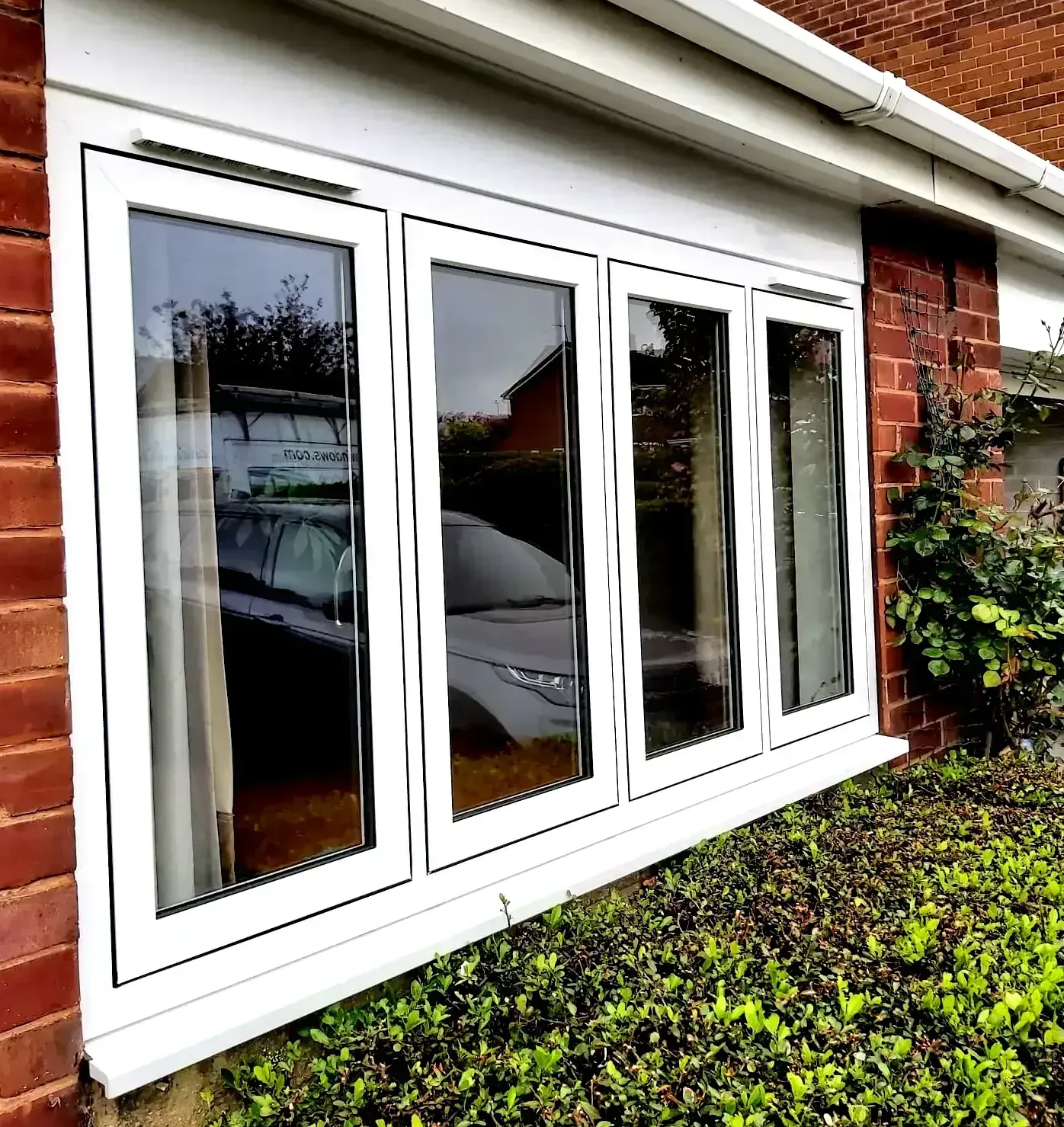
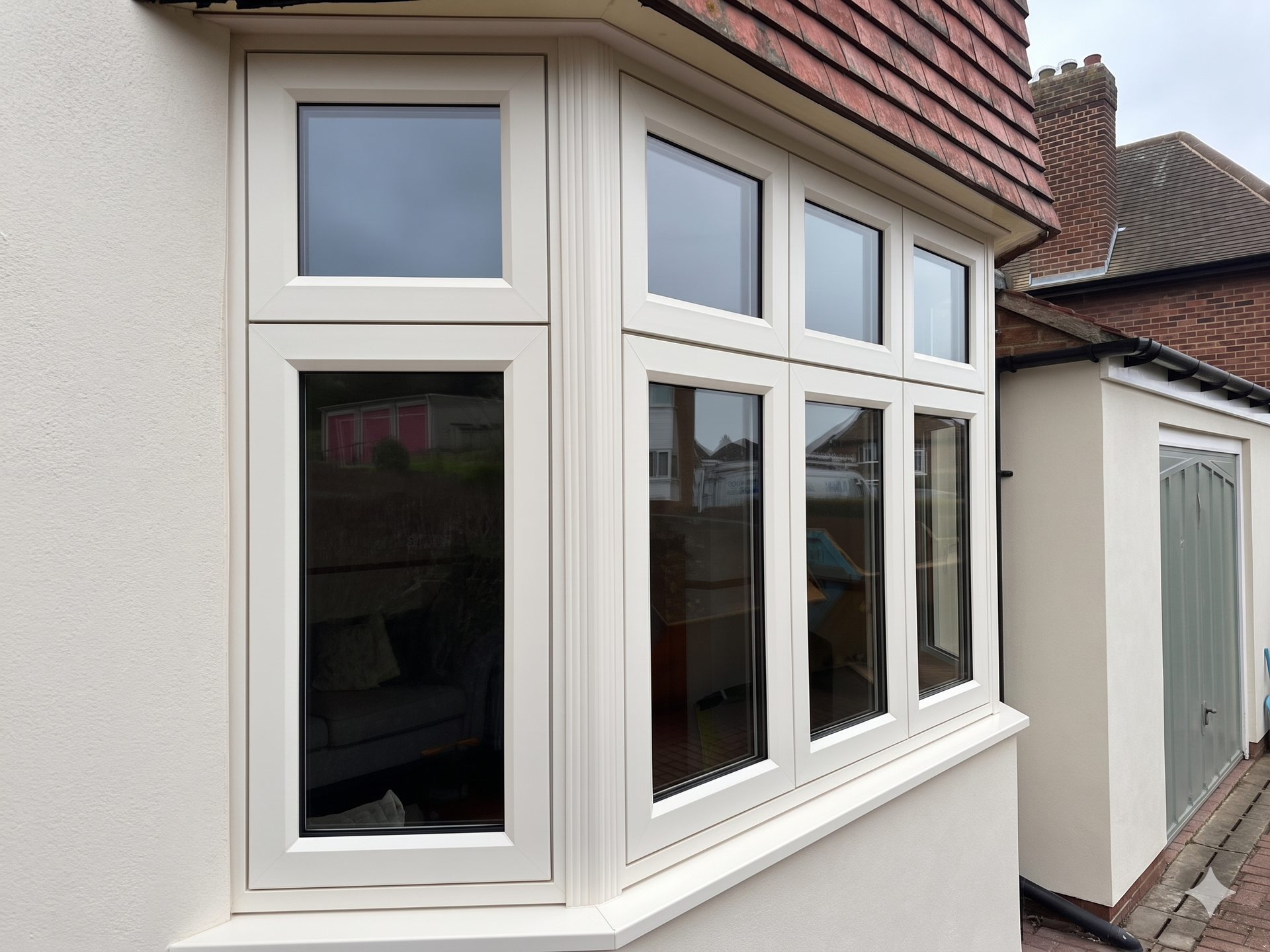
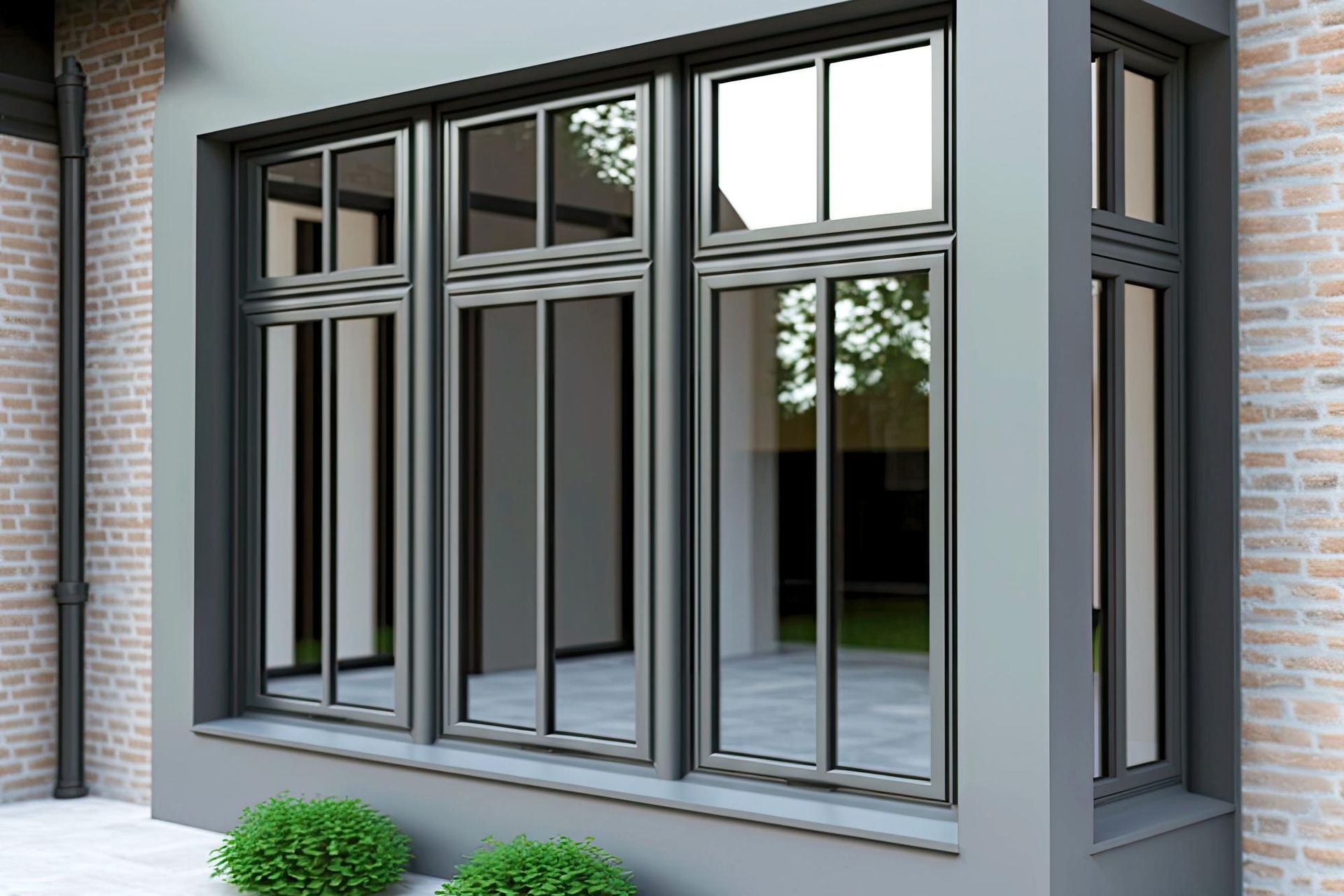
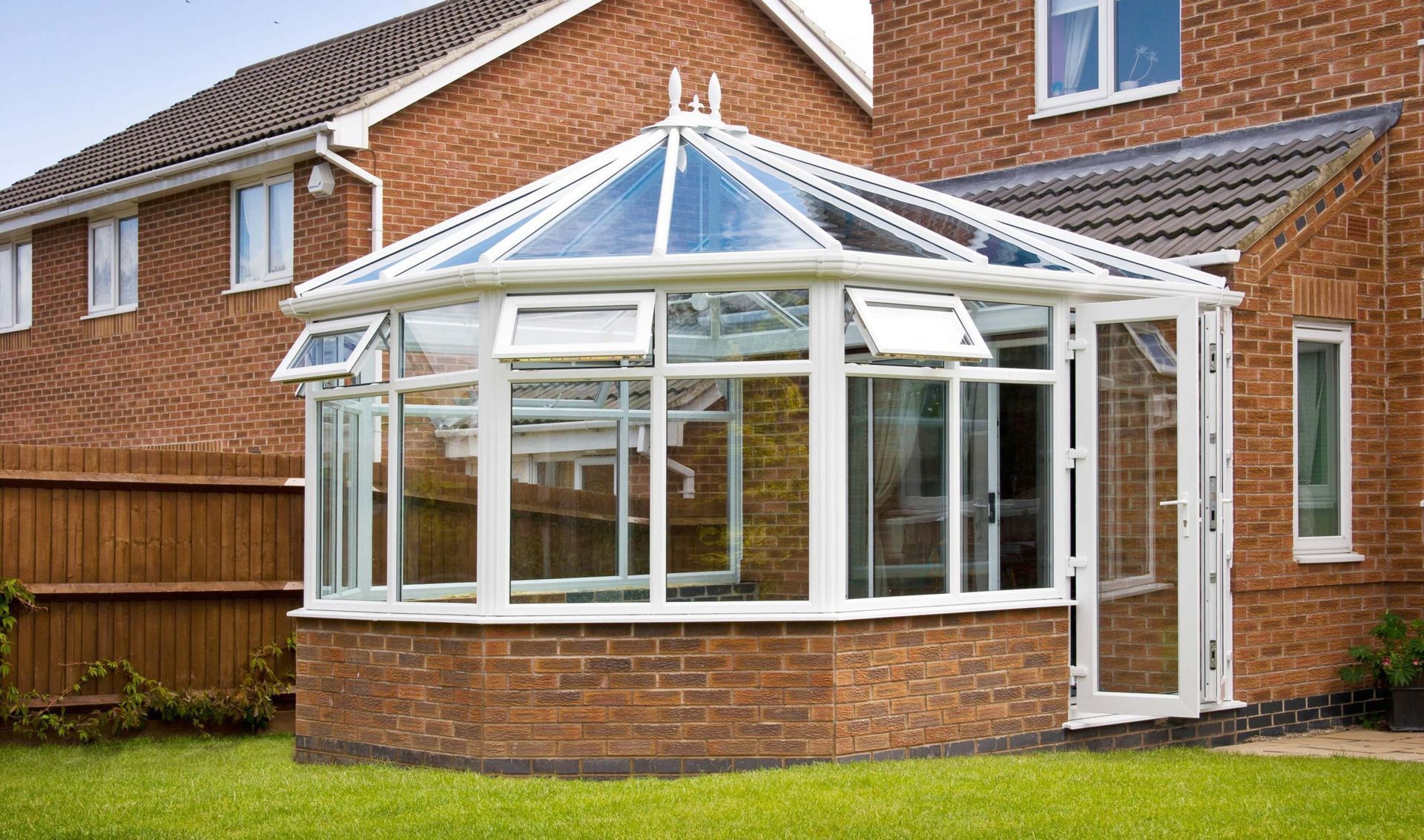
In casement windows, the sash sits proud or overlaps the frame. Flush sashes, by contrast, sit flat and level with the frame.
This simple difference has a profound effect on how these windows look. The lipped or stepped design of casement windows gives them a contoured and traditional look.
Flush casement windows have a profile that's simultaneously more modern in its sleekness and more traditional in its resemblance to classic timber. It's this versatility that makes flush sash windows popular in period properties as well as freshly finished new-builds.
2. Casement windows tend to be cheaper
In terms of cost, flush sash windows require precise engineering and tighter tolerances. Without these, the sash won't sit flush in the frame. The stringent demands of the manufacturing process often make flush sash windows more expensive than casement windows.
3. Flush sash windows are easier to maintain
Flush sash windows have sleek, unprotruding frames that collect less dirt, dust and rainwater than casement window frames.
That makes flush sash windows easier to maintain. However, many homeowners will see a bit of elbow grease as a worthwhile trade-off if it means a high-spec set of casement windows.
What are the similarities between flush sash windows and casement windows?

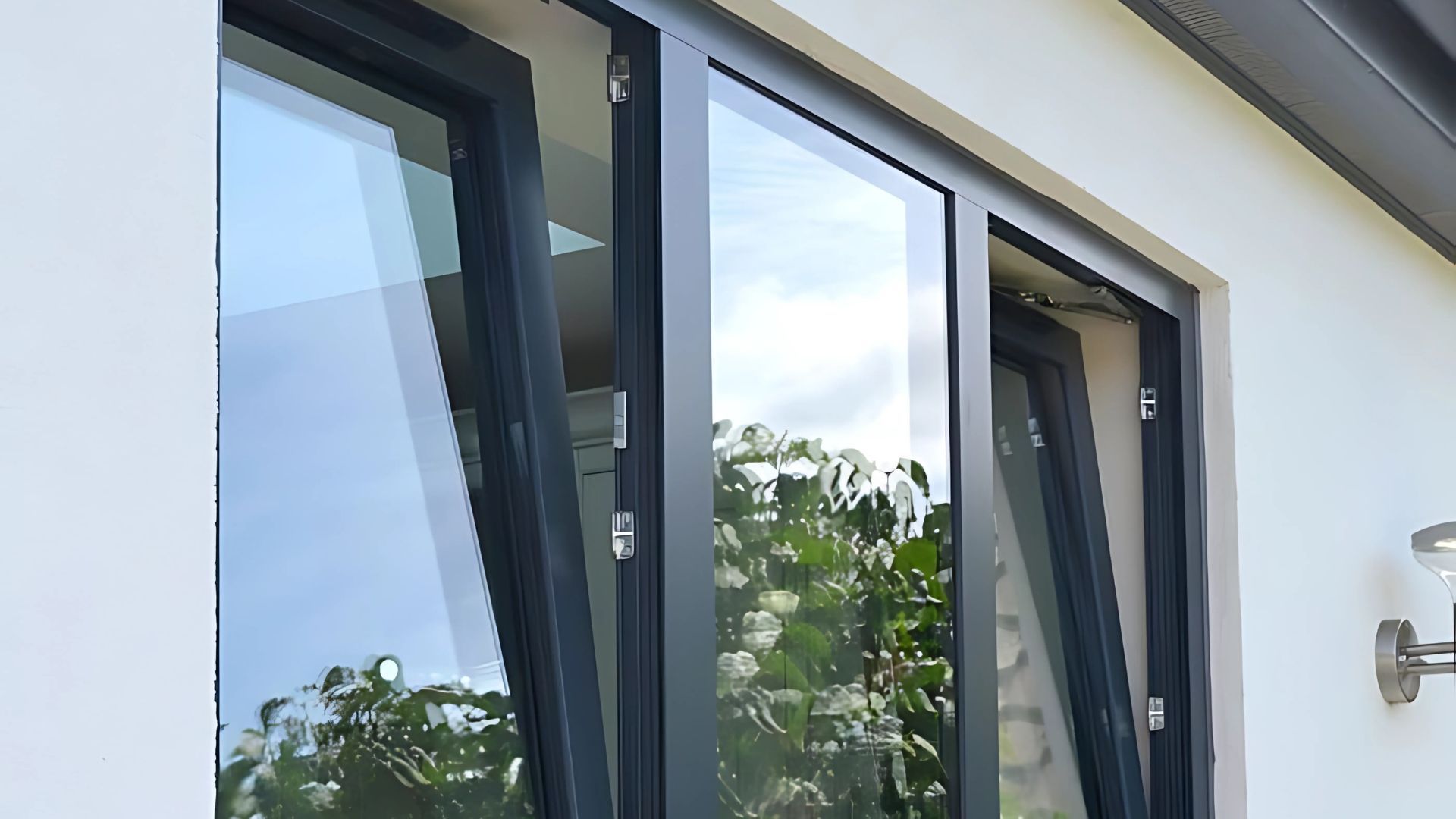
Both flush sash windows and casement windows hinge outwards, allowing for ample ventilation.
They can both be fitted with modern security safeguards such as multi-point locking, as well as modern glazing options and up-to-date energy-efficiency features.
These similarities mean that, for most people, the most compelling factors when choosing between flush sash windows and casement windows are aesthetics and cost. There are, however, some other factors to keep in mind before taking the purchase plunge.
Should I choose casement windows or flush sash windows?
As so often in home decor and design, the answer is always "it depends".
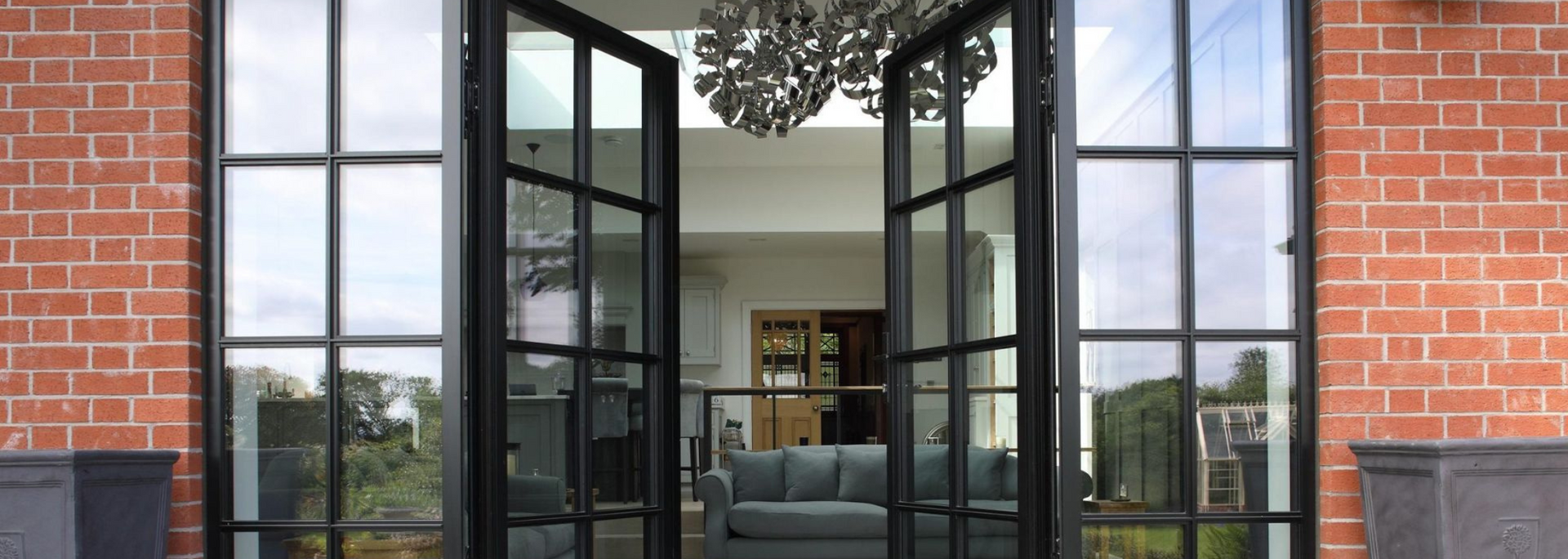
Flush sash windows have a sleek, minimalist look that makes them well-suited to ultra-modern new-builds and renovations. At the same time, their replication of traditional timber makes them ideal for period properties – especially when conservation requirements are in play.
On the downside, flush sash windows are more expensive than casement windows. That's because of the technical precision needed to make sure they sit flush and live up to their name.
Casement windows are great for weather protection, versatility and budget-friendliness. They suit most home styles and are favoured by homeowners who want cost-effectiveness as well as modern levels of performance and functionality.
Casement windows and flush sash windows: a brief history
Casement windows are often called "timeless". So, it's perhaps no surprise they've been around since the Middle Ages. In fact, they're one of the earliest examples of windows that can be opened and closed.
Back then, casement windows were made from iron frames and leaded glass. Iron gave way to wood, then steel and aluminium, then uPVC – the frame material of choice for today's high-performance casement windows.
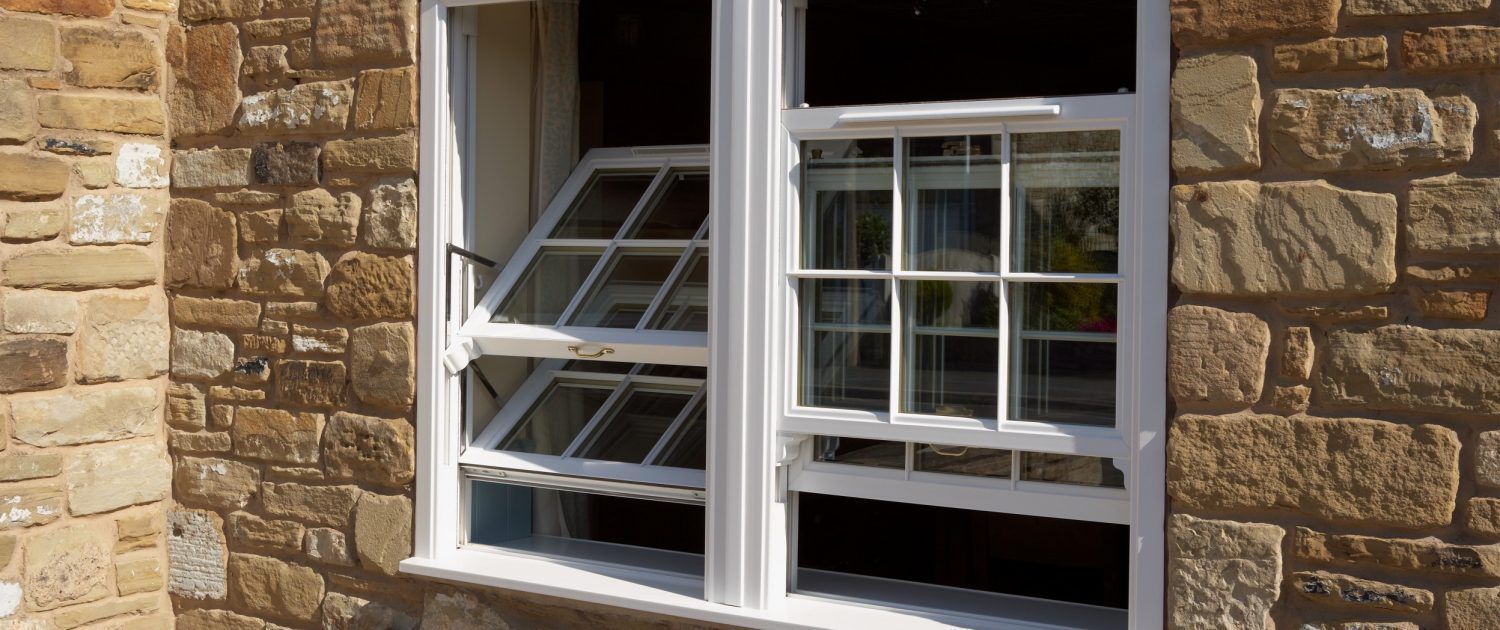
Flush sash windows are a more recent invention. The earliest examples are from the 18th century, when they were made from timber by carpenters. Like casement windows, timber gave way to steel, aluminium and uPVC. They were especially popular in cottages, farms and period properties.
What kind of glazing should I get?

Windows aren't just for opening and closing – nor are they just for aesthetics. They also have a very real impact on your home's energy efficiency.
It's worth paying attention to energy efficiency, not only for the environmental impact but also to limit how much you spend on energy bills.
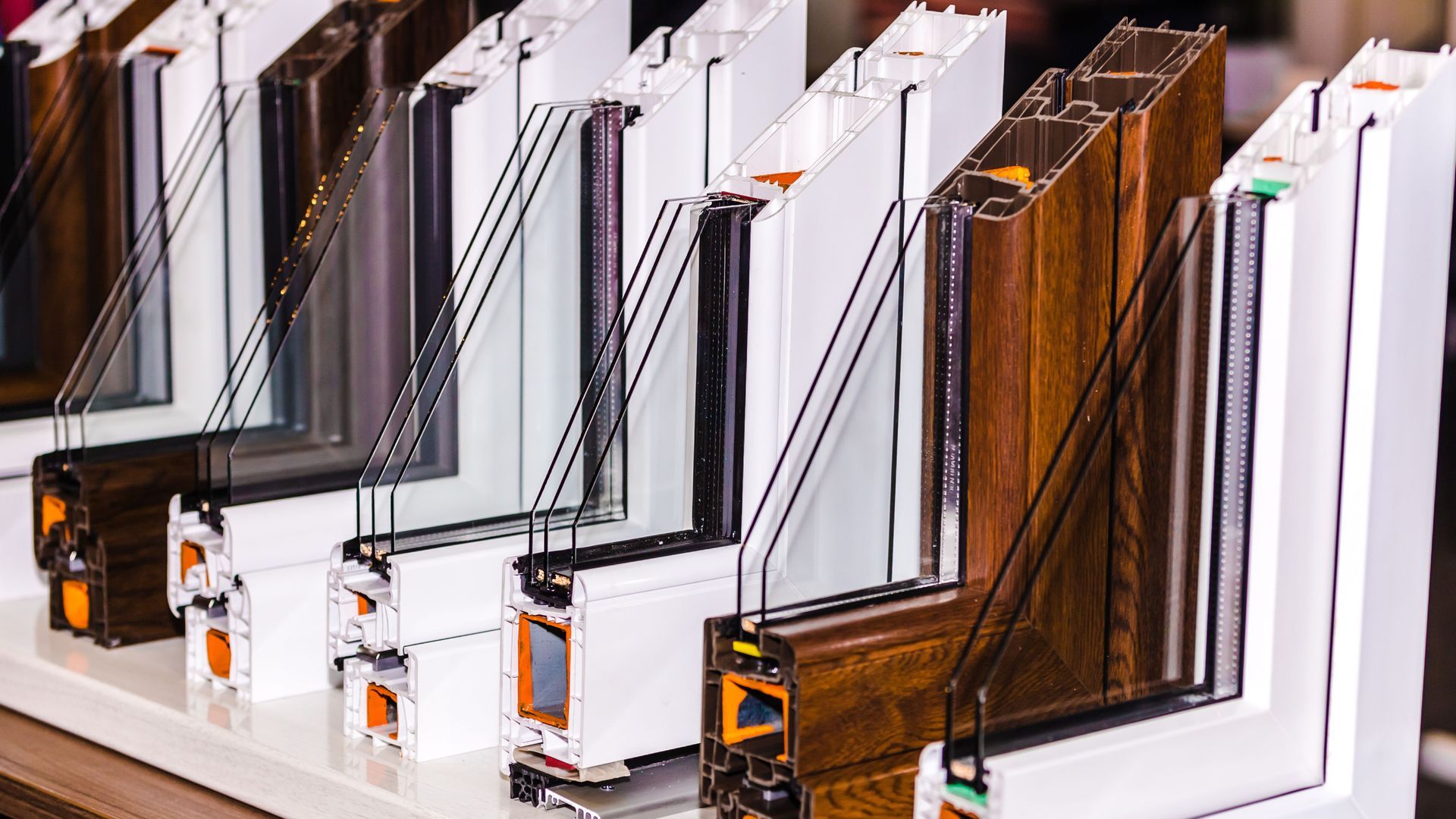
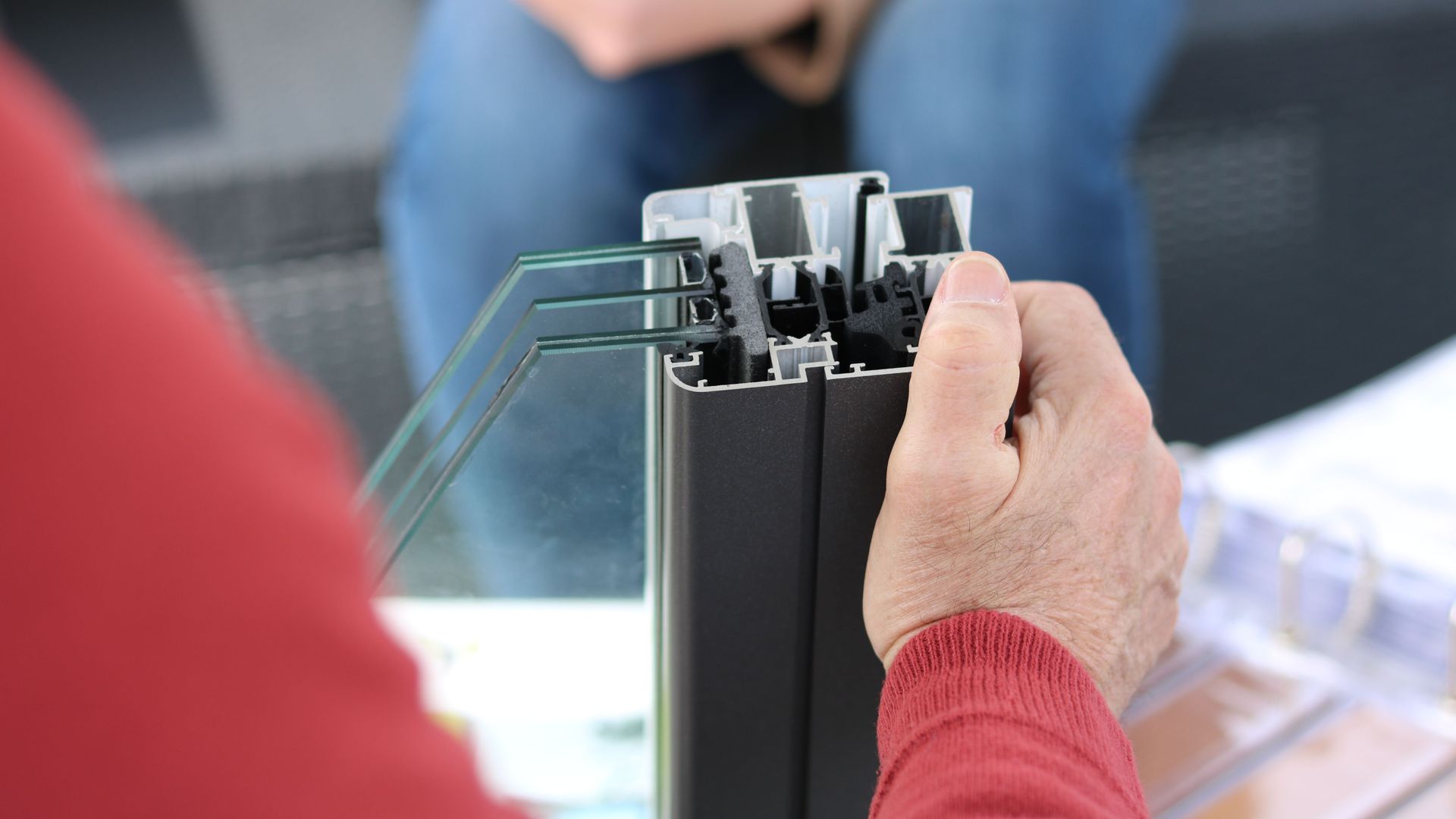
For this reason, we highly recommend fitting casement or flush sash windows with double or triple glazing. This is far better at reducing heat loss than old-school single-glazed panes.
For added security, you could consider getting toughened or laminated glass windows. And if privacy is a concern, you could get windows with etched or stained glass.
It's worth noting, however, that security is about the frame as much as the glass. The windows we stock here at Calder Windows are fitted with multi-point locking as standard.
How we can help
Here at Calder Windows, we stock all the main kinds of windows. This includes casement windows and flush sash windows.
Our uPVC casement windows have simple hinged sashes that offer ample ventilation. They're easy to clean and look good in pretty much any kind of home – from period properties to new-builds.
Our flush sash windows, meanwhile, provide the aesthetic appeal of a traditional timber casement window without rot or heavy maintenance requirements. The sash sits flush with the frame for a classic period look.
So, if you're in Yorkshire and want to invest in some long-lasting, high-performing new windows, don't hesitate to get in touch. We'd be delighted to help you choose the right style for your home.
Recent Posts