Energy bills rising again? The case for triple glazing in 2026
Triple-glazed windows can help reduce energy bills. But by how much – and are they the right choice for your home?
The energy bill forecast for winter 2026 isn't looking good. The Guardian reports that they're "expected to climb to a three-year high this winter as the impact of the Middle East war wipes out Andy Burnham's tax cut on electricity bills".
There are several things you can do to help tackle these price hikes, from lowering your thermostat and boiler-flow temperature to undertaking extensive draughtproofing work.
But how about triple glazing? Could this be the change your home needs to reduce energy bills?
Well, triple glazing isn't for everyone. It's typically more expensive than double glazing (except through us – more on that later), and it doesn't always deliver short-term savings.
But in many situations, triple glazing can save you money over time. And there's another compelling reason to look into an upgrade: the fact that triple glazing can increase the overall comfort of your home.
Interested? Let's take a closer look.
Triple vs double glazing: what's the difference?
Double glazing is a window that uses two panes of glass separated by a spacer bar and an insulating layer. This layer contains trapped air or an inert gas like argon.
This design creates a thermal barrier that slows down heat transfer. The result? A warmer home in winter, lower energy bills and reduced outside noise.
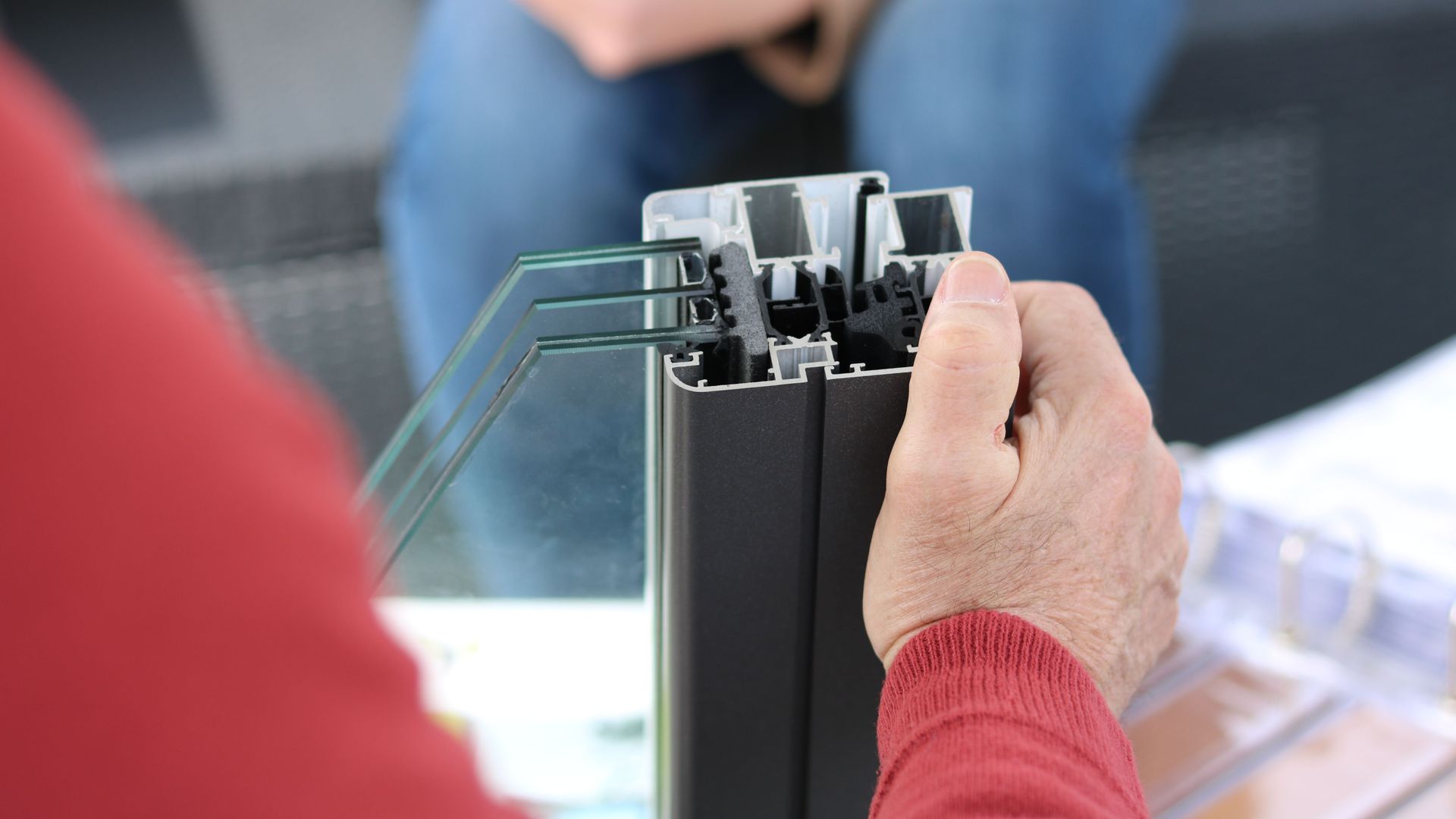
Triple glazing, as the name suggests, is double glazing with a third pane of glass and an additional insulating gap.
So, what does this mean in practice? How is triple glazing different from double glazing?
The main differentiator – and benefit – of triple glazing is the lower level of heat loss. The extra cavity adds more resistance to heat flowing out of the home.
Because of this, the inner pane stays warmer. This can reduce condensation and make a room feel more comfortable near the window. You'll enjoy this increased comfort even if the thermostat is set to the same temperature as a room with double glazing.
Triple glazing also offers superior soundproofing. This can be invaluable if you live near an airport, main road or other noisy area (or if you make noise yourself!)
Triple-glazed windows are heavier than double-glazed units. And due to the manufacturing and installation needs, they're usually more expensive, too.
How much can triple glazing save you on energy bills in the UK?

At Calder Windows, we're firm believers in the benefits of triple glazing. But that doesn't mean we're interested in overselling the savings you could make on energy bills.
It's hard to give precise figures without knowing your home's size, existing heating systems and insulation levels.
But as a rough ballpark, a well-insulated three-bedroom semi could stand to save between £20 and £50 yearly by upgrading from double to triple glazing.
The savings made from upgrading single glazing to double glazing are far more significant. The Energy Saving Trust estimates savings of around £140 a year for a semi-detached home shifting from single to double.
Going from single glazing to triple glazing would be even better. A quick calculation tell us you could expect savings of £160 to £190 each year.
But if your current windows are A-rated double glazing, you shouldn't expect triple glazing to make a big dent in your bills. You can, however, expect increased comfort.
The comfort benefit no one talks about
Triple glazing is often marketed on financial grounds. But it has comfort benefits, too – ones that can benefit future buyers as well as current owners.
The internal glass in a triple-glazed window unit is warmer than a double-glazed equivalent. That means less cold radiation from the window, fewer cold spots and less internal condensation.
Essentially, triple glazing acts as a superior barrier – against heat loss, against condensation and against outside noise.
Not all triple glazing offers superior noise reduction to double glazing. It all depends on the glass specification. But if you're looking to noise-proof your home, triple glazing is often a great option.
When is triple glazing NOT worth it?

Triple glazing can make a significant difference to your home's comfort and energy efficiency. But is it always worth it? The honest answer is no, not always.
If your home already has high-quality, modern double glazing that's performing well, the energy savings may be wiped out by the extra cost.
For new-builds and major renovations, however, triple glazing makes plenty of sense. If you need to install or replace windows regardless, triple glazing is the icing on the cake. You'll be setting up for years of energy-efficient living and a whole lot of cosy comfort.
Triple glazing can also be used to future-proof new-builds, guaranteeing compliance with heat pump systems.
Moreover, it can be a wise idea if your home is especially cold or exposed. This explains its popularity in Scandinavia and parts of Scotland that are vulnerable to harsh, freezing winters.
And it's important to note that the quality of the window matters. Simply counting the panes won't ensure a meaningful improvement. You need to make sure the triple glazing has good-quality frames, spacer bars, gas fills and even installation.
At the end of the day, the main benefit of triple glazing is that it makes your home warmer, quieter and more comfortable. Energy bill savings are a bonus rather than a key incentive.
Is triple glazing ever mandatory in the UK?
UK building regulations specify energy performance limits rather than the number of glass panes. That means double glazing can often meet thermal limits. Sometimes, however, triple glazing is the most practical way to achieve this.
Are you looking for energy-efficient triple-glazed windows in West Yorkshire? At Calder Windows, we've fitted high-quality windows in the region for more than 30 years. Get in touch with our team today to chat about your needs and get a free, no-obligation quote.
Recent Posts