Windows in a York conservation area: the rules explained
What are the rules surrounding conservation areas in York? Learn what you can and can't do as a York homeowner.
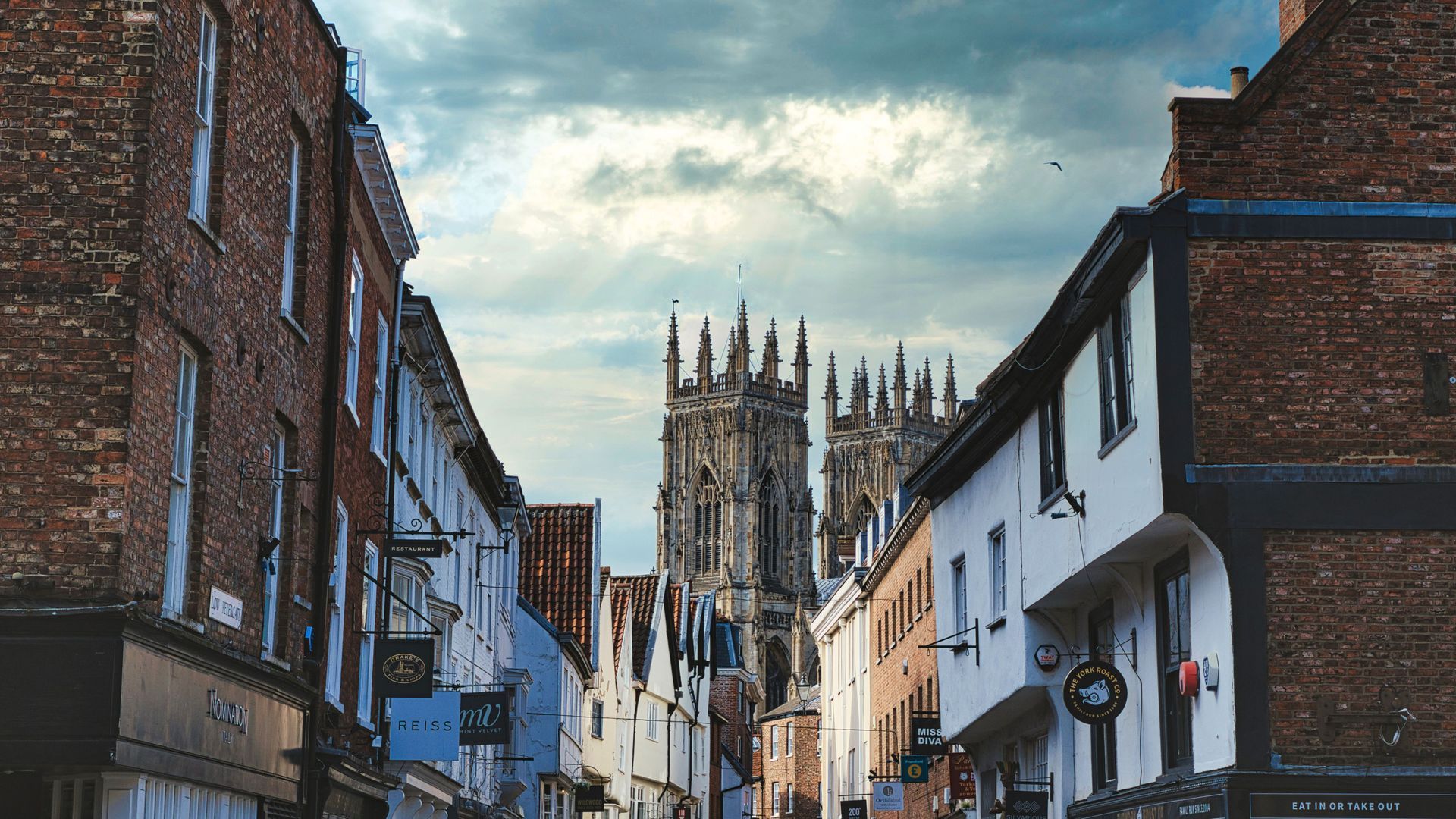
There are more than 10,000 conservation areas in England. In each, measures exist to help maintain the area's historic and architectural character and appearance.
For homeowners in these areas, this means tighter controls on building work, extensions and alterations. Changes to your home must correspond to the overall appearance of the area.
That goes for many kinds of home improvements, including windows.
After all, windows are noticeable historic markers. A homeowner may like the look of a modern window on a historic building, but there's no denying it will stand out like a sore thumb.
So, what are the rules – and how will they affect your choice of windows? Before we answer that question, let's take a closer look at York's conservation areas.
Why does York have so much conservation protection?
York is dense in conservation areas – some 35 within the City of York Council boundary.
This is down to two things:
- The city's historical significance
- The amount of visually intact historical buildings
There are the remains of Roman Eboracum and Viking Jorvik. There are the narrow medieval streets, the historic city walls and the high concentration of listed buildings.
The views around York Minster – the astonishing medieval cathedral in the heart of the city – are protected. And the possibility of future archaeological finds under the city streets also makes planning controls tighter than in other parts of the UK.
Finally, there's the fact that conservation areas are conservation
areas –
not just individual buildings. An unlisted building can still face restrictions if alterations would compromise the historic flavour of the streets.
What do conservation areas actually restrict?

Homeowners in conservation areas need permission for certain things that would otherwise fall under permitted development rights. These include:
- Demolition
- Extensions to the front and side (and some two-storey rear extensions)
- Adding dormer windows
- Raising the roof
- Outside cladding
- Some chimneys, flues and vents
- Some satellite dishes
- Some outbuildings
- Some hard landscaping and groundworks
The council can also review development plans and request changes. They might specify particular kinds of brickwork, windows, doors or other features.
Living in a conservation area also affects trees. Generally speaking, you need to notify the council before pruning or cutting down a tree.
What are Article 4 directions?
An Article 4 direction is a kind of planning rule. Councils use it to remove some permitted development rights from properties in certain areas – including conservation areas.
If your area has an Article 4 direction, it doesn't necessarily mean giving up on your planning dreams. It just means that you can't assume automatic permitted development. Even changes to windows and doors must go through the council's planning department.
What can you do and not do with windows in a York conservation area?
Many homes in York conservation areas have timber windows. This leads some homeowners to assume they must continue using them.
That isn't always the case. It depends on what your home looks like, the vintage of the windows and whether your home falls under an Article 4 direction.
The directions aim to maintain the visual character of historic areas. That means replacement windows should match the proportions, glazing pattern, opening, colour and detailing of the original windows.
Let's say you have a historic house with a timber sash or casement window. Your options are:
- To repair the existing windows
- To upgrade them (draught-proofing or secondary glazing)
- To replace them like-for-like
Replacing them is the preferred option when the windows are beyond repair.
Recent guidance also states that "like-for-like" now means identical in aesthetic rather than construction. They give the example of upgrading single-glazed panes to double or triple glazing.
Substantial changes to appearance, however, remain prohibited. You can't, for instance, swap out four panes for eight or change the frame colour – at least not without permission.
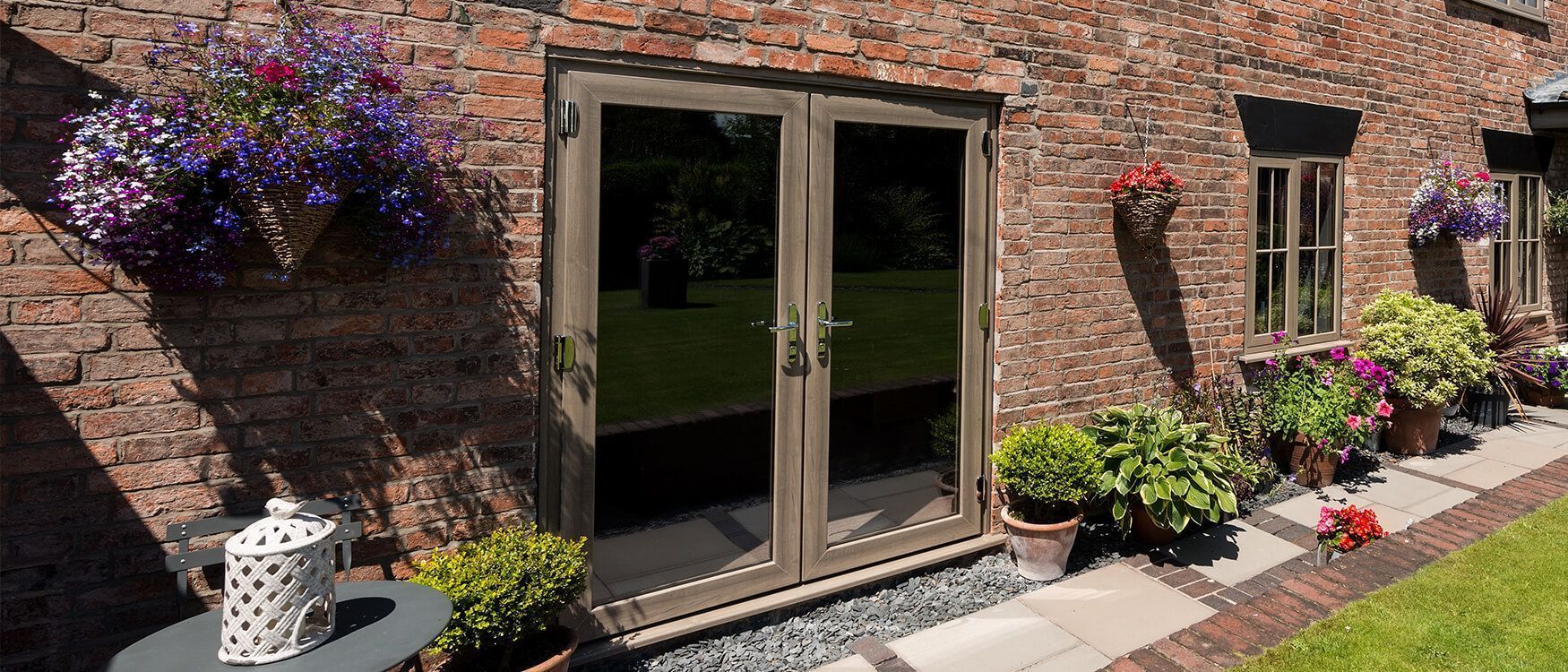
uPVC is sometimes, but not always, prohibited. If you live in a non-listed property, it's certainly an option.
If you do go for uPVC, you'll need to invest in period-style windows. Standard uPVC windows look too different from traditional timber to be permissible – and York council has rejected applications for uPVC replacements in the past.
Essentially, it depends on the historic character of your windows. If they're clearly historic, you'll probably need to reproduce their appearance closely when upgrading. If in doubt, ask the council.
Working with an installer who understands heritage rules

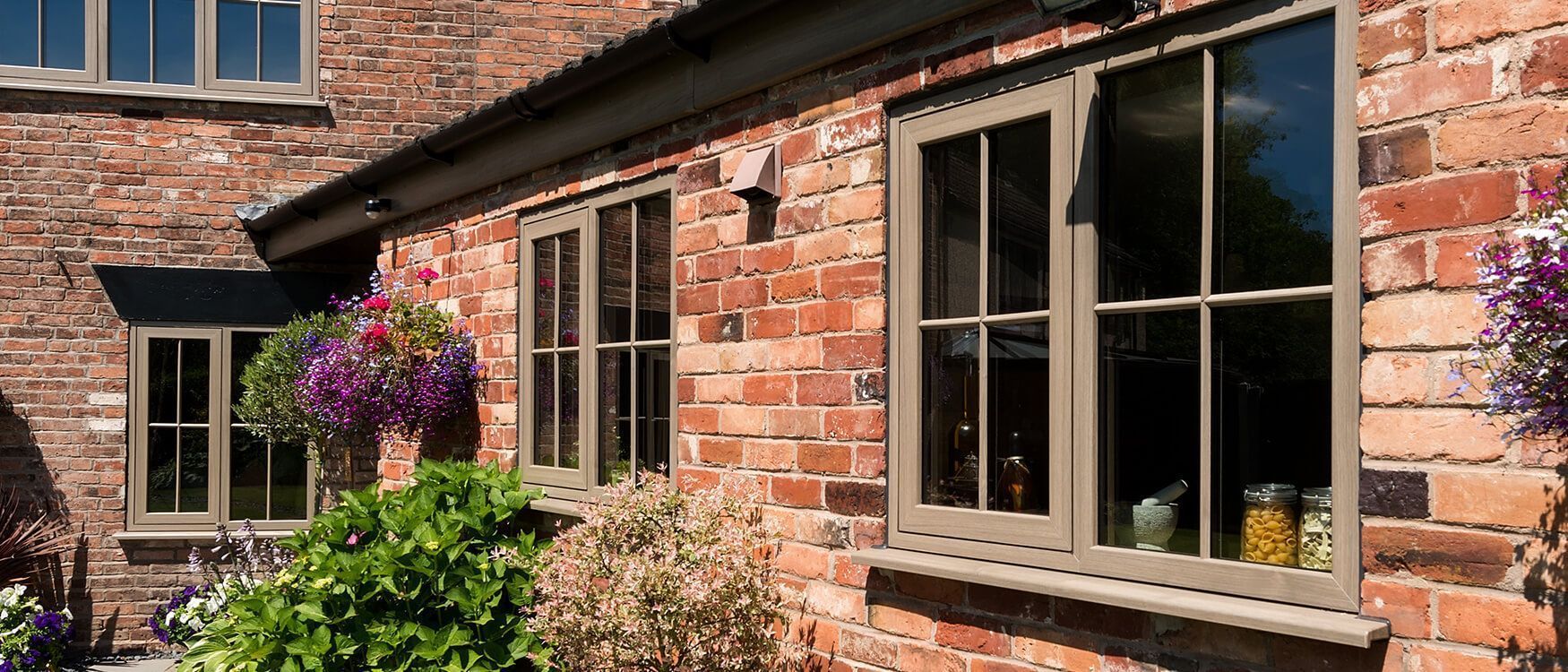
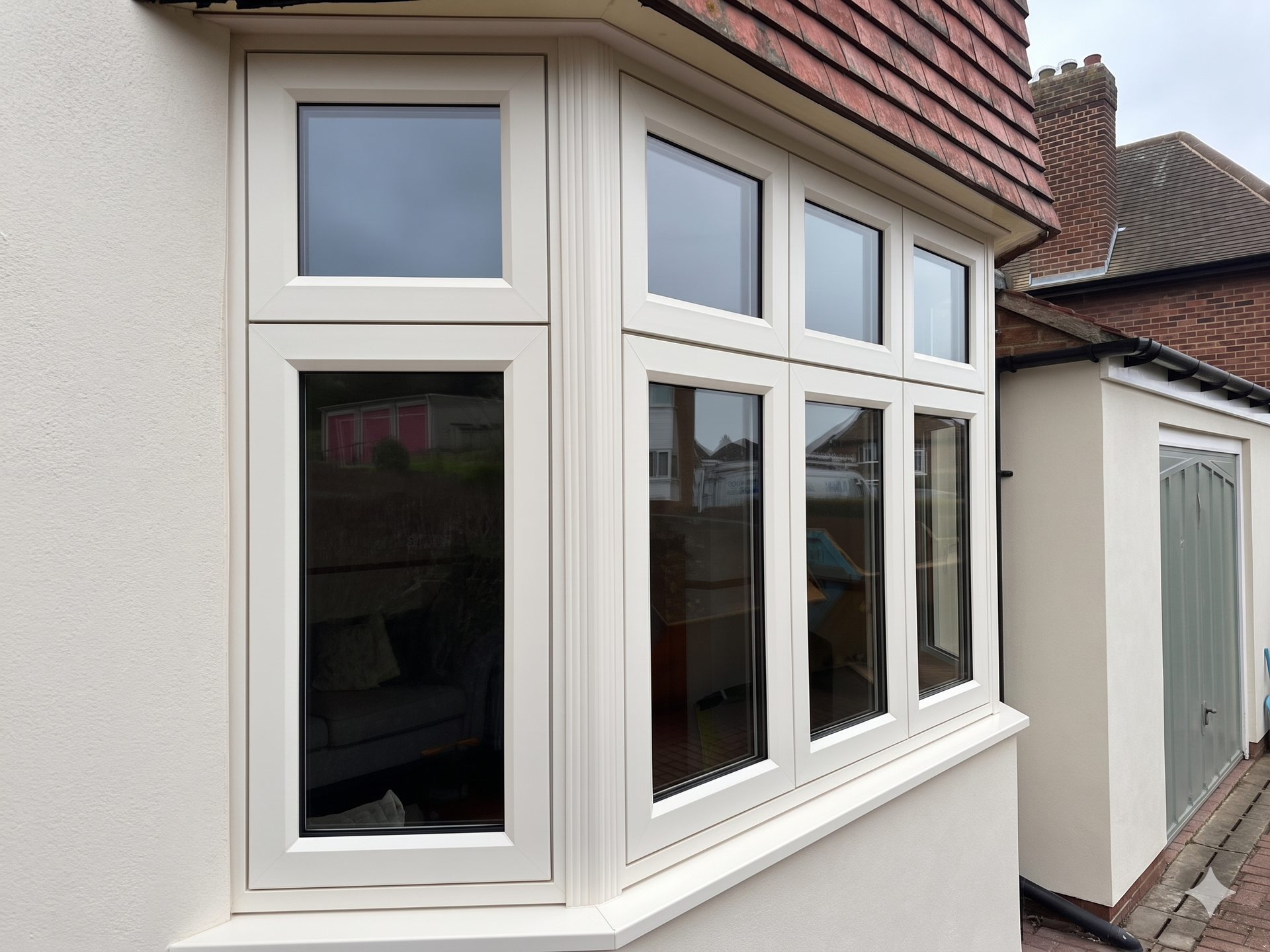
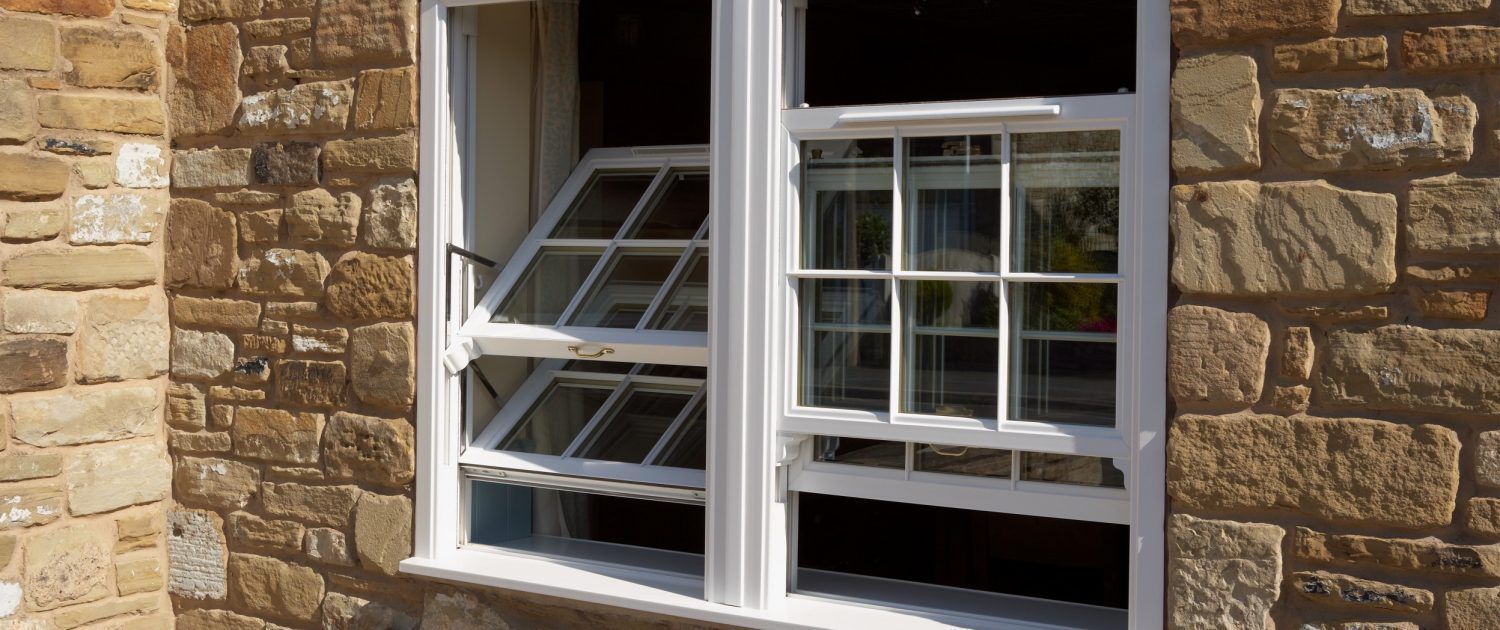
If you're looking to replace a window or windows in a York conservation area, we can help. We provide timber-style
uPVC sliding sash and
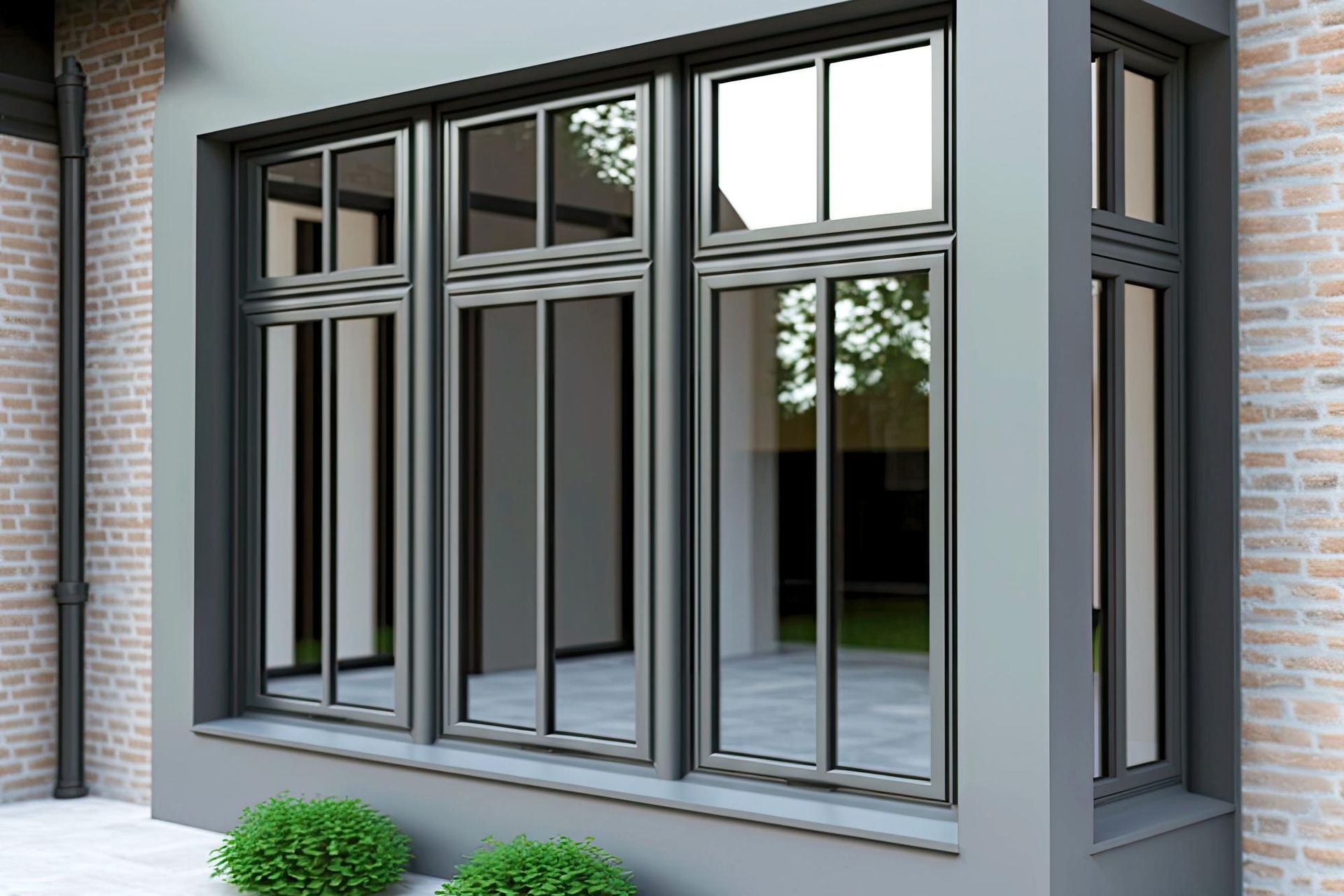
flush casement windows that closely resemble period aesthetics.
And if you're unsure about restrictions, we can check council guidance on conservation areas and Article 4 directions before providing a quote. This can help you find out if uPVC is permitted or timber is mandatory.
We also provide slim-sightline double glazing. This is sometimes required under Article 4 directions.
What is a conservation area?
A conservation area is an area of special architectural or historic interest that's protected by law. Extensions, alterations and building works are restricted by law to help preserve the area's historic character.
There are more than 10,000 conservation areas across the UK, with the majority in England. Data about conservation areas in England are available on the government website.
How do I apply for approval?
If you want to extend or alter your home in a conservation area, you need to apply to the City of York Council local planning authority. You can submit an application online.
You can also submit a householder enquiry form through the City of York Council pre-application advice service.
At Calder Windows, we're specialists in York windows and conservation regulations. Want to discuss how we can help you upgrade your home without breaking the rules? Get in touch with our team to arrange a no-obligation chat.
Recent Posts