Bay windows: adding light and value before winter
Thinking of adding a bay window to your home? Explore benefits, considerations and why autumn might be the best time to upgrade.

The elevator pitch for
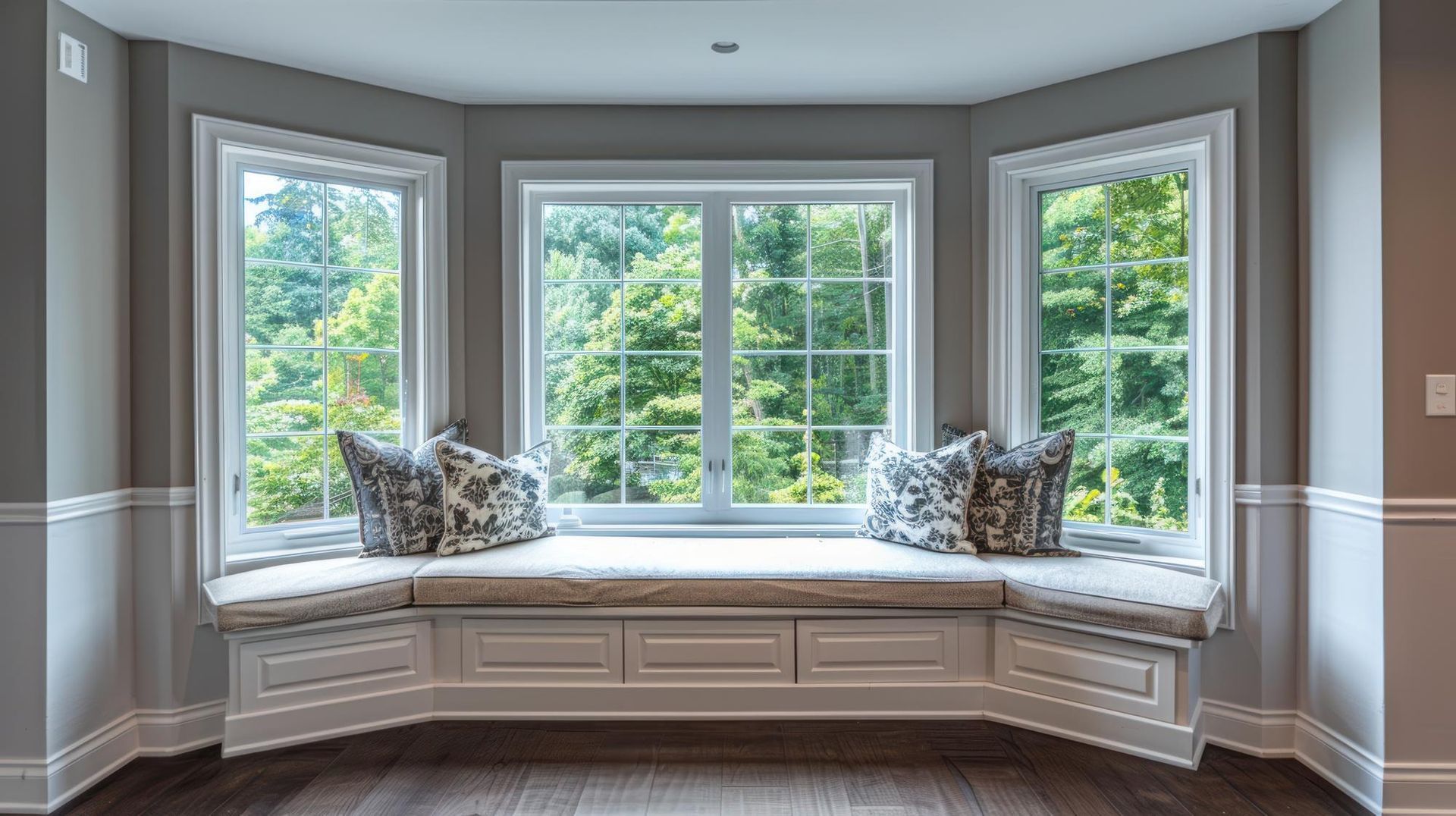
bay windows is simple. They flood your room with natural light, add floor space to the room and add value to your home.
In a word, they're classy. But before you commit, it's worth understanding the different styles and what installation involves.
At the time of writing, summer days are slowly giving way to autumn chill. It's a great time to buy a bay window, beating the winter rush and ensuring a warm front room in good time.
More on that later. First, let's explore what's perhaps the biggest selling point of bay windows: the way they maximise and magnify natural light.
Why bays let in so much more light than flat windows
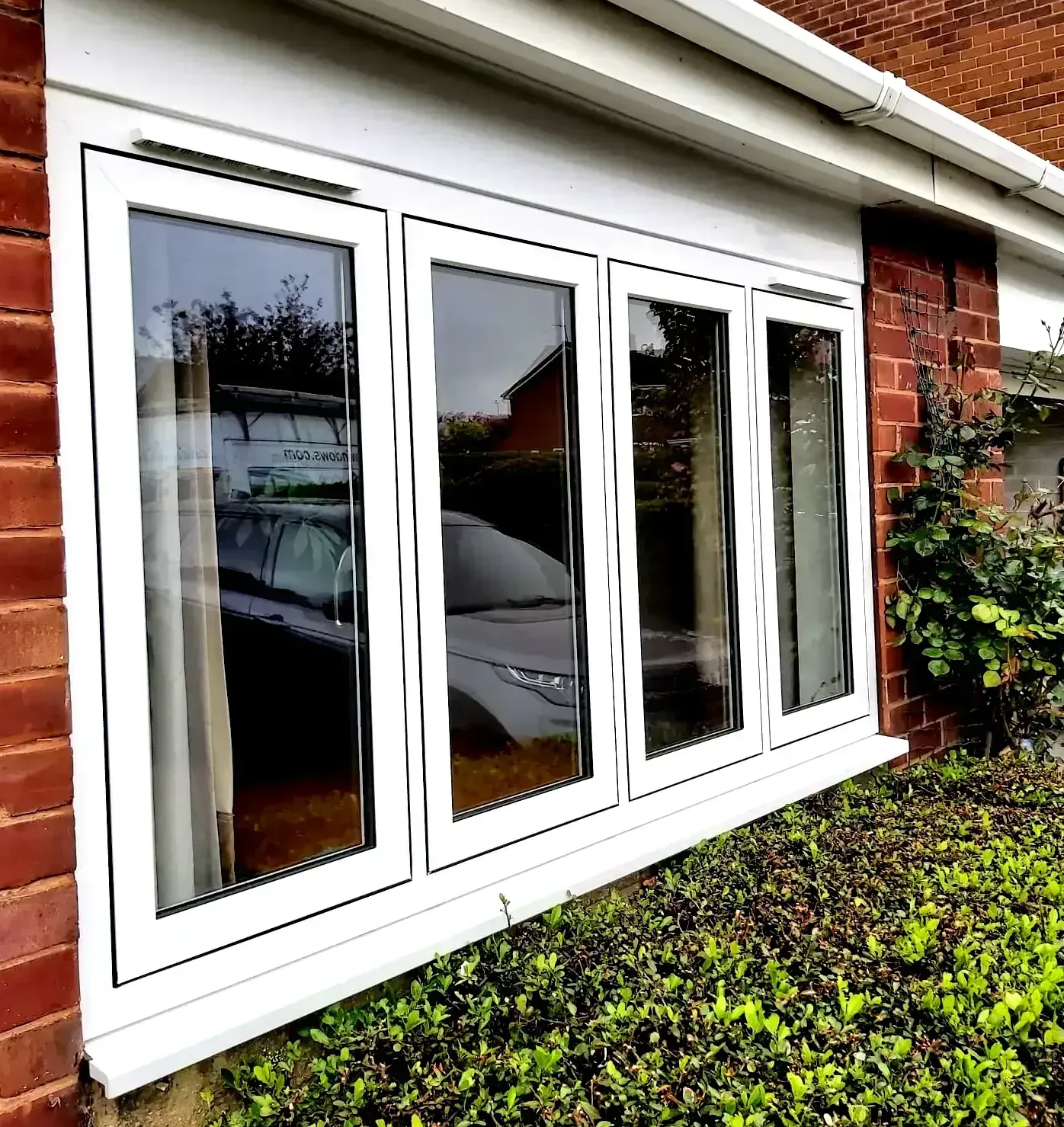
If you want your front room flooded with natural light, nothing beats a bay window. Even casement windows pale in comparison.
That's because bay windows project a foot or two outwards. This lets in more light than a window sitting flat against the wall. And when the light comes in, it bounces off the inward-facing jambs and sills.
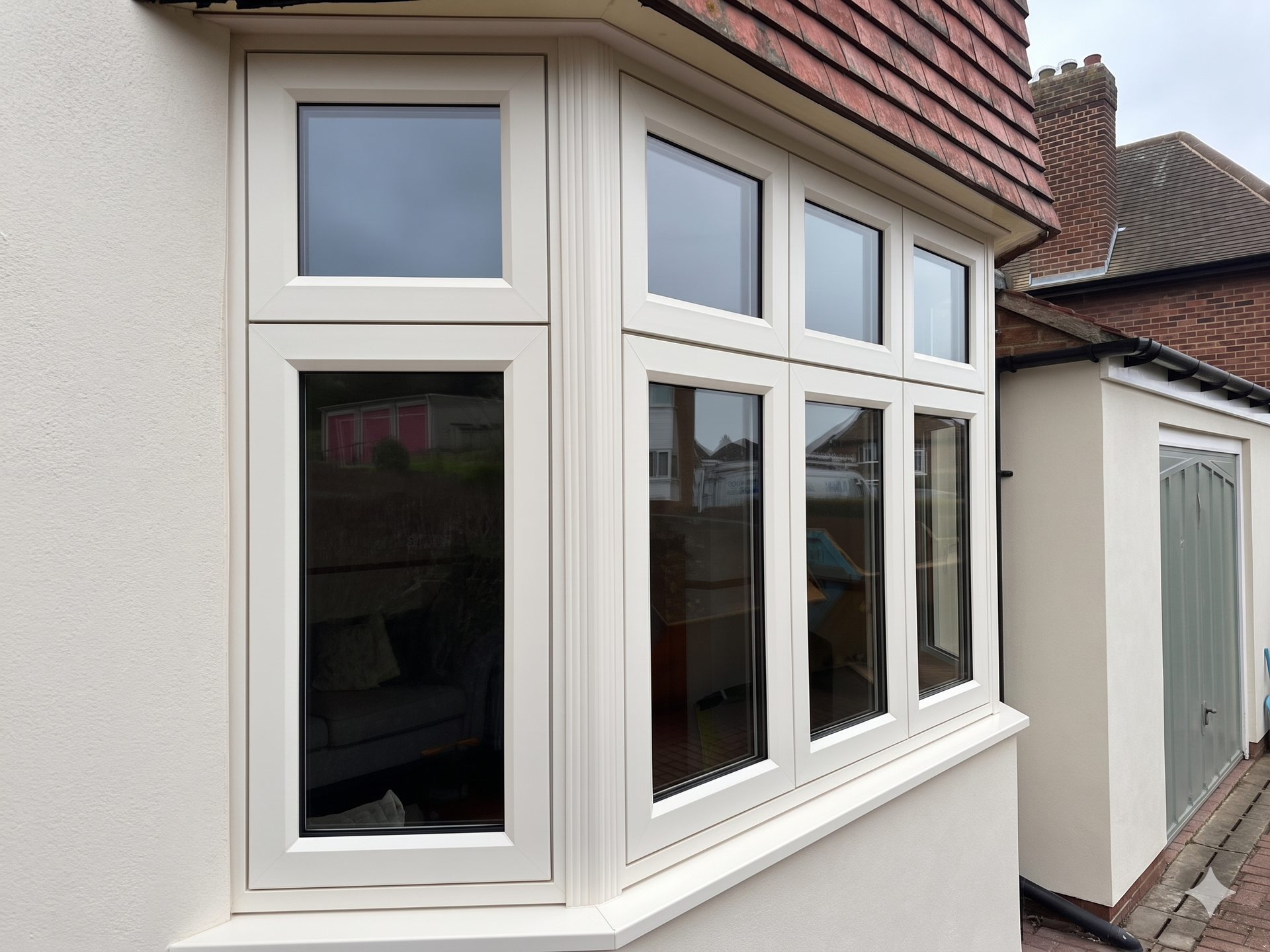
Typically, a bay window has a large central pane and two angled side panes. These side panels face different directions, catching light at different times of day – light that flat windows miss.
The value they add to a home
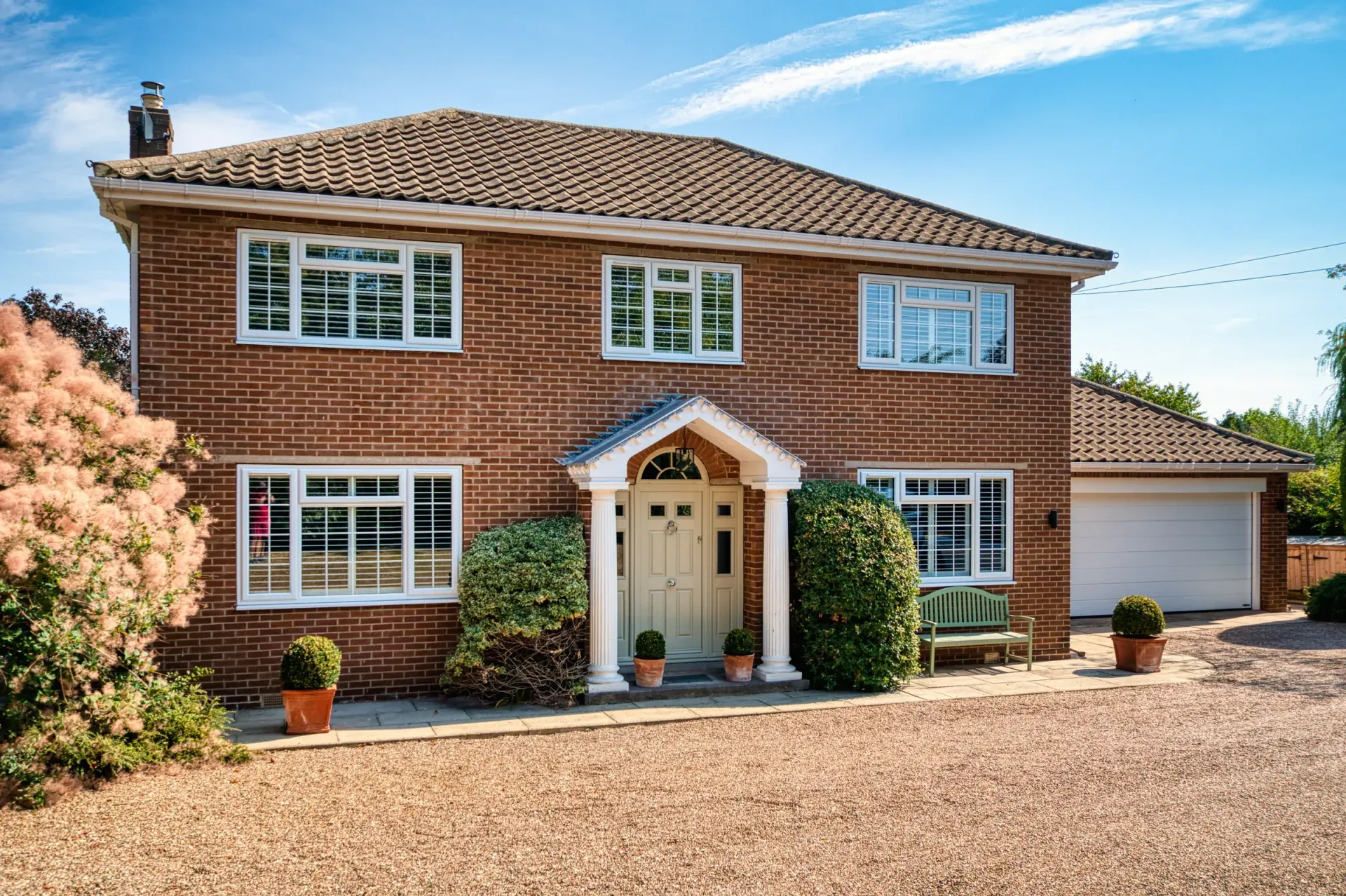
Bay windows are famous for their kerb appeal – the impression they make from the street on prospective buyers.
This is partly because of how they catch the eye. Mostly, however, it's because a well-kept bay window communicates taste and sophistication.
A bay window can make the front room feel brighter, larger and more welcoming – a handy impression to make on someone looking to buy.
And if you turn the bay into a window seat, reading corner or desk space, the sense of homeliness only deepens.
Ultimately, a bay window likely increases your chance of selling your home. If you're lucky, it may also increase the sale price.
Splay, square and bow bays explained briefly

Splay bay windows
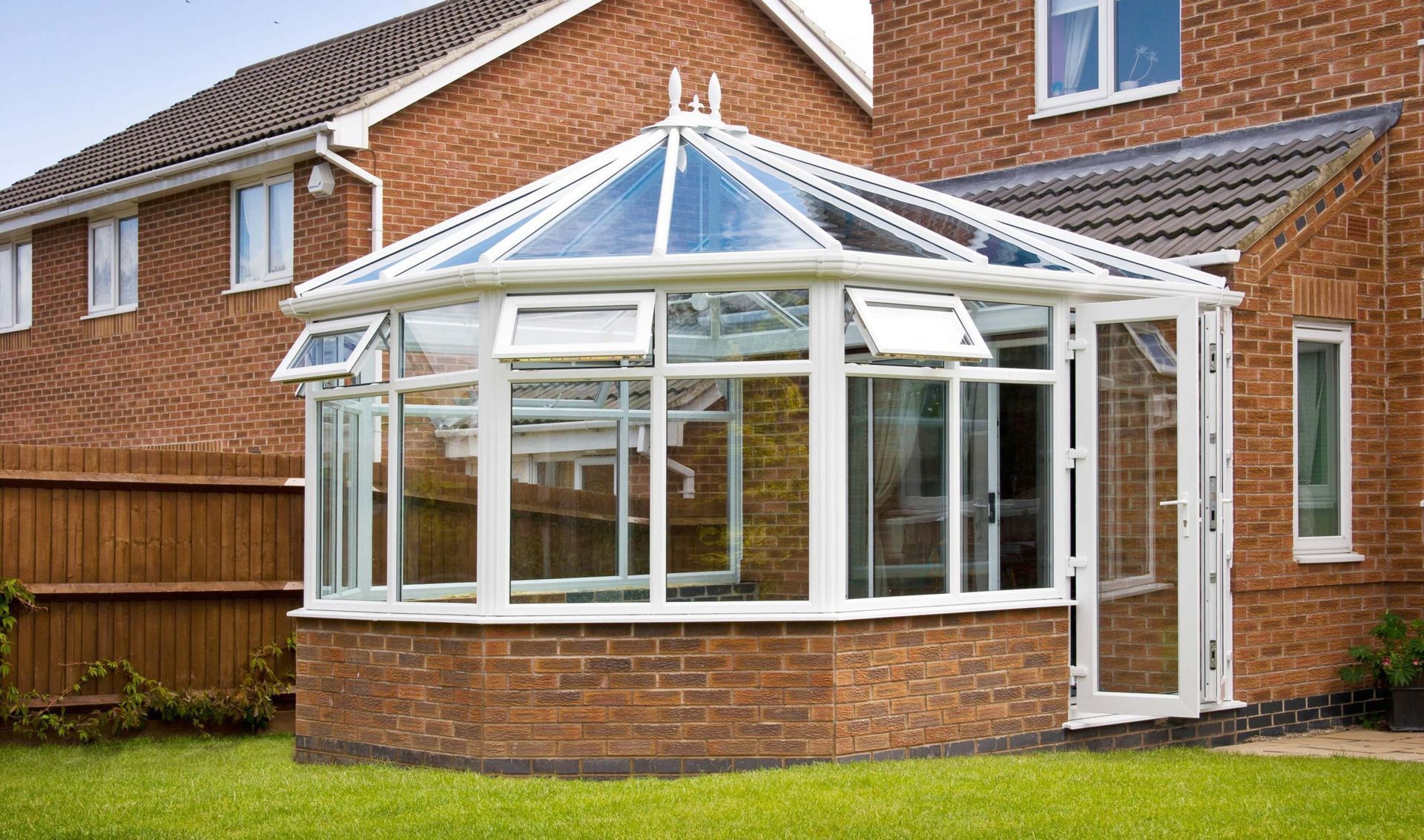
The most recognisable bay window style is the splay: three flat sections with angled sides. It's commonly found on period properties and Victorian- or Edwardian-style houses. The angled sides can make the room feel more spacious, letting in more light and opening wider views.
Square bay windows
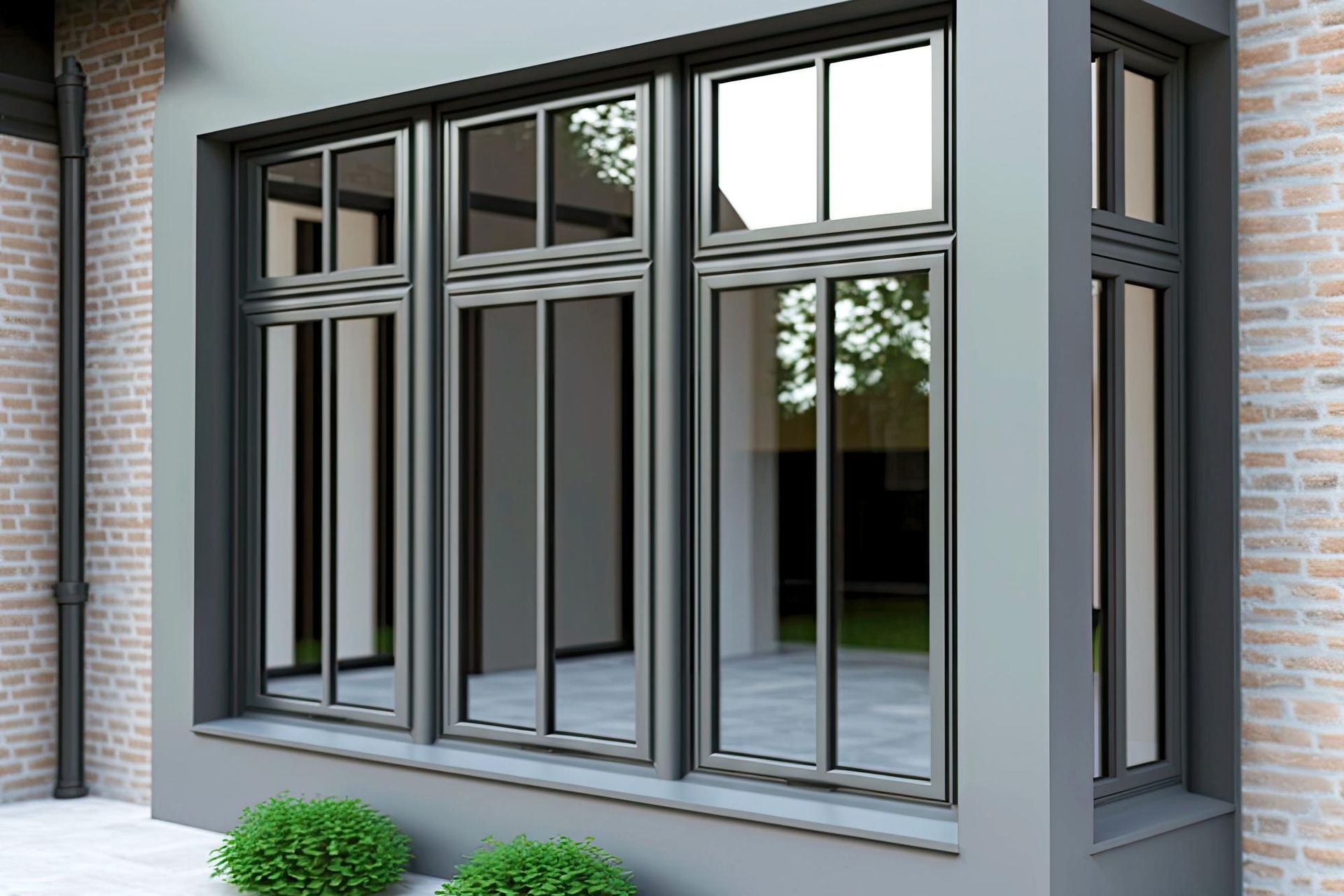
A square bay looks like a box projecting from the wall. It has a flat front and two side windows. The sides meet the front at around 90 degrees.
Square bays suit both traditional and modern house styles. They're often installed to extend the room, perhaps for a window seat or desk area.
Bow bay windows
Last but not least are bow bays. These usually consist of four or five windows arranged along a gentle curve. They lack the sharp corners of splay and square bays.
Bow bays have a sweeping appearance that often combines with a panoramic view. They're often found on traditional properties where the view is worth savouring.
Matching a new bay to period style
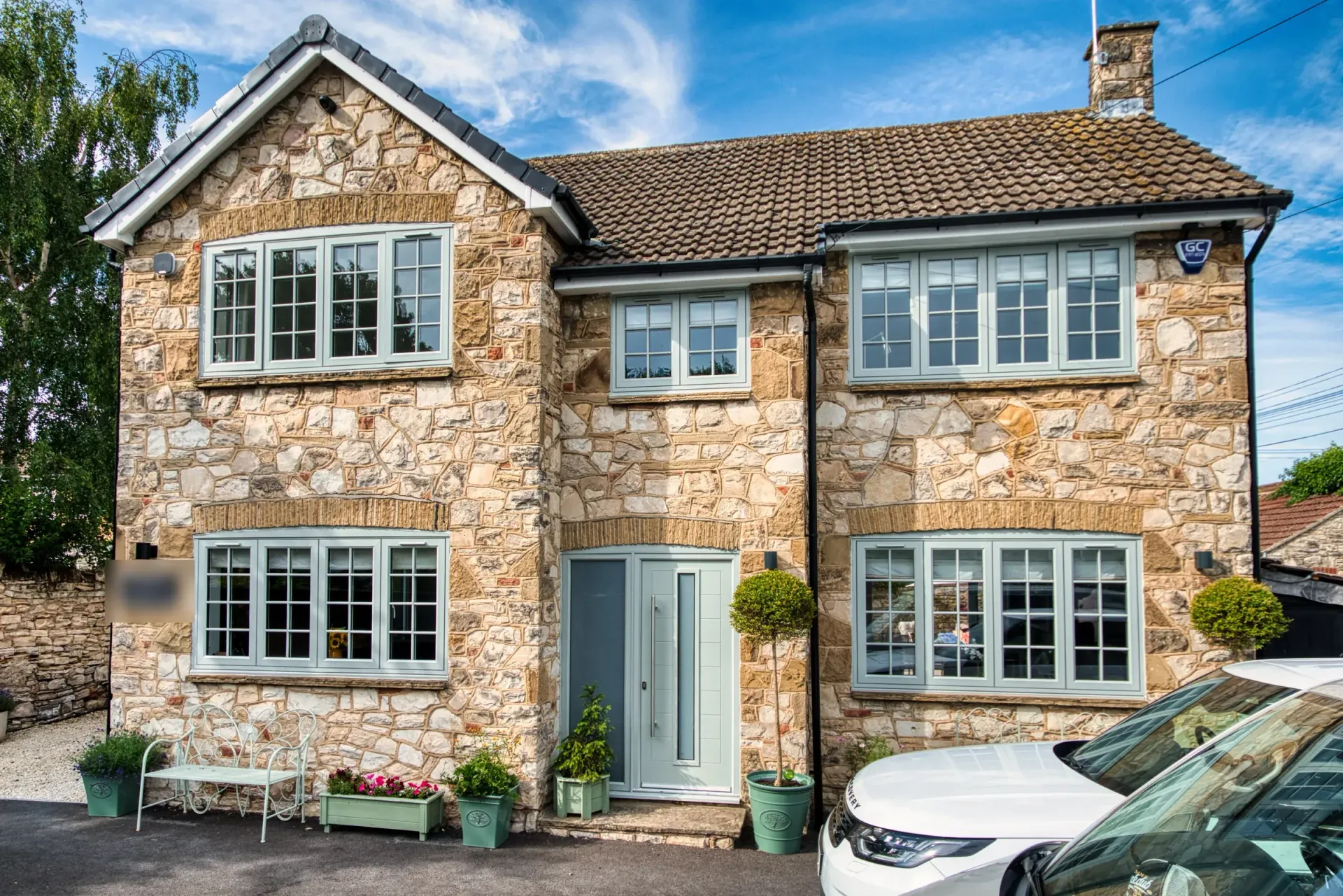
If you live in a period property, you'll probably want to match a new bay window to its style. That's especially true if you want to boost kerb appeal.
There are two sides to this. The first is making sure the new bay replicates the property's style. The second is considering materials, finishes and design details.
Let's look at a few examples.
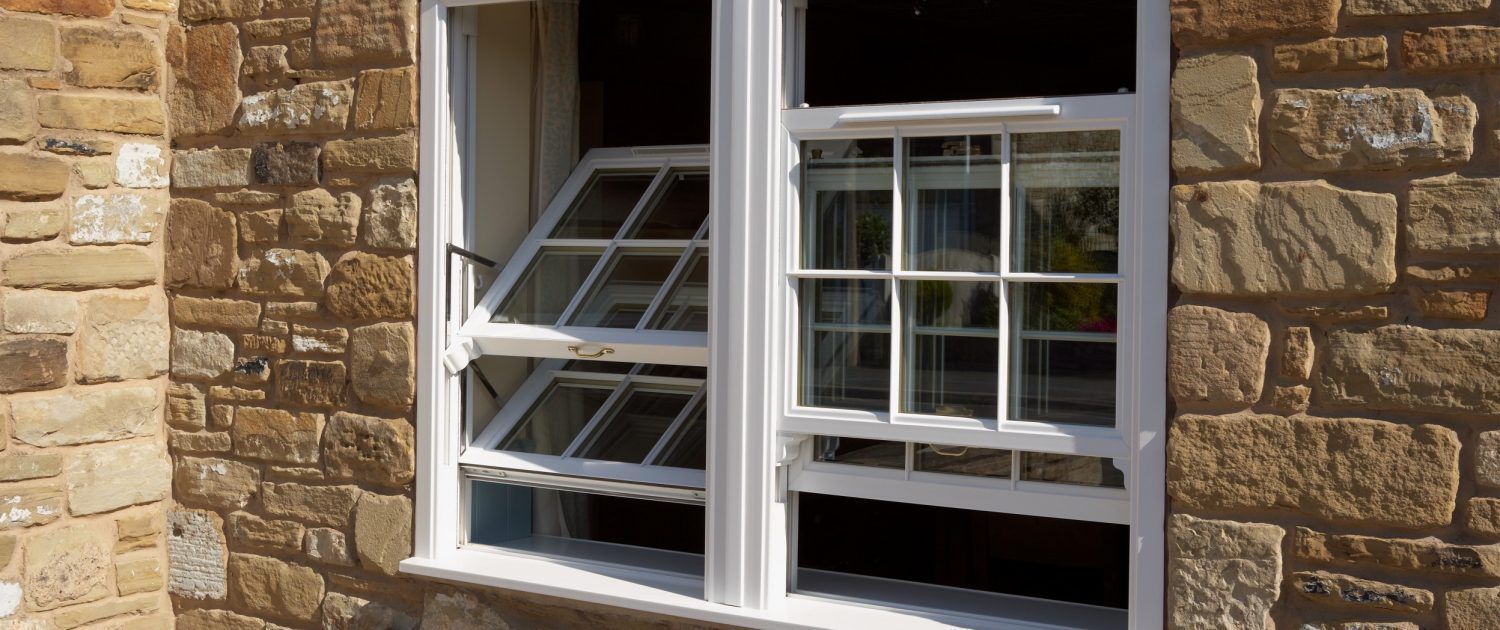
- Victorian properties have bays with vertical sliding sash windows, slim glazing bars, run-through sash horns and a deep bottom rail.
- Edwardian bays, by contrast, tend to combine sliding sashes and outward-opening casements or top-opening panes.
- Georgian homes tend towards symmetrical, multi-pane designs like the classic six-over-six layout. Frames are typically timber or timber-effect.
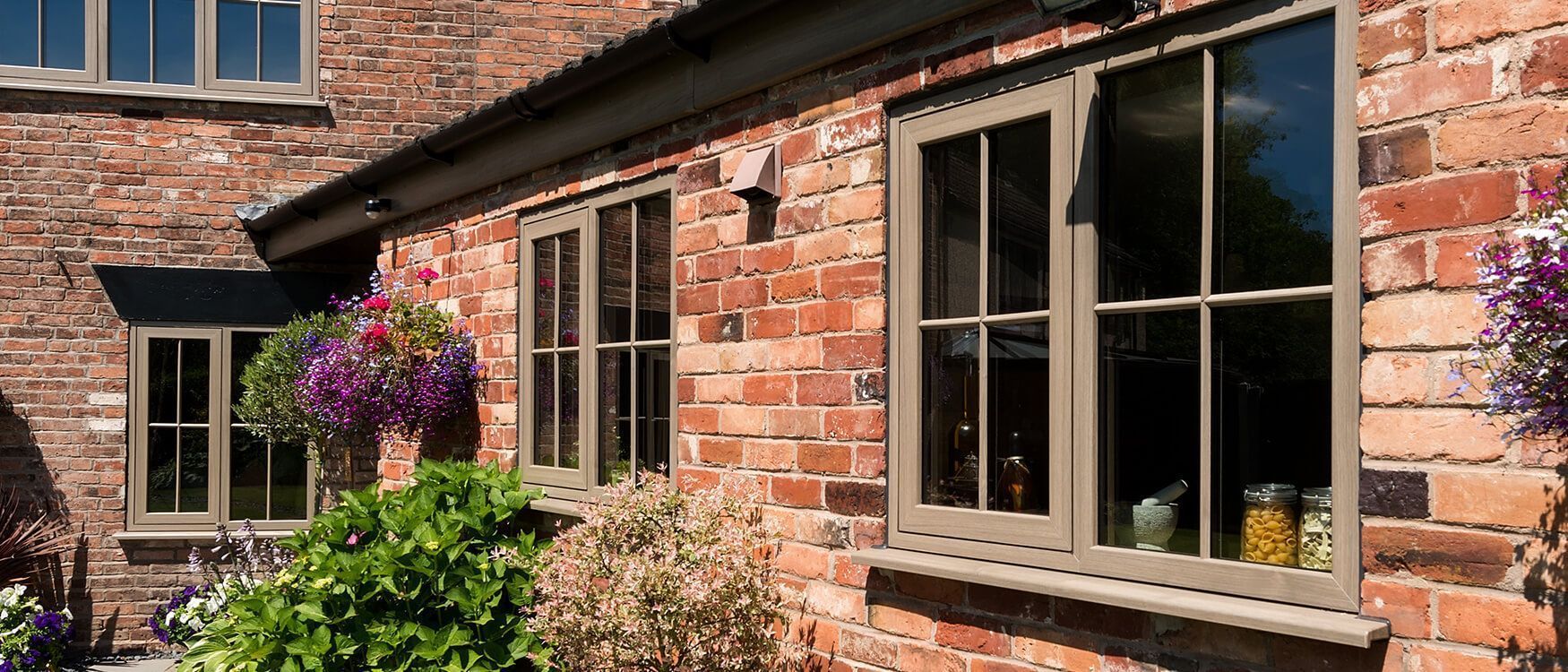
More broadly, you should avoid thick, bulky modern frames, which don't blend well with period brickwork. Mechanical or flush joints help to give a bay window its traditional timber look.
The same goes for woodgrain foils and period-appropriate painted finishes. These harmonise with a period property in a way that glosses, blacks and greys don't.
Finally, glazing bars should be genuine astragal bars rather than stuck-on grids if you want an authentic, traditional, multi-pane aesthetic.
The structural reality: what's involved

Installing a bay window (rather than replacing one) requires quite a lot of work. It's worth it, of course – but it's important to know what's in store before you sign on the dotted line.
First, you should check if you need planning permission. Once you've got the all-clear and have found an installer, they will:
- Take measurements of the sills and where the opening will be
- Remove old sashes, glass panes and frames (this takes time to avoid damaging the surrounding brick or plaster)
- Install foundations, knee braces and cables (these keep the outward-facing part of the bay window in place)
- Assemble sills and frames
- Securely fasten the frame into the opening
- Add expanding foam and silicone sealant to block draughts
- Add a small pitched or hipped roof with flashings, shingles and exterior trim (to protect your window – and room – against leaks)
- Finish the interior, including insulation boards, setbacks, plastering and casing trims
And
voila! You have your bay window, ready to add light and value to your home in time for winter.
Autumn timing: beat the winter install rush
Booking your bay window installation in autumn means avoiding the winter rush and its long waiting times. Plus, you'll get the energy savings that a modern bay window provides before the cold months come.
So, if you're thinking of upgrading, now might be the best time. And if you're in Yorkshire, Calder Windows is your best bet.
We're local bay window installers with more than 30 years of experience. We install high-quality products with no hard sell and an emphasis on great aftercare.
Want a quote or to discuss your project? Book a no-obligation consultation with our friendly team today.
Recent Posts