Living spaces in listed buildings: what you can and can't do
Do you live in or own a listed building and want to make adjustments? Find out what you can and can't do in our guide.
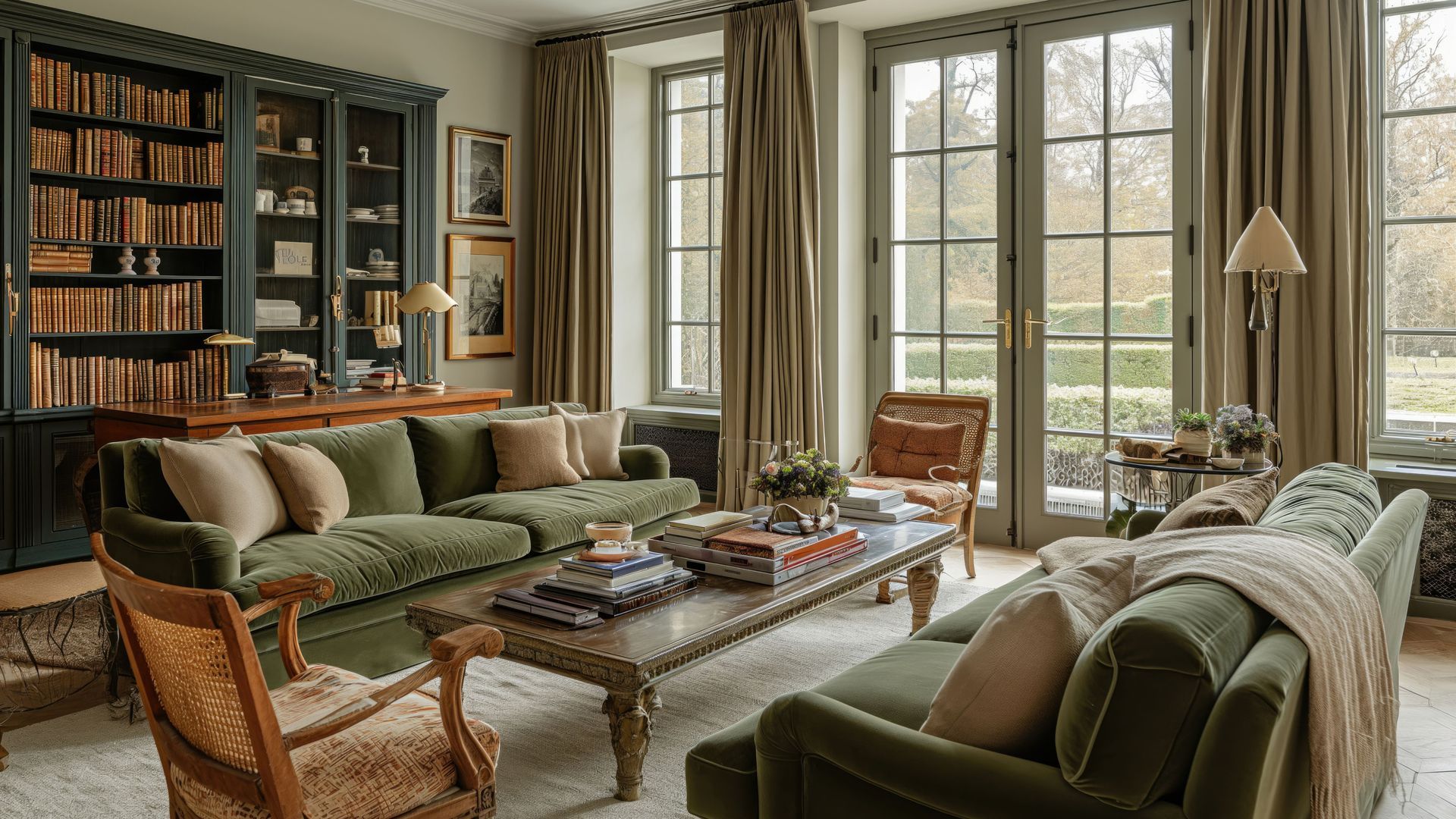
If you live in or own a listed building, you're most likely aware that restrictions apply to household improvements, renovations and extensions. You may, however, be a little hazy on the details.
We're here to help. Of course, what we say isn't any substitute for official guidance. We're simply bringing our perspective as home extension specialists to bear on the subject.
The simple answer to the question "What can I and can't I do?" is: well, that depends.
It depends on two main factors. First, there's the grade of the building. And secondly, there's the nature of the extension or improvement. (Are we talking replacement windows or a full-scale extension, for instance?)
Before we explore these factors, let's take a closer look at the grades of listed buildings: what they are and what they mean.
Listed building basics: grades explained
In England, listed buildings have three grades. These are a scale of architectural and historical significance.
- Grade II buildings are the most common. These can include historic houses, shops, cottages, churches and other kinds of buildings.
- Grade II* (note the asterisk) refers to buildings that are rarer and more historically or architecturally important.
- Then there's Grade I: the category that includes the rarest and most precious buildings. Monuments, churches and nationally significant buildings all belong in this category.
All three grades are protected by listed building status. The grade refers to the significance of the building, not its need for protection.
Most importantly for homeowners and landlords, alterations to listed buildings are often restricted. This applies to the interior as well as the exterior.
What does listed building consent actually require?
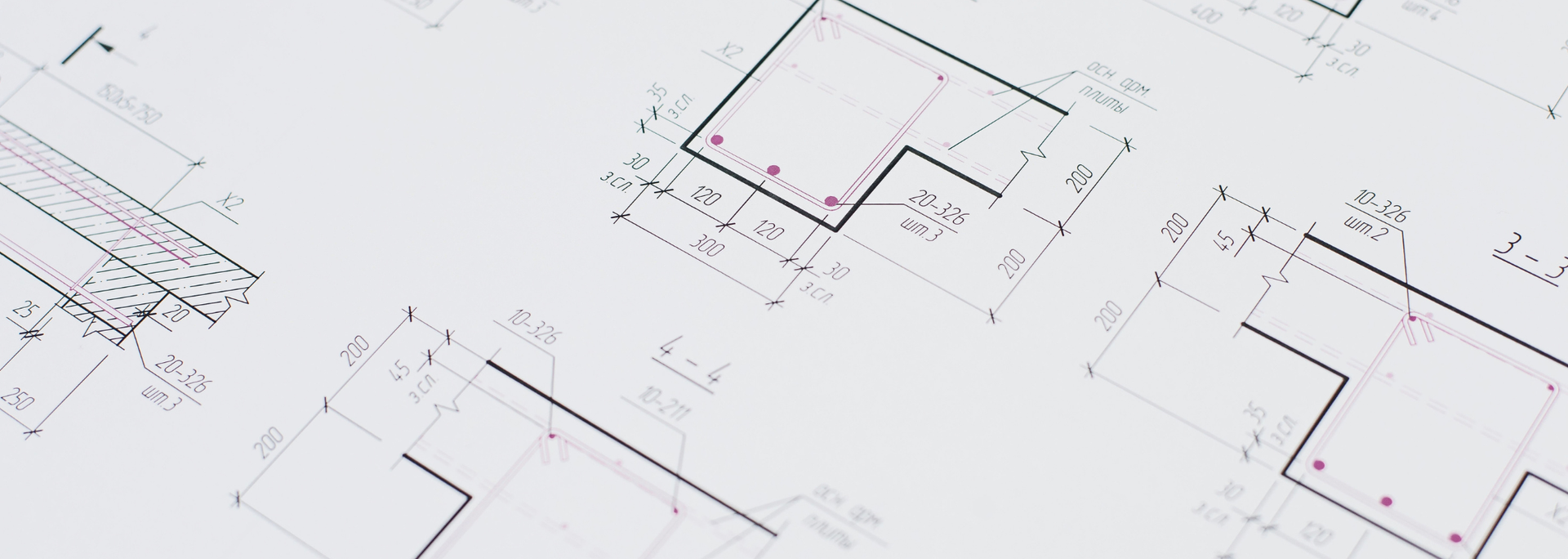
Not all repairs and works in listed buildings require consent. The litmus test is whether the job will affect the building's status as a listed building. In other words, will the alteration alter the building beyond architectural or historical recognition?
You may think this applies only to significant exterior changes. Listed building protection, however, applies to the whole building, including the interior.
If you get listed building consent, the local authority is giving you the go-ahead to make your proposed changes. It's telling you those changes won't cause unacceptable harm to the special architectural or historic interest that led to its listed status.
Listed building consent is more involved than ordinary planning permission. You'll most likely need:
- Drawings that show the building as it currently is
- Proposal drawings that show what will change if you get permission
- Material and finish details (types of timber, plastic, brick, paint and so on)
- Photos of the building and the areas that will be altered and affected
- A description of the building's historical or architectural significance
- Potentially a heritage impact assessment (HIA) carried out by a qualified heritage professional or consultant
When in doubt, your first port of call should be your local planning authority.
Historic England
also provides lots of useful resources on the subject.
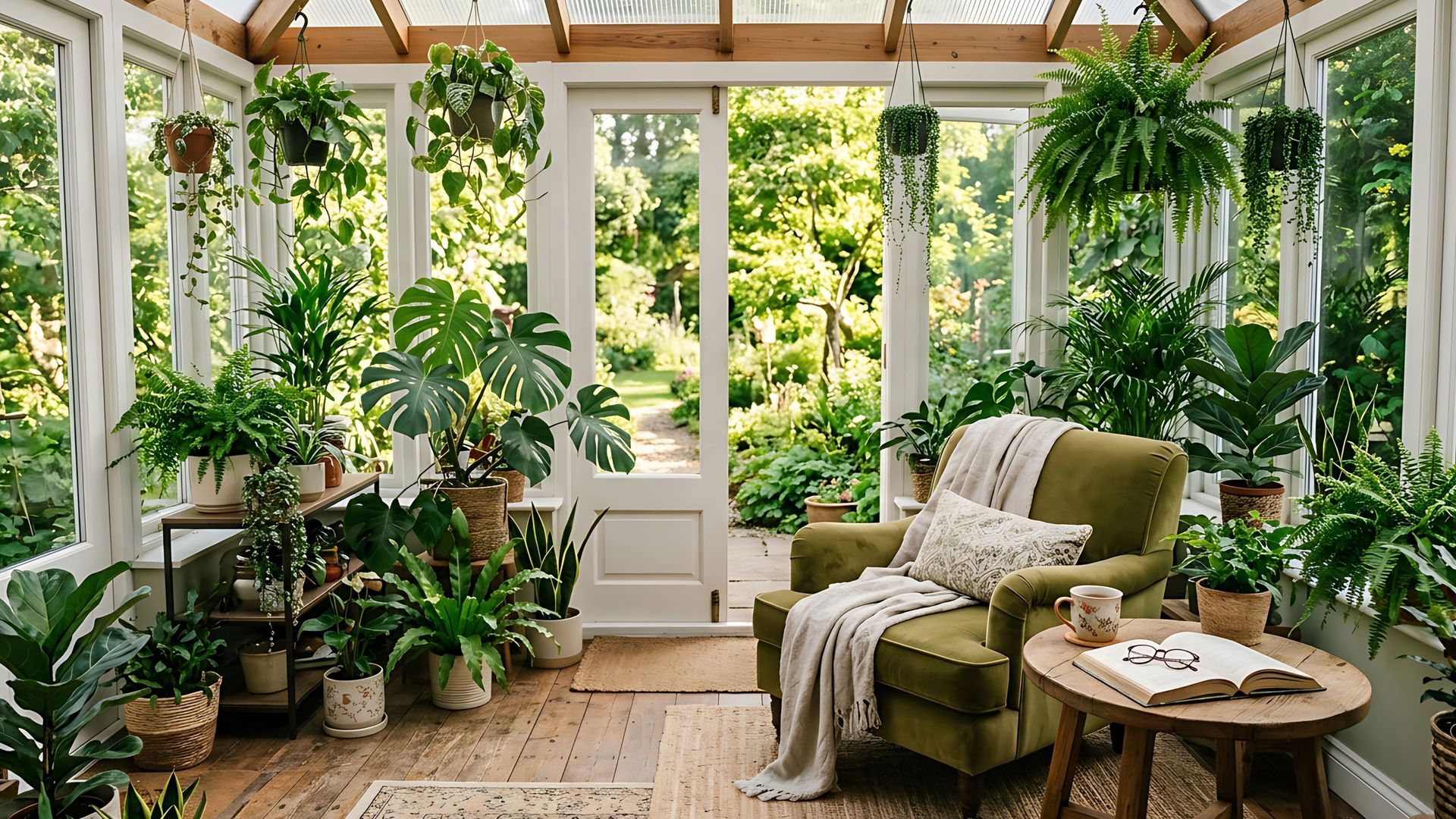
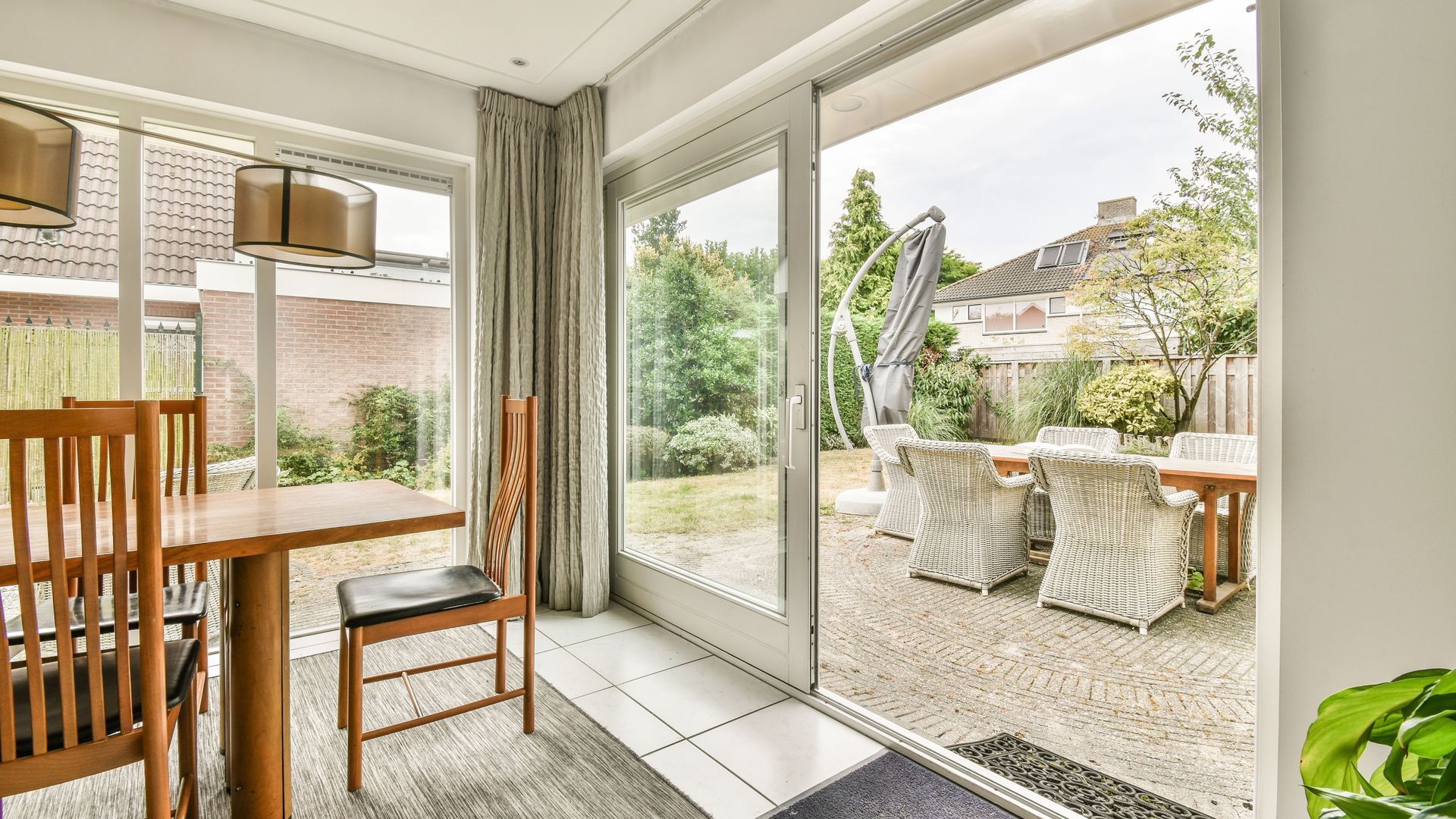
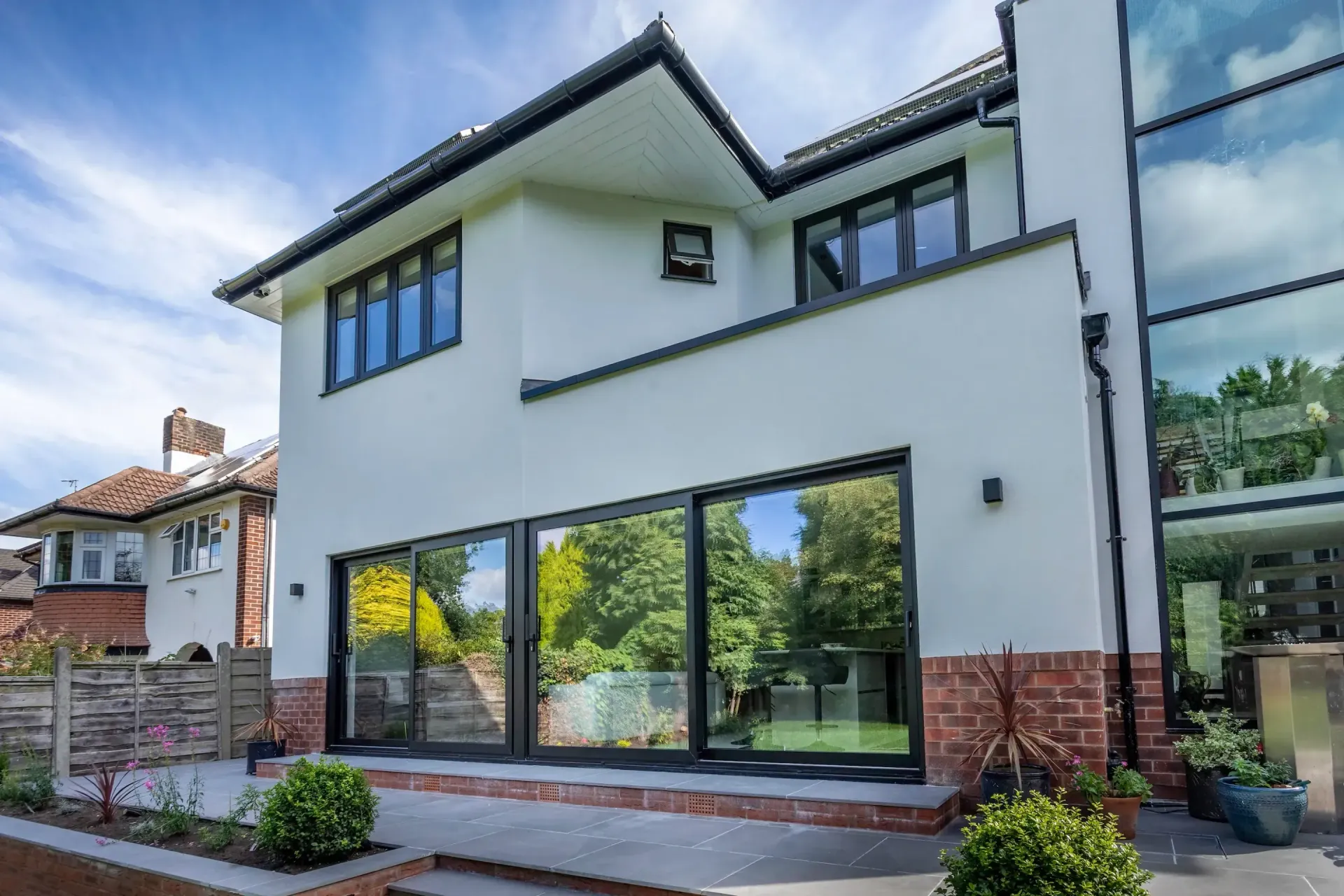
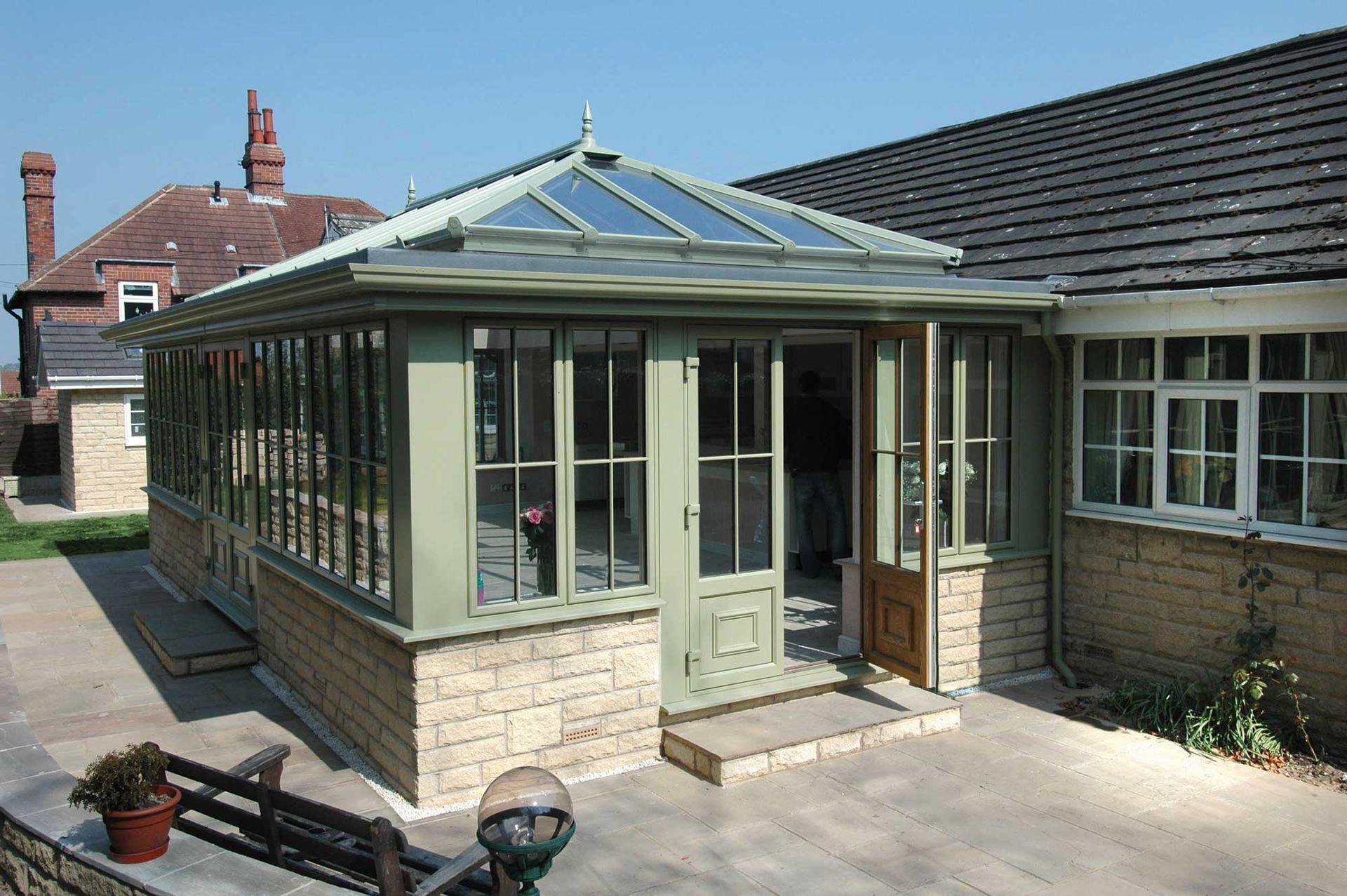
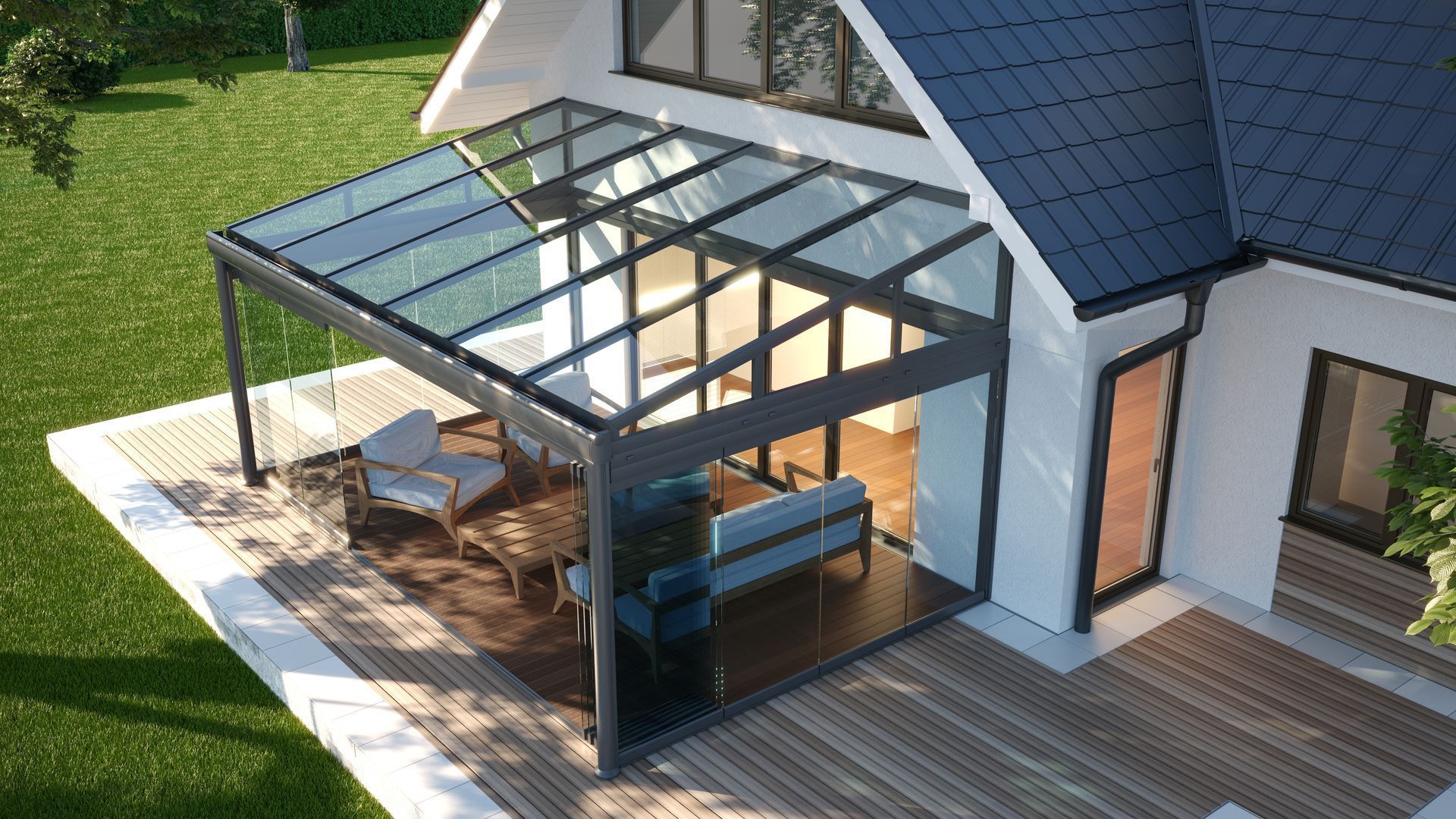
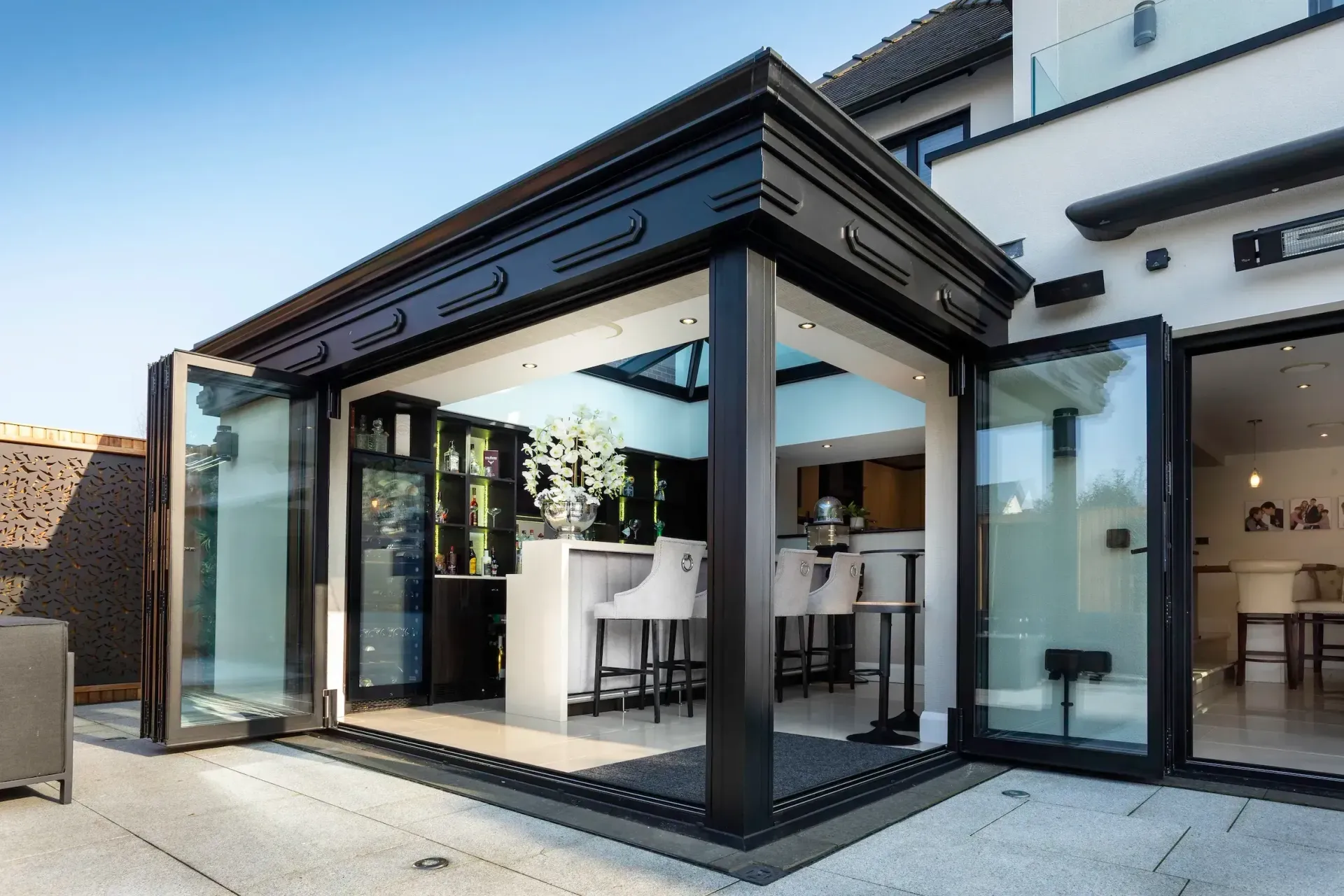
Conservatories and orangeries on listed homes
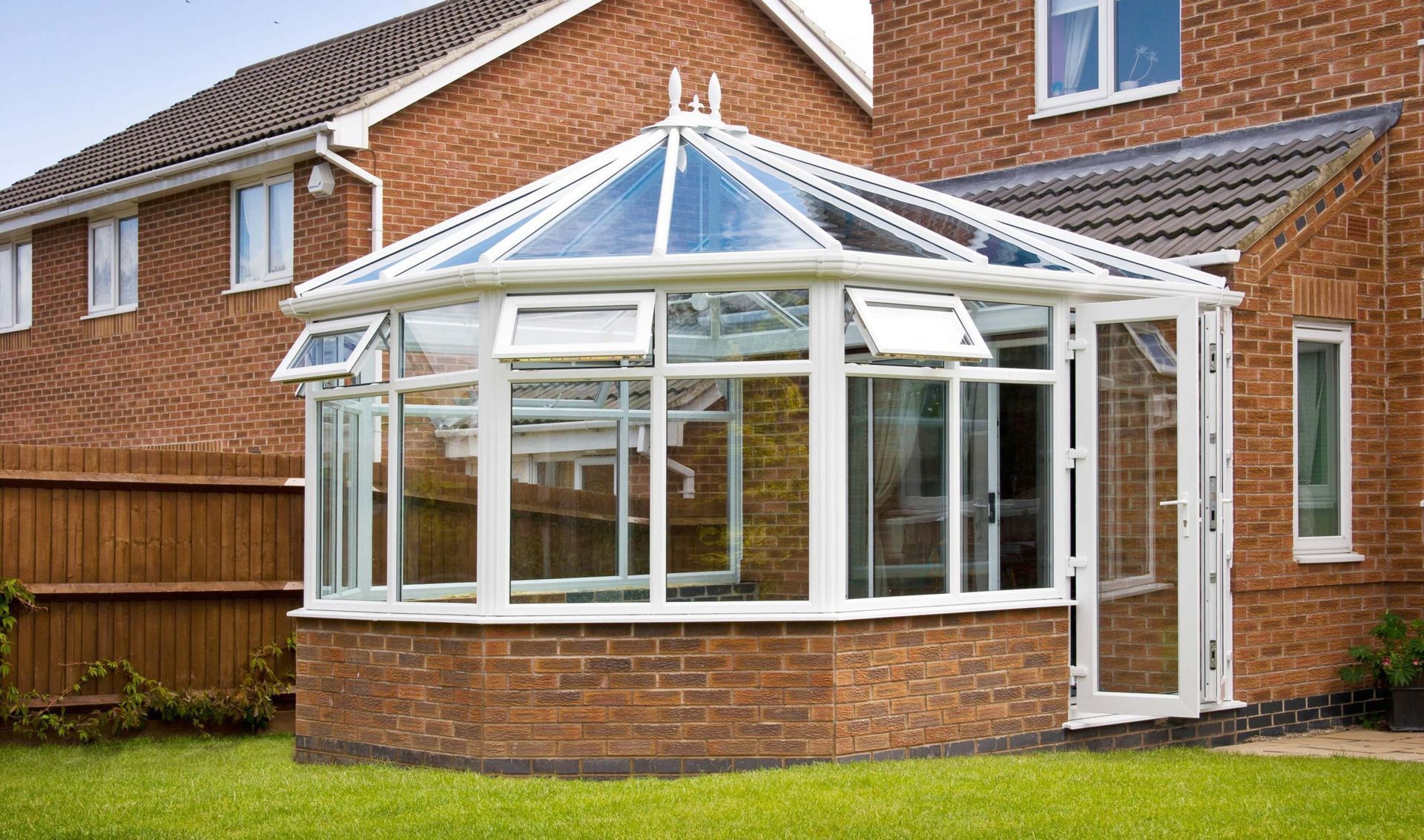
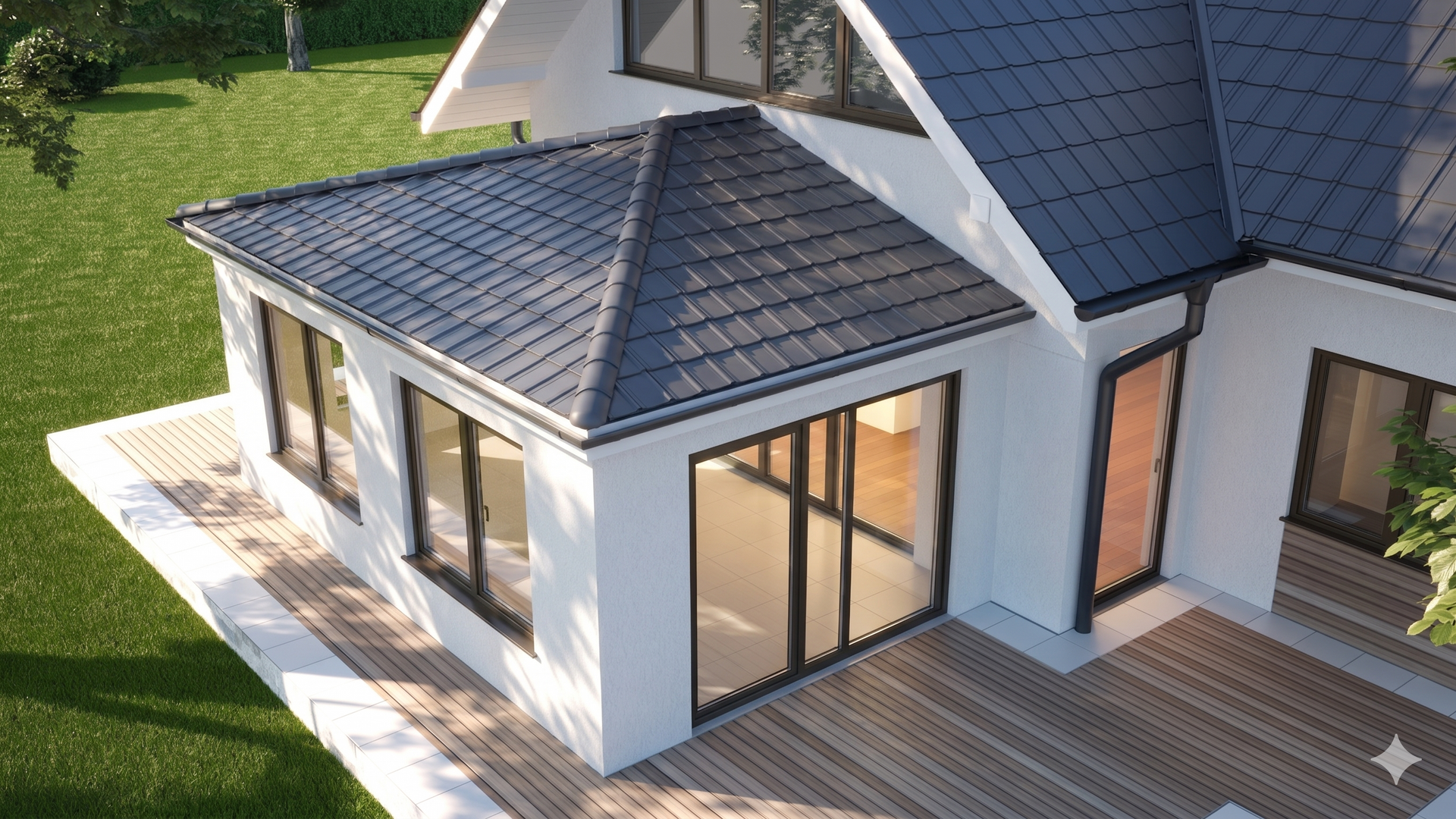
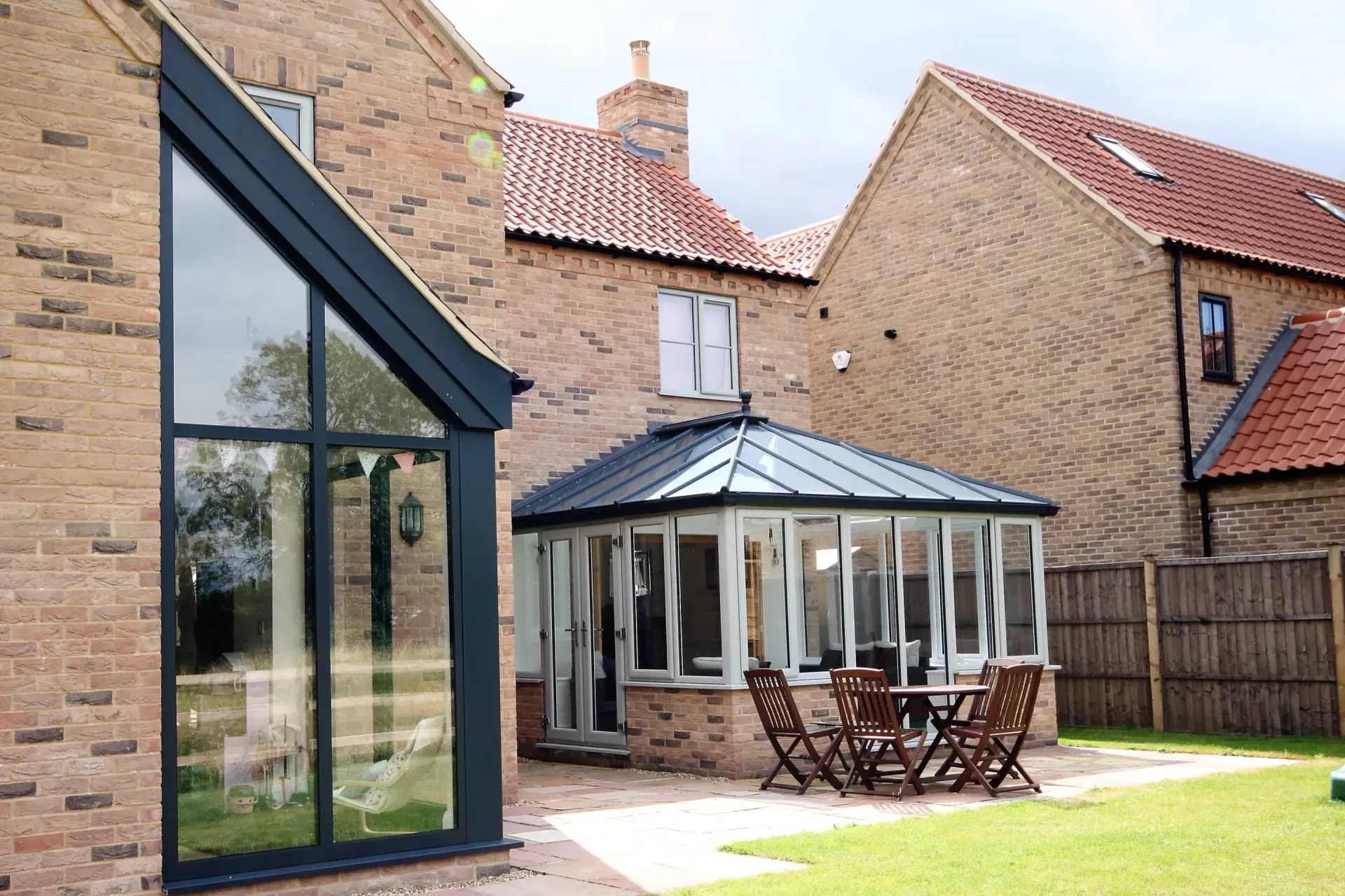
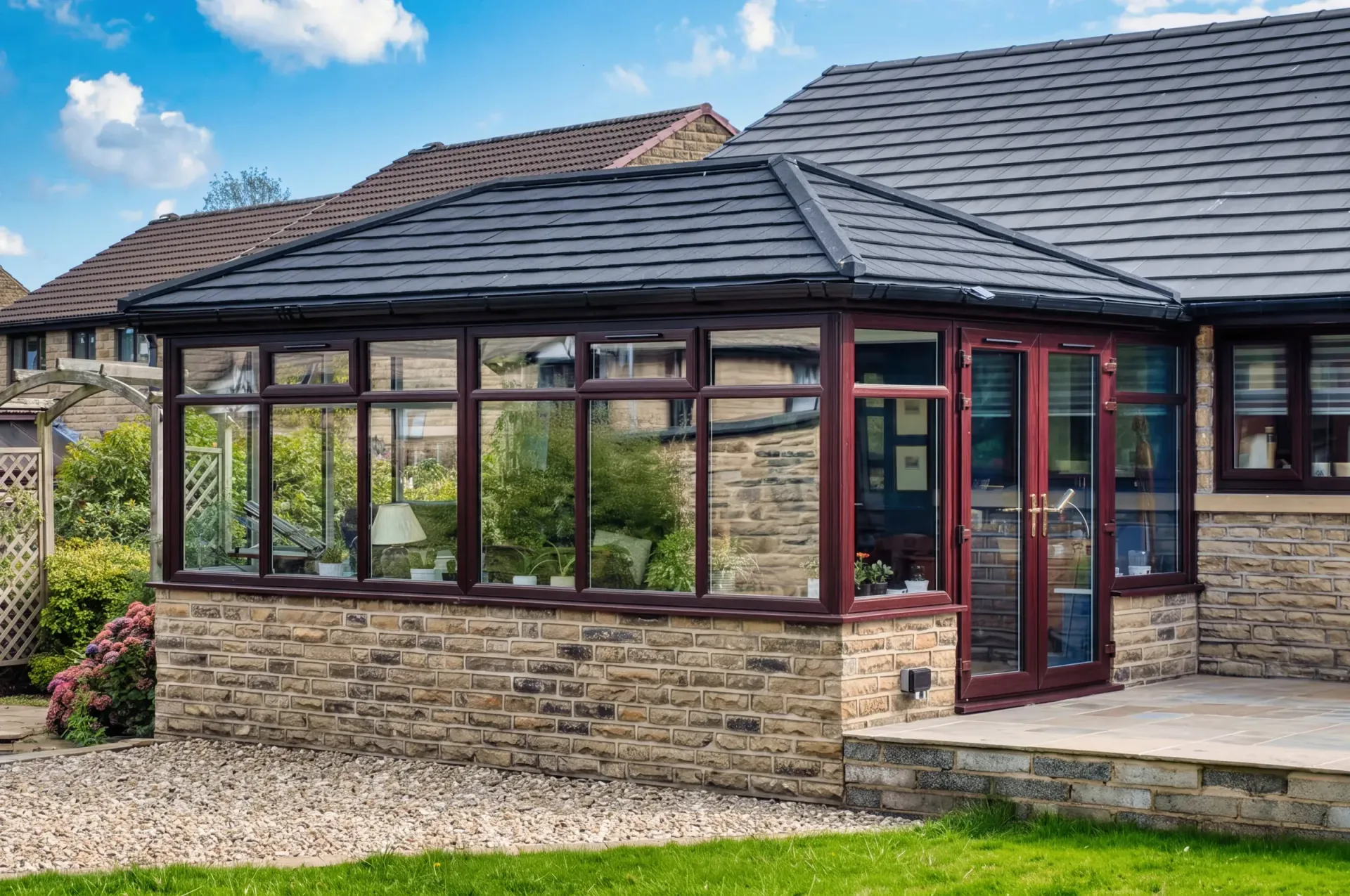
It's possible to attach a conservatory or orangery to a listed building in England. You should assume, however, that you'll need listed building consent. You'll likely need planning permission, too.
You're more likely to be approved if the proposed extension is on the smaller side and doesn't dominate the building.
It's also helpful to propose extensions that have minimal impact on elevations – and certainly ones that keep historic walls, windows, fireplaces and other features intact. Most original windows and architectural features should be kept rather than covered or removed.
It can also work in your favour to propose a design that fits the building's aesthetic. However, that doesn't always mean choosing a traditional design. In some cases, modern designs can be approved as long as they don't overwhelm the building's historical character.
Last but not least, it can help to make the connection between the conservatory or orangery and the house as reversible as possible.
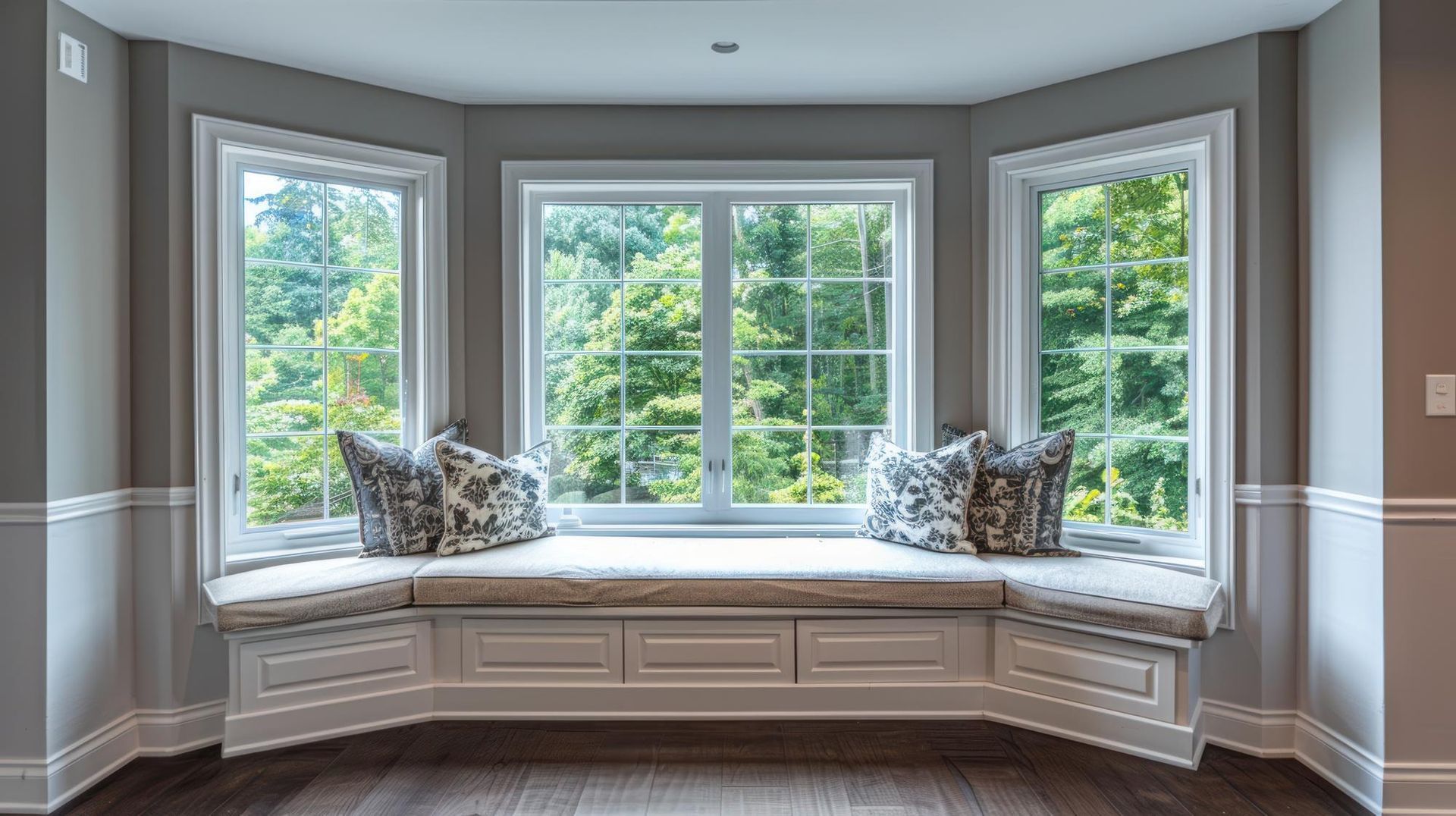
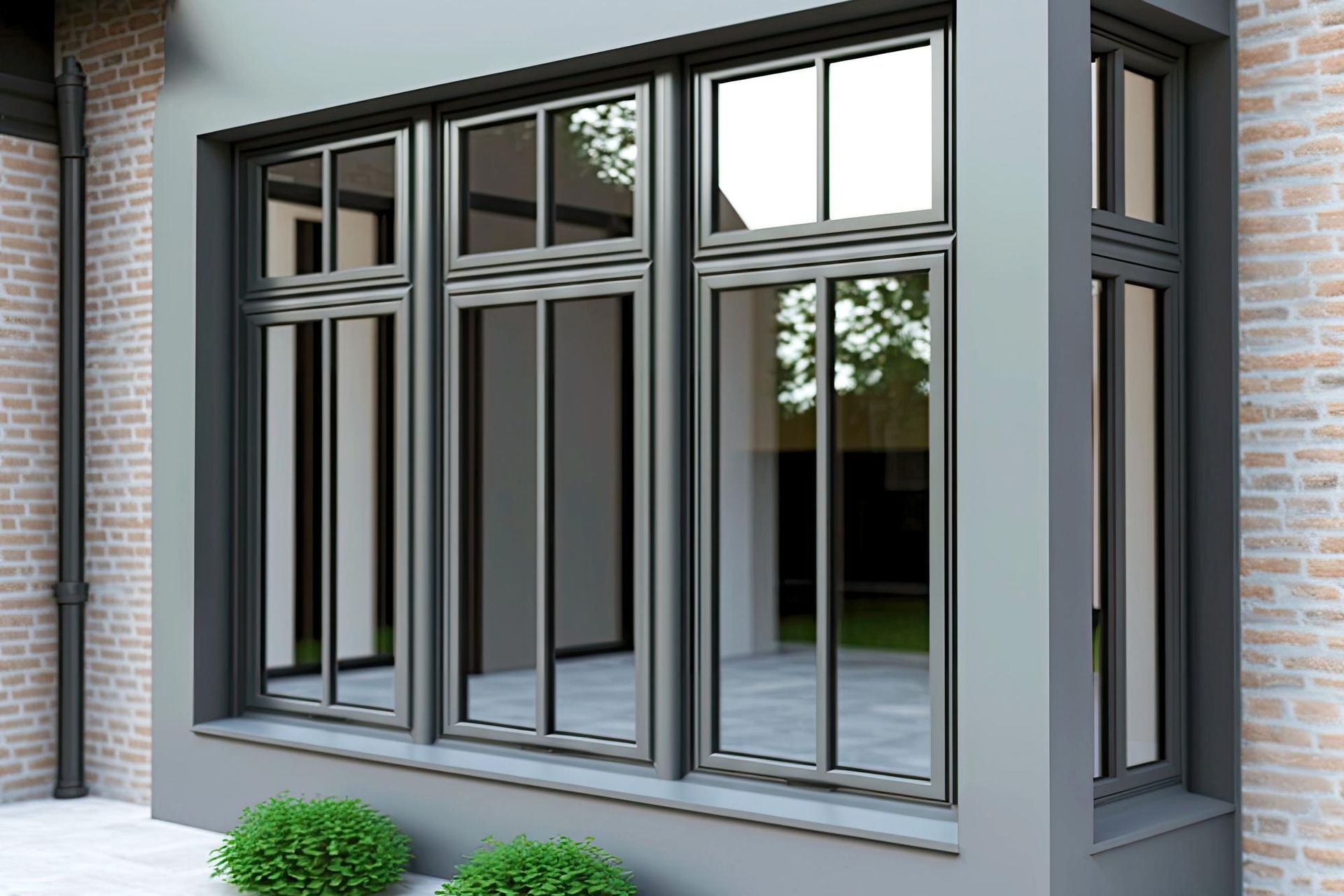
Window replacement on listed buildings
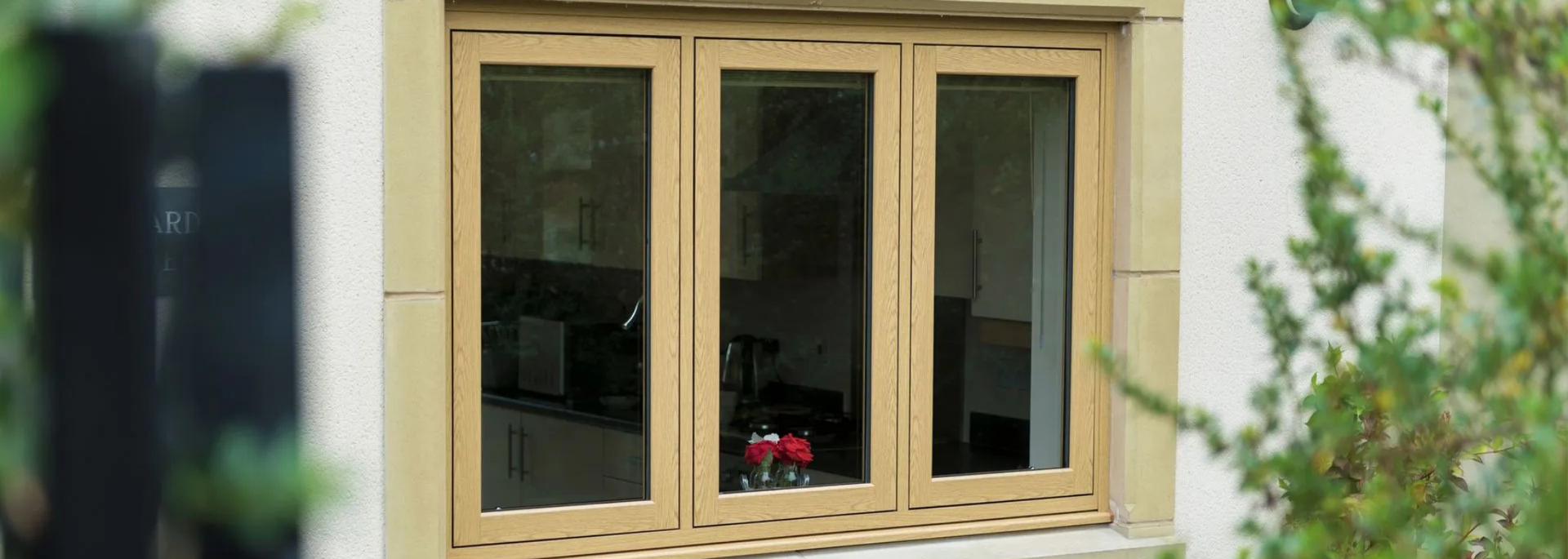
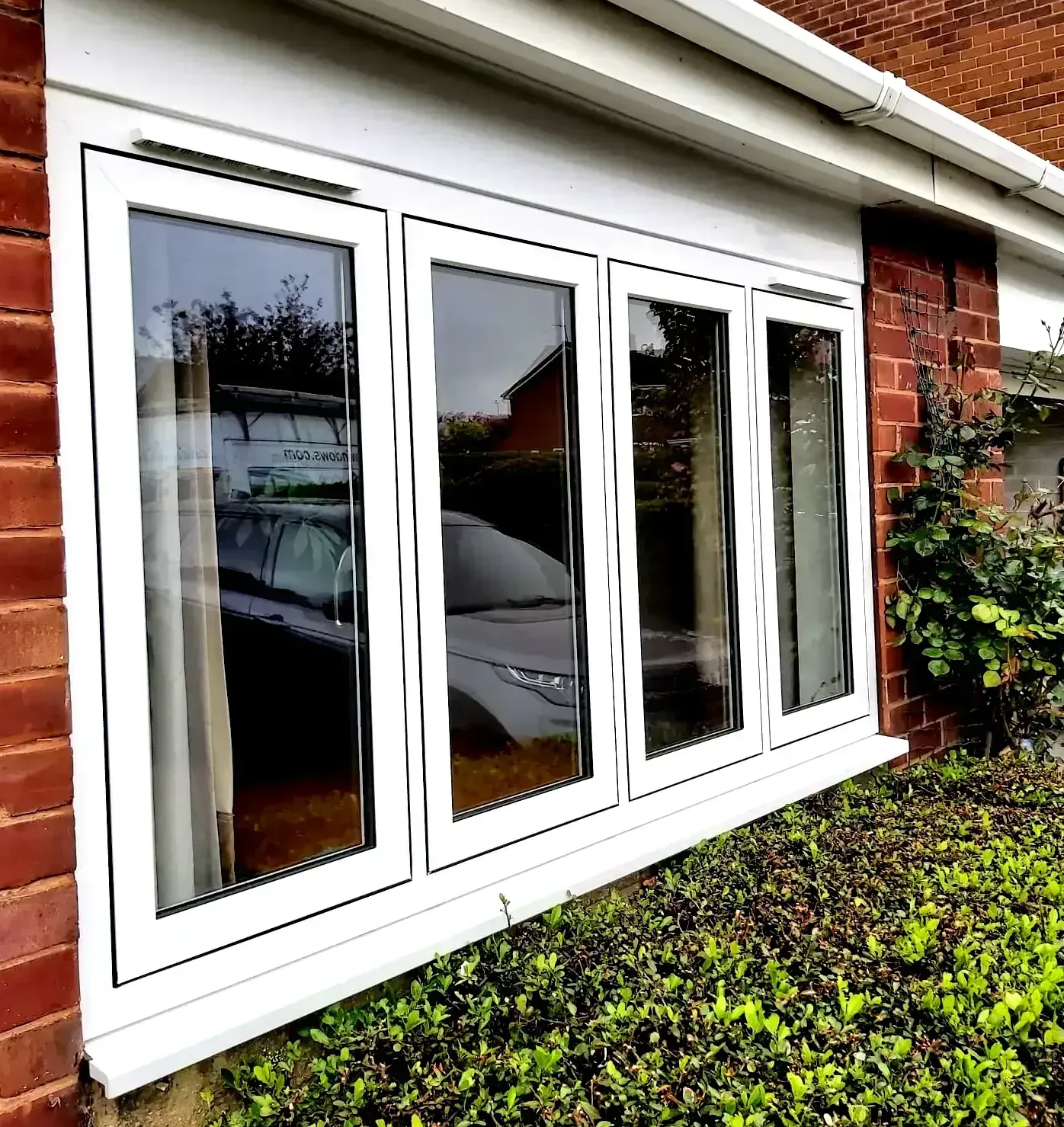
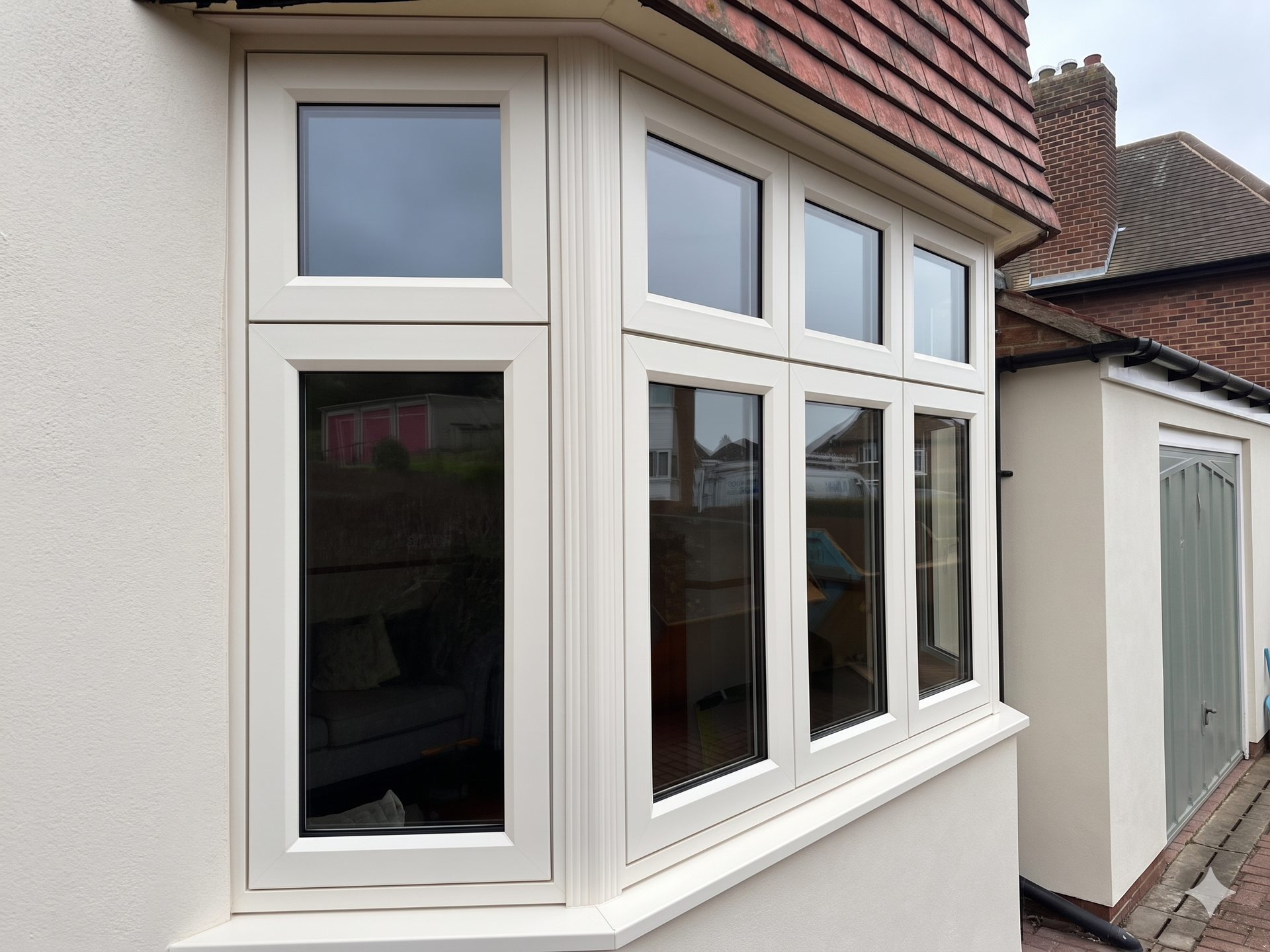
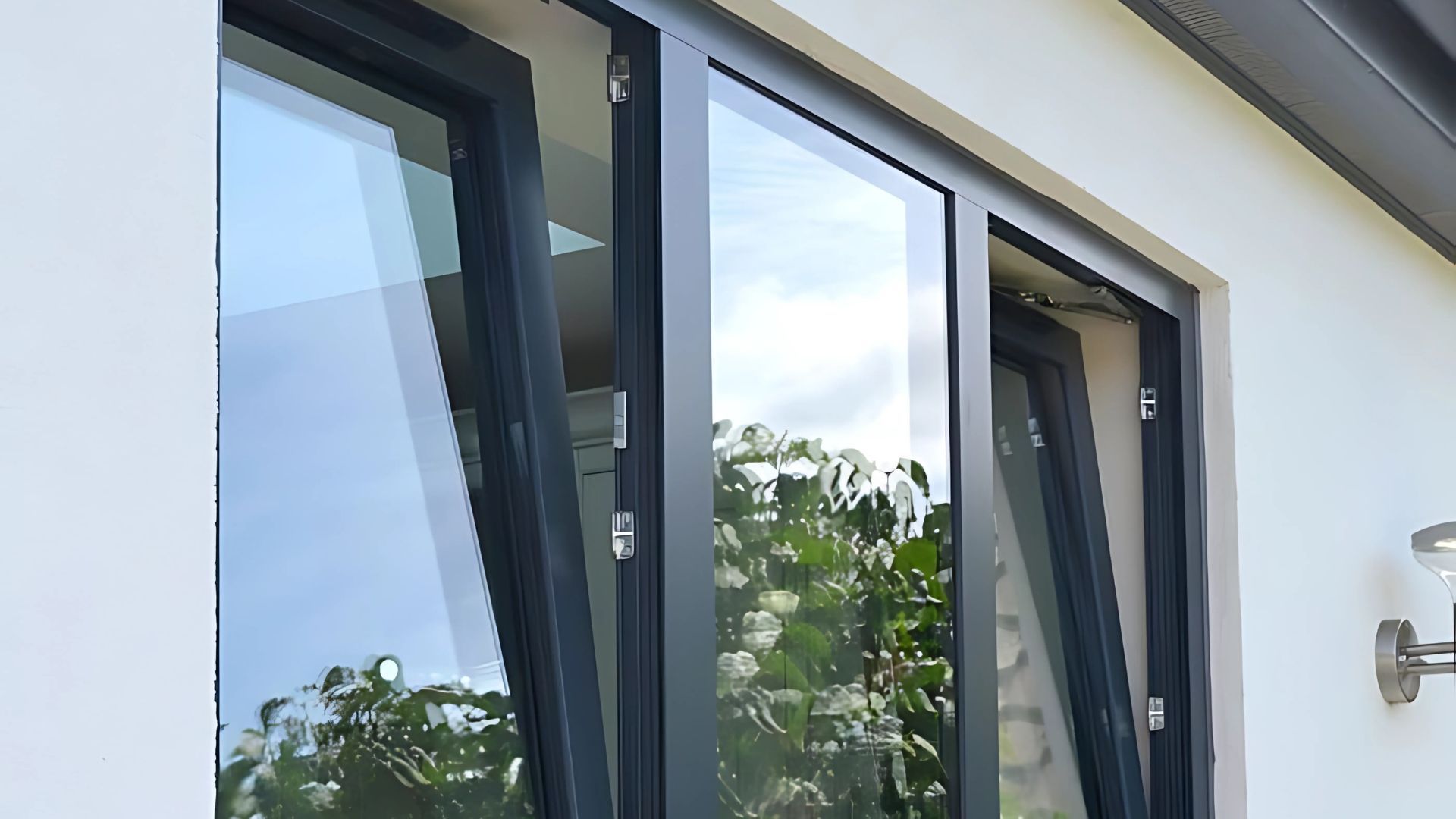
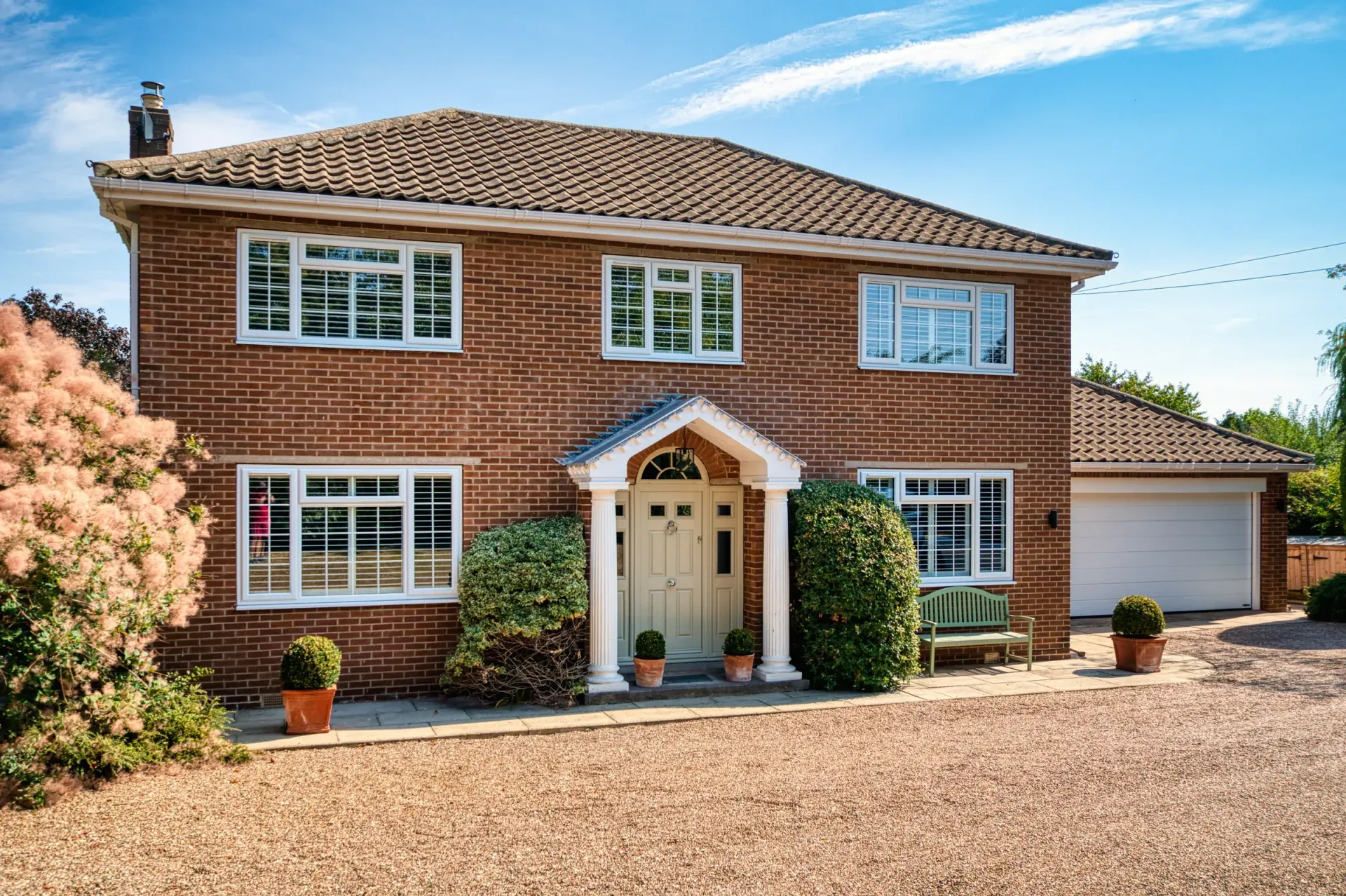
As with conservatory and orangery installations, you can usually replace windows in a listed building but need listed building consent.
If the existing windows are original or historically significant, you should keep them where possible. If they need to be altered, you should repair rather than replace unless they're absolutely beyond repair.
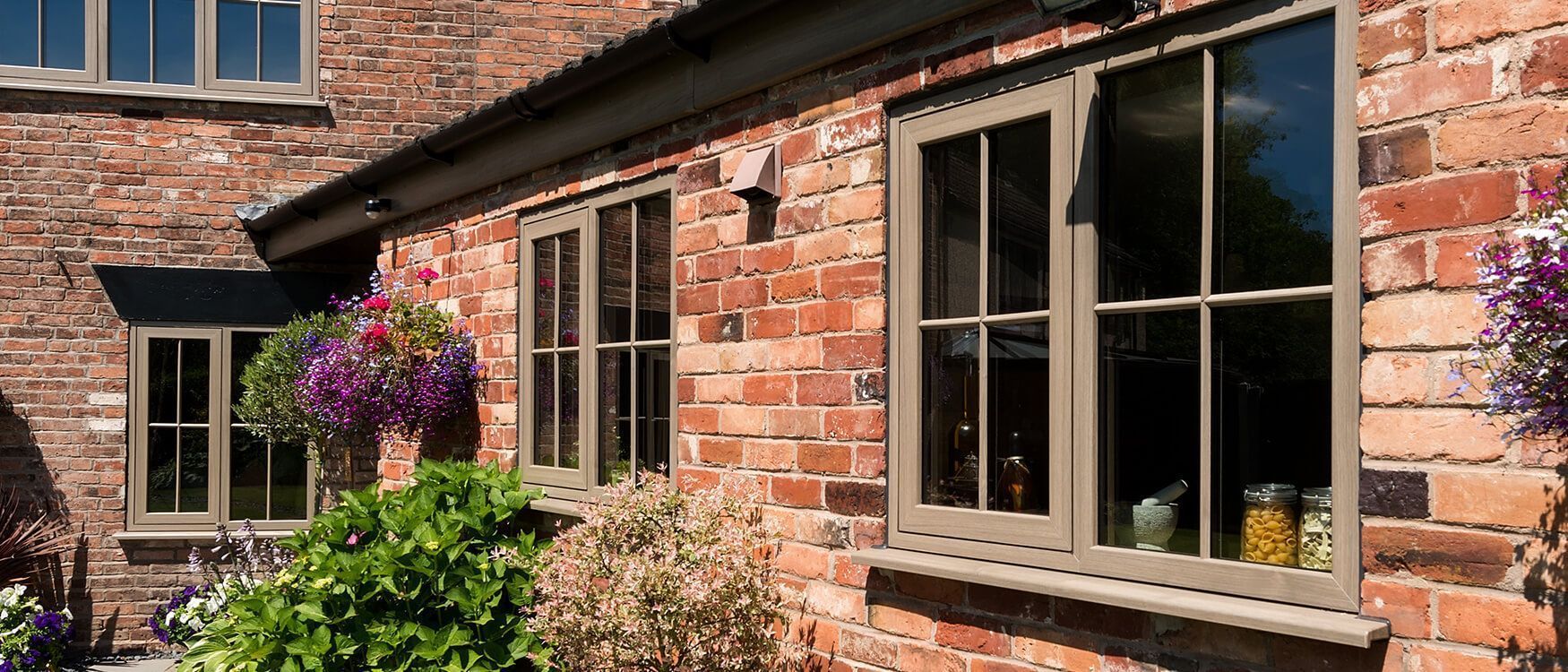
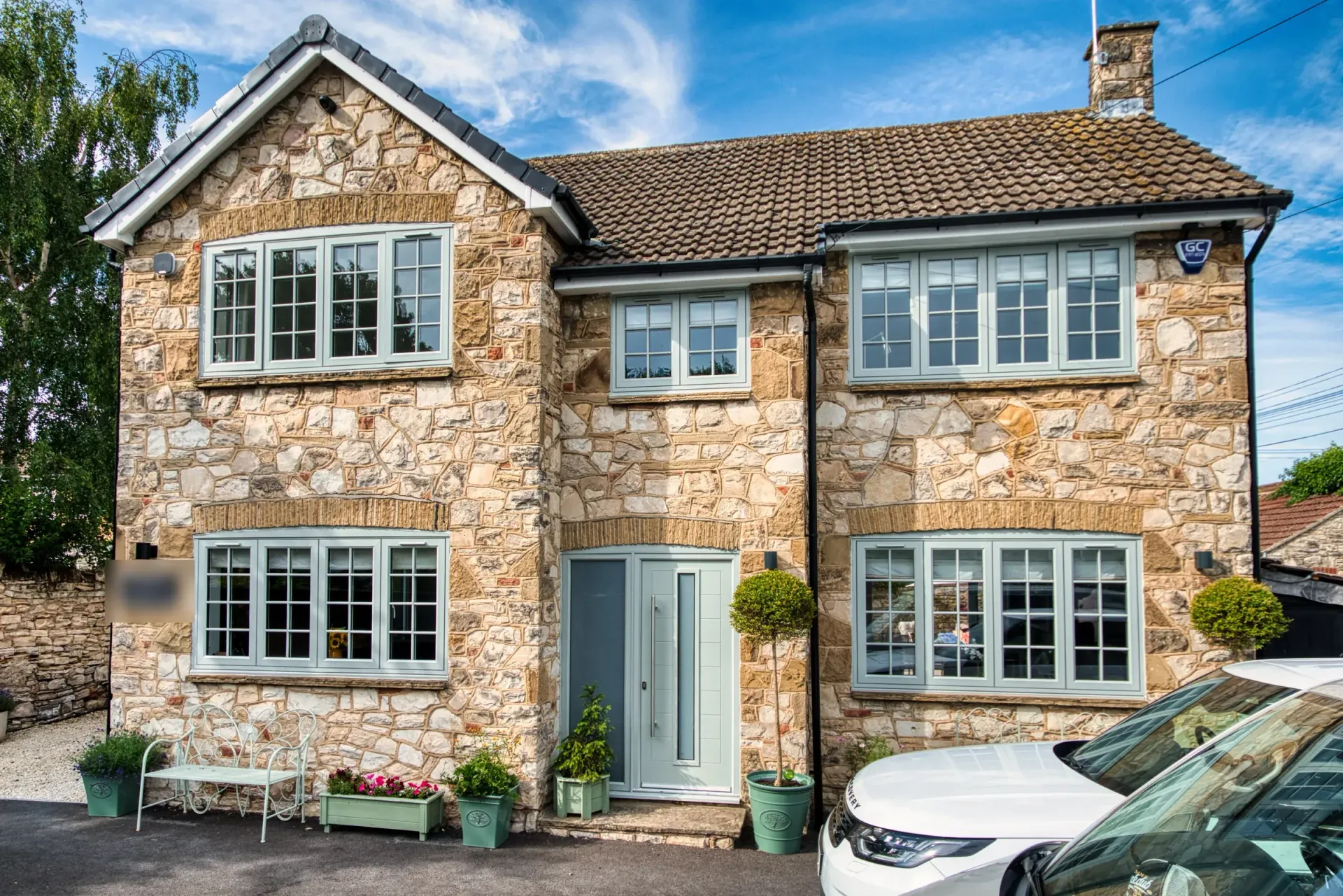
And if they're replaced, they should be replaced with accurate copies that match the original design.
The notable exception is when a previous owner installed bad-quality windows that don't match the building's historic aesthetic. In this case, replacing them with appropriate windows can be acceptable and even make the building more significant.
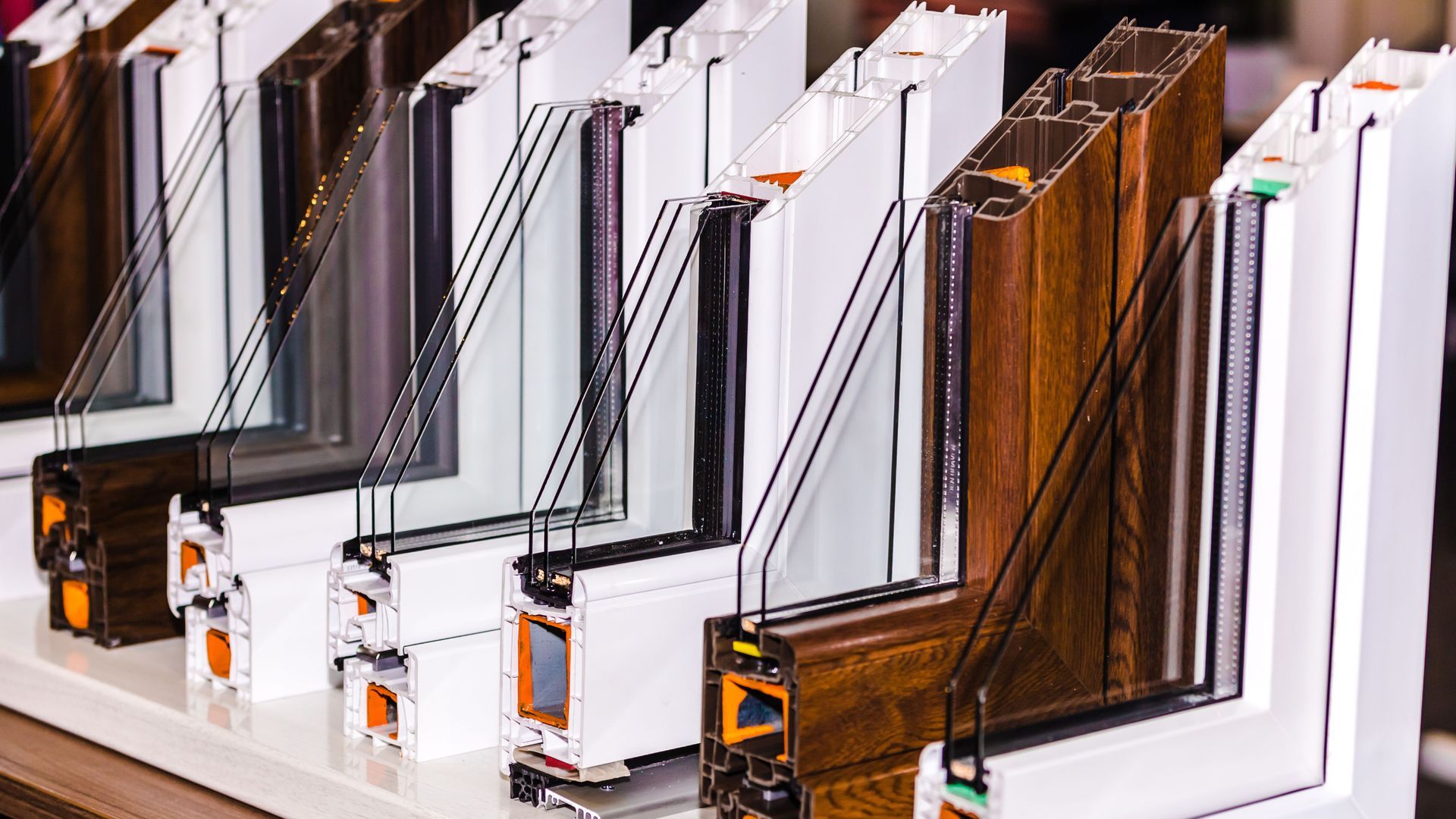
Double glazing isn't automatically prohibited. For many, however, secondary glazing is the easier route. This involves installing a second pane of glass or plastic on the room side of an existing window.
The importance of working with a sympathetic installer
Once you've received permission, you should choose your installer with care. That's because some installers lack experience or expertise with regard to listed building alterations.
A sympathetic installer will know their way around the issues, including the materials, construction methods and historic architecture in question. They're also more likely to repair than replace when not completely necessary. This could stand to save you some money.
At Calder Windows, we've worked with homeowners in listed properties for more than 30 years. We understand the rules and regulations around listed status and conservation areas. And as a Yorkshire-based business, we're especially familiar with the unique character of this county's historic architecture.
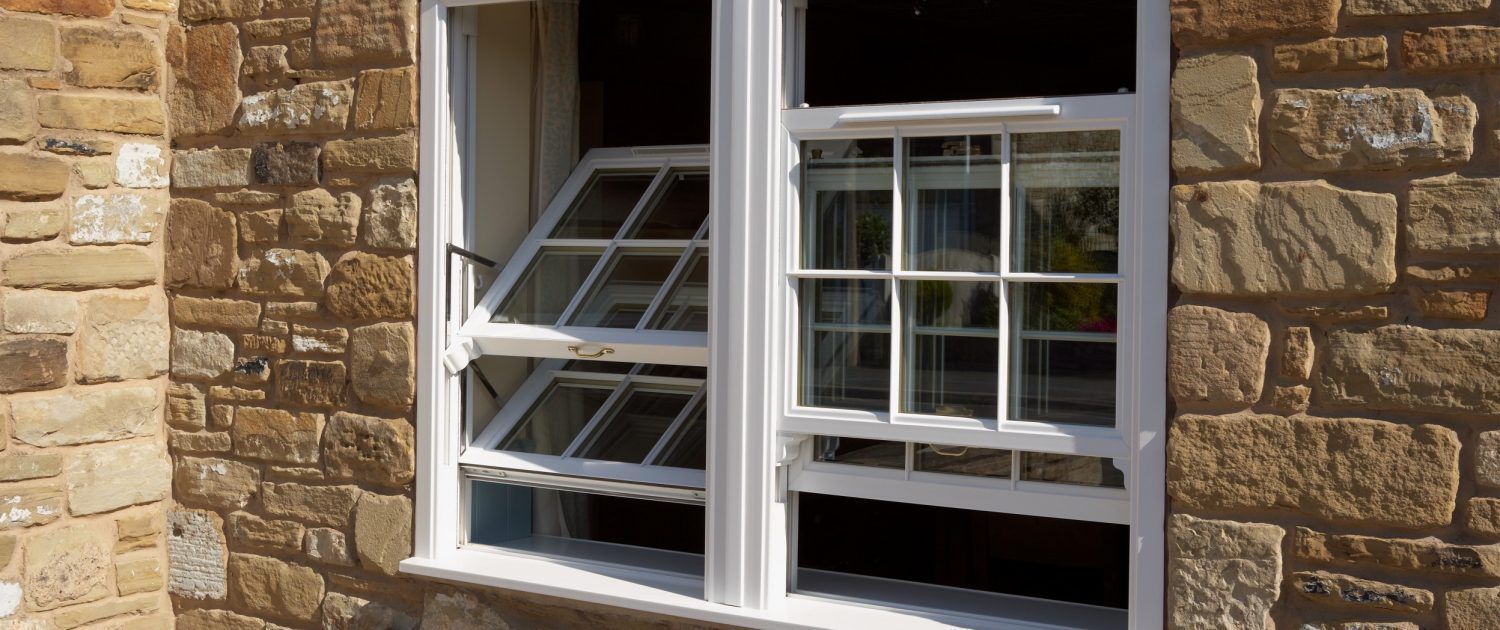
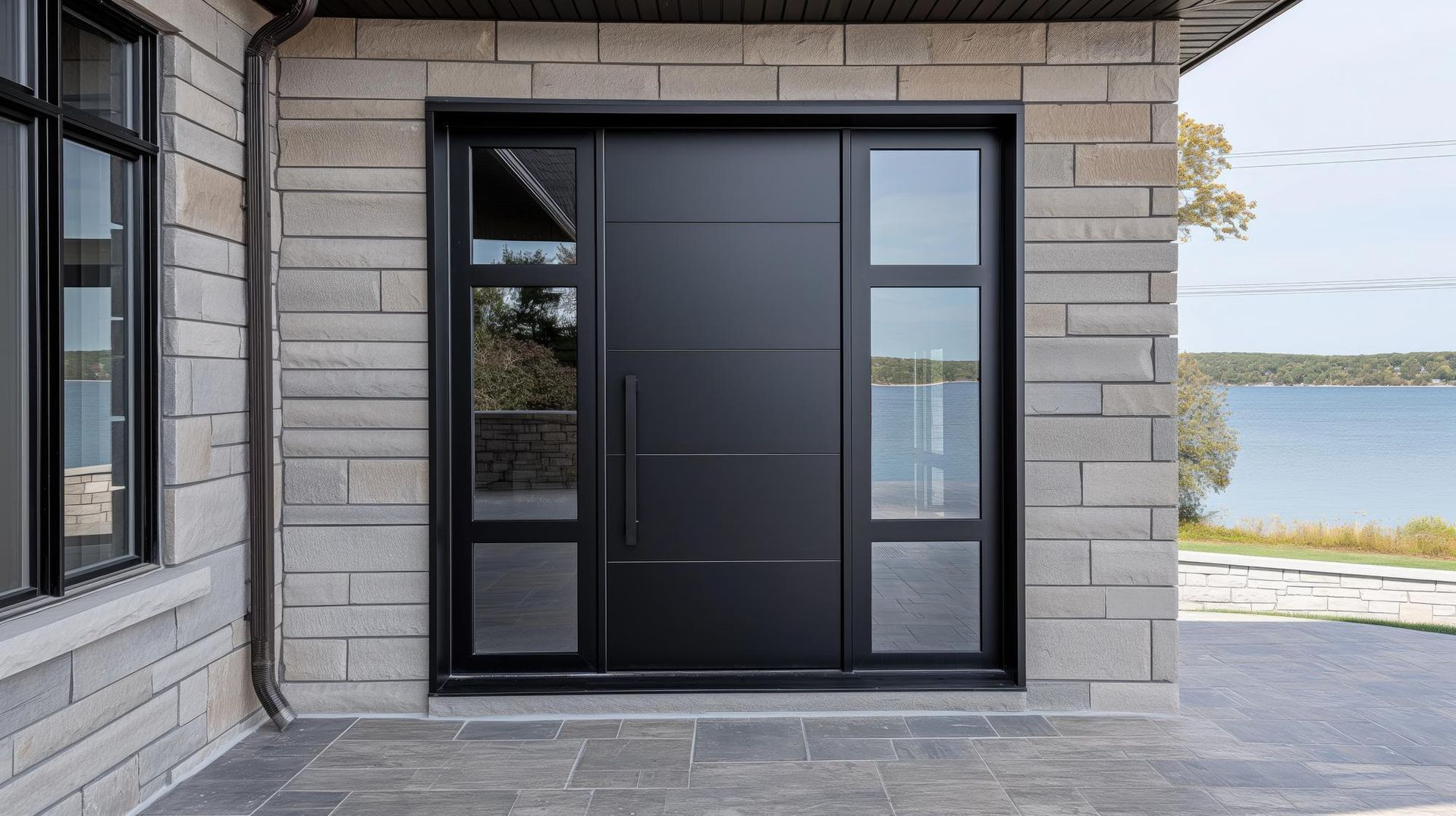
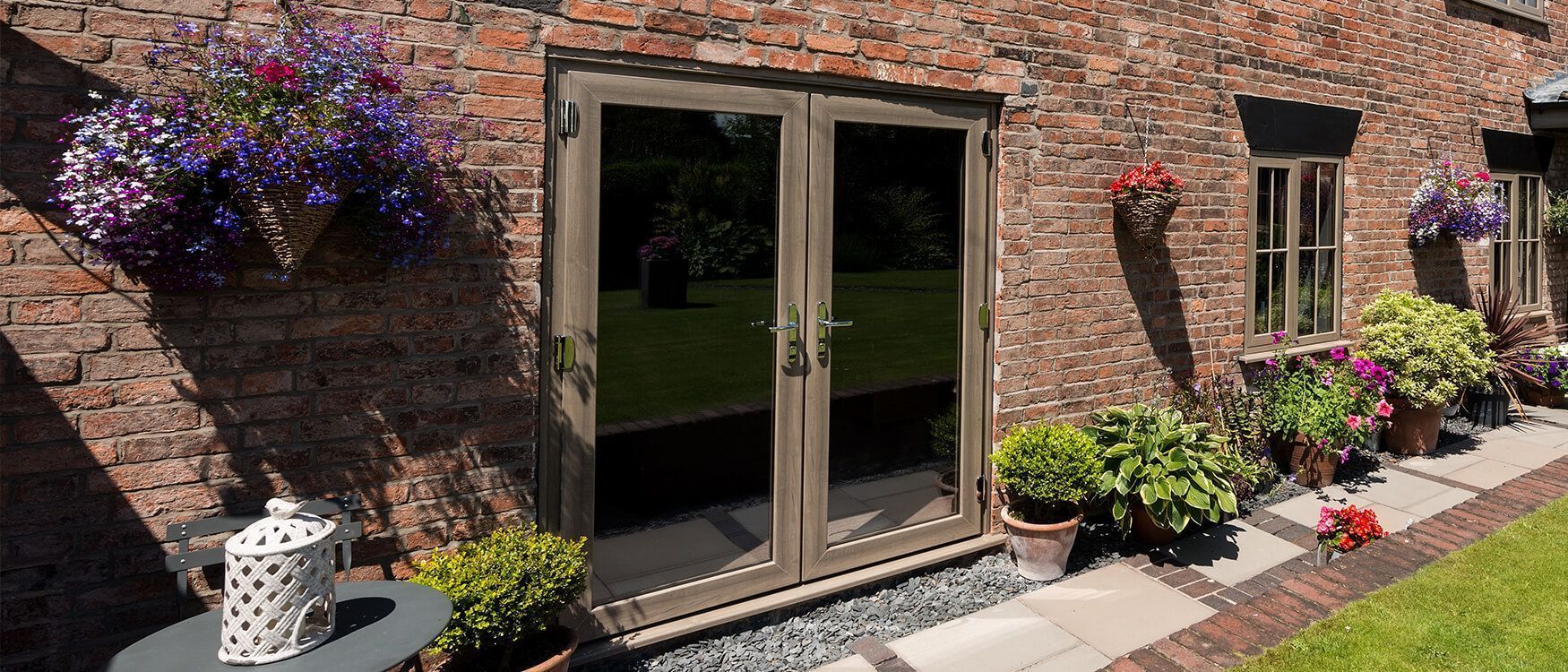
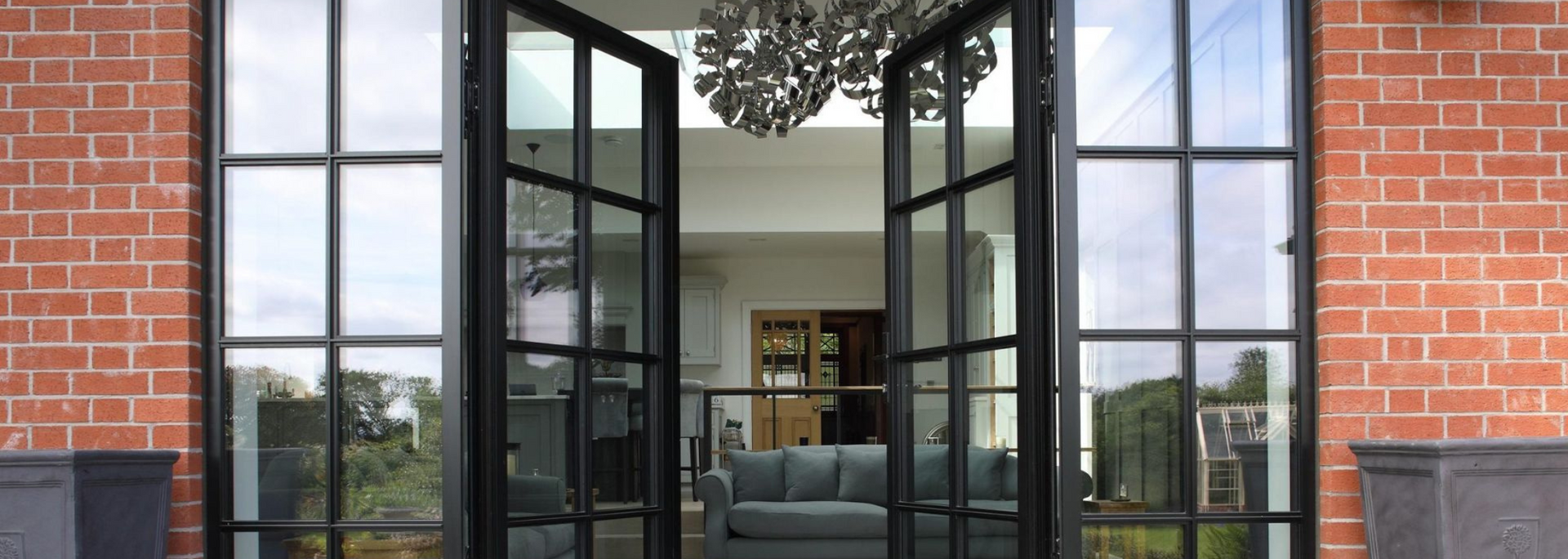
We also supply and fit a range of products that may suit a listed renovation. That includes heritage-style doors and flush sash casement windows, which mimic the look of traditional timber windows.
Want to discuss your home improvement project? Get in touch with our friendly local team today. We'd be delighted to help you navigate the process.
Recent Posts