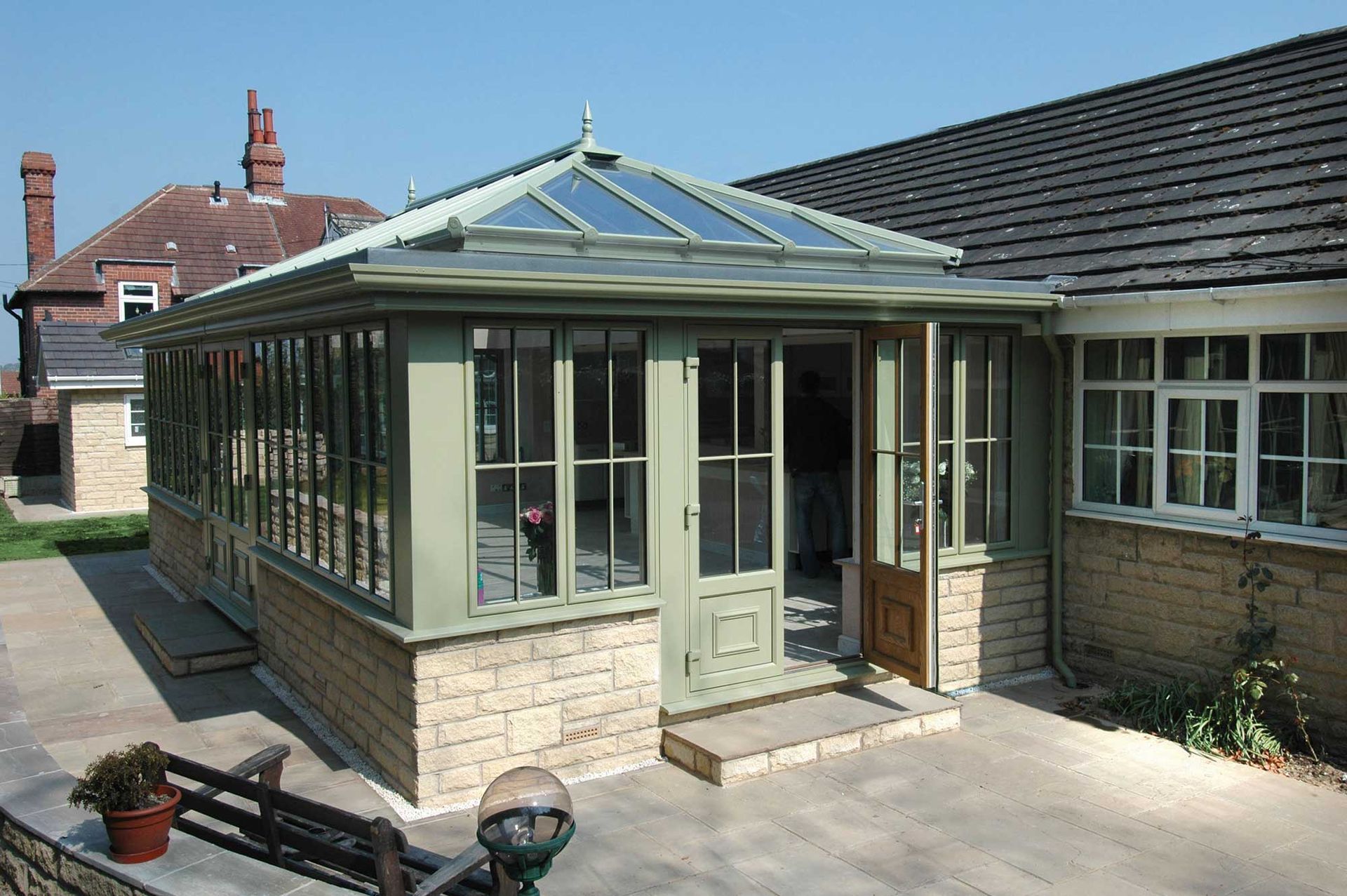
Is your home ready for a Yorkshire winter?
Cold, harsh Yorkshire winters are easier to bear with a little prep. Learn how to ready your home for winter – windows and all.

Is your home ready for the Yorkshire chill, or does it need a bit of TLC?
We're here to help you stay cosy through the winter months. This guide walks you through important checks for each room. We also list fixes in case you find any problems.
Room-by-room winter home checks
Living rooms and bedrooms

We usually spend the most time in these rooms. So, naturally, they need to be the most comfortable.
💨 The feel test for draughty windows
If you're in your bedroom or living room, you're probably not moving much. After all, if you're using these rooms, you're most likely watching TV or trying to get some shuteye.
The problem: that stillness can make any little draught feel 100 times worse. That's why it's important to check the places draughts usually come from: around your windows.
On the next windy day, try the feel test. Slowly guide the back of your hand around your window frames. If any air is sneaking in, you should feel it.
For extra diligence, hold a lit candle or incense stick close by. Watch to see if the flame or smoke flickers horizontally.
💧 Spot condensation warning signs
Another common winter woe is condensation around the base of your window panes. Mist and water droplets are common signs that a room isn't getting enough ventilation to handle winter's cold, humid air.
You may even see black mould on the plaster around it or rot on your windowsills.
Hallways and entrances

Ever step into your hallway and feel like you've entered a wind tunnel?
You're not alone. Hallways and entryways are perfectly shaped to funnel cold air into your house from open doors and imperfect seals and frames.
🚪 The door seal and threshold check
Check your front door and every hallway door. Open each door and check the rubber gaskets (compression seals) in the frame. If they're brittle, flattened or damaged, they're likely letting in cold air.
Another good check is to see if daylight is peeping in through the bottom of your front door. If it is, that means cold air is coming in, too.
Kitchens and bathrooms
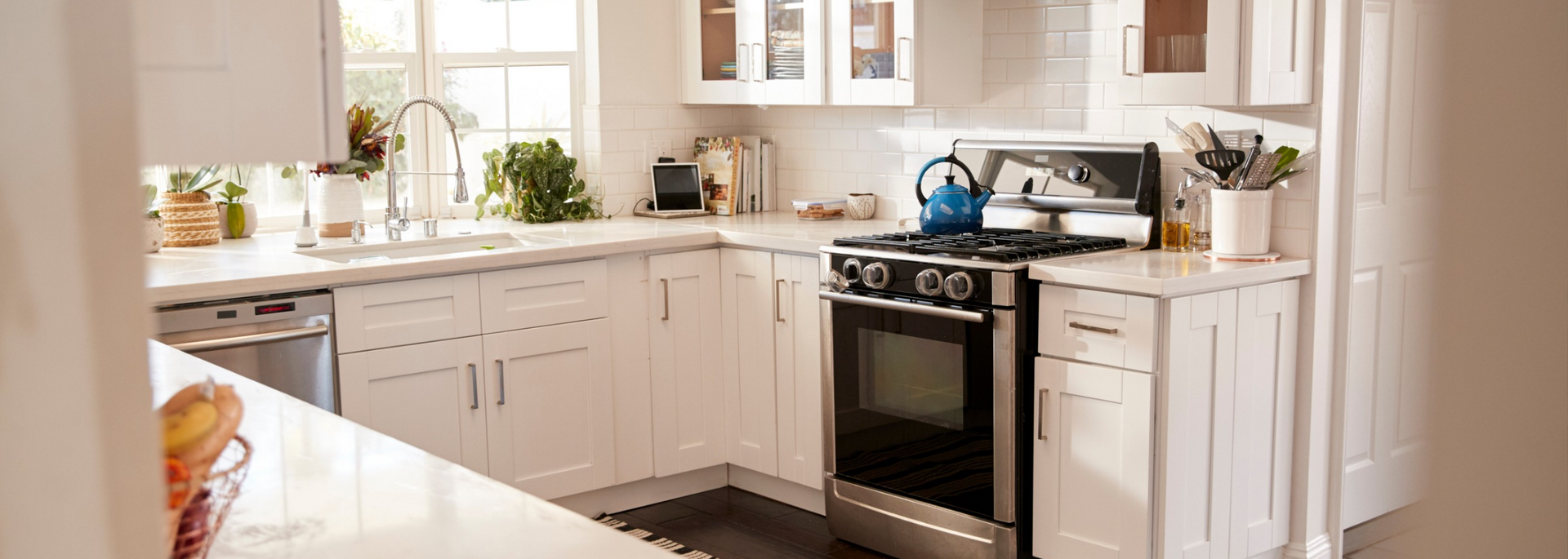
In these rooms, it's important to balance keeping cold air out and having enough ventilation to prevent mould and other damp issues.
☁️ Track humidity build-up
In winter, you're less likely to open your windows, so moisture from cooking and showering can build up more easily. Extractor fans help remove this moisture without letting in as much cold air as an open window – but only if they're working properly.
Home offices and spare bedrooms
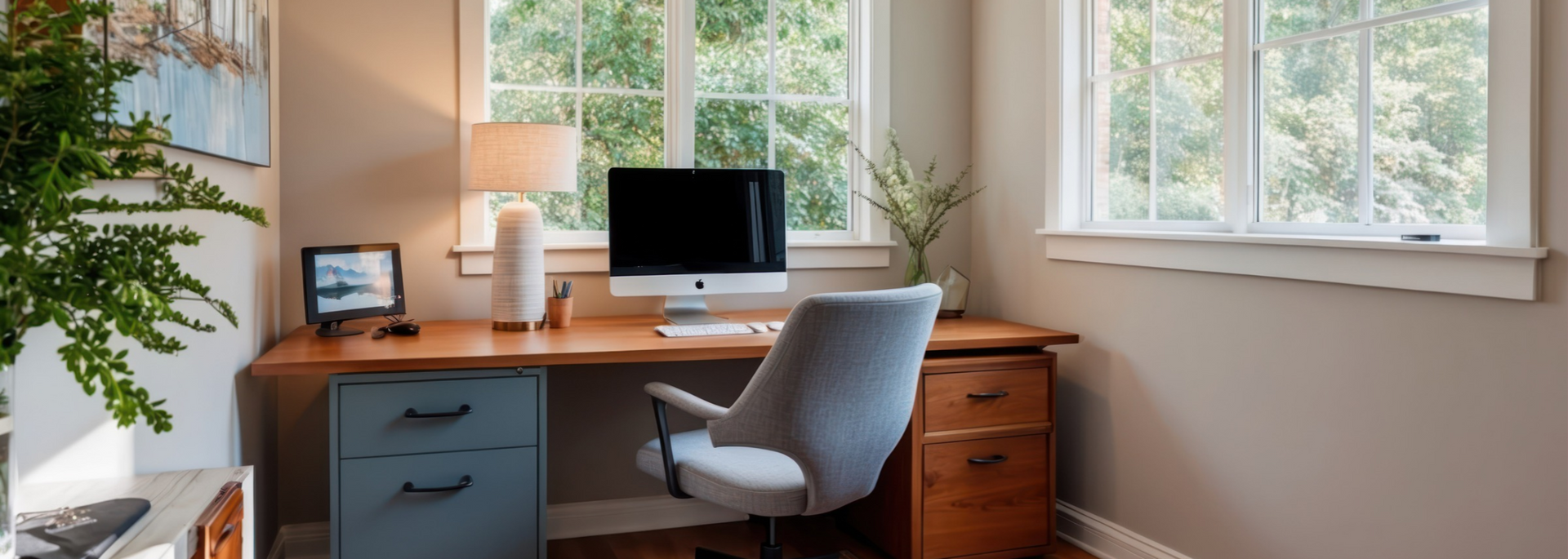
These rooms can get a bit chilly if you don't use them as often as other parts of your house. Perhaps you only crank up the radiators if you're working from home or have guests staying.
🚪 The internal door gap
Since these rooms are typically colder and less frequently used, you want to keep that cold air locked in. Check for any gaps around the door frame and the bottom of the door that could let air through. Check the windows, too, for any draughts (you don't want the rooms to get even colder).
Utility rooms
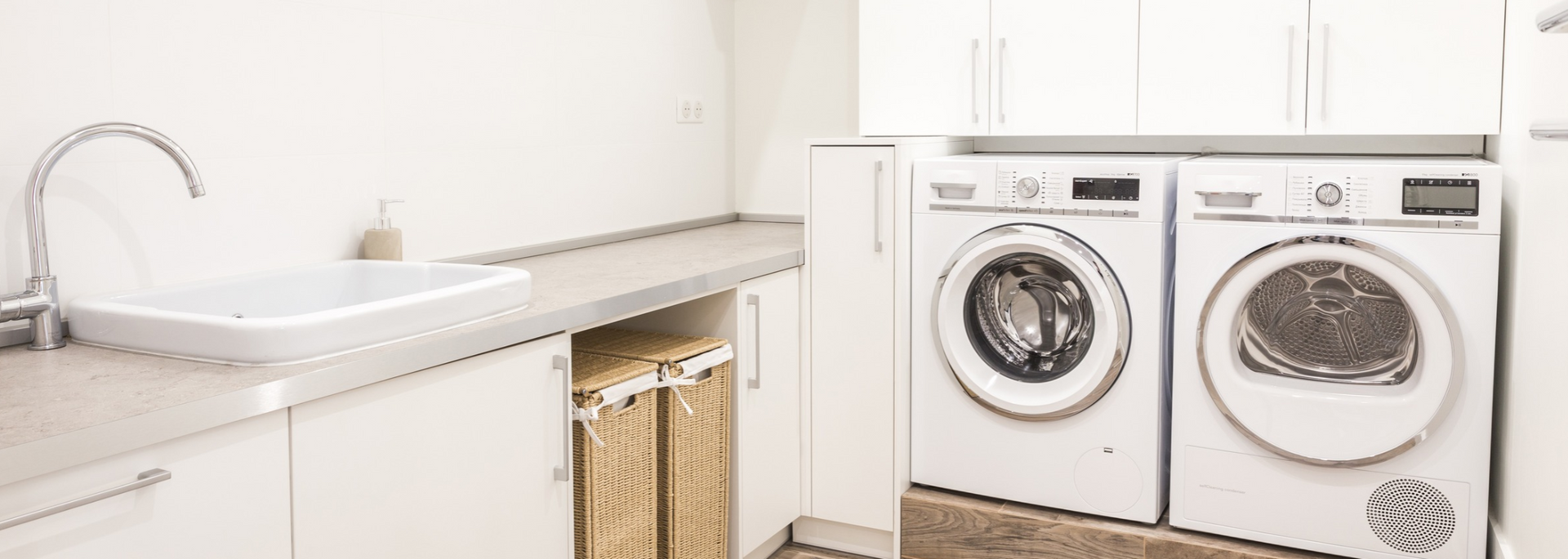
Most people don't spend much time in their utility room – a quick load in the washing machine, and you're out of there. Sometimes, however, that can mean they're overlooked. Your utility room could be making the winter chill worse, and you might not even know it.
🐈 Cat flaps and pet doors
Old or damaged cat flaps and pet doors can let massive gusts of wind into your house. Check that the magnetic seals still work and look around the edge to see if the plastic has warped and created gaps.
🎛️ Appliance vents
Check extractor fans and wall vents for appliances like tumble dryers. If they're broken or stuck open, they might be letting cold air drift into your house.
Stairs, landings and the loft hatch
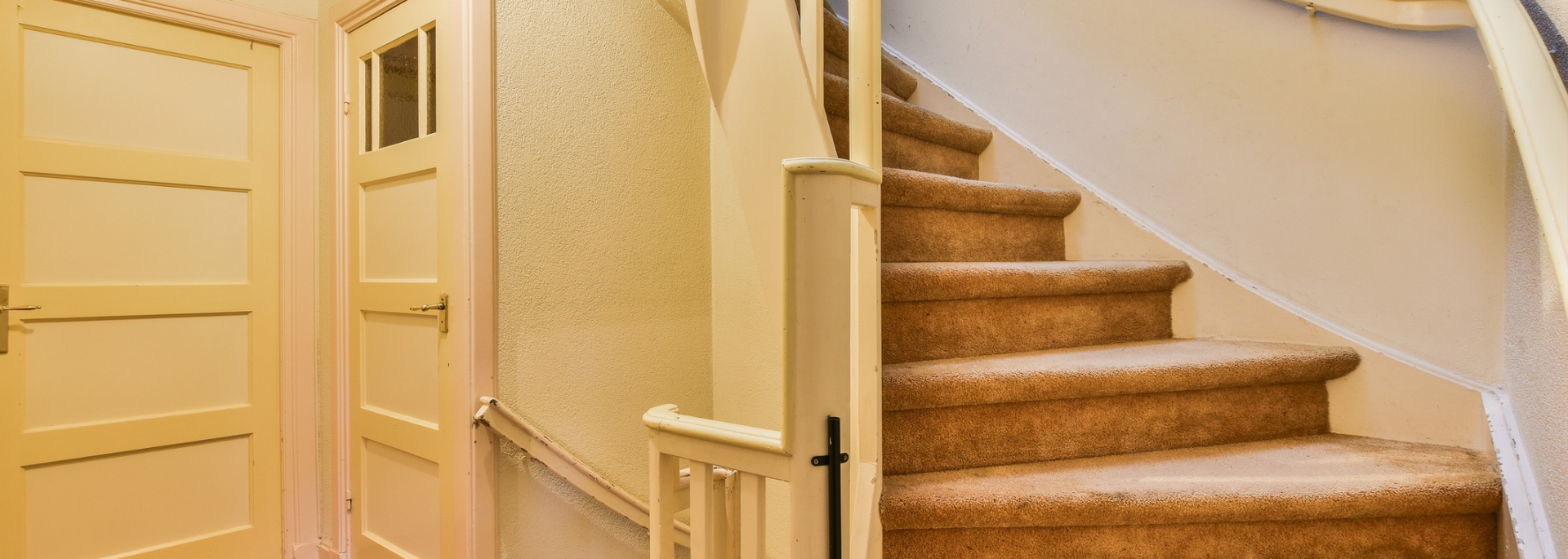
Heat rises, so it's worth checking the highest point of your house to see if any is escaping there.
🏭 The loft hatch chimney effect
Is your loft hatch a flimsy bit of plywood sitting in a frame? It may do the job of closing your loft off from the rest of the house, but it does nothing for your utility bills. Warm air will rise up through the gaps into the freezing roof, while cold air streams down to replace it.
Simple winter fixes vs things that need a professional
Simple DIY fixes:
Windows and external frames:
Get yourself some self-adhesive foam tape or draft excluder strips to block gaps.
Draughty doors:
Use brush or fabric draught excluders under internal doors and entrance doors to stop cold wind blowing through.
Window condensation:
When you get up in the morning, wipe down any condensation that has appeared with a microfibre cloth or window vac. This should stop mould before it starts.
Misbehaving vents:
Give the flaps a good clean, making sure they're free from lint and dust.
Leaky loft hatches
Apply self-adhesive rubber P-profile tape along the perimeter of the hatch.
Call in a professional:
Worn gaskets:
Replace old or worn uPVC frame gaskets with heavy-duty seals to make your doors airtight again.
Misaligned windows and doors:
Re-align dragging doors, re-adjust dropped door hinges and repair window locks to make sure they close tightly.
Draughty utility rooms:
Upgrade pet doors with specialised magnetic models and replace broken external wall vents.
Persistent condensation:
Is wiping the condensation away not doing the job? Are you experiencing problems like mould? Consider asking an electrician to install continuous mechanical extract ventilation (dMEV) fans in your kitchen or bathroom.
It's time to replace:
Rotten wooden frames:
If the rot is so bad you can easily push a screwdriver into the wood, it's best to fully replace the frames.
Blown glazing:
Replace glass windows if they have misting or fogging inside that won't go away. It means the insulating gas has escaped, making the windows less effective at trapping heat.
Warped door frames:
Once a composite or uPVC door becomes badly warped, the gaps created are often unfixable. It's best to get a new one.
H3: How Calder Windows can help
Calder Windows is a Wakefield-based window and door installer with more than 30 years of local experience.
That's 30+ Yorkshire winters – so we know how to battle the chill more than most. We've helped countless local homeowners upgrade their windows and doors to make their homes warmer, cosier and more winter-ready.
All our products are robust, thermally efficient and come in several styles to suit modern and traditional Yorkshire homes. Most come with generous warranties, too, so you can be confident in the standard of our products and our installations.
Want to discuss how we can help winter-proof your home?
Get in touch with our friendly team today to book a no-obligation consultation.
Recent Posts