Integral blinds for kitchens and bathrooms: the hygienic choice
Should you buy integral blinds for your kitchen or bathroom? Find out why they're often a more hygienic option.
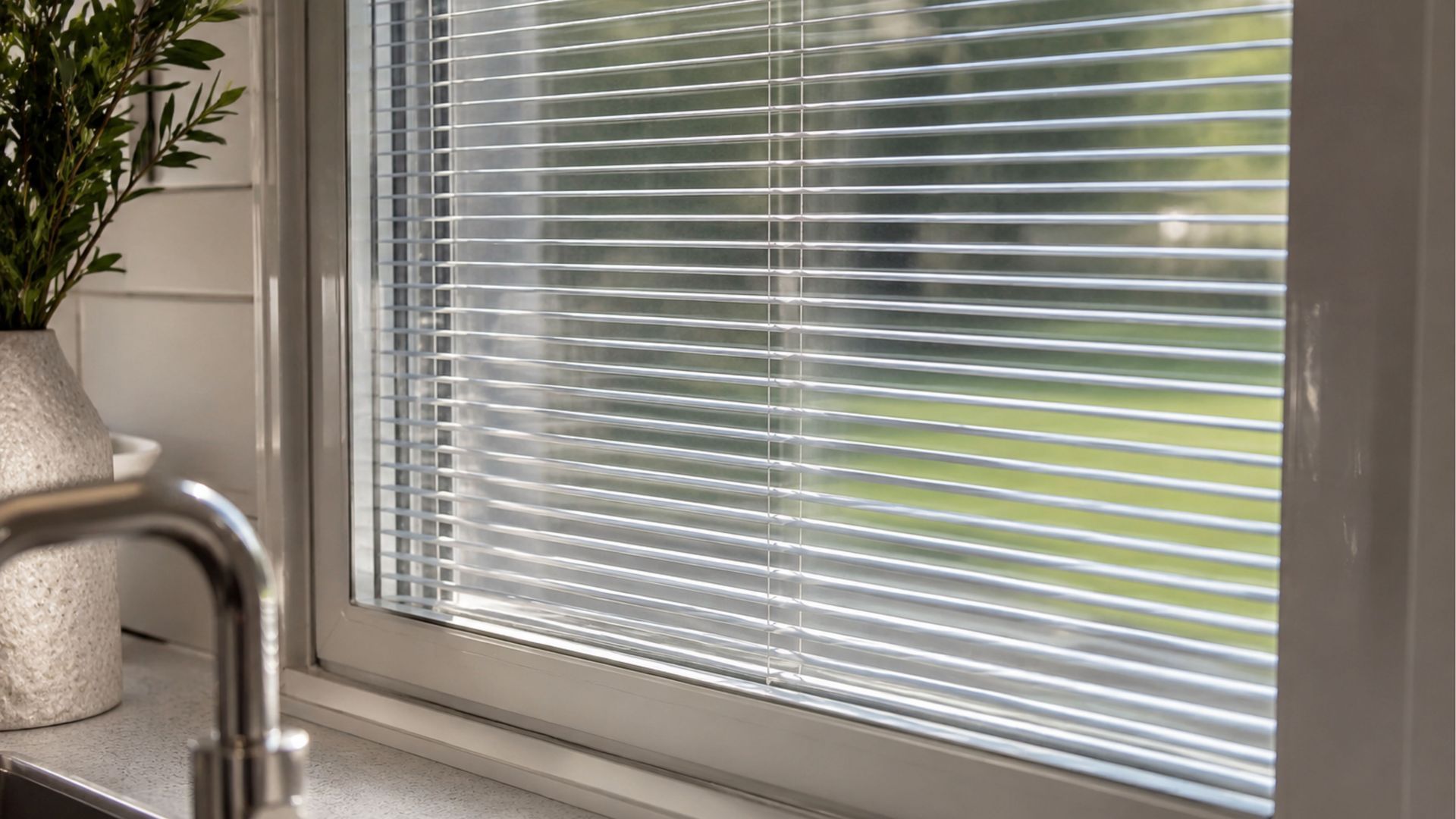
Kitchens and bathrooms are among the hardest-working rooms in any home. They need practical, durable finishes that look good without demanding constant maintenance. Yet one often-overlooked detail can quickly become a nuisance: the window blind.
Traditional blinds collect cooking grease, dust and moisture, making them difficult to keep fresh and presentable. Over time, fabric can discolour, develop unpleasant odours or show signs of damp.
Integral blinds offer a smarter alternative, combining privacy and light control with a clean, streamlined design.
Fitted between the panes of a sealed double-glazed unit, integral blinds are protected from the everyday mess that affects conventional window coverings. For busy households, they offer an appealing combination of hygiene, convenience and long-term practicality.
The kitchen and bathroom blind problem: grease and damp
In the kitchen, steam, airborne grease and food particles are an unavoidable part of cooking. Even with an extractor fan, these can settle on nearby surfaces, including blinds.
Fabric blinds are particularly challenging because grease can cling to fibres. Then, to make matters more unpleasant, dust sticks to that grease residue.
Venetian blinds aren't immune either: each slat can become coated in grime, requiring careful cleaning one by one.
Bathrooms present a different challenge. Hot showers and baths produce moisture that can linger in the air, particularly where ventilation is limited. Fabric blinds may absorb damp, while condensation encourages dirt build-up and can contribute to mould if conditions are persistently humid.
Both rooms also require privacy without sacrificing natural light. Constantly opening, closing and cleaning conventional blinds adds another chore to an already busy routine.
Why integral blinds beat fabric blinds in kitchens and bathrooms
Integral blinds solve the problem by placing the blind inside the sealed glazing unit between the panes of glass. Rather than hanging in the room, exposed to cooking fumes and bathroom humidity, the blind sits safely enclosed within the window.
The result is a practical, uncluttered finish. There's no fabric hanging near the hob, no dangling slats beside a steamy shower and no bulky blind assembly collecting dust around the window.
Light and privacy remain easy to control. Depending on the system, a magnetic slider or motorised mechanism allows the blind to be raised, lowered or tilted to adjust daylight entering the room.
Because the blind is integrated into the glazing, it also moves with the window or door rather than obstructing its operation. This is particularly useful in compact kitchens and bathrooms, where every centimetre of space matters.
Hygiene: nothing to clean, nothing to replace
One of the biggest advantages of integral blinds is how little maintenance they require.
Since the slats are sealed inside the glass, they aren't exposed to airborne grease, splashes, dust or bathroom moisture. That means there's no need to remove fabric for washing or spend time wiping each slat individually.
Routine cleaning is refreshingly simple: just wipe the glass with your usual window-cleaning products and keep the surrounding frame clean. The blind itself doesn't need regular dusting or washing.
This enclosed design also helps protect the blind from accidental damage, making it an attractive option for family homes and busy households.
The best rooms and windows for integral blinds
Kitchens and bathrooms are natural fits for integral blinds. However, they can benefit any room that needs privacy, cleanliness and convenient light control.
In kitchens, they work particularly well above sinks, near preparation areas and on windows overlooking neighbouring properties. In bathrooms and en-suites, they provide adjustable privacy without introducing fabric into a humid environment.
They're also worth considering for utility rooms, where laundry moisture and everyday household activity can make conventional blinds less appealing.
Smaller windows benefit from the neat appearance, while larger glazed areas can achieve a consistent look without multiple external blind fittings.
For bathrooms, consider the glazing as well as the blind. Obscure glass can improve privacy, while suitable ventilation remains essential for managing condensation. Integral blinds are a practical window-covering solution, not a substitute for effective extraction or airflow.
The cost comparison vs fitting high-quality blinds separately

Integral blinds cost more upfront than buying a basic roller blind or a budget Venetian blind. However, the fairest comparison is with a quality conventional blind that complements the room, rather than the cheapest option available.
Separate blinds add another item to buy, measure, fit and maintain. Depending on their material and location, they may eventually need professional cleaning or replacement because of staining, wear or moisture damage.
Integral blinds combine the shading system with the glazing, giving the window a finished appearance without additional internal brackets or blind fittings. Their value therefore extends beyond the initial purchase price to convenience, appearance and reduced cleaning effort.
The exact cost difference depends on window dimensions, glazing specifications, control options and installation requirements. For a like-for-like comparison, your best bet is to request quotes for both solutions and consider likely maintenance costs over time.
If you're already replacing windows or doors, incorporating integral blinds at the outset may be more straightforward than treating them as a separate project later.
A note on patio doors in wet rooms
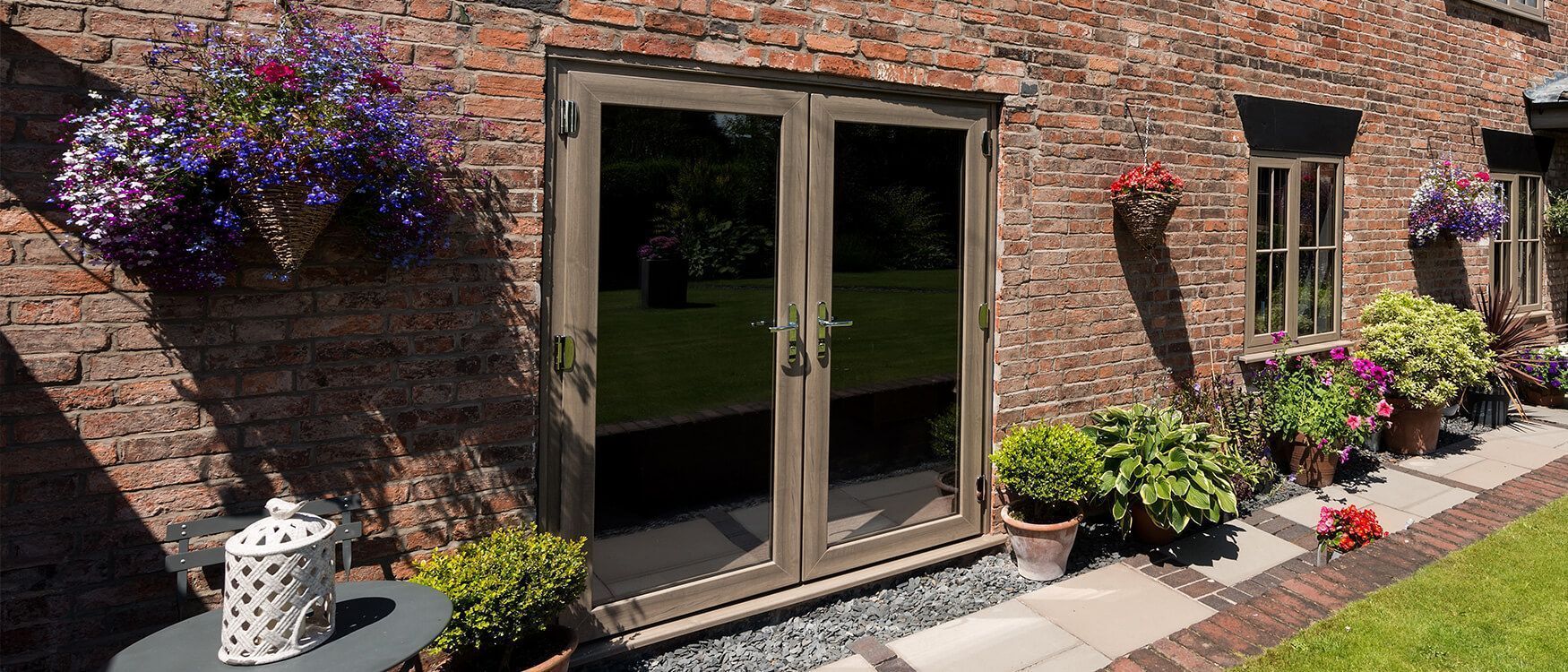
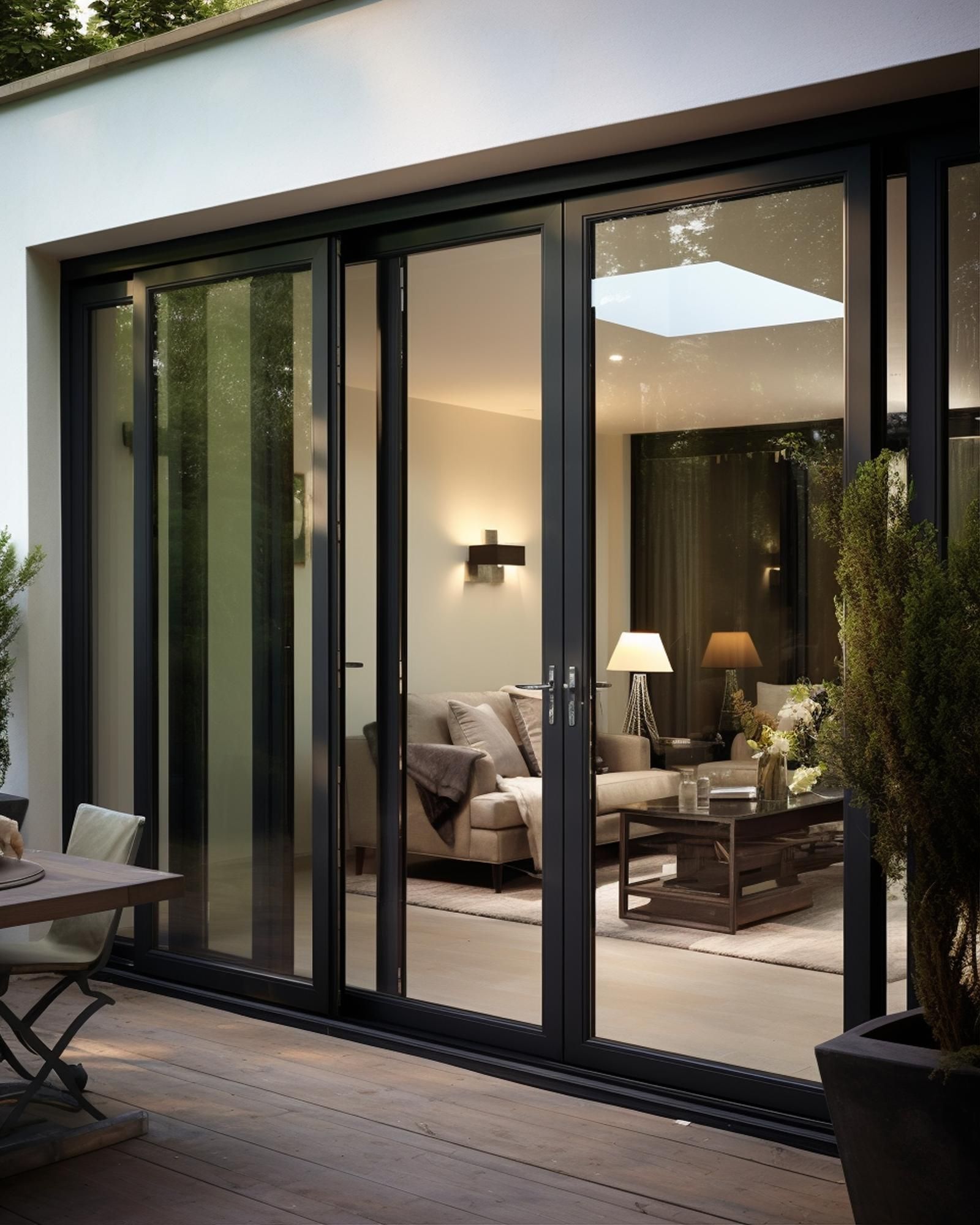
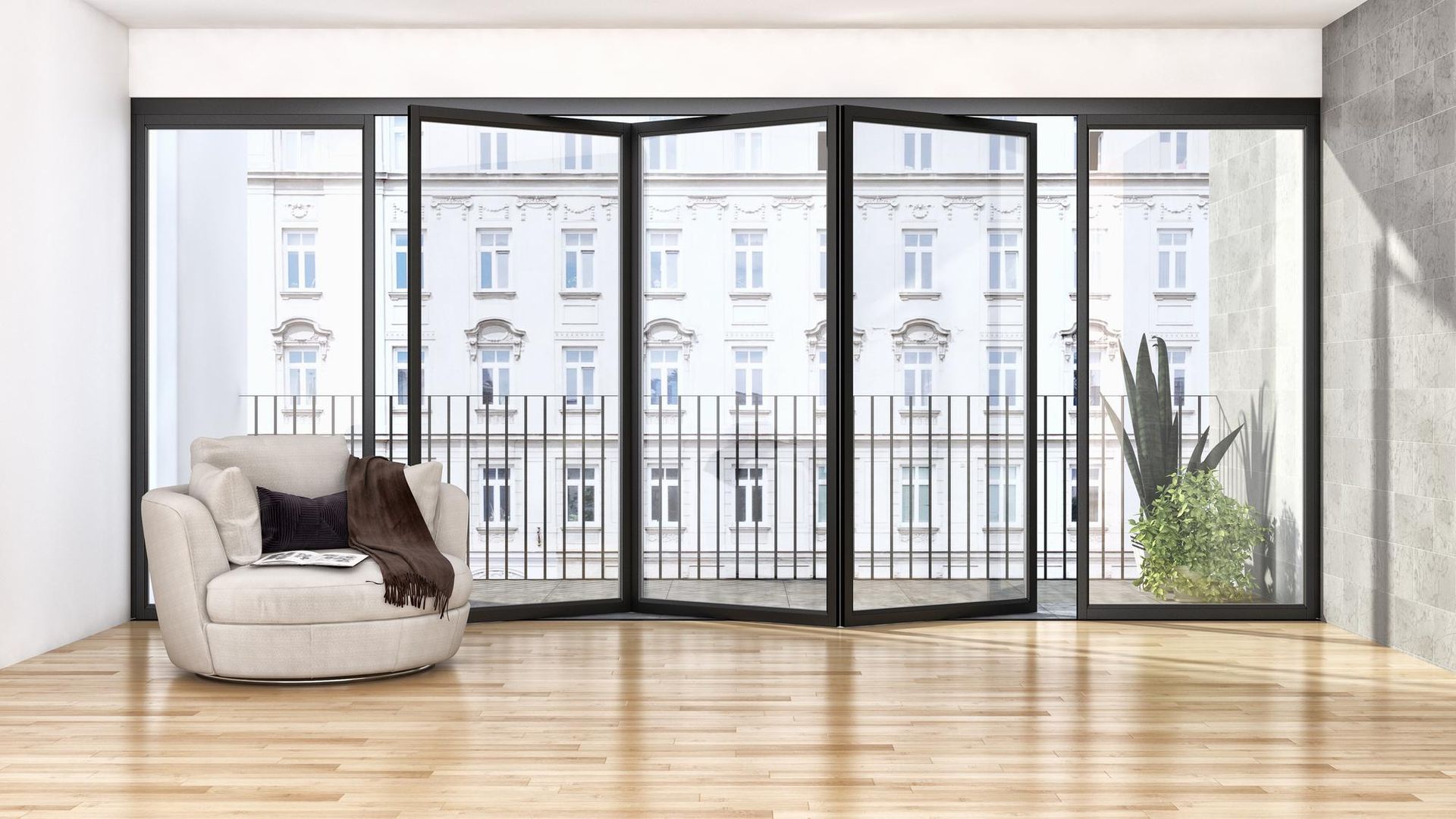
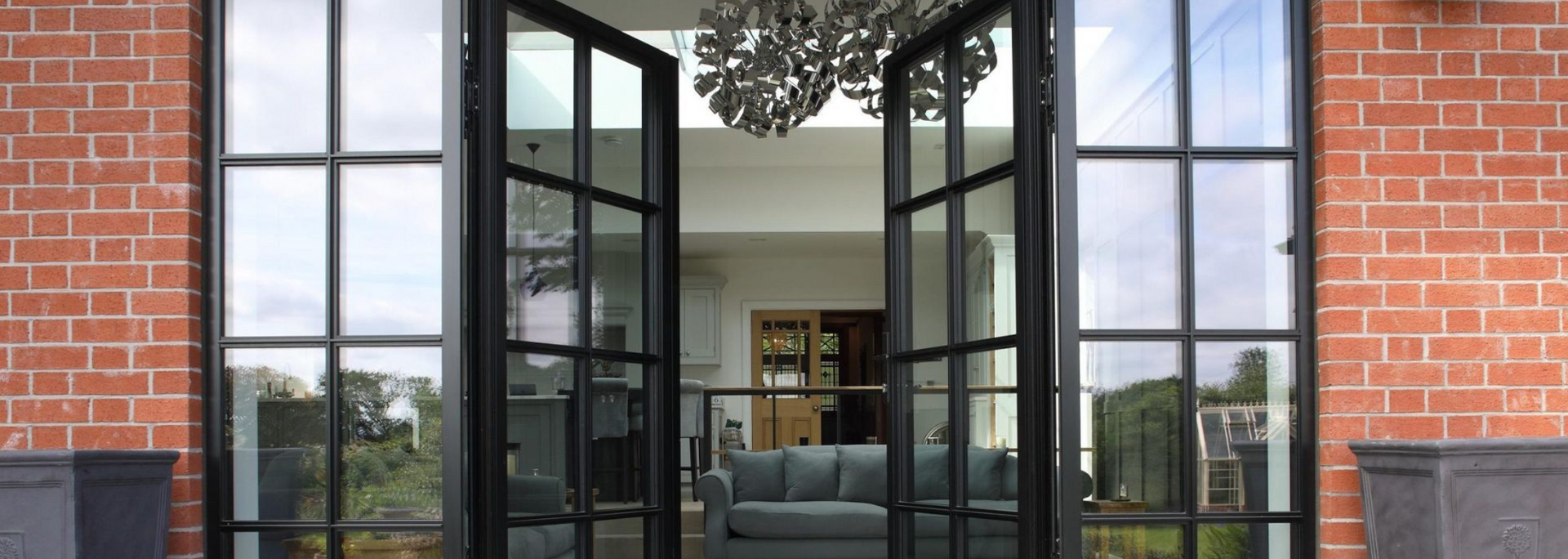
Some kitchens and bathrooms open onto patios, gardens or outdoor spaces through French doors, sliding patio doors or bifolds. Conventional blinds fitted to these doors can get in the way, particularly when panels fold or slide open.
Integral blinds offer a neater alternative because the shading remains inside each glazed panel. There are no external blinds to catch on furniture or interfere with door movement, and the design stays consistent whether the doors are open or closed.
As always, you should check that the chosen system is compatible with the door configuration and that the glazing specification meets installation requirements.
How Calder Windows can help
Calder Windows is a Wakefield-based home improvement company. We've spent 30+ years installing high-quality windows, doors and accessories for local homeowners.
That includes integral blinds. We fit them into windows, bifold doors, French doors and sliding patio doors.
And your installation is in safe hands. We're proud to be a family-run, FENSA-registered installer and a Which? Trusted Trader.
Thinking of upgrading your blinds? Contact our team to discuss your home improvement needs or request a free, no-obligation quote.
Recent Posts