How to dress conservatory windows
Should you go for curtains or blinds? What are the benefits of each? Learn how to dress conservatory windows for style and energy efficiency.
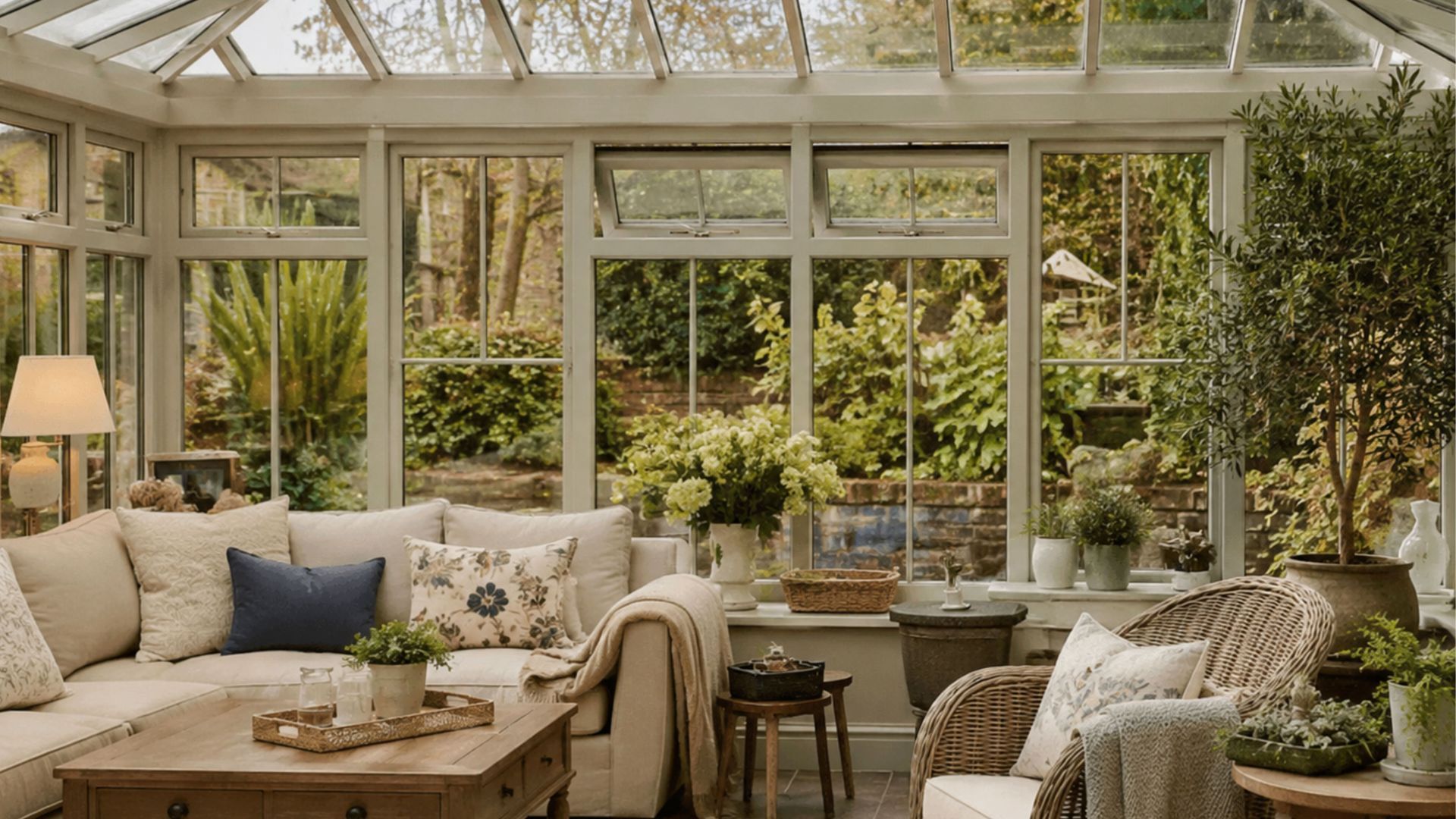
One of the most exciting parts about installing a conservatory is getting to decorate the space when it's ready. That includes deciding on a theme, choosing furniture to match and, of course, dressing the windows.
So, what are the best window dressings for conservatories?
The answer is likely to differ for everyone, and can often come down to which component is most important for you:
- Light management
- Temperature control
- Privacy
- Style
- Cost and maintenance
In this guide, we'll consider how blinds and curtains (and the different options available for each) weigh up against these common considerations.
Blinds for conservatories
Blinds are one of the most practical and versatile ways to dress conservatory windows, offering a balance of function and style.
Because conservatories are dominated by glass, blinds provide a flexible solution that can adapt to changing light, temperature and privacy needs throughout the day. However, their effectiveness varies depending on the type you choose and how they're installed.
Light management
This is where blinds
truly
excel. Unlike curtains (which typically just open or close), blinds can be adjusted incrementally to control both the amount and direction of light entering the space. They can also be fitted to slatted spaces, like the roof.
Different types of blinds come with different benefits. Venetian and vertical blinds, for example, have slats that can be tilted to reduce glare without losing daylight. Roller and pleated blinds, meanwhile, can be partially lowered for softer filtering.
The main drawback is that some blind types – especially cheaper rollers – offer less subtle control. Plus, depending on the fabric used, they can either block too much light or too little.
Temperature control
Sometimes, conservatories can overheat in summer and lose heat in winter. This problem is especially pronounced in older, less energy-efficient conservatories.
The good news is that blinds can make a noticeable difference to the energy efficiency of a conservatory.
Thermal or cellular (honeycomb) blinds are particularly effective because they trap air within their structure, acting as insulation. Reflective-backed blinds can also help deflect solar heat, helping the space remain cool during hot weather.
Remember, however, that not all blinds are equal. Standard fabric or metal blinds offer limited insulation. They'll help slightly, but they won't fully regulate extreme temperatures without additional measures like roof blinds or ventilation.
Where insulation is a priority, specialised thermal blinds are better.
Privacy
Blinds often provide a solid barrier. This can be easily adjusted to block the view from outside while still letting light in, especially with slatted designs.

Top-down, bottom-up blinds are particularly useful in conservatories, allowing you to cover only the lower portion of the window.
The downside is that at night – when interior lights are on – some blinds may still allow silhouettes to be visible, so material choice is important. Lighter fabrics are more likely to produce this "see-through" effect. Opt for darker, thicker styles if privacy is essential.
Style
Blinds are highly adaptable to the size of the conservatory, and to any furnishing inside it.
They come in a wide range of materials, colours and finishes. For instance, you could choose sleek aluminium Venetians for a modern look, or go for soft Roman or pleated blinds for a more traditional feel. This makes it easy to coordinate with your conservatory's design.
Remote-controlled blinds remove the manual effort of adjusting, as well as provide an entertaining feature. (These do tend to be pricier, though.)
Budget-friendly options include basic vertical blinds. However, these can appear more functional than decorative, which may not suit a space intended for relaxation or entertaining.
Cost and maintenance
Blinds are generally more affordable than external shutters or custom curtains, and there are options available for a wide range of budgets.
Maintenance is relatively straightforward. Most blinds can be wiped clean or lightly vacuumed.
That said, they can be prone to wear and tear over time, especially in a conservatory where exposure to sunlight can cause fading or warping. Higher-quality, UV-resistant materials may cost more upfront but tend to last longer and maintain their appearance better.
Overall, blinds offer a well-rounded solution for conservatory windows. They combine flexibility, affordability and functionality, with a few trade-offs depending on the type and quality chosen.
Curtains and fabric
Curtains, while less common in conservatories, can add a sense of luxury and softness. They can be both effective and highly flexible depending on the goal. For instance, you may want to create a subtle backdrop, make a bold statement or simply smooth the transition between the extension and your wider home.
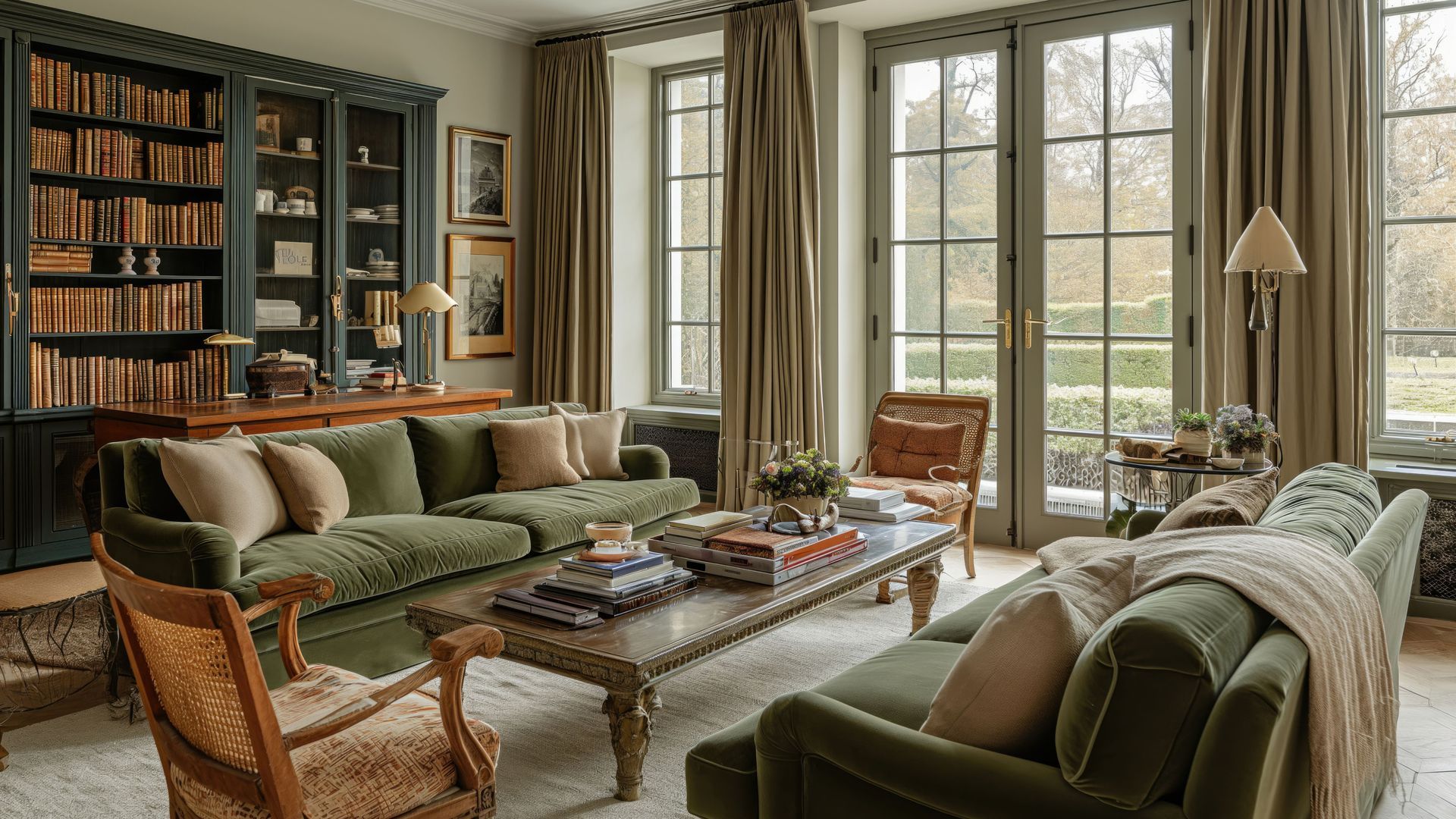
Larger traditional conservatories or orangeries look truly stunning with full-length curtains, but they can bring elegance to smaller spaces, too.
Light management
For those wanting full control over light in their space without compromising on style, curtains are a winner. There are virtually limitless options on colours, thicknesses and materials.
Lightweight, breathable fabrics, such as linen or cotton, won't overwhelm the space. Sheer curtains can diffuse sunlight beautifully while maintaining a bright and airy atmosphere, often boasting pretty decorative features that you simply can't find on blinds.
Durability is the main practical concern. Conservatories experience more temperature fluctuation and sun exposure than other rooms, which can cause fabrics to fade or deteriorate over time.
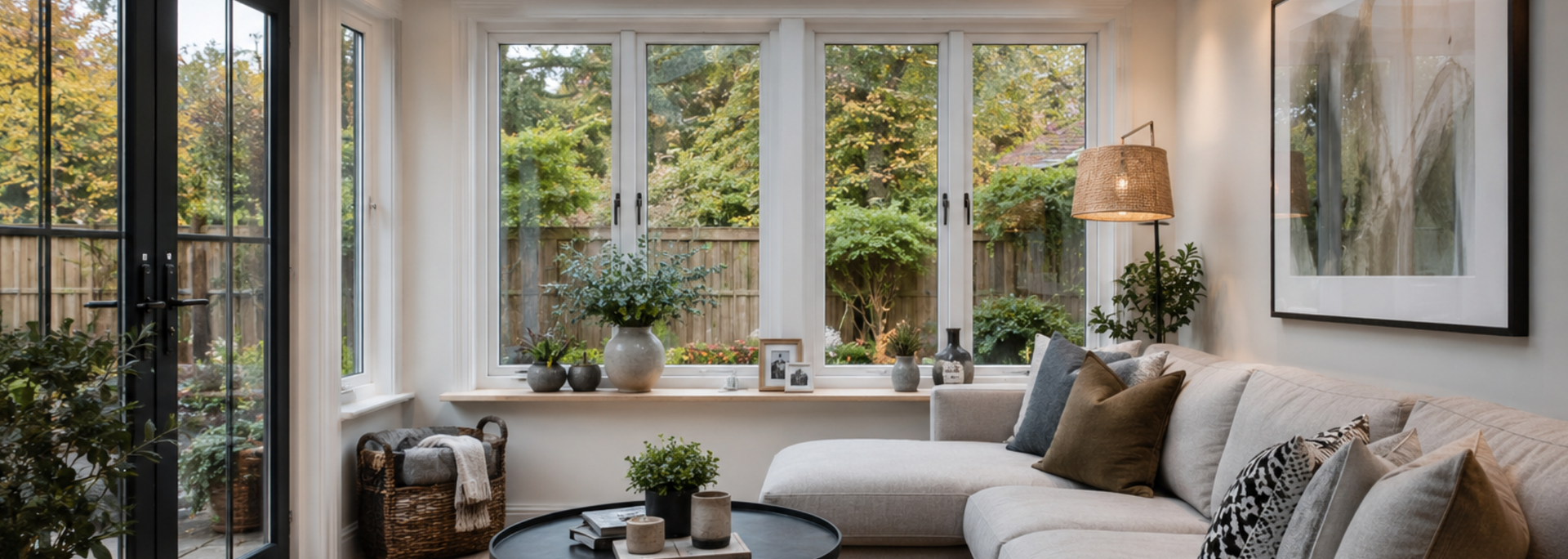
To protect the lifespan of fabric window dressings, look for materials that are UV-resistant and easy to clean. Synthetic blends often perform better in these conditions than delicate natural fabrics, although high-quality treated natural fabrics can also be suitable.
Another option is to install uPVC windows that will block the UV and protect the fabrics. As a specialist, Calder Windows is well-equipped to support building your dream space, exactly as you like it.
Temperature control and privacy
Sheer curtains can be a lovely way to keep the space feeling light and airy in the summer. However, they aren't that good at trapping heat when winter rolls in.
To combat this, layer your window dressings by combining sheer decorative curtains with heavier drapes. That way, you can enjoy light during the day and add privacy and insulation in the evening.
Choosing light colours that reflect sunlight will help keep the space cool during the summer. Thermal linings, meanwhile, can help conserve heat when you need it.
Style
With fabric and curtains, you'll never struggle to find options that suit your conservatory's style and size. Many fabric providers cut to measure, meaning you're paying for products designed for your space and how you use it.
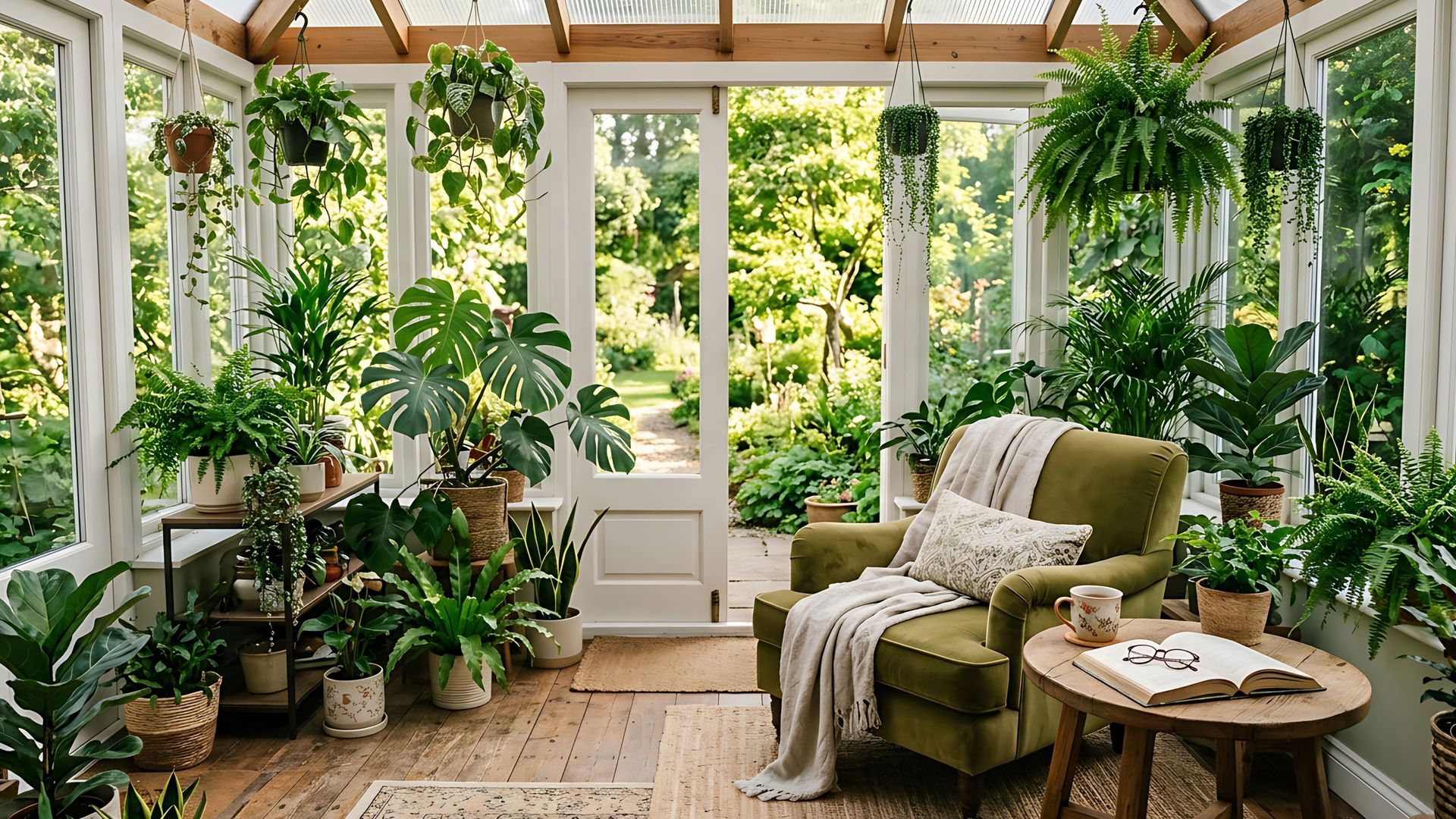
It's worth considering how fabric will elevate your space. For instance, if you're going for a cosy vibe – with lots of natural wood and plants – curtains are a no-brainer. Here, blinds would look totally out of place, but natural-coloured linens would be perfect.
The benefit of curtains and fabric window dressings is that they fit seamlessly with both homely and modern spaces. It's all in the colour and fabric choices.
They can be hugely flexible when it comes to how loud you want them to be. Vibrant colours and dramatic textures and designs all create a statement that can transform the space. Equally, a simpler, quieter design can keep the focus on the garden beyond.
Cost and maintenance
Other than protection from UV damage, the main thing to consider here is installation.
On simpler extensions, consider using tension rods or damage-free hooks that don't need to be drilled into UPVC frames.
The good thing about this option is flexibility. You can swap out materials between seasons, or refresh the space quickly with new curtains.
Whether you decide to go for plush curtains or fitted blinds, there are plenty of options to make the space your own. Choosing a specialist like Calder Windows gives you even more. From bespoke designs to thermally efficient conservatory roofs to combat the cold, we bring years of experience building dream spaces. If you're in Yorkshire, don't hesitate to contact our experts for advice or to request a free, no-obligation quote.
Recent Posts