What is the cost of an extension for a house?
Planning a house extension? Find out about what affects extension costs, typical price ranges and how to manage your budget.

Adding an extension is a tried-and-true home improvement project. For many homeowners, it's the perfect way to add value to their property or simply get more enjoyment from it.
Whether you need a larger kitchen, a home office or more space for a growing family, an extension can completely transform how your home works. And best of all, you don't have to face the disruption of moving elsewhere.
When considering an extension, one of the first questions most homeowners ask is a simple one: how much will it cost?
The answer, of course, depends on a range of things, from the size of the project to the materials you choose.
That means there's no single figure that applies to every home. However, understanding the key cost drivers can help you budget more confidently and avoid unexpected surprises later on.
In this guide, we look at variables that affect extension costs, typical price ranges and what to consider before getting started.
What affects the cost of a house extension?
Several factors can influence the cost of an extension, such as:
- The size of the extension
- The type of extension
- Materials and finishes
- Any structural work required
- Site access
- Internal specifications
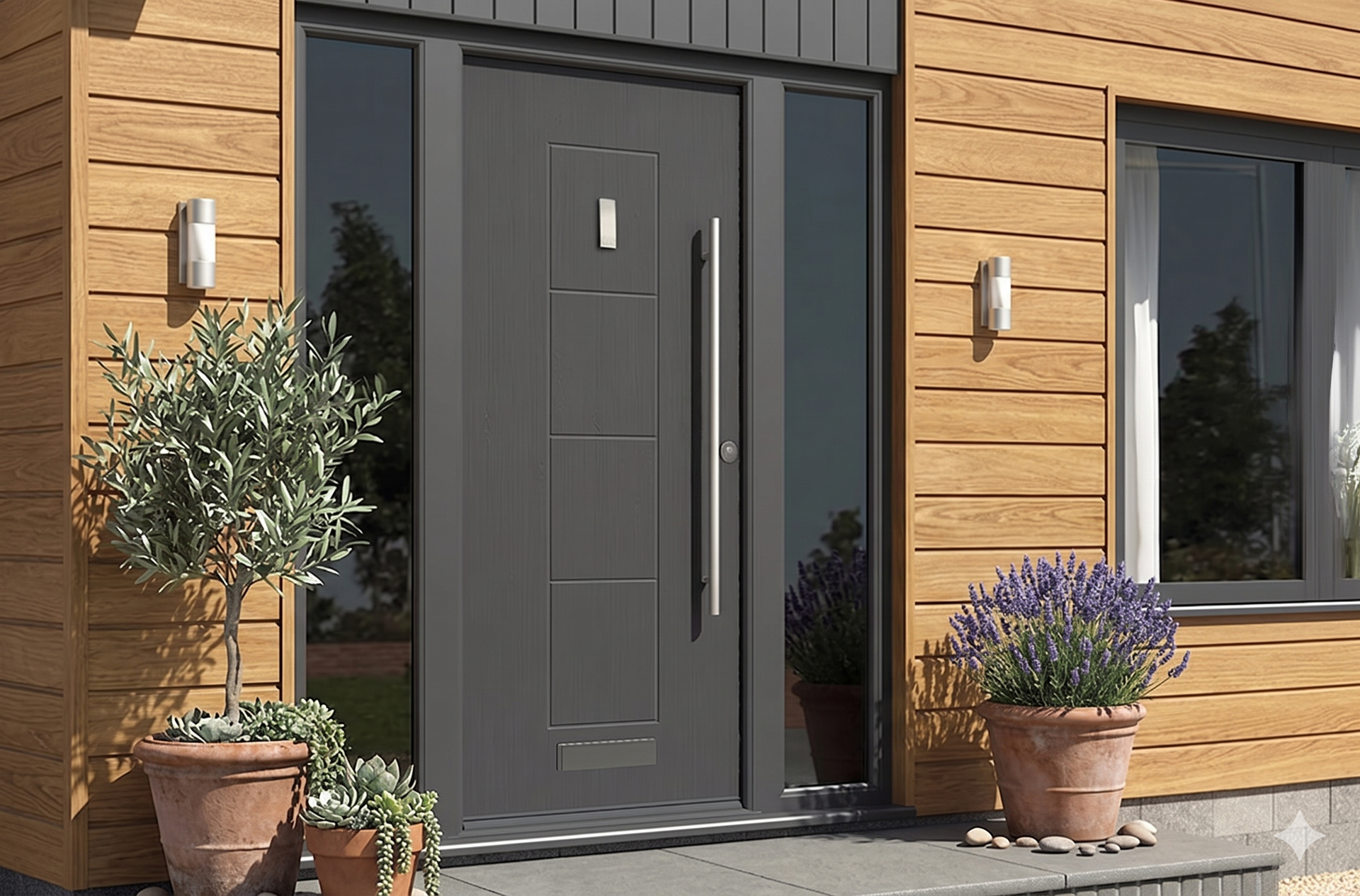
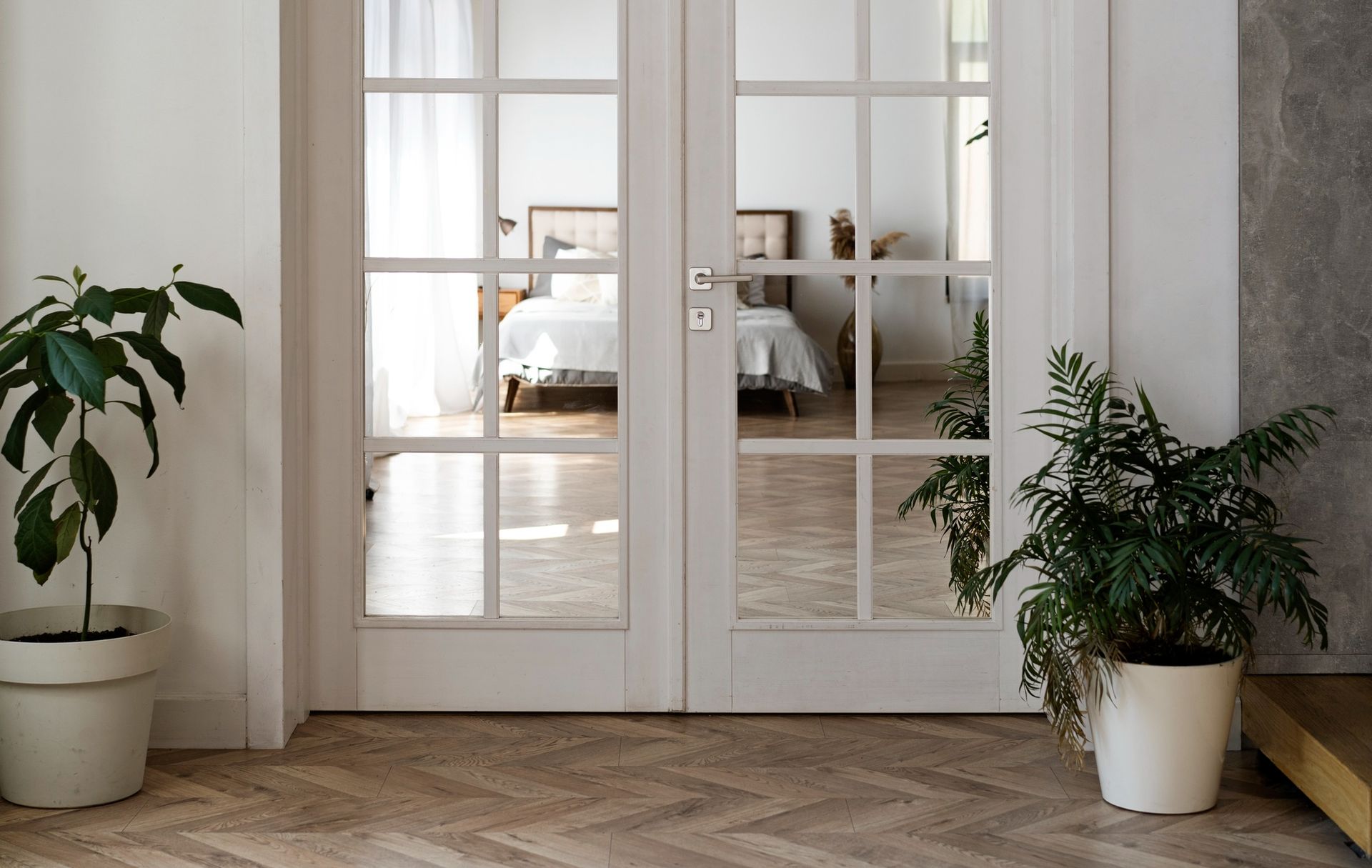
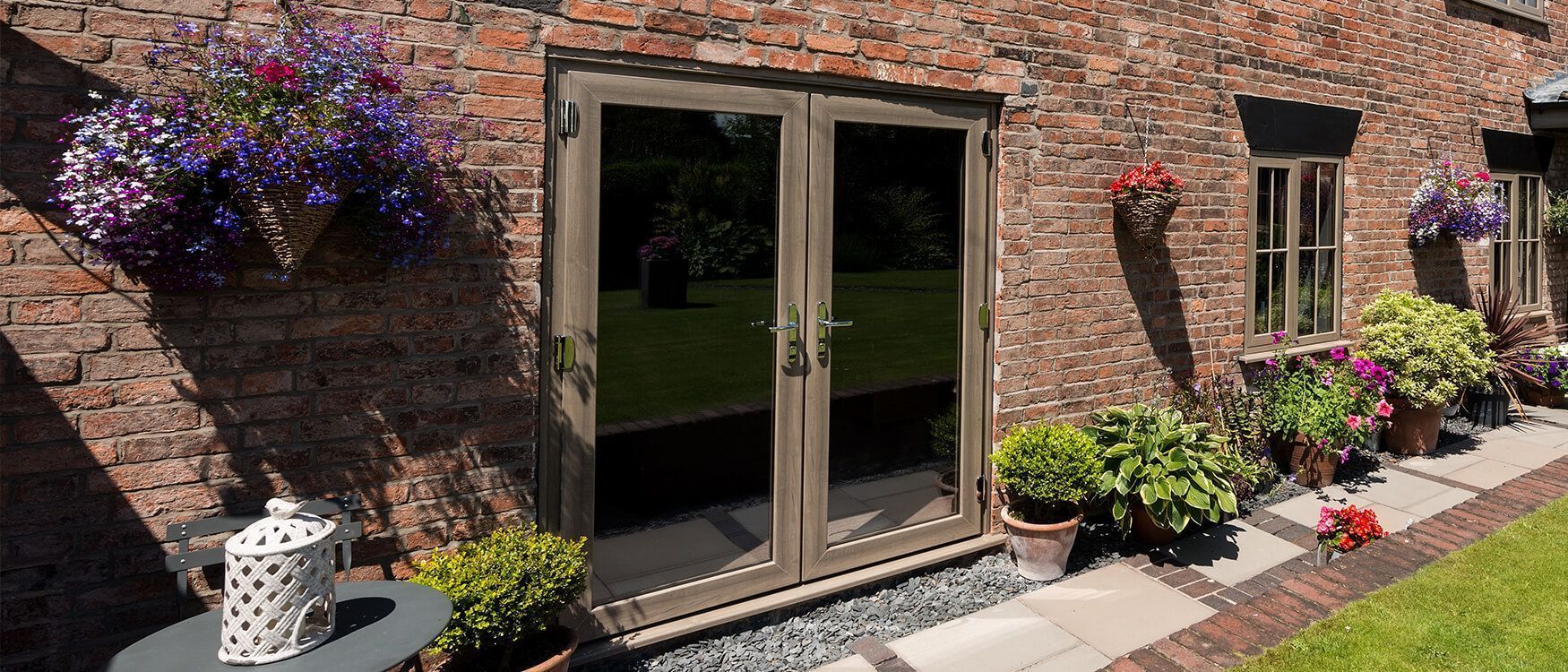
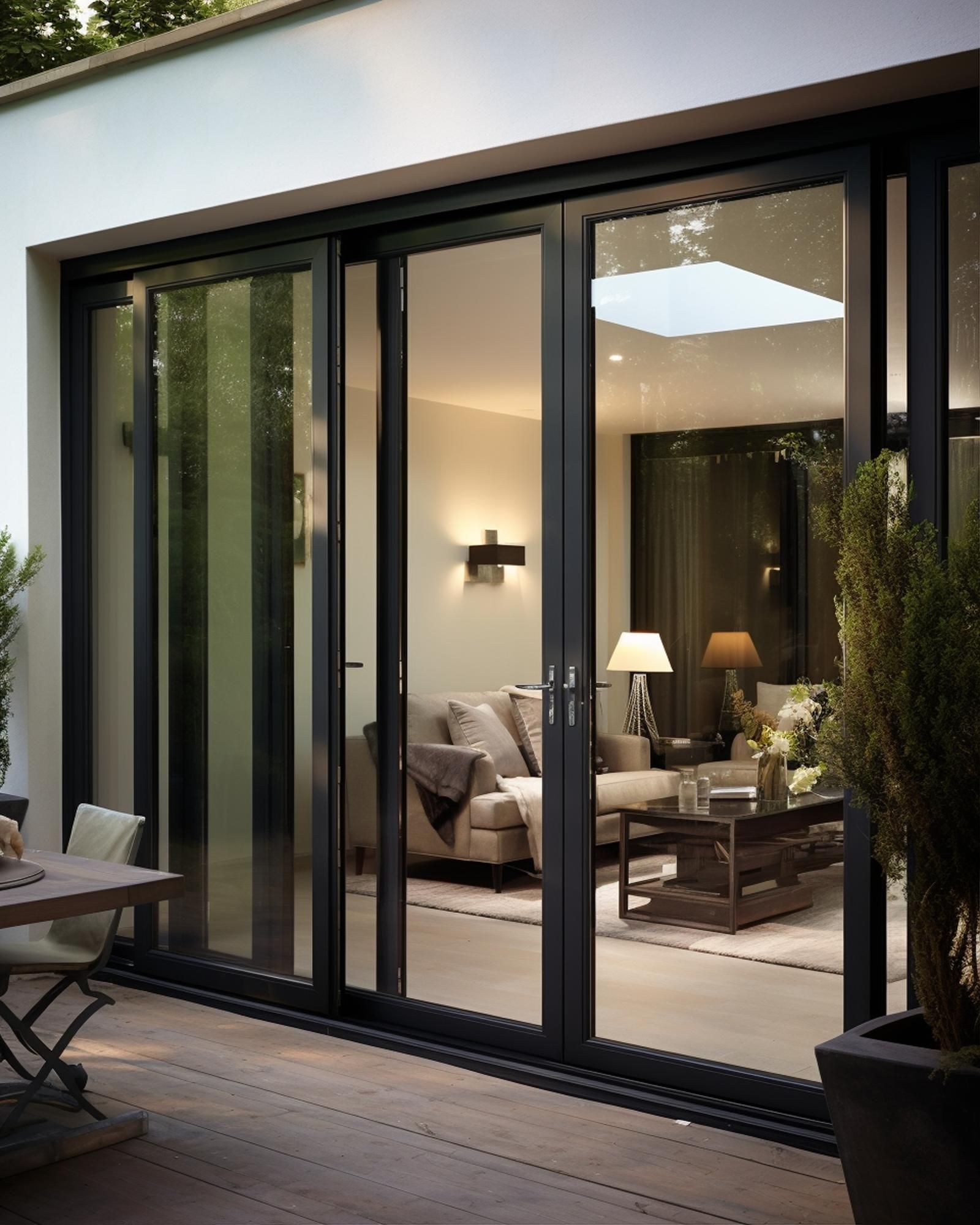
- Glazing and doors
A simple ground-floor extension will likely cost less than a multi-storey project or one involving significant structural alterations.
Typical extension cost ranges
Broadly speaking, extensions are priced per square metre. To give you an idea, typical figures may range from:
- Basic specification: £1,500 to £2,500 per square metre
- Mid-range specification: £2,500 to £3,500 per square metre
- High-end specification: upwards of £3,500 per square metre
Bear in mind, though, that these figures can vary depending on location, materials and project complexity.
Let's say you're building a small extension of 10 to 20 square metres – ideal for a utility room, home office or enlarging a kitchen. You could expect a cost range of approximately £15,000 to £50,000 or more.
Medium-sized extensions of 20 to 40 square metres (to create a dining room or extended lounge space, for example) can cost approximately £40,000 to £100,000.
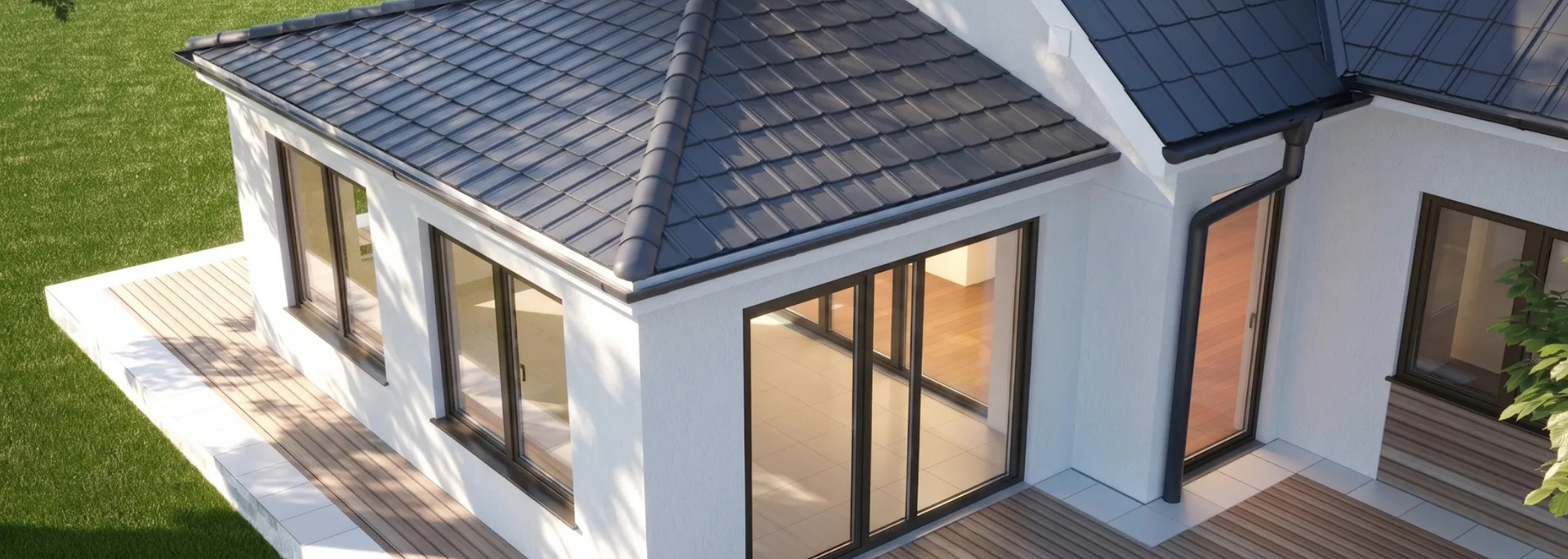
And larger extensions of 40 square metres or more, such as wraparound extensions or multi-room projects, can cost upwards of £80,000.
Remember that these figures are only rough guides to get you started. Every property and every project is different.
Types of house extensions
The type of extension you choose can significantly affect overall cost.
Rear extensions
Rear extensions are among the most popular options.
They're often used to enlarge kitchens or to create dining areas or open-plan living spaces. The cost will depend on size, glazing choices and whether internal walls need to be removed.
Side return extensions
Often found in terraced or semi-detached homes, side return extensions make use of narrow unused space.
Although compact, they can dramatically improve room layouts, natural light and the flow between rooms.
They're often less expensive than rear extensions.
Wraparound extensions
These are a combination of rear and side extensions, creating a much larger space.
They offer excellent design flexibility but are usually among the more expensive options.
Double-storey extensions
Adding two floors can create extra bedrooms, additional bathrooms or larger family living spaces, such as a media room.
While the overall cost is predictably higher, the cost per square metre sometimes offers better value than a single-storey extension. It can also significantly boost the value of your property.
What can increase extension costs?
Here are a few design choices to consider that might significantly affect your final budget.
Structural alterations
Removing internal walls or creating wider openings may require steel beams, new lintels or additional engineering work.
Foundations
Unexpected groundwork can be one of the biggest hidden expenses.
Ground conditions, drainage, and site access can all affect costs.
Glazing and doors
Large glazed openings are increasingly popular in modern extensions.
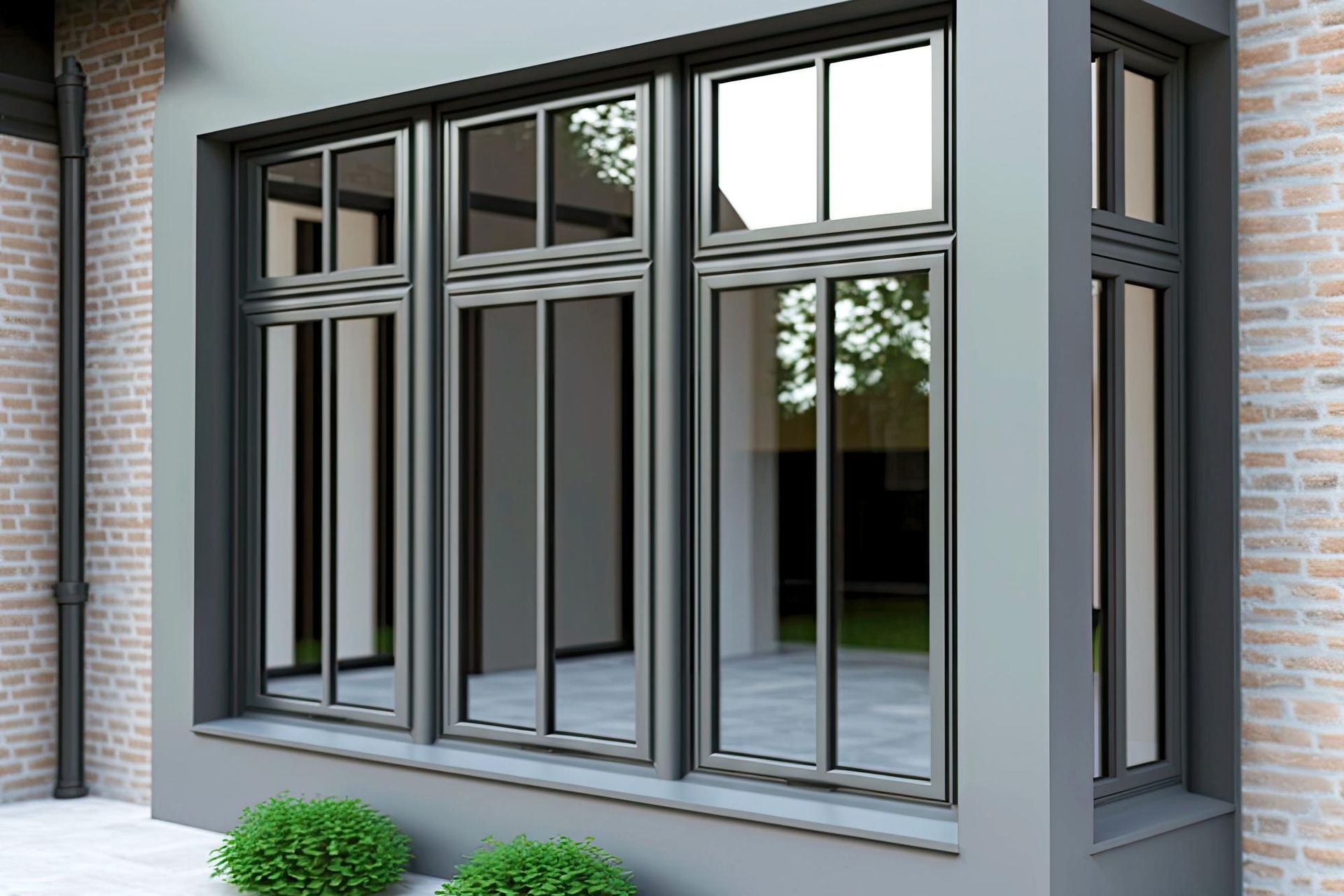
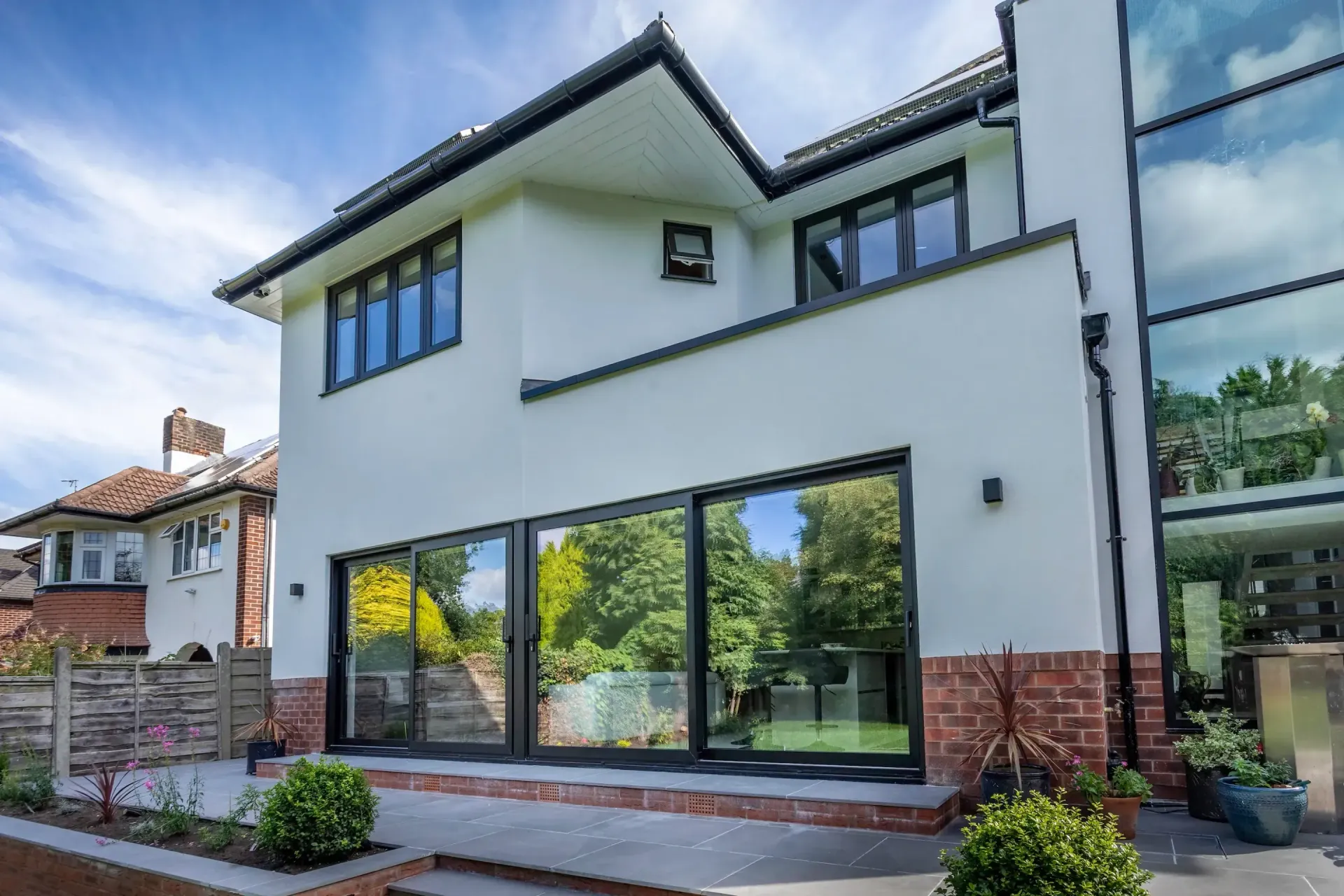
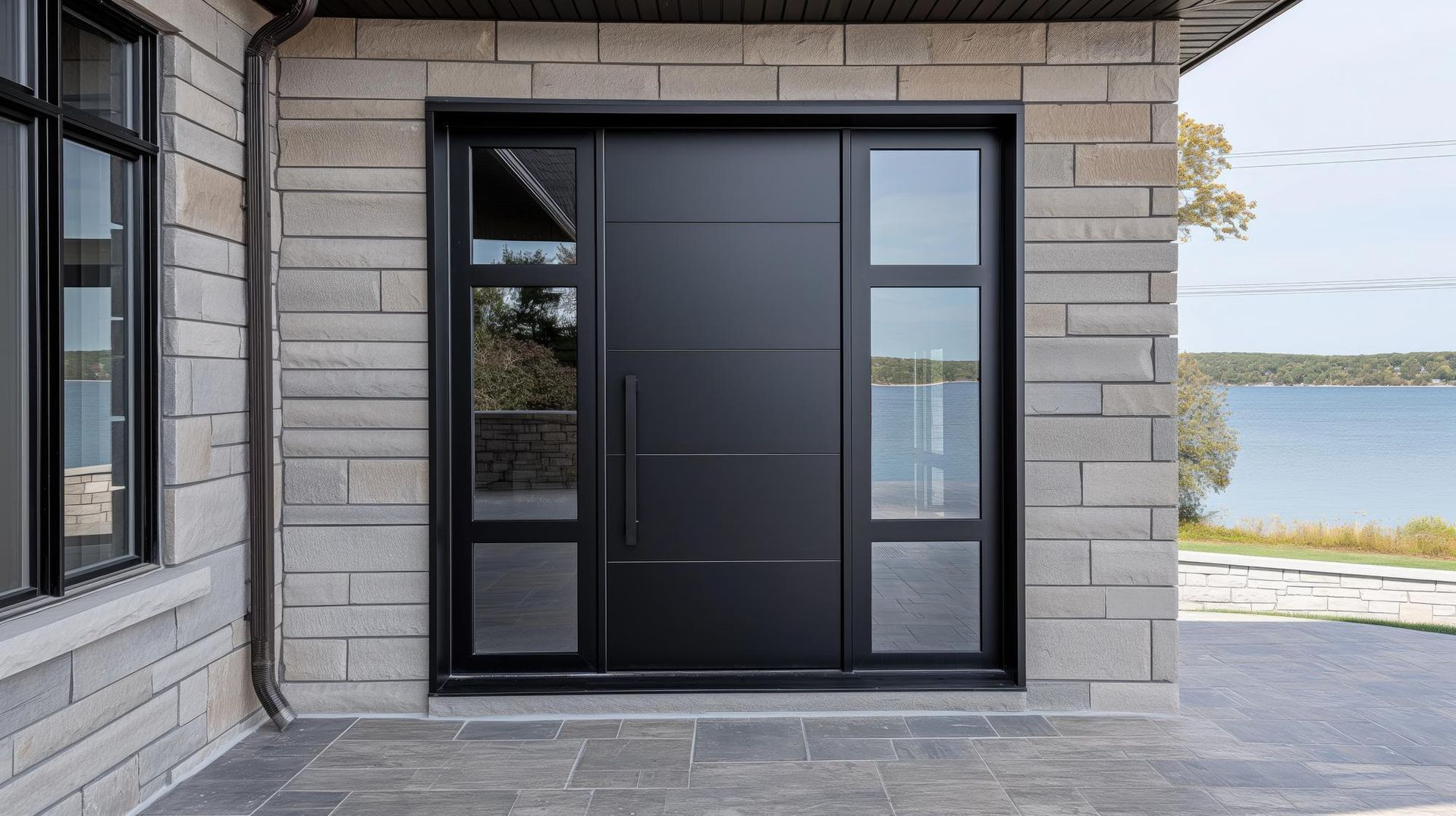
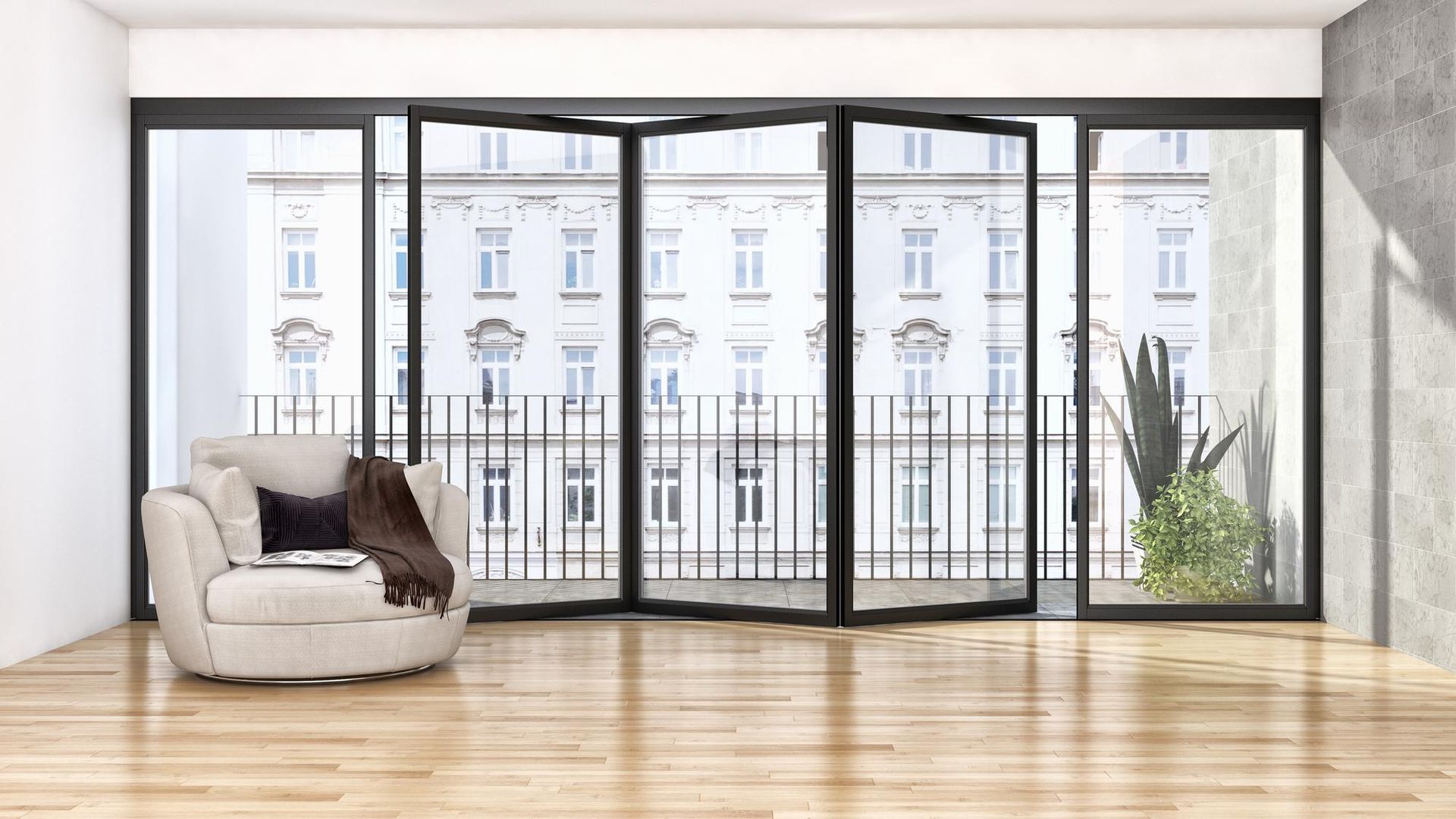
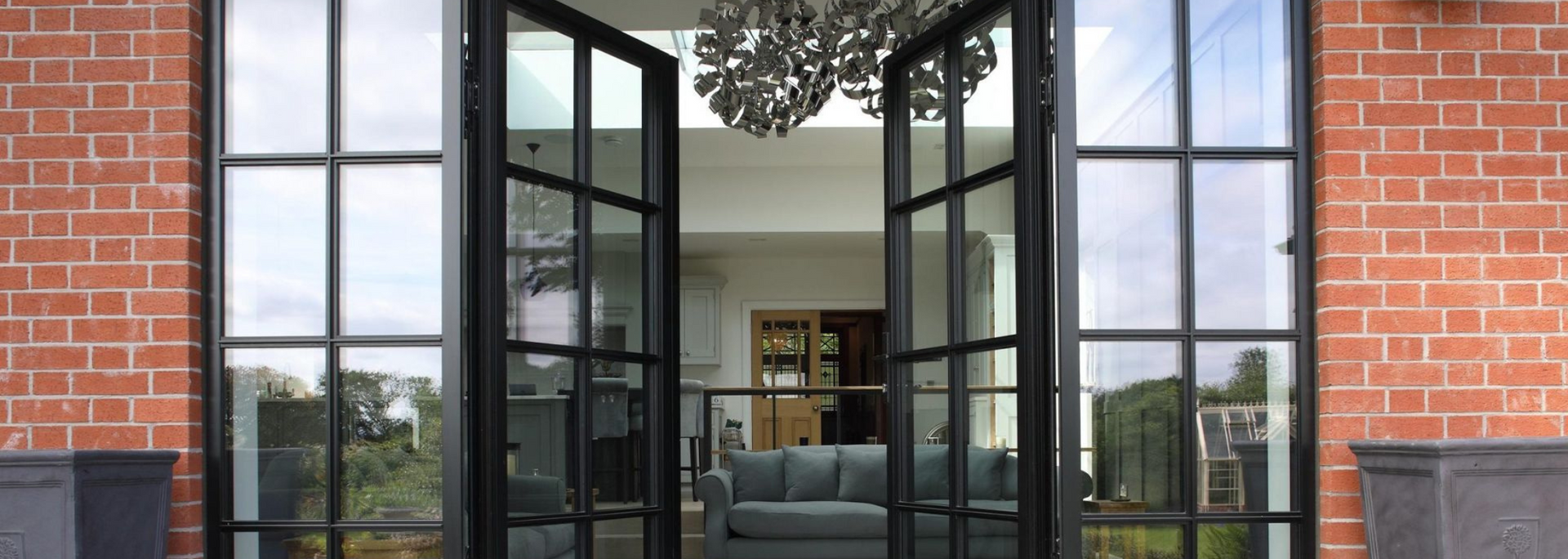
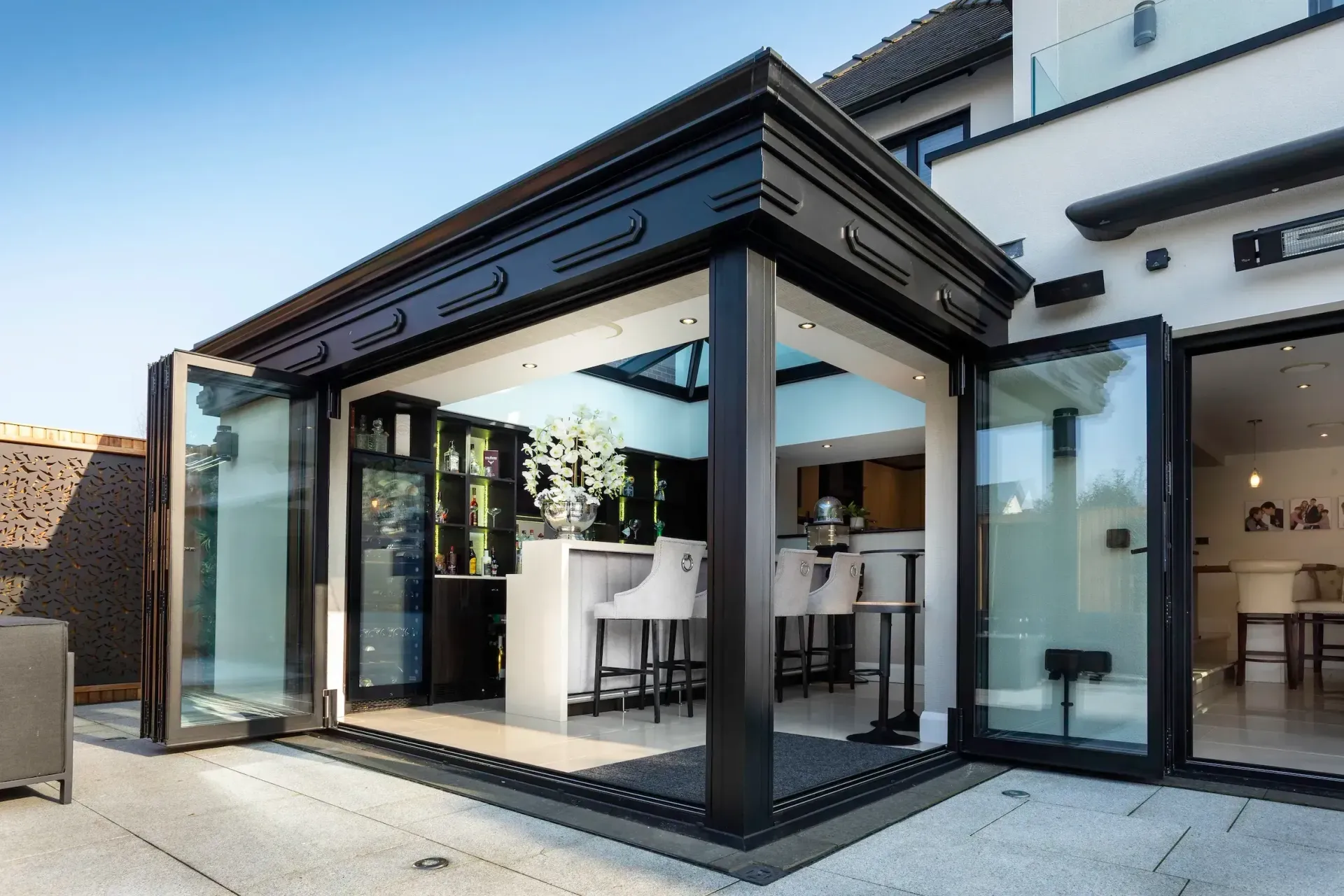
Features such as bifold doors, sliding patio doors and floor-to-ceiling glazing can completely transform a space. However, premium glazing systems can also increase costs.
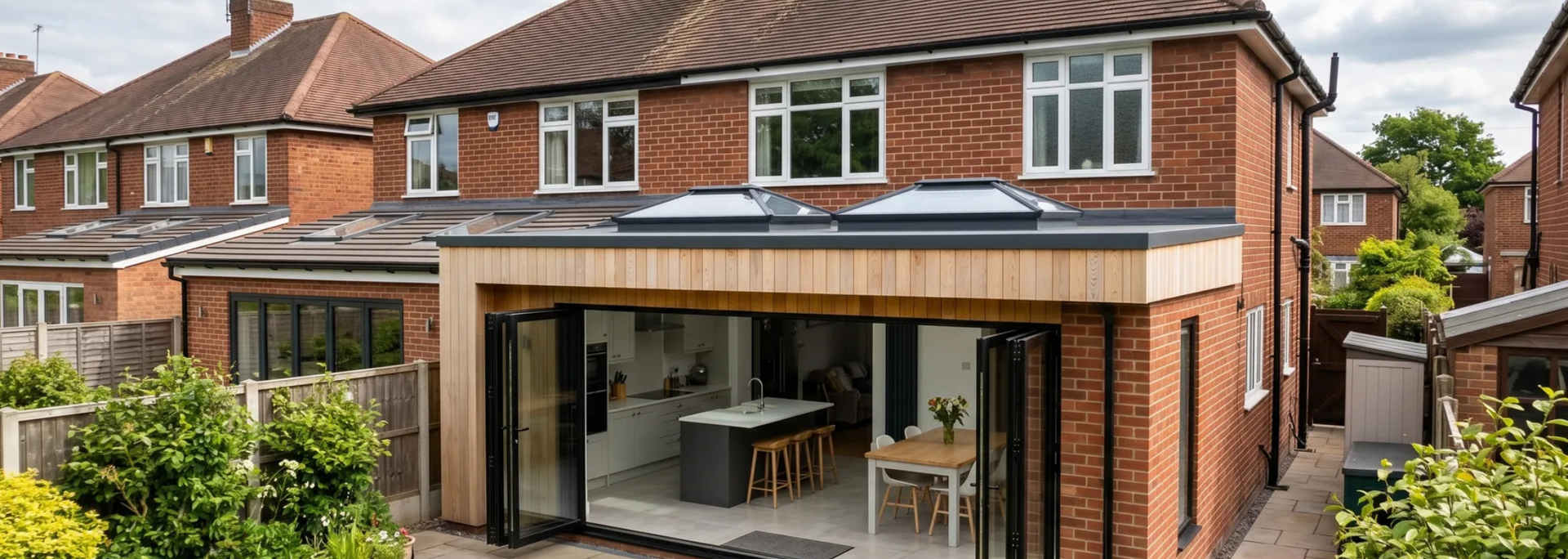
Interior finishes
Your choice of finishes can make a major difference. A simple shell extension will cost significantly less than a fully finished living space. However, you might want to incorporate features like lighting, kitchen units, worktops or plumbing fixtures.
Planning permission, building regulations and professional fees
Depending on your project, additional costs may include architectural drawings, structural calculations, planning applications or building regulations approval.
Some extensions fall under permitted development, but not all of them. Professional advice early in the process can help avoid delays or costly design changes.
How to budget realistically
A common mistake is budgeting only for construction costs.
A more realistic budget should include:
- Design fees
- Surveys
- Planning or approval fees
- Internal finishes
- Fixtures and fittings
- Landscaping
It's also a good idea to include a contingency fund of around 10% to 15% for any unexpected costs. Planning for this can provide reassurance if issues arise during construction.
Is an extension worth the cost?
For many homeowners, an extension is a worthwhile investment. Depending on the design and location, an extension may add value to your property – a big boon if you're planning on moving up the ladder.
But the true value often comes from improving how your home works for you and your lifestyle. More usable living space, avoiding the cost of moving, increased natural light and a better connection to your garden space are all potential benefits.
How we can help
Calder Windows is a team of home improvement specialists based near Wakefield in West Yorkshire. We've helped homeowners in the region create beautiful, functional living spaces for over 30 years.
Our
house extension builders have crafted more than 1,000 extensions over the decades – always bespoke, and always built to the highest standards.
So, if you have a project in mind, you know who to call. Get in touch with our friendly team and we'll start chatting about how we can bring your dream extension to life.
Recent Posts