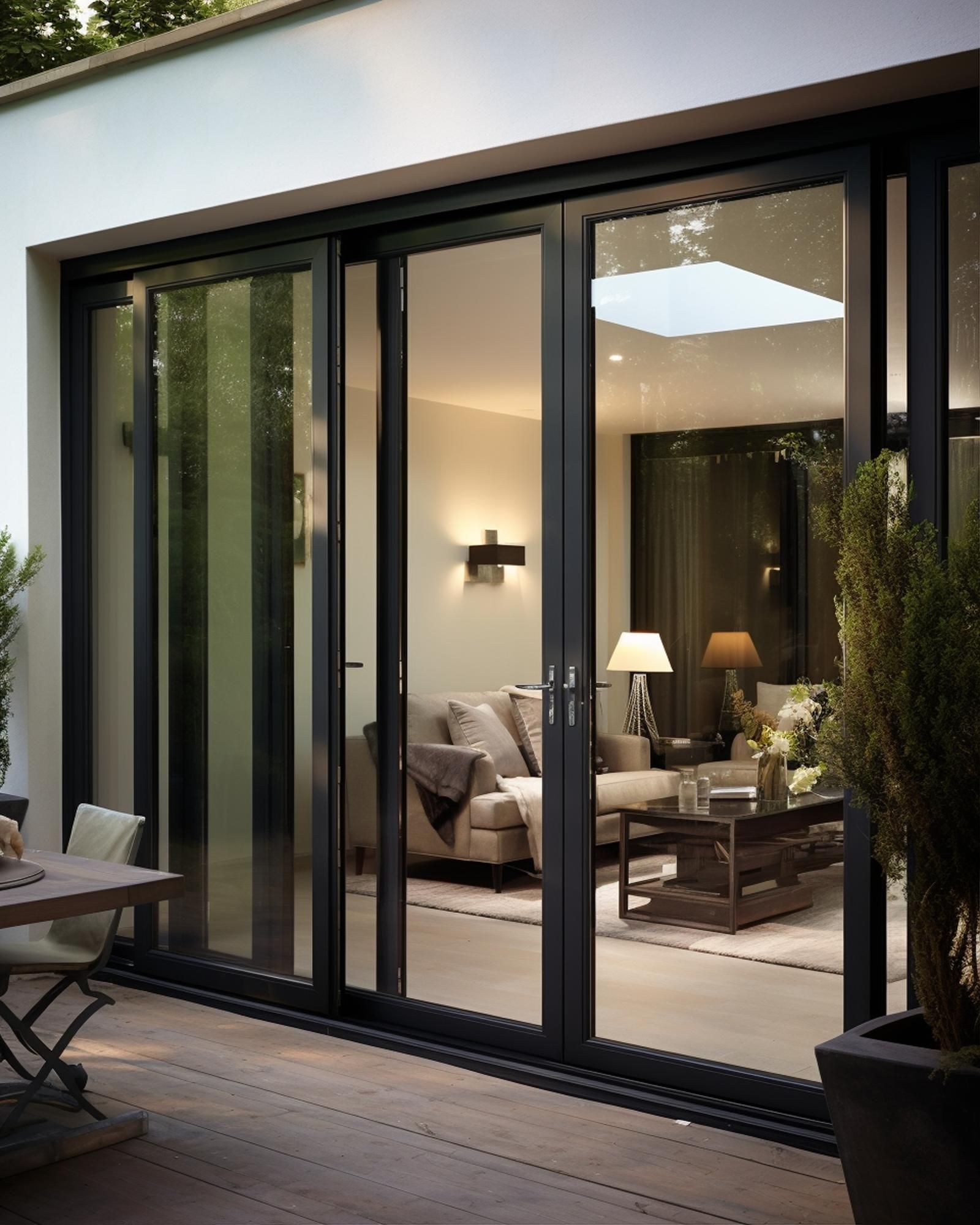
When to replace sliding patio doors: 6 clear signs
Having issues with sliding patio doors and wondering if they need replacing? Discover 6 major warning signs.
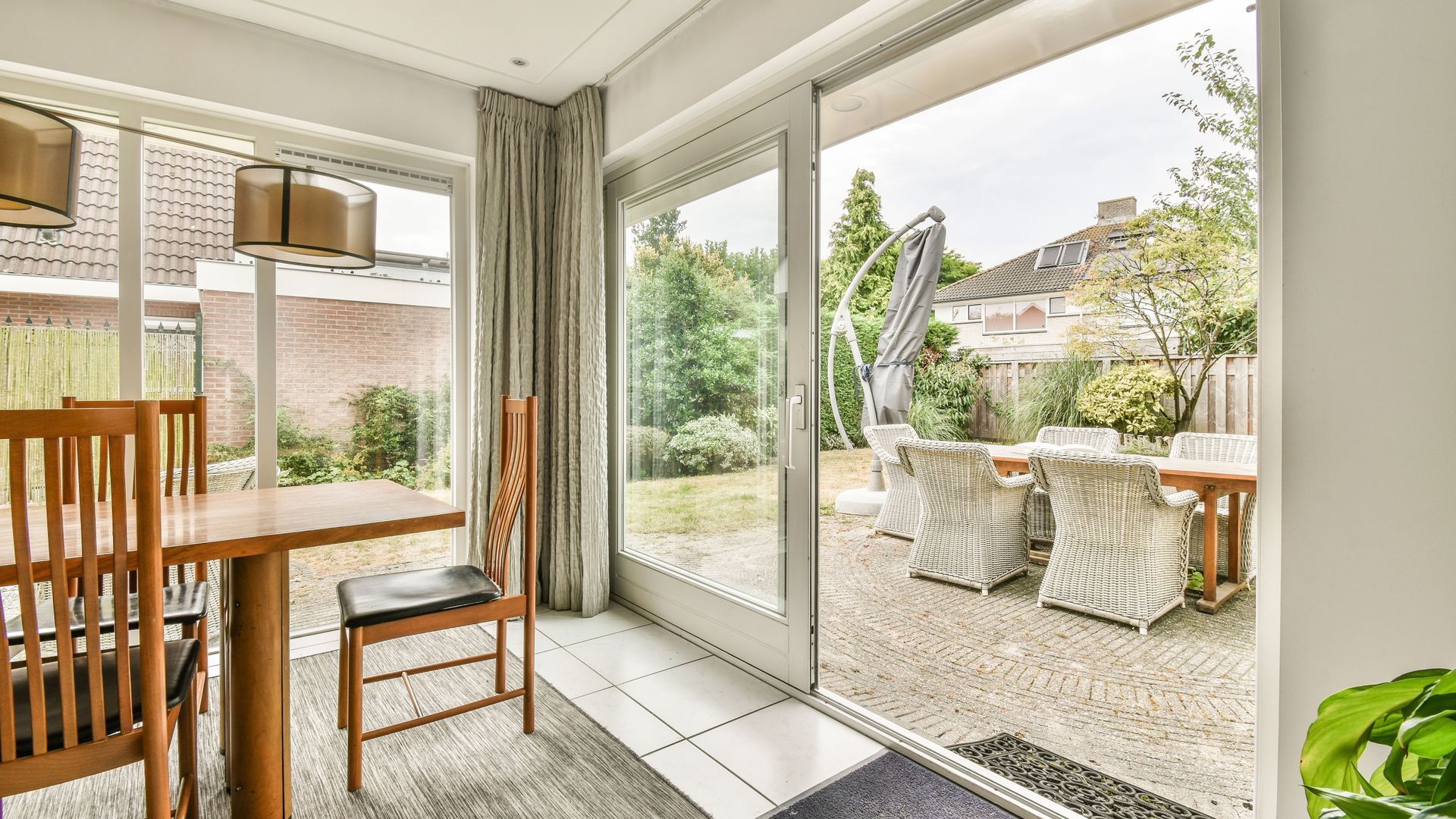
Do you have old sliding patio doors? Are they not performing like they used to?
You're probably wondering whether it's worth replacing them.
Don't worry – we've got you covered. If you experience any of these sliding door red flags, it's time to do something about it.
Sign one: sticking or jumping in the track
If your sliding door is sticking or hopping around on its tracks, it's annoying at best and downright dangerous at worst.
Having to use two hands or putting significant weight into the door to slide it are clear signs of a sticking sliding door. It may also make a loud grinding, scraping or screeching sound when you move it.
Having to put this much physical effort into moving your door every day can cause muscle strain, which could lead to injury. Forcing a door like this can also damage the structural frame over time.
A jumping sliding door is one that frequently hops off its track. You may have to lift it up and back onto the tracks to reset it.
Like sticking doors, they can also cause physical strain. But the real danger is if it falls completely out of its frame and onto someone. There's also a risk that the glass could shatter.
Sign two: condensation between the panes
Have you noticed fog or water droplets inside the two layers of your patio door glass? If it isn't wipeable or doesn't disappear, it's probably permanent condensation.
As well as being an eyesore and blocking your view into your garden or patio, it can be a warning sign for more serious damage.
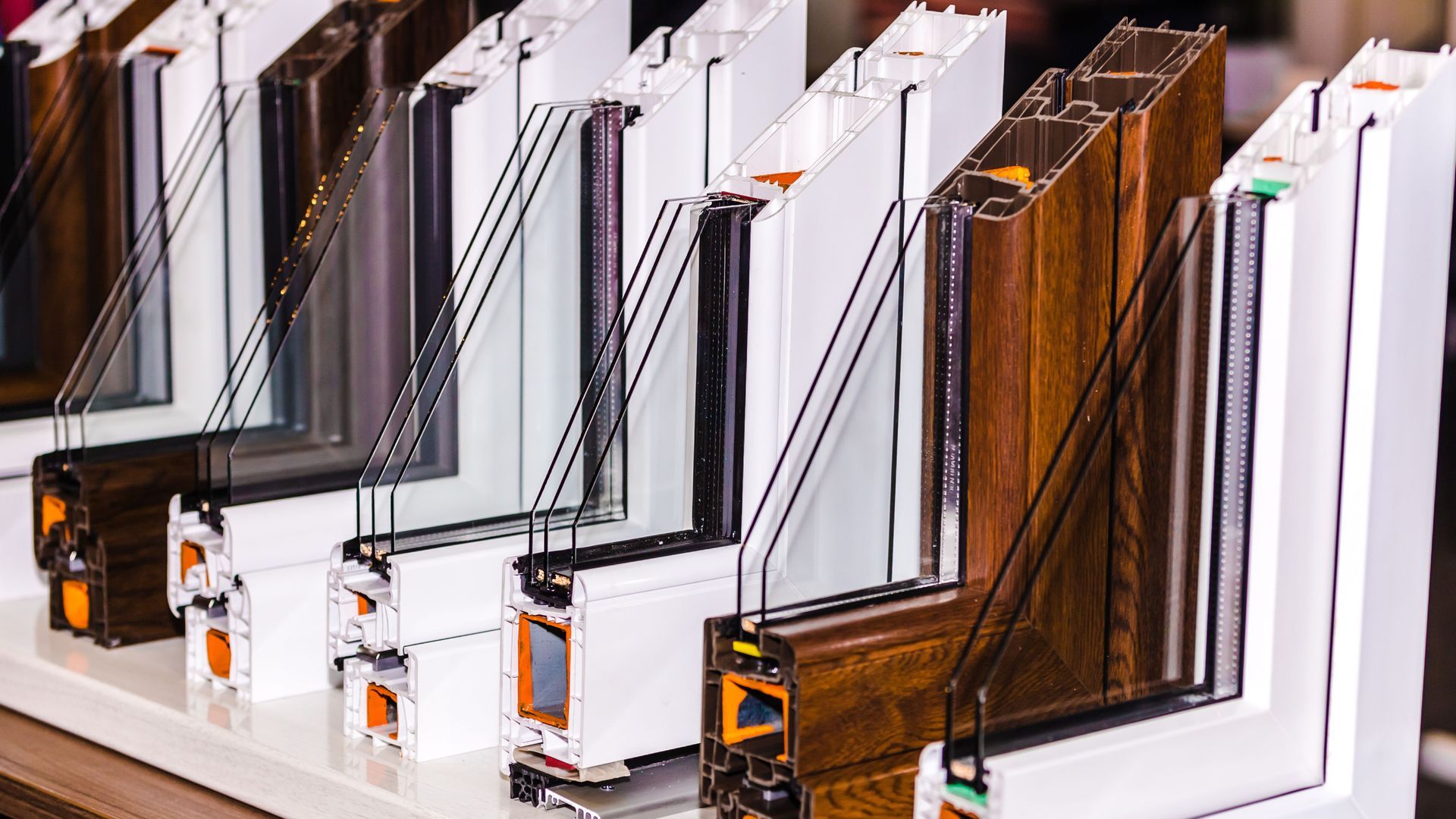
Condensation shows that the door's airtight seal has likely been compromised, meaning the gas or air inside its cavity has escaped. That invisible filling acts as a thermal barrier between the inside and outside of your home. Without it, heat will escape, and your energy bills will probably rise.
Sign three: draughts around the frame

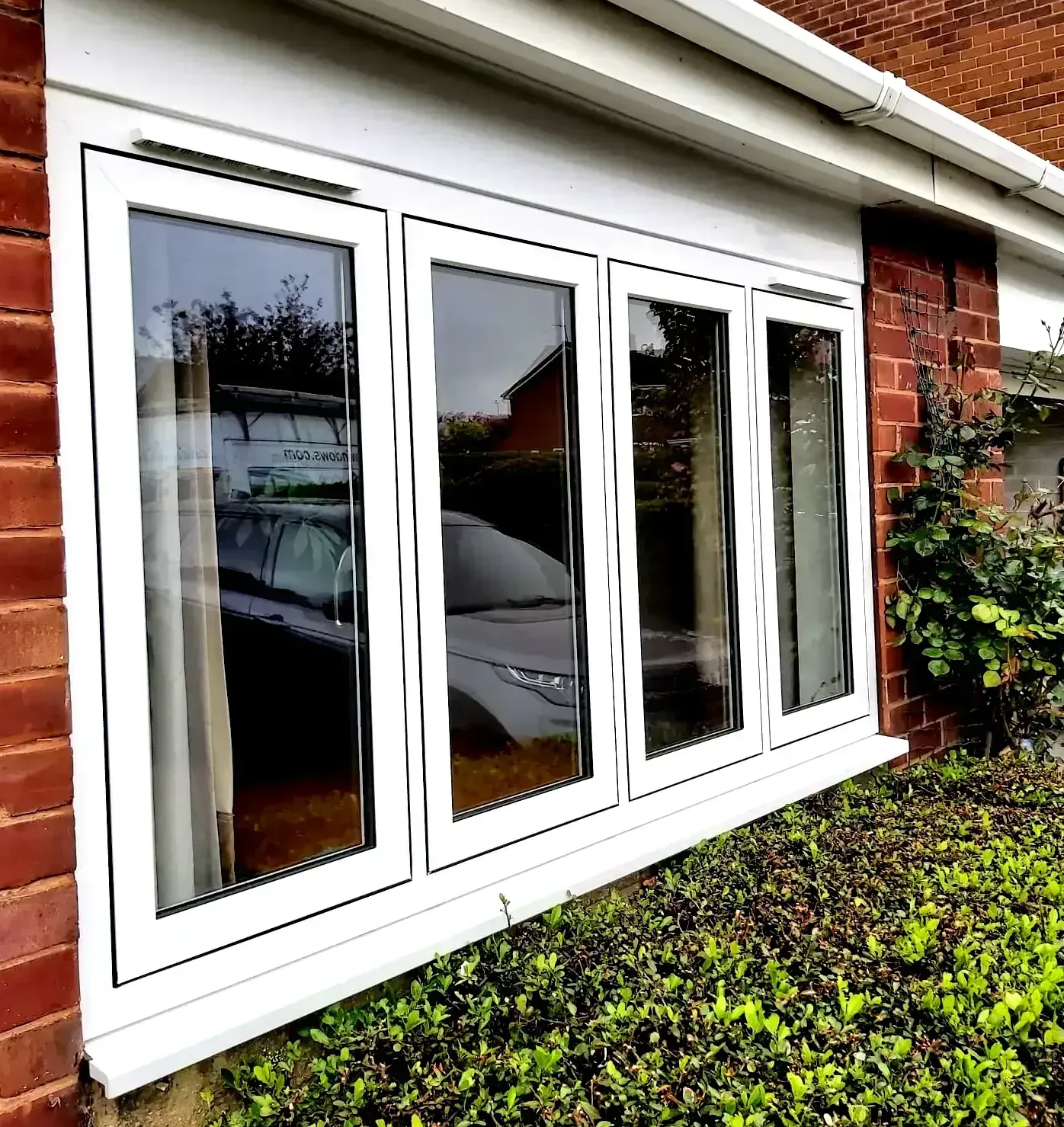
Can you feel a cold breeze coming in through the frame of your closed door? Are the curtains or blinds fluttering? You're likely dealing with a draught problem.
Not quite sure? Try holding a lit candle near the edge of the frame. If smoke blows inward or the flame flickers more than it does in other parts of the room, that's a good indication there's a draught.
Not only is it uncomfortable living with cold spots at home, but it will also make your heating system work harder and increase energy bills. It can also eventually cause damp, as rainwater can sneak in where the air escapes.
Sign four: visible aluminium cold bridging
Touch the internal aluminium frame on your door on a cold day. Does it feel ice-cold? Almost as cold as it is outside? If so, you may be dealing with aluminium cold bridging.
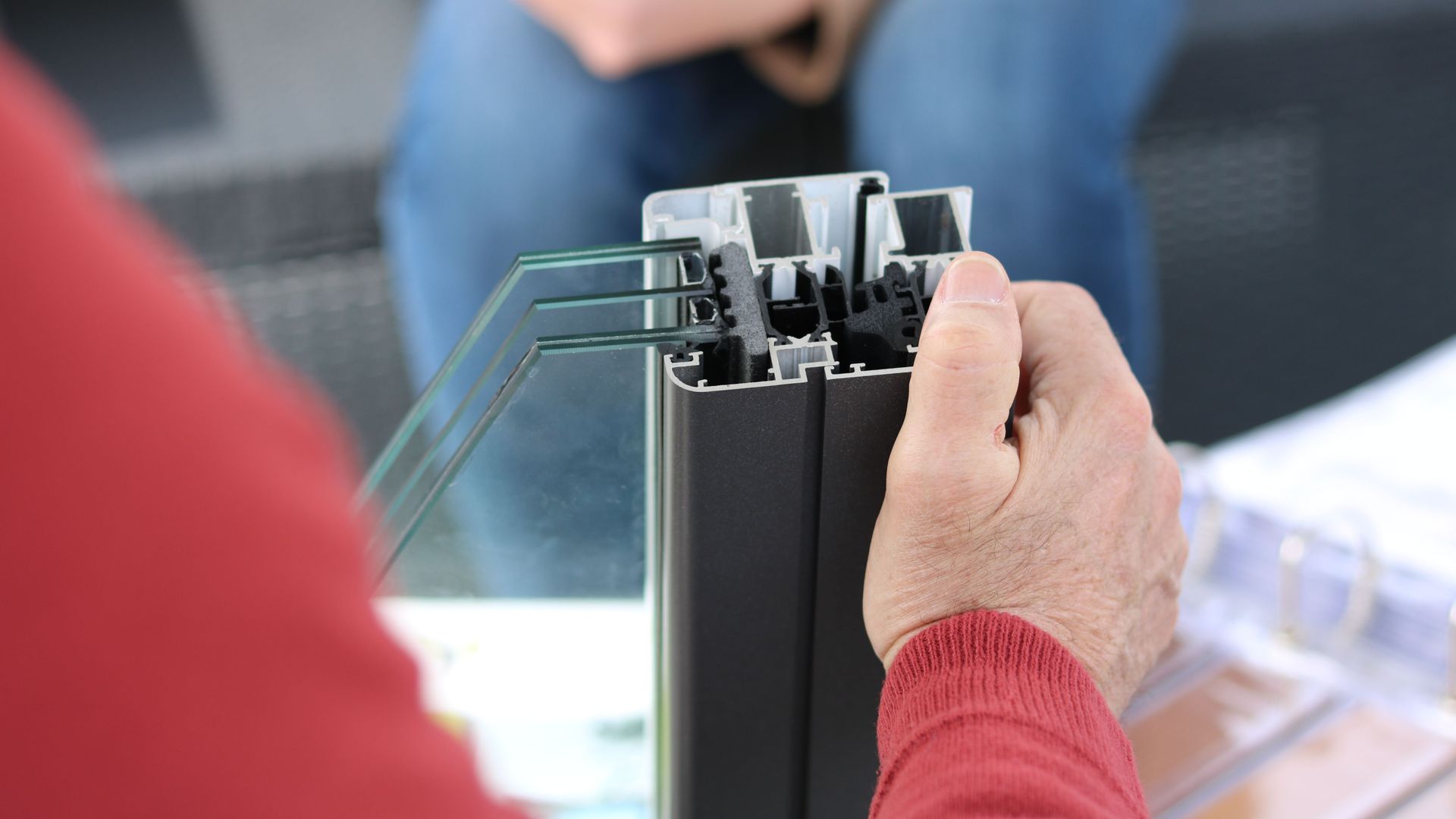
This happens when an uninsulated aluminium frame becomes a bridge between the warm indoor air and cold temperatures outside. It essentially means the metal is sucking cold air straight into your warm room.
Other signs include:
- Permanent frame condensation, even when the room feels warm
- Flooring damage
– look for discoloured, warped or rotting flooring caused by persistent damp
- Targeted black mould
found in the metal inside the door, the rubber gaskets and the plaster wall that has contact with the door frame
Aluminium cold bridging can cause heat loss and rising energy bills. It can damage the seals, leaving the double glazing ineffective. And your flooring and walls can take a hit from the water constantly dripping onto them.
Plus, it creates the perfect environment for toxic black mould to thrive, putting your and your family's health at risk.
Sign five: security concerns

If your patio door makes it easier for intruders to break into your house, that's a top reason to get it replaced ASAP.
Consider it a big red flag if your door can be lifted upwards or jiggled when it's locked. That means thieves could use a crowbar to lift it off its tracks.
It's also worth considering replacing the door if you only have a basic single-latch lock. A modern multi-point lock mechanism is much harder for intruders to snap.
Sign six: the door just looks dated
Does your patio door simply look unappealing? That's also a valid reason to replace it.
You may have one of those retro numbers made of thick, bulky uPVC. Or perhaps your door is tinged yellow or scratched from years of use.
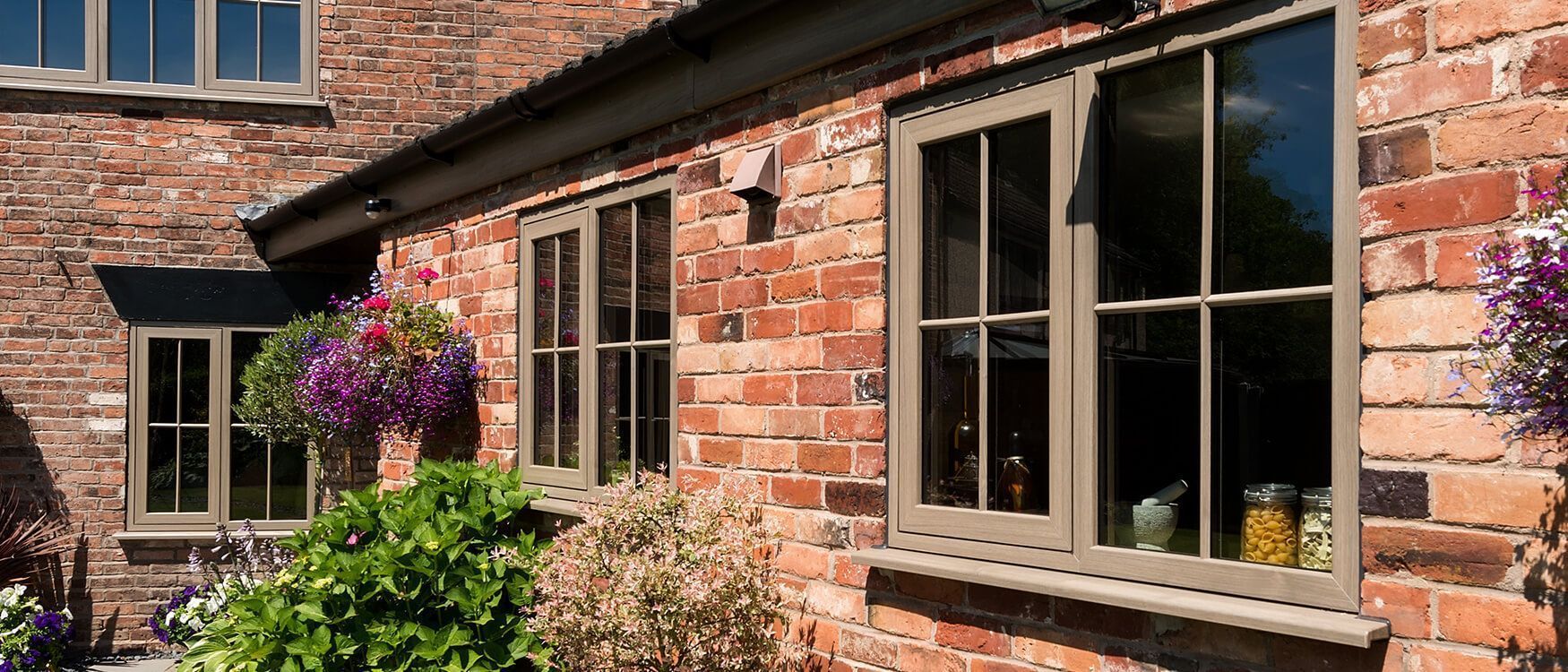
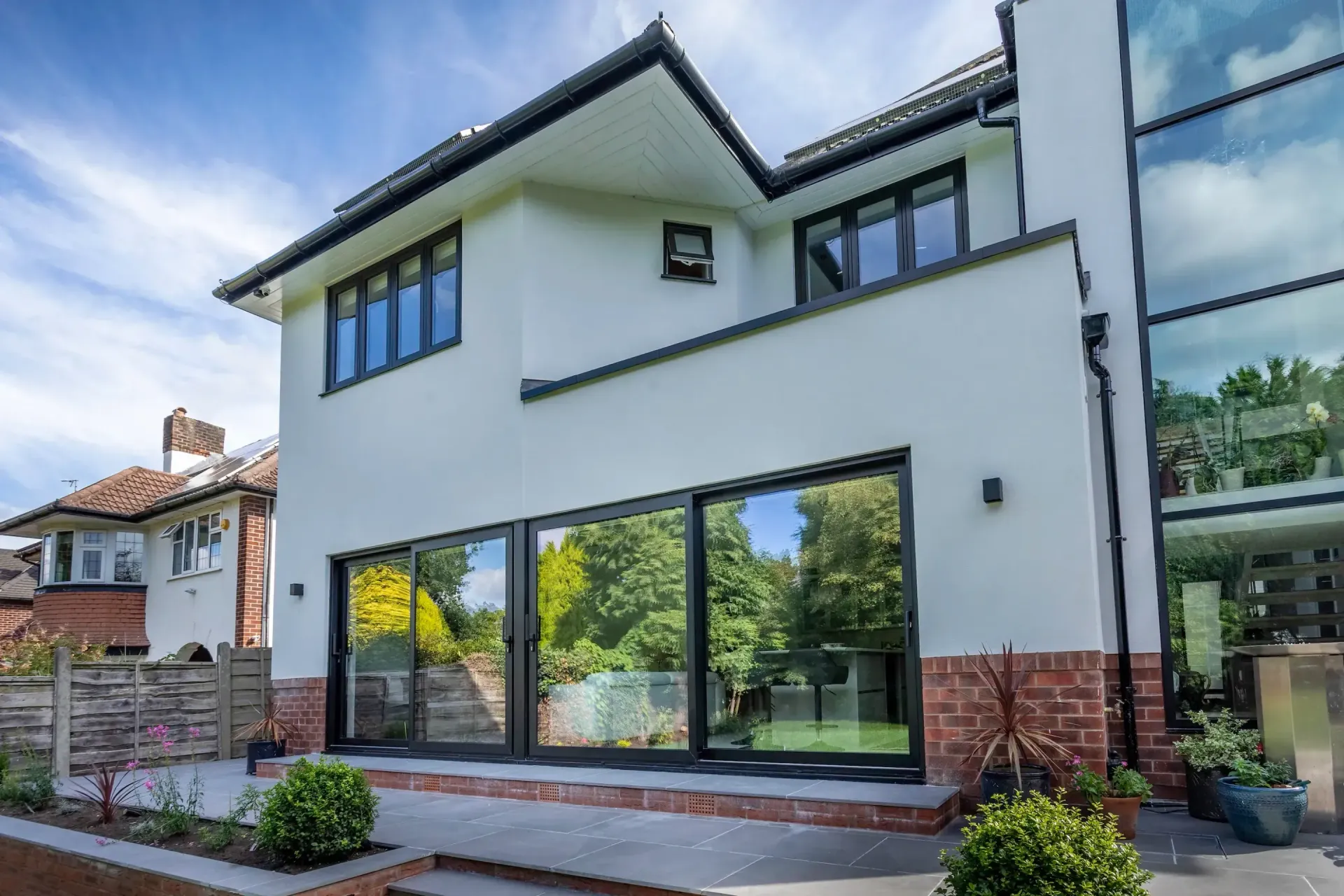
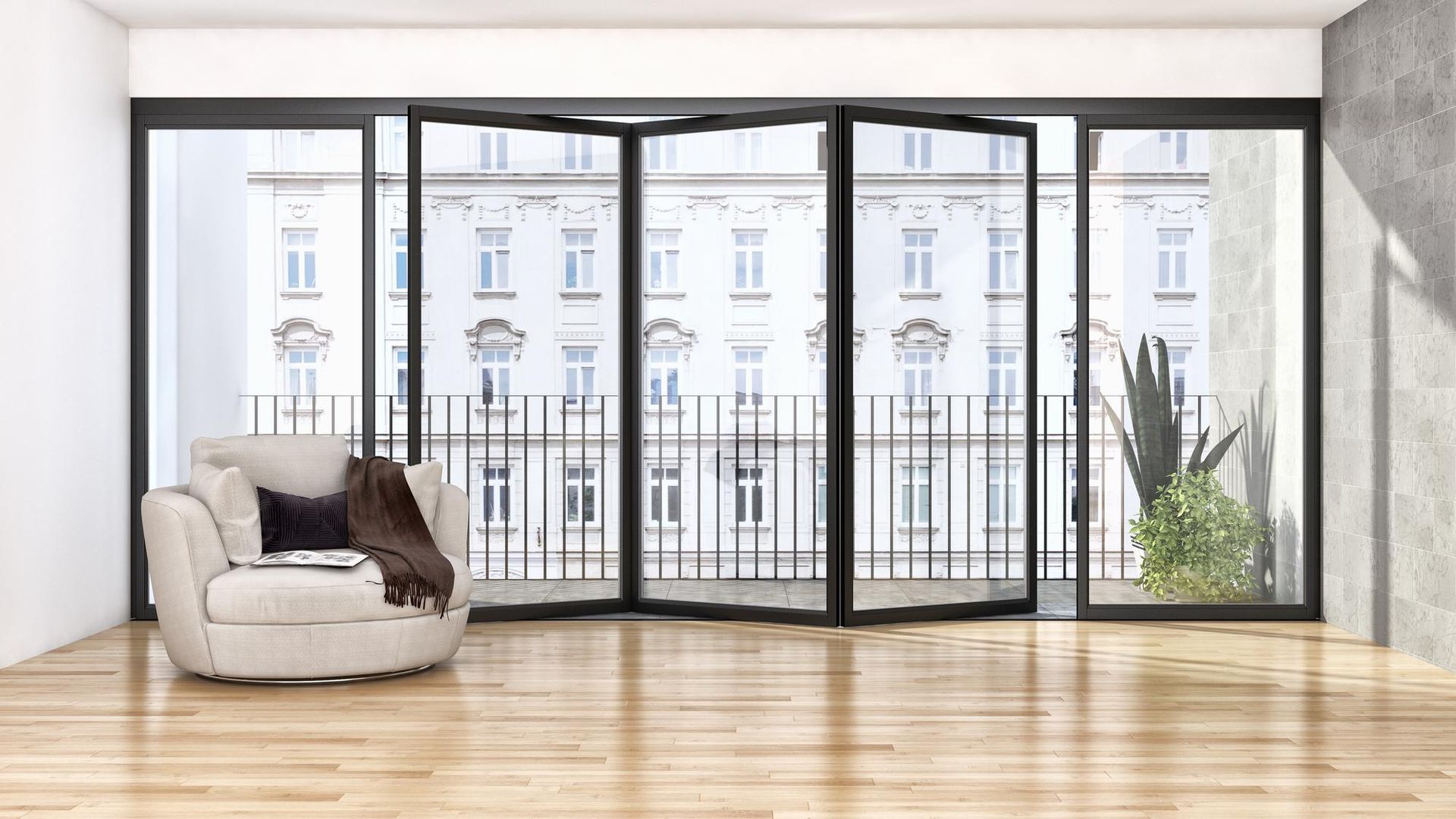
Think of it as an investment. Modern patio doors usually feature more glass and less frame, so you'll have a better view of your garden or patio. And if you go on to sell or revalue the house, a fresh, modern-looking door will likely go down well with buyers and estate agents.
What a patio door replacement involves

Here's a rough chain of events you can expect if you decide to go ahead with a patio door replacement:
- Preparation:
dust sheets are laid down to protect your furniture and flooring. The new door's dimensions are double-checked against the opening before anything happens.
- Removal:
the old sliding doors are removed from their tracks. The frame is cut out and carefully pried away from the brickwork.
- Cleaning up:
any lingering bits of old expanding foam, silicone and dirt are scraped away. The opening is checked with a spirit level to make sure it's perfectly flat on the bottom.
- Installation:
the new frame is put into position and secured to the opening. Packers are installed to make sure the frame is squared and level. This helps prevent any sticking door issues down the line.
- Glazing and adjusting:
double or triple-glazed units are fitted into the frame and adjusted until the door slides open and closed easily.
- Weatherproofing:
expanding foam is injected into any gaps around the structure to prevent draughts.
- Finishing: to make it completely watertight, high-quality, UV-resistant silicone is used to seal around the exterior brickwork.
Choose high-quality sliding patio doors from Calder Windows
Decided to replace your patio doors? If you live in Yorkshire, we're ready to help.
At Calder Windows, we've supplied and fitted patio doors in the region for more than 30 years. We only source the best-quality products, and with generous warranties on most ranges, you can have confidence in the quality of our work.
To get started, request a free, no-obligation appointment. Whether you know what you want or still have questions, our friendly team will be delighted to assist you.
Recent Posts