When do you need planning permission for a conservatory?
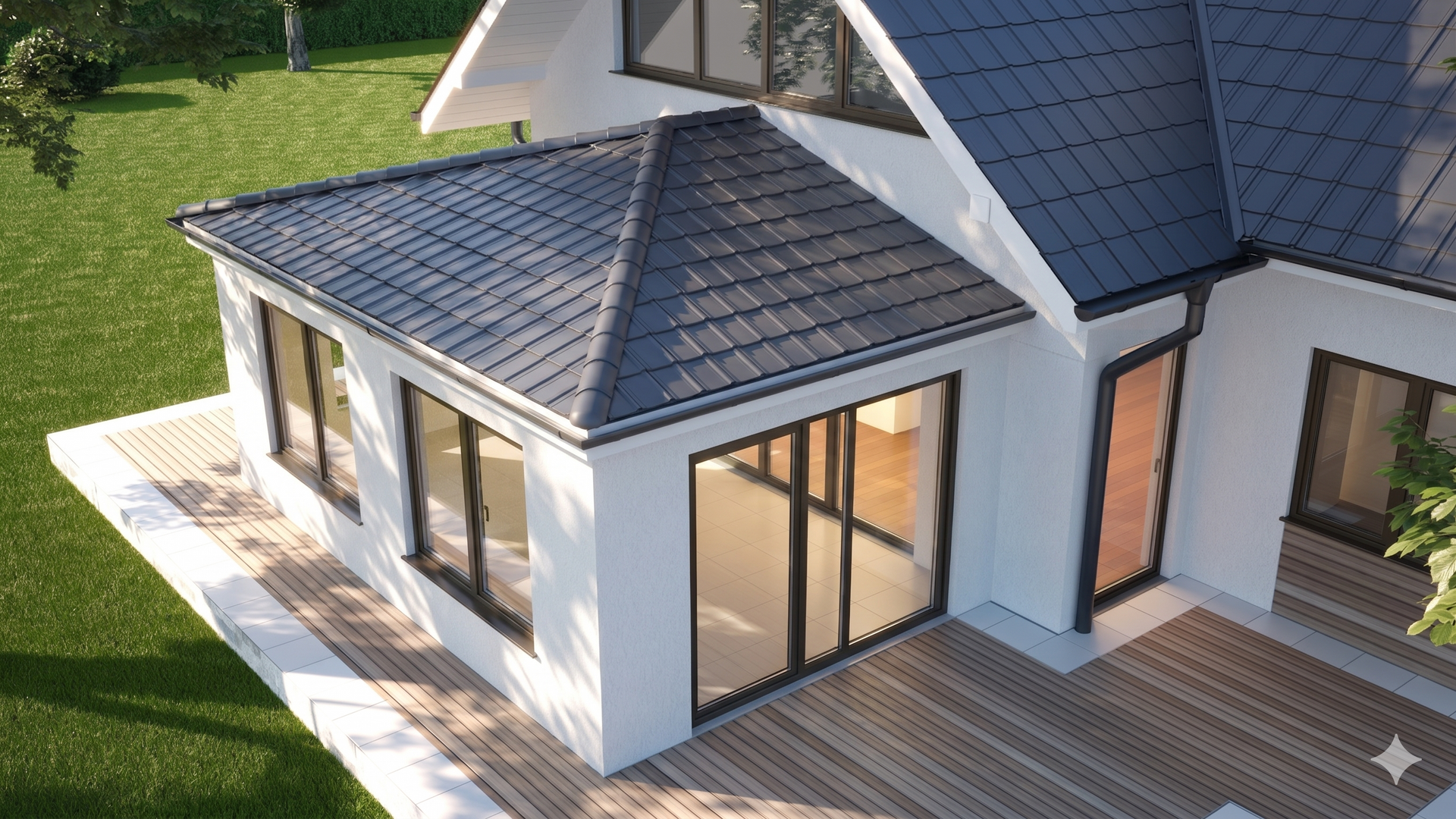
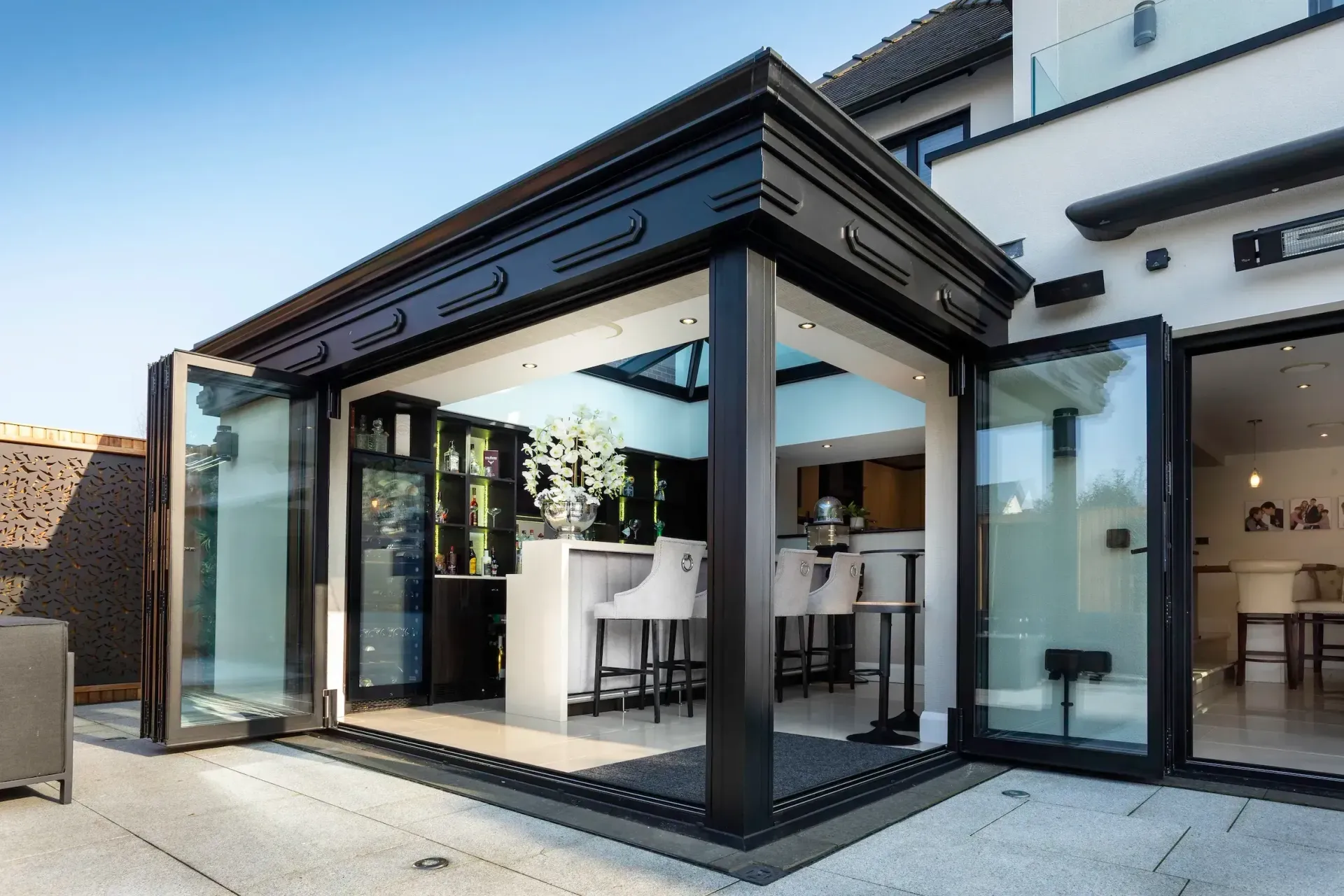
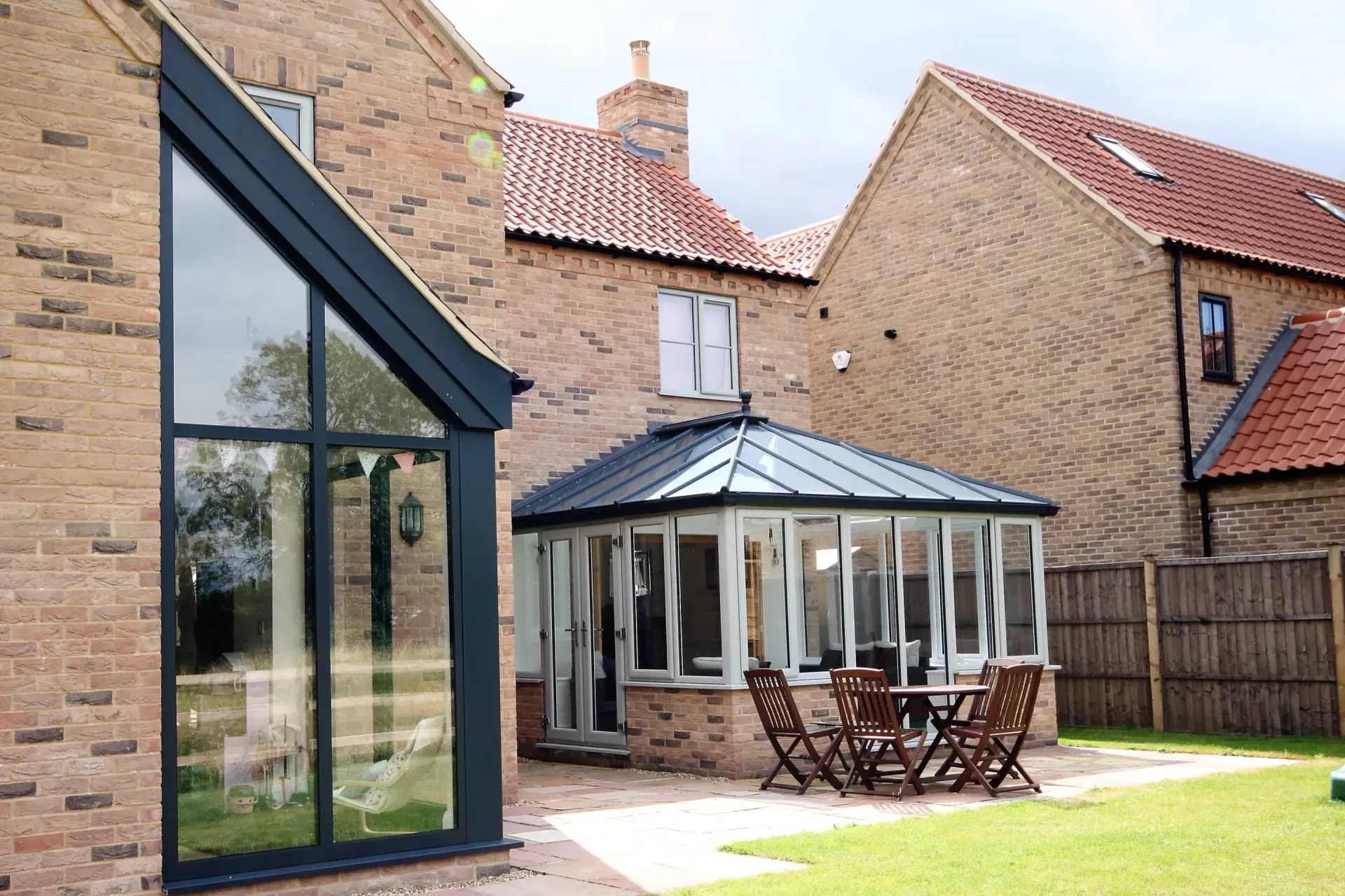
A conservatory can make a great addition to any home. But do you need planning permission to get one? Separate the facts from the fiction with our guide.
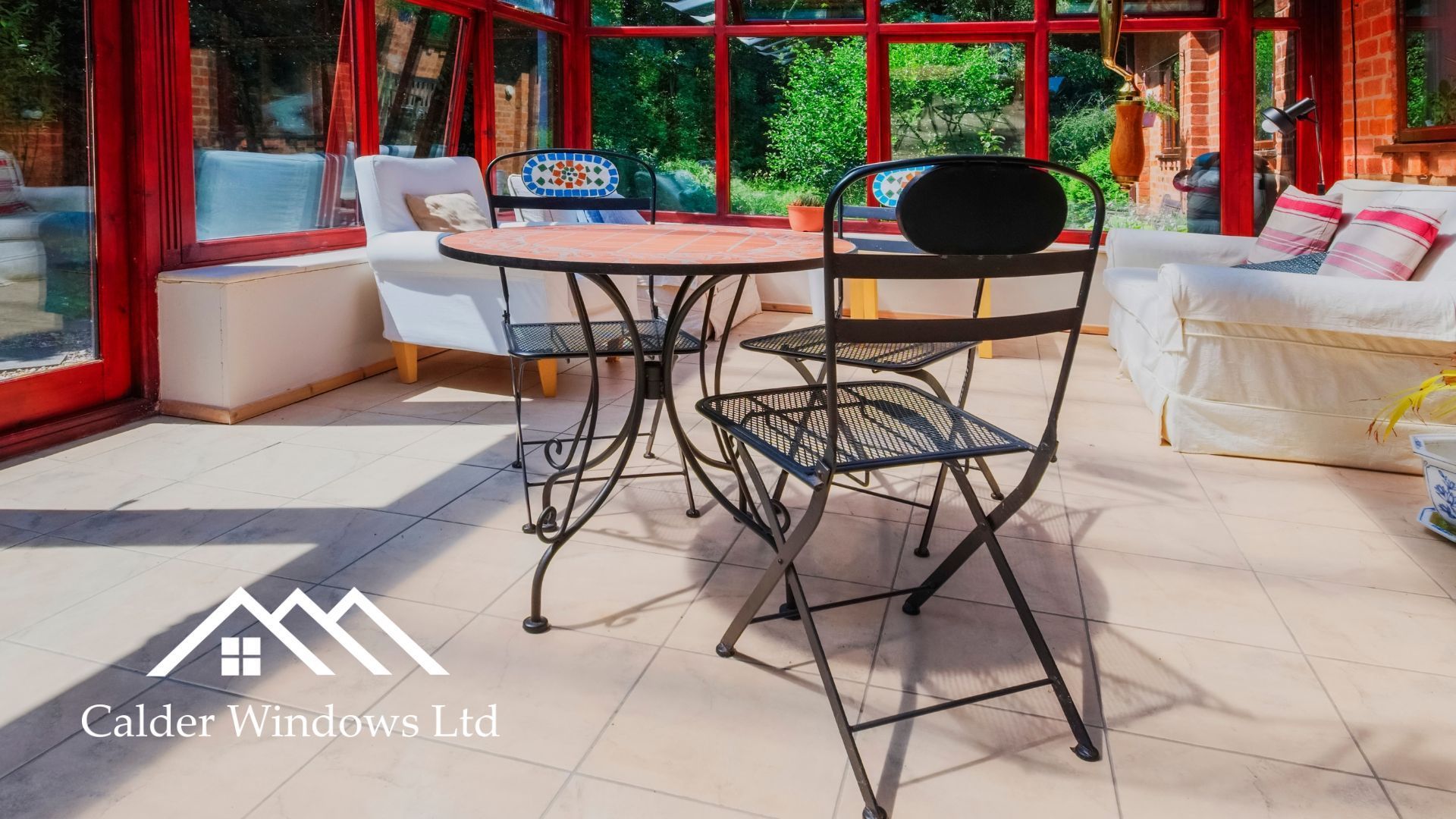
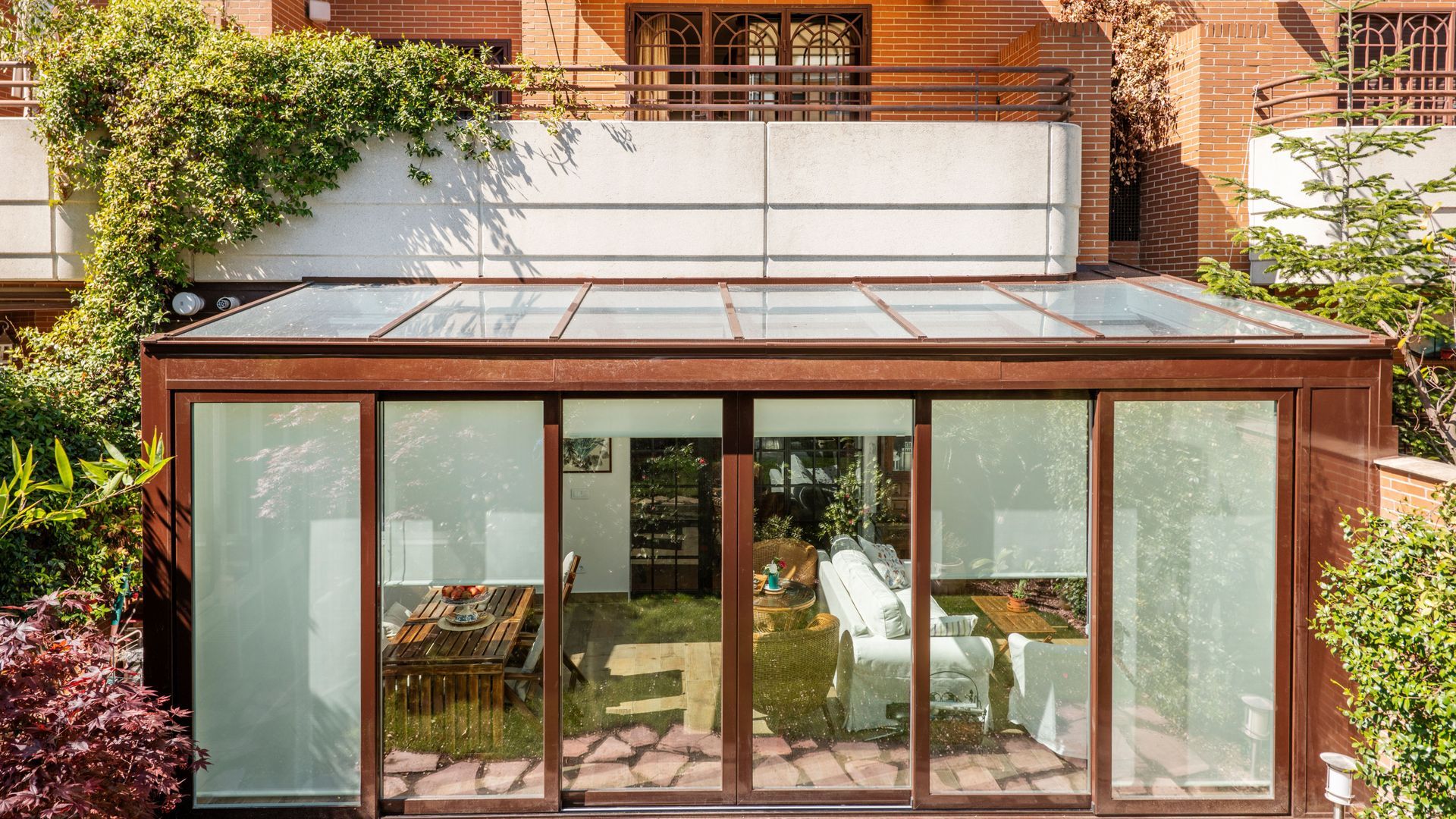
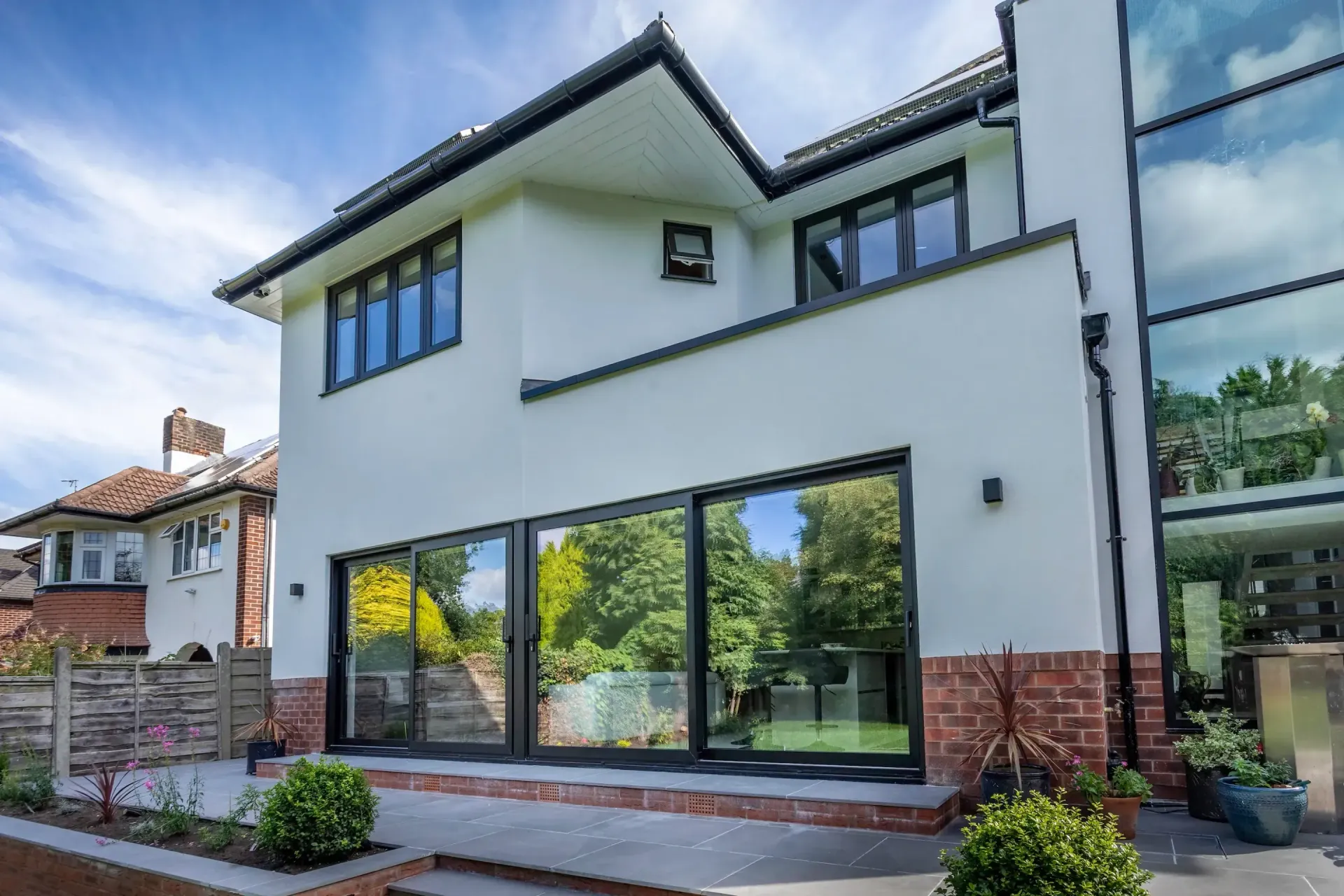
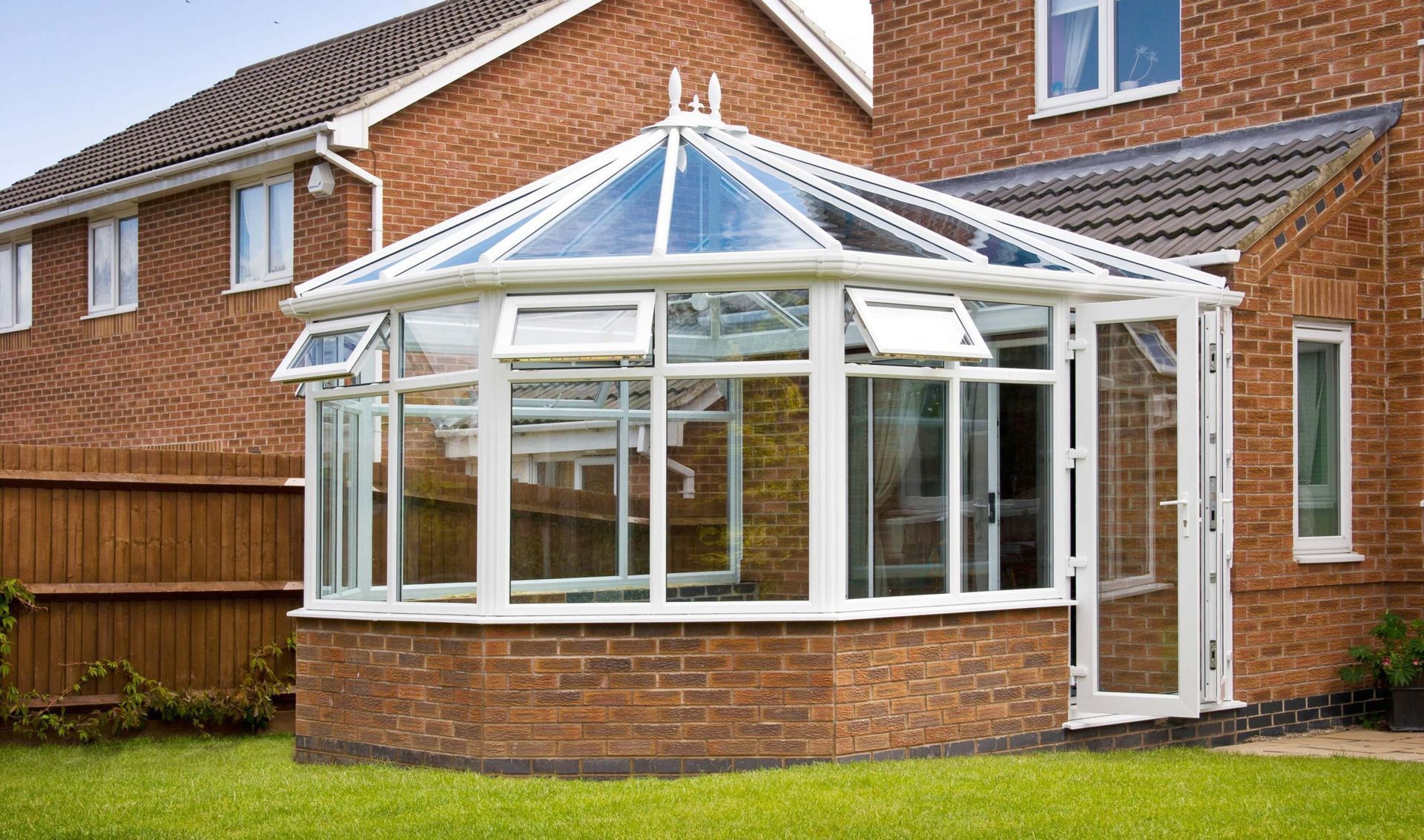
Are you thinking about getting a conservatory? It can be a great way to bring your house and garden together – and bump up the market value of your home in the process.
Once you've decided on a style and a design, you might find yourself wondering about the thorny issue of planning permission. Is this something you need to seek from your local authority?
The short answer is that you might. Some, but not all, homeowners need to get permission. It's important to know which camp you fall into as you risk receiving a fine if you press on without it.
What are the rules about conservatories?
Different types of constructions require different planning permissions. A conservatory falls under the same rules as a single-storey extension. Neither requires planning permission as a general rule.
However, there are exceptions.
- You live in a
designated area – for example, a conservation area, World Heritage Site or Area of Outstanding Natural Beauty (AONB).
- Over half of the building's ground will be covered by the conservatory.
- The conservatory will be on the side of the house or facing the road.
- The conservatory will be higher than the house.
- The conservatory will be wider than half the width of the house.
- The conservatory will be over six metres to the rear of a semi-detached house or eight metres to the rear of a detached house.
- The conservatory will be raised.
- The original building is a terraced house or one that's already been extended.
- The conservatory will increase your home's volume by more than 15% or 70 cubic metres (whichever is bigger).
We can boil these down to two main considerations – two big questions to ask yourself before you get the builders in.
The first is about your area. Do you live in a designated zone where construction is restricted?
Secondly, you need to think about the size of your proposed conservatory. Will it be unusually big or visible? If so, it's worth checking whether you can go ahead without permission from the local authority.
If you're unsure, your best bet is to check with your local planning authority (LPA). They will look to see if your project needs planning permission. There's also
government guidance on the subject.
If none of this applies to you, crack on!
What happens if you need planning permission but don't apply for it?
If you fail to get the required planning permission, you could be fined. If it doesn't meet regulations, you could be forced to demolish it.

To take one
example that made the local news,
NAME REDACTED of Dewsbury built a single-storey side extension without permission and was ordered to pull it down by Kirklees Council.
The grounds on which the demolition order was made give some indication of what you need to take into account when thinking about planning permission. The extension, the council said, was "an incongruous development out of character with the main house".
Will your conservatory or extension stick out like a sore thumb, no matter how much you like the design? Then make sure you check the guidelines in detail before calling the builders.
Do you need planning permission for an extension?
The law says that homeowners can have an extension added to their homes without planning permission, so long as it meets building regulations. These projects fall under "permitted development rights".
Permitted development rights aren't all-encompassing. If you live in a flat, maisonette or listed building, you'll have to apply. The same goes for houses situated in conservation areas or AONBs.
What is a lawful development certificate?
If you build within your permitted development rights, your conservatory or extension is above board. But it can still be a good idea to apply for a lawful development certificate. If you come to sell your home, a lawful development certificate can demonstrate to potential buyers that the extension is compliant with regulations.
How long does it take to get planning permission?
Typically, it will take around 10 weeks for your local authority to weigh your application and reach a verdict. This consists of a two-week validation process and eight weeks of decision-making.

We say "typically" because the more complicated your plans, the longer the process will take.
It can be worth asking your local planning department for advice. Some rudimentary guidance is available for free. There's also the option to get "pre-application advice" for a fee.
What else do you need to check before getting a conservatory built?
Another important thing to establish before the builders start work is that your foundations are deep enough. If they're not, you're wasting your time and money!
What home improvements don't need planning permission?
Most of the time, you can add an extension, roof alteration, dormer, garage, hard surface or decking to your home without planning permission. As with conservatories, there are exceptions – and either way, you may need building regulation approval.
Final thoughts
Here at Calder Windows, we know that a conservatory can make an elegant addition to any property – and we can help you find the right style and design for you.
Most of the time, you can start work on a conservatory without planning permission. But if you live in certain designated areas or if the extension is going to be unusually large or incongruous, you may have to check the small print.
We wish you all the best in your home improvement journey. Need a hand? Just
give us a call .
Calder Windows is a trusted door, window and
conservatory supplier that serves Wakefield and the surrounding areas. We have more than three decades of experience working with homeowners to take their homes to the next level with high-quality installations.
Get in touch today for a quick, free quote.
Recent Posts