Is triple glazing better for noise reduction?
What glass should you choose for noise reduction? Explore the pros and cons of triple glazing in our guide.
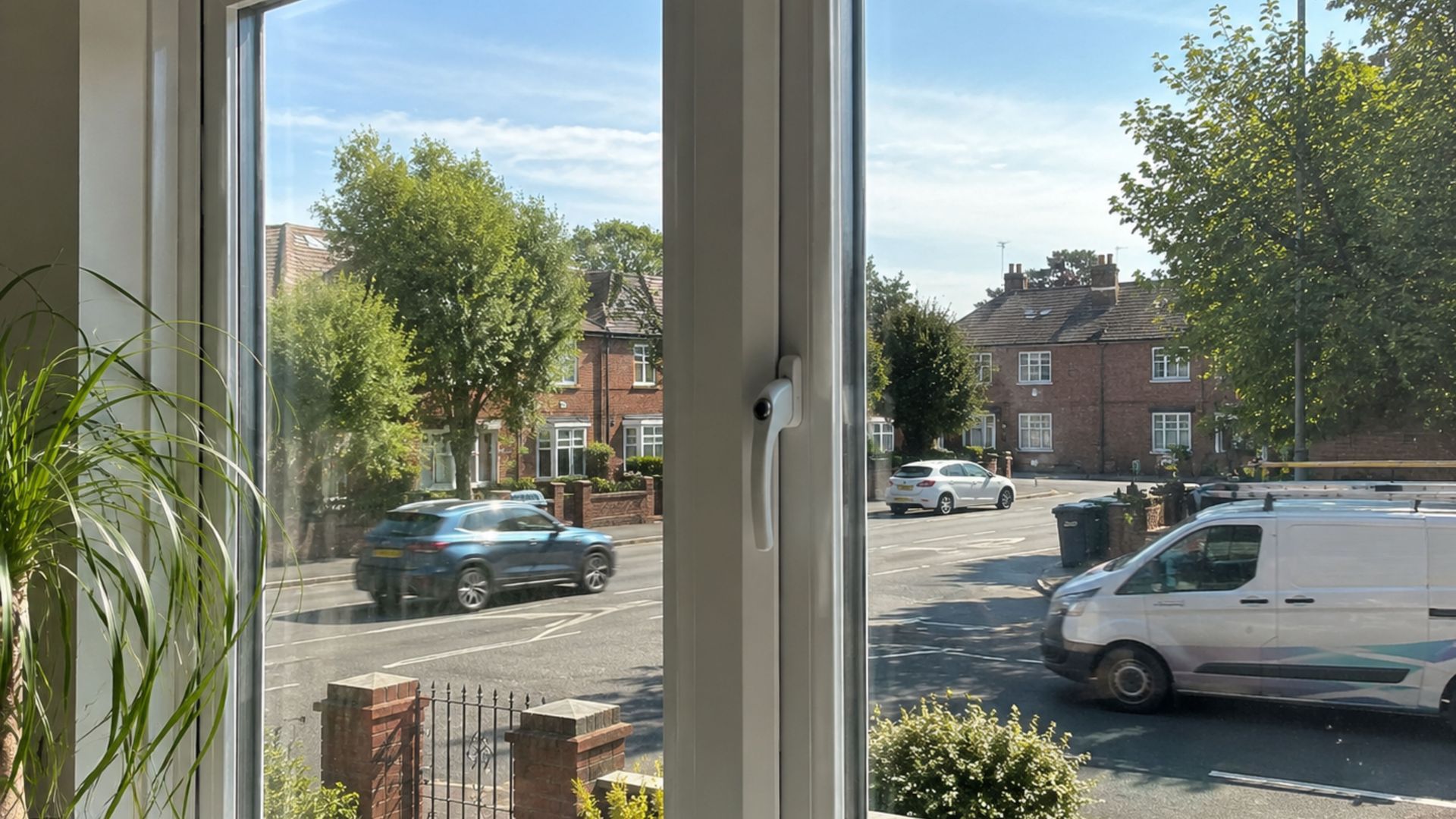
All windows are noise-reducing to some extent. We're stating the obvious here, but you'll hear less traffic noise through a window than through a hole in the wall.
However, if noise reduction is a priority, it's worth thinking about the type of window you use.
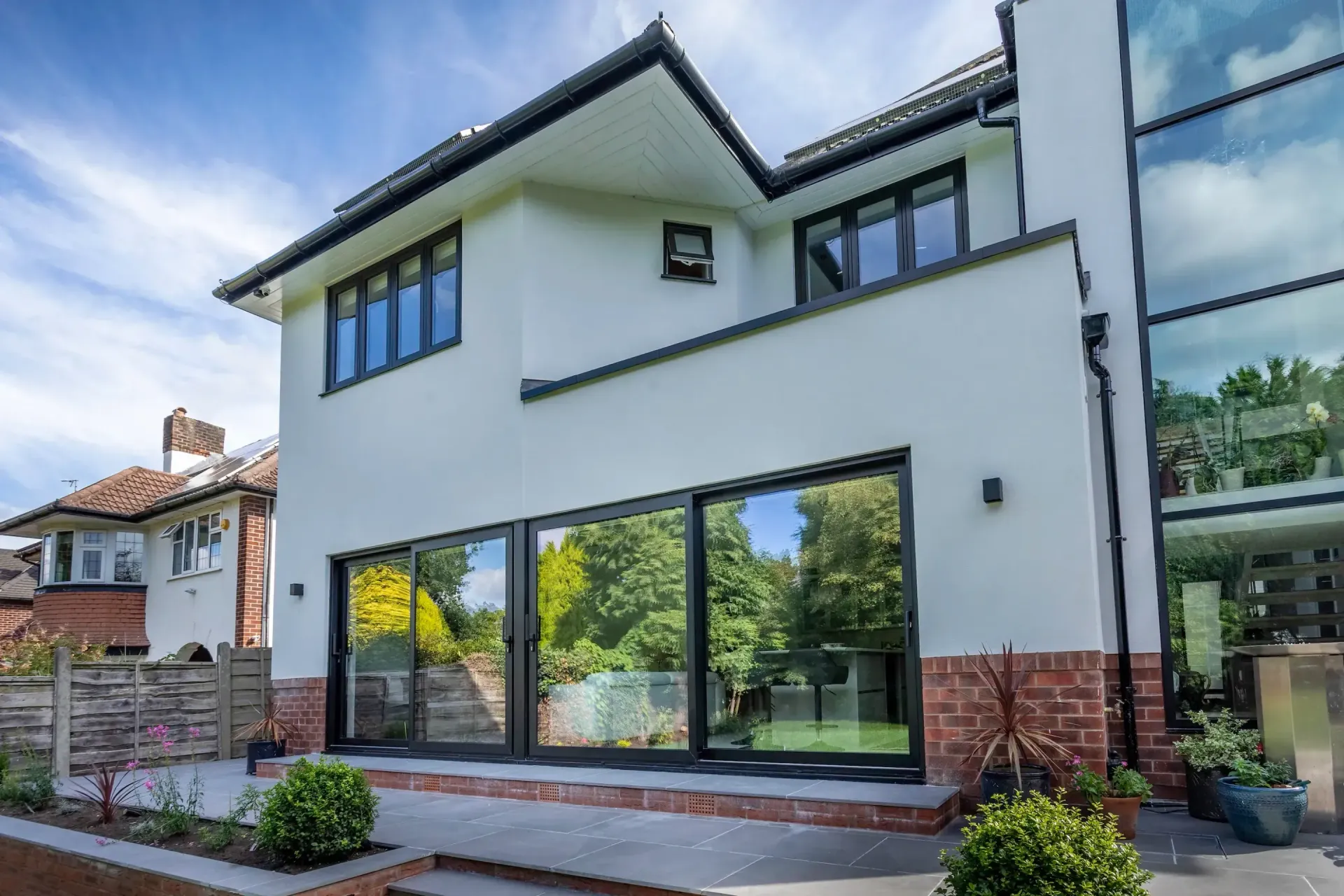
One option is triple glazing. This is a window system consisting of three panes of glass sealed together in a single unit. It's separated by two insulating gaps filled with argon or krypton gas.
It's far less common than double glazing. This, the BBC tells us, is the product of choice for 85% of British homeowners.
Nevertheless, triple glazing is on the rise – partly because UK building regulations now demand high levels of thermal efficiency.
Partly, too, it's down to the comfort that triple glazing allows. Helen Matthews, a homeowner quoted by the BBC, reports that "The house is noticeably warmer, and quieter, now that the triple glazing is in place."
Just ask Helen – triple glazing is definitely good for blocking out unwanted sounds. That could be noise from the road (traffic), noise from the skies (aeroplanes) or noise from within (hello, drummers).
But is it the best choice you can make? Let's take a closer look.
How noise-reducing is triple glazing?
Triple glazing significantly reduces noise. Its combination of glass panes and gas-filled air gaps creates a thick, robust barrier that typically reduces noise by 35 to 45 decibels. That's five to 10 decibels more than double glazing.
That makes triple-glazed windows highly effective for blocking out unwanted traffic and urban noise. This is especially true when the glass panes are thicker or, best of all, when the panes have a variety of thicknesses.
The main limitation of triple glazing is its inability to block out very low-frequency sounds, such as heavy machinery or idling lorries. For this, specialist laminated acoustic glass can be the superior choice.
Its superior performance in this section of the frequency range is down to a special interlayer. An interlayer is a thin plastic sheet that joins two glass panes. In the case of laminated acoustic glass, this interlayer acts as a dampener and disrupts sound waves as they pass through the glass.
What else affects noise reduction in glass?
Triple glazing is far from the only solution to noise pollution in domestic and commercial glazing.
The thickness of the glass matters. The thicker the glass, the better the sound insulation. This is because higher mass makes it harder for sound waves to pass through the glass.
Perhaps counterintuitively, two panes of glass with the same thickness aren't as effective at blocking sound as two panes of different thicknesses. This is because identical panes have a so-called "resonance effect" that fails to filter out certain sound frequencies.
The air gaps between the panes matter, too. Larger air gaps of around 16 to 20 millimetres offer superior sound absorption, especially when filled with an inert gas such as argon or krypton.
Laminated and acoustic laminated glass units come with a polyvinyl butyral (PVB) interlayer. This dampens vibrations and is up to 50% more effective at reducing noise than standard float glass.
There's also the question of installation. Your installer needs to ensure that the window eliminates drafts. Otherwise, the sound can bypass the glass and enter through the faulty seal.
How is noise reduction in glass measured?
Noise reduction in glass is primarily measured in decibels (dB). In Europe, the performance of a piece of glass is expressed as a weighted sound reduction index. In the US, it's typically expressed as a sound transmission class (STC).
For exterior glass installations, manufacturers use the outdoor/indoor transmission class (OITC) metric. This focuses on sounds below 125 hertz that are typical of traffic and aircraft.
The higher the decibel level, the better the noise reduction of the glass. A reduction of 10 decibels is typically perceived by humans as half the noise level.
How is noise reduction in glass tested?
Noise reduction in glass is tested by installing a soundproof glass wall between two separated laboratory rooms.
White noise or simulated traffic or aircraft noise is emitted in one room (the source room). Meanwhile, the reduction in decibels is measured in the other room (the receiving room).

When it comes to windows, doors and other glazing systems, the whole unit is measured, including frames and seals. This is to give a more accurate performance rating than you would get from solely measuring the glass itself.
What are decibels?
A decibel is a unit used to measure the intensity of sound. It's a logarithmic scale, meaning that intervals multiply by 10 rather than adding the same number.
To cite some examples:
- Normal conversation is typically around 60 decibels
- Heavy traffic is around 85 decibels
- A rock concert is around 120 decibels
Triple glazing typically reduces noise by 35 to 45 decibels, while acoustic laminated glass can exceed 40 decibels. Noise reduction is improved when the unit is made from panes of varying thicknesses.
What are the other advantages of triple glazing?
Noise reduction isn't the only reason more and more homeowners are investing in triple glazing. There's also its superior energy efficiency, increased security and the positive effects these can have on property values.
The gas-filled air gaps act as powerful insulators. A triple-glazed unit typically provides 40% to 50% better insulation than standard double glazing.
This has a direct effect on comfort within the home. The warm inner pane means less condensation and no cold draughts.
The third pane also makes the unit harder to break. This can give homeowners extra peace of mind, especially when it's used in conjunction with other security measures such as motion-activated lighting and doorbell cameras.
Investing in triple glazing doesn't just contribute to the energy efficiency, comfort and security of your home. It can also add value to the property, with more and more buyers looking for properties with higher EPC ratings.
Are you a homeowner in Yorkshire? Are you considering installing energy-efficient triple-glazed windows? At Calder Windows, our triple glazing is certified A++ – the highest possible BFRC energy grade. Don't hesitate to get in touch with our experts for product advice or an honest, no-obligation quote.
Recent Posts