Conservatory solid roof building regulations: a guide
A practical guide to conservatory solid roof building regulations, including planning permission, insulation requirements and structural considerations.
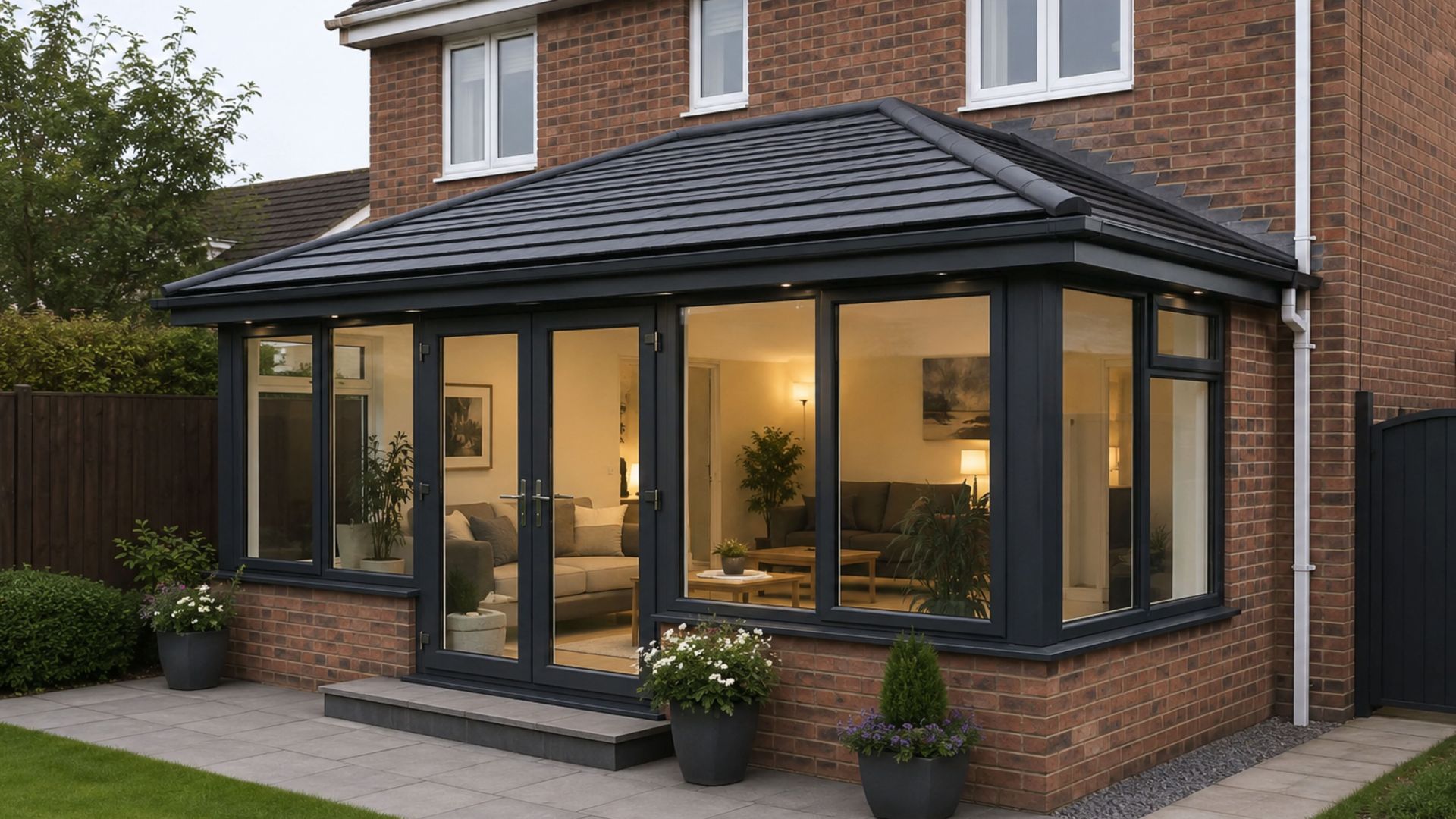
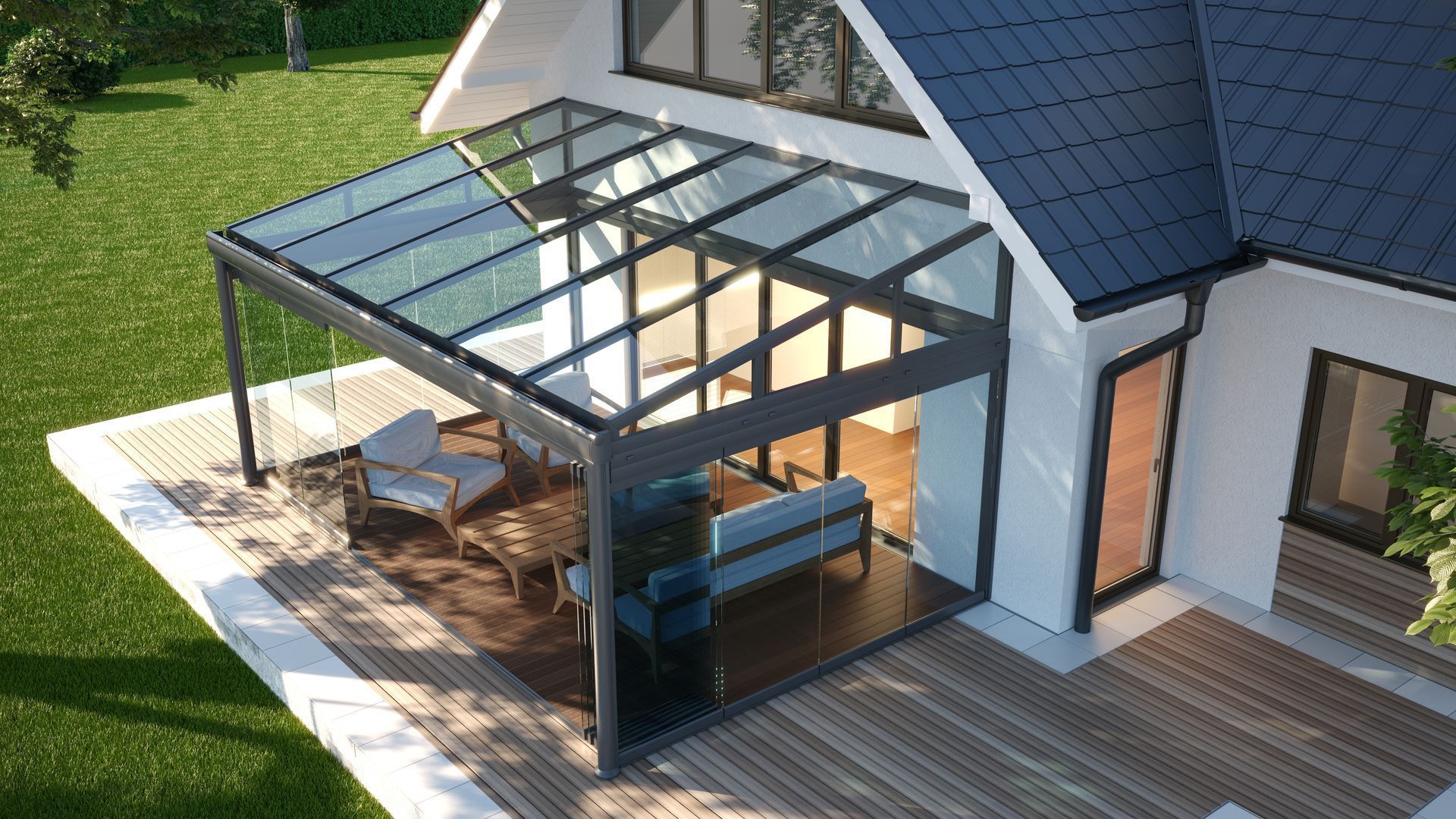
Replacing a traditional glass conservatory roof with a solid roof has become a popular improvement project, and for good reason.
For some, older conservatories with traditional glass roofs have their disadvantages. During high summer, they can become oppressively hot. In winter, they might end up too cold, but expensive to heat.
Upgrading to a solid roof can be the answer. It can improve insulation, comfort and the overall feel of the space, transforming a conservatory into an inviting, usable room all year round.
However, replacing a lightweight glazed or polycarbonate roof with a solid structure is a significant alteration. It's important to understand the building regulations involved before work begins.
If you're considering a conservatory roof replacement, here's what you need to know.
Why replace a conservatory roof?
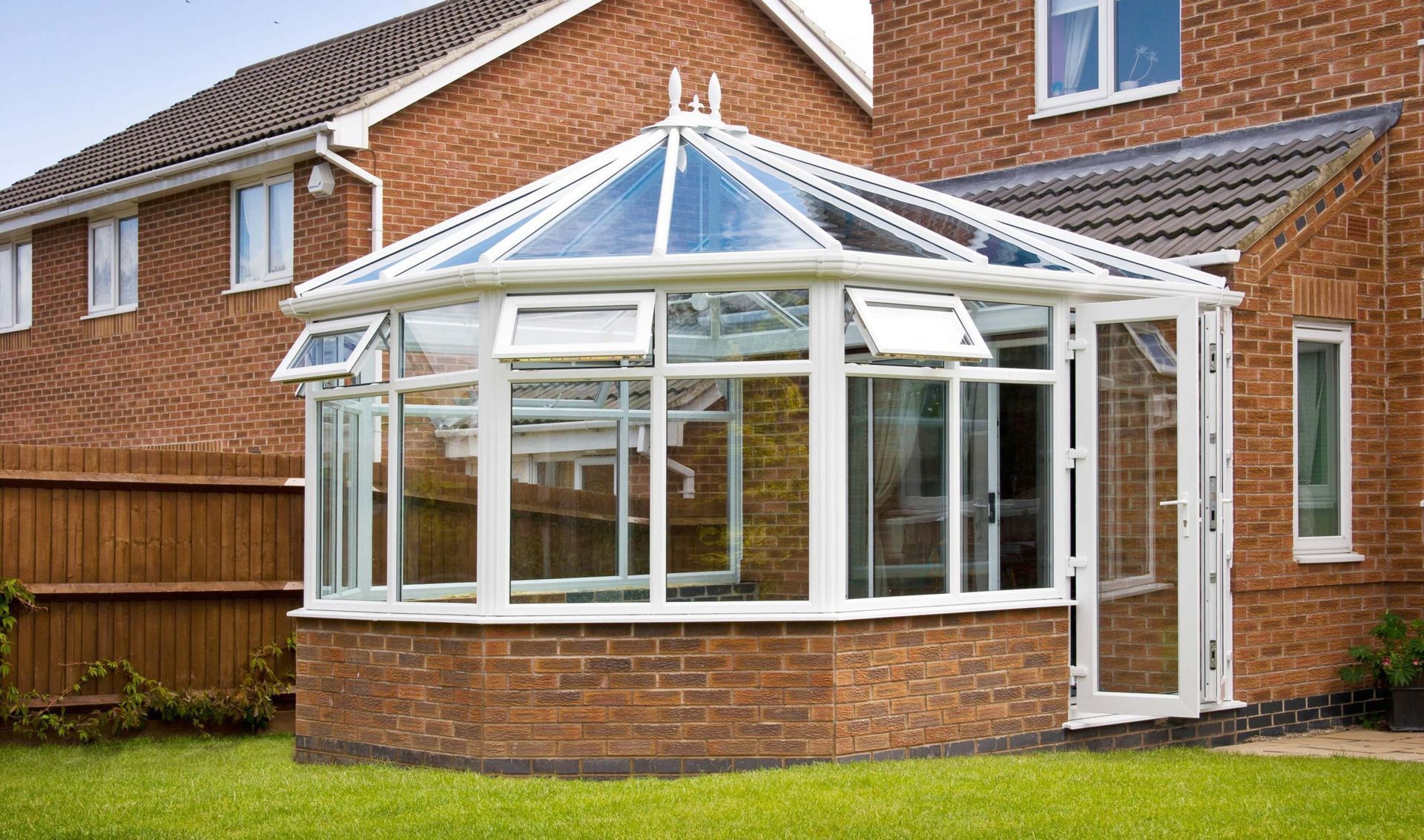
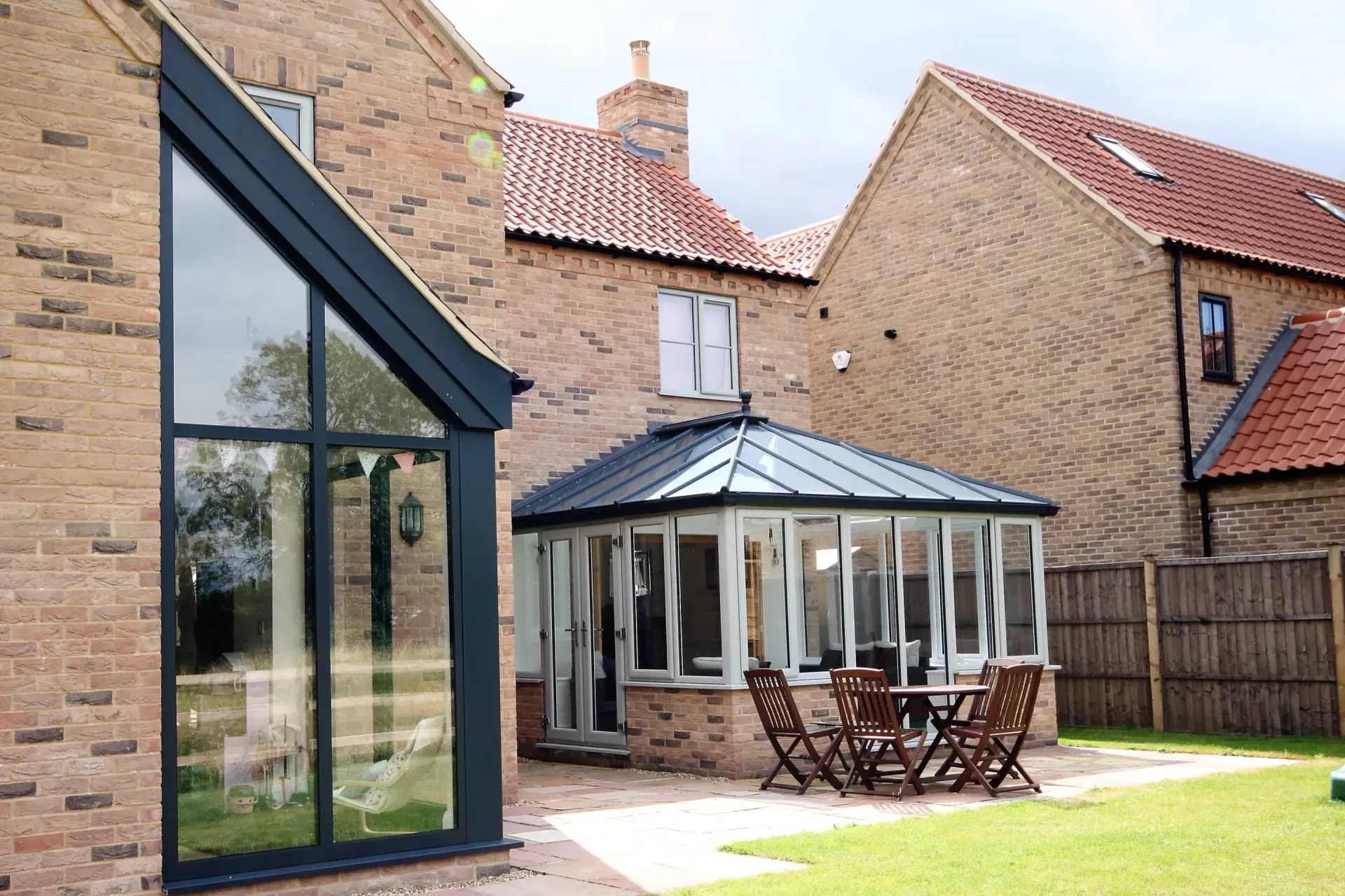
Traditional conservatories are often designed with lightweight roofs made from polycarbonate panels and glass glazing.
While these materials allow plenty of natural light, they can struggle with temperature regulation.
Common complaints include overheating in summer, heat loss in winter, excessive noise from rain and condensation issues. A solid roof system can help to resolve all of these, while also creating a more comfortable living space.
What is a solid conservatory roof?
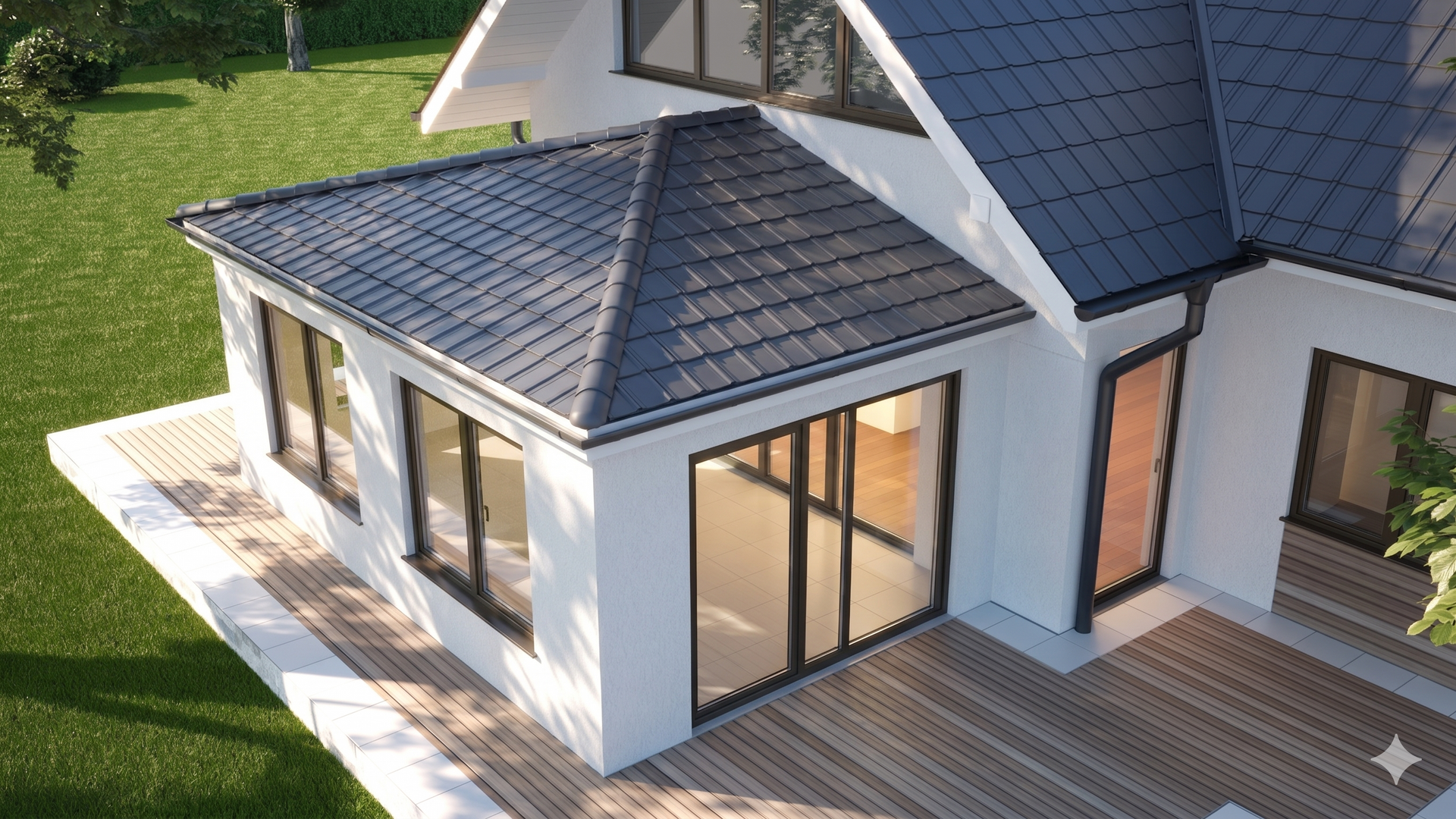
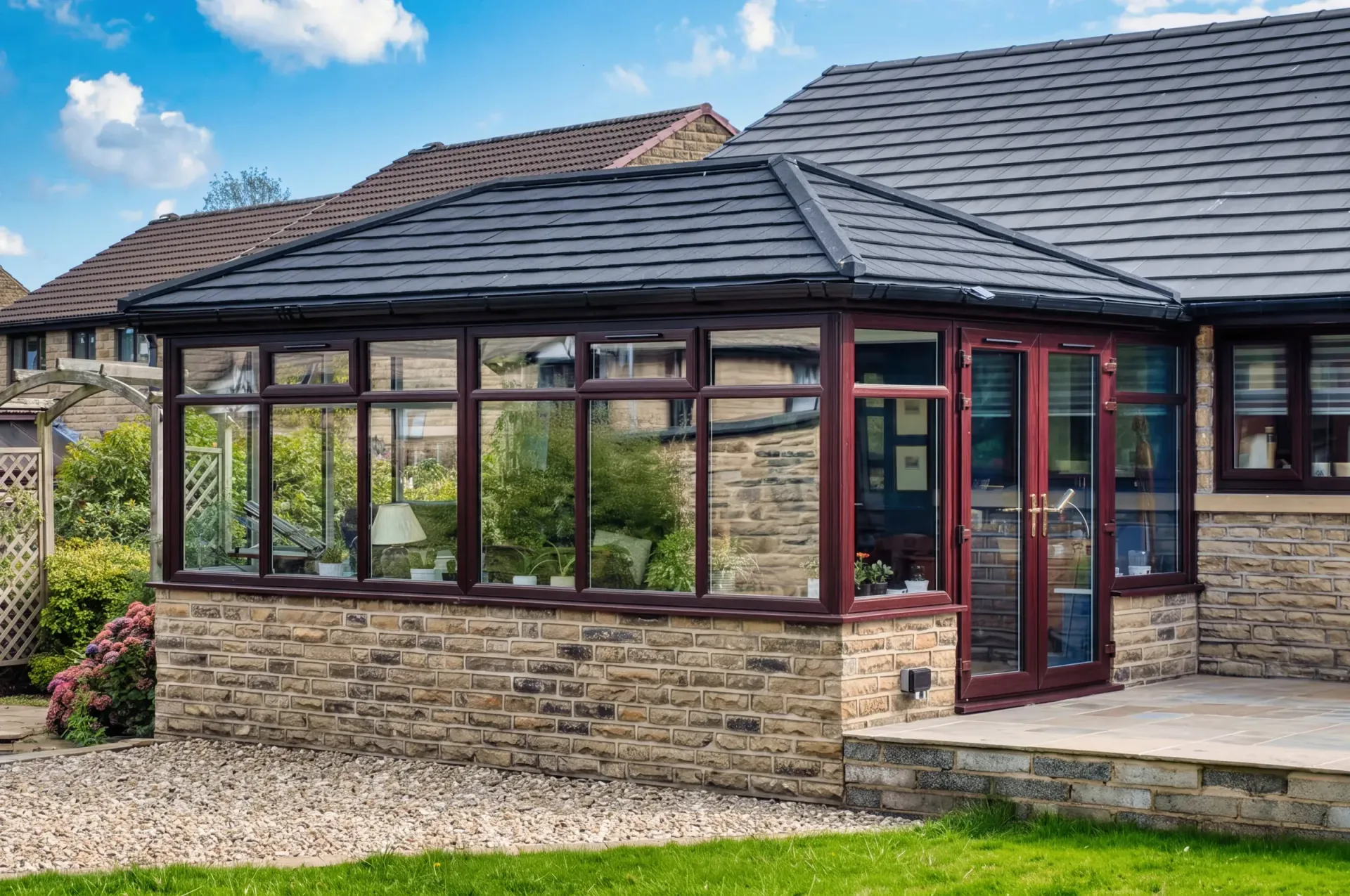
A solid conservatory roof replaces the existing lightweight roof with a more insulated structure.
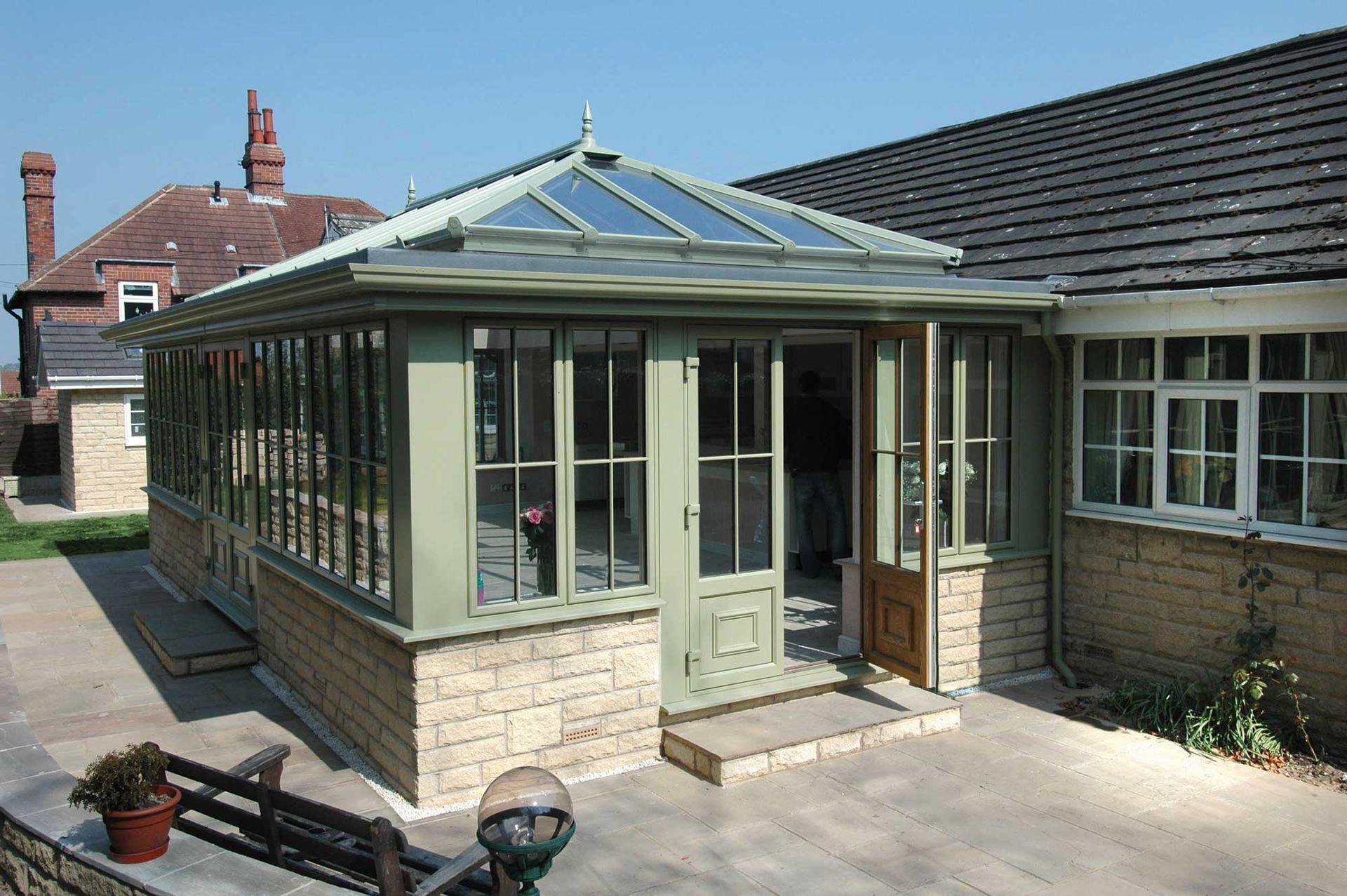
These roofs may include tiled finishes, lightweight composite systems and windows or glazed sections in the roof.
The aim is to make the conservatory feel more like a conventional extension.
Do building regulations apply?
In many cases, yes.
Replacing a conservatory roof with a solid roof is generally considered a significant structural alteration, which means building regulations often apply.
This is because the change can affect things like structural loading, energy efficiency, ventilation and fire safety. Importantly, even if the conservatory itself was originally exempt from building regulations, a change to the roof structure might alter that.
Why building regulations matter
Building regulations are designed to ensure building work is safe, structurally sound and energy efficient.
For solid conservatory roofs, regulations help to ensure:
- The existing structure can support the additional weight
- The roof meets insulation standards
- The room is properly ventilated
- The installation complies with safety requirements
Failure to comply with building regulations can lead to problems later, particularly if you decide to sell up.
Structural considerations
One of the biggest concerns with solid roof replacements is weight.
A tiled or insulated roof is likely to be significantly heavier than a lightweight glass or polycarbonate system.
Before installation, it's important to confirm that the existing structure can safely support the new roof by checking the frames, foundations and wall strength.
You may find that additional reinforcement is required.
Energy efficiency
Modern building regulations place strong emphasis on energy efficiency. A high-quality roof system often includes insulated panels, breathable membranes and plastered internal finishes.
These features all help to reduce heat loss and improve comfort throughout the year.
Ventilation
Ventilation remains important even with improved insulation.
Building regulations may require adequate ventilation to help prevent condensation and damp, such as through opening windows, trickle vents and roof ventilation systems. A properly designed conservatory should balance insulation with airflow.
Fire safety
Depending on the design and proximity to neighbouring properties, fire safety regulations may also apply. These can affect roofing materials, internal finishes and escape routes.
An experienced installer will ensure the system complies with relevant standards.
Planning permission
In many cases, replacing a conservatory roof does not require planning permission – particularly if the size and footprint of the conservatory remain unchanged.
However, planning permission may still be required if the property is:
- A listed building
- Within a conservation area
- Affected by previous alterations
It's always worth double-checking before beginning any work to avoid any surprises further down the road.
Building regulations versus planning permission
These two processes are often confused. However, they are not the same thing.
Planning permission concerns:
- Appearance
- Size
- Impact on surroundings
Building regulations are concerned with:
- Safety
- Structure
- Energy efficiency
- Compliance standards
Even when planning permission is not required, building regulations may still apply.
Will replacing the roof affect conservatory classification?
Potentially, yes.
Conservatories are traditionally considered to be separate from the main house. That's because they have external-grade doors that separate them from the home, as well as a high proportion of glazing.
Adding a solid roof can sometimes blur the distinction between a conservatory and an extension.
This is one of many reasons why compliance and professional assessment are so important.
Benefits of a solid conservatory roof
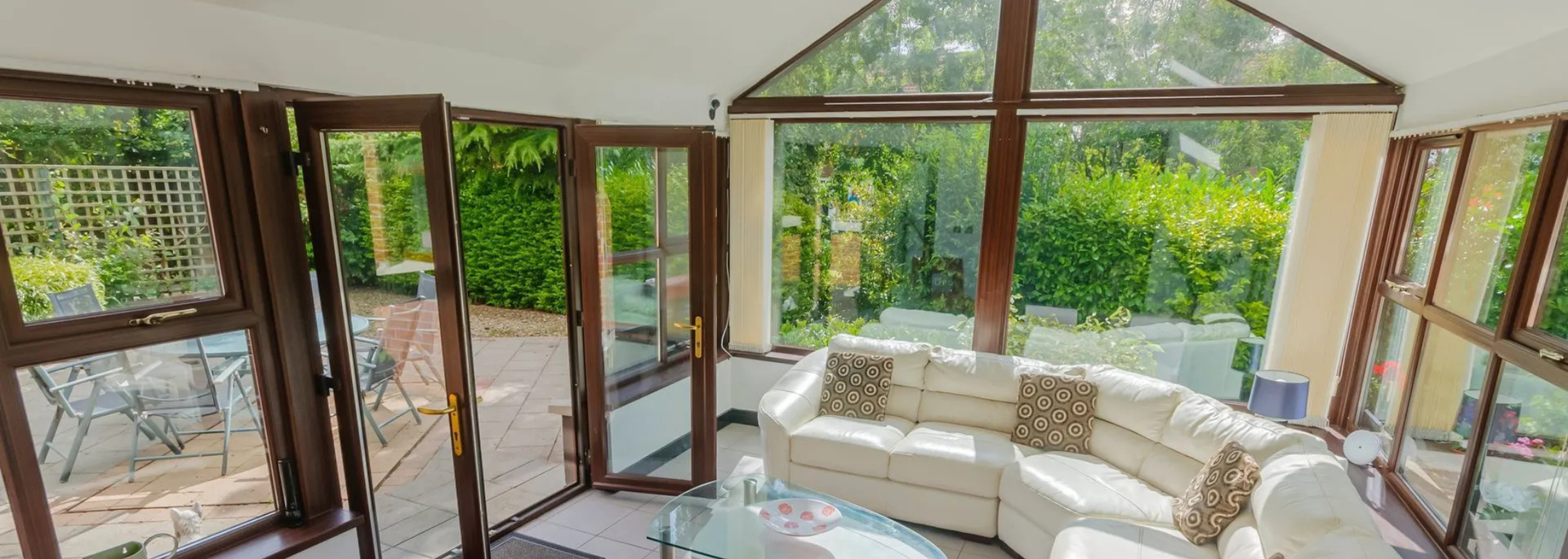
Despite the additional regulations that may be involved, many homeowners feel the upgrade is a worthwhile investment.
Some of the potential practical benefits include:
- Better temperature regulation throughout the year
- Reduced noise from wind and rain
- Improved energy efficiency, reducing heating costs
- Greater usability throughout the seasons
Are there alternatives to a fully solid roof?
Yes!
Some homeowners choose hybrid systems that combine solid, insulated sections with roof glazing or roof windows.
This allows for more natural light while still improving insulation, comfort, and usability.
The right option for your home depends on the style of the property, how the room is used and, of course, your personal preference.
Why professional installation matters
Replacing a conservatory roof is more than just a cosmetic upgrade.
Professional installation ensures:
- Structural suitability
- Compliance with regulations
- Proper insulation performance
- Long-term durability
- Weatherproof installation
At Calder Windows, our team of experienced professionals can advise you on whether additional approvals or calculations are needed.
Having clear answers early in the process provides you with much-needed peace of mind and helps you to avoid costly surprises later on.
We help homeowners choose high-quality
conservatory roof solutions designed for comfort, performance, and long-term reliability. Our team is here to guide you through the practical considerations and help ensure your project is professionally installed and fully compliant.
Are you a homeowner in Yorkshire considering a solid conservatory roof? Don't hesitate to get in touch with Calder Windows for expert advice and a free, no-obligation quote.
Recent Posts