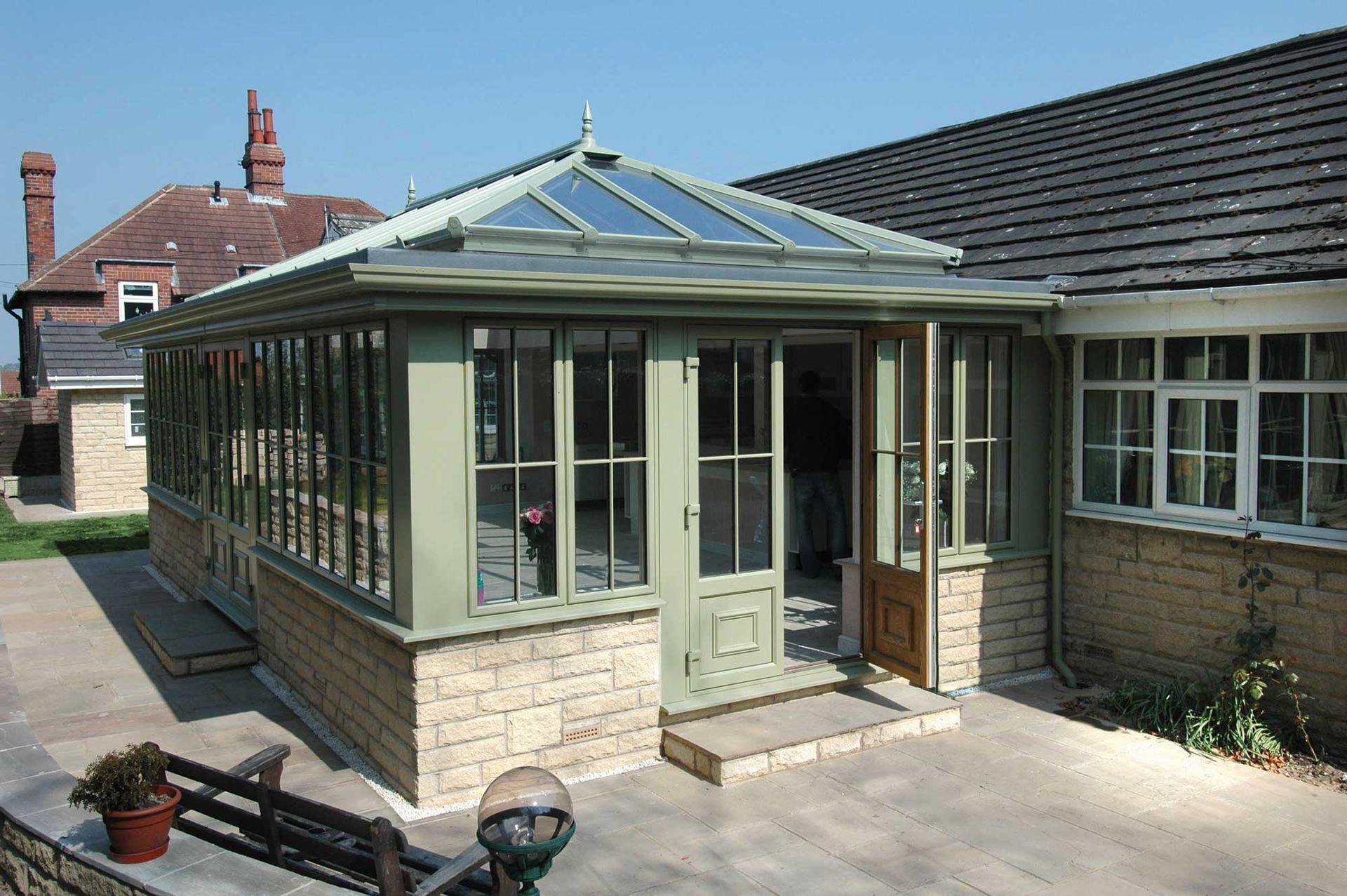
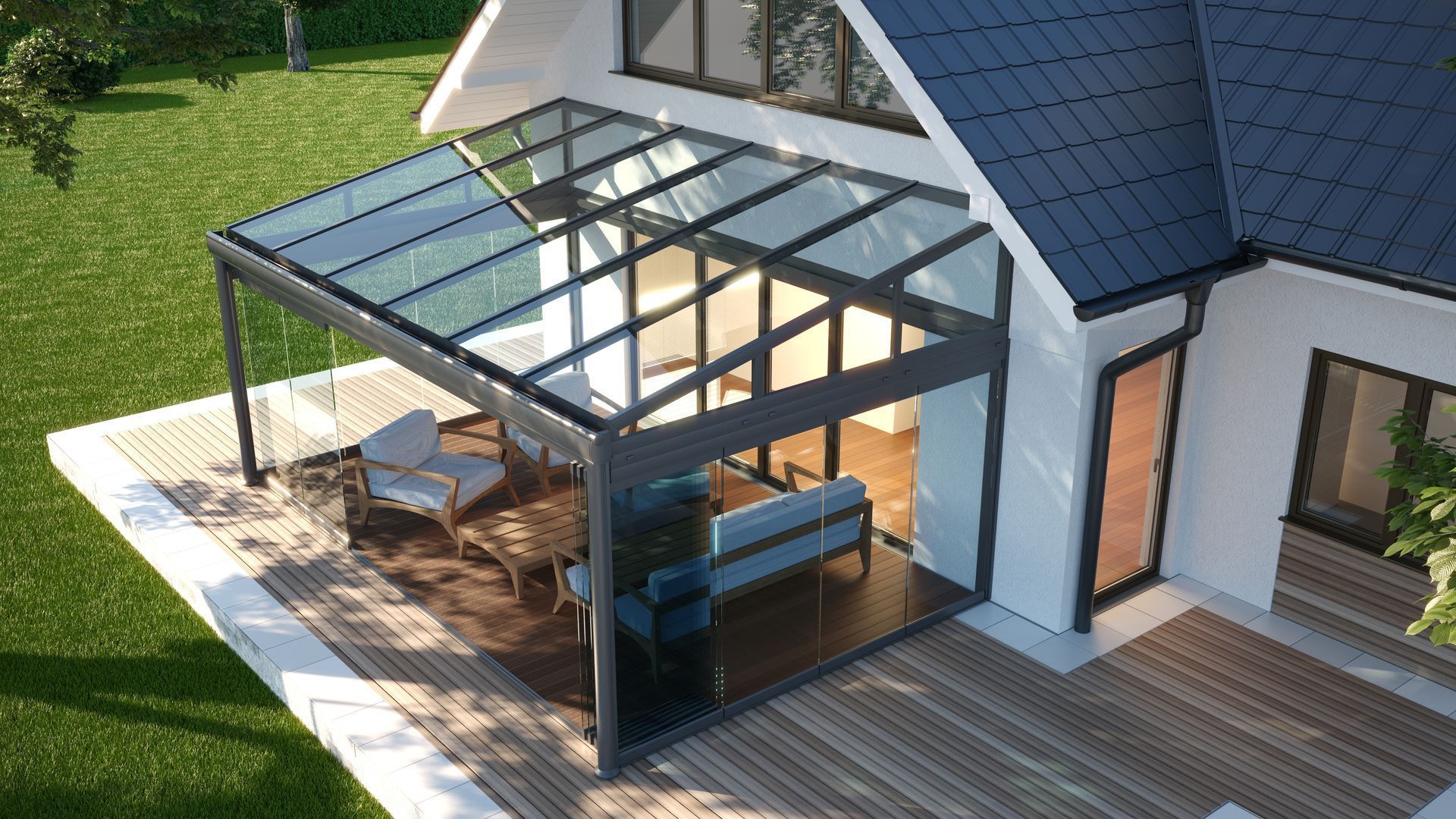
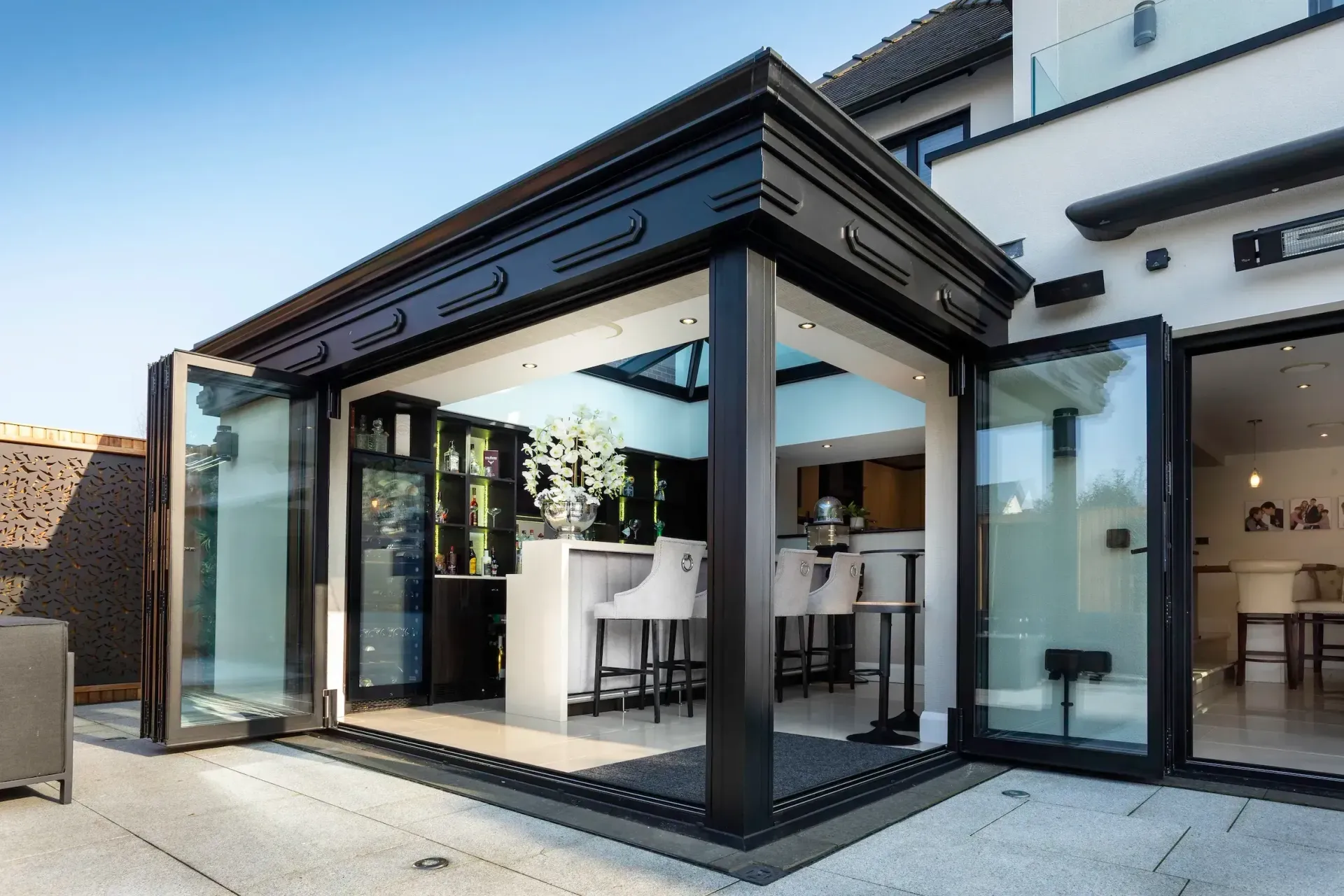
How to make an old conservatory warm enough to use in winter
Is your conservatory too cold in winter? Find out how a warm roof replacement can make a huge difference.
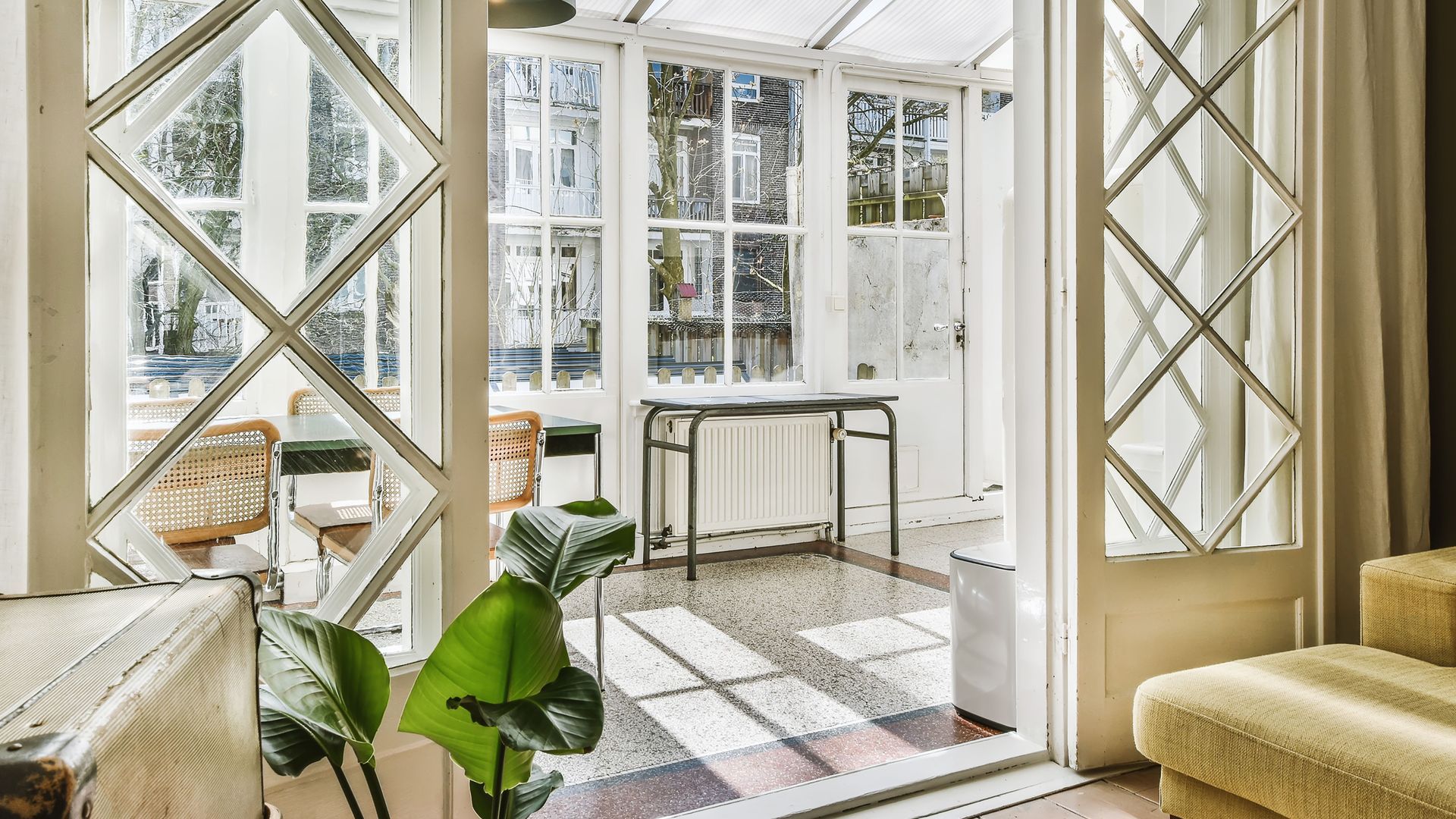
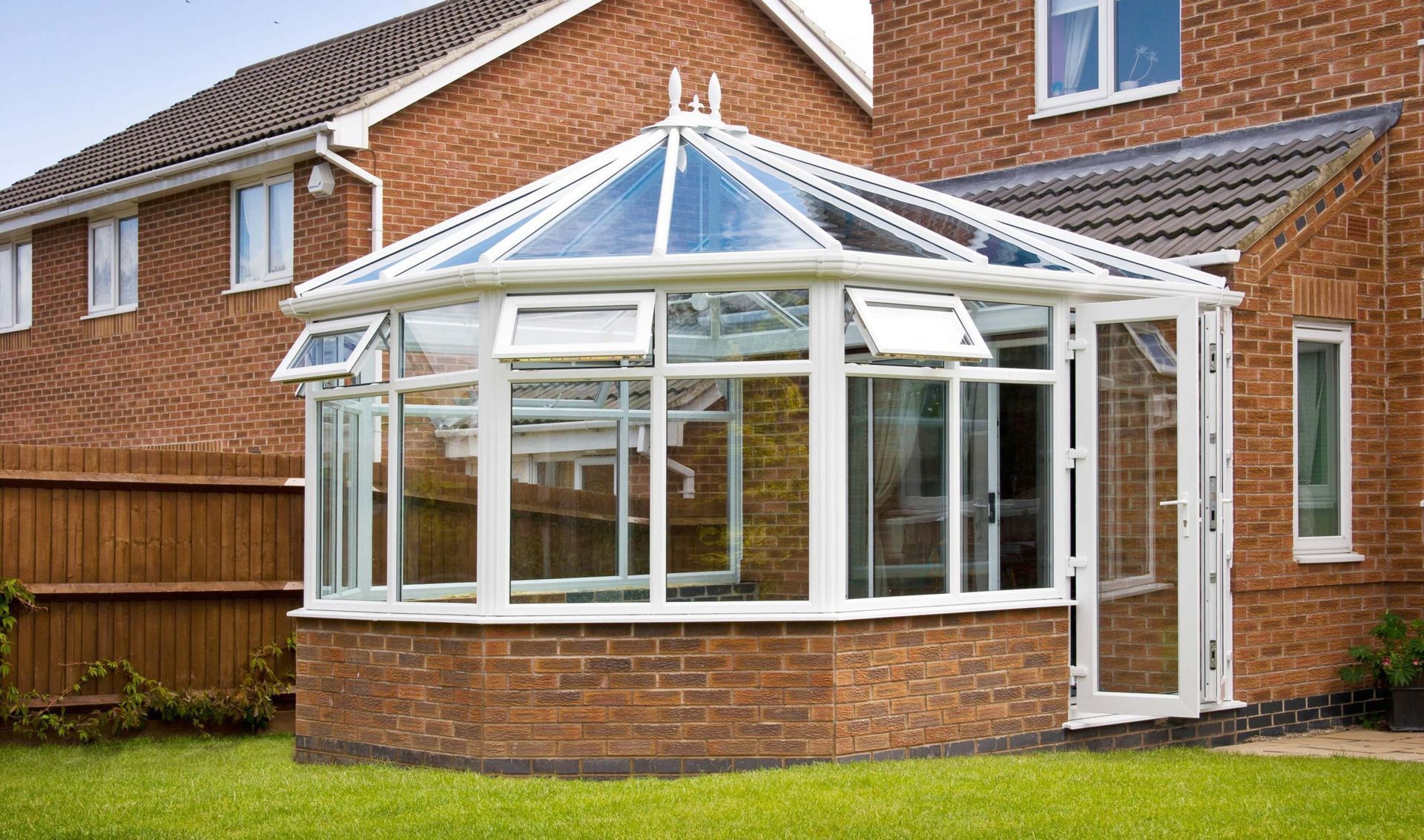
Do you own an old conservatory that you rarely – or never – use in winter? You're not alone.
The primary issue is thermal efficiency. To be usable (let alone cosy) in winter, a conservatory must keep the heat in effectively.
You can achieve this with a combination of heating, insulation and roofing. In the case of the roof, your conservatory may well benefit from a specialist warm roof – whether as a roof upgrade or a whole new conservatory.
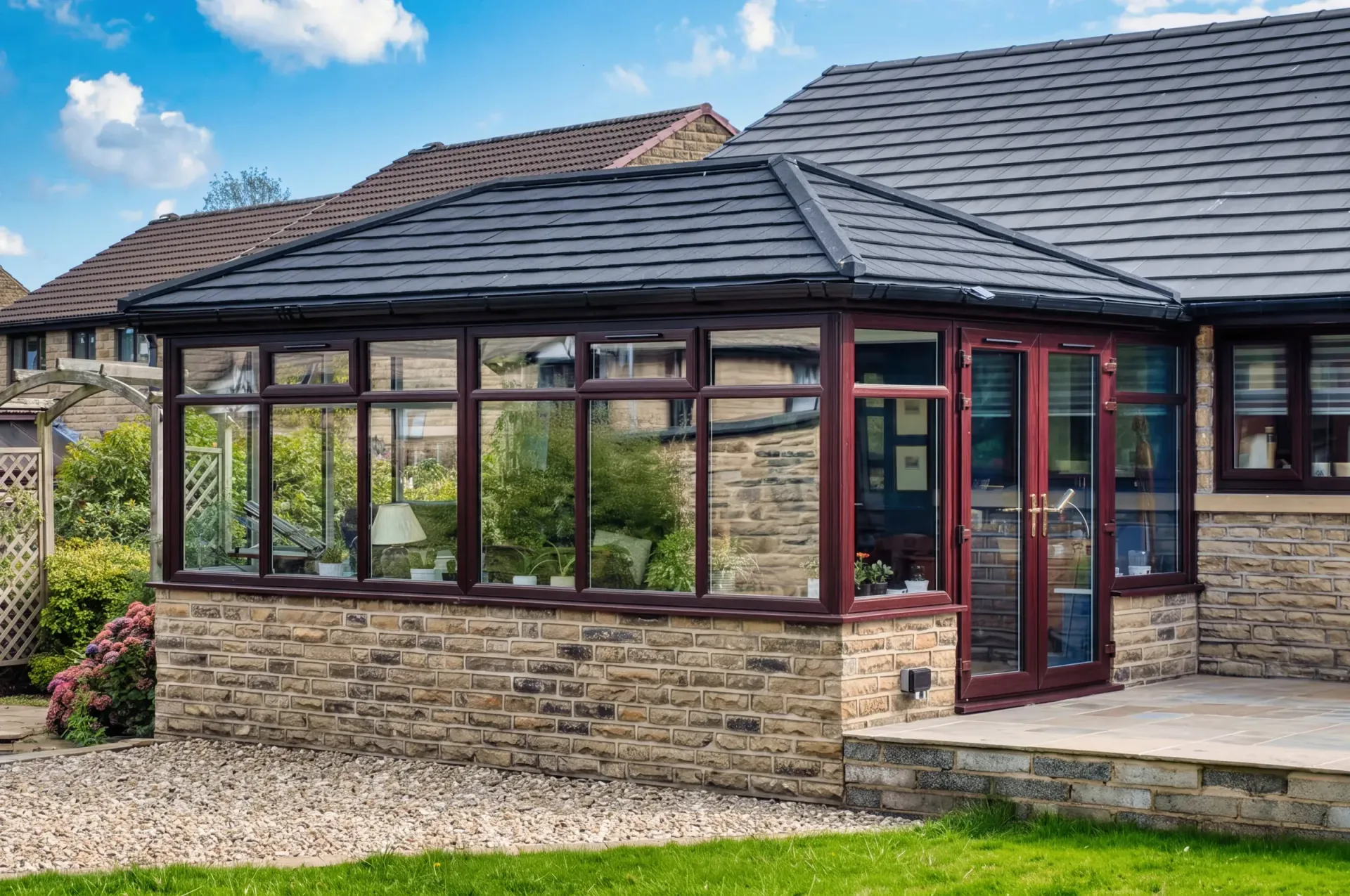
As well as helping with the heating, the tiles of a warm roof absorb the sound of rain and hail. Now, you can get cosy in your conservatory no matter the weather and no matter the season.
But before we continue singing the praises of warm roof conservatories, let's take a closer look at the issues conservatory owners face in winter.
Why do old conservatories often become unusable in winter?
There are several reasons why older conservatories can become unusable in winter.
The main reason is the substantial heat loss caused by single-glazed or polycarbonate roofs. Yes, they keep out the rain. But as thermal barriers go, they're hardly in the Premier League.
Weather is a problem for older conservatories in another way. Over time, weather can cause the conservatory frame to shift, making the window and roof sealants brittle. The result? The perfect environment for cold winter air to come seeping in.
And it's not just the glass or polycarbonate used in old conservatories that's the problem. It's also the frames, which tend to be less effective insulators than their modern equivalents.
Old conservatories tend to be expensive to heat and prone to damp. It's no wonder so many homeowners are turning to warm roof conservatories – not least to ensure they can actually use their conservatory in the winter months.
What's the issue with polycarbonate roofs?

For a long time, polycarbonate was the material of choice for conservatory roofs.
And it's not like people were wrong to use polycarbonate. It's tough stuff that comes at a decent price point. What's not to like?
Well, perhaps the biggest drawback is that polycarbonate is a poor insulator. If your conservatory is a furnace in summer and a freezer in winter, polycarbonate could well be the culprit.
Polycarbonate conservatories can also be noisy. The sound of rain from inside a conservatory has been compared to sitting inside a snare drum or a pinball machine. At worst, this can turn your garden haven into a noisy nuisance.
And while polycarbonate roofs are budget-friendly, they don't last all that long. Conservatories are usually long-term investments – so, a roof that only lasts around 15 years is far from ideal.
Last but not least, polycarbonate can turn cloudy or yellow over time. This compromises the elegant look that's dear to so many conservatory owners.
What positive effects can a warm roof have?
If your conservatory is suffering from the ill effects of a polycarbonate or single-glazed roof, a warm roof can make a big difference.
It does this thanks to its construction. Warm roofs include layers of rigid insulation above the structural deck, which drastically reduce heat loss in winter and hinder solar glare in summer. This construction also reduces the build-up of moisture, mould and dripping.
The space becomes much quieter and more relaxing. Tiled roofing absorbs the drumming of rain and hail, making your conservatory a place to unwind whatever the weather.
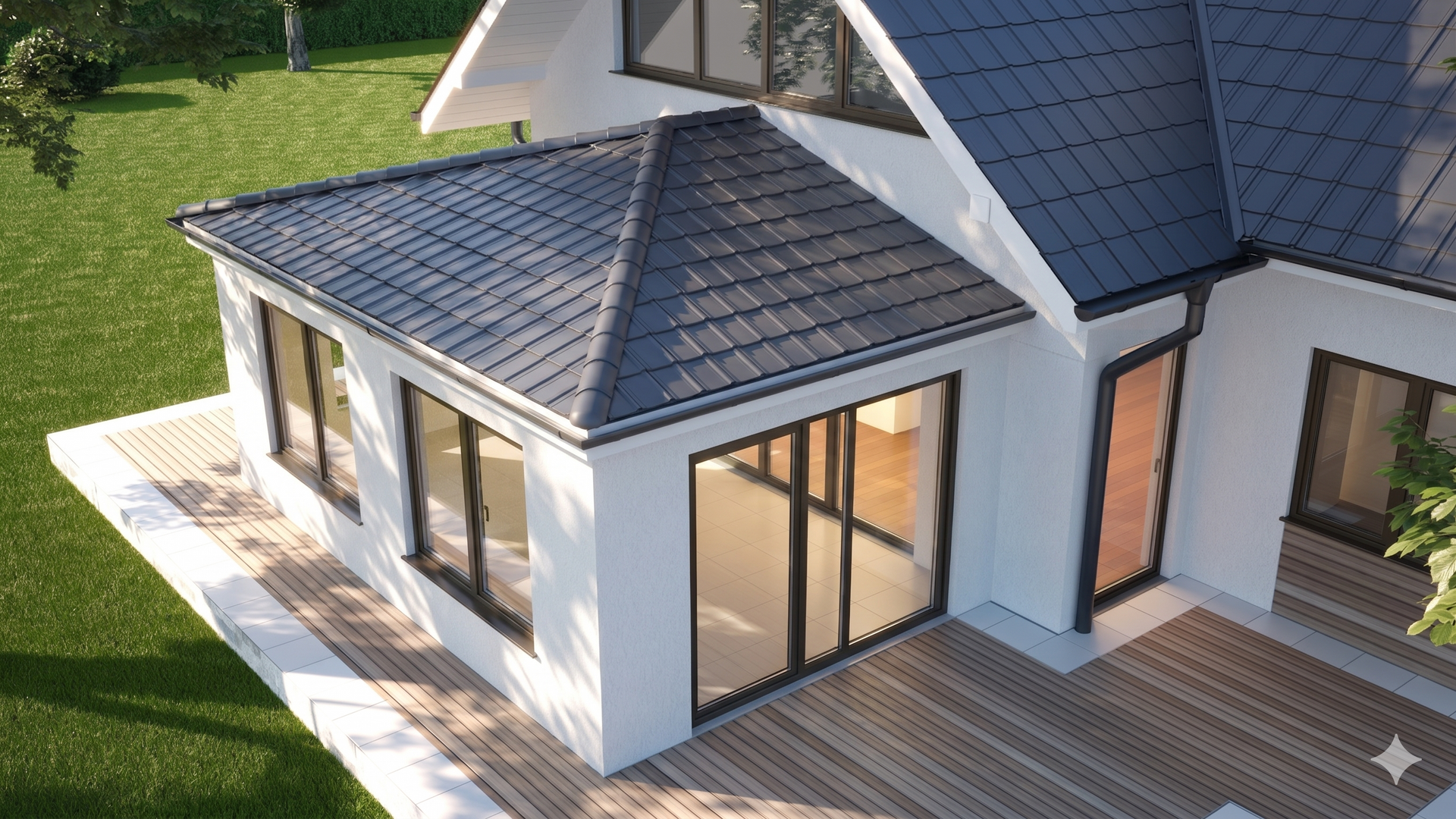
And finally, warm roofs are beautiful to behold. Whether you add spotlights or skylights or leave it plain, the tiles add chic to your property (and can add to its value, too).
Interested? Explore your warm roof conservatory options today.
Can you upgrade the insulation without replacing the roof?

It's possible to upgrade your conservatory's insulation without going the whole hog and replacing the roof.
The most common way involves adding thermal quilt insulation and lightweight boarding under your existing roof.
If you do go down this route, make sure you work with a professional installer to prevent condensation and structural overloading.
When is it cheaper to replace the roof than upgrade the insulation?
Does your conservatory have a polycarbonate roof that's nearing the end of its lifespan (around the 15-year mark)? In this case, it will almost certainly be cheaper to replace the roof entirely rather than upgrade the insulation.
The same is true if the total cost of structural reinforcement for the new insulation exceeds the cost of a warm roof. To find out, get quotes for both online or from a conservatory dealer.
You should also take into account the long-term savings that a warm roof can bring. These relate to the durability and thermal efficiency that a warm roof brings.
How long does it take to get a warm roof replacement?
A typical warm roof replacement will take between four to nine days to complete. The exact time will depend on the size of the conservatory and whether the redesign includes a roof lantern.
The installers will survey the existing conservatory and help you choose a roof tile and lantern to match your home and your aesthetic vision.
At Calder Windows, we give all our customers a clear cost breakdown and installation timeline.
A typical project will involve removing the roof, applying a temporary weather cover and then installing the frame, insulation, membrane and tiling.
Once the roof is installed, we'll complete the internal plastering and ceiling finish – and install the lantern if required.
Oh, and all our installations are FENSA-certified. That means you can be sure the installation is compliant with UK building regulations.
We've installed tiled conservatory roofs in Yorkshire for many years – and we'd be delighted to give your conservatory the same treatment. Whether you still have questions or are ready to request a quote, get in touch with our friendly team today.
Recent Posts