Should I choose a conservatory or an orangery?
What's the difference between a conservatory and an orangery? Let's explore what makes these extensions uniquely different – and the benefits of each.
So, you'd like to add an extension to your home but don't know how to choose between a conservatory or an orangery.
It can feel a bit like comparing apples to apples. (Or, erm, orangeries to orangeries.)
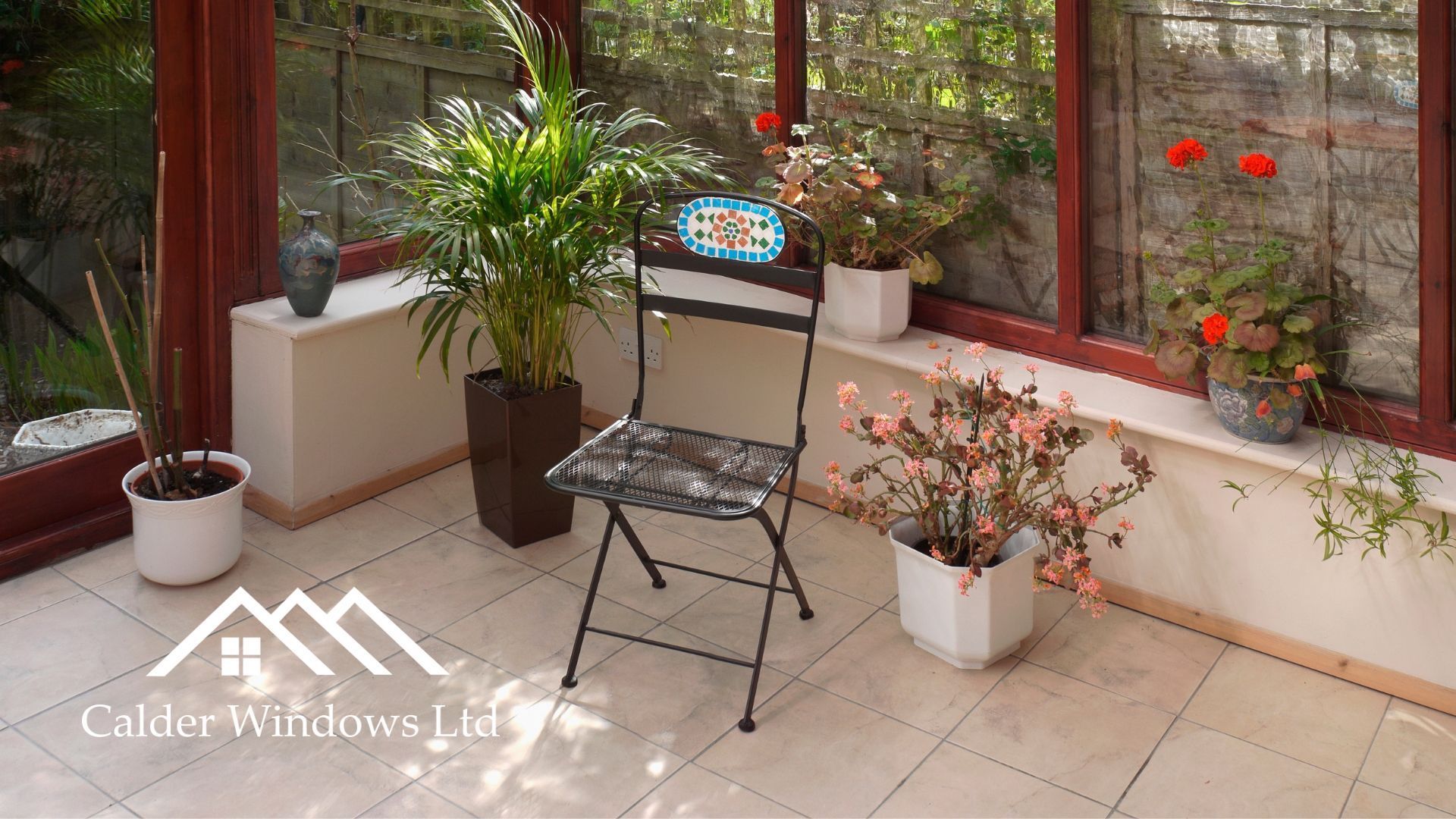
Often, but not always, constructed as home extensions, these structures are built from glass and brick. They're usually designed for snoozing away a beautiful summer afternoon. Somewhere to grow your own tropical jungle, perhaps – or just hide the washing.
However, there are a few key differences to consider.
Visual differences
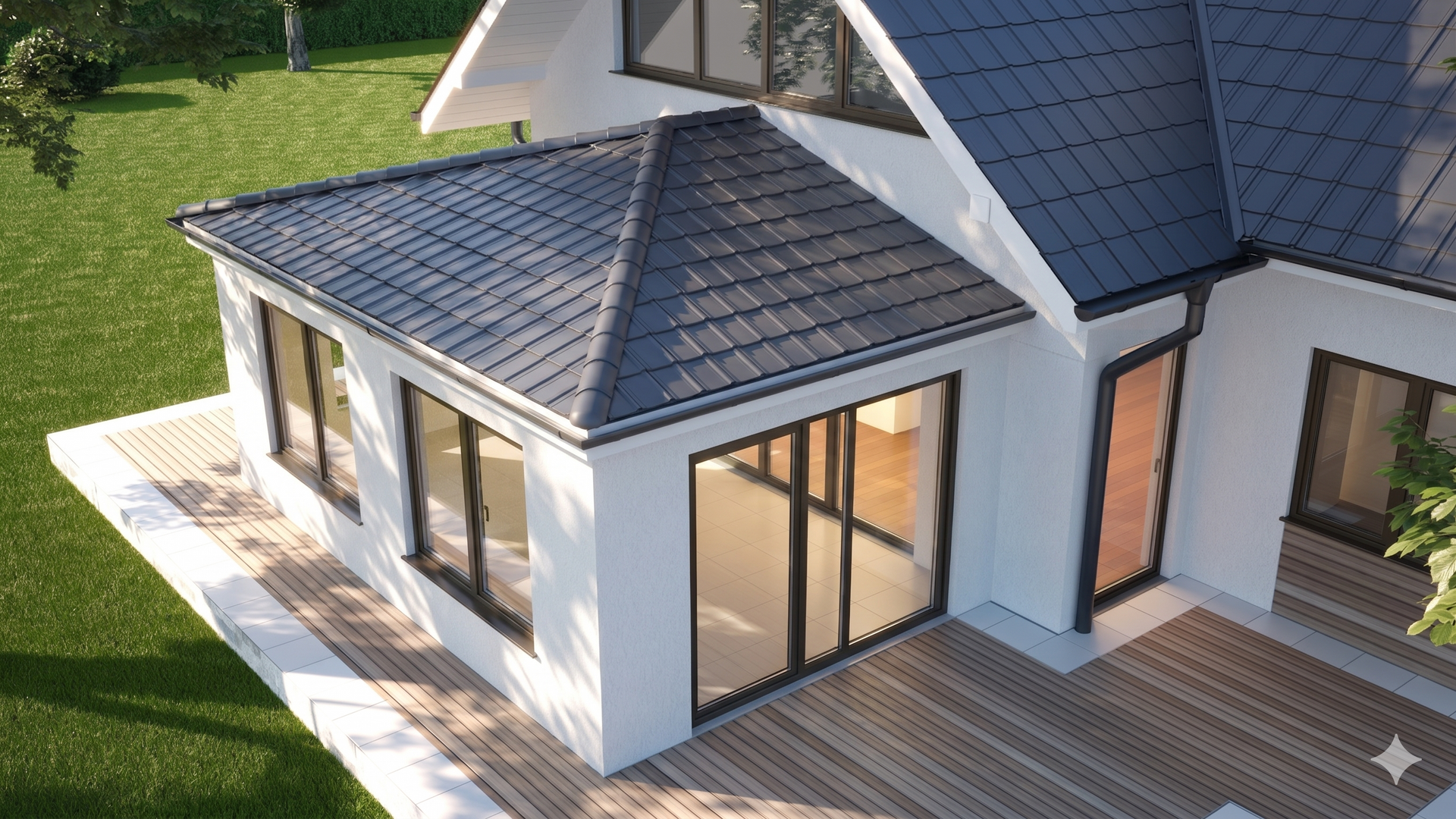
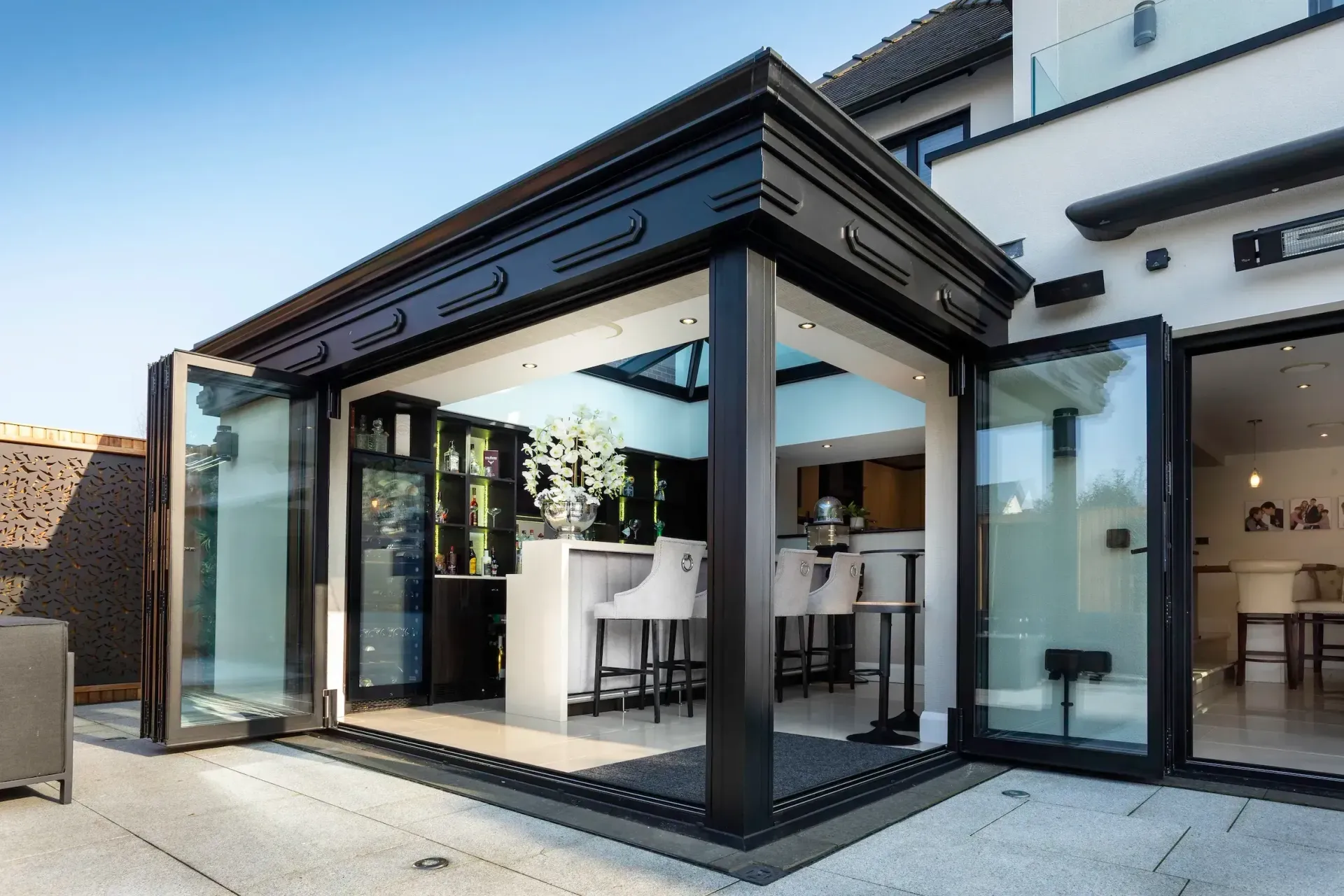
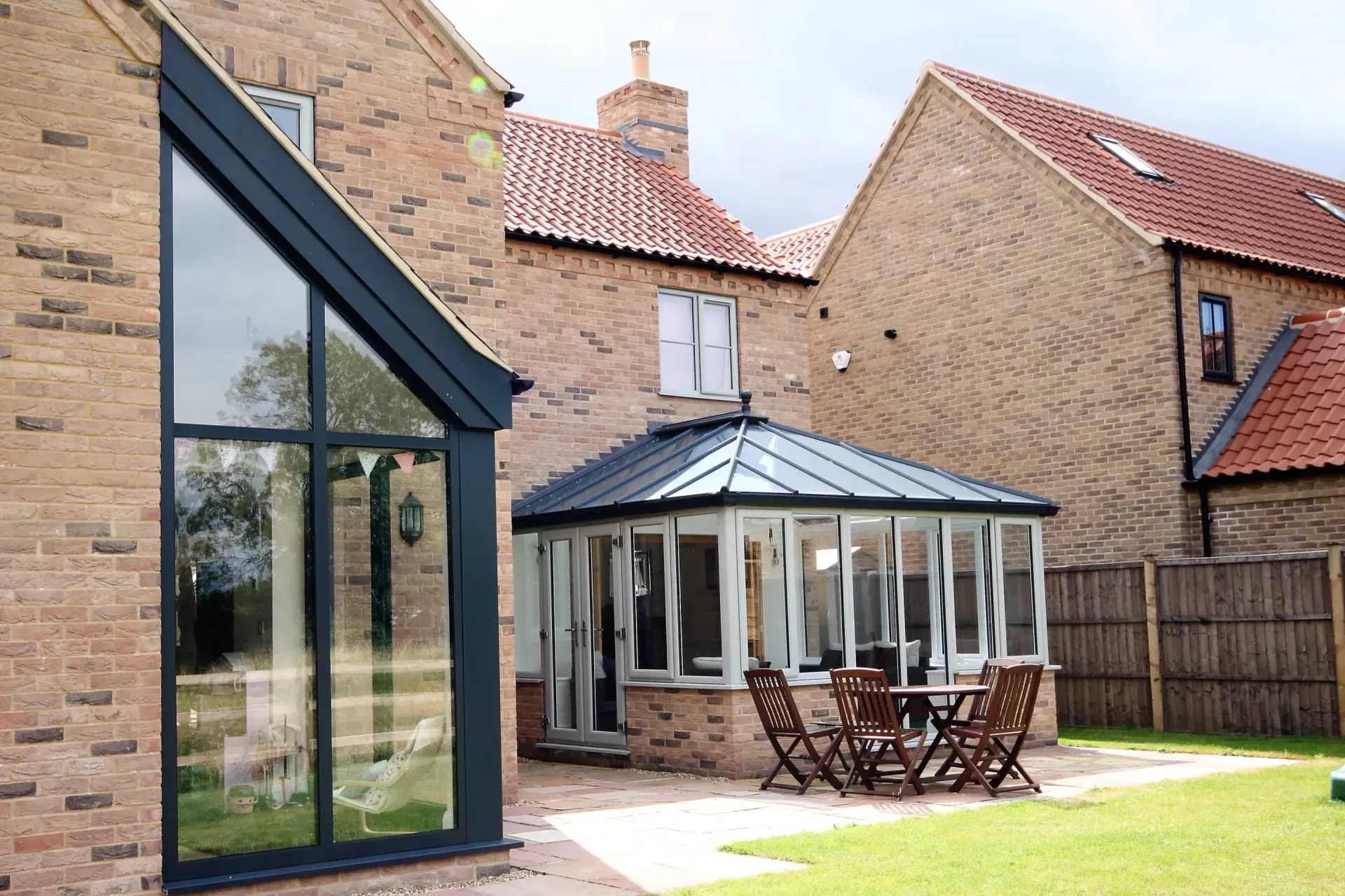
The quickest way to determine if an extension is an orangery or a conservatory is to look at the roof and the ratio of glass to brickwork.
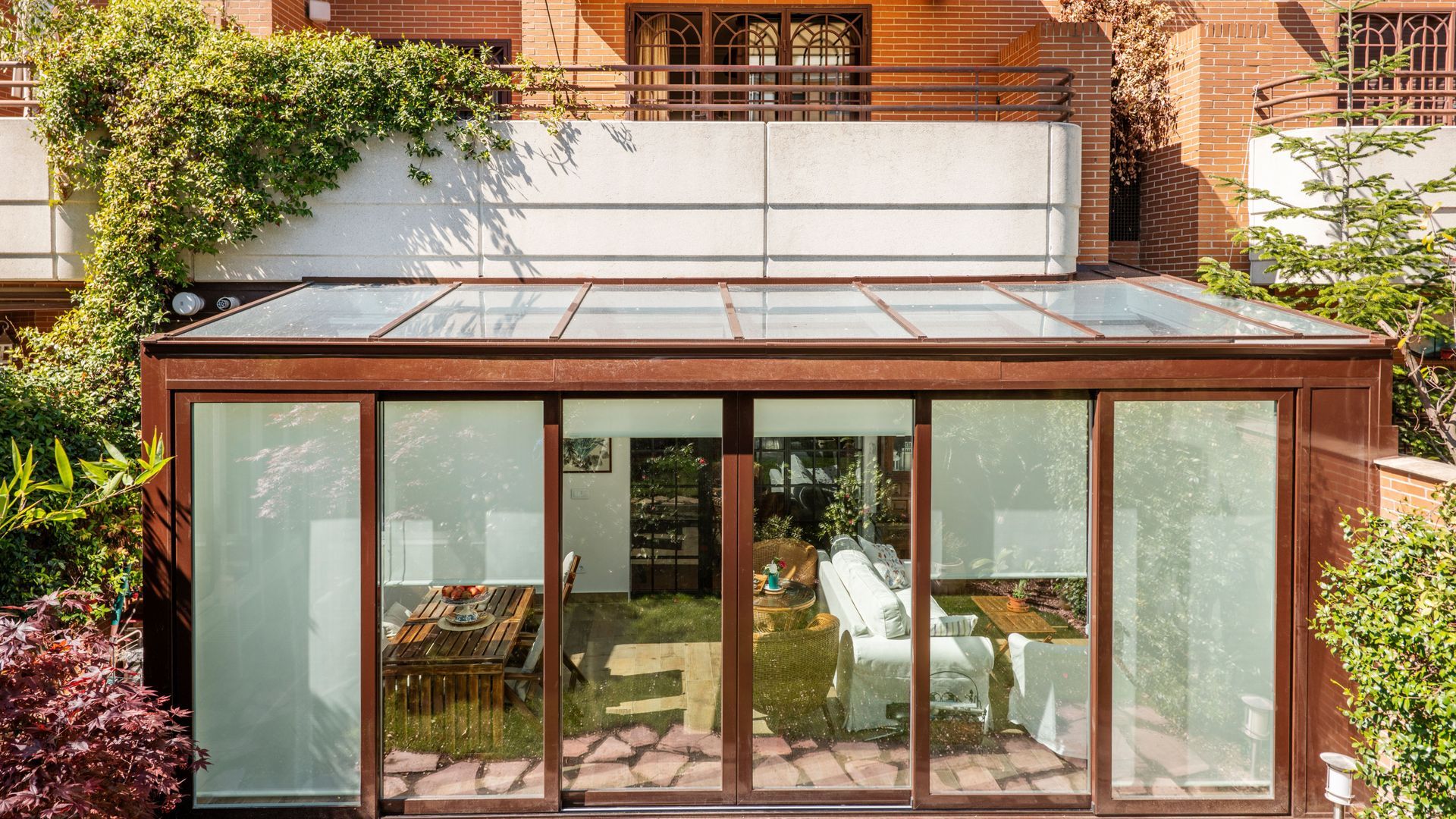
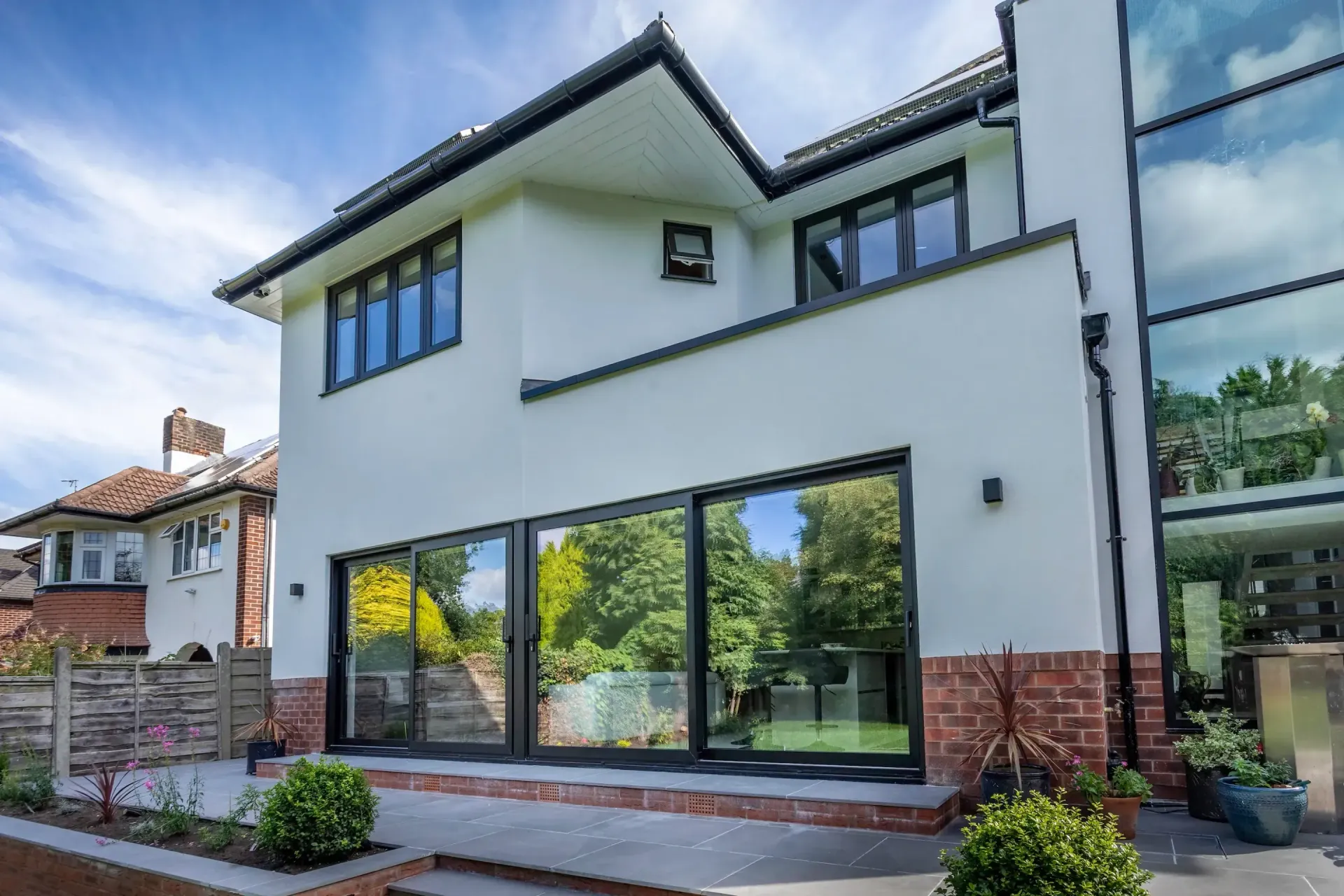
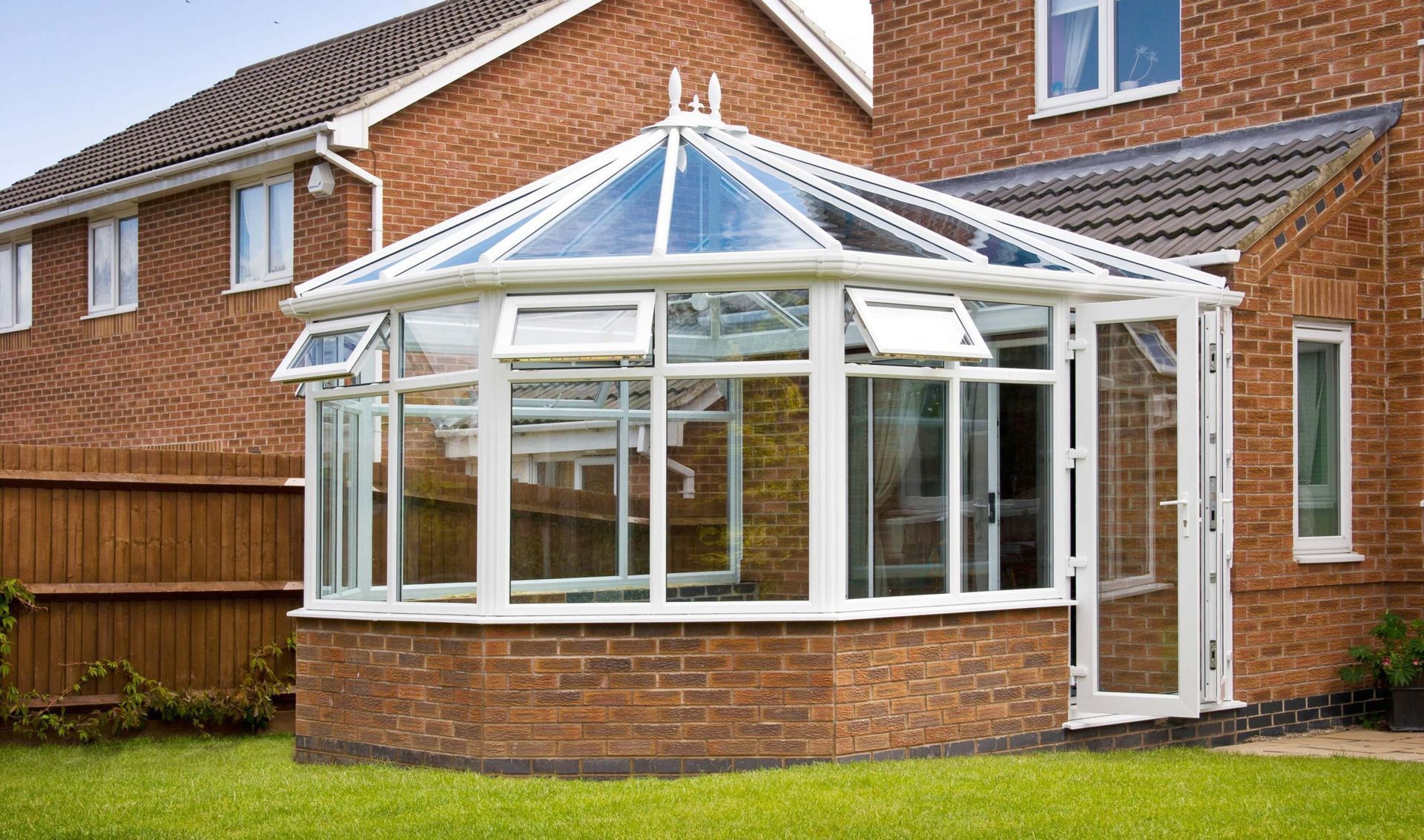
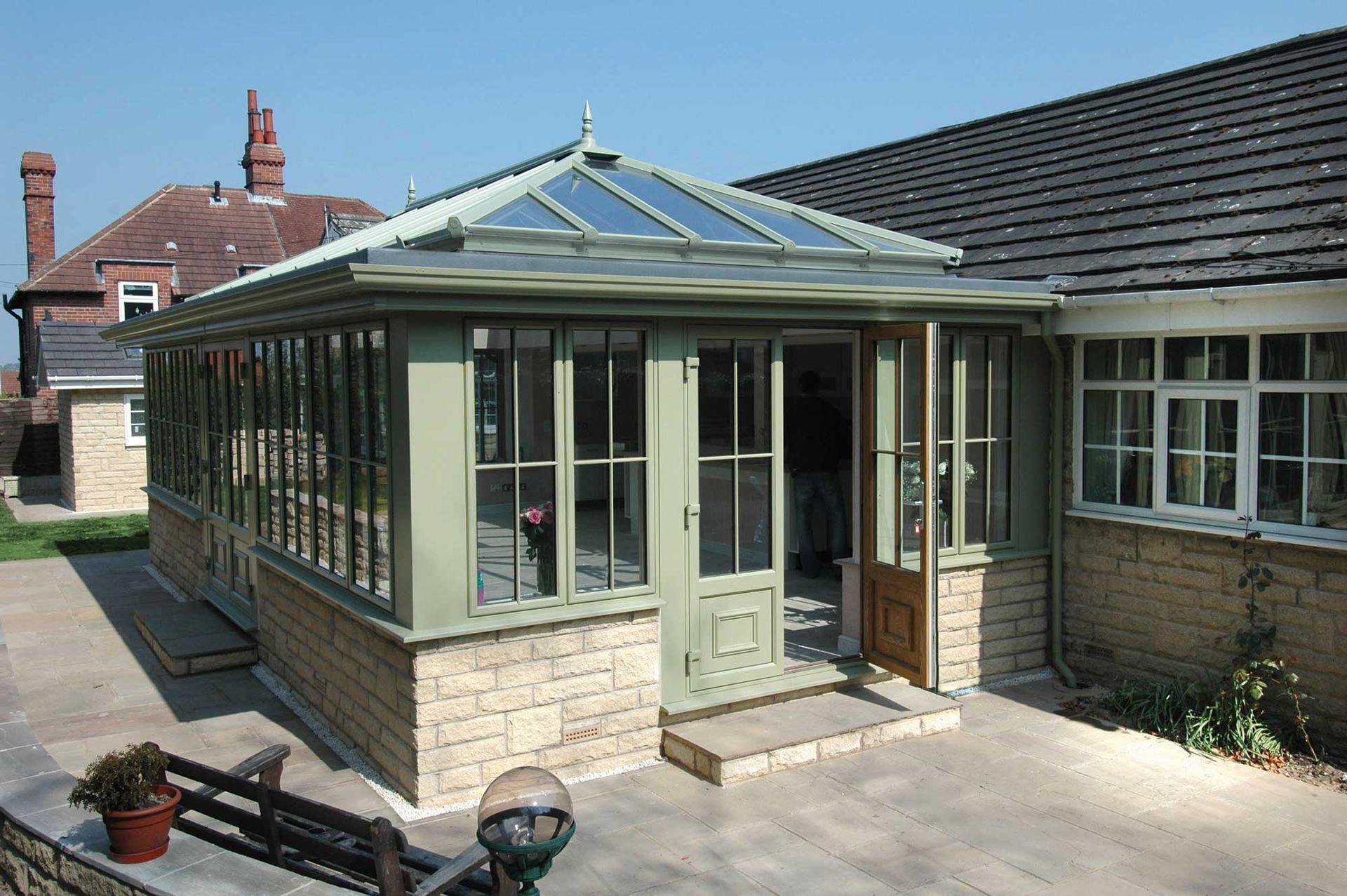
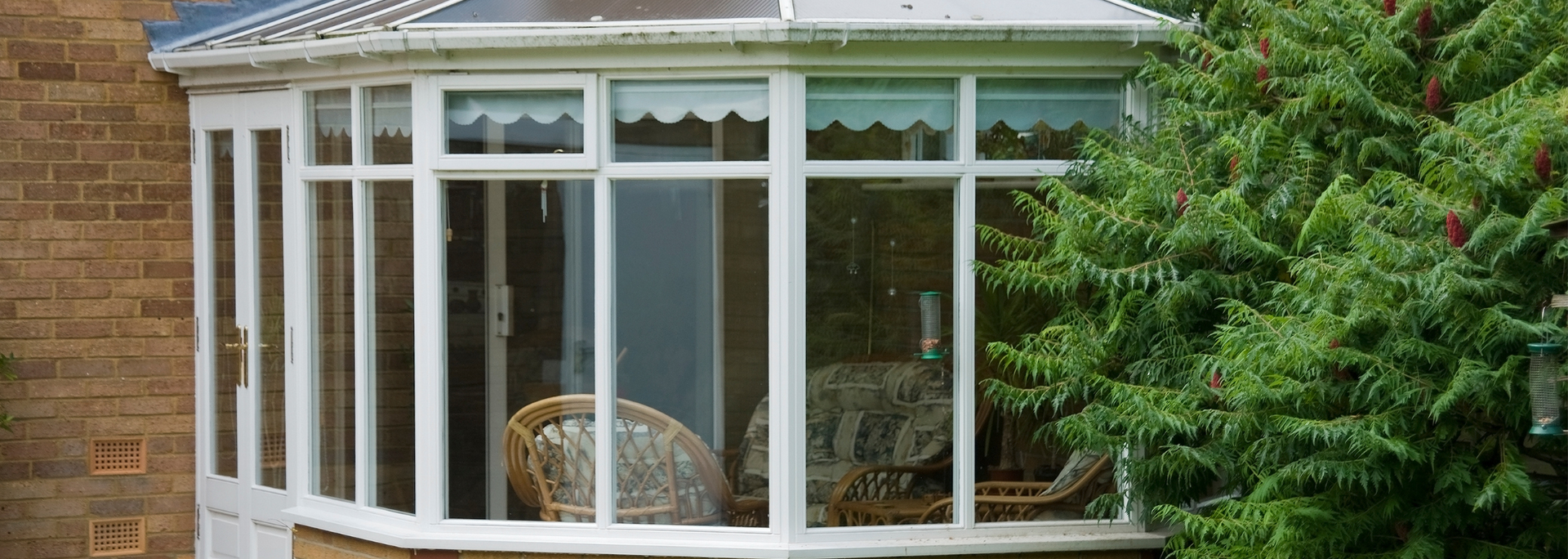
Conservatories are predominantly glass with a brick base. Orangeries, meanwhile, are the opposite – these have very large windows embedded within brick walls.
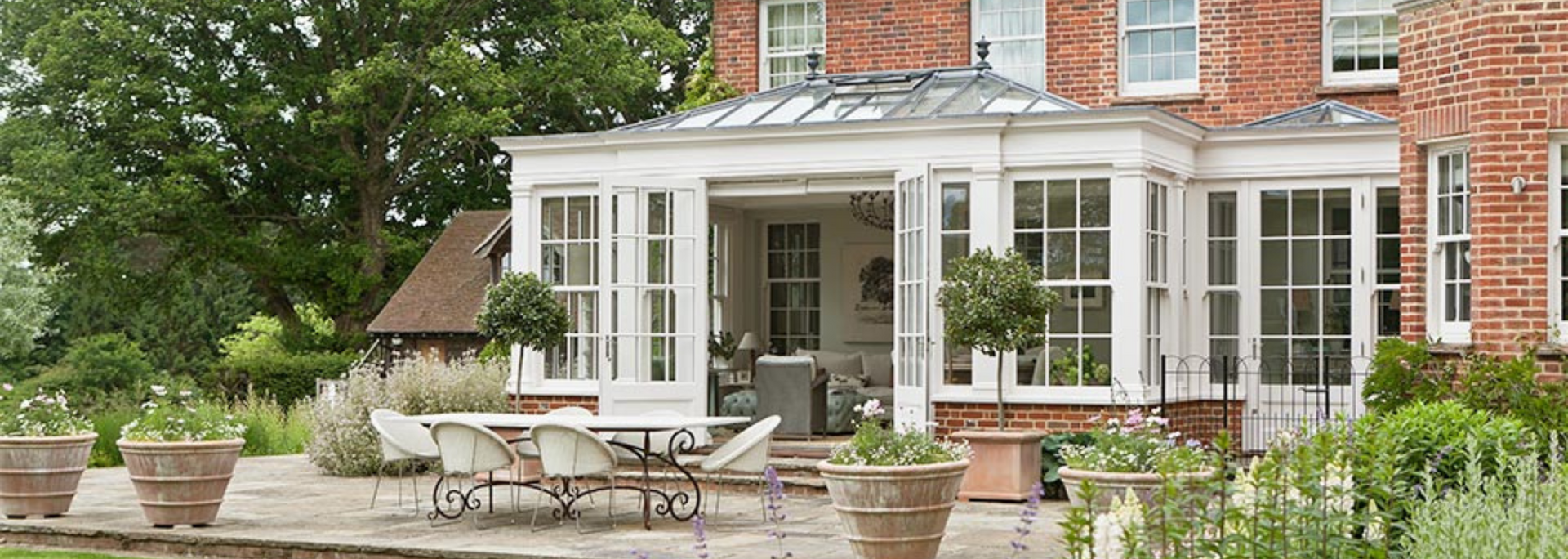
A flat roof with a glass lantern signifies an orangery, whilst a pitched or slanted roof made of glass labels it a conservatory.
Both options make a great visual addition to your home, so the choice largely comes down to personal preference and how exactly you'd like to utilise the extra space.
That's why it's important to understand what each extension offers – and what paperwork you might have to contend with.
Planning permission for different extension types
The important bit.
Typically, neither an orangery nor a conservatory needs planning permission as they are considered single-story extensions.
That said, there are exclusions. If you live in a listed building or conservation area, you're likely to need planning permission. There are rules around around roof heights and positioning too, which everybody should pay attention to.
Lawful development certificates are recommended as they provide proof that the build was legal before starting.
In any case, it's best to do personal research or consult an expert before embarking on the journey.
Cost differences Prices are hugely dependent on size, materials and installation costs. But as a rule of thumb, you can expect an orangery to be about twice the price of a conservatory.
A higher price tag shouldn't put you off by default, however. Orangeries generally offer more functionality and a bigger increase in property value.
Material differences
The difference in cost between conservatories and orangeries can largely be attributed to two things: materials and installation.
Conservatories are traditionally built from three materials: uPVC, aluminium or timber.
uPVC is popular because it's sturdy, affordable and easy to work with. Its entry-level price point and quick construction make it a popular choice for UK households.
Love the classic look? You might want to choose timber. However, it costs more than uPVC and is likely to incur higher labour costs too. And unlike uPVC, it's not weatherproof, so will need to be managed to prevent draughts in the long term.
Aluminium frames come with higher price tags but are the most robust of the three materials. Aluminium is on par with uPVC for heat retention and isn't prone to degradation or warping like wood.
Unlike wood, however, which can be treated to extend life expectancy and will perform well when properly cared for, aluminium frames can be tricky to repair in the unlikely event that they're damaged.
Orangeries are much simpler. They tend to be made from insulated brickwork and glass, so the customisation options stem from finishes. You'll also have to make decisions about how energy-efficient the windows, doors and flooring should be.
Orangeries are more efficient…
On that note, orangeries are generally more efficient than their glass-clad cousins.
Structurally, they're more robust than conservatories – and the greater ratio of brick to glass means they retain more heat for longer.
Adding roof vents allows for better climate control and prevents overheating, so the space can be kept at an optimum temperature all year round.
…but conservatories offer more natural light
If light level is the single most important decision-making factor, conservatories are the top choice. The mostly glass construction of the walls and roofs permits more light.
Orangeries are also very light and airy, but a more substantial roof means you're sacrificing some light in return for a beautiful design.
Design differences
Orangeries typically offer more flexibility in terms of space, size and layout. This makes them ideal for kitchen extensions or freestanding outbuildings.
The most popular style for a conservatory is as an annexe – but it's worth understanding the Victorian, Edwardian and Georgian conservatory designs to find the one that best complements your home's character.
Which came first, the conservatory or the orangery?
Orangeries are the great-grandfathers of the modern conservatory. They date back to the 17th century when glass-making advances in Renaissance Italy led to a boom in popularity for large, clear panes of glass.
Adding huge windows to extensions granted plenty of light and made the structures ideal warm environments to house exotic plants. Soon, orangeries became a status symbol for wealthy owners of grand homes and estates.
The original 17th-century orangery typically had a solid flat roof. However, by the 19th century, the architecture had evolved to include pitched glass panelling (the iconic lantern element) to maximise light.
So, which should you choose?
Ultimately, choosing between a conservatory and an orangery is going to come down to what is right for you. It all depends on your space, your vision and your budget.
The good news is that budget isn't everything. Sure – orangeries might offer better energy efficiency for a higher upfront cost, but there are plenty of options for tighter budgets too.
For instance, here at Calder Windows, we offer
warm roof conservatories from Supalite and Equinox. These are designed to keep heat trapped inside, so your conservatory will stay warm in winter and delightfully cool in summer.
Calder Windows is a trusted window and door installer based in Yorkshire. With our expert workmanship and friendly, professional service, it's never been easier to start planning what your new home could look like. Feel free to
get in touch for a no-obligation quote.
Recent Posts