
How secure are uPVC doors?
Modern uPVC doors are more secure than you might think. Learn how they work and what makes them secure, as well as their limitations.
How secure are
uPVC doors?
The short answer: uPVC doors are very secure, as long as you choose the right specifications.
A modern uPVC door with the right locks is very secure. It can resist forced entry, handle the British weather and last for years.
However, not all uPVC doors are made the same. The main difference between a secure and a vulnerable door commonly lies in the lock cylinder.
What makes a modern uPVC door secure?
The security of a uPVC door comes from several elements working together.
The reinforced galvanised steel frame gives structural rigidity and resistance to force. Multi-point locking mechanisms, meanwhile, fire multiple hooks, bolts and rollers into the frame. This typically creates at least five contact points, delivering enhanced security compared to single-point locks.
uPVC doors often have toughened or laminated glass that does not shatter when struck, preventing an intruder from simply breaking the glass and reaching through.
Finally, it's also worth noting that quality uPVC doors are internally glazed as standard. This means the glass is secured from inside the door rather than from the outside. As a result, it's all but impossible to pop out the glazing from the exterior and reach through to operate the handle.
The weak point: why the cylinder matters
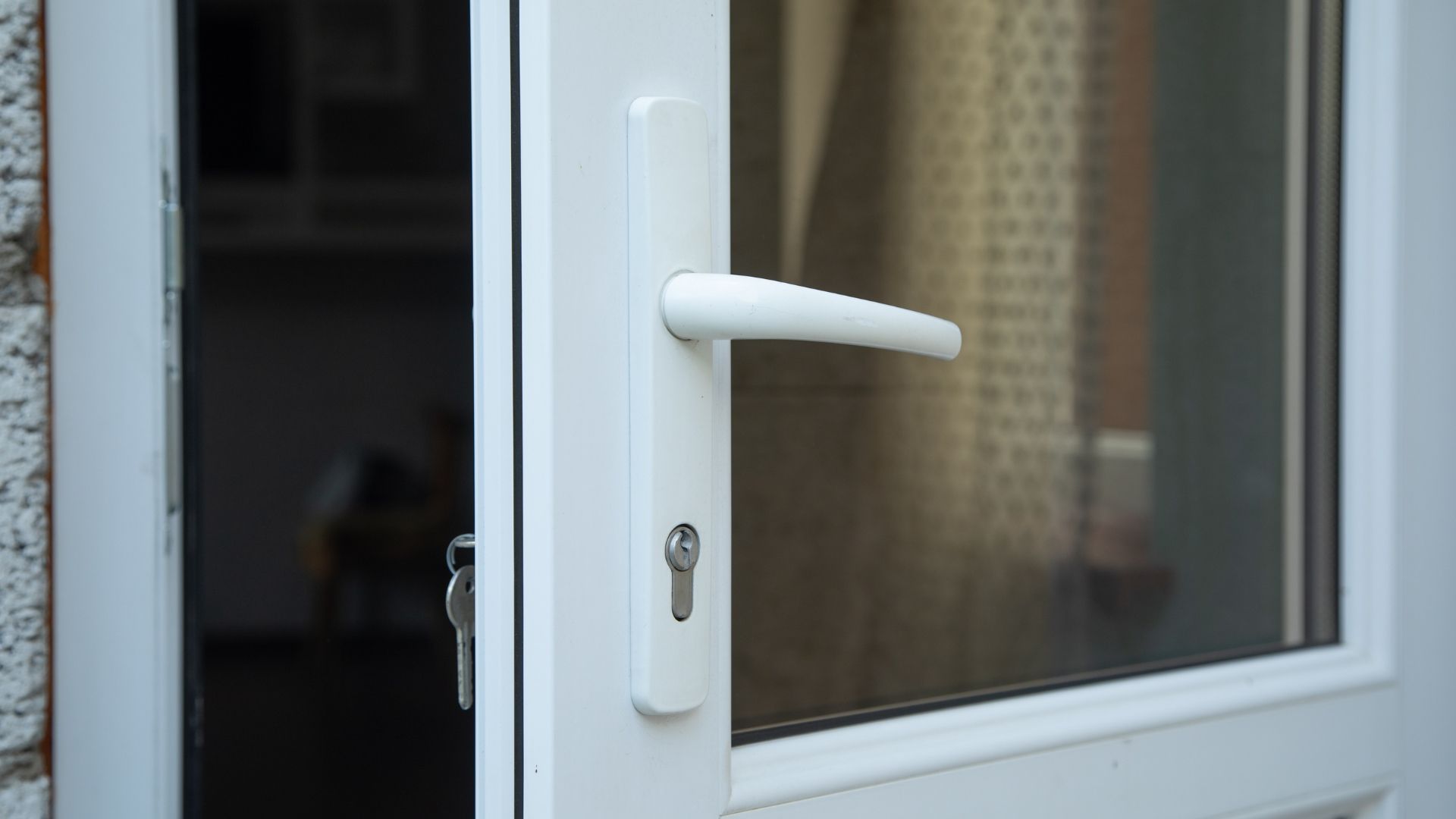
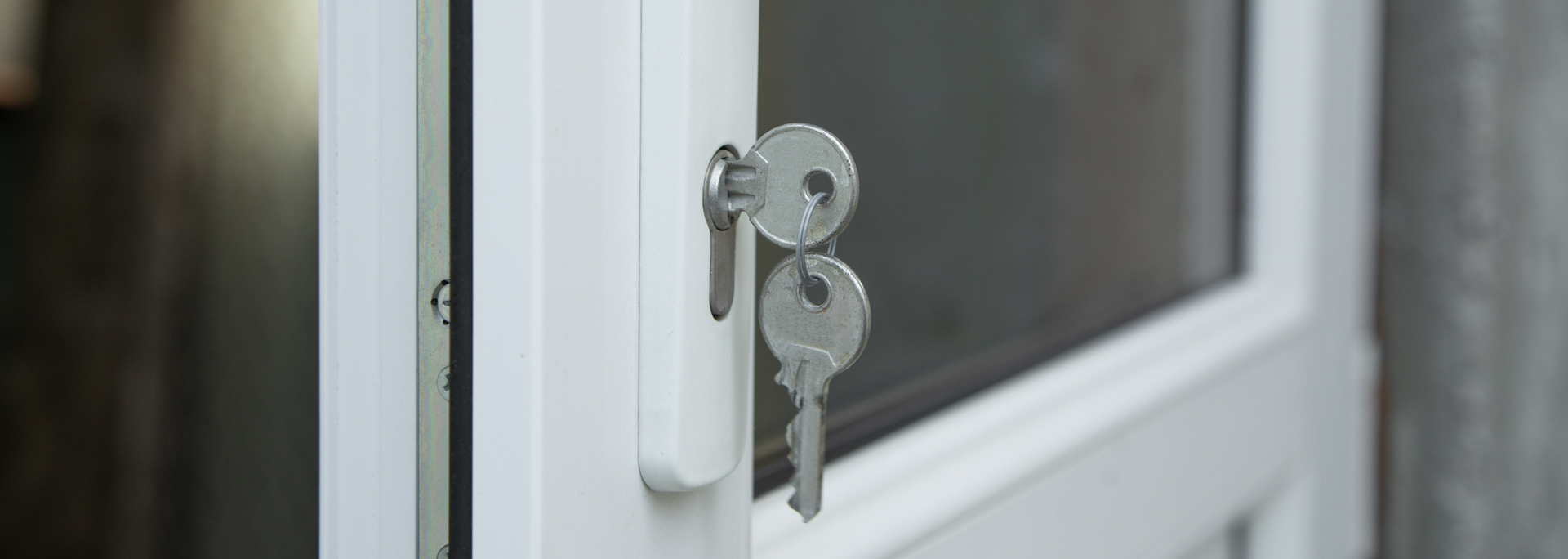
The main weakness in older uPVC doors is the euro cylinder lock. This is the barrel-shaped part where you insert the key, found in the middle of the handle.
Standard euro cylinders are vulnerable because a section protrudes beyond the door face. If this exposed section is gripped and snapped with the appropriate tool, the cylinder breaks within seconds, rendering the multi-point locking system useless. Lock snapping is a known burglary technique used across the UK.
Anti-snap cylinders solve this problem. If someone tries to break them, only the front part snaps off, but the lock inside stays secure and keeps the door locked.
The top standard is 3-star-rated locks. These are tested against snapping, picking, drilling and bumping.
If you have an older uPVC door or are unsure about your lock, you can take some simple steps to improve security. Look for markings like "TS007 3-Star" or "SS312 Diamond" on your lock. If you do not see them, your lock may fail to meet current standards.
Upgrading your lock is an easy and affordable way to make your door much safer. A local locksmith can help you choose and fit an anti-snap cylinder.
Security standards worth knowing
PAS 24 is a standard for doors that are harder to break into. Doors with this rating have been tested using tools such as crowbars and chisels. It's one of the best independent measures of door security in the UK.
Secured by Design is a police-backed programme that approves products proven to offer good security.
Document Q sets the minimum security standards for doors in new homes in England. It does not apply to replacement doors, but you can still use its standards as a guide. Ask your installer whether the door meets or exceeds Document Q to make sure you're getting up-to-date security, even if it is not required by law.
How Calder Windows approaches door security
At Calder Windows, we prioritise security. All our uPVC doors come with Yale multi-point locks and 3-star euro cylinders, which meet the highest security rating in the UK. Our locks are tested against snapping, picking, drilling, bumping and pulling.
Both Yale and Winkhaus locks, which we use in our contemporary range, are accredited by Secured by Design. With more than 70% of UK burglaries involving a door, we use Yale 3-star cylinders for superior security.
There is no minimum security standard for replacement doors. Installers are not required by law to fit locks or hardware that meet the most rigorous security benchmarks.
For homeowners, this means the onus is on you to choose high-quality, independently tested products – and a trustworthy fitter – to keep your home properly protected.
When a composite door might be the better choice
For most homeowners, a modern uPVC door provides more than adequate security. However, if maximum security is the priority, a composite door is worth considering.
Composite doors are denser and can handle more force, which is helpful if someone tries to break in.
A composite door is usually 44mm thick, compared to 28mm for a standard uPVC door. Its strong core, tough outer layer and solid build make it harder to break. Composite doors look like traditional timber, do not need painting, and come in many colours and styles.
A uPVC door with a Yale 3-star cylinder and multi-point locking is a secure and sensible choice. But a composite door is even stronger, so would suit those looking for the very best security.
Frequently asked questions
Can a uPVC door be kicked in?
A good modern uPVC door with multi-point locking is very hard to kick in. The multiple locks spread the force, making it difficult to break open.
How do I know if my cylinder is secure?
If your door was fitted before 2011 or the lock does not have a 3-star or SS312 Diamond mark, you might want to replace it. A local locksmith can help and usually does the upgrade for a reasonable price.
Is a uPVC door as secure as a composite door?
A carefully selected uPVC door is secure, but a composite door is thicker and harder to break. For most homes, both are good options, but for the highest security, composite is best.
uPVC doors at Calder Windows
At Calder Windows, we've supplied and fitted uPVC doors in West Yorkshire for more than 30 years.
Every door we install comes with Yale multi-point locking and a Yale 3-star cylinder as standard. If you are weighing up whether a uPVC or composite door is right for your home, we are happy to talk it through without any pressure. All installations come with a 10-year warranty.
Why not get started by taking a look at our door range online? If you have any questions or would like to request a quote, don't hesitate to get in touch with our friendly team.


Get a FREE quote
Are you on the lookout for uPVC window fitters in Wakefield or West Yorkshire? With over 30 years' experience and an extensive range of uPVC windows, we can help. Request a quote today or apply for finance and spread the cost.