How sash windows work: parts, anatomy and how it all fits together
Learn how sash windows work, explore their anatomy and components, and discover why they remain a popular choice for homes.
If you know your architecture,
sash windows are instantly recognisable. Tall, elegant and effortlessly classic, they're a defining feature of many British homes. You'll see them on everything from Georgian townhouses and Victorian terraces to modern properties designed with heritage style in mind.
And behind that classic design is a surprisingly clever bit of engineering. If you've ever wondered what actually makes a sash window move, stay open and keep the weather out, you're not alone.
Let's take a closer look at how sash windows work, the key parts involved and what sets them apart from other window styles.
First things first – what exactly is a sash window?
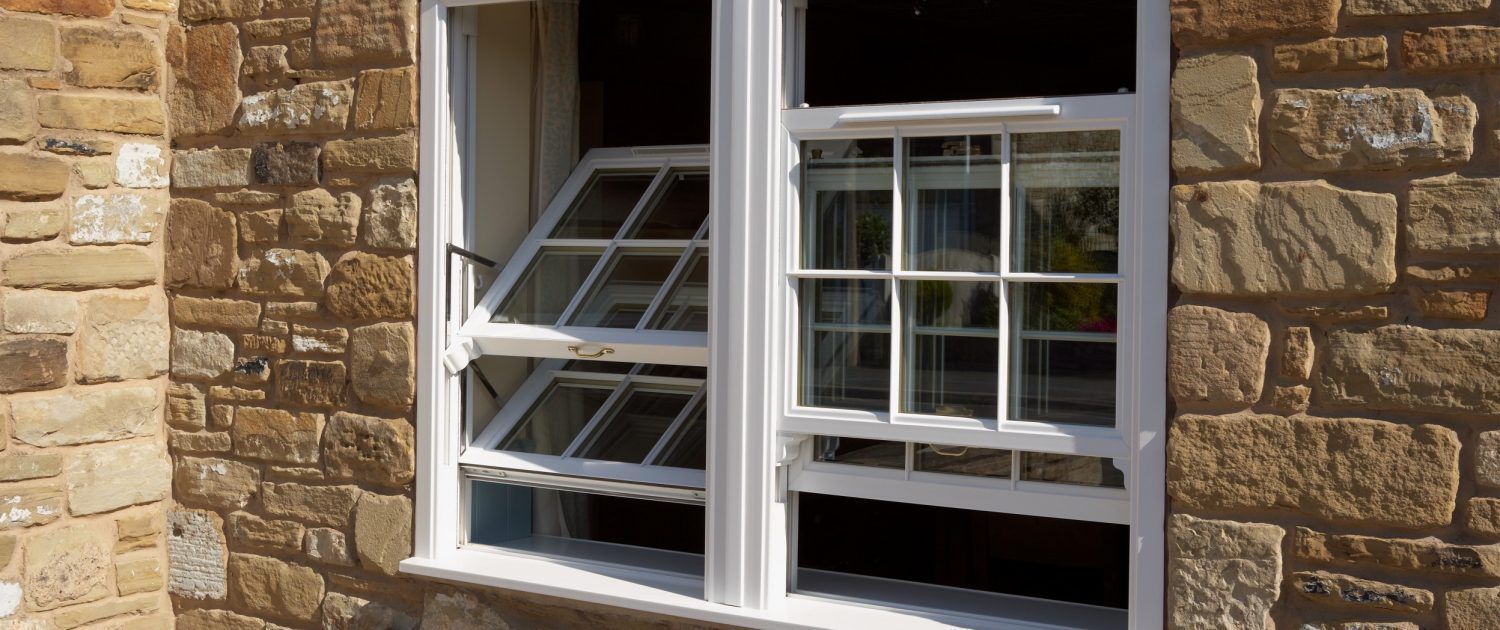
A sash window is made up of one or more movable panels (sashes) that slide vertically – or occasionally horizontally – within a frame. Traditionally, sash windows are vertically sliding, with two sashes that move independently of one another.
This simple design allows for excellent ventilation, controlled airflow and a timeless appearance that has stood the test of centuries. While older sash windows relied on cords and counterweights, modern versions often use advanced balances and materials that improve efficiency and ease of use.
The anatomy of a sash window
At first glance, a sash window looks quite minimal. In reality, it's made up of several carefully designed components. These all work together to keep everything moving smoothly.
The frame
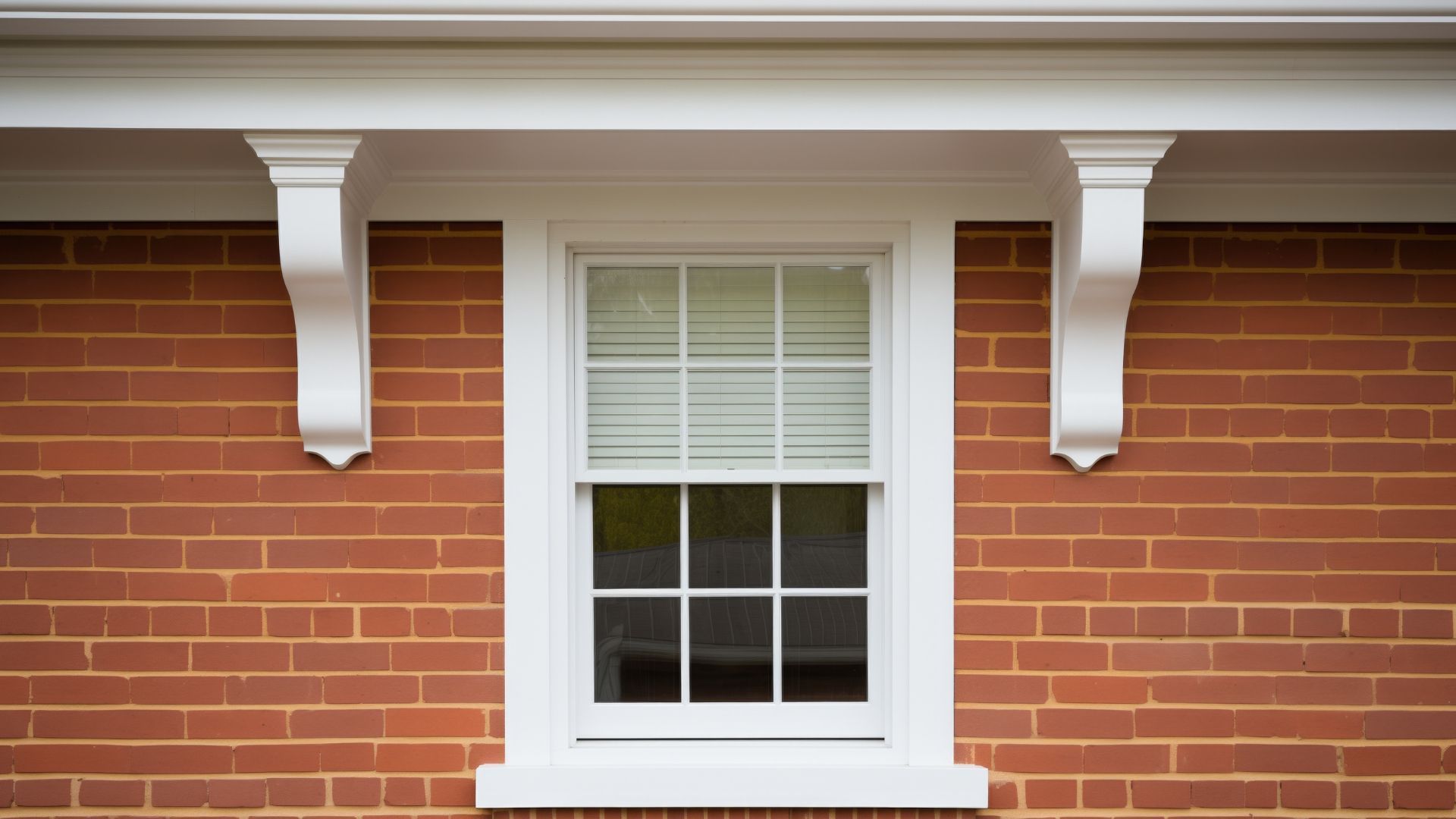
This is the outer structure that holds the entire window in place. It's fixed into the wall opening and provides the track within which the sashes slide.
The main parts of the frame include:
- The jambs (the vertical sides)
- The head (the top)
- The sill (the bottom)
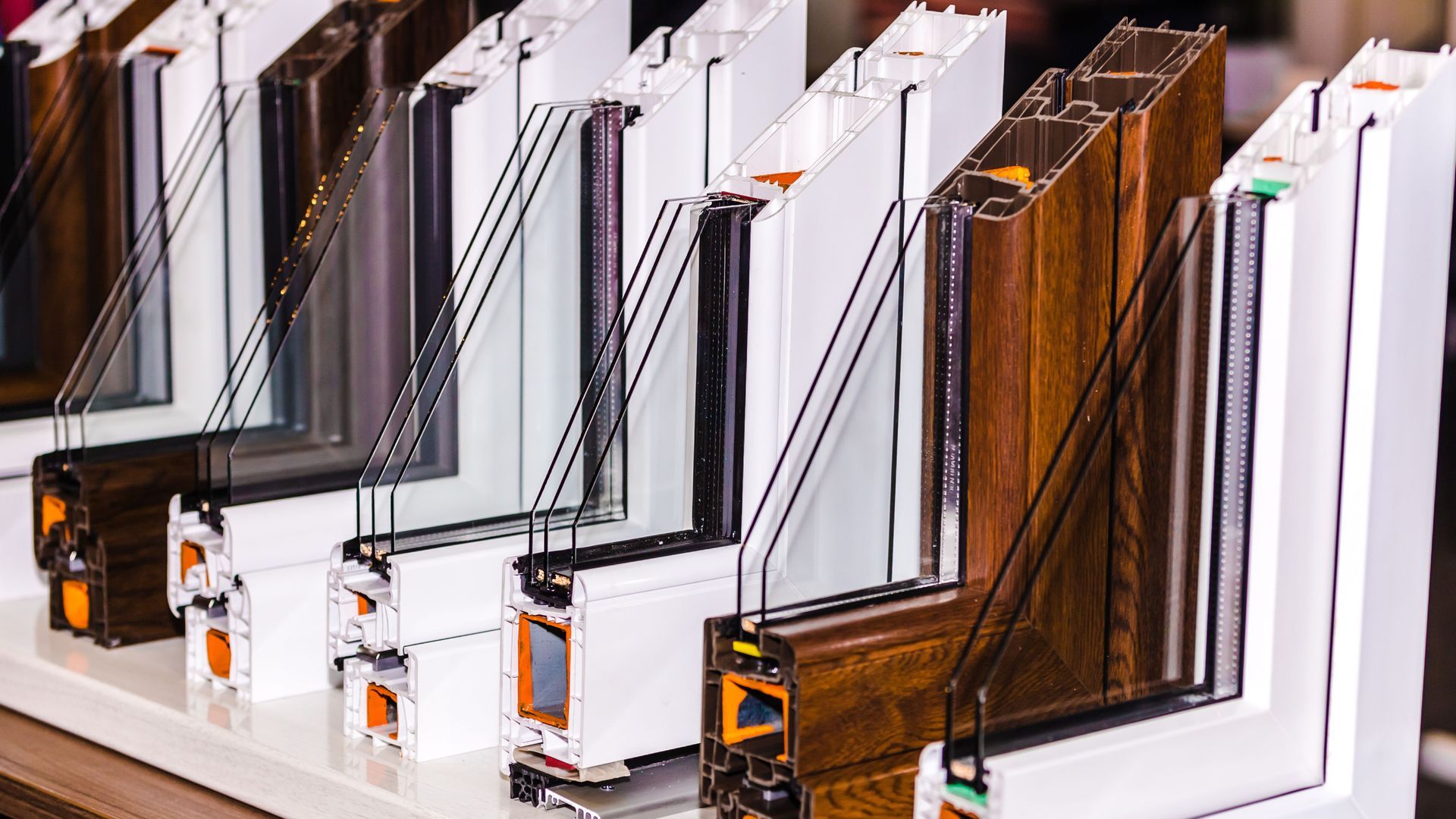
In modern uPVC sash windows, the frame is engineered to provide strength, weather resistance and insulation without the maintenance demands of timber.
The sashes
These are the moving parts that give the window its name. In a traditional vertical sash window, there are two sashes: the top sash, which slides downwards, and the bottom sash, which slides upwards.
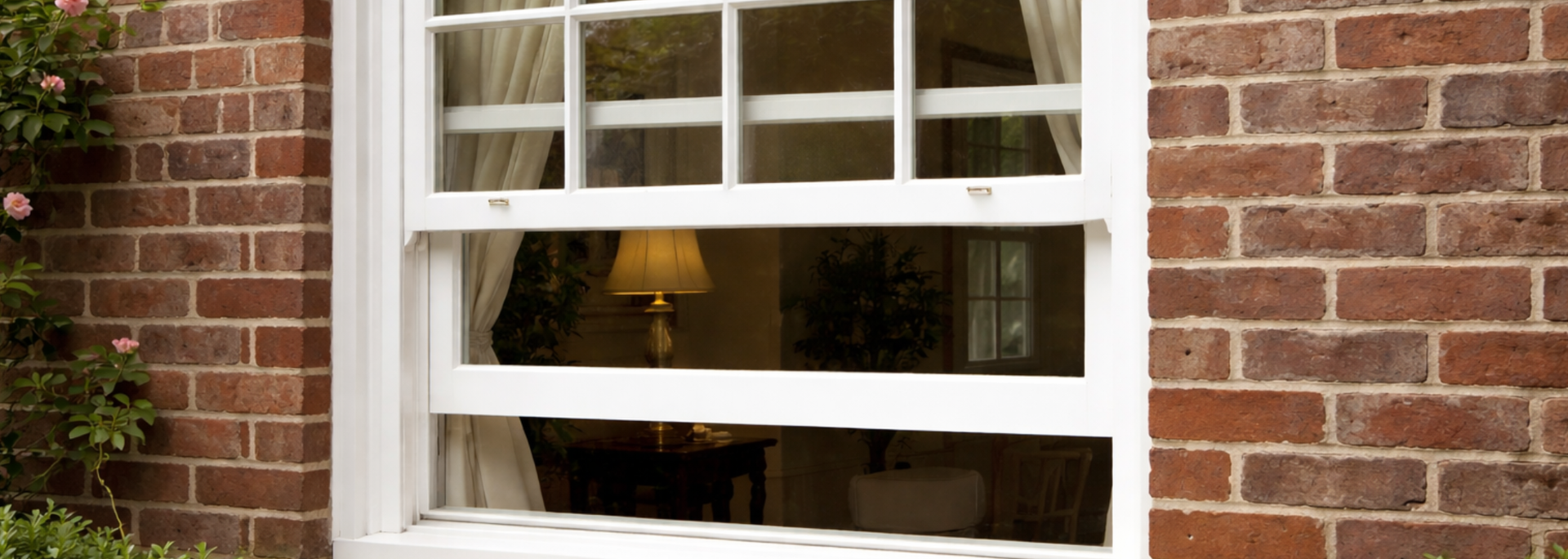
Each sash is essentially a glazed panel held within its own frame. Together, they allow you to control ventilation by opening the top, the bottom, or both at once.
The astragal bars
These are installed on the glass to give the window the appearance of smaller panes, either structurally or visually. In period-style sash windows, they are a key part of achieving that classic look.
In modern uPVC sash windows, this feature maintains heritage charm while using larger, energy-efficient glass units behind the scenes.
The meeting rail
This is where the two sashes meet in the middle when the window is closed. It plays an important role in security and weatherproofing, helping to form a tight seal between the upper and lower sash.
Locks are usually fitted here, keeping both sashes securely closed when not in use.
How sash windows open and close
This is where things get really clever.
In old-fashioned sash windows, each sash is connected to a hidden counterweight via a cord or chain. This runs over a pulley at the top of the frame. The weight perfectly balances the sash, allowing it to stay open at any height.
While effective, this system requires space within the frame and regular maintenance over time.
Most contemporary uPVC sash windows, including ours, use something called "spring balances" instead of cords and weights.
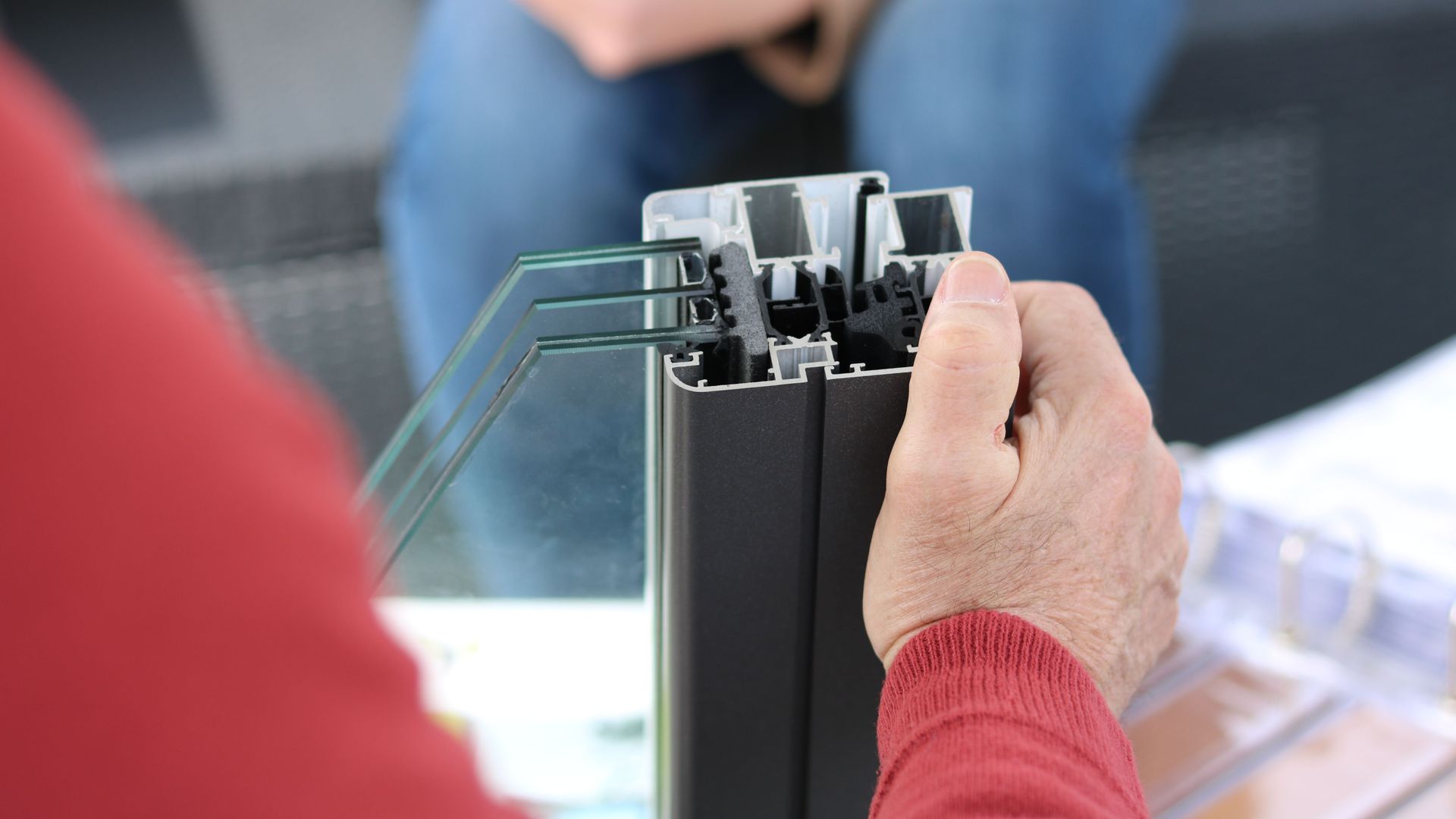
These balances are concealed within the frame and use calibrated tension to support the sash. The result is smooth, effortless operation and no visible cords, with the added benefits of reduced maintenance, slimmer frames and improved insulation.
It's a modern solution that preserves the look of a traditional sash window without the drawbacks.
Ventilation: why sash windows are so effective
One of the biggest advantages of sash windows is how well they manage airflow.
By opening both the top and bottom sash slightly, warm air can escape from the top while cooler air enters from below. This natural convection system helps regulate indoor temperatures and improve air quality without creating strong draughts.
It's a design feature that was centuries ahead of its time and still works beautifully today.
How sash windows differ from casement windows
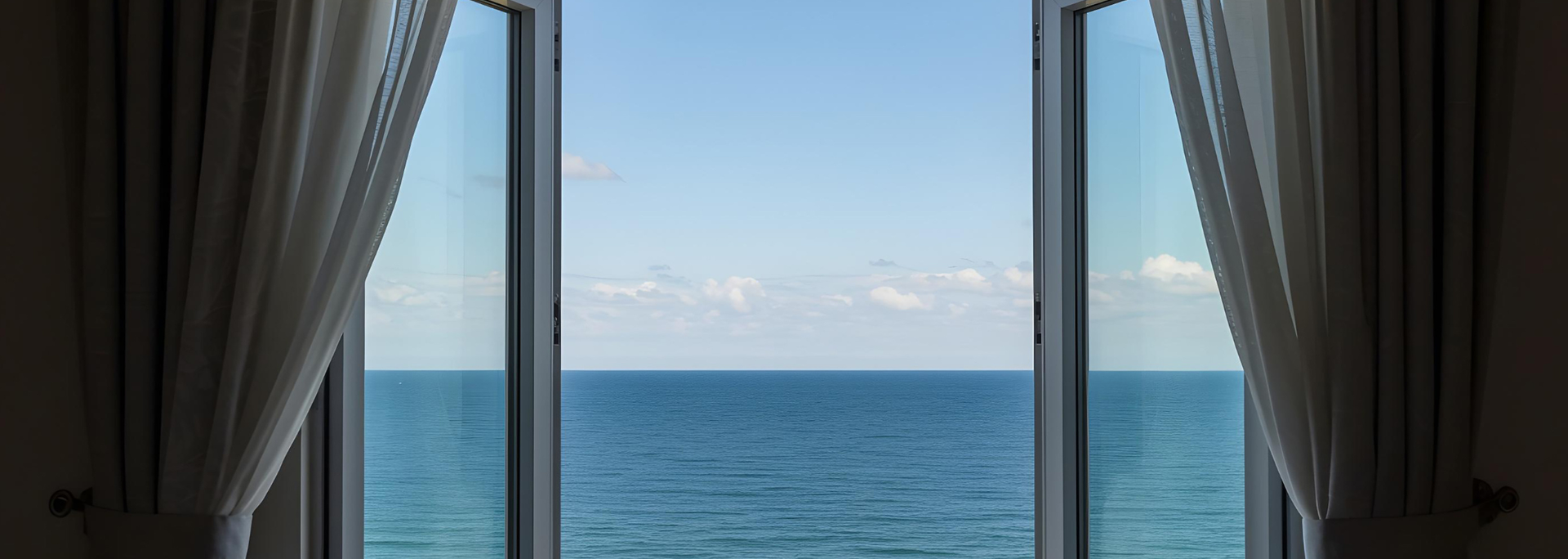
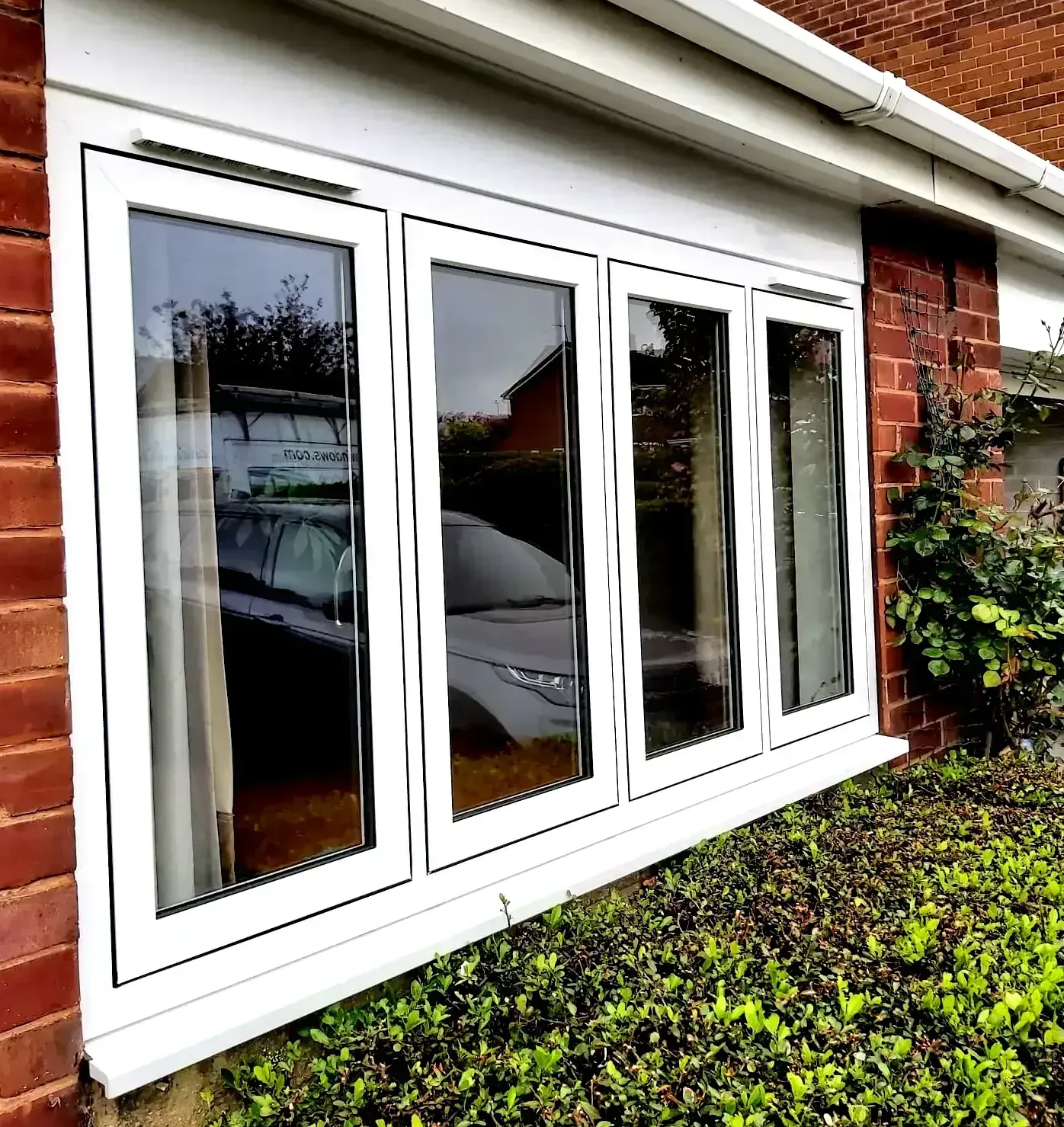
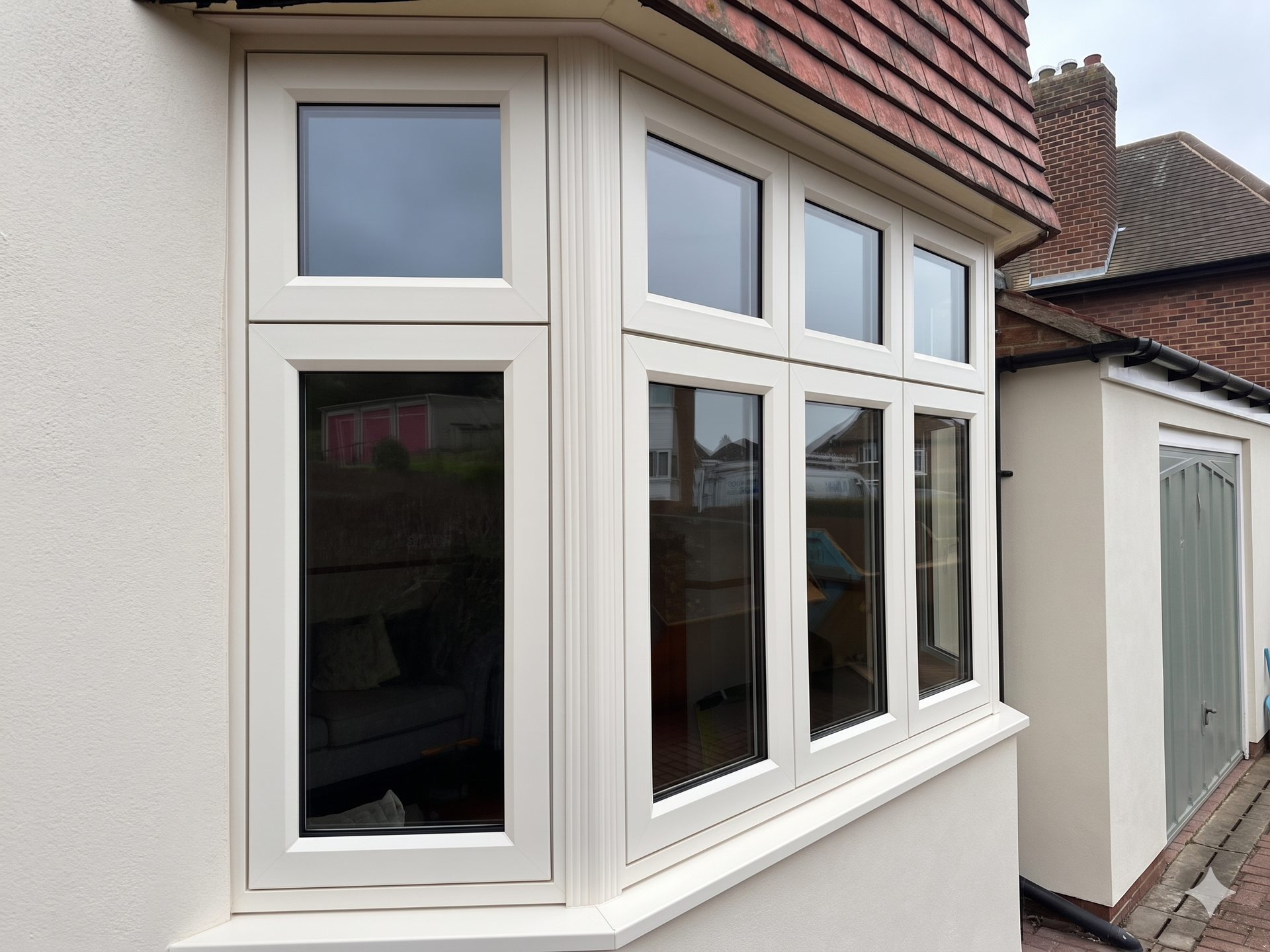
Casement windows are hinged and open outward, usually using a handle. While practical, they operate very differently from sash windows.
Sash windows slide vertically and don't protrude outwards – ideal for pavements or tight spaces. They offer controlled, balanced ventilation and suit period and heritage-style properties.
Casement windows open on hinges and can be more exposed to the elements. They often have a more modern appearance.
Neither one is better than the other in all cases. It's about choosing the right window for the style of your home and, of course, your own personal preferences.
Security features in modern sash windows
Older sash windows sometimes get an unfair reputation for poor security. Modern designs couldn't be more different. Today, uPVC sash windows include multi-point locking systems, reinforced frames, toughened or laminated glass, and secure meeting rail locks.
These upgrades make modern sash windows highly secure, without compromising their elegant appearance.
Why uPVC sash windows are so popular today
Traditional timber sash windows are beautiful, but they require regular painting and upkeep. uPVC sash windows offer a practical alternative that still looks the part.
Key benefits include their excellent thermal efficiency, low maintenance (no need for sanding or repainting!), long lifespan, and their authentic period styling options.
For homeowners looking to retain character while improving comfort and efficiency, uPVC sash windows could be the ideal solution.
Bringing it all together
Every part of the sash window has a purpose. From the frame and sashes to the balances and rails, each element works together to create a window that's practical, beautiful and built to last.
Are you restoring a period property or adding a bit of classic character to a newer home? Understanding how sash windows work should make it easier to choose the right option for you.
Sometimes, the smartest designs are the ones that have been around longest!
At Calder Windows, we specialise in high-quality uPVC sash windows that respect traditional design while embracing modern performance. If you're in Yorkshire and are looking for a trusted
sash window supplier , don't hesitate to
contact us online or call on 01924 897 040.
Recent Posts