How uPVC windows are made
Discover how uPVC windows are made. We trace the whole process, from the raw materials to the precision-engineered frames.

Most of us don't give much thought to how our windows are made. We open them, close them, keep them clean, and simply trust that they'll do their job quietly for decades to come.
But behind every uPVC window is a carefully controlled process that balances chemistry, engineering, skilled craftsmanship and quality control.
From raw materials to the finished frame fitted in your home, uPVC windows go on quite a journey – and we're sharing that journey today. Because once you know a little more about how they are made, the importance of quality becomes clearer and clearer.
First, what does uPVC actually mean?
uPVC stands for "un-Plasticised Polyvinyl Chloride". (You can see why they shortened the name.) In simple terms, this material is a rigid, durable form of plastic designed to withstand the elements without warping, rotting or corroding.
Unlike older plastics, uPVC doesn't contain the plasticisers that would give these materials their flexibility. This makes it ideal for windows and doors, where strength, stability and longevity are essential. It's also resistant to moisture, UV light and temperature changes, which is especially important in the unpredictable British climate.
uPVC itself begins life as a fine powder, blended with stabilisers, pigments and additives that enhance performance. These ingredients are carefully measured to ensure the final product meets strict standards for strength, colour retention and weather resistance.
Step 1: extrusion – shaping the window profiles
Once the uPVC compound is ready, it's time for extrusion. This is the process that gives window frames their recognisable shape.
The powder is heated until it melts into a thick, dough-like consistency. This is then forced through a precision-engineered metal die, which shapes it into long, hollow profiles. These profiles form the basis of window frames, sashes and mullions. As the newly shaped uPVC emerges, it is rapidly cooled to lock in its form. The result is a strong, lightweight profile with internal chambers that improve insulation and structural stability.
These chambers are no accident. They're a careful part of the design, essential for trapping air, reducing heat loss and improving energy efficiency.
Step 2: reinforcing for strength and security
While uPVC is strong on its own, most window profiles are reinforced internally with galvanised steel or aluminium.
These reinforcements sit inside the hollow chambers and enhance rigidity, ensuring the frame won't twist or bow over time. This is especially important for larger windows and doors, where long-term structural integrity is key.
Reinforcement also plays a vital role in security. A solid internal structure provides a strong base for locks, hinges and hardware, helping your windows stand up to daily use (and any unwanted attention…)
Step 3: cutting, welding and shaping
Once the profiles are extruded and reinforced, they're cut to precise lengths based on the exact window specifications. Accuracy matters here. Even just a millimetre can affect how well a window fits, opens and seals.
The cut sections are then welded together at the corners using heat and pressure. This creates strong, seamless joints that are far more durable than mechanical fixings alone.
After welding, excess material is cleaned away to produce smooth, neat corners. This stage is part of what gives high-quality uPVC windows their clean, finished appearance.

Step 4: glazing and seals
With the frame assembled, attention now turns to the glass.
Modern uPVC windows use double or triple glazing, with sealed units designed to improve thermal performance and reduce noise. The glass itself is manufactured separately, then fitted into the frame using high-performance gaskets and seals.
These seals play a crucial role. They keep water and draughts out, help maintain consistent indoor temperatures and ensure the window operates smoothly for years to come.
Good sealing is one of the biggest differences between a window that performs well long-term and one that starts to fail prematurely.
Step 5: hardware and finishing touches
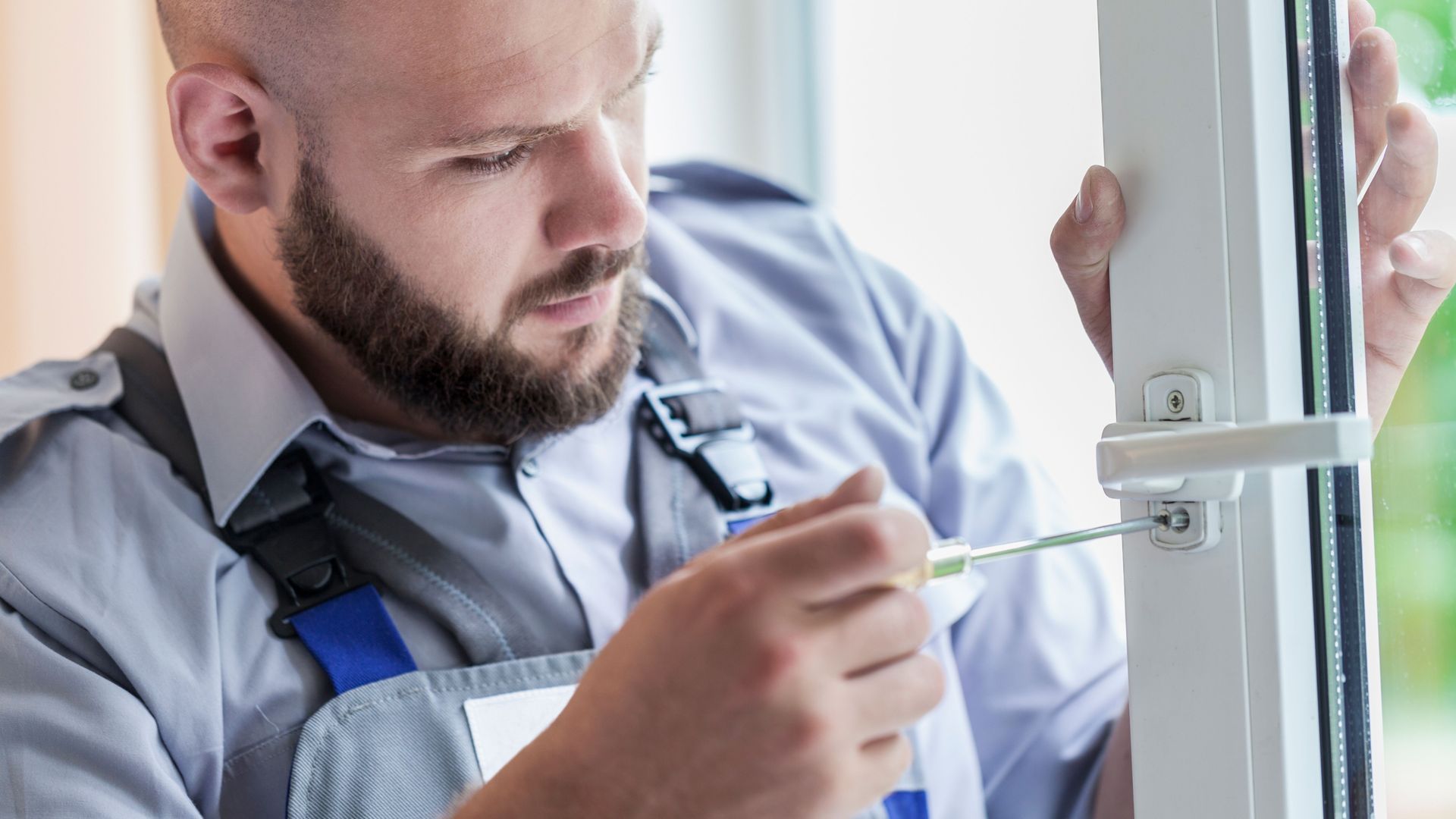
Locks, handles, hinges and ventilation components are fitted next. These elements are more than just decorative. They're essential to safety, usability and compliance with building regulations.
Quality manufacturers choose hardware that complements the strength of the frame, offering smooth operation and reliable security. At this stage, windows may also receive additional finishes, such as woodgrain effects or bespoke colour foils, depending on the design.
These finishes should be bonded to the uPVC surface during manufacturing, not painted on afterwards. This ensures they won't peel or fade easily.
Step 6: quality control and testing
Before a uPVC window is ready for installation, it goes through rigorous quality checks.
Frames are inspected for accuracy, weld strength and finish quality. Glazing units are checked for clarity and seal integrity. Moving parts are tested to ensure smooth operation.
Many manufacturers will also test windows for weather resistance, thermal performance and security standards. This final stage ensures that when a window leaves the factory, it's ready to perform reliably in real homes under real conditions.
Why manufacturing quality matters
On the surface, many uPVC windows look similar. But the way they're made – from the quality of materials to precision of assembly – makes a significant difference to how they perform over time.
High-quality uPVC windows are quieter, warmer, more secure and last much longer. They open and close smoothly, keep draughts out and retain their appearance year after year with minimal maintenance.
That's why choosing an experienced, reputable supplier matters just as much as choosing the window style itself.
From factory floor to family home
By the time a uPVC window is installed in your home, it has already been through an impressive transformation. It's gone from a raw powder to a precision-engineered product, designed to protect, insulate and enhance your living space.
That's why, at Calder Windows, we only source uPVC windows from a select few trusted suppliers. We want to know that the process is guided by experience, genuine care and an understanding that windows aren't just components. They're a key part of how a home feels, functions and lasts.
Because when something is made properly from the very beginning, it will perform well for decades to come.
Are you in Yorkshire and looking for trusted
uPVC window fitters ? You can choose Calder Windows with confidence – we have more than 30 years of experience and a raft of five-star Google reviews to our name. Call our friendly team today on 01924 897 040 to discuss your needs or request a quick, competitive quote.
Recent Posts