Wooden windows vs uPVC windows: which is best for your home?
New windows come in all sorts of styles and materials. Let's compare wood and uPVC windows and explore their pros and cons.
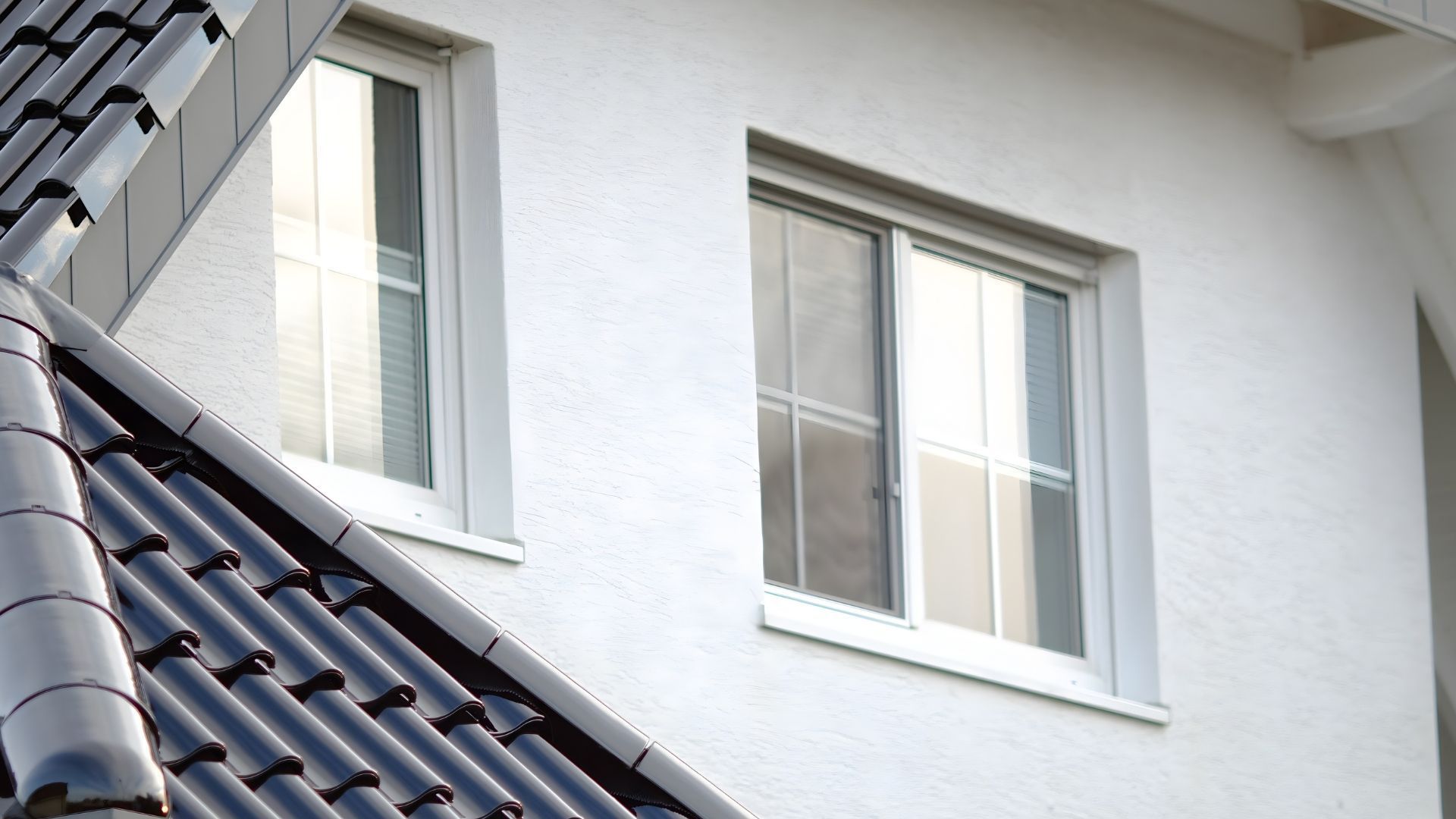
What are windows for? This isn't the start of a riddle, poem or cracker joke. It's a question that plays a big part in the window you choose for your home.
Well, windows keep out the cold and let cool air in – sure. But they also contribute to your home's thermal efficiency and make an aesthetic statement.
These three things are of greater or lesser importance to different people. How important they are to you will be a factor when you come to choose the materials for your window frames.
In the world of window frames, one debate rages: wood or uPVC? Traditionalists swear by wood while pragmatists say uPVC does the job just as well, if not better.
So, which one is right for you? In our view, there are five things to take into consideration:
- Cost
- Maintenance
- Energy efficiency
- Longevity
- Aesthetics
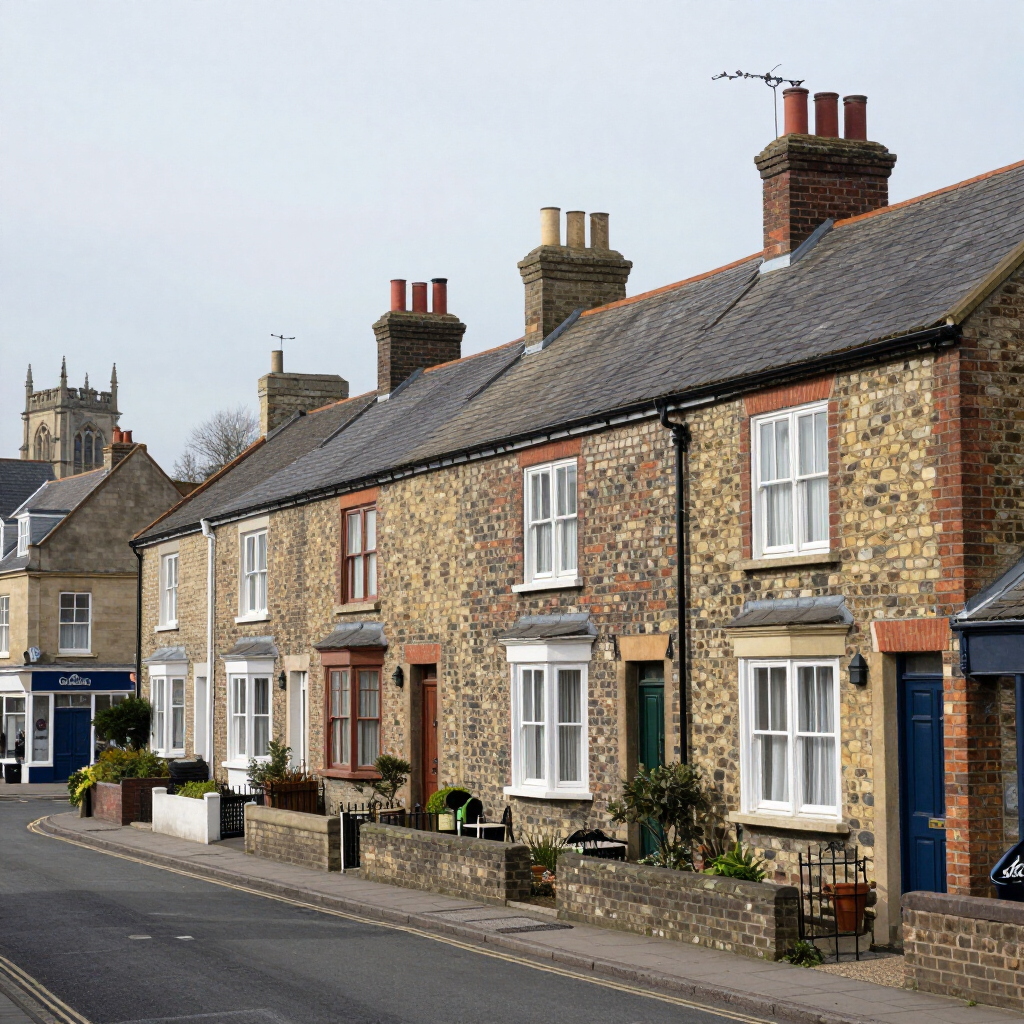
There's also the question of the kind of property you live in. Period properties, for instance, can lose value if fitted with uPVC windows.
But the simple answer is this: if you want a traditional look and don't mind extra upkeep, go for wood. If you want a high-performing window that looks good but not quite antique, uPVC is the way to go.
Want to know more? Let's break down those five factors to guide you on your buying journey.
1. Cost
Wooden windows are more expensive than uPVC – at least
50% more, in fact.
For some, this is well worth the expense. If authenticity is a priority, that's a few hundred extra quid well spent. But for some, the added maintenance that wood requires makes it a no-go.
That's not the end of the story, however. This is simply a comparison of the initial cost. You also need to consider how long the window lasts. The fact that wood lasts longer than uPVC makes it a valuable investment for some.
At the end of the day, your budget is probably the key factor in deciding between wood and uPVC. If you've got the money to spend, you may choose to go with wood. If you're looking for cost-effectiveness, however, uPVC satisfies most.
2. Maintenance
How much effort are you willing to put into the upkeep of your windows? Think carefully before you commit to wood or uPVC frames.
uPVC is easy to clean – really easy. A regular wipe with warm, soapy water and a soft sponge or cloth and your windows will sparkle like the day they were fitted.
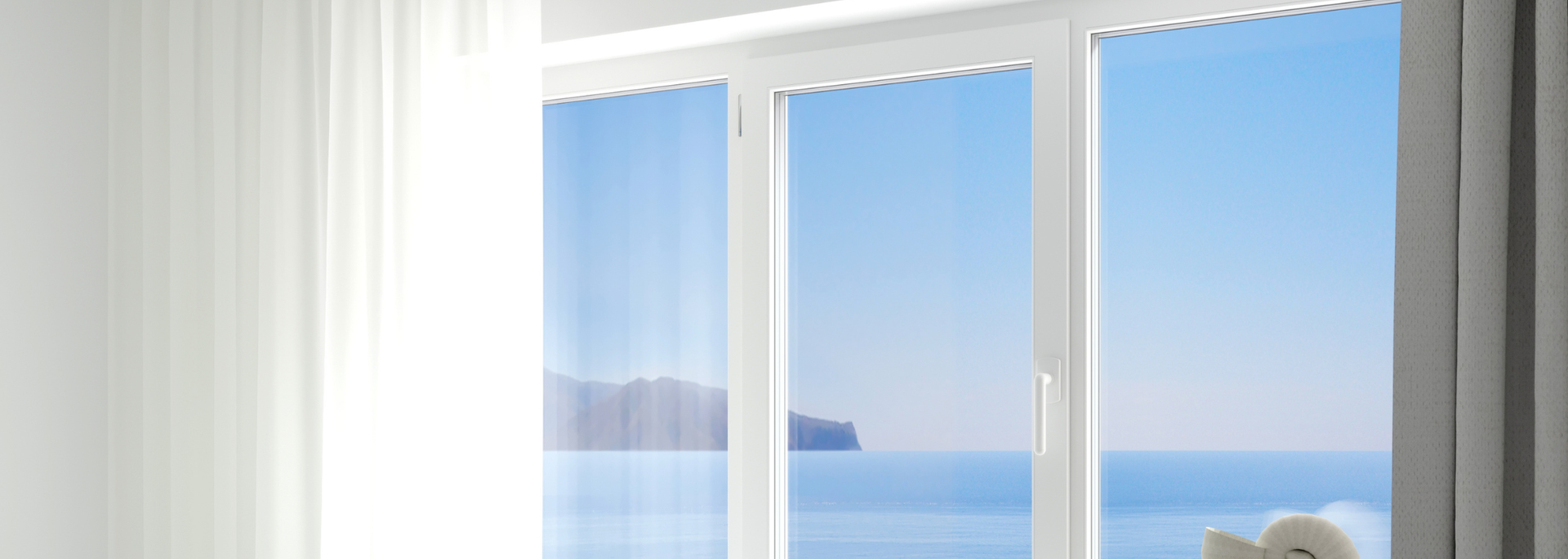
Wood frames are cleaned in the same way. But unlike uPVC, they're prone to weather damage. That means regular repainting and sealant checks.
This isn't just a question of aesthetics. When wood deteriorates, gaps form. This can cause a range of problems, from draughts to pest damage.
If you're willing to put the work in – or pay someone to do it for you – then wood is worth it. For those who want an easy life, however, uPVC is as simple to deal with as ABC.
3. Energy efficiency
We're living at a time when energy efficiency is growing in importance for your average Joes and Joannes. Whether it's to cut carbon emissions, energy bills or both, many homeowners want to choose the energy-efficient option.
So, which is it? If you consider the frame alone, well-kept wood is a better insulator than uPVC.
But a window isn't just a frame. If you fit a uPVC frame with toughened glass, the complete unit will be just as energy-efficient as a wooden framed equivalent.
Oh, and if you get a toughened glass pane, you'll also have a window that's harder to break – and when it does break, it will break into lots of small, smooth pieces rather than dangerous shards.
The differences aren't substantial. For this reason, many homeowners are satisfied with uPVC. If you choose wood, it's likely to be for another reason.
4. Longevity
The lifespan of your windows matters. uPVC lasts around 35 years, whereas wood, when well-maintained, can last 60 or more.
How much this matters to you will depend on your plans for your home. Are you hoping to live there for decades? Will it be inherited by your children? Are you hoping to sell?
Whatever the answers to these questions, it's worth considering the kind of durability you require before purchasing a new window. Otherwise, you may find yourself frustratedly replacing uPVC frames – or, conversely, wondering why you spent so much on wood frames in the first place.
5. Aesthetics
For many buyers, this is the most important factor. Do you want an authentically traditional window? Then wood is the obvious choice.
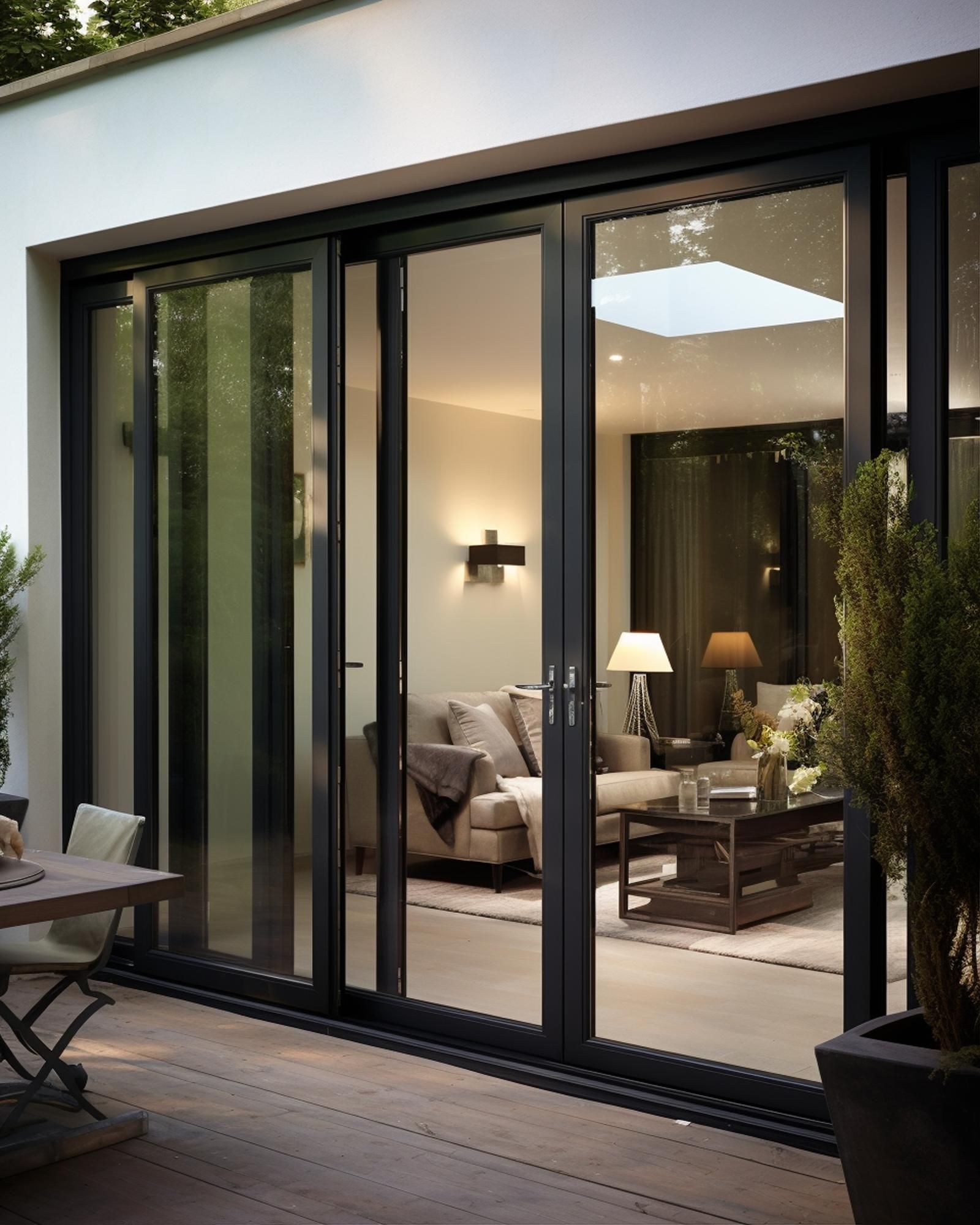
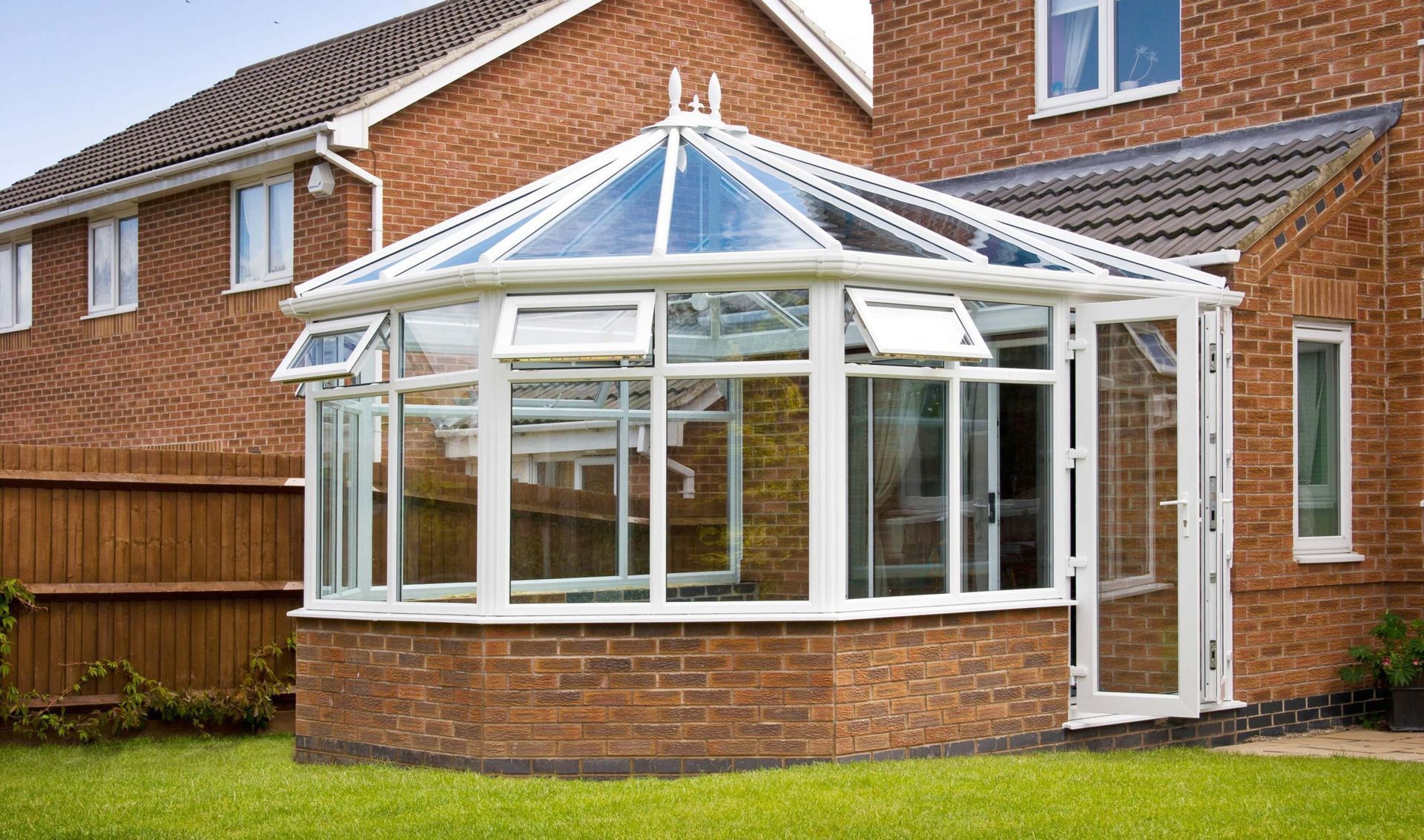
If not, uPVC does the same for less. It comes in a wide range of colours and finishes and suits both classic-looking and modern-looking properties.
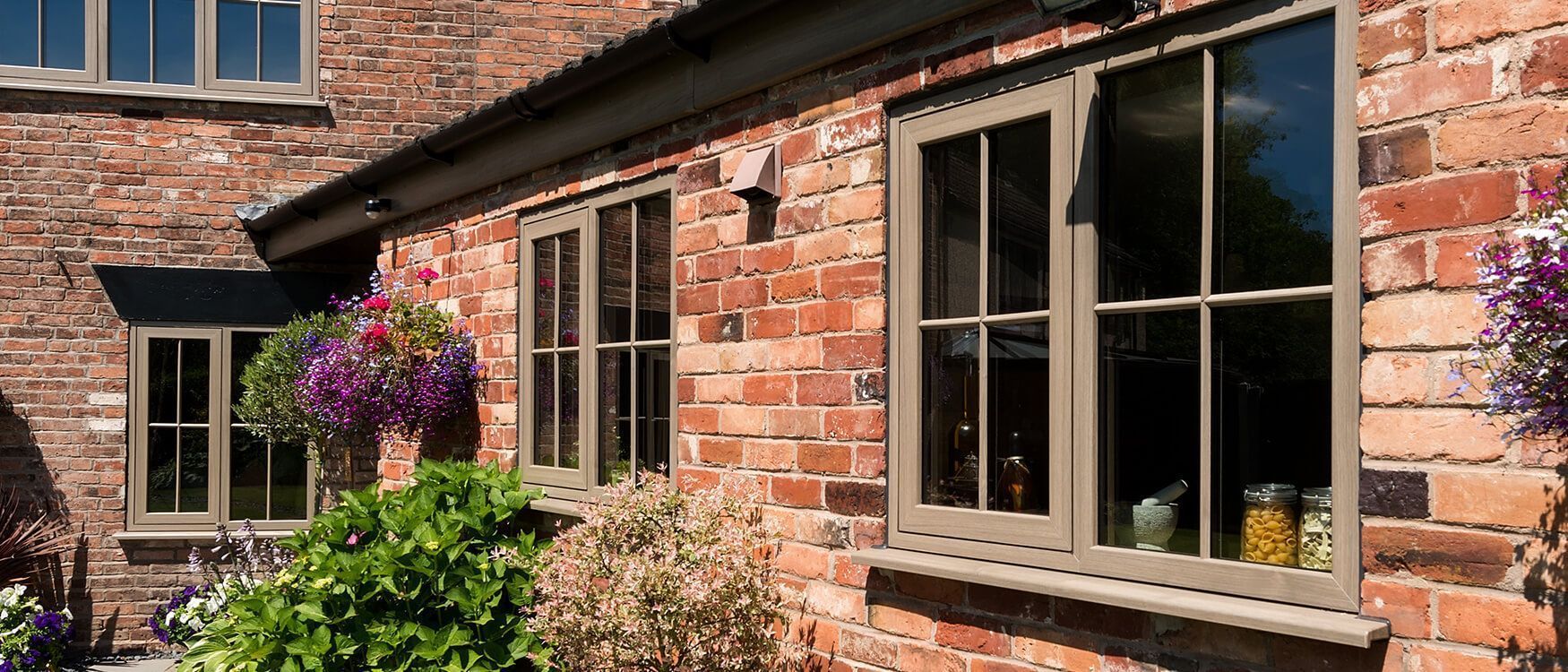
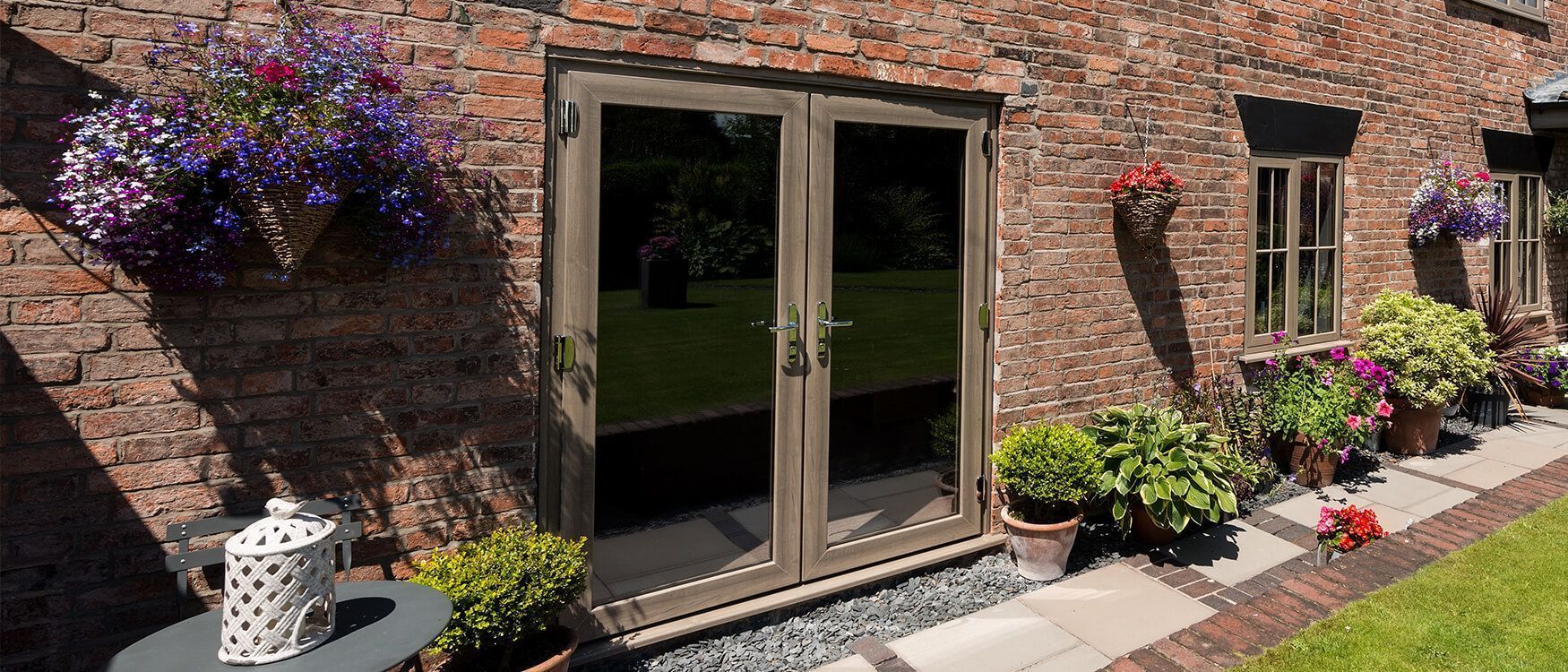
It's worth saying, however, that the visual difference between wood and uPVC is increasingly hard to spot. Connoisseurs will spot uPVC a mile off – but for the rest of us, a uPVC window with a wood effect does the job just as well.
Frequently asked questions:
What is uPVC?
uPVC stands for "unplasticised polyvinyl chloride". It's a type of plastic often used in construction, especially for windows, doors and drain pipes.
How do you clean wooden windows?
Wooden-framed windows can be cleaned with mild detergent and a soft cloth or sponge. Once cleaned, they should be rinsed with clean water and dried thoroughly with a clean cloth. This second stage is necessary to avoid moisture damage.
Recent Posts