4 extension ideas for semi-detached houses
Ready to level up your semi? Discover 4 ideas for extensions that maximise space and kerb appeal.
If you watch TV shows like Grand Designs , you'd be forgiven for thinking impressive extensions were only an option for the super-rich and super-rural.
But you don't need bottomless pockets or acres of land to enjoy the luxury of an extension. With some savvy planning, even a humble terraced house can gain a bit of space and a tonne of kerb appeal.
So, if you live in a semi-detached house, you're already off to a good start. You probably have more space than your average terraced dweller. And with roughly 30% of the English and Welsh population living in semi-detached housing, you're one among many. That means there are plenty of options designed just for homeowners like you.
Naturally, there are limitations (you can only gain so much space) and considerations (did someone say "planning permission"?) But if you get your ducks in a row and your paperwork filed, you could soon be enjoying a brand-spankingly spacious new room.
Let's start by looking at these important considerations. Then we'll share some smart extension ideas that might just suit your home.
Things to think about when planning a semi-detached extension
Permitted development rights
You can think of permitted development rights (PDRs) as pre-granted planning permission for certain projects. If your extension falls under your PDRs, you can go ahead and build it without seeking full planning permission.
Bear in mind that the rules can be complex, and they don't apply to all dwellings equally. Study the rules carefully so you know what you're getting yourself into. And consider applying for a Lawful Development Certificate, which confirms your project is above board with the council.
Restrictive covenants

Even if your extension falls under PDRs, you should still check for restrictive covenants on your property deed. These are special rules that stop you from doing certain things on or with the property.
Covenants can range from 'don't paint your house a certain colour' to 'don't build an extension – any extension'. Check carefully. You don't want to land yourself in hot water with the powers that be.
Planning permission
If PDRs don't apply, you'll need to seek full planning permission from your local authority. This could happen if your project
- exceeds the limits of permitted development or
- you live in a protected area, such as a National Park or conservation area.
Allow plenty of time to apply. For most small-scale extensions, you should get a decision within eight weeks.
Staying friendly with the neighbours
This is a big consideration for semi-detached dwellings. No amount of wishful thinking will change the fact that you've got neighbours next door – and they might have strong opinions about your plans.
There are several things to think about here:
- Planning permission disputes: neighbours can (and do) raise disputes about planning permission. Be prepared to work towards a compromise.
- Boundary disputes: building projects have a habit of stirring up old gripes about property boundaries – especially if the boundaries are unclear.
- The Party Wall Act: this law says you must give your neighbour formal notice if you plan to work on a shared wall or property boundary.
- Access for construction: if you need to move people or materials across your neighbour's land, you'll need to agree this with them in good time.
Building regulations

Explaining the ins and outs of UK building regulations would take a book, not a blog post. Just bear in mind that it's your responsibility to make sure they're adhered to.
Four semi-detached extension ideas to boost space and property value
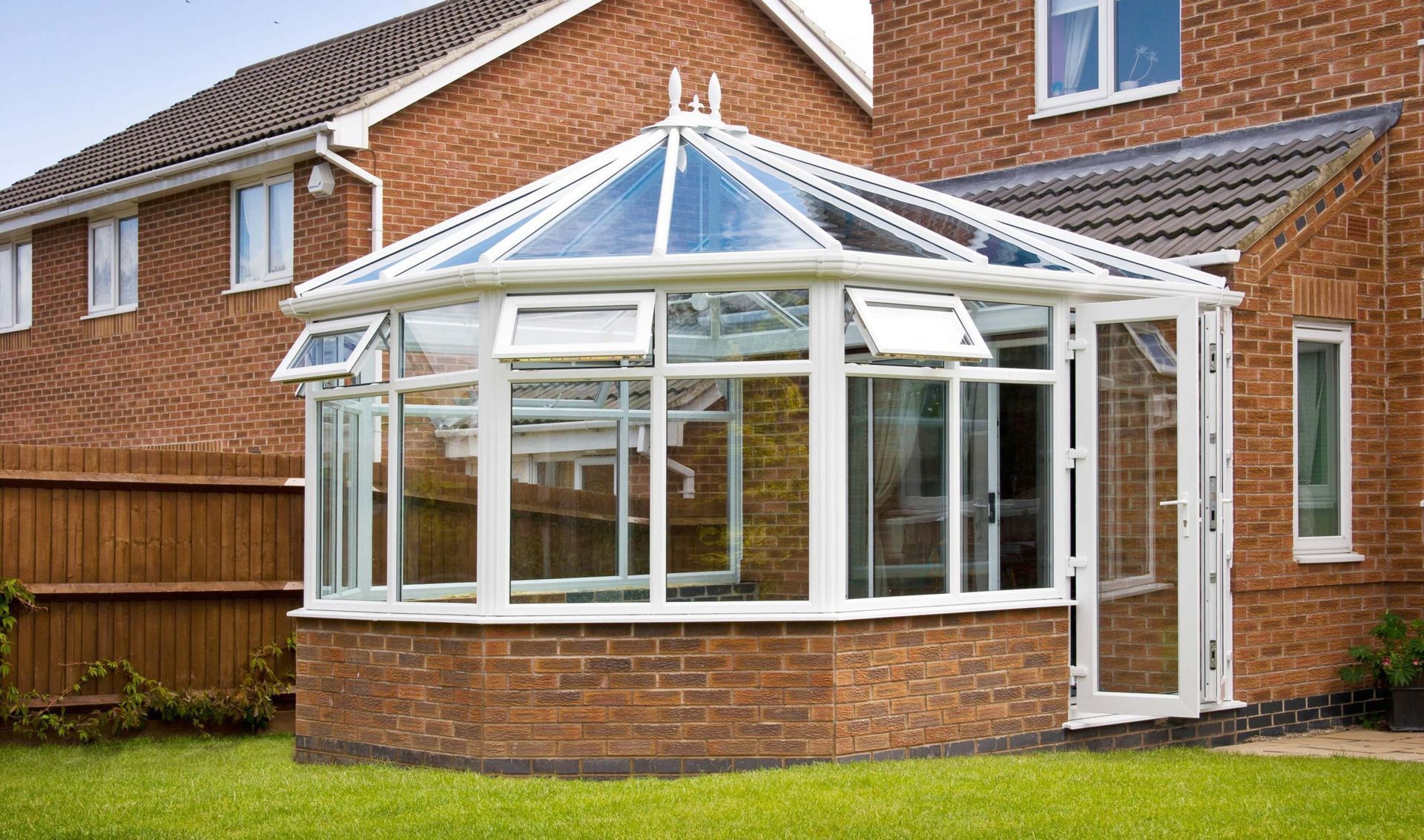
1. Don't forget the classic conservatory
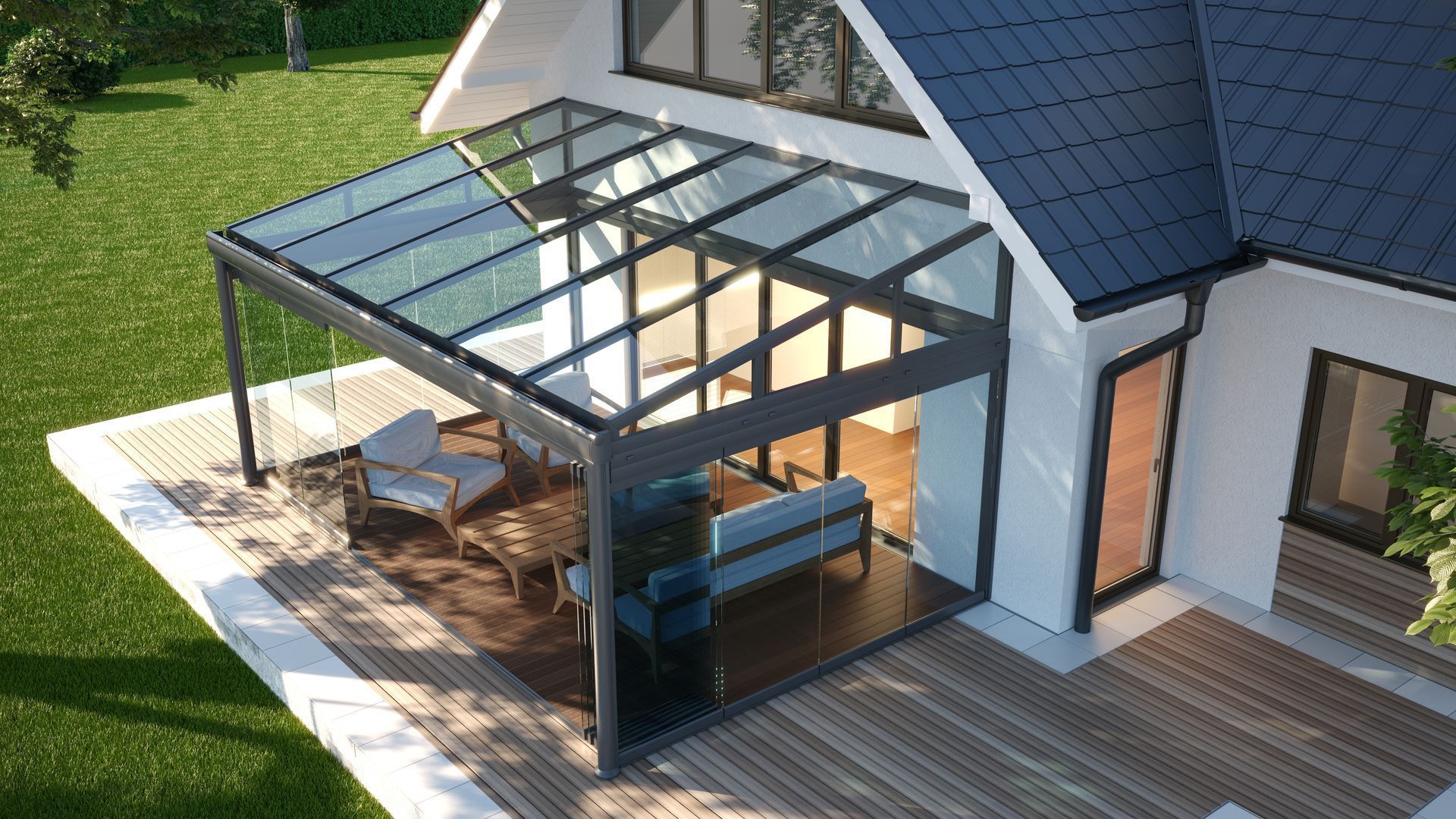
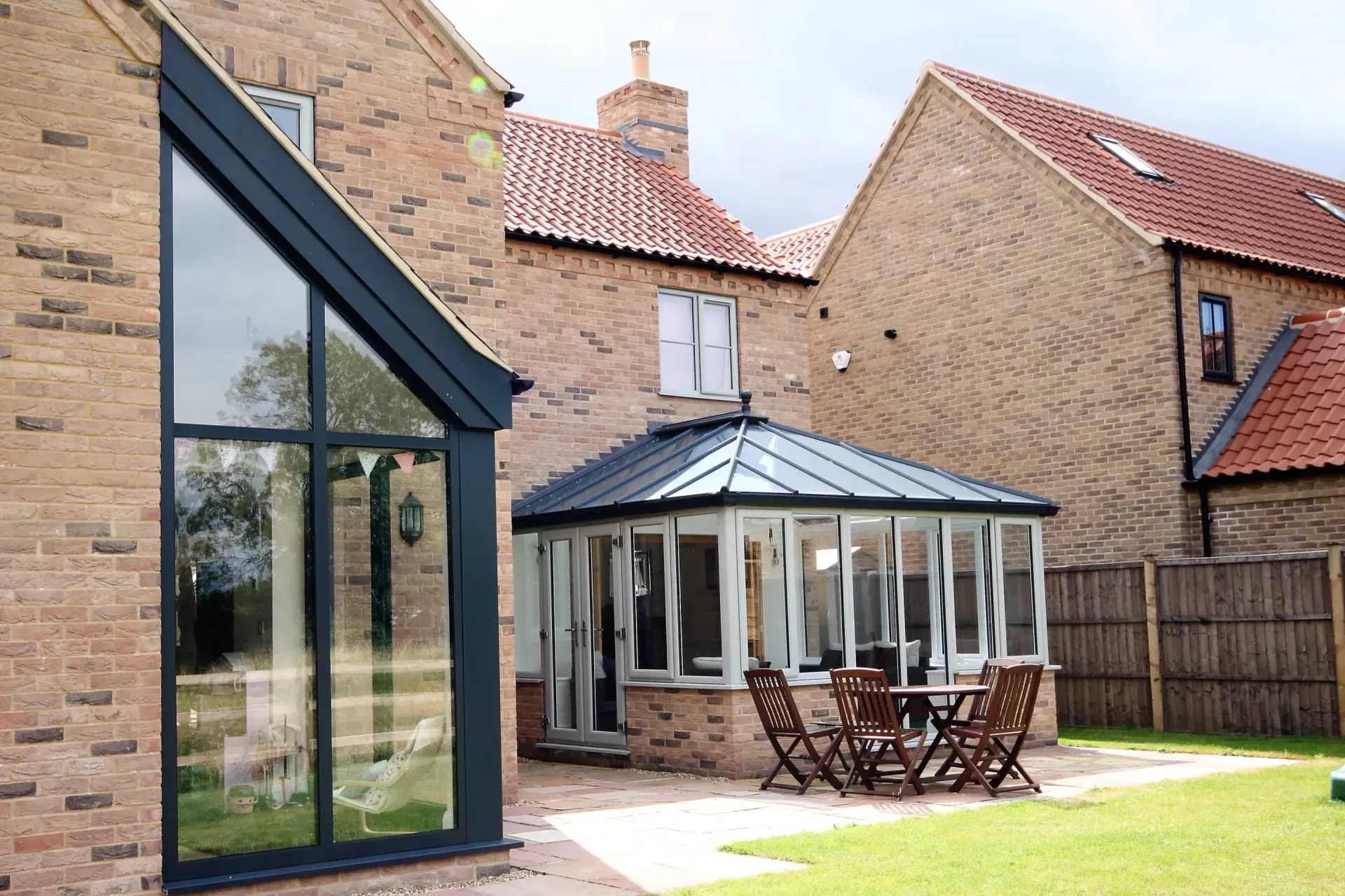
Conservatories are popular for a reason. As an estate agent might say, they bring the outdoors in. They're flooded with light, which is a big boon for sun-deprived British homes. And their popularity means there are plenty of tailor-made options for suburban semis.
And don't listen to the negative Nathans. Sure, old-style conservatories had issues with heat efficiency (roasting in summer, freezing in winter – you know the drill). However, a good, modern conservatory can be very efficient indeed. With double glazing and other eco-innovations included as standard, they're perfectly pleasant all year round.
2. Consider extending to the front
When planning an extension, it's tempting to put all your eggs in your back garden. After all, back gardens tend to be larger than front gardens, so that means more space to play with – right?
Sure – but as an osteopath once said, don't sleep on your front. Since you only share one boundary, you could find plenty of untapped potential in the unattached side at the front of your house.
Even a simple front porch extension could pay dividends. By creating a dedicated room for shoes, coats and keys, you free up space inside your home. That space could become a larger entrance hall or even add a few valuable feet to your living room.
3. Go extra-classy with an orangery
Even the name sounds special, doesn't it? "O-ruhn-juh-ree."
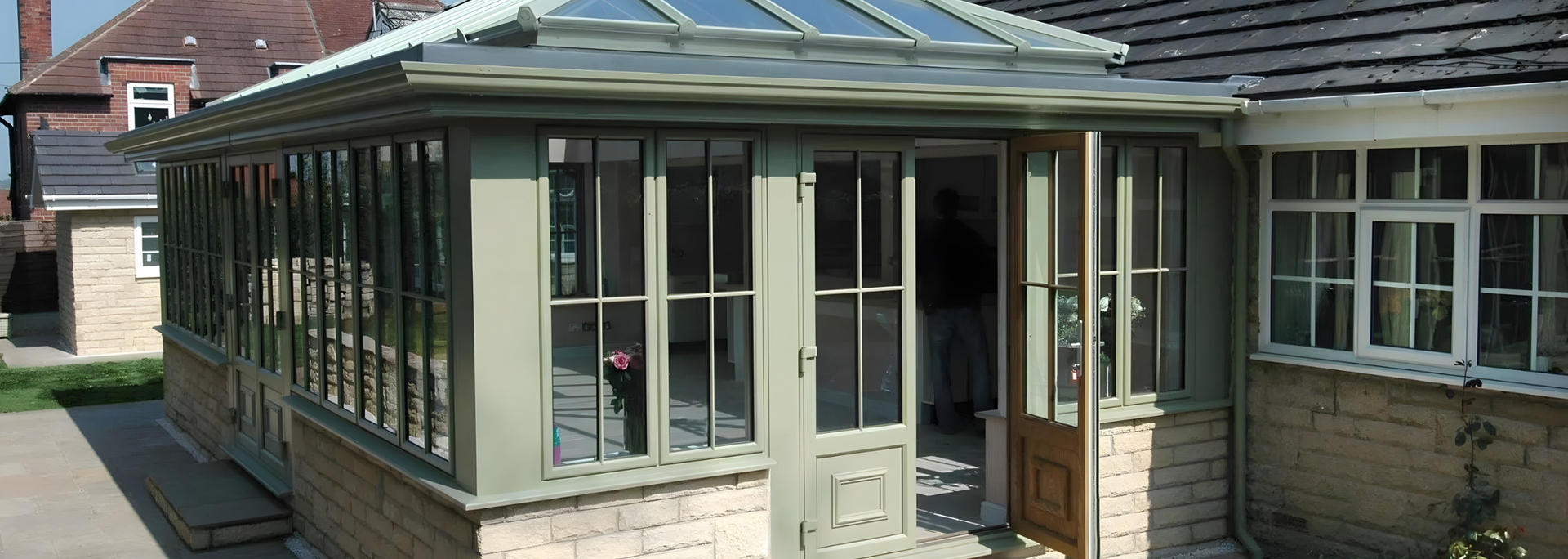
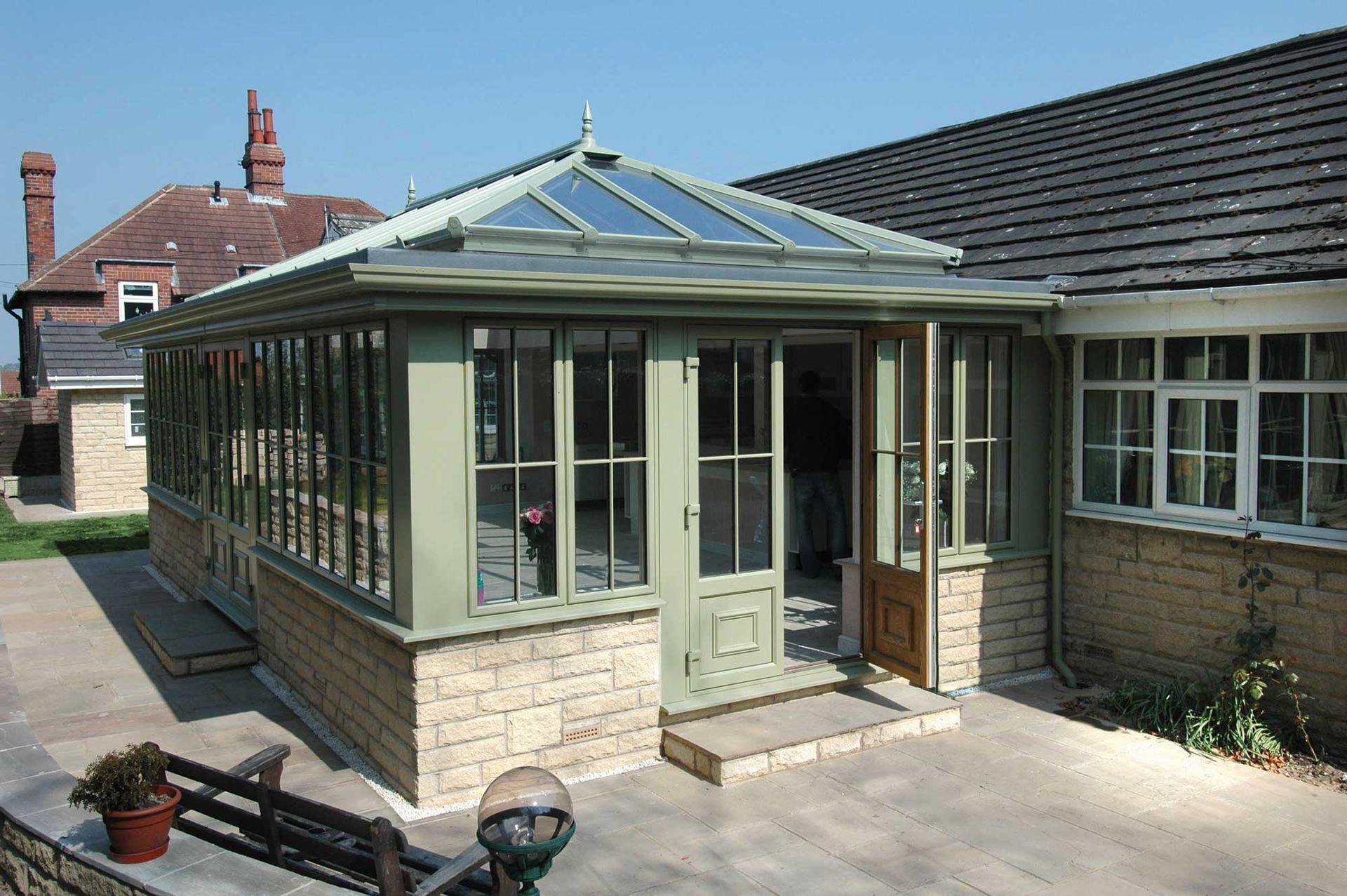
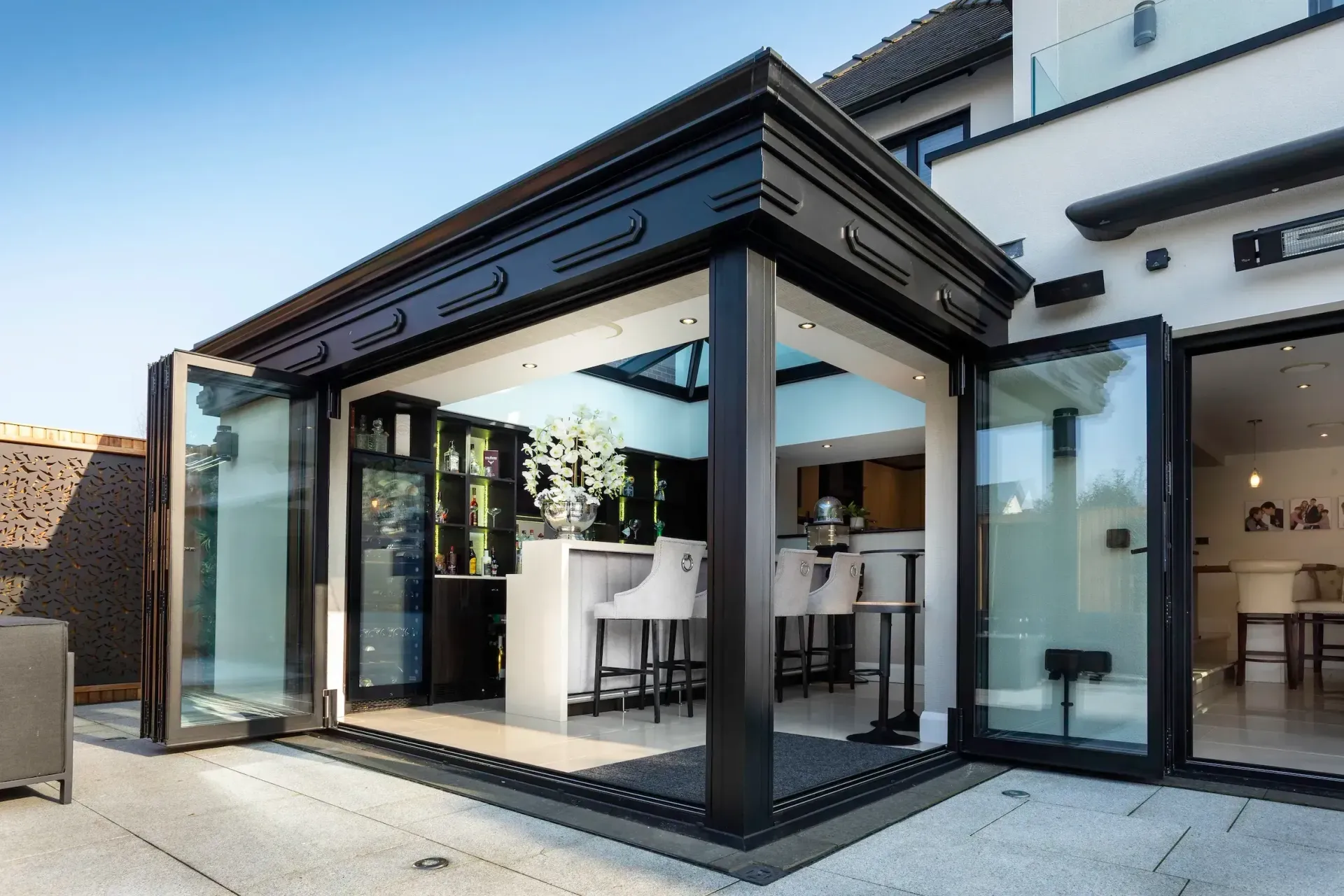
Well, these extensions are special. They're flanked with wall-to-ceiling glass, much like a conservatory. But they also feature more prominent brickwork and, some might argue, a more classically elegant design.
The result is an extension that's as bright and airy as a conservatory but as warm and cosy as any other room in your home. And we mean warm – orangeries tend to hold heat better than their all-glass cousins.
You might want to plump for an orangery if you want to use your extension as a dining room or regular living space.
4. Think upwards, not just sideways
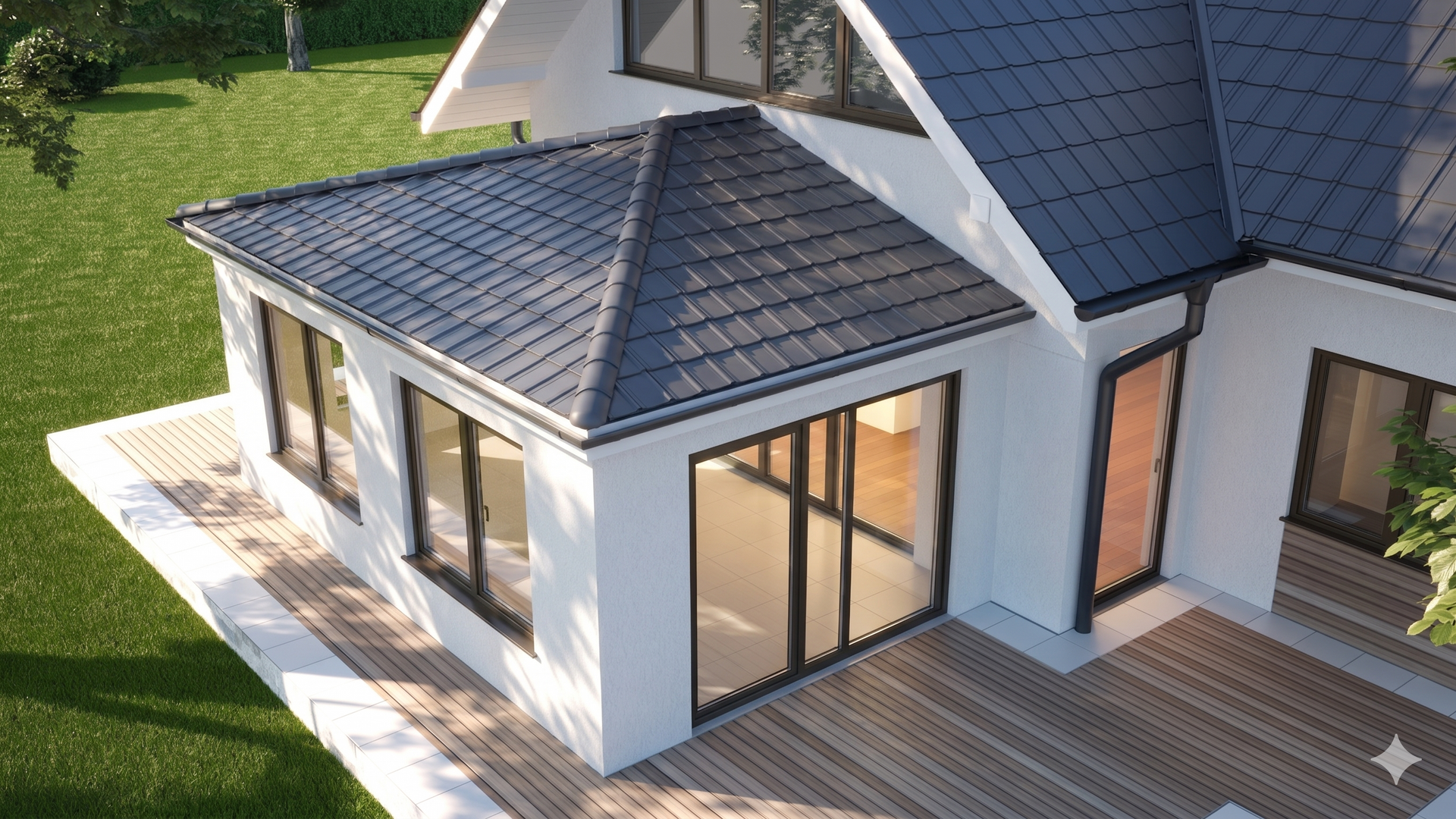
While semi-detached homes usually offer more space to play with than terraced houses, your footprint only stretches so far. Plus, the further you extend outwards, the more you risk disputes with neighbours or ending up with a brick monstrosity in your garden.
That's why it can be helpful to consider building upwards, as well as sideways.
The classic upwards extension, of course, is the tried-and-true loft conversion. You've got space in your roof, so why not capitalise on it?
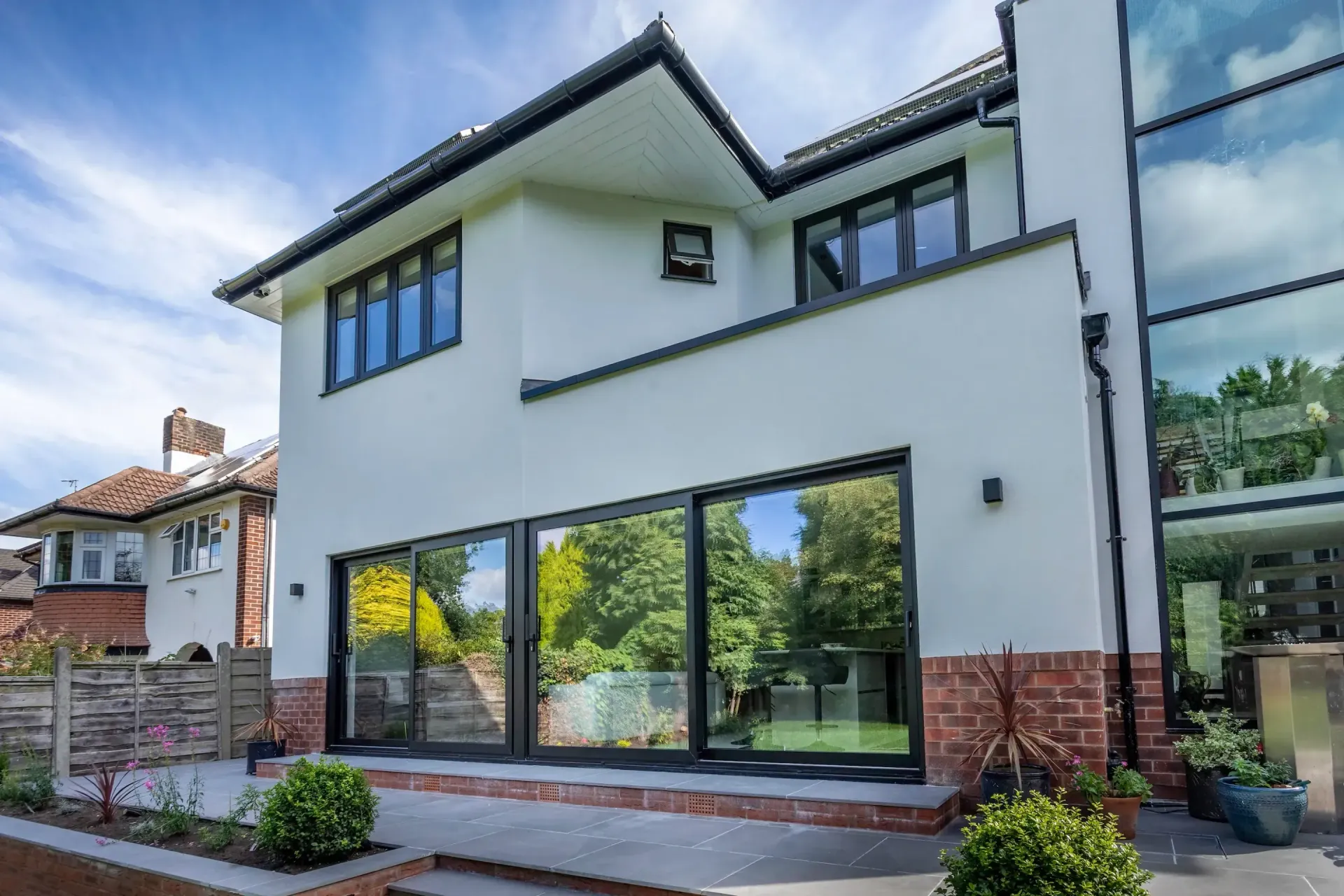
But don't sleep on multi-storey outdoor extensions, either. Not only do these double your available space, but they often end up cheaper per square metre.
Just be mindful of the 45-degree rule. Simply put, this means your extension has to fit within a 45-degree line drawn from your neighbour's nearest downstairs window. If you can tuck a two-storey extension within that space, you're golden.
We hope this article has sparked some ideas for your extension-to-be. In Yorkshire and need help from a
conservatory specialist ? At Calder Windows, we've spent the last 30 years supplying and installing high-quality conservatories and orangeries.
Get in touch today for a quick, free quote.
Recent Posts